Amazing Tips For Sustainable Meal Prep On A Budget

Tips For Sustainable Meal Prep On A Budget; You can make sustainable meal prep on a budget easy by focusing on seasonal ingredients and planning your meals in advance. Start by creating a shopping list to avoid unnecessary purchases, and consider buying in bulk to save money. Embrace plant-based proteins like beans and lentils for nutritious meals. Get creative with leftovers to minimize waste, transforming them into new dishes. Choose local produce to support your community and reduce your carbon footprint. For even more tips to streamline your meal prep and save more, keep exploring additional strategies that can enhance your cooking experience.
Understand Seasonal Ingredients
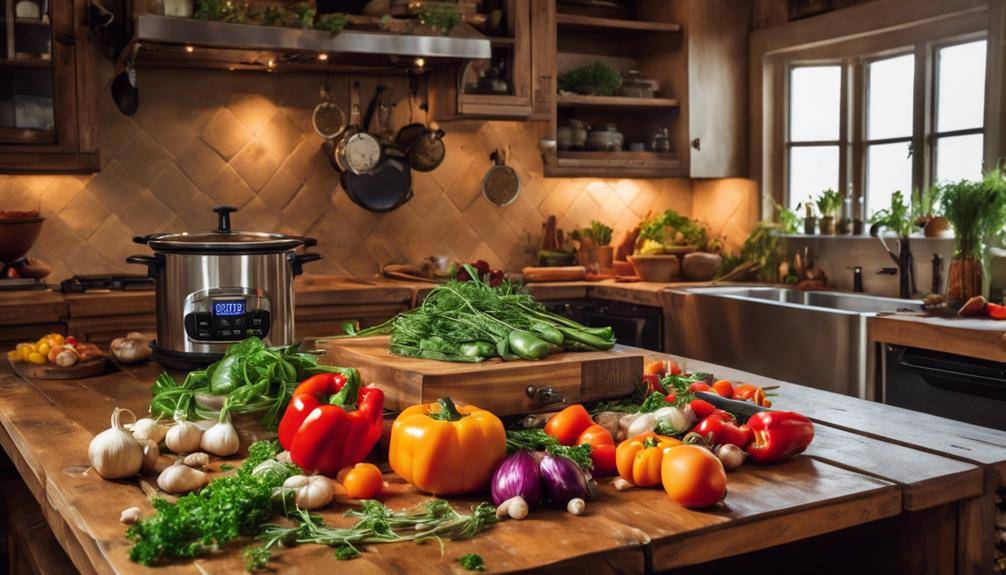
Understanding seasonal ingredients is key to saving money while meal prepping sustainably. When you focus on what’s in season, you not only enjoy the seasonal benefits but also tap into local sourcing. This often means fresher produce with better flavor profiles, enhancing the meals you create. Plus, seasonal foods typically have more nutrient variations, providing your body with the diverse vitamins and minerals it needs.
You can experiment with different cooking techniques that highlight the natural flavors of seasonal ingredients. For example, roasting root vegetables in the fall or grilling summer squash can elevate your dishes without extra costs. Additionally, consider preservation methods like freezing or canning to extend the life of seasonal produce. This way, you’re making the most out of your budget.
Support your community by purchasing from local farmers’ markets or joining a community-supported agriculture (CSA) program. This not only boosts local economy but also aligns with eco-friendly practices by reducing transportation emissions. If you’re on a tight budget, don’t hesitate to make budget-friendly swaps, like substituting fresh herbs for dried ones or choosing less expensive seasonal produce over out-of-season items.
Lastly, keep in mind that crop rotation helps maintain soil health, ensuring that local farms produce high-quality ingredients year-round. By understanding seasonal ingredients, you create flavorful, nutritious meals while supporting your community and sticking to your budget. So, immerse yourself in the world of seasonal cooking and see how it transforms your meal prep experience!
Plan Your Meals Ahead
Planning your meals ahead can save you both time and money while keeping your meals delicious and sustainable. Start by evaluating your weekly grocery needs and make the most of seasonal ingredients. Don’t forget to embrace leftovers creatively to minimize waste and maximize flavor!
Assess Weekly Grocery Needs
Regularly reviewing your weekly grocery needs can make a significant difference in your meal prep efficiency and budget. Start by examining your meal frequency for the week. How many meals will you be preparing? This will help you determine how much of each ingredient you need. If you plan to cook for the whole week, consider batch cooking to save time and money.
Next, think about your portion sizes. Are you cooking for one, or do you have a family to feed? Adjust your ingredient quantities based on how much each person eats. This prevents food waste and guarantees you don’t overbuy. Make a shopping list that aligns with your meal plan, focusing on items you’ll actually use.
You should also keep track of what you already have in your pantry and fridge. This helps you avoid purchasing duplicates and maximizes your existing ingredients. By reviewing your grocery needs weekly, you’ll not only save money but also streamline your meal prep process, making it easier to stick to your budget while enjoying delicious, home-cooked meals.
Use Seasonal Ingredients Wisely
When you incorporate seasonal ingredients into your meal prep, you not only enhance the flavors of your dishes but also save money and support local farmers. Start by visiting farmer’s markets to discover what’s in season. You’ll find fresh produce from local producers, often at lower prices than grocery stores. Seasonal recipes can inspire you to create delicious meals while minimizing food waste.
Planning your meals ahead means you can take advantage of ingredient swaps, using what’s abundant at the time. For example, if zucchini is in season, swap it in for pasta in your favorite recipes. Attend cooking classes focused on seasonal eating to learn new techniques for preparing these ingredients.
Participate in harvest festivals to celebrate the bounty of the season and connect with community gardens that often offer fresh produce. Additionally, consider food preservation methods like canning or freezing to make the most of your seasonal haul. This way, you can enjoy those flavors well beyond the harvest. By prioritizing seasonal ingredients, you not only eat healthier but also contribute to sustainable practices like crop rotation, ensuring a robust food system for the future.
Embrace Leftovers Creatively
After you’ve enjoyed a delicious meal, don’t let those leftovers go to waste; instead, embrace them as an opportunity to create something new and exciting. Leftover transformations can elevate your cooking game while saving you money. Start by thinking about how you can repurpose what you have. For instance, roasted veggies can become a hearty soup or a filling for a savory omelet.
Get creative with grains too! Leftover rice or quinoa can easily be turned into a revitalizing salad or stir-fry. Consider using proteins like chicken or beans in tacos, wraps, or even a grain bowl.
When planning your meals ahead, envision how each dish can lead into another. This kind of creative repurposing not only minimizes waste but also keeps your meal prep dynamic and enjoyable.
To keep things interesting, experiment with different spices and sauces. A simple change in flavor can transform a familiar dish into something extraordinary. By embracing your leftovers, you’ll discover new flavors, save money, and contribute to a more sustainable kitchen. So, next time you have extra food on your plate, get inventive and make it the star of your next meal!
Create a Shopping List
Creating a shopping list is an essential step in sustainable meal prep that can save you both time and money. When you engage in meal planning, you get a clear picture of what you need for the week. Start by jotting down your meals and the corresponding ingredients. This proactive approach not only keeps you organized but also aligns with your grocery budgeting goals.
To create an effective shopping list, first, assess what you already have in your pantry and fridge. Check for expired items or things you can use in upcoming meals. Next, think about recipes you’d like to prepare, ensuring they utilize seasonal produce to keep costs low and freshness high. Prioritize ingredients that can be used across multiple meals, reducing waste and saving you cash.
Once you’ve outlined your meals, break down your list into categories like produce, grains, proteins, and dairy. This organization helps streamline your shopping trip, making it quicker and more efficient. Stick to your list while shopping to avoid impulse buys that can derail your grocery budgeting efforts.
Buy in Bulk
Buying in bulk can be a game-changer for your sustainable meal prep budget. When you purchase pantry staples in larger quantities, you often score bulk discounts that can lead to significant savings. Think about items like rice, beans, lentils, and oats—these are not only affordable but also versatile ingredients that can form the foundation of your meals.
Before you head to the store, make a list of the staples you use most frequently. This helps you avoid impulse buys and guarantees you only stock up on what you’ll actually use. Many grocery stores and warehouse clubs offer bulk bins or large packages that allow you to buy exactly what you need without excess packaging. You can even bring your own containers to minimize waste.
Don’t forget to check for expiration dates, especially for perishables. For items that have a longer shelf life, like grains or canned goods, buying in bulk can reduce your overall costs and keep your pantry well-stocked. When you find a great deal on a staple you love, consider splitting the purchase with a friend or neighbor. This way, you both save money while avoiding potential waste.
Embrace Plant-Based Proteins
When you embrace plant-based proteins, you’re not just saving money; you’re also packing your meals with nutrients. Options like lentils, beans, and chickpeas are cost-effective and versatile, making them perfect for meal prep. By incorporating these ingredients, you can create satisfying dishes that fuel your body and your budget.
Cost-Effective Options
Although you might think that eating healthy on a budget is challenging, embracing plant-based proteins can be a game-changer. These proteins, such as lentils, beans, and chickpeas, are not only affordable but also versatile. You can easily incorporate them into various meals, making them perfect for meal prep.
Start by stocking your pantry with these staples. Dried beans and lentils are usually cheaper than canned versions, and they have a long shelf life. When you’re ready to cook, simply soak and boil them, then add them to your favorite recipes. Pairing these proteins with frozen vegetables can elevate your meals while keeping costs low. Frozen veggies often cost less than fresh ones and don’t spoil quickly, ensuring you always have healthy options on hand.
Consider whipping up a big batch of chili or a hearty stew. These dishes allow you to utilize both your pantry staples and frozen vegetables, creating satisfying meals that can last for days. Overall, using plant-based proteins not only saves you money but also helps reduce your carbon footprint, making your meal prep both cost-effective and sustainable.
Nutrient-Dense Choices
Plant-based proteins are a powerhouse for your meal prep, offering a wealth of nutrients that fuel your body without breaking the bank. By incorporating hearty legumes like lentils, chickpeas, and black beans, you’ll boost your meals’ nutrient density. Pair these with whole grains such as quinoa or brown rice for a complete protein source that keeps you satisfied.
Don’t forget about leafy greens and colorful vegetables; they add essential vitamins and minerals to your balanced meals. Use spinach, kale, or bell peppers to create vibrant, nutrient-packed dishes. For healthy fats, consider adding avocado or nuts, which enhance flavor while providing energy.
When planning your meals, remember to practice portion control. This helps you manage your food budget while ensuring you get the right balance of lean proteins, whole grains, and superfoods. You can create delicious, filling meals that are not only nutritious but also cost-effective.
Utilize Leftovers Creatively
Creativity can transform your leftovers from mundane to marvelous, allowing you to minimize waste while maximizing flavor. When you’ve got extra veggies or proteins lying around, think outside the box. One delicious option is to whip up a leftover frittata. Just beat some eggs, toss in your leftover vegetables, and bake it all together for a hearty breakfast or lunch that’s both filling and tasty.
Don’t forget about the power of vegetable stock! If you’ve got scraps like onion peels, carrot tops, or celery leaves, throw them into a pot with water and simmer for a rich, flavorful base. You can use this stock for soups, stews, or even as a cooking liquid for grains. It’s an easy way to elevate any dish while making the most of what you have.
Another idea is to create wraps or sandwiches using leftover proteins and veggies. Mix and match with sauces or spreads to keep things interesting. You can also turn leftover grains into a salad by adding a dressing, some nuts, and whatever vegetables you have on hand.
Invest in Reusable Containers
Finding ways to repurpose leftovers is just one step toward efficient meal prep, but it’s equally important to have the right tools on hand. Investing in reusable containers can greatly enhance your meal prep experience while keeping your budget in check. With various container types available, it’s easy to find storage solutions that fit your needs.
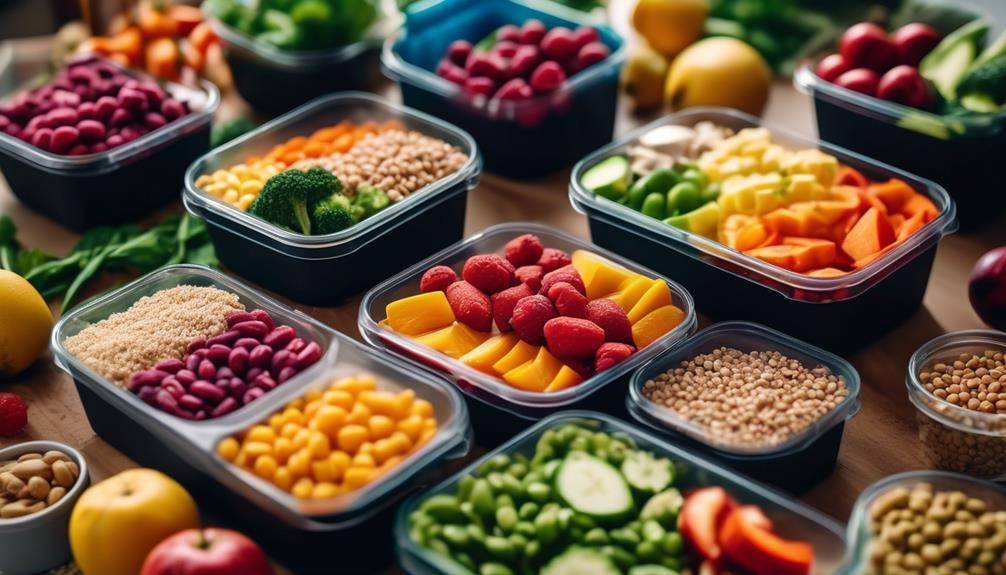
Start by considering glass containers. They’re durable, versatile, and ideal for both storing and reheating food. Plus, they don’t absorb odors like plastic can. If you’re looking for something lighter, opt for BPA-free plastic containers. They come in various sizes and shapes, making them perfect for salads, grains, or protein portions.
Don’t forget about silicone bags, which are great for snacks or marinated items. They’re reusable and take up minimal space in your kitchen. Additionally, look for containers that are stackable. This will help you maximize storage space in your fridge or pantry, making it easier to find what you need when you need it.
When you choose the right container types, you not only save money by avoiding single-use plastics but also contribute to a more sustainable lifestyle. Remember to label your containers with dates, so you know when to eat your meals. By investing in quality reusable storage solutions, you’ll streamline your meal prep process, keep your food fresh, and reduce waste—all while staying on budget.
Cook in Batches
Cooking in batches is a smart strategy that can save you time and money while simplifying your meal prep. By preparing larger quantities of food at once, you reduce the number of times you need to cook each week, freeing up your schedule for other activities. This method also allows you to take advantage of bulk purchasing, which can lower your grocery costs noticeably.
When you cook in batches, you can create meals with a greater variety of flavors and textures. For example, you might roast a large tray of seasonal vegetables, cook a big pot of grains, and prepare a protein source all at once. Once everything’s cooked, you can mix and match these components throughout the week to create different meals. This not only keeps your palate excited but also helps prevent food waste.
Additionally, cooking in batches enhances the flavors of your meals. When you let dishes sit for a day or two, the flavors meld together, resulting in even tastier leftovers. You’ll find that soups, stews, and sauces often taste better after they’ve had a chance to rest.
To make the most of batch cooking, plan your meals around ingredients that work well together. This way, you can maximize meal variety while minimizing the effort involved. Embrace this approach and enjoy the convenience and savings it brings to your week!
Freeze for Future Meals
When you freeze meals for future enjoyment, you not only save time but also guarantee you always have healthy options on hand. Meal freezing is an excellent strategy for anyone on a budget, allowing you to prepare larger quantities and portion them out for later use. By doing this, you’ll reduce the temptation to order takeout when you’re short on time or energy.
To start, choose recipes that freeze well, like soups, stews, casseroles, and grain dishes. Cook them in bulk, and once they’ve cooled, divide them into individual or family-sized servings. Make sure to use airtight containers or freezer bags to prevent freezer burn. Label each container with the name of the dish and the date you prepared it, making future planning a breeze.
When it’s time to eat, you can either thaw your meals in the fridge overnight or use the microwave for quicker options. This flexibility helps you maintain a balanced diet while sticking to your budget. Additionally, meal freezing can help you take advantage of seasonal produce and bulk discounts, ensuring you get the most value for your money.
Reduce Food Waste
To truly embrace sustainable meal prep, you need to focus on reducing food waste. Start by planning your meals to guarantee you use what you buy, and get creative with leftovers to whip up delicious new dishes. Proper food storage also plays a key role in keeping your ingredients fresh longer.
Plan Your Meals
Meal planning is a key strategy for reducing food waste while sticking to your budget. By organizing your meals ahead of time, you can guarantee meal variety and maintain a nutrition balance that meets your dietary preferences. Start by evaluating your budget constraints and create a list of ingredients you’ll need for the week. This helps prevent impulse buys and assures you only purchase what you’ll actually use.
Incorporate different cooking techniques to keep things interesting and enhance flavors without breaking the bank. Use ingredient swaps to make recipes more affordable while still enjoying diverse meals. For example, substitute more expensive proteins with legumes or seasonal vegetables.
Effective time management is essential, too. Dedicate a specific day to prep meals, which allows you to control portions and reduce waste. Use containers to store meals in appropriate sizes, making it easy to grab and go.
Lastly, seek out meal inspiration from various sources, like cookbooks or online platforms. You’ll discover new recipes that align with your preferences and budget, guaranteeing you enjoy every meal while minimizing waste.
Use Leftovers Creatively
Leftovers can be your best friend in the kitchen, transforming what could end up as waste into delicious new meals. Instead of tossing out last night’s dinner, think creatively. You can blend leftover soups into a creamy base for new dishes or toss them into inventive salads for added flavor.
If you’ve got extra veggies or proteins, whip up a breakfast frittata or a savory omelet to kick-start your day. For lunch, consider using those remnants as sandwich fillings or tossing them into grain bowls for a nutritious boost.
Don’t forget about stir fry dishes; just chop up your leftovers and sauté them with your favorite sauce for a quick meal. Pasta bakes are another excellent way to repurpose those noodles and sauces you have lying around.
For a revitalizing treat, create smoothie packs with leftover fruits or veggies, blending them into a nutritious drink. Finally, think about those repurposed sauces; they can elevate any dish when drizzled over your meals. By using leftovers creatively, you not only save money but also reduce food waste and enjoy a variety of tasty options.
Store Food Properly
Proper food storage is vital for minimizing waste and keeping your meals fresh. Start by investing in smart storage solutions, like airtight containers, which help with food preservation and maintain freshness. When you’re prepping meals, focus on portion sizes to avoid over-preparing. By vacuum sealing your meals, you can extend their shelf life considerably and keep them safe from freezer burn.
Temperature control is important too. Make sure your fridge stays at the right temperature to slow down spoilage and keep your food safe. For items that you won’t consume soon, consider freezing them. Proper freezer organization will make it easier to find what you need and help you avoid forgetting items that could go bad.
Don’t forget about moisture management! Keep foods dry to prevent mold and spoilage. Always practice proper labeling with dates, so you know when to use or toss items. By following these guidelines, you can effectively store food and minimize waste, making sustainable meal prep not only budget-friendly but also environmentally conscious. Your meals will stay fresh longer, and you’ll feel good knowing you’re reducing your food waste footprint.
Choose Local Produce
Choosing local produce not only supports your community but also guarantees you’re getting the freshest ingredients for your meals. When you engage in farmer’s market shopping or join a community supported agriculture (CSA) program, you connect directly with local farmers who prioritize sustainable farming practices. This means you’re not just buying food; you’re investing in your community’s health and economy.
By opting for local produce, you greatly reduce food miles, minimizing the environmental impact associated with transporting food from distant locations. Plus, local food co-ops often offer organic produce benefits that can help you eat healthier while sticking to your budget. You’ll find a variety of seasonal ingredients that can inspire seasonal recipe swaps, making meal prep both exciting and diverse.
Don’t miss out on seasonal cooking classes often held at local markets or community centers. These classes can teach you how to incorporate fresh, local ingredients into your meals, enhancing your cooking skills while supporting your local chefs and farmers.
Additionally, consider participating in local produce preservation workshops or attending regional food festivals. These events not only celebrate local agriculture but also provide valuable tips on how to store and preserve your bounty for future use, ensuring you get the most out of your purchases. Choosing local produce is a win-win for your budget, health, and community.
Grow Your Own Herbs
Growing your own herbs is a rewarding way to enhance your meals while saving money. Whether you’re using indoor planters or container gardening outside, you’ll find that herb gardening can fit into any space. Start by choosing a few easy-to-grow herbs like basil, parsley, or mint, which can thrive in small pots.
Consider companion planting to maximize your space and improve pest control. For instance, planting basil alongside tomatoes can enhance flavor and deter harmful insects. With seasonal harvests, you can enjoy fresh herbs throughout the year, and when you’ve got more than you can use, herb preservation techniques like drying or freezing will help you keep those flavors handy.
Garden maintenance is minimal for herbs, especially if you use DIY fertilizers made from kitchen scraps. Just a little compost or diluted coffee grounds can keep your plants thriving. Regular watering and some sunlight will guarantee your herbs flourish.
As you cook, you’ll notice the flavor enhancement that fresh herbs bring to your dishes. You’ll create meals that taste better and are healthier. Plus, growing your own herbs reduces your grocery bill, allowing you to invest in other sustainable food choices.
Get Creative With Recipes
Meal prep can be a fun and innovative experience when you get creative with recipes. Instead of sticking to the same old meals, try experimenting with different ingredient substitutions to make your dishes more exciting and budget-friendly. For instance, if a recipe calls for quinoa but you only have rice, use that instead! You’ll still get a great base for your meal while saving some cash.
Don’t forget to explore unique flavor combinations that can elevate your meals. Swap out traditional spices for something you might not usually use—like smoked paprika or turmeric. These can transform simple veggies and proteins into mouthwatering dishes. And if you’re worried about waste, consider using leftover ingredients in new and inventive ways. Got an extra sweet potato? Roast it and toss it into a salad for added texture and nutrition.
Another way to get creative is by mixing and matching cuisines. Combine elements from different culinary traditions to create something entirely new. Think of a stir-fry with Mediterranean flavors—add olives and feta to your stir-fried veggies for a twist that’s both delicious and unexpected.
Frequently Asked Questions: Tips For Sustainable Meal Prep On A Budget
How Can I Make Meal Prep Fun and Engaging?
To make meal prep fun, try creative recipes and colorful ingredients. Host meal prep parties with fun themes, include family involvement, play music playlists, and add cooking challenges to spark excitement and visual organization in the kitchen.
What Kitchen Tools Are Essential for Efficient Meal Prep?
For efficient meal prep, you’ll need quality cutting boards for easy chopping and versatile food containers to store your meals. These tools streamline your process, making it quicker and more organized for you in the kitchen.
What Are the Benefits of Meal Prepping for Mental Health?
Meal prepping benefits your mental health by promoting mindful eating and reducing stress. When you plan meals ahead, you feel more organized, which helps you avoid last-minute decisions that can lead to unhealthy choices and anxiety.
How Do I Stay Motivated to Maintain My Meal Prep Routine?
To stay motivated, set clear goals and track your progress. Celebrate meal prep rewards, like enjoying a delicious meal or saving time during the week. Remember, each effort boosts your meal prep motivation and overall well-being.
Can Meal Prep Help Save Time and Energy During Busy Weeks?
Absolutely, meal prep can save you time and energy during busy weeks. By grocery planning effectively and batch cooking meals, you streamline your week, reduce daily cooking stress, and guarantee quick, nutritious options are always available.

Conclusion
By following these tips, you can enjoy sustainable meal prep without breaking the bank. Embrace seasonal ingredients, plan ahead, and stick to your shopping list to save money. Buying in bulk and choosing plant-based proteins not only cuts costs but also benefits the planet. Don’t forget to reduce food waste and support local farmers when possible. With a little creativity in the kitchen, you’ll create delicious, budget-friendly meals that are good for you and the environment.
If you enjoyed exploring this topic and want to dive even deeper, be sure to check out some of our other articles here on Infinite Flavors. From rich culinary histories to creative twists on classic recipes, there’s always something new to discover. Whether you’re curious about the origins of a dish, looking for fresh inspiration in the kitchen, or simply love learning about food culture, our collection of posts is the perfect next step on your flavor journey.
The Amazing Gluten-Free Diet For Allergies
How To Do Eco-Friendly Meal Prep
The Best Raw Food Diet Meal Prep Ideas