Why Opt For Great High-Protein Vegetarian Recipes
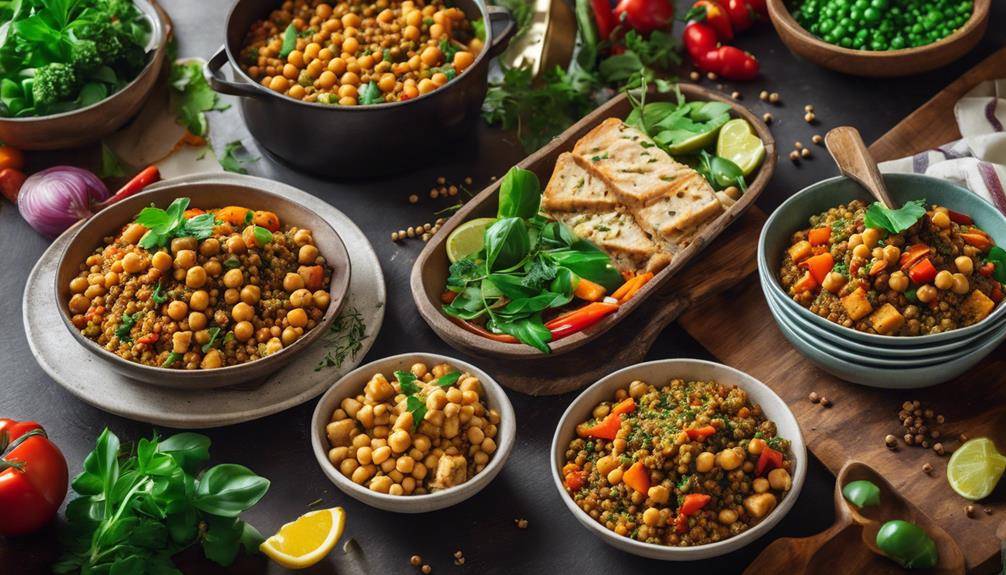
Great High-Protein Vegetarian Recipes; Opting for high-protein vegetarian recipes boosts your health and keeps you feeling full longer. These recipes help support muscle repair and growth, making them perfect if you’re active. They also stabilize blood sugar levels, providing steady energy throughout the day. With diverse protein sources like legumes, nuts, and whole grains, you’ll easily meet your nutritional needs. Plus, high-protein meals assist in weight management by reducing cravings. Incorporating these dishes into your diet not only enhances your well-being but also benefits the environment. There’s plenty more to discover about how these meals can elevate your lifestyle.
Benefits of High Protein Diet
A high-protein diet offers numerous benefits that can enhance your overall health and well-being. When you prioritize protein intake, you’re not only fueling your body but also improving your protein absorption, which plays a significant role in muscle repair and growth. This can be especially beneficial if you’re active or looking to maintain a healthy weight.
Incorporating more protein into your meals helps to keep you full longer, which can reduce cravings and prevent overeating. This can lead to better dietary balance, allowing you to manage your caloric intake more effectively. You’ll find that protein helps stabilize your blood sugar levels, giving you sustained energy throughout the day, rather than the quick spikes and crashes associated with high-carb meals.
Moreover, a high-protein diet can support your metabolism. While you might think that cutting calories is the way to lose weight, increasing protein can actually lead to more effective fat loss, as your body burns more calories digesting protein compared to fats and carbohydrates.
Lastly, protein is essential for producing important hormones and enzymes, which are key players in maintaining your overall health. By focusing on a diet rich in protein, you’re not just enhancing your physical health; you’re also supporting your mental well-being. So why not explore high-protein vegetarian recipes that can help you reap these benefits while enjoying delicious meals? Making this dietary shift could be one of the best decisions you make for your health.
Nutritional Needs for Vegetarians
Understanding your nutritional needs as a vegetarian is essential to maintaining a balanced diet. While you’re likely aware that vegetarian protein sources exist, it’s important to guarantee you’re meeting all your nutritional requirements. A well-planned vegetarian diet can provide all the essential nutrients, but without proper attention, you might face nutrient deficiencies.
First, focus on incorporating a variety of protein sources. Legumes, nuts, seeds, and whole grains can help you achieve your protein goals. However, protein isn’t the only nutrient you need to monitor. Pay attention to vitamins and minerals like iron, calcium, zinc, and vitamin B12, which are often less abundant in vegetarian diets. For instance, iron from plant sources isn’t absorbed as efficiently as iron from meat, so pairing iron-rich foods with vitamin C can enhance absorption.
Don’t overlook omega-3 fatty acids either. Flaxseeds, chia seeds, and walnuts are excellent vegetarian options. Additionally, consider your fiber intake. While it’s beneficial, excessive fiber can sometimes interfere with nutrient absorption. Balance is key.
Lastly, think about supplementing where necessary. For instance, if you struggle to get enough vitamin B12 from your diet, a supplement might be wise. By being proactive and informed about your nutritional needs, you can enjoy a well-rounded vegetarian diet that supports your health and energy levels. Remember, it’s all about variety and balance to avoid those pesky nutrient deficiencies.
Protein Sources in Vegetarian Meals
When you’re planning high-protein vegetarian meals, legumes and pulses should be at the top of your list. They’re packed with protein and can easily be added to soups, salads, or stews. Don’t forget about dairy and eggs, which also provide excellent sources of protein for your diet.
Legumes and Pulses
Legumes and pulses are among the most powerful protein sources for vegetarian meals, offering a delicious way to boost your daily intake. These nutrient-dense foods include chickpeas, lentils, black beans, and kidney beans, each bringing a unique flavor and texture to your dishes. By incorporating various legume varieties into your diet, you can easily create balanced meals that satisfy your hunger and nutritional needs.
Pulse preparations are incredibly versatile. You can toss cooked lentils into salads, use chickpeas in curries, or blend black beans into smoothies for a protein punch. They’re not just filling; they also provide essential vitamins and minerals, making them a smart choice for any meal.
To maximize your protein intake, try blending different legume varieties in your recipes. A hearty chili with a mix of beans or a savory lentil soup can provide an impressive protein boost. Whether you’re whipping up a simple side dish or crafting a main course, legumes and pulses are your go-to ingredients. Embrace these powerhouses in your kitchen, and enjoy the health benefits they bring to your vegetarian meals!
Dairy and Eggs
Dairy and eggs are excellent protein sources that can elevate your vegetarian meals. They not only provide essential amino acids but also contribute to a creamy texture and rich flavor in dishes. Incorporating dairy products like Greek yogurt, cottage cheese, and hard cheeses can greatly boost your protein intake. Plus, they’re versatile—use them in smoothies, salads, or as toppings for grain bowls.
If you’re looking to avoid animal products, don’t worry; there are plenty of dairy alternatives available. Options like almond milk, soy yogurt, and nutritional yeast not only satisfy your taste buds but also keep your meals protein-packed. Many of these alternatives are fortified with vitamins and minerals, making them nutritious choices.
When it comes to eggs, you can use egg substitutes like flaxseed meal or chia seeds to create similar textures in baking. Silken tofu is another great alternative that works well in scrambles or quiches, providing a protein boost without the eggs.
Impact on Muscle Health
When it comes to muscle health, the right protein sources can make all the difference for you as a vegetarian. You need to focus on high-quality proteins to aid in muscle recovery and repair after workouts. Balancing your nutrition guarantees you’re getting the essential amino acids your muscles crave.
Protein Sources for Vegetarians
For vegetarians, incorporating diverse protein sources into your diet is essential for maintaining muscle health. One great option is quinoa, known for its numerous benefits, including being a complete protein. You can also explore tempeh for its versatility in various dishes. If you’re looking for quick snacks, edamame is a protein-packed choice that’s easy to prepare.
Chia seeds are another excellent addition; they not only boost your protein intake but also provide healthy fats. You can mix them into smoothies or yogurt for an extra nutrient punch. Speaking of smoothies, creating protein smoothies with hemp seeds or spirulina can elevate your protein levels while offering additional health benefits.
Seitan is a fantastic meat substitute with various options that can be flavored to suit your meals. Don’t forget about the nuts selection; almonds, walnuts, and peanuts are all protein-rich choices that add crunch to your salads or snacks. Finally, include protein-rich grains like farro or barley in your diet to maximize your protein intake. By combining these sources, you’ll support your muscle health effectively while enjoying delicious meals.
Muscle Recovery and Repair
Muscle recovery and repair play an essential role in maintaining overall muscle health, especially after workouts or intense physical activity. When you engage in strength training, your muscles endure stress that leads to tiny tears. To effectively repair these tears, you need to focus on muscle synthesis, which is largely dependent on adequate protein intake.
Implementing effective recovery strategies is vital. One key aspect is protein timing—consuming protein-rich foods shortly after your workout can greatly enhance muscle recovery. This post workout nutrition helps deliver essential amino acids to your muscles when they need them most.
It’s important to understand the relationship between workout intensity and recovery. The more intense your workout, the greater your need for protein to support muscle maintenance and repair. A high-protein vegetarian diet can provide the necessary amino acids to optimize recovery, allowing you to bounce back faster and perform better in your next session.
Nutritional Balance Importance
Balancing your nutrition is essential for supporting muscle health and overall performance. When you focus on high-protein vegetarian recipes, you’re not just filling your plate; you’re ensuring you get the right nutrients that contribute to muscle strength and recovery. Without a well-rounded diet, you may face nutritional deficiencies that can hinder your progress, leaving your muscles undernourished.
To maintain ideal muscle function, it’s vital to incorporate a variety of protein sources, such as legumes, nuts, seeds, and whole grains. These foods provide essential amino acids your body needs for muscle repair. If you find yourself lacking in these areas, consider making dietary adjustments that include more diverse protein sources.
Moreover, a balanced diet rich in vitamins and minerals supports energy levels and overall health. It’s important to also include complex carbohydrates and healthy fats to fuel your workouts and promote recovery. By prioritizing nutritional balance, you’ll not only enhance your muscle health but also improve your overall well-being. Remember, every meal is an opportunity to nourish your body and reach your fitness goals. Don’t overlook the power of a well-structured vegetarian diet!
Weight Management and Satiety
Maintaining a healthy weight while feeling satisfied can be a challenge, but incorporating high-protein vegetarian recipes into your diet can make a significant difference. High-protein foods tend to be less calorically dense, meaning you can eat larger portions without consuming excessive calories. This approach not only helps you feel full but also supports your weight management goals.
When you eat protein-rich meals, you’re actively influencing your hunger hormones. These hormones play an essential role in signaling when you’re full. By boosting your protein intake, you can enhance the secretion of hormones like peptide YY, which promotes feelings of fullness, and reduce ghrelin, the hormone that triggers hunger. This balance can make it easier to resist unhealthy snacks and portions.
Moreover, high-protein vegetarian recipes often incorporate whole foods like beans, lentils, quinoa, and nuts, which not only provide protein but also deliver essential nutrients and fiber. Fiber is another key player in satiety, as it slows digestion and helps keep you feeling full longer. By combining protein and fiber in your meals, you create a powerful duo that supports weight management.
Energy Levels and Performance
Boosting your energy levels and enhancing performance can be achieved through high-protein vegetarian recipes that fuel your body effectively. When you incorporate these recipes into your diet, you provide your body with essential nutrients that support energy metabolism. By consuming sufficient protein, you not only build muscle but also maintain steady energy levels throughout the day.
High-protein vegetarian foods, such as lentils, quinoa, chickpeas, and tempeh, are packed with amino acids that play a crucial role in muscle recovery and performance enhancement. These foods help stabilize blood sugar levels, preventing energy crashes that can derail your workouts or daily activities. Instead of relying on quick fixes like sugary snacks, opt for a protein-rich meal or snack to keep your energy levels sustained.
In addition, high-protein vegetarian meals can improve your overall stamina. When your body has the right balance of nutrients, you’ll feel more energized and ready to tackle physical challenges. Whether you’re hitting the gym, going for a run, or simply trying to stay active throughout the day, these recipes can make a significant difference.
Moreover, a diet rich in protein and plant-based foods can reduce inflammation, further supporting your performance. You’ll find yourself recovering faster and feeling more motivated to push your limits. So if you’re looking to boost your energy and enhance your overall performance, high-protein vegetarian recipes are a smart choice that’ll keep you going strong.
Heart Health and Vegetarianism
When you choose a vegetarian diet, you’re tapping into a wealth of nutrient-rich plant sources that can benefit your heart health. These foods can help lower cholesterol levels, reducing your risk of heart disease. By incorporating high-protein vegetarian recipes, you can nourish your body while supporting a healthy heart.
Nutrient-Rich Plant Sources
In today’s health-conscious world, incorporating nutrient-rich plant sources into your diet is essential for heart health, especially for vegetarians. You can start by adding quinoa to your meals. The quinoa benefits include high protein content and essential amino acids that support heart function. Tempeh nutrition is another great option, offering a rich source of protein and probiotics that promote gut health.
Don’t overlook hemp seeds and chia seeds; they’re packed with omega-3 fatty acids, which are important for reducing inflammation. Spirulina protein is an excellent addition, delivering a concentrated source of nutrients. Nutritional yeast not only enhances flavor but also provides a variety of B vitamins necessary for energy metabolism.
When preparing meals, consider seitan recipes for a hearty protein boost. Almond milk serves as a low-calorie alternative to dairy, while pumpkin seeds offer a crunchy snack rich in magnesium and zinc. By focusing on these nutrient-dense plant sources, you’ll not only support your heart health but also enjoy a diverse and delicious vegetarian diet. Remember, small changes can lead to significant health benefits over time.
Impact on Cholesterol Levels
Eating a variety of nutrient-rich plant sources can greatly influence your cholesterol levels, which is essential for heart health. When you focus on high-protein vegetarian recipes, you naturally incorporate foods that contribute to effective cholesterol management. Foods like legumes, nuts, and seeds are not just protein powerhouses; they also contain plant sterols, which can help lower LDL cholesterol—the “bad” cholesterol.
Plant sterols mimic cholesterol in structure, which means they can block the absorption of cholesterol in your intestines. Including these foods in your diet can considerably enhance your heart health by promoting a better lipid profile. Additionally, whole grains and fruits are rich in soluble fiber, which further aids in lowering cholesterol levels.
Easy High-Protein Recipes
Finding easy high-protein recipes can transform your meals from ordinary to nourishing without much effort. You don’t need to be a culinary expert to whip up delicious dishes that pack a protein punch. Start with a tofu stir fry, combining your favorite veggies and a savory sauce for a quick, protein-rich dinner. If you’re in the mood for something light, try a quinoa salad; it’s invigorating, filling, and loaded with nutrients.
For a comforting meal, chickpea curry or lentil soup can be your go-to. Both are not only high in protein but also easy to make in large batches. Tempeh tacos are another fantastic option—just sauté tempeh with spices and load up your tortillas with toppings of your choice.
If you’re looking for a quick snack, consider protein smoothies. Blend your favorite fruits with plant-based protein powder and a handful of spinach for an energizing boost. Edamame bowls are also a great choice; simply steam the edamame and pair it with brown rice or quinoa for added substance.
Don’t forget about black bean burgers; they’re hearty and perfect for grilling. For a sweet treat, whip up some veggie protein bars to keep you fueled throughout the day. Finally, a seitan stir fry can provide a meaty texture while being completely plant-based. With these easy recipes in your arsenal, you’ll never run out of high-protein vegetarian options!
Meal Prep Tips for Busy Lives
When you’re juggling a busy schedule, meal prep can be a game-changer for maintaining a healthy diet. With a little efficient planning, you can whip up quick meal prep strategies that keep you on track during those busy weeknights. Start by incorporating batch cooking into your routine. Choose a day—like Sunday—to cook large portions of high-protein vegetarian dishes. This way, you’ll have meals ready to go throughout the week.
Consider freezer-friendly meals, too. Prepare dishes that can easily be frozen and reheated, like lentil casseroles or veggie-packed chili. These options are not only nutritious but also save time during hectic evenings. Don’t forget about portable snacks! Prepare easy assembly snacks like hummus with veggie sticks or chickpea salad to grab when you’re on the move.
Utilize time-saving techniques, such as chopping veggies in bulk or using a slow cooker for hands-off cooking. These healthy shortcuts can transform your meal prep into a streamlined process. When you plan your weekly menu, include family-friendly options that cater to everyone’s tastes. You’ll find that involving your family in the preparation can make it more enjoyable.
Balancing Macronutrients
When you’re planning high-protein vegetarian meals, it’s essential to take into account your protein sources carefully. Understanding macronutrient ratios helps you create balanced dishes that fuel your body effectively. Let’s explore how to optimize your meals for protein, carbs, and fats.
Importance of Protein Sources
Understanding the significance of protein sources is crucial for achieving a well-balanced diet. When you focus on plant-based proteins, you’re not only boosting your protein intake but also enhancing your overall health. Plant-based proteins come from sources like beans, lentils, nuts, and whole grains, providing essential amino acids your body needs for various functions.
Incorporating these proteins into your meals can greatly improve your protein absorption. Unlike some animal proteins, plant-based proteins often come packed with fiber, vitamins, and minerals, contributing to better digestive health and nutrient utilization. This means your body can effectively break down and use the protein you consume, supporting muscle growth, repair, and overall well-being.
It’s important to recognize that not all protein sources are equal. By diversifying your protein intake with various plant-based options, you guarantee that you’re getting a complete range of amino acids. This balance helps you meet your daily protein requirements without sacrificing your dietary preferences. So, as you explore high-protein vegetarian recipes, remember that choosing the right protein sources is a key step in optimizing your nutrition and achieving a well-rounded, satisfying diet.
Macronutrient Ratios Explained
Balancing macronutrients is essential for creating a well-rounded diet that meets your health and fitness goals. Understanding macronutrient distribution—how you allocate protein, fats, and carbohydrates—is key to optimizing your meals. Typically, a balanced diet includes a mix of these macronutrients, but the specific ratios can vary based on your individual needs.
For a high-protein vegetarian diet, aim for an adequate protein intake while ensuring you also get healthy fats and complex carbohydrates. This means focusing on protein quality, which refers to how effectively your body can utilize the protein you consume. Incorporating a variety of sources—like legumes, nuts, seeds, and whole grains—can enhance protein quality and provide essential amino acids.
Incorporating Variety in Meals
Embracing variety in your meals not only enhances the flavor but also guarantees a well-rounded nutrient intake. By exploring different cultural cuisines, you’ll discover an array of seasonal ingredients that can elevate your high-protein vegetarian recipes. Incorporating global influences allows you to experiment with unique flavor combinations that keep your palate excited.
Don’t hesitate to swap ingredients based on availability or your personal preferences. For instance, you can replace quinoa with farro or chickpeas with lentils. These ingredient swaps not only boost protein but also introduce new textures and tastes. Employing various cooking techniques, such as grilling, roasting, or steaming, can further diversify how you prepare your meals.
Meal aesthetics play an essential role in how you enjoy your food. By focusing on presentation styles, you can create visually appealing dishes that entice you to eat more healthily. Mixing vibrant vegetables with rich legumes can transform a simple meal into a feast for the eyes.
Additionally, consider the impact of food pairings. Pairing high-protein foods with fiber-rich sides can enhance satiety and flavor. Drawing inspiration from various meal traditions can help you incorporate proteins in creative ways, ensuring you never get bored.
Myths About Vegetarian Proteins
Many people believe that vegetarian proteins can’t match the quality or quantity of animal-based proteins, but this couldn’t be further from the truth. The reality is that plant-based proteins can provide all the essential amino acids your body needs when you know how to combine them effectively.
One common myth is that vegetarian proteins lack protein quality. While some plant proteins may not contain all essential amino acids in high amounts, you can achieve a complete amino acid profile by combining different sources. For example, pairing rice with beans or hummus with whole-grain pita offers a balanced amino acid profile that rivals animal-based proteins.
Another misconception is that vegetarians can’t consume enough protein. With a wide variety of high-protein vegetarian foods available, such as lentils, quinoa, chickpeas, and tofu, it’s easy to meet your protein needs. You just need to be mindful of your choices.
Some people worry that plant proteins are less digestible than animal proteins. However, many studies show that certain plant proteins, like those found in legumes and soy, are highly digestible and provide great protein quality.
Environmental Impact of Plant-Based Eating
As you consider the environmental impact of plant-based eating, you’ll find that shifting towards vegetarian diets greatly reduces greenhouse gas emissions. Livestock farming is a significant contributor to climate change, responsible for a large portion of methane and carbon dioxide emissions. By choosing plant-based foods, you’re actively participating in sustainable practices that contribute to a healthier planet.
Adopting a vegetarian diet helps decrease the demand for meat, which in turn lowers the resources needed for animal agriculture, such as water and land. Did you know that producing plant-based proteins generally requires less energy compared to animal proteins? This efficiency not only conserves natural resources but also minimizes deforestation and habitat destruction, making a positive impact on biodiversity.
Moreover, plant-based diets often involve using local and seasonal ingredients, which reduces the carbon footprint associated with transporting food over long distances. When you focus on whole grains, legumes, nuts, and vegetables, you support agricultural practices that prioritize sustainability.
You’re also helping to combat climate change by reducing your personal carbon footprint. Every meal you choose to make plant-based is a step towards a more sustainable future. It’s a powerful way to express your values and make a difference in the world. So, as you explore high-protein vegetarian recipes, remember that each bite can contribute to a healthier environment. By embracing plant-based eating, you’re not just nourishing yourself; you’re nurturing the planet.
Community and Lifestyle Benefits
Shifting to a vegetarian lifestyle not only benefits the environment but also fosters a sense of community and connection among like-minded individuals. When you embrace high-protein vegetarian recipes, you open the door to a vibrant community committed to health, sustainability, and shared values. You’ll find that community engagement becomes a natural part of your journey. Whether it’s joining local vegetarian groups, attending potlucks, or participating in cooking classes, you’ll connect with others who share your lifestyle choices.
By exploring high-protein vegetarian dishes, you’re not just nourishing yourself; you’re also creating conversations and building relationships. Sharing recipes and cooking tips with friends or family can deepen your connections and encourage them to join you in this fulfilling lifestyle. When you gather for meals, you’re creating a welcoming atmosphere where everyone can share their experiences and ideas about plant-based nutrition.
Additionally, as you engage with your community, you can discover local farmers’ markets and co-ops that support sustainable practices. These spaces often become hubs for like-minded individuals, where you can exchange knowledge and resources while enjoying the benefits of fresh, high-protein ingredients.
Your lifestyle choices have the power to inspire others, and as you become more involved in the vegetarian community, you’ll find a sense of belonging that enhances your overall well-being. Ultimately, shifting to a vegetarian diet isn’t just about food; it’s about forging connections and building a supportive network that enriches your life.
Frequently Asked Questions: Great High-Protein Vegetarian Recipes
Can High-Protein Vegetarian Meals Be Tasty and Satisfying?
You can create tasty and satisfying high-protein vegetarian meals. By experimenting with diverse flavor combinations and smart meal preparation techniques, you’ll find that plant-based dishes can be both delicious and filling. Enjoy the journey!
How Do Vegetarian Protein Sources Compare to Animal Proteins?
When comparing vegetarian protein sources to animal proteins, consider the nutritional value and protein absorption. While animal proteins often have higher absorption rates, many plant-based options provide essential amino acids and can be just as effective.
Are There Any Disadvantages to a High-Protein Vegetarian Diet?
A high-protein vegetarian diet can lead to nutritional imbalances if you’re not careful. You might face potential deficiencies in essential vitamins and minerals, especially if you rely too heavily on processed protein sources.
What Role Do Legumes Play in High-Protein Vegetarian Recipes?
Legumes are essential in high-protein vegetarian recipes, offering significant nutritional benefits. You can use various cooking methods like boiling, roasting, or blending to enhance their flavors and incorporate them into salads, stews, or dips effectively.
How Can I Ensure Variety in My High-Protein Vegetarian Meals?
To guarantee variety in your high-protein vegetarian meals, mix up your meal prep with different legumes, grains, and veggies. Experiment with ingredient swaps, like using quinoa instead of rice, to keep things exciting.

Conclusion
Choosing high-protein vegetarian recipes isn’t just about meeting your nutritional needs; it’s a smart way to boost muscle health, manage weight, and feel fuller longer. By incorporating diverse plant-based protein sources, you can enjoy delicious meals while making a positive impact on the environment. Plus, embracing this lifestyle fosters a sense of community and opens doors to new culinary adventures. So, why not start experimenting with high-protein vegetarian dishes today? You’ll love the benefits!
If you enjoyed exploring this topic and want to dive even deeper, be sure to check out some of our other articles here on Infinite Flavors. From rich culinary histories to creative twists on classic recipes, there’s always something new to discover. Whether you’re curious about the origins of a dish, looking for fresh inspiration in the kitchen, or simply love learning about food culture, our collection of posts is the perfect next step on your flavor journey.
Kid-Friendly Vegetarian Cooking A Great Guide
Discovering Key Ingredients For The Best Vegetarian Cooking
7 Important Key Tips To Vegetarian And Vegan Cooking