Mastering Traditional Australian Cuisine: A How-To
Mastering Traditional Australian Cuisine: A How-To: To master traditional Australian cuisine, start by embracing its rich flavors and regional ingredients. Explore iconic dishes like the meat pie, made with quality minced meat and bush tucker ingredients. Don't forget to try your hand at making damper, a rustic bread that's easy to bake. For dessert, the pavlova is a must—its light meringue and fresh fruit are a classic combination. Use native ingredients like finger limes and wattleseed to add authentic flavors. As you cook, remember that each dish reflects Australia's diverse culture and landscape, so stick around to uncover even more culinary treasures.
Understanding Australian Culinary Heritage
Click Here and Turn Every Masterpiece into a Showstopper!
Australian culinary heritage is a rich tapestry woven from diverse influences, reflecting the country's unique history and multicultural society. When you explore Australian cuisine, you'll discover a blend of flavors and techniques that stem from Indigenous peoples, British colonization, and waves of immigration from Europe, Asia, and beyond. Each cultural influence brings its own culinary traditions, creating a vibrant food scene that's as varied as the landscape itself.
As you investigate deeper, you'll notice regional variations that showcase local ingredients and cooking styles. For instance, coastal areas often highlight fresh seafood, while the outback features hearty meats and bush foods that the Indigenous community has utilized for thousands of years. In cities like Melbourne and Sydney, multicultural neighborhoods boast restaurants serving everything from Vietnamese pho to Italian pasta, illustrating how these cultural influences meld into the fabric of everyday dining.
You'll also find that the seasons play a role in shaping Australian cuisine. In summer, barbecues and fresh salads take center stage, while winter calls for warming dishes like hearty stews. Understanding these regional variations not only enriches your appreciation for Australian food but also encourages you to experiment with local ingredients.
Essential Ingredients for Australian Dishes
When you explore Australian cuisine, you'll find a treasure trove of native ingredients that make dishes truly unique. Understanding these elements, along with some essential pantry staples, is key to mastering traditional recipes. Let's take a closer look at what you need to elevate your cooking.
Native Australian Ingredients
Indigenous ingredients often play an essential role in crafting authentic Australian dishes, bringing unique flavors and textures to the table. When you immerse yourself in bush tucker exploration, you'll discover a rich variety of native ingredients that can elevate your cooking. Consider using finger limes, which add a burst of citrus flavor, or wattleseed, known for its nutty aroma and versatility in both sweet and savory dishes.
When it comes to native spices usage, you can't go wrong with bush tomatoes or Kakadu plums. These ingredients not only enhance your dishes but also reflect the deep connection Indigenous Australians have with their land. Incorporating these elements into your meals will immediately transport you to the heart of Australia, allowing you to experience its culinary heritage.
As you experiment with these native ingredients, remember to balance their flavors with other elements in your dish. Combining native spices with traditional staples can create a harmonious blend that showcases your culinary skills while honoring Indigenous culture. So, embrace the adventure of cooking with Australian native ingredients, and watch as your dishes come alive with authenticity and flair.
Pantry Staples Overview
A well-stocked pantry is the backbone of any successful kitchen, especially when it comes to crafting delicious Australian dishes. To start your bush tucker exploration, you'll want to include essential staples that reflect Australia's unique flavors. Look for items like native herbs and spices—think lemon myrtle, wattleseed, and bush tomatoes. These will not only enhance your dishes but also connect you to the rich culinary heritage of the land.
Don't forget about quality oils, such as macadamia oil, which adds a nutty richness to your cooking. You'll also need a variety of grains like bush rice or quinoa, which can serve as a base for many meals.
In terms of pantry organization, keep your staples easily accessible. Group similar items together, such as grains, oils, and spices, to streamline your cooking process. This way, you'll save time when you're whipping up a classic Aussie dish like damper or a flavorful kangaroo stew. With these essentials in place, you're well on your way to mastering traditional Australian cuisine.
The Iconic Meat Pie Recipe
When you think of Australian comfort food, the meat pie surely comes to mind. To create this iconic dish, you'll need a solid list of essential ingredients and some effective cooking techniques. Let's break down what you'll need and how to bring this classic to life in your kitchen.
Essential Ingredients List
Creating the perfect meat pie is a delightful journey that starts with understanding the essential ingredients. First, you'll need high-quality minced meat, commonly beef or lamb, to form the hearty base of your pie. Incorporating bush tucker ingredients, like kangaroo or emu, can add a unique twist and nod to Australia's rich culinary heritage.
Next, grab some onions, garlic, and carrots. These aromatic veggies provide depth and flavor, balancing the meat's richness. Don't forget spices—salt, pepper, and perhaps a hint of Worcestershire sauce for that extra kick.
For your pastry, choose either shortcrust for the base or puff pastry for a flaky, golden finish. If you're feeling adventurous, experimenting with a blend of traditional and modern ingredients, like herbs from the garden, creates a delightful culinary fusion that'll impress anyone who tastes your pie.
Lastly, a splash of beef or chicken stock will keep everything moist and delicious. With these essential ingredients in hand, you'll be well on your way to mastering the iconic Australian meat pie, celebrating both tradition and innovation in every bite.
Cooking Techniques Explained
Mastering the cooking techniques for the iconic meat pie is crucial to achieving that perfect balance of flavors and textures. Begin by choosing your meat wisely; beef or lamb works best. For a tender filling, try using sous vide. Seal your meat in a vacuum pouch, season it, and cook it at a low temperature for several hours. This method locks in moisture and enhances the flavor, ensuring your filling is succulent.
Once your meat is ready, you can opt for slow cooking to develop rich flavors further. Sauté onions and garlic, then add your sous vide meat along with any remaining ingredients, such as carrots or herbs. Allow the mixture to simmer on low heat. This slow cooking process melds the flavors beautifully while keeping the meat tender.
As for the pastry, a flaky crust is essential. Roll out your dough and line your pie dish, adding the filling once it's cooled slightly. Seal your pie with a top layer of pastry, crimping the edges for that classic look. Brush with egg wash before baking it until golden brown. This combination of techniques will make your meat pie truly iconic!
Crafting the Perfect Damper
As you explore the world of traditional Australian cuisine, crafting the perfect damper is a rewarding experience that connects you to the rugged landscape and rich history of the outback. This simple bread, traditionally made by early settlers, requires just a few basic ingredients: flour, water, salt, and sometimes baking powder. The key to success lies in achieving the right dough consistency. You want a soft, slightly sticky dough that holds together but isn't too wet.
Start by combining your dry ingredients in a bowl, then gradually add water, mixing until it comes together. If you find the dough too dry, add a little more water; if it's too wet, sprinkle in some extra flour. Once you've achieved the ideal consistency, knead the dough briefly on a floured surface—just enough to bring it together.
Now, let's talk about baking methods. You can bake your damper in an oven, on a campfire, or even in the coals for an authentic experience. If you're using an oven, preheat it to around 200°C (390°F). Shape your dough into a round loaf and place it on a baking tray lined with parchment paper. Bake for about 30-40 minutes until it's golden brown and sounds hollow when tapped. If you're using a campfire, wrap the dough around a stick or place it in a cast-iron pot, cooking it over the flames until it's cooked through. Enjoy your freshly baked damper with butter or your favorite spread!
Exploring Lamingtons and Their Variations
When you think of classic Australian desserts, lamingtons probably come to mind. These delightful treats have a rich history and offer countless variations, from the classic recipe to creative topping ideas. Let's explore how you can enjoy lamingtons in new and exciting ways!
History of Lamingtons
Lamingtons, those delightful squares of sponge cake coated in chocolate and rolled in desiccated coconut, have a rich history that reflects Australia's culinary evolution. The Lamington's origins can be traced back to the early 20th century, specifically to Queensland, where it's believed they were named after Lord Lamington, the Governor of Queensland from 1896 to 1901. According to popular legend, the treat was created by a kitchen maid who accidentally dropped the sponge cake into chocolate sauce and then rolled it in coconut to save it.
As you explore the cultural significance of Lamingtons, you'll find they represent more than just a sweet indulgence. They embody a sense of nostalgia and community, often served at fundraisers, parties, and Australia Day celebrations. This iconic dessert unites Australians across generations, showcasing how food can foster connection and shared experiences. Over time, Lamingtons have evolved, inspiring various interpretations and flavors that pay homage to this classic treat. Whether you're enjoying a traditional version or a modern twist, Lamingtons remain a beloved symbol of Australian identity and heritage.
Classic Recipe Variations
There are countless ways to enjoy Lamingtons, each variation adding a unique twist to this beloved Australian treat. You can keep it classic with the traditional sponge cake dipped in chocolate and rolled in desiccated coconut. But why stop there? Explore bush tucker recipes by incorporating native Australian ingredients like finger lime or wattleseed for an exciting flavor profile.
If you're looking for something sweeter, try adding a layer of jam or cream between the sponge layers. This not only enhances the taste but also gives your Lamingtons a delightful surprise. You might also want to experiment with family recipes that have been passed down through generations. Some families use a rich chocolate ganache instead of simple icing, elevating the Lamington to a gourmet dessert.
For a twist, consider using different types of cake bases, like chocolate or even lemon-flavored cake, to change the overall taste. You can even make mini Lamingtons, perfect for parties or gatherings. So gather your ingredients and get creative, because there's no right or wrong way to make Lamingtons—just delicious variations waiting to be discovered!
Creative Topping Ideas
Exploring creative topping ideas can elevate your Lamingtons from a classic treat to a showstopper at any gathering. Start by experimenting with sweet toppings like coconut flakes or crushed nuts. For a twist, try exotic toppings such as passionfruit or mango puree to infuse regional variations into your creations.
Don't shy away from savory toppings, either. A sprinkle of sea salt and a drizzle of olive oil can create an unexpected yet delightful contrast. Incorporate unique sauces like chocolate ganache or raspberry coulis to enhance the flavor profile while adding visual appeal.
Think about cultural influences; for example, you could use matcha powder for an Asian-inspired twist or add spices like cardamom for an Indian flair. Seasonal ingredients can also play a significant role—top your Lamingtons with fresh berries in summer or warm spiced apple compote in autumn.
Mastering the Pavlova Technique
When it comes to mastering the Pavlova technique, understanding the delicate balance of ingredients and timing is vital. This iconic dessert, with roots in both Australia and New Zealand, has a rich pavlova history that adds to its allure. To create that perfect meringue shell, you'll need fresh egg whites, sugar, cornstarch, vinegar, and a pinch of salt. Begin by whipping the egg whites until soft peaks form, then gradually add the sugar, ensuring it dissolves completely. The cornstarch and vinegar help stabilize the meringue, giving it that sought-after chewy interior and crisp exterior.
Once your meringue is ready, shape it into a circular nest on a lined baking sheet, making sure to create a slight dip in the center for your toppings. Bake it low and slow, allowing the meringue to dry out without browning. Timing's significant here; aim for about 1.5 hours at a low temperature. After cooling, you can explore pavlova variations to suit your taste.
Top your masterpiece with whipped cream and an array of seasonal fruits. Classic choices include kiwifruit, strawberries, and passionfruit, but feel free to experiment! Whether you stick with traditional toppings or go for a modern twist, mastering the Pavlova technique is about practice and precision. Embrace the process, and soon you'll be serving up a stunning dessert that pays homage to its rich history.
Cooking With Native Australian Ingredients
Cooking with native Australian ingredients opens up a world of unique flavors and textures that can elevate your dishes. These ingredients, often referred to as bush tucker, are not only delicious but also deeply connected to the land and culture of Australia. Incorporating them into your cooking will not only impress your guests but also provide you with a fresh culinary experience.
Start by exploring local markets or specialty stores to find native herbs, spices, and fruits. Ingredients like finger limes, wattleseed, and bush tomatoes can add a zesty kick and aromatic depth to your meals. If you're feeling adventurous, consider using foraging techniques to gather these ingredients yourself. Research local flora and familiarize yourself with safe foraging practices; this adds an exciting element to your cooking and connects you with nature.
When you've gathered your bush tucker, experiment with different combinations. For instance, try using lemon myrtle in a marinade for grilled meats, or infuse your desserts with the sweetness of quandong. You might also blend macadamia nuts into your sauces for added richness.
Click Here and Turn Every Masterpiece into a Showstopper!
Traditional Barbecue Practices
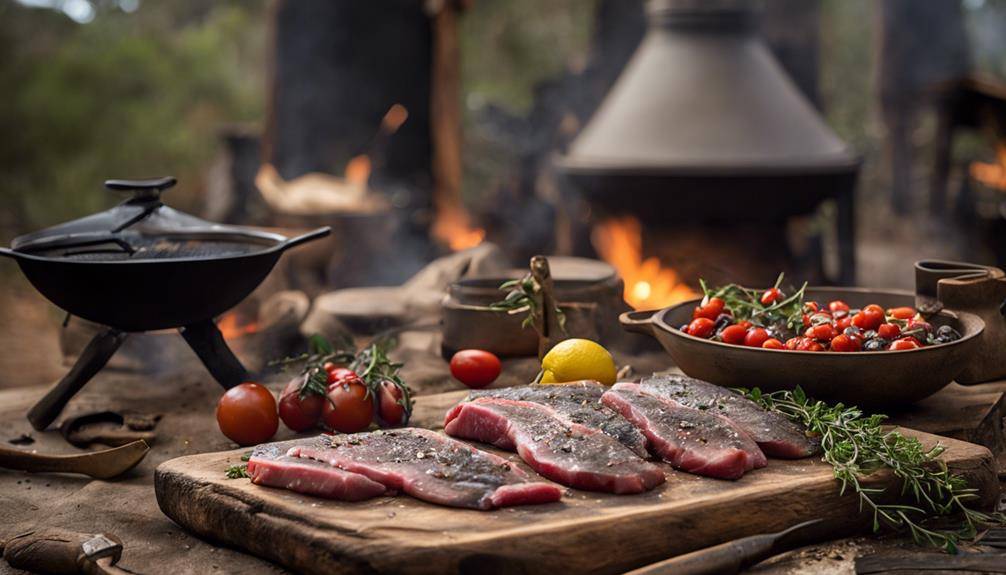
Incorporating native Australian ingredients into your meals can set the stage for an unforgettable barbecue experience that showcases traditional practices. Australian barbecue traditions emphasize the social aspects of cooking, turning each gathering into a celebration. As you prepare for your outdoor gathering, choose meats like kangaroo, lamb, or beef, and incorporate native spices such as bush tomato or wattleseed to enhance their flavor profiles.
When it comes to grilling techniques, you'll find that direct heat is often preferred for quick cooking, while indirect heat shines for larger cuts. Familiarize yourself with various cooking methods like using a traditional Aussie BBQ or even a fire pit. These methods not only infuse your meats with a smoky flavor but also connect you to regional variations that define Australian barbecue.
Meat preparation is essential; marinate your proteins ahead of time to allow those unique flavors to penetrate deeply. You might also consider using traditional accompaniments like chimichurri or a fresh salad featuring local produce, which complement the grilled items beautifully.
Iconic Australian Seafood Dishes
Australia's coastline offers a treasure trove of seafood delights that reflect the country's rich maritime heritage. You can't explore iconic Australian seafood dishes without savoring a classic prawn cocktail. It's a fresh and tangy starter that perfectly showcases the coastal flavors of the region. When you're in the mood for something heartier, consider grilled barramundi fillets. This flaky white fish is often cooked simply, allowing its natural taste to shine.
Crab cakes also deserve a spot on your table. They're crispy on the outside and tender inside, making for a delightful main dish or appetizer. If you're entertaining, seafood platters are a fantastic way to impress guests. Stack them high with a mix of prawns, oysters from local oyster bars, and even some grilled octopus for good measure.
Don't forget to try fish tacos, a fun twist that's become popular across Australia. They're usually filled with fresh fish, crunchy slaw, and zesty sauce—perfect for a sunny day. On colder nights, nothing warms you up like a bowl of seafood chowder, rich with flavors and hearty chunks of fish and shellfish.
As you plunge into these dishes, consider the importance of sustainable fishing practices. Supporting fisheries that prioritize sustainability guarantees that future generations can enjoy these coastal treasures. So, whether you're dining out or cooking at home, embrace the delicious and diverse seafood offerings that Australia has to offer!
Hearty Australian Breakfast Ideas
After enjoying the fresh flavors of seafood, it's time to indulge in a hearty Australian breakfast that sets the tone for the day. Australians take their breakfast seriously, and you can explore a mix of traditional meals inspired by the country's diverse culture.
Start with a classic Vegemite toast topped with avocado and a poached egg. The rich umami of Vegemite pairs beautifully with creamy avocado, and the egg brings it all together. For something more filling, try a full English breakfast with bacon, sausages, baked beans, and grilled tomatoes. This hearty option is perfect for those who need a robust start to their day.
If you want to embrace bush tucker, consider incorporating native ingredients. You could whip up a breakfast bowl featuring bush tomatoes or wattleseed granola, served with yogurt and fresh fruit. These local ingredients not only add unique flavors but also pay homage to Australia's rich culinary heritage.
Another option is the iconic Australian pancake, often served with maple syrup or seasonal fruits. Fluffy and sweet, these pancakes are a delightful way to enjoy breakfast.
Don't forget about the famous Australian coffee culture. Pair your meal with a flat white or a long black to complete your breakfast experience.
Desserts That Celebrate Australia
Indulgence takes on a whole new meaning when you immerse yourself in desserts that celebrate the vibrant flavors of Australia. You'll find that Australian desserts are a delightful blend of traditional ingredients and modern twists, showcasing the country's rich culinary heritage. One of the standout desserts you'll want to master is the classic pavlova. This meringue-based treat, crispy on the outside and soft inside, can be adorned with a variety of toppings. Try festive pavlova variations by adding seasonal fruits like passionfruit, kiwifruit, or berries, and don't forget a dollop of whipped cream for that extra decadence.
If you're feeling adventurous, explore bush tucker desserts, which utilize native Australian ingredients you might not have tried before. Ingredients like macadamia nuts, finger limes, and wattleseed bring a unique twist to your sweet creations. You could whip up a luscious wattleseed pavlova or a creamy cheesecake infused with bush tucker flavors.
Don't overlook the simplicity of Anzac biscuits, either. These crunchy, coconut-laden treats are a must-try, perfect for sharing or enjoying with a cup of tea.
As you plunge into these desserts, remember that they're not just recipes; they're a celebration of Australia's diverse landscape and culture. So go ahead, gather your ingredients, and create something sweet that pays homage to this beautiful country. You'll find that each bite is a taste of Australia's heart and soul.
Dining Etiquette in Australia
When dining in Australia, understanding the local etiquette can enhance your experience and show respect for the culture. Aussies value good table manners, which are essential during any meal, whether it's a casual barbecue or a formal dinner. It's customary to wait for everyone to be served before you start eating, so patience is key.
In social gatherings, greeting your hosts and thanking them for the meal is appreciated. You might notice that Australians often use a relaxed approach to dining. While it's polite to keep your elbows off the table and chew with your mouth closed, don't be surprised by a more laid-back atmosphere. Casual conversation is encouraged, and topics like sports and the outdoors are popular choices.
When it comes to utensils, hold your fork in your left hand and knife in your right, which is a common practice in many Western cultures. If you're unsure about passing dishes, simply ask; sharing food is a way to bond during meals.
If you're invited to someone's home, it's thoughtful to bring a small gift, like flowers or a bottle of wine, as a token of appreciation. Finally, tipping isn't mandatory, but leaving a small amount for good service is always a nice gesture. Following these guidelines on table manners and etiquette will help you navigate dining in Australia with ease and confidence.
Pairing Beverages With Australian Cuisine
Understanding Australian dining etiquette sets the stage for enjoying the country's rich culinary offerings, and pairing the right beverages can elevate your meal even further. Whether you're indulging in grilled kangaroo or a classic meat pie, the right drink enhances the experience.
For wine pairings, consider a crisp Sauvignon Blanc with seafood, highlighting the regional flavors of Australia's coastline. Red wines, like Shiraz, complement hearty dishes, such as lamb or beef, bringing out their bold tastes. If you prefer beer selections, opt for local craft brews. Australian breweries craft exceptional lagers and ales that pair beautifully with pub fare and barbecued meats.
If cocktails are more your style, explore options that incorporate seasonal beverages. A invigorating gin and tonic garnished with native ingredients like finger lime can be a delightful accompaniment to lighter fare. For those avoiding alcohol, non-alcoholic options are plentiful: look for homemade lemonade or specialty sodas that offer a taste of local fruits.
Don't overlook indigenous drinks, such as bush tucker teas, which offer unique herbal flavors that can beautifully complement many dishes. They provide a cultural connection while enhancing your meal.
Incorporating these beverage choices into your dining experience not only complements the food but also celebrates Australia's diverse culinary heritage. So, as you plunge into your meal, remember that the right pairing can turn a good meal into an unforgettable one.
Click Here and Turn Every Masterpiece into a Showstopper!
Frequently Asked Questions: Mastering Traditional Australian Cuisine: A How-To
What Are Common Cooking Methods in Australian Cuisine?
In Australian cuisine, you often use methods like grilling seafood over open flames and foraging bush tucker. These techniques highlight the flavors of local ingredients, bringing a unique, vibrant taste to your dishes. Enjoy experimenting!
How Can I Adapt Australian Recipes for Dietary Restrictions?
To adapt Australian recipes for dietary restrictions, swap wheat flour for gluten-free options and use vegan substitutes like plant-based milk or tofu. Experiment with spices and herbs to enhance flavors while keeping dishes enjoyable and satisfying.
Where Can I Find Authentic Australian Ingredients?
You can find authentic Australian ingredients at local markets, specialty stores, or online retailers. Look for native bushfood like wattleseed and finger lime, and explore regional specialties that showcase the diverse flavors of Australia.
What Is the History Behind Australian Barbecue Culture?
You'll discover that Australian barbecue culture has roots in Indigenous cooking methods, evolving with European influences. Regional variations emerged, showcasing local ingredients and preferences, creating a vibrant and diverse barbecue experience unique to Australia.
How Do I Properly Store Leftover Australian Dishes?
To properly store leftover Australian dishes, cool them quickly and use airtight containers. For food safety, refrigerate within two hours and consume within three to four days. Proper leftover preservation keeps your meals delicious and safe.

Conclusion
Mastering traditional Australian cuisine opens up a world of flavor and culture. By embracing its rich culinary heritage and experimenting with iconic dishes like meat pies and lamingtons, you can truly appreciate the essence of Australia. Don't forget to explore hearty breakfasts and delightful desserts that showcase local ingredients. As you enjoy your meals, remember to embrace the relaxed dining etiquette and find the perfect beverage pairings. Immerse yourself and savor every bite!