11 Great Essential Tips For Slow Cooking Vegetables
Essential Tips For Slow Cooking Vegetables; To slow cook vegetables perfectly, start with fresh, vibrant options and cut them into uniform sizes for even cooking. Layer hearty veggies at the bottom of the slow cooker, followed by medium and tender ones. Use flavorful liquids like broth and season wisely, balancing herbs and spices for depth. Avoid overcrowding the pot; fill it no more than two-thirds full. Consider pre-cooking denser veggies for better texture. Finally, store your leftovers properly to maintain quality. By following these tips, you’ll enhance your dishes considerably, and there’s so much more you can explore to elevate your slow cooking skills.
Choose Fresh Vegetables
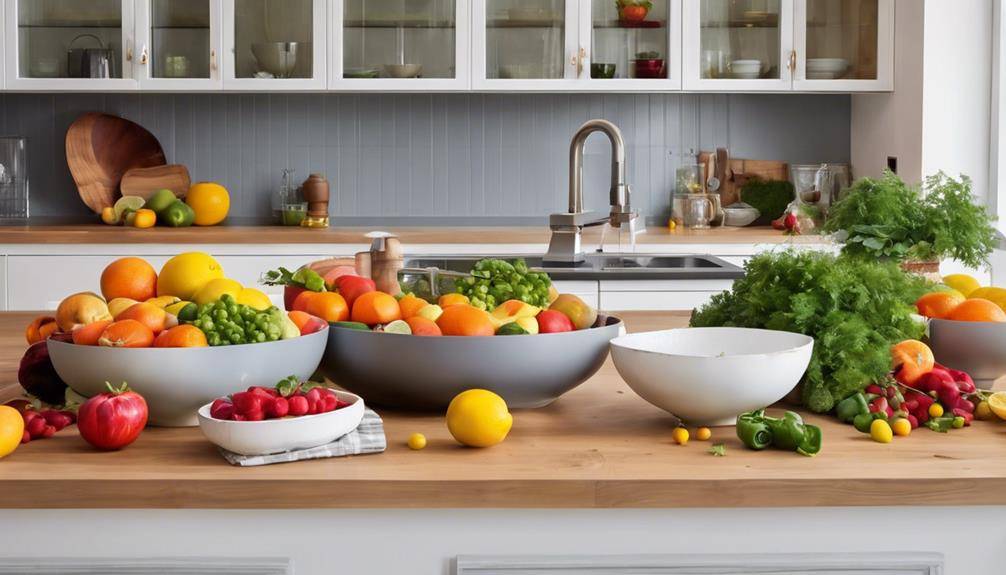
When you’re choosing fresh vegetables, look for vibrant colors and firm textures. These qualities not only indicate freshness but also guarantee you’re picking the best produce for your slow cooking. Take a moment to inspect each vegetable, feeling for any soft spots or blemishes that might signal age or spoilage. A crisp carrot or a plump bell pepper can elevate your dish, providing both flavor and nutrition.
Consider opting for organic options whenever possible. While they might cost a bit more, organic vegetables often have richer flavors and fewer pesticides. Plus, choosing organic supports sustainable farming practices, which is beneficial for the environment. You’ll also want to pay attention to seasonal varieties. Seasonal produce is typically fresher and tastes better, so it’s worth checking what’s in season in your area. Seasonal vegetables often have better nutrient profiles and can add unique flavors to your meals.
When you shop at local farmers’ markets or grocery stores, don’t hesitate to ask about the origin of the vegetables. Knowing where your food comes from can help you make informed choices. The more you know about the freshness and quality of your ingredients, the better your slow-cooked dishes will turn out. Remember, a solid foundation of fresh veggies leads to delicious, hearty meals that you and your loved ones will enjoy. So next time you’re at the market, take the time to choose wisely!
Cut Veggies Uniformly
Cutting your veggies uniformly is essential for even cooking in a slow cooker. When you chop your vegetables into uniform sizes, they cook at the same rate, ensuring each bite is perfectly tender and flavorful. If you cut some pieces larger than others, you risk having undercooked or mushy chunks, which can ruin your dish.
To achieve uniform sizes, you can use various chopping techniques. Start by selecting the right knife—ideally, a sharp chef’s knife that offers control and precision. Begin by trimming any uneven edges off your vegetables to create a flat surface, which makes slicing easier. For round veggies like carrots or zucchini, cut them into even rounds or half-moons. For larger vegetables, like potatoes, aim for consistent cubes or wedges.
When you chop, keep your fingers tucked in and use your knuckles as a guide to maintain a steady grip. This simple technique not only enhances your safety but also helps you create uniform sizes. If you find it challenging to achieve consistency, consider using a mandoline slicer or food processor for more precise cuts.
Layering Techniques
After cutting your veggies uniformly, the next step is to focus on layering techniques in your slow cooker. The layering order is essential to guarantee even cooking and maximize flavor. Start by placing hearty vegetables, like potatoes and carrots, at the bottom. These denser veggies need more time to soften, so they should be closest to the heat source.
Next, add medium-density vegetables, such as bell peppers and zucchini. This layering technique allows the heat to penetrate each layer effectively, assuring everything cooks evenly. Finally, place tender vegetables, like spinach or tomatoes, on top. They’ll cook quickly and benefit from the moisture created by the other layers without becoming mushy.
Incorporating a texture contrast is important as well. By mixing different textures, you enhance the overall dish. For example, the crunchiness of bell peppers can complement the creaminess of slow-cooked sweet potatoes. You can also add some herbs or spices between layers to infuse flavors throughout.
Use the Right Liquid
Selecting the right liquid is vital for slow cooking vegetables, as it not only adds moisture but also infuses flavor throughout the dish. When you’re choosing a liquid, think about the sauce types you want to incorporate. Whether it’s vegetable broth, wine, or a savory sauce, each option brings its unique taste and depth. For example, using a tomato-based sauce can add a rich flavor profile, while broth can keep things light and fresh.
It’s also important to pay attention to liquid ratios. Ideally, you want enough liquid to cover the bottom of your slow cooker but not so much that your vegetables become mushy. A good rule of thumb is to start with about one cup of liquid for every four cups of chopped vegetables. You can adjust based on your personal preference or the specific dish you’re creating.
Keep in mind that slow cooking often reduces liquid as it simmers. If you notice the mixture getting too dry towards the end of the cooking process, don’t hesitate to add a bit more liquid. This guarantees your vegetables stay tender and flavorful. Additionally, consider how the liquid interacts with the vegetables you’re using. Harder vegetables like carrots and potatoes may require more liquid to cook properly, while softer vegetables like zucchini will release moisture on their own.
Season Wisely
When it comes to slow cooking vegetables, seasoning wisely can elevate your dish from ordinary to extraordinary. To achieve that, you’ll want to explore different herb combinations that complement your vegetables’ natural flavors. Fresh herbs like thyme, rosemary, and basil can enhance the taste, while dried herbs often deliver a more concentrated flavor.
Start by considering the vegetable types you’re using. Root vegetables like carrots and potatoes pair well with robust herbs, while lighter vegetables like zucchini and bell peppers benefit from milder seasonings. Experimenting with various herb combinations can yield delightful results—try mixing oregano and parsley for a Mediterranean flair or combining dill and chives for a fresh taste.
When it comes to seasoning ratios, balance is key. Too much salt can overpower your dish, while too little can leave it bland. A good rule of thumb is to aim for about 1 teaspoon of salt per pound of vegetables, adjusting based on your personal taste and other ingredients you’re using. Don’t forget to include other seasonings, such as garlic powder, onion powder, or even a dash of cayenne for heat, to create depth in your dish.
Lastly, remember that slow cooking intensifies flavors, so start with smaller amounts of seasoning. You can always add more as the cooking progresses, but it’s hard to take away once it’s in. Season wisely, and your slow-cooked vegetables will shine!
Adjust Cooking Times
Adjusting cooking times is essential for achieving perfectly tender and flavorful slow-cooked vegetables. Each type of vegetable has its own ideal cooking time, which affects its texture and taste. If you want to enjoy vibrant, well-cooked veggies, you’ll need to pay attention to how long you cook them.
Start by considering the density of your vegetables. For instance, root vegetables like carrots and potatoes take longer to soften than delicate items like zucchini or spinach. If you throw everything in at once, you might end up with mushy greens while your roots are undercooked. To prevent this, try cutting denser vegetables into smaller pieces to help them cook more evenly and quickly.
You should also account for the size of your vegetable pieces. Larger chunks will require more time to reach that perfect tenderness, while smaller cuts will cook faster. As a general guideline, dense vegetables may need about 6 to 8 hours on low, while softer ones might only need 3 to 5 hours.
Keep an eye on your cooking times and start checking for doneness a little earlier than you think. This way, you can avoid overcooking and preserve those desirable vegetable textures. Remember, it’s easier to add a bit of cooking time than to fix an overcooked dish. By mastering the art of adjusting cooking times, you’ll consistently create delicious slow-cooked vegetables that maintain their integrity and flavor.
Opt for Low Heat
The secret to achieving perfectly cooked slow-cooked vegetables lies in the power of low heat. When you set your slow cooker to the low heat setting, you’re giving your vegetables the chance to cook evenly and retain their natural flavors and nutrients. High temperatures can lead to mushy, overcooked vegetables, robbing them of their vibrant colors and textures. By opting for low heat, you guarantee that each vegetable cooks gently, allowing for ideal heat retention.
Using the low setting also allows the flavors to meld beautifully over time. As the vegetables slowly release their moisture and natural sugars, they create a rich, savory base for your dish. This gradual cooking process enhances the overall taste and guarantees that every bite is packed with flavor.
Remember to check your slow cooker settings carefully. While some recipes may suggest starting on high for a short period, you’ll want to shift back to low for the majority of the cooking time. This approach helps maintain that perfect texture, guaranteeing your vegetables are tender but not falling apart.
As you experiment with different vegetables, keep in mind that root vegetables and sturdier options often benefit the most from low heat. They take longer to cook through, and the gentle heat allows them to become tender without losing their shape. So go ahead, embrace the low heat setting, and enjoy the delicious, perfectly cooked vegetables that result from this simple yet effective technique.
Avoid Overcrowding
To achieve the best results with slow-cooked vegetables, make sure not to overcrowd your slow cooker. Overcrowding can lead to uneven cooking, which affects both the flavors and the vegetable textures you’re aiming for. When you pack too many veggies into the pot, they can steam rather than cook properly, leaving you with mushy results instead of the tender, caramelized goodness you want.
A good rule of thumb is to fill your slow cooker no more than two-thirds full. This allows the heat to circulate evenly, ensuring that each piece of vegetable cooks at the same rate. If you’re following slow cooker tips, remember that it’s better to cook in batches than to force everything in at once.
If you’re preparing a mixed vegetable dish, consider cutting the vegetables into uniform sizes. This helps them cook evenly, even if your slow cooker is a bit fuller. For instance, root vegetables like carrots and potatoes may take longer to soften, while delicate veggies like zucchini might cook faster. By keeping an eye on the proportions and cooking time, you’ll maintain the ideal vegetable textures without overcrowding.
Experiment With Herbs
When it comes to slow cooking vegetables, experimenting with herbs can elevate your dishes to new heights. You can choose fresh herbs for vibrant flavor or dried herbs for their convenience and concentrated taste. Plus, pairing the right herbs with your veggies can create a delicious harmony that makes every bite memorable.
Fresh Herbs Selection
Experimenting with fresh herbs can transform your slow-cooked vegetables from ordinary to extraordinary. With so many herb varieties available, you can easily enhance the flavor profiles of your dishes. Start by selecting herbs that complement the vegetables you’re using. For instance, basil and oregano pair beautifully with tomatoes, while rosemary and thyme are excellent for root vegetables.
Don’t hesitate to mix and match! Combining different herb varieties can create unique flavor profiles that surprise your taste buds. Consider adding parsley for a fresh kick or dill for a hint of brightness. Remember, the key is to use fresh herbs, as they offer a vibrancy that dried herbs simply can’t replicate.
When it comes to timing, add delicate herbs like basil and cilantro during the last hour of cooking to preserve their flavor. More robust herbs, such as rosemary and thyme, can be added at the beginning, allowing their flavors to infuse throughout the cooking process.
Dried Herbs Benefits
Incorporating dried herbs into your slow-cooked vegetables can elevate flavors and add complexity to your dishes. Unlike fresh herbs, dried herbs pack a concentrated punch, making them perfect for infusing your meals with robust taste. When you cook vegetables slowly, the heat encourages the herbs to release their essential oils, enhancing the flavors of each ingredient.
Experimenting with different dried herbs can open up a world of flavor enhancement. For instance, adding dried thyme or rosemary can bring a savory depth to root vegetables, while oregano or basil can brighten up your tomato-based dishes. Don’t shy away from trying unique blends or specialty herbs like herbes de Provence or Italian seasoning; they can transform a simple vegetable medley into a gourmet experience.
It’s essential to remember that dried herbs are often stronger than fresh ones. Start with a smaller amount and adjust according to your taste. As you experiment, keep track of your favorite combinations to create signature dishes. Using dried herbs not only boosts flavor but also offers convenience, allowing you to create delicious, aromatic meals with minimal effort.
Flavor Pairing Ideas
Discovering the perfect flavor pairings can take your slow-cooked vegetable dishes to a whole new level. Experimenting with herbs is one of the best ways to enhance your meals. Try combining fresh basil with tomatoes for a classic Italian vibe, or pair rosemary with root vegetables like carrots and potatoes for an earthy, aromatic touch.
Don’t shy away from blending flavors! Consider using dill with zucchini to create a revitalizing dish, or mix thyme with green beans for a savory contrast. These combinations not only add depth but also complement the natural sweetness of slow-cooked veggies.
When thinking about color combinations, vibrant herbs can brighten up the dish visually. For instance, parsley can add a pop of green to your slow-cooked carrots and peas, making it more appealing.
Texture contrasts play an essential role too. Pair crunchy vegetables like bell peppers with softer ones like eggplant, and then finish with a sprinkle of fresh herbs to elevate both flavor and texture. Remember, the right herbs can elevate your dish, making your slow-cooked vegetables not just tasty but a feast for the eyes!
Pre-cook Denser Veggies
When you’re slow cooking, pre-cooking denser vegetables like carrots, potatoes, and beets can greatly enhance their texture and flavor. By taking the time to prep these veggies, you guarantee they cook evenly and absorb all the delicious flavors of your dish. Blanching techniques are an excellent option for this purpose. Simply bring a pot of water to a boil, add your chopped vegetables for a few minutes, then plunge them into an ice bath. This process not only softens them but also locks in vibrant colors and nutrients.
Alternatively, you might prefer steaming methods. Steaming allows the vegetables to retain moisture while cooking, making them tender without losing their natural flavors. Just place the veggies in a steamer basket over boiling water and let them cook until they’re slightly softened. This technique works wonders for root vegetables, as it helps them maintain their integrity during the long slow-cooking process.
Don’t forget to adjust your slow-cooking times accordingly. Since you’ve pre-cooked the denser veggies, you can reduce the overall cooking time for your dish, guaranteeing everything comes out perfectly cooked. Whether you choose blanching or steaming, pre-cooking these veggies will save you time and elevate your meal. So, next time you’re preparing a slow-cooked dish, consider pre-cooking your denser vegetables for the best results. You’ll appreciate the improved flavors and textures that come from this extra step.
Store Leftovers Properly
Properly storing leftovers is crucial to maintaining the quality and safety of your slow-cooked meals. After enjoying your delicious vegetable dish, it’s important to handle the leftovers correctly. Start by letting them cool down to room temperature before transferring them to storage containers. This step helps prevent condensation, which can lead to spoilage.
Choose airtight storage containers that are appropriate for the amount of food you have. Glass or BPA-free plastic containers work well, as they’re durable and won’t absorb odors. If you’re dealing with larger portions, consider dividing them into smaller containers. This not only makes reheating easier but also helps with portion control.
When it comes to refrigeration tips, always label your containers with the date you stored them. This way, you can keep track of how long they’ve been in the fridge. Ideally, consume leftovers within three to four days for maximum freshness and safety. If you can’t finish them within that timeframe, consider freezing them instead. Just remember to leave some space in your containers, as liquids expand when frozen.
When you’re ready to enjoy your leftovers, reheat them thoroughly to at least 165°F (74°C) to guarantee they’re safe to eat. Following these steps for storing leftovers will not only keep your meals safe but also preserve their delicious flavors for your next dining experience.
Frequently Asked Questions: Essential Tips For Slow Cooking Vegetables
Can I Slow Cook Frozen Vegetables Directly?
Yes, you can slow cook frozen vegetables directly. The slow cooker benefits include saving time and retaining nutrients. Just remember to adjust cooking times, as frozen vegetable preparation might require a bit more time to soften.
What Types of Vegetables Can I Avoid Slow Cooking?
You should avoid slow cooking leafy greens, as they can become mushy and lose their flavor. Root vegetables like carrots and potatoes work well, but delicate veggies might not hold up under long cooking times.
How Do I Know When My Vegetables Are Done?
You’ll know your vegetables are done when you notice texture changes. Keep an eye on cooking times, as they vary by type; tender veggies typically finish first, while firmer ones take a bit longer.
Can I Use a Slow Cooker for Fruits Too?
Yes, you can use a slow cooker for fruits! Just remember that slow cooker fruits will change in texture, becoming softer. Experiment with different fruits to find the perfect balance of flavor and consistency you enjoy.
Is It Safe to Reheat Slow-Cooked Vegetables?
Yes, it’s safe to reheat slow-cooked vegetables if you store them properly. Use methods like microwaving or stovetop heating, ensuring they reach at least 165°F to eliminate any potential bacteria. Enjoy your meal!

Conclusion
By following these essential tips, you’ll elevate your slow-cooked vegetable game. Choosing fresh produce, cutting veggies uniformly, and layering them properly make a world of difference. Don’t forget to season wisely and experiment with herbs to enhance flavors. Remember to pre-cook denser vegetables and avoid overcrowding your slow cooker for even cooking. With these simple strategies, you’ll create delicious, nutritious dishes every time. Enjoy your slow cooking adventures and savor the delightful results!
If you enjoyed exploring this topic and want to dive even deeper, be sure to check out some of our other articles here on Infinite Flavors. From rich culinary histories to creative twists on classic recipes, there’s always something new to discover. Whether you’re curious about the origins of a dish, looking for fresh inspiration in the kitchen, or simply love learning about food culture, our collection of posts is the perfect next step on your flavor journey.
Three Great Essentials Of American Southern Cuisine For Beginners
Beginner’s Guide 5 Easy Slow Cooking Techniques
What Are The Greatest Top Slow Cooking Methods For Beef