Why Does Efficient Pastry Preparation Matter
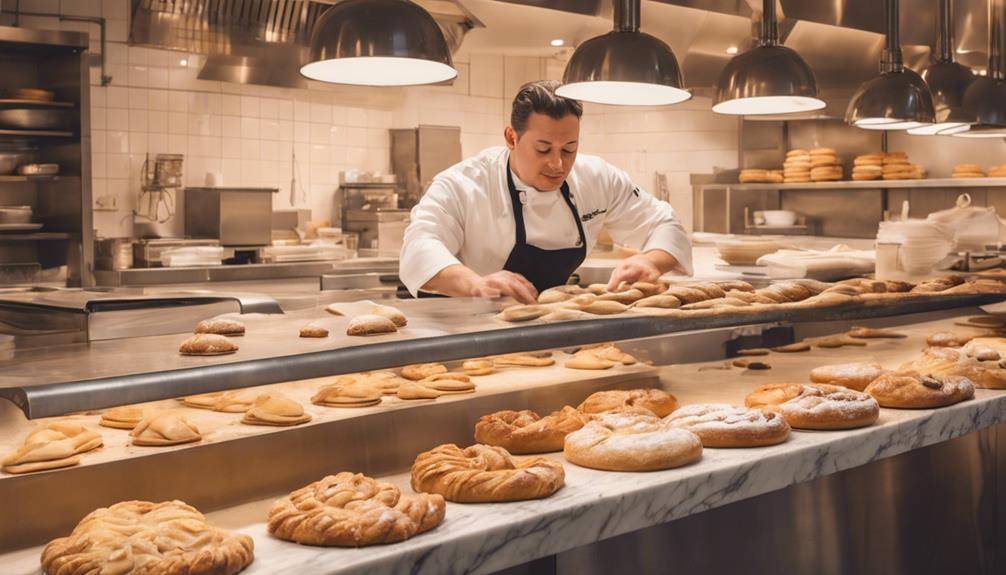
Why Does Efficient Pastry Preparation Matter: Efficient pastry preparation matters because it transforms your baking experience. When you manage your time well, you guarantee smoother workflows and consistent results. You'll minimize ingredient waste by planning ahead and using proper techniques, enhancing both flavor and presentation. An organized workspace helps you focus, reducing distractions and errors. Plus, mastering efficient methods builds your confidence, allowing creativity to flourish. With each step you optimize, you're shaping your pastries into delightful masterpieces. By exploring more about these strategies, you can elevate your pastry skills even further.
Importance of Time Management
Click Here and Turn Every Masterpiece into a Showstopper!
When you're in the kitchen whipping up pastries, managing your time effectively can make all the difference between a smooth baking experience and a chaotic one. Effective scheduling is essential for ensuring that each step of your pastry preparation flows seamlessly into the next. By mapping out your tasks in advance, you can avoid unnecessary delays and keep everything on track.
Start by prioritizing tasks based on their complexity and time requirements. For example, if you're making a multi-layered cake, begin with the components that take the longest to prepare, like the pastry cream or fondant. While those are chilling or resting, you can work on other elements, such as baking the layers or preparing the frosting. By doing this, you're not only saving time but also maximizing your efficiency in the kitchen.
Additionally, consider setting specific time blocks for each task. This helps you stay focused and accountable, preventing you from wandering off into distractions. If you know you have 30 minutes to whip the cream, you're more likely to stay on task and complete it within that timeframe.
Consistency in Results
Achieving consistent results in pastry preparation is fundamental for any baker aiming to impress with their creations. When you master the art of consistency, you'll notice fewer texture variations in your pastries, leading to an enjoyable experience for anyone who tastes your work. Maintaining the right ingredient ratios is essential; it guarantees that your flavor balance is spot-on, whether you're crafting a delicate soufflé or a rich chocolate tart.
Your choice of baking temperatures plays an important role too. Each pastry type requires specific conditions to achieve that perfect rise and golden crust. If you get this wrong, the outcome can be disappointing, affecting both texture and flavor. Likewise, proper dough handling techniques can make or break your pastry. Kneading too much or too little can lead to inconsistencies that are easily avoidable with practice.
When you explore various pastry styles, you'll discover different presentation techniques that enhance your final product. A well-presented pastry not only looks appealing but also influences perceived flavor. Think about the flavor combinations you choose; they should complement each other to create a harmonious experience for the palate.
Lastly, consider serving suggestions. They can elevate your pastry, making it memorable. By focusing on these elements, you'll achieve the consistency needed for success. Each time you step into the kitchen, aim for that reliable outcome—it's what turns an ordinary pastry into an extraordinary one.
Reducing Ingredient Waste
When you're baking, it's essential to optimize your ingredient usage to cut down on waste. By measuring accurately and using scraps creatively, you can minimize food waste and make the most out of every item. Let's explore some practical tips to help you reduce waste in your pastry preparation.
Optimizing Ingredient Usage
To minimize ingredient waste in pastry preparation, it's vital to plan your usage carefully. Start by evaluating the freshness of your ingredients and sourcing them wisely. When you choose seasonal ingredients, you'll not only enhance flavor but also reduce costs and waste.
Focus on ingredient pairing and flavor balancing to guarantee every element complements the others. This helps you avoid over-purchasing, as you'll have a clear idea of what works together. Don't forget about texture variation; using different textures can elevate your pastry without needing excess ingredients.
Temperature control plays an important role too. Proper handling can prevent spoilage and maintain the quality of your ingredients. Portion sizing is another key factor; by accurately measuring, you can create just the right amount for your needs.
If you're catering to specific dietary needs, consider alternative sweeteners and dietary substitutions. These options can help you use what you have on hand without waste. By incorporating these strategies, you'll optimize your ingredient usage, making sure you create delicious pastries while minimizing waste effectively.
Minimizing Food Waste
Minimizing food waste in pastry preparation starts with a mindful approach to your kitchen habits. By focusing on ingredient sourcing, you can choose seasonal ingredients that not only taste better but also reduce transportation waste. When you plan your menu, consider portion control to guarantee you're using just the right amount of ingredients. This practice not only contributes to sustainability but also enhances the overall quality of your pastries.
Recipe scaling is another vital technique. Adjusting recipes based on demand helps prevent surplus utilization, making sure you're not left with excess that could go to waste. Implementing food preservation methods, like freezing dough or using scraps creatively, can noticeably reduce waste.
Don't forget composting techniques for any unavoidable scraps. This environmentally friendly practice not only reduces landfill waste but also enriches the soil for future ingredient sourcing. By adopting these sustainable practices, you'll not only minimize your environmental impact but also create delicious pastries with a conscience. Remember, every little effort counts in the fight against food waste!
Enhancing Flavor Profiles
Enhancing flavor profiles in pastry can transform a simple dessert into a memorable experience. You'll find that flavor balancing is vital; it guarantees that no single element overpowers the others, creating a harmonious blend. To achieve this, consider texture enhancement as well. A crisp shell paired with a creamy filling can elevate your dessert, making each bite a delightful sensory experience.
Ingredient pairing plays a notable role in this process. Think about how chocolate and orange work together or how vanilla complements fruit. These combinations can lead to taste layering, where each flavor reveals itself gradually, enticing your palate and keeping you engaged. Don't shy away from flavor experimentation—try unexpected pairings that reflect cultural influences or seasonal flavors. For instance, incorporating spices like cardamom or ginger can add an exotic twist.
Aroma development is also essential; the scent of your pastry can enhance its perceived flavor. Use fresh ingredients whenever possible, as ingredient freshness meaningfully impacts the overall taste. Seasonal flavors not only provide a unique twist but also connect your dessert to the time of year, making it more relevant and enjoyable.
Ultimately, enhancing flavor profiles in your pastries isn't just about what you add, but how you combine these elements to create an unforgettable experience. So, roll up your sleeves and start experimenting—your taste buds will thank you!
Streamlining Workflows
To create pastries efficiently, mastering time management techniques is essential. An organized workspace not only saves you time but also enhances your focus, leading to better results. Let's explore how you can streamline your workflows for a smoother baking experience.
Time Management Techniques
Effective time management is essential in pastry preparation, as even a few minutes saved can greatly improve your workflow. Start by implementing batch scheduling. By grouping similar tasks together, you can reduce the time spent switching between different activities. Next, practice priority setting to identify the most vital tasks that need your attention first.
Task delegation is another key technique. Don't hesitate to enlist help from team members to share the workload efficiently. As you manage deadlines, keep a close eye on your progress through workflow analysis and efficiency tracking. This will help you stay on target while minimizing stress reduction.
Incorporating multitasking strategies can also boost your productivity. For example, while dough is resting, you can prepare fillings or clean your workspace. Employ focus techniques to maintain concentration during busy times, and don't forget about goal setting. Establish clear, achievable objectives for each shift to keep yourself motivated and organized.
Organized Workspace Benefits
An organized workspace can considerably streamline your pastry preparation process. When you have everything in its place, it not only cuts down on the time you spend searching for tools and ingredients but also enhances your focus. You'll find that workspace organization allows you to create an efficient layout where all your essential items are within arm's reach.
This setup helps you move smoothly from one task to another, ensuring that each step of your pastry-making flows seamlessly. For instance, having your mixing bowls, measuring cups, and utensils arranged logically can speed up your workflow. You won't waste precious moments hunting for that elusive spatula or flour bag.
Moreover, an efficient layout reduces the likelihood of mistakes. When you're not distracted by clutter or disorganization, you're more likely to follow your recipes accurately and avoid oversights.
In a well-organized workspace, not only do you work faster, but you also enjoy the process more. Your creativity can flourish when you're not bogged down by chaos. So, invest some time in organizing your pastry area, and watch your efficiency soar.
Improving Presentation
When it comes to pastry preparation, presentation plays a crucial role in enticing your guests. You want your creations to not only taste amazing but also look stunning on the plate. Mastering plating techniques can elevate your pastries from simple desserts to works of art, making them irresistible.
Start by considering the arrangement of your pastries. Use height and layering to create depth on the plate. For instance, if you're serving a cake, consider adding a scoop of complementary ice cream or a dollop of whipped cream beside it. This adds texture and balances the visual appeal. Don't forget about colors; vibrant fruits or edible flowers can bring your dish to life.
Another effective technique is using sauces or purees to create a backdrop for your pastry. A drizzle of chocolate sauce or a fruity coulis can enhance the overall presentation. Be mindful of portions too—smaller, well-arranged servings can look more elegant than larger, haphazard ones.
Boosting Creativity
While a stunning presentation captures attention, boosting creativity in your pastry preparation can truly set your desserts apart. To ignite your creative inspiration, immerse yourself in flavor experimentation. Don't shy away from exploring unique combinations; sometimes the most unexpected pairings can lead to delightful surprises. Think about how you can incorporate flavor fusion into your pastries by blending traditional flavors with modern twists.
Adapting to current trends is essential in the pastry world, so keep an eye on emerging flavors and techniques. Trend adaptation allows you to stay relevant while adding your personal touch. Experimenting with innovative techniques can also elevate your work. For instance, consider using playful designs to create an artistic presentation that tells a story. Visual storytelling can enhance the overall appeal of your pastries, making them not only delicious but also memorable.
Ingredient exploration is another way to boost your creativity. Try incorporating herbs, spices, or even unusual fruits into your recipes. These elements can add depth and intrigue to your desserts. By embracing this adventurous spirit, you'll find that your creations become a reflection of your personality and style.
Ultimately, letting go of conventions and embracing experimentation can lead to extraordinary results. So, roll up your sleeves and release your creative potential. Your pastries will not only taste fantastic but also leave a lasting impression on everyone who gets to indulge in your innovative treats.
Utilizing Proper Tools
To make your pastry preparation as smooth as possible, you need the right tools at your fingertips. Essential baking equipment will streamline your process, while time-saving tools can help you whip up treats in no time. Let's explore what you really need to elevate your baking game.
Essential Baking Equipment
Baking pastries requires the right tools to guarantee success and efficiency in the kitchen. Investing in essential baking tools is fundamental; they not only enhance your skills but also improve your results. Start by verifying your measuring techniques are precise; accurate measurements can make or break your pastry.
Don't forget about ingredient quality; using fresh, high-quality components will elevate your creations. For effective tool organization, consider storage solutions that keep your equipment easily accessible and in good condition. Regular equipment maintenance is essential to prolong the life of your tools and guarantee consistent performance.
If you're serious about baking, it might be time to upgrade essentials like your mixing bowls and baking sheets. Quality tools can lead to cost efficiency in the long run, saving you money on replacements and failed attempts.
Having the right baking equipment at your fingertips allows you to focus on creativity and technique rather than searching for misplaced items. By prioritizing the essentials, you'll streamline your pastry preparation process, making it not just more efficient but also more enjoyable.
Time-Saving Tools
Having the right time-saving tools can drastically reduce the effort and time spent on pastry preparation. Investing in essential pastry gadgets like food processors can speed up your mixing and chopping tasks, while high-quality mixing bowls guarantee you're well-equipped for any recipe. Don't forget about measuring tools; accurate measurements are key to baking success.
Utilizing rolling pins and silicone mats makes rolling out dough a breeze, preventing sticking and mess. With pastry brushes, you can easily apply egg washes or glazes, enhancing the final look of your pastries. Dough cutters will help you achieve uniform shapes quickly, saving you from the hassle of uneven pieces.
A kitchen timer is invaluable for keeping track of baking times, guaranteeing you won't over-bake or under-bake. Once your pastries are done, cooling racks allow for proper air circulation, preventing sogginess.
Click Here and Turn Every Masterpiece into a Showstopper!
Setting Up Workstations
In the heart of any efficient pastry kitchen lies a well-organized workstation that enhances productivity and creativity. To achieve this, you need to focus on your workstation layout, making sure every element contributes to a seamless workflow design. Start by considering ingredient organization; group similar items together and keep them within reach. This not only saves time but also reduces the chance of errors.
Next, prioritize tool accessibility. Arrange your tools so that the most frequently used ones are easily accessible—think whisk, spatula, and rolling pin. By maximizing space efficiency, you can create an environment that minimizes clutter and distractions.
Task delegation is also essential. If you're working with a team, assign specific roles to each member based on their strengths. This allows everyone to focus on their tasks without stepping on each other's toes, ultimately streamlining the entire process.
Before you plunge into pastry preparation, use a setup checklist to confirm you've got everything you need. This includes checking your ingredients, tools, and equipment. Finally, never underestimate the importance of cleanliness. A tidy workstation not only promotes safety but also fosters a positive atmosphere, encouraging creativity.
Understanding Ingredient Functions
Understanding the role of each ingredient in pastry preparation is fundamental for achieving the desired texture and flavor. Every ingredient interacts with others, influencing the final outcome through baking chemistry. For instance, the right ingredient ratios can create texture variations, while improper measurements might lead to dense or overly crumbly pastries.
When you consider flavor development, think about how ingredients like vanilla, citrus, or spices can enhance your final product. Flavor pairing is essential; matching seasonal ingredients not only boosts freshness but also aligns with local produce trends. If you're dealing with allergens, ingredient substitutions become significant—be mindful of how they affect taste and texture.
Sourcing quality ingredients matters too. Organic options often provide better flavor and nutritional balance, enhancing your pastry's appeal. Freshness impacts everything; the more recent the ingredients, the better the outcome. As you scale recipes, remember that ingredient interactions can change—what works in a small batch may not work in a larger one.
Cultural influences also play a role in ingredient choices, impacting both flavor and texture. You'll find that understanding baking science, including how different ingredients react under heat, can help you innovate while keeping your pastries consistent. Whether you're experimenting with sustainable sourcing or simply aiming for the perfect pastry, knowing your ingredients is key to success.
Mastering Techniques
To master pastry preparation, you need to hone essential skills that make a difference in your results. By implementing time-saving methods, you'll streamline your process and enjoy baking more. Consistency is key, so let's explore how to achieve that in every batch you create.
Essential Pastry Skills
Mastering essential pastry skills is essential for anyone looking to elevate their baking game. You'll want to familiarize yourself with various pastry techniques, as each one impacts the final product's texture and flavor. Understanding dough handling is critical—overworking dough can lead to tough pastries, while underworking can create uneven textures.
Experimenting with flavor combinations is another key aspect. Whether you're creating a rich chocolate tart or a delicate fruit pastry, knowing the right ingredient ratios can make all the difference. Pay close attention to baking temperatures, as they can vary greatly depending on the pastry type.
Dive into pastry history to appreciate the cultural influences that shape your creations. For instance, learning about French patisserie or Italian pastry can enhance your repertoire and inspire your own innovations.
Time-Saving Methods
Streamlining your pastry preparation can save you valuable time in the kitchen without sacrificing quality. By implementing batch cooking, you can prepare larger quantities of dough or fillings, allowing you to freeze portions for later use. This is where frozen dough comes in handy—just thaw and bake when you need it.
Start with effective ingredient prep and mise en place; having everything measured and organized before you begin will speed up the process considerably. Use efficient measuring techniques to avoid confusion and guarantee accuracy.
While baking, employ multi-tasking techniques, such as prepping your next batch while the current one is baking. Allocate your time wisely; designate specific intervals for mixing, rolling, and cleaning.
Recipe scaling is another useful strategy, letting you adjust quantities based on your needs without starting from scratch each time. Finally, make quick clean-up a priority by keeping your workspace organized and using tools that are easy to clean. By incorporating these methods, you'll find that your time in the kitchen becomes not only more productive but also more enjoyable.
Consistency in Results
Achieving consistent results in pastry preparation hinges on mastering essential techniques. You'll find that focusing on texture consistency and flavor balance is essential. Start by guaranteeing ingredient precision; measuring accurately can make or break your pastry. Pay attention to mixing techniques—over-mixing can lead to toughness, while under-mixing might result in uneven textures.
When it comes to dough handling, gentle yet deliberate actions are key. This guarantees your pastry maintains its integrity while achieving appearance uniformity. Don't overlook the importance of baking temperature; an accurate oven temperature is critical for perfect puff and rise.
Utilize layering methods for pastries like croissants or puff pastry to enhance texture and flavor. Each layer contributes to the final product's lightness and richness. Finally, the finishing touches can elevate your pastries from good to great. Consider serving suggestions that complement your creation, whether it's a drizzle of glaze or a sprinkle of powdered sugar.
Planning and Preparation
Planning and preparation are essential steps in creating delicious pastries. You can't just plunge in without a solid plan; it'll lead to chaos in the kitchen. Start by sourcing high-quality ingredients. Whether you're looking for seasonal ingredients or unique flavors influenced by different cultures, the right ingredients can make or break your pastry.
Next, consider recipe adjustments. Don't hesitate to tweak recipes to suit your taste or dietary needs. This can involve experimenting with flavors, like adding a hint of citrus to a classic pastry cream or using alternative sweeteners. Embracing flavor experimentation not only enhances your pastries but also keeps them exciting and relevant to current pastry trends.
As you prepare, think about your baking techniques. Familiarize yourself with various methods, whether it's the perfect way to laminate dough or how to create a delicate meringue. Your techniques will greatly influence the texture and flavor of your final product.
Adapting to Changes
Steering through the ever-evolving world of pastry requires flexibility and a willingness to adapt. As you immerse yourself in this creative culinary domain, you'll find that ingredient substitutions can save a recipe when a key item isn't available. Embracing seasonal adjustments not only enhances freshness but also supports local sourcing, making your pastries more appealing.
Flavor variations can elevate your creations; perhaps you'll add a twist to a classic recipe inspired by cultural influences. For instance, infusing spices from different cuisines can transform a simple pastry into an exotic delight.
You might also encounter dietary adaptations, such as gluten-free or vegan alternatives. Don't hesitate to experiment with techniques, as trying new methods can yield surprising results. Technique experimentation opens the door to recipe improvisation, allowing you to craft unique pastries that reflect your personal style.
Texture modifications are essential too. Whether you want a flaky crust or a dense filling, adjusting your approach can achieve the perfect bite. Also, think about presentation styles; how you plate your pastries can greatly impact their appeal. A well-presented pastry can turn an ordinary treat into a showstopper.
Learning From Mistakes
Mistakes in pastry preparation can often lead to unexpected breakthroughs. When you encounter baking errors, don't be discouraged. Instead, view them as learning curves that can enhance your skills. Every time something goes awry, you have an opportunity to refine your technique and discover what works best for you.
Overcoming obstacles in your baking journey often requires recipe adjustments. If your dough didn't rise as expected, consider experimenting with different yeast types or adjusting the temperature. Embrace flavor experimentation; sometimes, the best pastries come from unplanned ingredient swaps or new combinations.
Skill development comes from consistent practice, and yes, that includes facing the occasional flop. Each attempt teaches you something valuable, whether it's the importance of precise measurements or the right baking time. Remember to incorporate feedback into your process, whether from yourself or others. It's crucial to understand what went wrong and why, so you can troubleshoot effectively in the future.
Practice patience, as mastery takes time. Instead of rushing through the process, take a moment to analyze your results. Utilize troubleshooting techniques to identify what led to any mishaps. This will not only improve your pastries but also boost your confidence in the kitchen.
Ultimately, every mistake is a stepping stone toward becoming a better baker. Embrace these moments, learn from them, and soon, you'll find that what once felt like a setback has turned into a valuable lesson.
Building Confidence in Baking
Baking confidence often stems from a mix of practice, experimentation, and a positive mindset. When you approach baking with an open heart and a willingness to learn, you set the stage for skill development. Embrace the baking mindset that encourages you to see mistakes as stepping stones rather than setbacks. Each time you tackle a new recipe, you're not just following instructions; you're engaging in creative expression that enhances your pastry artistry.
Focusing on ingredient selection is vital for achieving flavor balance, which can elevate your baked goods. As you become more familiar with various pastry techniques, you'll find yourself interpreting recipes with greater ease and creativity. Don't be afraid to adapt a recipe to suit your taste or to experiment with different flavors. This approach not only builds your baking confidence but also allows you to discover your unique style.
When faced with baking challenges, remember that every great baker has encountered obstacles. Instead of shying away, use these moments to refine your skills. Each attempt, whether successful or not, contributes to your growth as a baker. Keep a journal of your experiences—what worked, what didn't, and how you can improve next time. By continuously reflecting on your progress, you'll foster a sense of accomplishment and resilience.
Ultimately, building confidence in baking is a journey. With each pastry you create, you're not just making a dessert; you're nurturing your passion and mastering the art of baking.
Click Here and Turn Every Masterpiece into a Showstopper!
Frequently Asked Questions: Why Does Efficient Pastry Preparation Matter
How Does Efficient Pastry Preparation Impact Overall Kitchen Productivity?
Efficient pastry preparation boosts your kitchen's productivity by enhancing time management and optimizing workflow. You'll find tasks flow smoothly, allowing you to focus on creativity and quality, ultimately satisfying your customers and improving your business.
Can Efficient Preparation Influence Customer Satisfaction and Sales?
Efficient preparation boosts customer satisfaction by ensuring fresh, high-quality pastries. When you deliver consistently delicious products, you enhance customer loyalty, leading to increased sales growth. Happy customers return, driving your business's success and expansion.
What Role Does Teamwork Play in Pastry Preparation Efficiency?
Teamwork enhances your pastry preparation by improving team dynamics and fostering collaboration. With everyone contributing their strengths, you'll streamline workflow optimization, ensuring tasks are completed faster and more efficiently, ultimately leading to better results.
How Can Efficient Pastry Preparation Reduce Stress in Baking Environments?
Efficient pastry preparation reduces stress by enhancing time management and ensuring ingredient organization. When you streamline processes, you minimize chaos, allowing you to focus on creativity and enjoy the baking experience without feeling overwhelmed.
Are There Specific Pastries That Benefit More From Efficient Preparation Techniques?
Flaky croissants, delicate éclairs, rich tarts, and layered cakes all benefit from efficient preparation techniques. You'll find that organizing your ingredients and processes streamlines your efforts, ensuring consistent quality and delightful results every time.

Conclusion
Efficient pastry preparation isn't just about speed; it's key to mastering your craft. By managing your time and minimizing waste, you not only improve your results but also enhance the flavors of your creations. Streamlining your workflow helps you adapt to changes and learn from mistakes, boosting your confidence in the kitchen. So, embrace these practices, and watch your baking skills flourish while you enjoy the process even more!