6 Best Techniques For Perfect Soup Preparation
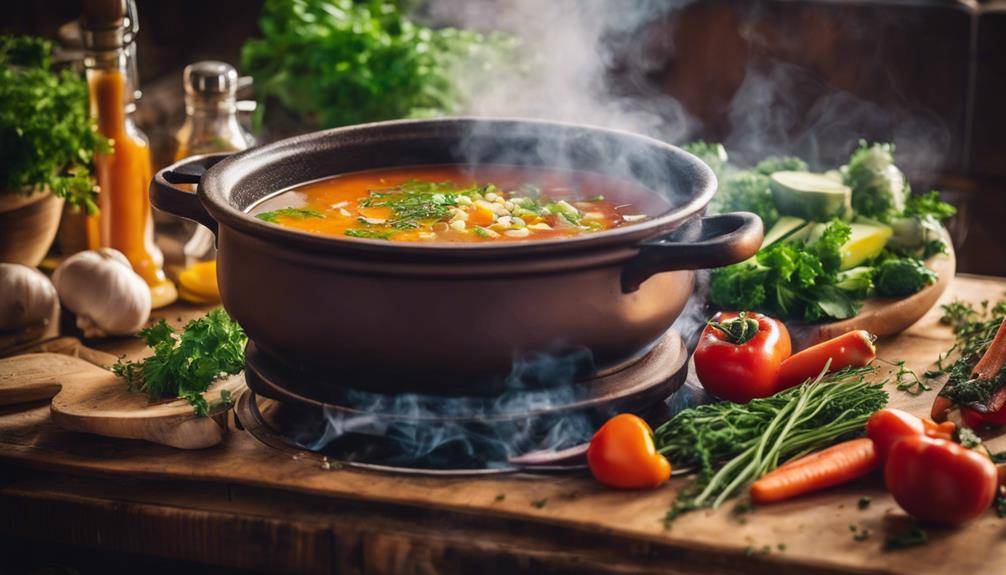
6 Best Techniques For Perfect Soup Preparation: To prepare the perfect soup, start with quality ingredients—choose fresh, seasonal produce and spice it up with herbs. Master your broth, letting it simmer to develop rich flavors. Pay attention to your seasoning; it's key to transforming your soup. Control cooking times—cook root veggies longer while adding delicate greens last. Explore texture variations by blending, chopping, or leaving ingredients chunky for interest. Don't forget garnishes; they add flavor and visual appeal. With these techniques, your soup will stand out. Stick around to uncover even more tips that will elevate your culinary game!
Choose Quality Ingredients
Click Here and Turn Every Masterpiece into a Showstopper!
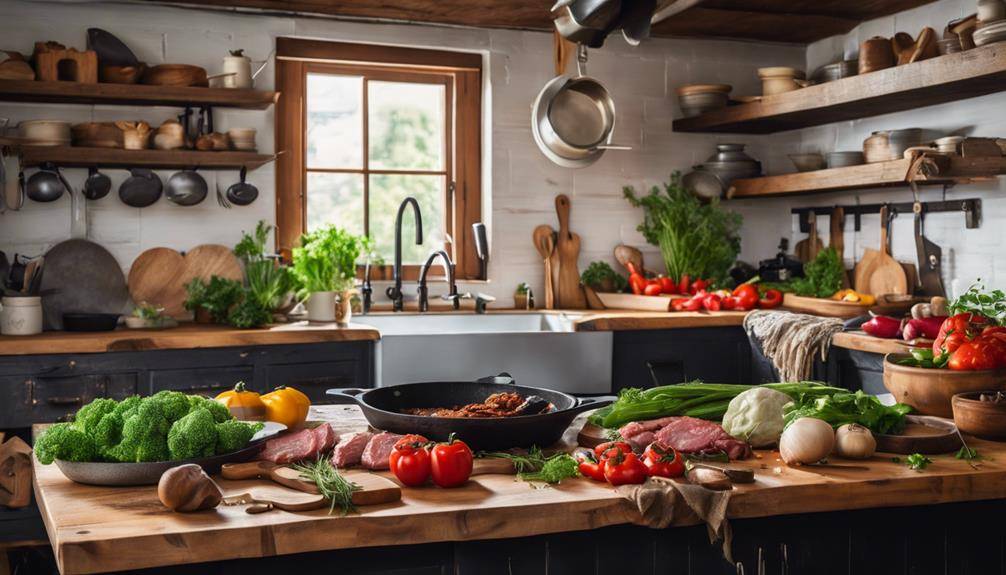
When you're ready to make a delicious soup, the quality of your ingredients can make all the difference. Choosing fresh produce from local farms is a fantastic way to guarantee that your soup bursts with flavor. Seasonal vegetables not only taste better but also bring diverse flavor profiles that can elevate your dish. When you opt for organic choices, you're not just selecting better taste; you're also supporting sustainable sourcing practices that benefit the environment.
Don't shy away from experimenting with ingredient substitutions. If a recipe calls for a specific vegetable that's out of season or unavailable, consider using a similar one that complements your soup. For instance, if you can't find fresh tomatoes, roasted red peppers can bring a sweet, smoky note instead. This flexibility can enhance the overall experience while keeping your soup fresh and exciting.
Quality assurance is crucial when selecting your ingredients. Take time to inspect produce for freshness and avoid anything that looks wilted or damaged. When shopping, don't hesitate to ask farmers or vendors about their practices; knowing where your food comes from can add to your peace of mind.
Master the Broth
Mastering the broth is essential for creating a rich and flavorful soup that captivates the palate. When you engage in soup preparation, understanding the different broth types is your first step. You can choose between vegetable, chicken, beef, or fish broths, each offering unique flavor profiles that can elevate your dish.
Start by selecting your broth type based on the ingredients you plan to use. For instance, a hearty beef broth pairs exceptionally well with root vegetables, while a light vegetable broth enhances the freshness of green ingredients. If you're after depth, consider a dark chicken broth; its robust flavor can provide a satisfying base for many soups.
Next, think about the cooking method. Simmering your broth for an extended period develops a more complex flavor profile. If you're in a hurry, you can use store-bought options, but don't skip enhancing it with aromatics like garlic, onions, or herbs. These additions can transform a basic broth into something extraordinary.
Perfect Your Seasoning
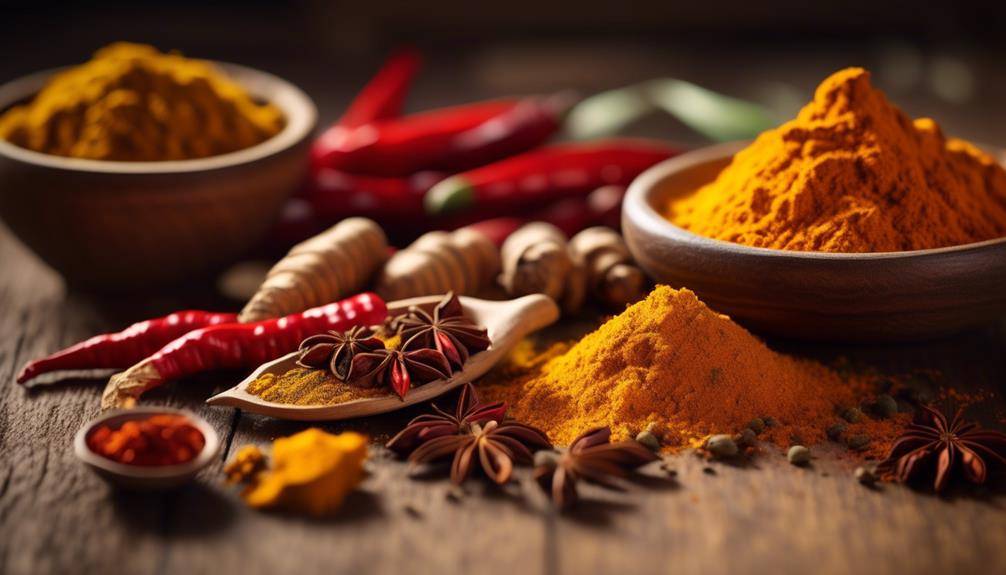
A well-prepared broth sets the stage for your soup, but its true potential shines through perfect seasoning. Getting your seasoning right is vital; it can elevate your soup from good to extraordinary. Start by experimenting with herb combinations. Fresh herbs like basil, thyme, and parsley can add depth and freshness, while dried herbs can provide concentrated flavors. Try balancing different herbs to find the combination that complements your soup's main ingredients.
Next, focus on spice ratios. Spices can drastically change the flavor profile of your soup. For instance, the warmth of cumin or the heat of cayenne can add complexity. However, it's important to use them judiciously. Start with small amounts and taste as you go. Remember, you can always add more, but it's tough to dial back once you've over-spiced.
Don't forget about salt! It's one of the simplest yet most effective seasonings. Start with a pinch and gradually increase it until you reach that perfect balance. Taste your broth at different stages of cooking to verify the flavors meld harmoniously.
Lastly, acidity can brighten your soup, so consider adding a splash of vinegar or a squeeze of lemon juice right before serving. This final touch can make all the difference. By perfecting your seasoning, you're not just enhancing your soup; you're creating a bowl of comfort that invites everyone to come back for seconds.
Control Cooking Time
To create the perfect soup, you need to control your cooking time. Pay attention to the timing for each ingredient, whether you're simmering or boiling, and make certain to taste test at intervals. This way, you'll ensure every flavor has the chance to shine.
Timing for Ingredients
When cooking soup, timing for each ingredient is essential to achieving the perfect balance of flavors and textures. You want to guarantee that every component contributes its best qualities at just the right moment. Start with your aromatics—onions, garlic, and spices—because they lay the foundation for flavor. Sauté them first until they're fragrant and tender.
Next, consider the ingredient freshness and seasonal selections. If you're using root vegetables like carrots or potatoes, add them early in the cooking process since they require more time to soften. Conversely, delicate greens or herbs should be added towards the end to preserve their vibrant colors and fresh flavors.
If you're incorporating proteins, such as chicken or beans, pay attention to their cooking times too. You don't want them overcooked and mushy. Remember, timing isn't just about following a recipe; it's about understanding how each ingredient interacts within the soup. By mastering the timing of your ingredients, you'll elevate your soup, guaranteeing every bite is a harmonious blend of taste and texture that celebrates the season's bounty.
Simmering Vs. Boiling
While both simmering and boiling involve cooking liquid, they serve different purposes in soup preparation and greatly affect the final outcome. When you simmer, you're cooking at a lower temperature, usually around 185°F to 205°F. This gentle heat allows flavors to meld beautifully, enhancing the depth and richness of your soup. One of the key simmering benefits is that it helps tenderize ingredients without breaking them down too much, preserving texture and appearance.
On the other hand, boiling occurs at a higher temperature, typically around 212°F. While it may speed up the cooking process, boiling can introduce several boiling drawbacks. For instance, it can cause delicate ingredients to become mushy and can lead to a loss of flavor as volatile compounds evaporate quickly. Additionally, boiling can make your soup cloudy, rather than the clear, inviting broth you desire.
To achieve the best flavor and texture in your soup, it's essential to control the cooking time with the right technique. Embrace simmering for a well-balanced, flavorful dish, and reserve boiling for specific situations where speed is necessary.
Taste Testing Intervals
A soup's flavor evolves with time, making taste testing intervals essential for achieving the perfect balance. As you simmer your soup, take the time to taste at different intervals. This helps you monitor how the flavors develop and interact. Start tasting around the 15-minute mark, then every 10 minutes after that.
Each taste test gives you insight into the soup's taste profile. You'll notice how the ingredients meld and whether any flavors dominate. If you find the soup too salty or bland, you can adjust accordingly before it's too late. Remember, it's all about flavor balance—too much of one ingredient can throw off the entire dish.
As you taste, consider the overall harmony. Do the spices enhance the base? Are the vegetables tender yet holding their shape? Adjust seasoning gradually; you can always add more, but it's hard to fix an over-seasoned soup. By listening to your soup through these intervals, you'll refine its taste profile until it's just right. Trust your palate, and don't rush the process; the best soups are those that reflect careful attention and a bit of patience.
Click Here and Turn Every Masterpiece into a Showstopper!
Explore Texture Variations
To create a soup with exciting textures, you need to choose your ingredients wisely. Different vegetables and proteins can bring unique mouthfeel, while blending methods can either smooth things out or leave some chunks for bite. Let's explore how these choices can transform your soup experience.
Choosing Ingredients Wisely
Selecting the right ingredients plays an essential role in achieving the perfect texture in your soup. Start by focusing on seasonal produce, as it not only enhances flavor but also guarantees peak freshness. When you choose ingredients in season, you'll find they're often more vibrant and texturally appealing.
Next, think about the different flavor combinations you can create. Mixing starchy vegetables like potatoes or squash with fibrous ones like carrots or celery can give your soup a lovely body. If you're aiming for a hearty texture, consider adding legumes or grains; they'll provide substance and richness without overwhelming the dish.
Don't forget about the impact of herbs and spices! Fresh herbs can add a burst of flavor and a touch of brightness, while spices can deepen the complexity. Choose those that complement your main ingredients for a harmonious blend.
Lastly, consider the balance between smooth and chunky elements in your soup. A mix of finely diced vegetables and larger pieces can create a delightful mouthfeel, making every spoonful interesting. By choosing your ingredients wisely, you'll elevate the texture and overall enjoyment of your soup.
Blending Methods Explained
When it comes to blending methods, you've got a variety of options that can dramatically alter the texture of your soup. An immersion blender is perfect for achieving a creamy finish directly in the pot, allowing you to control the blending temperature easily. If you're aiming for a chunky texture, consider using a food processor to pulse the ingredients just enough to maintain some integrity while still infusing flavors.
For a more traditional approach, a mortar and pestle can provide a unique texture and flavor infusion, especially with herbs and spices. Alternatively, a high-speed blender can create an ultra-smooth consistency, ideal for silky soups. If you want to keep things simple, a hand whisk can be effective for light blending, especially in cold soups.
Each method brings its own character to your dish. By experimenting with these techniques, you can find the right balance between creamy and chunky that suits your taste. Remember to adjust your blending time to achieve the perfect texture, whether you're going for a velvety finish or leaving some pieces intact for added interest.
Experiment With Garnishes
Elevating a simple soup can be as easy as trying out different garnishes. You'll be amazed at how a few well-chosen toppings can transform a bowl of soup into a culinary masterpiece. Start by considering herb oils. A drizzle of basil, parsley, or cilantro oil can add depth and a fresh layer of flavor. Simply blend your chosen herbs with some olive oil, strain it, and you've got a vibrant garnish ready to enhance your dish.
Next, think about adding crunchy toppings. Croutons are a classic choice, but don't stop there! Try roasted chickpeas, spiced nuts, or even crispy fried onions for an unexpected twist. These toppings not only add texture but also create a delightful contrast to the smoothness of your soup.
You can also play with colors and shapes. Finely chopped fresh herbs, like chives or dill, sprinkle beautifully on top and provide a bright visual appeal. If you're feeling adventurous, consider adding a dollop of sour cream or yogurt, topped with a sprinkle of paprika or a few slices of radish for an exciting pop.
Click Here and Turn Every Masterpiece into a Showstopper!
Frequently Asked Questions: 6 Best Techniques For Perfect Soup Preparation
How Do I Store Leftover Soup Properly?
To store leftover soup properly, use airtight soup containers. Let the soup cool first, then transfer it. Label with dates and follow these storage tips: refrigerate for up to three days or freeze for longer preservation.
Can I Freeze Soup, and for How Long?
Yes, you can freeze soup! Just guarantee it cools first. When you thaw it, the soup texture might change, but flavors usually remain intact. Use it within three months for the best taste and quality.
What Equipment Do I Need for Soup Preparation?
For soup preparation, you need a stock pot, soup pots, and a cutting board. Don't forget measuring cups, a ladle spoon, an immersion blender, a food processor, and a vegetable peeler to enhance your cooking experience.
How Can I Thicken My Soup Without Flour?
To thicken your soup without flour, try using vegetable purees or starch alternatives like cornstarch or arrowroot. Just blend your veggies until smooth and stir them in for a creamy, delicious texture.
Is It Safe to Reheat Soup Multiple Times?
Yes, it's generally safe to reheat soup multiple times if you follow soup safety and reheating guidelines. Just make certain you heat it thoroughly each time and store it properly between reheats to prevent bacteria growth.

Conclusion
With these six techniques in your culinary toolkit, you're well on your way to creating the perfect soup. By choosing quality ingredients, mastering the broth, perfecting your seasoning, controlling cooking time, exploring texture variations, and experimenting with garnishes, you can elevate your soup-making game. So, roll up your sleeves, get creative, and enjoy the delicious rewards of your efforts. Your taste buds will thank you for the flavorful journey ahead!