Three Essential Tips For Perfect Layered Desserts
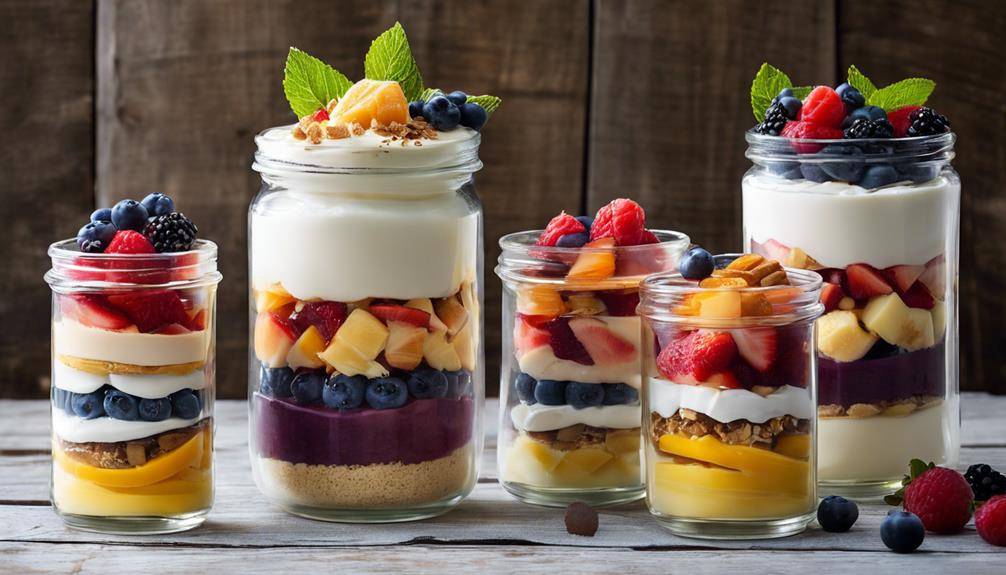
Essential Tips For Perfect Layered Desserts: To create perfect layered desserts, start by choosing high-quality, fresh ingredients. Use seasonal fruits and balance textures by mixing creamy and crunchy elements for an exciting bite. Next, master your layering technique; guarantee each layer complements the others in flavor and temperature. Don't forget to chill layers between additions to prevent collapse and maintain structure. Finally, present your dessert in clear containers to showcase its beautiful layers. With these tips, you'll impress everyone. For more insights on enhancing your dessert-making skills, there's plenty more to explore!
Choose the Right Ingredients
Click Here and Turn Every Masterpiece into a Showstopper!
When you're crafting layered desserts, choosing the right ingredients is essential for achieving the perfect balance of flavors and textures. Start by focusing on ingredient quality. Fresh, high-quality ingredients make a noticeable difference in taste. For instance, opt for real vanilla extract instead of imitation, and use fresh fruits rather than canned. When you bite into a dessert, you should experience vibrant flavors that sing together, not compete.
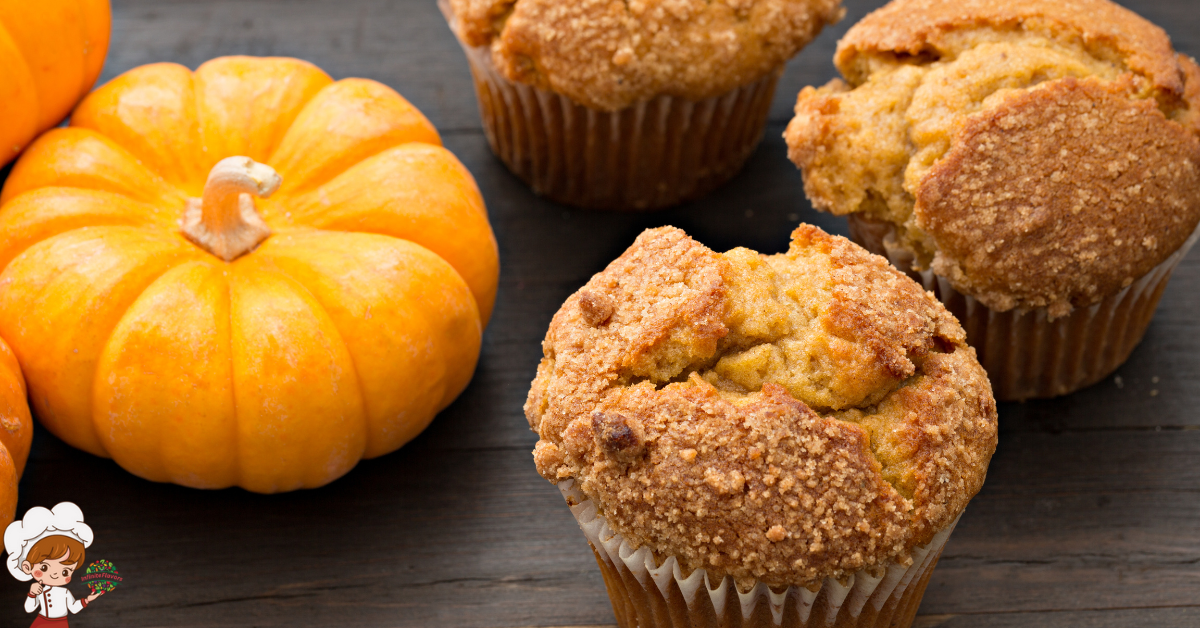
Next, consider seasonal selections. Using ingredients that are in season not only enhances the taste but also supports local farmers and reduces your environmental footprint. Seasonal fruits like strawberries in spring or pumpkins in fall can elevate your dessert, adding natural sweetness and unique flavors. This approach allows you to create layered desserts that reflect the time of year, making them even more special and memorable.
Don't overlook the importance of texture, either. Incorporate a variety of textures by selecting ingredients that complement each other. Creamy layers can be paired with crunchy elements, like toasted nuts or crumbled cookies, creating a delightful contrast. This interplay keeps each bite interesting and satisfying.
Master Layering Techniques
To master layering techniques, you need to choose complementary flavors that enhance each other. Proper equipment is essential for achieving clean, distinct layers that look as good as they taste. Finally, focus on creating visual appeal; a well-layered dessert is as much a feast for the eyes as it is for the palate.
Choose Complementary Flavors
Choosing complementary flavors is essential for creating delicious layered desserts that impress. When you think about flavor pairings, consider how each layer interacts with the others. For instance, pairing rich chocolate with tart raspberry creates a delightful contrast, while vanilla custard can balance the sweetness of caramel.
Seasonal ingredients are a fantastic way to enhance your dessert's flavor profile. In the summer, fresh berries can add brightness and acidity, while in the fall, spiced pumpkin layers can bring warmth and coziness. Don't shy away from experimenting! Mixing flavors like lemon and basil or chocolate and orange can yield surprising and delightful results.
As you assemble your dessert, guarantee that the flavors you choose not only complement each other but also create a harmonious experience. Taste each layer as you go, making adjustments where necessary to achieve the perfect balance. The goal is to have each bite provide a burst of flavor that keeps your guests coming back for more. Remember, the right flavor pairings can elevate your layered dessert from good to unforgettable!
Use Proper Equipment
Having the right equipment is vital for mastering layering techniques in your desserts. First, invest in quality layering tools like dessert molds that help you create distinct layers with precision. These molds come in various shapes and sizes, allowing you to experiment with different presentations.
Next, use piping bags to achieve clean, controlled layers. They're perfect for filling in your molds or layering ingredients like whipped cream or mousse. Don't forget your measuring cups; accurate measurements guarantee consistent layers and flavors across your dessert.
Choosing the right spatula types is also important. A flat spatula works wonders for smoothing out layers, while a silicone spatula is perfect for scraping down your mixing bowls, making sure no deliciousness goes to waste. Speaking of mixing bowls, having a few of different sizes will help you prepare various components simultaneously.
Create Visual Appeal
With the right equipment at your disposal, mastering layering techniques becomes a fun and rewarding experience. To create eye-catching layered desserts, focus on color contrast and ingredient placement. Start by selecting vibrant ingredients that pop against each other. For instance, pairing rich chocolate mousse with bright raspberry coulis not only excites the palate but also creates a stunning visual effect.
When layering, think about how each ingredient interacts. Use clear containers, like glass jars, to showcase your masterpiece. As you layer, alternate between lighter and darker ingredients to enhance color contrast. This technique draws the eye and makes your dessert more appealing.
Pay attention to the height and texture of each layer as well. A mix of smooth and chunky elements can create a delightful surprise in each bite. Don't forget to add garnishes on top that complement your layers, like fresh fruit or a sprinkle of nuts.
Lastly, take your time during ingredient placement. Even spacing will enhance the overall look, making each layer distinct. By following these tips, you'll create layered desserts that not only taste delicious but also look stunning!
Balance Flavors and Textures
When creating layered desserts, balancing flavors and textures is key to a memorable experience. You'll want to harmonize sweet and savory elements while ensuring crunchy layers complement creamy ones. Don't forget to play with temperature contrasts to keep things exciting with each bite!
Sweet and Savory Harmony
Achieving a perfect balance of sweet and savory in layered desserts can elevate your culinary creations to new heights. To create an irresistible dessert, focus on contrasting flavor profiles that complement each other. Think about pairing rich chocolate with a hint of sea salt or a creamy vanilla mousse with a tangy fruit compote. These combinations not only enhance the taste but also create a delightful surprise for your palate.
Ingredient synergy plays an essential role in achieving this harmony. When choosing your components, consider how they interact. For example, a caramel layer can beautifully balance a tart lemon curd, while a nutty layer adds earthiness to a sweet cheesecake. Don't shy away from experimenting with herbs and spices, like a touch of rosemary in chocolate or a sprinkle of cinnamon in fruit layers.
Crunchy Meets Creamy Layers
Layering crunchy and creamy elements in desserts creates a delightful contrast that excites the senses. To master this balance, you'll want to focus on effective layering techniques that highlight the unique textures of each component. Start with a solid base; think of crushed cookies or granola as your crunchy foundation. These not only add texture but also provide a satisfying crunch with every spoonful.
Next, introduce a creamy layer, like whipped cream, mousse, or custard. This smooth layer should complement the crunchiness below, creating a rich mouthfeel that enhances the overall experience. Don't be afraid to experiment with flavors—pair a tangy cream with sweet, crunchy elements to keep your dessert exciting.
When building your layers, consider the height and visibility of each. Visually appealing desserts often showcase their contrasting textures, so use clear glasses or jars to let the layers shine. Remember, the key is balance; too much crunch can overpower the creaminess, while excessive cream can drown out the desired texture. By thoughtfully combining these dessert textures, you'll create a layered dessert that's not only delicious but also a feast for the eyes!
Temperature Contrast for Impact
Combining different temperatures in your layered desserts can elevate the overall experience, adding another dimension to both flavor and texture. When you layer cold and warm elements, you create a delightful contrast that can enhance flavor perception. Imagine enjoying a rich chocolate mousse topped with a warm berry compote; the temperature effects play off each other, making each bite a new experience.
To achieve this, consider the order of your layers. Start with a cool base, like a chilled panna cotta, and then add a warm sauce or topping. This contrast not only excites the palate but also balances the creaminess of the cold layer with the warmth of the others.
Don't forget about textures, too; a warm layer can melt a cold layer slightly, creating a creamy, luscious blend that's irresistible. Experiment with various combinations—like a cold cheesecake with a warm caramel drizzle or a frozen yogurt parfait with a hot fudge layer. The key is to harmonize temperature effects to maximize enjoyment, making your layered desserts unforgettable. So, play around with these contrasts, and watch your desserts truly shine!
Chill Between Layers
Chilling between layers is essential for creating a well-structured dessert that holds its shape. When you layer different components, like creamy fillings and crumbly bases, the temperature contrast can cause instability if you don't give each layer enough chill time. This chill time allows the ingredients to set properly, ensuring that they adhere to one another without collapsing or mixing in an unappealing way.
Start by preparing your first layer, whether it's a mousse, pudding, or cake. Once you've completed that layer, pop it in the fridge for a minimum of 30 minutes. This initial chill time is vital for layer stability, as it firms up the layer enough to support the next one. If you skip this step, you risk having a layered dessert that resembles a melted mess rather than a beautiful creation.
After your first layer is sufficiently chilled, carefully add the second layer. Repeat the chilling process after this addition as well. Depending on the ingredients you're using, you might need longer chill times for denser layers or components that contain gelatin or whipped cream. Always keep an eye on your dessert, checking for a firm texture before proceeding.
Click Here and Turn Every Masterpiece into a Showstopper!
Use Clear Containers
Using clear containers can greatly enhance the presentation of your layered desserts. When you choose transparent dishes, you allow for clear visibility of the delightful layers you've created. This visual appeal not only entices your guests but also showcases the effort you put into crafting each element. When people can see the vibrant colors and textures, it adds a layer of excitement that elevates the entire dessert experience.
When it comes to container selection, consider using glass jars, clear plastic cups, or even acrylic containers. Each option offers a unique aesthetic, but they all share the benefit of transparency. Glass jars, for example, can lend a rustic charm, while sleek plastic cups may give a modern twist. Regardless of your choice, make sure the containers are of sufficient height to showcase the layers effectively. Keeping the layers distinct not only enhances the look but also allows your guests to appreciate each component's flavor.
Additionally, pay attention to the size of your containers. Too large, and your dessert may look sparse; too small, and you risk overcrowding the layers. A well-chosen container will highlight your beautiful creation, inviting everyone to dig in. Remember, the right clear container can turn a simple dessert into a stunning centerpiece that leaves a lasting impression. So, next time you prepare a layered dessert, prioritize your container selection, and watch as your dessert dazzles!
Decorate Thoughtfully
Elevate your layered desserts by decorating thoughtfully, as the finishing touches can truly make a difference. The way you present your dessert can enhance not just its appearance but also the overall experience. Start with your color choices; vibrant hues can catch the eye and entice your guests. Consider using a mix of fresh fruits, edible flowers, or colorful sprinkles to add pops of color. For instance, a layer of bright berries can contrast beautifully against creamy layers, creating a visually stunning effect.
Next, think about your garnish options. Simple yet elegant garnishes can take your dessert to the next level. A dollop of whipped cream or a drizzle of chocolate sauce can add richness and depth. Don't forget about textures! Crushed nuts or toasted coconut can introduce a delightful crunch, complementing the soft layers.
Experiment With Combinations
When it comes to layered desserts, the combinations you choose can greatly impact both flavor and presentation. Don't be afraid to experiment with flavor pairings that excite your palate. Think beyond traditional ingredients; for instance, consider mixing chocolate mousse with raspberry purée for a rich yet tangy delight. Alternatively, a vanilla custard layered with caramelized bananas can create a comforting and indulgent treat.
You can also have fun with ingredient substitutions to create unique layers. If you're aiming for a lighter dessert, swap heavy cream for Greek yogurt in your mousse. This not only cuts calories but adds a tangy twist that complements fruit layers beautifully. If you're vegan, try using coconut cream or almond milk puddings to maintain that rich, creamy texture while staying plant-based.
Don't limit yourself to sweet flavors either. Incorporating a hint of salt or spice can elevate your dessert game. A dash of sea salt can enhance chocolate layers, while a sprinkle of cinnamon in your whipped cream can add warmth to fruity combinations.
Remember to keep your audience in mind, too. Tailoring your dessert to accommodate dietary preferences or restrictions can guarantee everyone enjoys your creation. By experimenting with various flavor pairings and ingredient substitutions, you'll discover combinations that not only look stunning but taste incredible. So get creative, and let your taste buds guide you!
Click Here and Turn Every Masterpiece into a Showstopper!
Frequently Asked Questions: Essential Tips For Perfect Layered Desserts
Can I Make Layered Desserts in Advance and Freeze Them?
Yes, you can make layered desserts in advance and freeze them. Use proper freezing techniques to maintain texture, and when you're ready to enjoy, follow thawing tips to guarantee they taste fresh and delicious.
What Tools Do I Need for Assembling Layered Desserts?
You'll need a few essential tools for assembling layered desserts. Using dessert molds, you can create stunning layers, while mastering layering techniques guarantees your creation looks as good as it tastes. Enjoy the process!
How Long Should I Chill Each Layer Before Adding the Next?
To guarantee layer stability, chill each layer for at least 30 minutes before adding the next. This chilling time helps the layers set properly, preventing them from mixing and maintaining your dessert's beautiful appearance.
Are There Specific Flavor Combinations to Avoid?
When considering layer pairings, avoid contrasting flavors that clash or overwhelm. Aim for a flavor balance that harmonizes sweetness with acidity or richness with lightness, ensuring each layer complements the others for a delightful experience.
How Do I Prevent Layers From Mixing Together?
To prevent layers from mixing together, focus on layer stability and use proper layering techniques. Allow each layer to set before adding the next, and consider using denser ingredients to support lighter ones effectively.

Conclusion
With these tips in mind, you're ready to create stunning layered desserts that wow your friends and family. Remember to choose quality ingredients, master your layering techniques, and balance those flavors and textures for the perfect bite. Don't forget to chill between layers and use clear containers to showcase your creation. A thoughtful decoration will elevate your dessert even further. So go ahead, experiment with combinations, and enjoy the delicious results of your hard work!