Three Essential Tips For Perfect Deep Dish Pizza
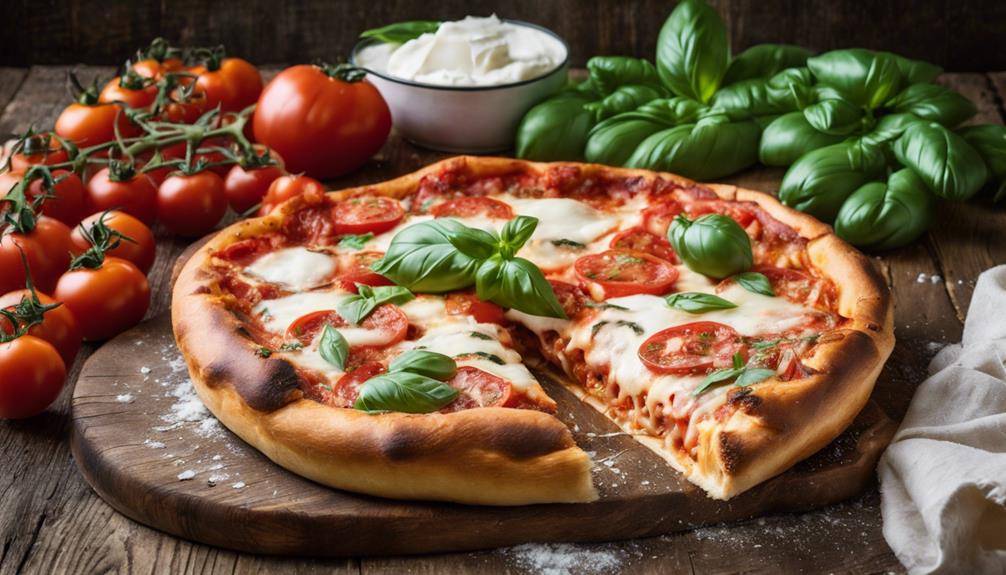
Essential Tips For Perfect Deep Dish Pizza: To create the perfect deep dish pizza, start with the right dough—opt for a buttery blend and consider cold fermentation to enhance flavor. Next, perfect your cheese layer by using a mix of mozzarella, provolone, and parmesan, layering it at the bottom to prevent sogginess. Finally, choose fresh, quality toppings, layering them wisely to avoid overcrowding. Don't forget to let your pizza rest a bit after baking for the best texture. With these tips, you're on your way to pizza perfection, and there's even more to explore to refine your skills further.
Understanding Deep Dish Pizza
Click Here and Turn Every Masterpiece into a Showstopper!
Deep dish pizza is a hearty meal that's as much about the experience as it is about the flavors. When you think of deep dish, you're likely picturing a thick, buttery crust filled with layers of gooey cheese and rich toppings, all swimming in a savory tomato sauce. But have you ever considered its history? The origins of deep dish pizza trace back to Chicago in the 1940s, where it was created to satisfy hungry diners who craved something more filling than traditional pizza.
As you explore deep dish pizza, you'll notice regional variations that make each style unique. In Chicago, for example, the crust is often a bit higher, allowing for a deeper filling, while in other parts of the Midwest, you might find a lighter take on the dish. Each variation reflects local tastes and preferences. So, when you bite into a slice, you're not just enjoying a meal; you're experiencing a piece of culinary history.
Understanding these origins and regional differences can enhance your appreciation for deep dish pizza. It's not just a dish; it's a tradition that's evolved over decades. Whether you're savoring a classic Chicago-style slice or trying a new twist from another region, knowing where it all began adds depth to your dining experience. So, the next time you dig into a deep dish, think about the rich history and diverse regional flavors that brought it to your plate.
Choosing the Right Dough
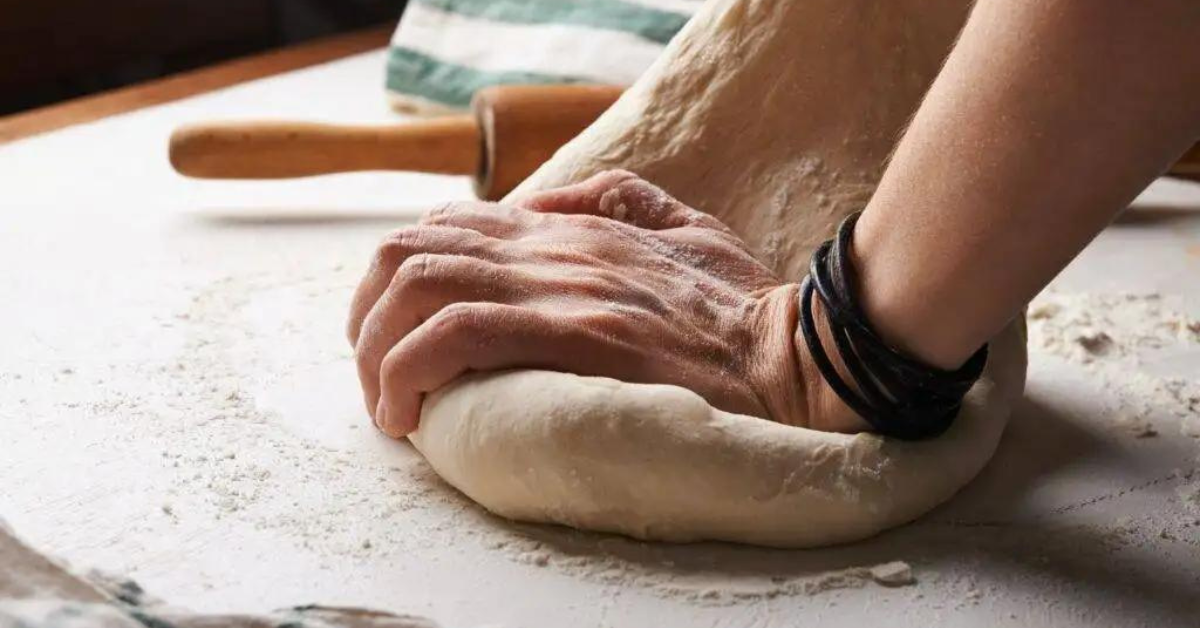
When it comes to making the perfect deep dish pizza, selecting the right dough is essential. You've got a few dough types to choose from, each offering a unique texture and flavor that can elevate your pizza game. The most popular options include traditional Italian-style dough, which is rich and chewy, and a buttery dough that creates a flaky, biscuit-like crust.
To achieve that ideal deep dish experience, consider experimenting with fermentation techniques. A longer fermentation time can enhance the flavor and texture of your dough, giving it a depth that quick methods can't match. Allowing your dough to rise slowly in the refrigerator for 24 hours can work wonders. This cold fermentation process not only develops flavor but also makes the dough easier to handle when it's time to shape it.
You should also pay attention to the hydration level of your dough. A higher hydration dough will result in a softer crust, while a lower hydration dough creates a firmer texture. Adjusting the water content can help you find the perfect balance based on your personal preference.
Perfecting the Cheese Layer
The cheese layer is an essential component that can make or break your deep dish pizza. To achieve that gooey, melty perfection, you need to pay close attention to your cheese blend. Using a combination of mozzarella, provolone, and perhaps a sprinkle of parmesan can elevate your pizza to the next level. Mozzarella provides that classic melt, while provolone adds a depth of flavor, and parmesan gives a savory finish.
When it comes to the layering technique, you're aiming for a balance that creates a delightful experience with every bite. Start by placing a generous amount of cheese at the bottom of your pizza. This not only helps prevent the crust from getting soggy but also forms a delicious barrier for your toppings. Next, add your chosen toppings, then cover them with another layer of cheese. This way, the cheese on top will create a beautifully browned, slightly crispy crust that contrasts nicely with the gooey cheese below.
Don't forget to reflect on the thickness of your cheese layers. Too thin, and you'll lose that cheesy goodness; too thick, and it might overpower the other flavors. Aim for a consistent, even distribution of cheese throughout. Ultimately, your goal is a harmonious blend that'll leave everyone craving more. Get this cheese layer right, and you're one step closer to making the perfect deep dish pizza.
Selecting Quality Toppings
Choosing quality toppings can really elevate your deep dish pizza to new heights. When you're selecting fresh ingredients, think about how each one contributes to the overall flavor and texture. Opt for vegetables that are in season; they not only taste better but also add vibrant colors to your pizza. Bell peppers, mushrooms, and onions can create a delicious base, while fresh herbs like basil or oregano add a burst of flavor.
Don't forget about the protein! Quality meats, like Italian sausage or pepperoni, can really enhance your pizza. Look for brands that use natural ingredients and avoid fillers. If you're feeling adventurous, try unique topping combinations like prosciutto with arugula or smoked chicken with barbecue sauce. These choices can transform your deep dish from ordinary to extraordinary.
Another tip is to layer your toppings wisely. Start with a solid foundation of cheese, then add your meats, vegetables, and finally, a sprinkle of herbs. This not only guarantees even cooking but also helps maintain the integrity of your toppings. Remember that less can be more; overcrowding your pizza can make it soggy and difficult to cut.
Mastering the Sauce Technique
When it comes to your deep dish pizza, mastering the sauce technique is essential. You'll want to focus on achieving the right sauce consistency and choosing the best tomatoes for maximum flavor. Get these elements right, and your pizza will stand out from the rest!
Sauce Consistency Matters
Sauce consistency plays an essential role in achieving the perfect deep dish pizza. When you're preparing your sauce, you want to pay close attention to the sauce thickness. A sauce that's too watery can lead to a soggy crust, while a sauce that's too thick might overwhelm your pizza, masking the other flavors. The goal is to find a balance that enhances your pizza without overpowering it.
To achieve this, start by simmering your sauce to reduce excess moisture. This helps thicken the sauce while concentrating the flavors. You'll want a sauce that's rich and robust, but still pourable enough to spread evenly over your ingredients. As you adjust the sauce thickness, taste as you go to maintain that vital flavor balance.
Keep in mind that the sauce should complement your cheese and toppings, not dominate them. A well-balanced sauce adds depth to every bite, enhancing the overall experience of your deep dish pizza. With the right sauce consistency, you'll create a delightful harmony of flavors that will keep everyone coming back for more.
Choosing the Right Tomatoes
To create a delicious deep dish pizza sauce, the type of tomatoes you use is essential. You'll want to take into account both canned varieties and fresh options. Canned tomatoes, like San Marzano, offer rich flavor profiles and are widely recommended by pizza enthusiasts. If you prefer fresh options, look for ripe, organic tomatoes during the peak season; they can bring a vibrant taste to your sauce.
When choosing your tomatoes, think about the texture and acidity. For a smoother sauce, go with crushed or pureed canned tomatoes. If you want a chunkier sauce, diced fresh tomatoes work well. Don't forget to balance the flavors with seasoning tips—add salt, pepper, and herbs like basil and oregano to enhance the taste.
Brand recommendations can also make a difference. High-quality brands often yield better results, so don't hesitate to experiment until you find your favorite. By carefully selecting the right tomatoes, you'll set the foundation for a perfect deep dish pizza sauce that'll delight your taste buds and impress your guests. Happy cooking!
Baking at the Right Temperature
When baking deep dish pizza, hitting the right oven temperature is essential for that perfect crust. Make sure to preheat your oven properly; this step can make all the difference in achieving a crispy bottom and well-cooked toppings. Let's explore the ideal temperatures and why they matter for your pizza success.
Optimal Oven Temperature
Getting the oven temperature just right is crucial for achieving that perfect deep dish pizza. You'll want to aim for around 475°F to 500°F. This high temperature guarantees that your crust cooks properly, giving it that crispy, golden finish. Before you even start baking, make certain your oven calibration is accurate. An oven that's off by even a few degrees can lead to uneven baking, affecting both the crust and toppings.
When you set your oven, keep in mind how heat distribution works. It's important to place your pizza on the middle rack for even cooking. If the heat's too concentrated at the bottom, your crust may burn before the cheese melts. Alternatively, too much heat from the top can leave you with an undercooked base.
Consider using a pizza stone or cast iron pan, as these materials help retain and distribute heat evenly. This way, your deep dish pizza will bake uniformly from the bottom up, making sure that every slice is just as delicious as the last. So, double-check that oven setting and get ready for a mouthwatering pizza experience!
Preheating Importance
Preheating your oven is absolutely vital for achieving that perfect deep dish pizza. When you take the time to preheat, you're allowing the oven dynamics to stabilize, which leads to consistent heat distribution throughout the cooking process. This is essential because an adequately heated oven guarantees that your crust cooks evenly, giving you that golden-brown exterior while keeping the inside soft and fluffy.
If you skip this step, you risk uneven cooking. The bottom might burn while the top remains undercooked, ruining your pizza experience. Preheating allows the cheese to melt perfectly and the toppings to cook through, enhancing the overall flavor.
To get the best outcomes, set your oven to the ideal temperature and let it preheat for at least 20-30 minutes. Use an oven thermometer to confirm it's reached the right heat level, as some ovens can be misleading. Once your oven is fully preheated, you can confidently slide your deep dish pizza in, knowing the heat will be evenly distributed, leading to a delicious, mouth-watering result. Trust me, this step can make all the difference!
Click Here and Turn Every Masterpiece into a Showstopper!
Timing Your Cooking Process
As you commence your deep dish pizza journey, timing your cooking process can make all the difference between a soggy crust and a perfectly baked masterpiece. First, pay attention to your cooking duration. A deep dish pizza typically requires longer baking times compared to traditional pizzas due to its thickness. Aim for a baking schedule of around 30 to 40 minutes at a high temperature, usually around 450°F.
Next, focus on temperature management. Preheat your oven properly and keep it consistent throughout the baking process. This guarantees even cooking and helps achieve that golden-brown crust you're after. While the pizza bakes, practice effective oven monitoring. Peek through the glass occasionally but avoid opening the door too frequently, as this can disrupt the heat.
Don't forget about dough resting and ingredient prep. Allow your dough to rest adequately before shaping, which enhances its elasticity and flavor development. When assembling your pizza, layer the ingredients thoughtfully. Start with cheese directly on the crust to create a barrier against moisture from the sauce and toppings.
Lastly, utilize timing techniques like setting a timer. It'll help you keep track without getting distracted. Trust your instincts, but remember that each oven is different. If you notice the top isn't browning as quickly as you'd like, consider using the broiler for a minute or two at the end. By mastering these aspects, you'll elevate your deep dish pizza from ordinary to extraordinary.
Allowing for Proper Cooling
After pulling your deep dish pizza from the oven, it's essential to let it cool properly. If you slice it too soon, you risk serving it at a temperature that can impact flavor and texture, plus it might turn soggy. Taking the time to cool not only enhances your pizza experience but also helps maintain that perfect crust you worked hard for.
Cooling Time Importance
While you might be enthusiastic to dig into your freshly baked deep dish pizza, allowing it to cool properly is vital for achieving the best texture and flavor. Rushing in too soon can lead to a soggy crust and overly gooey cheese, detracting from your culinary masterpiece.
Utilizing effective cooling methods, like placing your pizza on a wire rack, can help air circulate around it, preventing steam from building up. This simple step guarantees that the crust retains its intended crunch, while the toppings meld beautifully without becoming an unappetizing mess.
The cooling benefits are significant; you'll notice that the flavors have time to settle and enhance each other, creating a more harmonious bite. A brief cooling period allows the cheese to firm up slightly, making slicing easier and preventing the toppings from sliding off.
Slice Temperature Considerations
When it comes to slicing your deep dish pizza, temperature plays an essential role in ensuring you get clean, even cuts. If you slice your pizza while it's still steaming hot, you'll likely end up with a gooey mess. Allow your pizza to cool for about 10 to 15 minutes after baking. This cooling period helps the cheese and toppings set, making it easier to achieve those perfect slice servings.
Once your pizza has cooled, use a sharp pizza cutter or a large knife for smooth, precise cuts. If you're planning to reheat some slices later, it's best to allow them to cool completely before storing them in the fridge. This prevents steam from making them soggy and helps maintain their integrity when you decide to reheat.
When you're ready to enjoy your leftover pizza, reheating it in the oven or on a skillet can bring back that fresh-baked flavor. Remember, patience is key; waiting for the right temperature makes all the difference in achieving that perfect slice. Enjoy your deep dish pizza at its best!
Preventing Sogginess Issues
Preventing sogginess in your deep dish pizza starts with proper cooling. Once you've baked your masterpiece, resist the urge to plunge in immediately. Let your pizza rest for at least 10-15 minutes. This cooling period allows steam to escape, which is vital for maintaining that perfect texture. If you cut into it too soon, the moisture from the toppings can seep into the crust, leading to a soggy bottom.
Another key factor is dough hydration. When you prepare your dough, aim for the right balance of moisture. An overly hydrated dough can absorb too much liquid from your toppings, making it soggy. It's important to experiment until you find that sweet spot for your recipe.
Don't forget about ingredient layering! Start with a sturdy layer of cheese on the bottom to create a barrier against moisture, followed by your sauce and toppings. This way, the cheese helps keep the crust dry while still providing that gooey goodness you crave. By focusing on cooling, dough hydration, and ingredient layering, you'll guarantee your deep dish pizza stays perfectly crispy and delicious. Enjoy every slice!
Serving and Enjoying
Serving up a delicious deep dish pizza is an experience that brings friends and family together. To make the most of this occasion, pay attention to serving temperatures—your pizza should be hot and bubbly, ideally around 160°F. Slice it into generous portions, keeping in mind that deep dish is filling; smaller portions encourage sharing and tasting.
When it comes to plate presentation, consider using rustic wooden boards or classic pizza trays. This not only enhances the aesthetic but also adds to the communal feel of the meal. As for table settings, set the scene with vibrant napkins and plates that complement the rich colors of your pizza toppings.
Pair your deep dish with the right beverages to elevate the feast. A crisp salad or garlic bread makes for excellent pizza pairings, while drinks like craft beer or a light red wine can enhance the flavors of the dish.
Dining etiquette is important too. Encourage everyone to dig in, but remind your guests to serve themselves politely. If you're hosting, consider offering a few sharing tips—like passing the pizza around instead of cutting it all at once, allowing everyone to enjoy the experience together.
With these touches, you'll not only serve a fantastic deep dish pizza but also create a memorable dining experience that everyone will cherish. Enjoy every bite and the company around you!
Storing Leftovers Correctly
To keep your leftover deep dish pizza tasting fresh and delicious, it's essential to store it correctly. Start by using proper refrigeration techniques. Verify the pizza cools to room temperature before placing it in the fridge. This prevents condensation, which can make the crust soggy. For best results, select an airtight container that fits the pizza snugly to minimize air exposure. If you're planning a meal prep session, consider cutting the pizza into individual slices for better portion control.
For longer storage, vacuum sealing is an excellent option. This method removes excess air, greatly enhancing flavor preservation. Once sealed, you can store the pizza in the freezer for up to three months. When you're ready to enjoy your leftovers, use reheating methods that restore that fresh-baked quality. The oven is your best bet; preheat it to 375°F and heat the pizza on a baking sheet for about 10-15 minutes. This helps keep the crust crispy while the cheese melts perfectly.
If you're short on time, you can use the microwave, but be cautious. To avoid a chewy texture, place a cup of water in the microwave with your pizza to create steam and maintain moisture. Remember, whether it's in the fridge or freezer, proper container selection is key to keeping your deep dish pizza as delicious as the day you made it. Enjoy every bite, knowing you've stored it right!
Click Here and Turn Every Masterpiece into a Showstopper!
Frequently Asked Questions: Essential Tips For Perfect Deep Dish Pizza
Can I Make Deep Dish Pizza in a Regular Oven?
Yes, you can make deep dish pizza in a regular oven. Just preheat your oven to 450°F and bake for about 30-40 minutes. Keep an eye on it to guarantee it doesn't overcook.
What Type of Pan Is Best for Deep Dish Pizza?
You'll want a sturdy, deep dish pizza pan for the best results. Consider using a cast iron or steel pan; both enhance baking techniques and heat distribution, ensuring your pizza crust cooks evenly and crisps perfectly.
How Long Can I Store Leftover Deep Dish Pizza?
You can store leftover deep dish pizza in airtight storage containers for up to four days. When you're ready to enjoy it, use reheating techniques like the oven or skillet for the best results.
Is Deep Dish Pizza Gluten-Free?
Deep dish pizza isn't typically gluten-free, but you can use gluten substitutes like almond flour or chickpea flour for the crust. Don't forget to choose gluten-free pizza toppings to keep your meal safe and delicious!
Can I Freeze Deep Dish Pizza Before Baking?
Yes, you can freeze deep dish pizza before baking. Use proper freezing techniques, like wrapping it tightly, to guarantee ideal pizza preservation. When you're ready, just bake it straight from the freezer for a delicious meal.

Conclusion
By following these tips, you're well on your way to creating the perfect deep dish pizza right in your own kitchen. Remember to focus on the dough, cheese, and sauce, while also choosing quality toppings for that ultimate flavor. Timing is key, so keep an eye on your cooking process, and don't forget to let it cool properly before digging in. Enjoy every slice, and don't hesitate to store any leftovers for a tasty treat later!