What Is The Method To Grill Pizza Perfectly
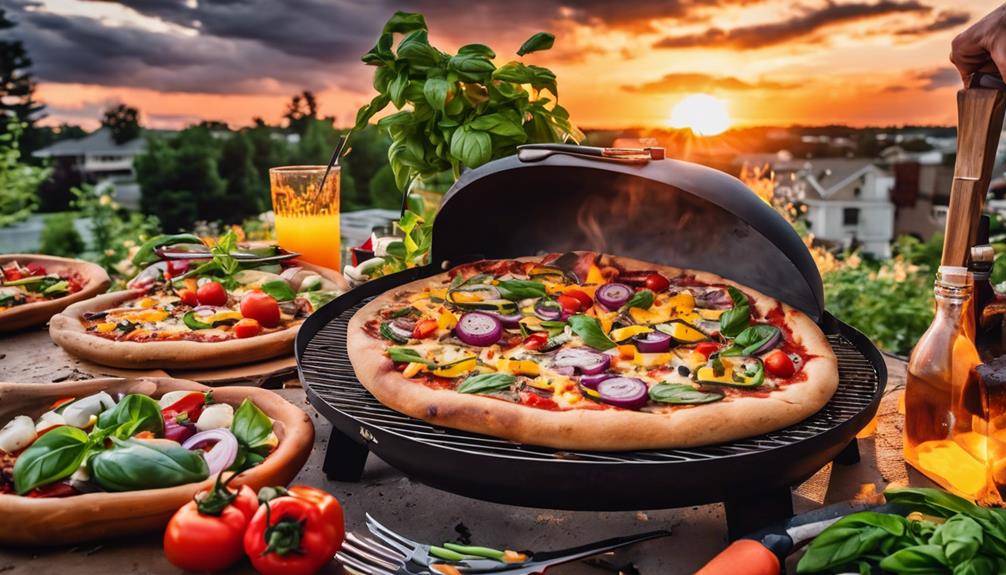
What Is The Method To Grill Pizza Perfectly: To grill pizza perfectly, start by choosing a suitable grill, either gas or charcoal, based on your flavor preference. Select your dough—Neapolitan for a chewy texture or whole wheat for a nutty flavor. Preheat your grill to around 450°F to 500°F. If you have a pizza stone, place it on the grill to guarantee even heat. Limit toppings to just a couple to avoid sogginess. Cook for 8 to 12 minutes, rotating halfway for even cooking. Keep an eye on the crust for golden-brown perfection. There's more to mastering this technique that can elevate your grilling game!
Choosing the Right Grill
Click Here and Turn Every Masterpiece into a Showstopper!
When it comes to grilling pizza, you'll want to narrow down your options to find the right grill for the job. Gas grills offer quick heat control and even cooking, making them a popular choice for many. If you love a smoky flavor, consider a charcoal grill. While they require more effort to light and maintain, they can produce that authentic wood-fired taste that elevates your pizza. For those who like to take their grilling on the go, portable grills are perfect. They're compact and easy to arrange, allowing you to enjoy grilled pizza anywhere.
Smoker grills are another option, providing a unique cooking experience that combines grilling and smoking. Whichever grill you choose, make certain you have the right grill accessories, like pizza stones or grilling mats, to help achieve the perfect crust.
Grill placement is also significant. Make sure you set up your grill in a safe, well-ventilated area, away from flammable materials. You should always prioritize grill safety, especially when working with high heat. Regular grill maintenance is essential, too; clean your grill after each use to prevent any buildup that could affect the taste of your pizza.
In short, choose a grill that suits your cooking style, keep safety in mind, and invest in the right accessories to make your pizza grilling experience a delicious success.
Selecting the Perfect Dough
When it comes to grilling pizza, selecting the right dough is essential for achieving that perfect crust. You'll want to contemplate whether to go with homemade or store-bought options, and think about the thickness that'll work best for your grill. Each choice impacts not just the flavor but also the overall grilling experience, so let's explore your options.
Types of Pizza Dough
Choosing the right pizza dough is essential for achieving that perfect grilled pie, and there are several types to take into account. Neapolitan dough is a popular choice known for its soft, chewy texture and delightful char when grilled. Made with simple ingredients—flour, water, salt, and yeast—this dough is typically hand-stretched and requires a high-temperature grill to develop its signature crust.
If you're looking for a healthier option, consider whole wheat dough. Whole wheat flour adds a nutty flavor and increases the fiber content, making your pizza a bit more nutritious. While it can yield a denser crust compared to traditional white flour, the flavor profile can be quite satisfying, especially when paired with fresh toppings.
You might also explore alternative options like gluten-free doughs or sourdough for a unique twist. Each type of dough brings its own character to your grilled pizza, so it's worth experimenting to find your favorite. Ultimately, the choice of dough can elevate your grilling experience and lead to delicious results. Remember, the right dough sets the foundation for the perfect grilled pizza, so choose wisely!
Homemade Vs. Store-Bought
Deciding between homemade and store-bought pizza dough can greatly impact your grilling experience. If you're up for a little adventure in the kitchen, homemade dough offers several benefits. You can customize the ingredients, ensuring everything is fresh and tailored to your taste. Plus, making dough from scratch can be a fun activity to share with family or friends. You get to control the texture and flavor, leading to a truly personal pizza experience.
On the other hand, store-bought convenience can't be overlooked. When you're short on time or just want to keep things simple, grabbing a pre-made dough can save you valuable minutes. Many store options are surprisingly good, and they come ready to roll, making your grilling process quicker and easier. You can focus on prepping your toppings while the dough is ready to hit the grill.
Ultimately, your choice depends on how much time you have and the kind of experience you want. Whether you go for homemade or store-bought, both can lead to delicious grilled pizzas—just be sure to pick a dough that suits your style!
Dough Thickness Considerations
The thickness of your pizza dough plays a significant role in how your grilled pizza turns out. If you want a crispy crust, aim for a thinner dough. This allows for quicker cooking and a delightful crunch. On the other hand, if you prefer a chewy, bread-like texture, a thicker dough might be your best bet.
When deciding on dough thickness, consider dough hydration and fermentation time. Higher hydration levels can make your dough stretchier and lighter, which often works better with thinner crusts. For a thicker crust, you might want to lower the hydration slightly to maintain structure while still achieving a fluffy interior.
Fermentation time is also essential. Longer fermentation can enhance flavor and texture, allowing the dough to rise properly, regardless of thickness. Just remember, if you're going for a thicker crust, make sure it's adequately risen to avoid a dense result.
Ultimately, the perfect dough thickness comes down to your personal preference. Experiment with different thicknesses, hydration levels, and fermentation times to find the combination that satisfies your taste buds and makes your grilled pizza experience truly unforgettable.
Preparing the Pizza Toppings
When it comes to preparing your pizza toppings, fresh ingredients make all the difference. Start by choosing quality produce; ripe tomatoes, crisp bell peppers, and fragrant basil can elevate your pizza to new heights. Consider your sauce options next. Whether you prefer a classic tomato sauce, a zesty pesto, or a creamy white sauce, the right base can enhance your topping combinations. Don't skimp on flavor—add minced garlic or a dash of olive oil to your sauce for an extra kick.
Now, let's talk about toppings. Think about balancing flavors and textures. You might love a combination of spicy pepperoni, savory mushrooms, and sweet onions. Or perhaps you'd prefer a lighter option with fresh mozzarella, arugula, and prosciutto. Mixing different cheeses can also create a delightful flavor profile; try combining tangy goat cheese with gooey mozzarella for a unique twist.
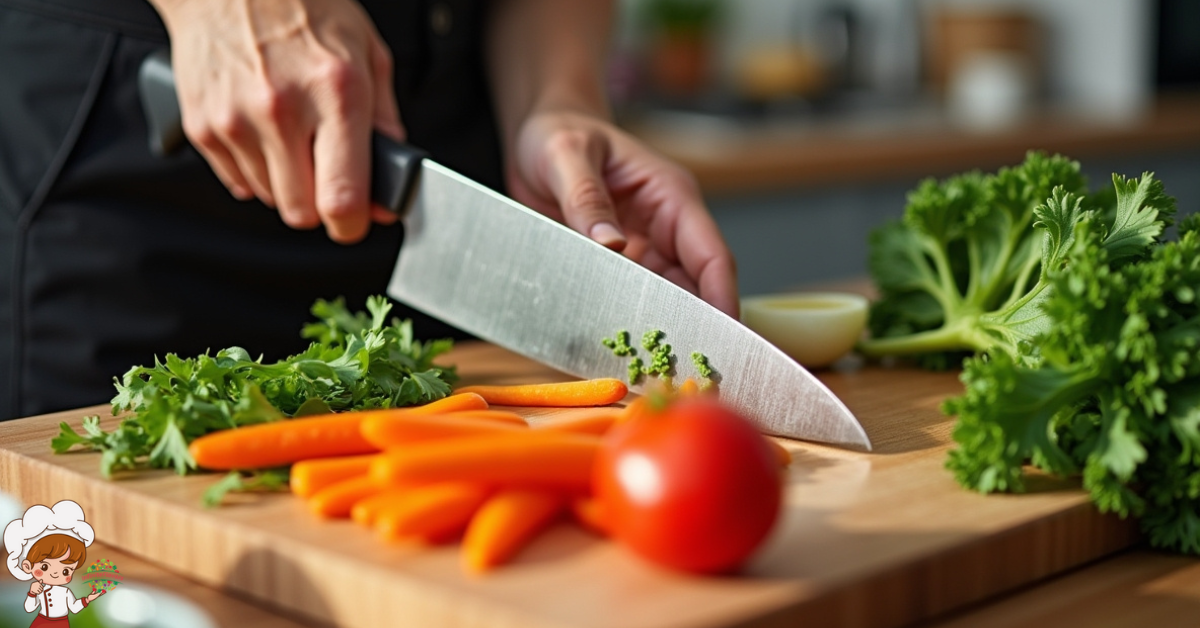
Don't forget to prep your toppings properly. Slice vegetables evenly to guarantee they cook at the same rate. If you're using meats, consider pre-cooking them slightly to make sure they're fully cooked by the time your pizza's ready. If you're feeling adventurous, add a drizzle of balsamic glaze or some crushed red pepper flakes before serving to enhance the flavors.
Ultimately, the key to preparing great pizza toppings is creativity. Experiment with different combinations until you find your perfect match. With fresh ingredients and thoughtful preparation, you'll be well on your way to grilling the perfect pizza.
Preheating Your Grill
Preheating your grill is essential for achieving that perfect pizza crust. Aim for an ideal temperature range between 450°F and 500°F, which lets the dough cook evenly without burning. Make sure to give your grill enough time to reach this temperature before you start grilling.
Importance of Preheating
Before you even think about tossing that pizza on the grill, getting your grill up to temperature is essential. Preheating your grill isn't just a suggestion; it sets the stage for perfect heat distribution. A well-heated grill guarantees that your pizza cooks evenly, preventing a soggy crust or burnt toppings.
When you start your grill setup, allow it to reach the desired temperature before placing your pizza on the grates. This helps create that ideal sear on the bottom of the crust while keeping the toppings adequately cooked. If the grill isn't preheated, you risk uneven cooking, which can ruin your pizza experience.
Moreover, a hot grill keeps the pizza from sticking to the grates, making it easier to flip or remove. You want that crispy, delicious crust, and preheating is the first step to achieving it. Don't rush this critical phase; let your grill heat up to confirm you're set up for success. By prioritizing preheating, you maximize your chances of grilling a pizza that's not only visually appealing but also deliciously satisfying. So, be patient and let that grill warm up!
Ideal Temperature Range
Achieving the perfect grilled pizza hinges on hitting the right temperature. Ideally, you want your grill settings to reach between 475°F to 500°F. This range guarantees that the crust cooks evenly while allowing the toppings to melt perfectly. If your grill's heat distribution isn't even, you may find that some areas cook faster than others, leading to a less-than-ideal pizza.
To achieve this temperature, start by preheating your grill for about 15 to 20 minutes. Make sure to keep the lid closed during this time; it helps maintain a consistent heat level. If you're using a charcoal grill, confirm all the coals are lit and have a light grey ash coating, indicating they're hot enough. For gas grills, simply adjust the burners until you reach the desired temperature.
You can use an infrared thermometer to check your grill's surface temperature, making certain it's within that sweet spot. Once you're there, you'll be ready to place your pizza on the grill. Remember, keeping the right temperature is key to grilling a pizza that's crispy on the outside and perfectly cooked on the inside.
Time for Preheating
While you might be enthusiastic to get your pizza on the grill, taking the time to preheat is vital for a great outcome. Preheating your grill guarantees that the cooking surface reaches the ideal temperature, allowing your pizza to cook evenly and develop that perfect crispy crust. Aim for a preheating time of about 10 to 15 minutes, depending on your grill type.
During preheating, check your grill maintenance. Make sure the grates are clean and free from any leftover debris. This not only enhances the flavor but also contributes to pizza safety by preventing any unwanted contaminants from affecting your meal.
Once your grill is properly preheated, you can confidently place your pizza on the grates, knowing it'll cook at the right temperature. This step is vital—without adequate heat, your pizza might end up soggy or undercooked. So, don't rush the process; allow your grill to get hot enough before you start grilling. Trust the preheating stage to elevate your pizza-making game and enjoy delicious results every time!
Using a Pizza Stone
When you're ready to take your grilling game up a notch, using a pizza stone can make all the difference. A pizza stone helps distribute heat evenly, resulting in a perfectly cooked crust that's crispy on the outside and soft on the inside. This is one of the key pizza stone benefits, as it simulates the effect of a traditional pizza oven. You'll enjoy a delicious, restaurant-quality pizza right in your backyard.
To get the best results, you'll need to properly maintain your stone. After each use, let it cool down completely before cleaning. Avoid using soap, as it can absorb into the porous material and affect the taste of your pizzas. Instead, scrape off any residue with a spatula or a stiff brush. For deeper stains, a paste of baking soda and water can work wonders. Remember, never soak your pizza stone in water, and always make sure it's completely dry before storing.
Preheating your pizza stone is also essential. Place it on the grill and allow it to heat for at least 30 minutes before you put your pizza on it. This helps achieve that perfect crust and prevents sticking. As you experiment with different toppings and styles, you'll find that the pizza stone elevates your grilling experience. With proper care and attention, you'll be grilling pizzas that impress friends and family, making your gatherings even more memorable.
Grilling Techniques for Success
Grilling pizza isn't just about the ingredients; it's also about mastering the techniques that lead to a flawless pie. Start by prepping your grill and guaranteeing grill safety. Make sure the grates are clean and preheated, as a good sear is vital for a crispy crust. Use a two-zone setup: one side for direct heat to cook the crust and the other for indirect heat, allowing toppings to melt without burning.
When you're ready to grill, place your pizza on the hotter side first. This will give you that perfect crust. After a couple of minutes, use a spatula to check the bottom. If it's golden and crisp, slide the pizza over to the cooler side. This indirect heat will help your toppings cook evenly without charring.
Flavor pairing is key when grilling pizza. Think about how your toppings complement each other. For instance, pairing tangy barbecue sauce with smoky chicken or fresh basil with mozzarella can elevate your pizza. Don't forget to experiment with different cheeses and herbs that can withstand the heat.
Lastly, keep an eye on your pizza and rotate it occasionally to guarantee even cooking. If you notice any flare-ups, manage them quickly to prevent burnt spots. By following these grilling techniques, you'll set yourself up for success and achieve that restaurant-quality pizza right in your backyard. Enjoy the process, and happy grilling!
Monitoring Temperature Levels
To grill pizza perfectly, you need to keep a close eye on temperature levels. The ideal range for your grill should be between 450°F and 500°F, so using a reliable temperature gauge is crucial. Don't forget to monitor your cooking time to guarantee that your pizza comes out just right without burning.
Ideal Grill Temperature Range
Achieving the perfect grilled pizza starts with understanding the ideal temperature range, as this greatly affects the cooking process. Generally, you'll want your grill to be preheated to about 450-500°F (232-260°C). This temperature allows for a crispy crust while guaranteeing the toppings cook evenly. Different grill types, whether gas, charcoal, or wood-fired, can influence how heat is distributed. For instance, charcoal grills often create more intense heat, while gas grills provide more consistent temperature control.
When grilling pizza, consider the heat distribution. If you're using a gas grill, keep the flames on one side and place the pizza on the other for indirect cooking. This method prevents burning while allowing that perfect golden crust to develop. Conversely, with a charcoal grill, you can place coals on one side for a similar effect.
Monitoring the grill's temperature is vital; you don't want it to drop too low or spike too high. Staying within that ideal range guarantees your pizza cooks thoroughly without burning, giving you a deliciously grilled masterpiece every time.
Using a Temperature Gauge
A reliable temperature gauge is your best friend when it comes to monitoring the heat levels on your grill. Without proper temperature calibration, you risk uneven cooking or burnt crusts. Make sure you've got a gauge that accurately reflects the grill's temperature. You don't want to guess or rely solely on your instincts, as this can lead to disappointing results.
Start by placing the gauge in the center of the grill where you'll cook the pizza. This spot usually provides the most accurate reading. Pay attention to the gauge accuracy; some can be off by a significant margin. If you find your gauge isn't responding as it should, consider replacing it or recalibrating it according to the manufacturer's instructions.
As the grill heats up, keep an eye on the temperature. Ideally, you're aiming for a range between 450°F and 500°F for that perfect crispy crust. If you notice fluctuations, adjust your heat source accordingly. Remember, a well-monitored grill leads to consistently great pizzas, so don't skip the temperature gauge in your grilling routine!
Monitoring Cooking Time
Getting the cooking time right is essential for grilling pizza to perfection. Overcooking can lead to a burnt crust, while undercooking leaves you with a doughy mess. To master your timing strategies, keep an eye on the clock and your pizza. Aim for a cooking time of 8 to 12 minutes, depending on the heat of your grill and the thickness of your crust.
Start by preheating your grill to a high temperature, preferably around 500°F. Once your grill is ready, place the pizza on the grates and set a timer. Use cooking techniques like rotating the pizza halfway through to guarantee even cooking. If you notice the cheese bubbling and the crust turning golden brown, you're on the right track.
Don't hesitate to lift the pizza with a spatula to check the bottom for desired crispness. Adjust your cooking time based on your observations—grills can vary. Keep a close watch, and you'll soon find the perfect balance for your pizzas. Remember, a little practice and attention to detail will elevate your grilling game to new heights!
Click Here and Turn Every Masterpiece into a Showstopper!
Timing for Perfect Crust
Timing plays an essential role in achieving the perfect pizza crust on the grill. If you want that ideal crust texture and crust color, you'll need to pay close attention to how long your pizza's on the heat. Start by preheating your grill to medium-high. This temperature will help create a crisp and golden-brown crust while cooking the toppings evenly.
Once you place your pizza on the grill, you should aim for about 5 to 7 minutes for the first side. During this time, keep an eye on the crust color. You're looking for a beautiful golden hue, indicating the dough is cooking properly. If the crust starts to char too quickly, simply lower the heat or move the pizza to a cooler part of the grill.
After flipping the pizza, you'll need to adjust your timing. The second side usually takes about 3 to 5 minutes. This shorter time helps the toppings finish cooking without over-baking the crust. Again, watch for that perfect crust texture; it should be slightly firm but still tender enough to hold your toppings.
To guarantee you've nailed the timing, you can use a spatula to lift the pizza slightly and check the bottom. It should be nicely browned, giving you the perfect base to support your delicious creation. With practice, you'll get a feel for the timing, allowing you to grill pizzas that impress every time.
Adding Toppings at the Right Time
When your pizza is halfway cooked, it's the perfect moment to add your toppings for ideal flavor and texture. Timing is vital, as adding them too early could lead to burnt or dried-out ingredients. Wait until the crust develops a nice golden color before diving into your topping combinations.
Consider your layering techniques carefully. Start with the heavier items, like meats or thick vegetables, which need more time to cook. Place these directly on the cheese, allowing them to meld into the pizza as it finishes grilling. Next, add lighter toppings, such as fresh herbs, delicate veggies, or cheeses that melt quickly. These should go on top, ensuring they don't overcook and lose their vibrant flavors.
It's also essential to balance your topping combinations. Aim for a mix of flavors and textures that complement each other. For example, if you've got spicy sausage, consider adding sweet bell peppers to balance the heat. Similarly, a tangy barbecue sauce pairs well with grilled chicken and red onions.
Avoiding Common Mistakes
Avoiding common mistakes is crucial for grilling the perfect pizza. One of the most frequent errors is improper grill placement. If your grill's heat source is too direct, you risk burning the crust before the toppings are cooked. Make certain to set your grill up for indirect heat. This method allows you to achieve that crispy crust while guaranteeing the toppings are perfectly melted and bubbly.
Another common mistake is overloading your pizza with common toppings. While it might be tempting to pile on everything from pepperoni to bell peppers, too many toppings can lead to a soggy pizza. Keep it simple and limit yourself to two or three complementary toppings. This way, you'll enhance the flavors without overwhelming the crust.
Also, don't forget about the importance of preheating your grill. An adequately preheated grill guarantees even cooking and prevents sticking. If you place your pizza on a cold grill, you'll end up with a doughy mess. Aim for a temperature around 450°F to 500°F for ideal results.
Serving and Slicing Tips
To truly enjoy your grilled pizza, serving and slicing it correctly can make all the difference. Start by focusing on pizza presentation. A well-presented pizza not only looks appetizing but also enhances the overall dining experience. Consider using a wooden pizza board or a colorful platter to showcase your creation. You can even sprinkle fresh herbs or a drizzle of olive oil on top for that gourmet touch.
When it comes to slicing techniques, it's best to use a sharp pizza cutter or a large knife. Start from the center and slice outward to guarantee even portions. This method helps maintain the pizza's structure and prevents toppings from sliding off. If you're serving a large group, aim for smaller slices to encourage portion control. This way, your guests can sample various flavors without feeling overwhelmed.
As for serving suggestions, pair your grilled pizza with fresh salads, dipping sauces, or a selection of appetizers to create a balanced meal. If you've made multiple pizzas, consider presenting them in a buffet style, allowing guests to choose their favorites. This interactive approach not only makes for a fun dining experience but also encourages conversation and sharing.
Experimenting With Flavors
Grilling pizza opens up a world of flavor possibilities that can elevate your culinary game. When you experiment with flavors, you can create a pizza that's not just delicious but also uniquely yours. Start by pondering unique ingredient combinations that you might not typically use. For instance, why not try a sweet and savory blend by adding figs, prosciutto, and goat cheese? Or go bold with spicy chorizo, jalapeños, and a drizzle of honey.
Don't forget to reflect on seasonal flavor profiles. In the summer, fresh tomatoes, basil, and mozzarella can create a classic Margherita pizza that highlights the season's bounty. In the fall, roasted butternut squash, caramelized onions, and sage can bring a warm, comforting vibe to your grilled pizza. Experimenting with fresh herbs, like dill or cilantro, can also add a surprising twist to your toppings.
Moreover, you can play with sauces instead of the traditional tomato base. A pesto or barbecue sauce can completely change the flavor dynamics of your pizza. You might even contemplate using different cheeses to enhance the taste—try a mix of mozzarella and blue cheese for a rich, tangy flavor.
Ultimately, the key is to have fun and allow your creativity to guide you. Taste as you go, adjust your combinations, and make notes of what works. You'll soon discover that grilling pizza is as much about the journey of experimentation as it is about the final product.
Click Here and Turn Every Masterpiece into a Showstopper!
Frequently Asked Questions: What Is The Method To Grill Pizza Perfectly
Can I Grill Frozen Pizza, and How Should I Adjust the Cooking Time?
Yes, you can grill frozen pizza! Just preheat your grill, then place the pizza on indirect heat. Adjust cooking time to about 15-20 minutes, checking often. Follow these grilling tips for a delicious result!
What Are the Best Types of Cheese for Grilling Pizza?
For grilling pizza, you'll want cheese types with great melting properties. Mozzarella's classic, but try provolone or fontina for a unique twist. Don't shy away from mixing cheeses for a delicious, gooey topping experience!
How Do I Clean My Grill After Making Pizza?
After making pizza, you should prioritize grill maintenance. Use a grill brush to remove residue, and consider damp cloths for stubborn spots. Always let your grill cool before cleaning to guarantee safety and effectiveness.
Can I Use a Gas Grill Instead of Charcoal for Pizza?
Yes, you can use a gas grill! Its advantages include even heat distribution and easier temperature control. For pizza grilling techniques, preheat it well, use a pizza stone, and keep an eye on cooking times.
What Alternative Cooking Methods Can I Use if I Don't Have a Grill?
If you don't have a grill, you can try oven baking or using a stovetop skillet. Both methods give you delicious results, allowing you to enjoy homemade pizza without the need for outdoor cooking.

Conclusion
Now that you know how to grill pizza perfectly, it's time to fire up your grill and get creative! Remember to choose the right grill, prepare your dough and toppings, and preheat properly. Using a pizza stone can make a big difference, so don't skip that step. Keep an eye on your pizza and avoid common mistakes. Enjoy experimenting with flavors, and most importantly, savor the delicious results with friends and family! Happy grilling!