Mastering Your Homemade Tomato Sauce: A Guide
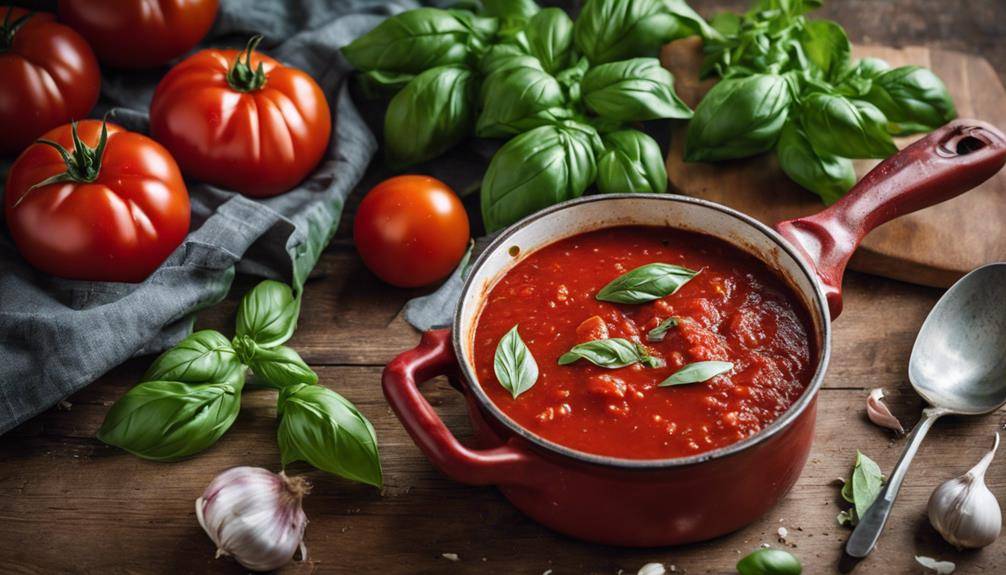
Mastering Your Homemade Tomato Sauce: A Guide: Mastering your homemade tomato sauce is all about selecting the right ingredients and mastering cooking techniques. Start with fresh, high-quality tomatoes, like heirloom varieties, for the best flavor. Confirm you wash, peel, and chop them properly. Sauté aromatics like onions and garlic in good olive oil, then simmer your tomatoes to develop rich flavors. Adjust sweetness and acidity to balance the taste, and don't shy away from experimenting with herbs and spices. As you refine your process, you'll find that each batch can surprise you. There's always more to explore to perfect your sauce creations!
Choosing the Right Tomatoes
Click Here and Turn Every Masterpiece into a Showstopper!
When it comes to making homemade tomato sauce, picking out the right tomatoes can make all the difference. You want to guarantee your sauce has a rich, vibrant flavor, and that starts with the tomatoes you choose. Look for heirloom varieties, as they often offer unique flavors and a variety of textures that can elevate your sauce. Varieties like Brandywine, Cherokee Purple, or San Marzano are excellent options. Each brings its own distinctive taste and can greatly enhance your final product.
Next, pay attention to tomato ripeness. Tomatoes that are fully ripe will have developed their natural sugars and acidity, giving your sauce a balanced flavor. When you're at the market or in your garden, look for tomatoes that feel slightly soft to the touch, have a deep color, and possess a fragrant aroma. Avoid any that have blemishes, wrinkles, or are overly hard, as those might not provide the depth of flavor you're aiming for.
If you can, try to pick your tomatoes just before you plan to use them. This guarantees they maintain their freshness and flavor. Don't hesitate to mix different heirloom varieties in your sauce; this can add complexity and richness to the overall taste. Remember, the right tomatoes are the foundation of your homemade sauce, so take the time to choose wisely, and you'll set yourself up for a delicious outcome.
Essential Ingredients for Sauce
Creating a flavorful tomato sauce relies on a few essential ingredients that work in harmony to elevate your dish. Start with high-quality tomatoes, of course. Whether you're using fresh or canned, the tomatoes form the sauce's base. Next, you'll need a good olive oil. It not only adds richness but also helps to sauté your aromatics.
Don't forget about aromatics like onions and garlic. Sautéing these ingredients releases their natural sweetness and deepens the sauce's flavor profiles. Once they're softened, you can add your tomatoes and let them simmer to meld the flavors together.
To truly make your sauce shine, incorporate fresh herbs. Basil, oregano, and thyme are classic choices that bring freshness and vibrant notes to your sauce. You can add them at different stages of cooking: fresh basil at the end for brightness, and dried oregano earlier for depth.
Seasoning is another key element. Salt enhances the natural flavors while a pinch of sugar can balance acidity, especially if your tomatoes are a bit tart. You might also consider red pepper flakes for a hint of heat if you enjoy a bit of spice.
Tools You'll Need
A few essential tools can make your homemade tomato sauce preparation smoother and more enjoyable. First, you'll need a sharp knife and a cutting board. These are vital for chopping your tomatoes and other ingredients efficiently. A large pot is another of the must-have sauce tools, as it allows you to simmer your sauce evenly and comfortably.
Don't forget about a wooden spoon; this kitchen essential helps you stir your sauce without scratching your pot. If you prefer a smoother sauce, a blender or food processor will come in handy. You can blend the cooked sauce to your desired consistency, whether chunky or silky smooth. A fine mesh strainer is also useful if you want to remove seeds or skins for a more refined texture.
To guarantee your sauce cooks evenly, invest in a good-quality thermometer. It'll help you keep track of temperatures, especially if you're canning your sauce. Finally, consider using glass jars if you plan to store your sauce. They're ideal for preserving the freshness and flavor of your homemade creation.
Preparing Your Tomatoes
When you're getting ready to make your homemade tomato sauce, selecting the freshest tomatoes is essential for the best flavor. After you've chosen your tomatoes, you'll need to wash and peel them to prepare for cooking. Let's go through these vital steps to guarantee your sauce starts off right.
Selecting Fresh Tomatoes
Choosing the right tomatoes is essential for a flavorful homemade sauce. Start by exploring heirloom varieties, known for their unique flavor profiles and vibrant colors. These tomatoes often have a seasonal availability, so be sure to shop at local farms or farmers' markets to find the freshest options.
When selecting your tomatoes, check for ripeness indicators. Look for tomatoes that are firm yet slightly yielding to the touch, signaling they're perfectly ripe. Pay attention to the color selection, too; vibrant reds, yellows, or even greens can add depth and character to your sauce.
Opt for organic options whenever possible, as they tend to have fewer pesticides and better flavor. Sustainable sourcing is also important; supporting local farms not only benefits the environment but often leads to tastier produce.
Incorporating a variety of tomatoes can elevate your sauce's taste. For example, mixing sweet cherries with tangy Roma tomatoes can create a complex flavor that'll impress anyone. By carefully selecting fresh tomatoes, you're setting the foundation for a delicious homemade sauce that's sure to delight your palate.
Washing and Peeling
To prepare your tomatoes for sauce, start by rinsing them thoroughly under cool running water. This step removes dirt and any residual chemicals. Once they're clean, it's time for skin removal, which you can achieve easily using the blanching technique.
Boil a pot of water and prepare a bowl of ice water nearby. Carefully drop your tomatoes into the boiling water for about 30 seconds. You'll notice the skins starting to crack. After the time is up, use a slotted spoon to transfer the tomatoes into the ice water. This stops the cooking process and cools them down quickly.
Once they're cool enough to handle, you can easily peel off the skins with your fingers. This method guarantees you get a smooth sauce without any tough bits of skin. After peeling, cut the tomatoes in half and remove the cores. You're now ready to chop them or process them into your desired consistency for your sauce. The blanching technique not only makes skin removal easier but also preserves the vibrant color and flavor of your tomatoes. Enjoy the process and look forward to a delicious homemade sauce!
The Cooking Process
Now that you've prepared your tomatoes, it's time to focus on the cooking process. Start by mastering the right ingredient preparation techniques, as they set the foundation for your sauce. Once you've got that down, simmering is key to releasing the ideal flavor you crave.
Ingredient Preparation Techniques
When it comes to preparing ingredients for your homemade tomato sauce, the key lies in properly washing, peeling, and chopping your tomatoes. Start by rinsing them under cold water to remove any dirt or pesticides. Next, you'll want to peel the tomatoes. You can do this easily by scoring the skin with a sharp knife and blanching them in boiling water for about 30 seconds. Then, plunge them into ice water to stop the cooking process. The skins should slide off effortlessly.
Now, let's talk about chopping. Use your knife skills to dice the tomatoes evenly, which guarantees a consistent texture in your sauce. Aim for chunks that are about ½ inch in size. If you prefer a smoother sauce, you can also crush the tomatoes with your hands or a fork.
Simmering for Optimal Flavor
After chopping your tomatoes, the next step is to simmer them to enhance their natural flavors. Simmering techniques play an important role in developing a rich, balanced sauce. Start by placing your chopped tomatoes in a pot over medium heat. As they begin to bubble, reduce the heat to low. This gentle simmer allows the tomatoes to break down and release their juices without burning, which is vital for flavor enhancement.
You can add ingredients like garlic, onion, or herbs during the simmering process. These should be finely chopped to guarantee they meld well with the tomatoes. Stir occasionally to prevent sticking and promote even cooking. Let the sauce simmer uncovered for at least 30 minutes; this allows excess water to evaporate, concentrating the flavors.
If you want to deepen the flavor even more, consider using techniques like adding a splash of red wine or a pinch of sugar to balance acidity. Keep tasting and adjusting the seasoning as it cooks. Remember, the longer you simmer, the more the flavors will develop, creating a deliciously robust homemade tomato sauce you'll be proud to serve.
Adjusting Consistency
Achieving the perfect consistency in your homemade tomato sauce can make a significant difference in the final dish. You want a sauce that clings beautifully to pasta, enhancing every bite without overwhelming it. To adjust your sauce thickness, start by evaluating your current texture. If it's too thin, consider liquid reduction. This involves simmering the sauce longer to evaporate excess moisture, concentrating the flavors and thickening the sauce naturally.
If you find your sauce too thick, sauce blending can help. Use an immersion blender or transfer the sauce to a blender, adding a little water or broth to reach your desired consistency. Just remember to blend in batches if you're using a traditional blender to avoid splattering!
Texture adjustments can also be made by incorporating additional ingredients. Adding grated cheese or a dollop of cream can not only enhance the thickness but also contribute to a richer mouthfeel. Be mindful, though—too much can lead to an overly heavy sauce.
You can also enhance flavors while adjusting consistency. A touch of olive oil or a splash of balsamic vinegar can improve both texture and taste, creating a more cohesive dish. Keep tasting as you go; the goal is to create a sauce that's not only perfectly thick but also bursting with flavor. With these techniques, you'll master the art of adjusting your tomato sauce to suit your culinary needs!
Balancing Flavors
When you make tomato sauce, balancing sweetness and acidity is key for a rich flavor. You'll also want to take into account how herbs and spices complement each other, enhancing the overall taste. Let's explore how to achieve that perfect harmony in your sauce.
Sweetness Vs. Acidity
Balancing flavors in homemade tomato sauce hinges on the interplay between sweetness and acidity. When you create your sauce, consider the natural sweetness of the tomatoes and how it interacts with their acidity. If your sauce tastes too sour, it's time for an acidity adjustment. You can add sugar, honey, or even grated carrots to enhance the sweetness balance, counteracting that sharp tang.
Start by tasting your sauce as it simmers. If the acidity dominates, add a little sugar, stirring to blend it in. Don't go overboard—just a teaspoon can make a significant difference. You want a harmonious flavor profile, where the sweetness lifts the sauce without masking the vibrant tomato taste.
Conversely, if your sauce leans too sweet, you can balance it out by adding a splash of vinegar or a squeeze of lemon juice. This acidity adjustment brings brightness and complexity to the flavor.
Herb and Spice Harmony
In crafting your homemade tomato sauce, the right blend of herbs and spices can elevate its flavor to new heights. Start with your herb selection; choose aromatic herbs like basil, oregano, and thyme for a classic Italian profile. Fresh herbs bring vibrancy, while dried spices offer depth. Experiment with spice combinations, such as red pepper flakes for heat or garlic powder for a savory kick.
Balancing flavor profiles is key. Use seasoning ratios that complement the tomatoes without overpowering them. For instance, a good guideline is to use one tablespoon of fresh herbs per cup of sauce, or one teaspoon of dried spices. Don't forget about herb timing; add fresh herbs towards the end of cooking for brightness, while dried spices can go in earlier to allow for herb infusions.
Try creating your own spice blends to personalize your sauce. A pinch of sugar can help balance acidity, while a dash of balsamic vinegar can enhance complexity. By mastering these elements, you'll achieve a harmonious sauce that captures the essence of your culinary creativity. Enjoy the process and adjust as you go!
Fresh Vs. Canned Tomatoes
Choosing between fresh and canned tomatoes can greatly impact your homemade sauce. Fresh tomatoes offer a burst of flavor and vibrant color, especially during peak summer months when they're in season. The fresh tomato benefits include higher nutritional value, as they're packed with vitamins and antioxidants when at their ripest. However, you might find that seasonal tomato availability can be limited, making it tricky to get the best quality year-round.
On the other hand, canned tomatoes provide convenience that can't be overlooked. They're available any time of year, ensuring you can whip up your sauce whenever you please. Canned tomatoes often have a deeper, richer flavor since they're processed at peak ripeness, though their sauce texture differences may vary depending on the brand or variety you choose.
When it comes to flavor profile comparisons, fresh tomatoes shine in summer sauces, while canned tomatoes can add a robust taste in winter recipes. Additionally, the cost effectiveness analysis often favors canned tomatoes, as they can be more affordable than fresh, especially out of season.
Moreover, canned tomatoes offer versatility, with various options available, such as crushed, diced, or whole, giving you recipe adaptability options depending on your sauce's desired consistency. Ultimately, your choice between fresh and canned tomatoes will depend on your personal preference, cooking habits, and the specific dish you're preparing.
Click Here and Turn Every Masterpiece into a Showstopper!
Adding Herbs and Spices
Herbs and spices are the secret weapons that elevate your homemade tomato sauce from ordinary to extraordinary. When you're adding flavor, think about the classic herb combinations that complement tomatoes beautifully. Basil and oregano are must-haves, offering a fragrant, savory kick. You might also consider thyme or rosemary for a more earthy profile. If you're feeling adventurous, fresh parsley or a hint of sage can add depth and complexity.
When it comes to spice ratios, balance is key. Start small; you can always add more, but it's tough to tone down an overpowering flavor. A good rule of thumb is to use one teaspoon of dried herbs for every 28 ounces of tomatoes. If you're using fresh herbs, double that amount since their flavors are more delicate. For spices like red pepper flakes or black pepper, you might start with just a pinch and adjust according to your heat preference.
Don't forget about garlic! It's not technically an herb, but it works wonders in tomato sauce. Sauté minced garlic in olive oil before adding your tomatoes, and you'll create a solid flavor foundation. Experiment with different combinations and ratios until you find your perfect blend. Remember, the joy of cooking lies in personalizing your dish, so trust your instincts and taste as you go. Your homemade tomato sauce will be a reflection of your unique flavor profile, creating a dish that's truly yours.
Cooking Time and Temperature
While the flavors of your tomato sauce develop over time, getting the cooking time and temperature right is essential for achieving the perfect balance. You'll want to choose your cooking methods wisely, as they greatly impact the sauce's final taste and texture.
Start by sautéing your aromatics—like onions and garlic—over medium heat to build a flavorful base. This initial step should take about 5 to 10 minutes. Once your aromatics are soft and fragrant, it's time to add your tomatoes. If you're using canned tomatoes, you can turn up the heat to medium-high for a quick simmer. This helps to break down the tomatoes and release their natural sweetness.
After bringing your sauce to a gentle boil, reduce the heat to low. Here's where heat control comes into play. Letting your sauce simmer for at least 30 to 60 minutes allows the flavors to meld beautifully. Stir occasionally to prevent sticking, and adjust the heat as needed to maintain a gentle simmer.
If you prefer a thicker sauce, consider cooking it longer, up to two hours. Just remember, the longer it cooks, the richer the flavor becomes. Taste your sauce periodically; this will help you determine if it needs more seasoning or if it's reached the right consistency. By mastering cooking time and temperature, you're well on your way to a delicious homemade tomato sauce.
Storing Your Sauce
Once you've cooked your delicious tomato sauce, it's crucial to store it properly to maintain its flavor and freshness. The best way to preserve your sauce is by using freezing methods. Freezing helps retain the vibrant taste of your tomatoes and keeps the sauce safe for future meals.
To freeze your sauce, start by letting it cool completely at room temperature. Once cooled, portion it into airtight containers or freezer bags. Make sure to leave some space at the top of the container to allow for expansion as the sauce freezes. If you're using bags, try to remove as much air as possible to prevent freezer burn.
Before you place the containers in the freezer, don't forget about jar labeling. Clearly label each container with the date and contents. This simple step helps you keep track of your sauce and guarantees you use the oldest batches first. You can also add notes on the container about any spices or ingredients you added, making it easier to replicate your favorite sauce later.
When you're ready to use your frozen sauce, just transfer it to the refrigerator to thaw overnight or use the stovetop to reheat it straight from the freezer. With these storage techniques, you'll have your homemade tomato sauce ready to enhance your meals for months to come. Enjoy the convenience and flavor of your homemade sauce anytime!
Canning Techniques
Canning your homemade tomato sauce is a rewarding way to preserve its rich flavors and guarantee you have a tasty option on hand for future meals. There are two main methods for canning: pressure canning and water bath canning. Each technique has its own requirements and benefits, so let's explore the details.
If you're canning tomato sauce, you might prefer the water bath method, especially if your sauce is acidic enough. This method involves filling sterilized jars with your hot sauce, sealing them with lids, and submerging them in boiling water for a specified time. The heat creates a vacuum seal, keeping your sauce fresh for months. Be certain to follow recommended processing times based on your jar size to guarantee safety.
On the other hand, pressure canning is vital when preserving low-acid foods. If you've added ingredients like meat or vegetables to your sauce, this method is essential. Pressure canners reach higher temperatures than boiling water, effectively killing harmful bacteria. You'll need to fill the jars with your sauce, secure the lids, and process them in the pressure canner according to the manufacturer's instructions.
Whichever method you choose, always check your seals after canning. A properly sealed jar will have a slight indentation in the center of the lid. If it pops back when pressed, that jar hasn't sealed correctly, and you'll need to refrigerate it and use it soon. Happy canning!
Serving Suggestions
The joy of homemade tomato sauce lies not only in its preparation but also in how you serve it. You can elevate your meal by thoughtfully pairing your sauce with various options. For pasta pairings, consider classic choices like spaghetti, penne, or fettuccine. Toss your pasta with the sauce, adding a sprinkle of fresh basil for a burst of flavor.
If you're feeling adventurous, try pairing your sauce with unique bread options like garlic bread or focaccia. These can be perfect for dipping or mopping up every last drop. Cheese toppings are essential; grated Parmesan or fresh mozzarella can enhance your dish and add a delightful creaminess.
Round out your meal with vegetable sides, such as roasted zucchini or sautéed spinach, which complement the sauce beautifully. For those looking to add some heft, protein additions like grilled chicken, sausage, or meatballs can make your dish more filling.
Don't forget wine suggestions! A glass of Chianti or a light Pinot Noir can beautifully contrast the acidity of your sauce. You might also consider salad complements, such as a simple arugula salad with olive oil and lemon, to cleanse the palate.
Common Mistakes to Avoid
When crafting your homemade tomato sauce, it's easy to overlook some common pitfalls that can affect the overall flavor and texture. One major mistake is overcooking the sauce. This can lead to a burnt taste and undesirable consistency. Instead, aim for a gentle simmer to develop rich flavors without compromising the sauce's integrity.
Another frequent error is underseasoning the sauce. Don't be afraid to taste and adjust the seasoning as you go. Using bland tomatoes can also ruin your sauce—opt for fresh, high-quality tomatoes or good canned varieties. Ignoring texture is another misstep; guarantee your sauce has a balance of smooth and chunky elements for a delightful mouthfeel.
Neglecting acidity is vital as well. A splash of vinegar or a pinch of sugar can brighten the sauce and enhance its flavors. Rushing the simmering process often results in a less flavorful sauce, so give it time to develop.
Overcomplicating recipes can cloud the essence of a simple tomato sauce. Stick to the basics and let the ingredients shine. Skipping quality checks on your ingredients, like herbs and spices, can also lead to disappointment. Disregarding freshness means you might miss out on vibrant flavors, so always choose the best produce available.
Click Here and Turn Every Masterpiece into a Showstopper!
Frequently Asked Questions: Mastering Your Homemade Tomato Sauce: A Guide
Can I Freeze Tomato Sauce for Long-Term Storage?
Absolutely, you can freeze tomato sauce for long-term storage! Just guarantee you use proper sauce preservation methods. For freezing tips, cool the sauce first, then store it in airtight containers or freezer bags to prevent freezer burn.
How Do I Prevent My Sauce From Tasting Too Acidic?
To prevent your sauce from tasting too acidic, consider balancing acidity by adding a pinch of sugar or using baking soda. These methods can help create a smoother, more enjoyable flavor in your sauce.
What's the Best Way to Reheat Tomato Sauce?
To reheat your sauce, choose a method that maintains its consistency. You can use a stovetop over low heat, stirring occasionally, or a microwave, covering it to retain moisture and evenly warm it through.
Can I Use Unripe Tomatoes for Sauce?
You can use unripe tomato varieties for sauce, but the flavor might be less sweet. Try ripening techniques like placing them in a paper bag with apples to enhance their taste before cooking.
How Do I Make My Sauce More Flavorful Without Adding Sugar?
To make your sauce more flavorful without sugar, experiment with herb variations like basil or oregano. Also, try spice enhancements such as red pepper flakes or smoked paprika to add depth and complexity to the taste.

Conclusion
Now that you've mastered the art of homemade tomato sauce, it's time to enjoy the fruits of your labor! Remember to choose the right tomatoes, gather your essential ingredients, and keep those common mistakes in mind. With practice, you'll refine your technique and create a sauce that's perfect for any dish. So get cooking, experiment with flavors, and share your delicious creations with friends and family. Your homemade sauce will surely impress everyone at the table!