14 Tips For Crafting Delicious Homemade Vegan Sauces
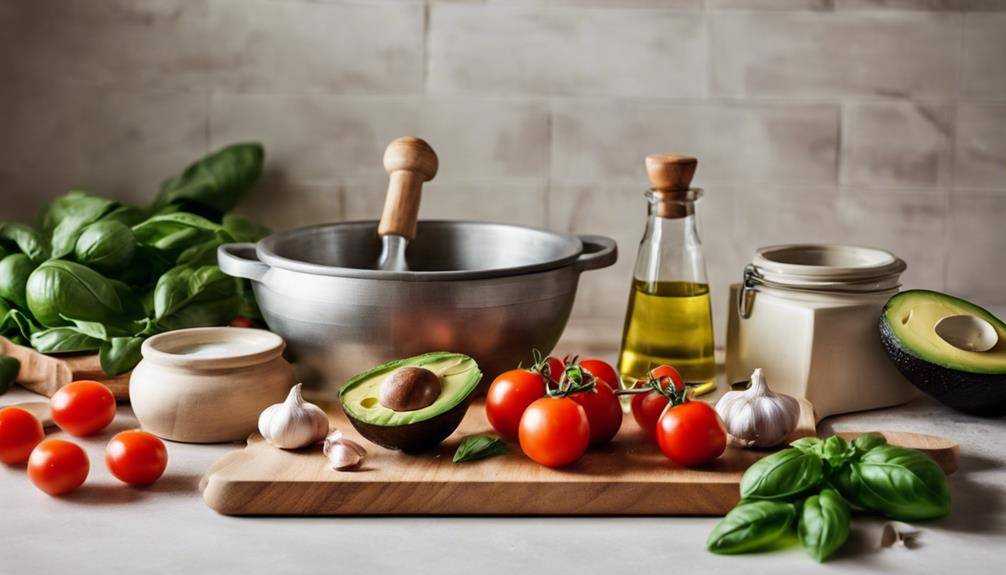
Crafting Delicious Homemade Vegan Sauces: Crafting delicious homemade vegan sauces can elevate any dish. Start with fresh, seasonal ingredients for vibrant flavors. Don't shy away from experimenting with herbs and spices; they add depth and aroma. Balance your flavors by mixing umami sources like miso with acidic elements such as vinegar or citrus. Nut-based creams provide creamy richness, and adjusting consistency is key—use thickeners like cornstarch if needed. Prepare sauces in batches for convenience and always taste as you go. Proper storage keeps them fresh longer. Discovering creative combinations can spark your culinary inspiration. Keep exploring to uncover more sauce secrets.
Start With Fresh Ingredients
Click Here and Turn Every Masterpiece into a Showstopper!
When you're making homemade vegan sauces, starting with fresh ingredients is key to achieving vibrant flavors. Seasonal produce from local markets not only enhances your sauce's taste but also provides you with a variety of flavor profiles. When you choose fruits and vegetables that are in season, you're likely to find them at their peak ripeness, offering the best textures and flavors.
Consider experimenting with different ingredient combinations to create unique sauce varieties. For instance, ripe tomatoes can be the base for a classic marinara, while roasted red peppers can add depth to a creamy sauce. Each ingredient you select contributes to the overall experience, so think about how texture contrasts can elevate your dish. A smooth sauce made from blended herbs can be paired with crunchy vegetables for a delightful balance.
When applying cooking techniques, remember that the way you prepare your ingredients can change the final product considerably. Sautéing your vegetables lightly can intensify their flavors, while simmering can help meld the ingredients together. Additionally, understanding preservation methods can extend the life of your homemade sauces. You might want to batch cook and freeze portions, allowing you to enjoy fresh flavors even when the produce isn't in season.
Experiment With Herbs and Spices
When it comes to enhancing your vegan sauces, experimenting with fresh versus dried herbs can make a big difference in flavor. You can also explore flavor pairing techniques to elevate your dishes and discover unexpected combinations. Don't forget to get creative with spice blend innovations to truly make your sauces stand out!
Fresh Vs. Dried Herbs
Herbs are the secret ingredient that can elevate your homemade vegan sauces from ordinary to extraordinary. When deciding between fresh and dried herbs, consider their unique qualities. Fresh herbs provide vibrant flavors and a burst of aroma, enhancing your sauce with a lively touch. They're perfect for adding right before serving, ensuring that their fresh herb benefits shine through. Basil, cilantro, and parsley are excellent examples that can transform your dishes.
On the other hand, dried herbs offer convenience and a longer shelf life. They're great for those busy days when you don't have time to shop for fresh ingredients. With dried herbs, you can still achieve depth in your sauces, but keep in mind that their potency can vary. You typically need less dried herb compared to fresh, so adjust your measurements accordingly.
When experimenting with herbs and spices in your vegan sauces, try combining both fresh and dried herbs for a complex flavor profile. This way, you can enjoy the best of both worlds while creating delicious, memorable sauces that will impress your family and friends. So, get creative and let your taste buds guide you!
Flavor Pairing Techniques
Exploring flavor pairing techniques can elevate your homemade vegan sauces even further. Start by identifying umami sources like miso, nutritional yeast, or roasted vegetables. These ingredients can create depth in your sauces. Next, think about flavor contrasts; balancing spicy with sweet or sour can enhance your taste profiles remarkably.
Utilize seasonal ingredients to keep your sauces fresh and vibrant. For instance, using ripe summer tomatoes or fresh herbs can make a significant difference. Draw inspiration from regional cuisines—consider incorporating Mediterranean olives or Asian sesame to add unique twists.
Don't forget about texture variations. A creamy sauce can benefit from the crunch of toasted nuts or seeds sprinkled on top. Experimenting with ingredient substitutions can also lead to exciting discoveries; try blending cashews instead of cream for a rich consistency.
Pay attention to cooking techniques and temperature considerations as well. A sauce simmered gently can develop a more robust flavor. Finally, think about your presentation styles; a drizzle of vibrant sauce over your dish adds an inviting touch. With these techniques, your sauces will shine with flavor and creativity.
Spice Blend Innovations
Incorporating innovative spice blends can transform your vegan sauces from ordinary to extraordinary. When you're experimenting with herbs and spices, you open up a world of flavor possibilities. Start by focusing on spice sourcing; seek out fresh, high-quality herbs and spices from local markets or specialty stores. You'll find unique blends that can elevate your dishes to new heights.
Next, immerse yourself in various seasoning techniques. Consider toasting whole spices before grinding them to release their essential oils, enhancing their flavors. Try combining spices like smoked paprika, cumin, and coriander for a warm, smoky base, or mix turmeric and ginger for a zesty, bright sauce. Don't shy away from experimenting with unconventional pairings, such as cinnamon in savory sauces or chili flakes in sweet ones.
You can also create your signature spice blend by mixing a few of your favorite dried herbs, like basil, oregano, and thyme. Remember, the key is to taste as you go, adjusting the balance until you find that perfect harmony. With these tips, you'll be well on your way to crafting delicious, innovative vegan sauces that will impress everyone at your table.
Balance Flavors
Achieving balanced flavors in homemade vegan sauces is essential for creating delicious and satisfying dishes. Start by focusing on umami enhancement; ingredients like miso, nutritional yeast, or tamari can add depth. Next, think about flavor layering. Combine different herbs and spices to build complex flavor profiles.
Don't forget about acidity balance; a splash of vinegar or citrus juice can brighten your sauce and cut through richness. This is particularly important in sauces that are thicker or creamier, as it adds a revitalizing contrast. Speaking of contrast, consider texture too. A silky sauce can benefit from a grainy element, providing texture contrast that makes each bite interesting.
When it comes to seasoning techniques, taste as you go. This allows for sweetness adjustment and guarantees that you can tweak savory notes to your liking. If you find your sauce lacking in depth, consider adding a pinch of salt or a dash of soy sauce to enhance those savory flavors.
Heat levels also play a critical role. Whether you prefer a mild touch or a fiery kick, make sure to balance heat with other flavors. Finally, don't overlook mouthfeel improvement; a little oil or aquafaba can create a luscious texture that coats your palate beautifully. By focusing on these elements, you'll master the art of balance and create sauces that elevate your vegan dishes to new heights.
Use Nut-Based Creams
Using nut-based creams can elevate your vegan sauces to a whole new level. Start by choosing the right nuts, like cashews or almonds, for the best flavor and texture. Then, master blending techniques to achieve that smooth, creamy consistency you're after.
Choosing the Right Nuts
When it comes to crafting delicious vegan sauces, choosing the right nuts makes a significant difference. Each nut variety offers unique flavor profiles and nutritional benefits. For instance, cashews create a creamy texture, while almonds provide a more robust taste. Consider your dietary preferences when selecting nuts—if you're avoiding certain allergens, opt for sunflower seeds or pumpkin seeds as alternatives.
Soaking techniques can enhance texture and flavor; soaking cashews for a few hours can make them easier to blend into a smooth cream. If you want to deepen flavors, try roasting nuts beforehand. Remember to use proper storage tips to keep your nuts fresh—store them in an airtight container in a cool, dark place.
Pairing suggestions are key, too. Cashews pair well with garlic for a savory sauce, while walnuts complement sweet ingredients like dates. Utilize blending tools like high-speed blenders to achieve the desired creaminess, and always consider texture—if you want a chunky sauce, blend just enough to incorporate the nuts without completely pulverizing them. With these tips, you'll elevate your vegan sauces to new heights!
Blending Techniques for Creaminess
To create luscious vegan sauces with a rich, creamy texture, mastering blending techniques is key. One of the best ways to achieve creaminess is by using nut-based creams. Start by soaking your chosen nuts, like cashews or almonds, in water for a few hours or overnight. This softens them and makes blending easier.
When you're ready, drain the nuts and toss them into your blender. Add a splash of water or plant-based milk to help with the blending process. The ratio is essential; aim for a thick consistency, adjusting the liquid as needed. Blend on high speed until the mixture becomes smooth and creamy.
For an extra layer of flavor, consider adding spices or herbs during blending. This not only enhances the taste but also contributes to achieving creaminess. If you want a thicker sauce, blend the nuts less or add more nuts to the mix.
Incorporate Acidic Elements
Incorporating acidic elements into your homemade vegan sauces can elevate flavors and create a harmonious balance. Acidic components bring tangy flavors that cut through richness, adding depth and brightness to your dishes. Start by exploring various vinegar varieties like apple cider, balsamic, or red wine vinegar. Each type contributes unique sour notes and can enhance the overall flavor profile of your sauce.
Citrus zest is another fantastic way to achieve flavor brightness. A simple zest infusion of lemon or lime can awaken your sauce, making it more vibrant without overwhelming it. Don't forget that fresh citrus juice can also provide that necessary acid balance, complementing other ingredients beautifully.
Fermented sauces, such as tamari or miso, introduce umami depth while also offering a pleasant tang. They can add complexity to your sauces, making them feel more layered and satisfying. Additionally, consider incorporating pickled elements, like capers or pickled jalapeños, which can infuse your sauce with delightful sour notes and a touch of heat.
Experimenting with these acidic elements will not only enhance your sauce but also help you find the right balance that suits your palate. Remember, it's all about layering flavors and creating that perfect interplay between acidity and richness. With practice, you'll discover the ideal combinations that evoke a symphony of tastes in your homemade vegan sauces. So, get creative and have fun crafting delicious, balanced sauces that will impress everyone!
Try Different Bases
When you're experimenting with vegan sauces, trying different bases can really elevate your dishes. You might want to explore nut-based sauces for a creamy texture, incorporate fresh herbs for vibrant flavors, or use vegetable broths to create a lighter, savory option. Each base brings its own unique twist, so don't hesitate to mix and match!
Explore Nut-Based Sauces
Nut-based sauces offer a creamy, rich texture that can elevate any vegan dish, and experimenting with different nut bases can reveal a world of flavors. Start with your nut selection—cashews provide a smooth base, while almonds can add a slightly grainy texture. When you blend these nuts with water or plant milk, you create a versatile foundation for many sauce variations.
Consider the flavor depth you want to achieve. Add nutritional yeast for a cheesy taste, or blend in roasted garlic for an extra kick. Your ingredient combinations can include seasonal ingredients like sun-dried tomatoes or fresh peppers, enhancing both taste and nutrition.
Pay attention to dietary considerations, as some may have nut allergies. In those cases, you might want to explore alternatives like sunflower or pumpkin seeds. Experiment with cooking techniques, such as toasting nuts before blending for a smoky flavor.
For sauce applications, think beyond pasta. Drizzle your creations over roasted vegetables or use them as a dip. Finally, remember presentation tips: a sprinkle of herbs or a drizzle of olive oil can make your dish visually appealing while adding layers of flavor.
Incorporate Fresh Herbs
Fresh herbs can take your homemade vegan sauces to a whole new level, adding brightness and complexity. When you think about incorporating fresh herbs, consider the seasonality of your selections. Herbs like basil and cilantro thrive in warmer months, while rosemary and thyme can be harvested throughout the year. By choosing herbs that are in season, you'll enhance the flavor profile of your sauces and support local agriculture.
When you're herb harvesting, make sure you pick fresh, vibrant leaves. You can experiment with different bases like olive oil, vinegar, or even nut butters, blending them with your chosen herbs for unique flavors. For a zesty sauce, try mixing fresh parsley with lemon juice and olive oil. If you're looking for something richer, blend rosemary with tahini for a creamy consistency.
Don't hesitate to play around with combinations. A blend of mint and jalapeño could give your sauce a fresh kick, while dill and garlic can create a tangy, savory dip. Incorporating fresh herbs not only elevates your sauce but also encourages creativity in your cooking, making every meal a delightful experience.
Use Vegetable Broths
Experimenting with vegetable broths can transform your homemade vegan sauces into flavorful masterpieces. By choosing different broth varieties, you can create a base that enhances the overall taste of your dish. Start with simple vegetable broth bases, like onion, garlic, or mushrooms, and adjust according to your recipe's needs.
Don't hesitate to mix and match broth enhancements, such as adding herbs, spices, or even a splash of soy sauce, to elevate the flavor. For instance, a rich miso broth can add depth, while a light, herby broth can brighten up a creamy sauce. The possibilities are endless!
When it comes to broth storage, consider making larger batches to keep on hand. Freeze your broths in ice cube trays for easy portioning later. This way, you'll always have broth flavoring ready to go whenever inspiration strikes.
Blend for Creaminess
Often, achieving a creamy texture in your vegan sauces comes down to the right blending technique. Whether you're whipping up an avocado sauce or a tahini dressing, the proper equipment and approach can make all the difference. Start by selecting a high-speed blender, which can emulsify ingredients like coconut cream and silken tofu into a luxurious base.
For a rich cashew spread, soak your cashews beforehand to soften them. Blending them with almond milk will yield a creamy consistency perfect for drizzling on your dishes. If you want to get creative, try adding hemp seeds or sunflower seeds for added nutrition and creaminess.
When making sauces like garlic sauce or miso paste blends, incorporate some vegetable puree for body. Nutritional yeast not only adds flavor but can also enhance the creaminess, creating a delicious base for your favorite dishes.
For a roasted red pepper sauce or a balsamic glaze, blending your ingredients until smooth will help you achieve that velvety texture. Consider using white beans for a protein boost in your spicy cashew or chipotle sauce, or blend in a lemon tahini to brighten the flavor profile.
Don't forget to experiment with herb pesto or creamy salsa, as blending fresh herbs with your base ingredients can elevate your sauce to new levels of creaminess. Enjoy the process, and don't hesitate to adjust your ingredients to find the perfect combination!
Add Sweetness When Needed
When it comes to balancing flavors in your vegan sauces, adding sweetness can elevate the dish from ordinary to extraordinary. Sweetness can counteract bitterness and acidity, creating a more harmonious flavor profile. You don't need to rely on sugar alone; there are plenty of sweetener options to explore.
Maple syrup is a popular choice, lending a rich, earthy sweetness that works beautifully in barbecue sauces and dressings. Agave nectar is another versatile option, offering a milder flavor that blends seamlessly into various sauces. If you're looking for something less processed, consider using date paste or pureed fruits like mango or applesauce. These natural sweeteners not only add sweetness but also contribute their own unique flavors to your sauce.
When choosing the right sweetener, think about the overall flavor profiles of your dish. For instance, if you're making a spicy sauce, a touch of sweetness can help balance the heat. In contrast, a tangy sauce might need a bit of sweetness to round out its acidity.
Always start with a small amount and taste as you go. You can easily add more sweetness, but it's much harder to take it away once it's in there. So, whether you're sweetening a pasta sauce, a marinade, or a salad dressing, don't hesitate to experiment with different sweetener options to find the perfect balance for your dish.
Click Here and Turn Every Masterpiece into a Showstopper!
Embrace Fermented Ingredients
Fermented ingredients can transform your vegan sauces, adding depth and complexity. They not only enhance flavor but also offer health benefits like improved digestion. Let's explore some popular fermented options you can easily incorporate into your recipes.
Benefits of Fermentation
Embracing fermented ingredients can transform your homemade vegan sauces into flavorful powerhouses. Fermentation not only enhances the taste complexity of your sauces but also offers numerous health benefits. These ingredients often contain probiotic properties that support digestion and boost your overall gut health. By incorporating fermented elements, you're not just adding flavor; you're enhancing the nutritional profile, aiding in nutrient absorption, and promoting food safety through traditional methods of preservation.
The culinary versatility of fermented ingredients means you can experiment with different flavors and textures, from tangy to umami, enriching your sauces in unique ways. Techniques like fermenting garlic or making miso can elevate your sauces beyond the ordinary. As you embrace these ingredients, you'll discover how they provide a depth of flavor that enhances every bite.
Using fermented ingredients also aligns with sustainable cooking practices, as they can help extend the shelf life of your sauces. So, next time you're whipping up a homemade vegan sauce, consider the benefits of fermentation. It's a simple way to create something delicious and healthful while exploring new culinary horizons.
Popular Fermented Ingredients
Many cooks are discovering the rich flavors and health benefits of popular fermented ingredients. These ingredients can elevate your homemade vegan sauces, adding depth and complexity. Start with miso paste, which brings a savory umami punch that's perfect for dressings or marinades. Nutritional yeast is another favorite; it adds a cheesy flavor without dairy, making it ideal for creamy sauces.
Don't overlook kimchi brine—this tangy liquid can spice up your dressings, while fermented garlic offers an aromatic kick. If you're looking for something unique, try tempeh sauce or sauerkraut juice; both provide a distinct flavor profile that can enhance a variety of dishes.
Kombucha vinegar is a fantastic substitute for traditional vinegar, lending a slightly sweet and tangy taste. For some heat, pickled jalapeños or fermented hot sauce can spice things up, and umeboshi paste adds an intensely salty and sour flavor that can transform a simple sauce into something extraordinary. Incorporating these fermented ingredients into your sauces not only boosts flavor but also supports gut health, making your meals delicious and nutritious.
Keep It Simple
When it comes to making homemade vegan sauces, simplicity is key. You don't need a long list of exotic ingredients to create delicious, quick sauces that elevate your meals. By focusing on a few core components, you can whip up flavorful sauces that enhance your dishes without overwhelming your palate.
Start with a base of simple ingredients like olive oil, vinegar, or plant-based yogurt. These elements can serve as a canvas for your sauce, allowing you to build various flavor profiles. For instance, a basic tahini sauce can be made with just tahini, lemon juice, garlic, and water. With minimal effort, you get an incredibly rich and creamy sauce that can complement salads, grains, or roasted veggies.
When you're in a pinch, consider blending fresh herbs, spices, and a splash of citrus juice for an instant burst of flavor. Think about using ingredients you already have on hand, like mustard or soy sauce, to create tangy or umami-rich sauces. The goal is to keep it uncomplicated so you can enjoy the cooking process and the delicious results.
Adjust Consistency
To create the perfect homemade vegan sauce, you often need to adjust its consistency to suit your dish. The right thickness can elevate your sauce from ordinary to extraordinary, enhancing the overall flavor and texture. If your sauce is too thin, it might not cling well to pasta or vegetables. On the other hand, a sauce that's too thick can overwhelm your meal.
For thickening agents, consider options like cornstarch, arrowroot powder, or even pureed vegetables like cooked potatoes or cauliflower. Just mix your thickening agent with a little cold water to create a slurry before adding it to your sauce. This prevents clumping and helps achieve the desired thickness. Remember to add it gradually, stirring continuously, until you reach the perfect consistency.
If you find your sauce is too thick, don't worry—there are thinning methods to help you out. Adding vegetable broth, plant-based milk, or even a splash of water can bring your sauce back to life. Start with a small amount, mixing well, and increase as needed until you find the right balance.
Experimenting with these techniques will not only help you adjust the consistency to your liking but also allow you to customize your sauces for different dishes. With practice, you'll develop an intuitive sense of what adjustments to make, leading to delicious vegan sauces that complement your meals beautifully.
Prepare in Batches
Preparing sauces in batches can save you time and elevate your cooking game. By making larger quantities, you can enjoy the convenience of having delicious vegan sauces ready to enhance your meals throughout the week. Start by determining your ideal batch sizes—this could be enough for a few meals or a full week of quick meals.
Once you've prepared your sauces, store them in airtight storage containers. This not only aids in flavor preservation but also makes it easy to grab a container whenever you need a quick flavor boost. Consider using smaller containers for individual portions, so you can use them for various sauce pairings throughout your meal prep.
Batch cooking also allows you to experiment with sauce variations. You can create easy recipes that serve as a base, then modify them with ingredient substitutions to suit your taste. For example, if you have a basic tomato sauce, you can add different herbs or spices to change its profile for different dishes.
Think about the sauce versatility; a simple pesto can complement pasta, sandwiches, or even roasted veggies. When you're in a hurry, these prepared sauces can make weeknight dinners a breeze, transforming ordinary meals into something special with minimal effort.
Store Properly
Storing your homemade vegan sauces properly is essential for maintaining their freshness and flavor. First, choose the right sauce containers. Glass jars with airtight lids are ideal, as they help preserve taste and prevent contamination. If you plan to store your sauces for longer periods, consider using freezer-safe containers. This leads us to the storage duration: most sauces can last in the refrigerator for about 5-7 days, while freezing can extend their life up to three months.
For refrigeration tips, always let your sauces cool completely before placing them in the fridge. This prevents condensation, which can affect flavor retention. When freezing, portion sizing is important; freeze sauces in small amounts so you can easily defrost what you need without wasting any.
Labeling sauces is another significant step. Write the date and name of the sauce on each container to keep track of freshness and avoid confusion later. Additionally, consider sauce compatibility when storing. Some sauces, like creamy ones, may not freeze well, while others, like tomato-based or pesto sauces, thrive in the freezer.
Taste and Adjust
Tasting your homemade vegan sauces is essential to achieving the perfect balance of flavors. As you whip up your sauces, make sure to pause and sample them throughout the process. This allows you to gauge the sour balance, sweetness, and overall flavor depth. Start with a small spoonful, and take note of the initial taste.
If your sauce leans too much on the sour side, consider adding a pinch of sugar or a splash of maple syrup. These ingredients can help round out the sharpness and create a more harmonious blend. On the other hand, if you find your sauce lacking depth, adding herbs, spices, or even a splash of soy sauce can elevate the overall flavor profile.
Don't forget about salt! It's a game-changer when it comes to enhancing flavors. If your sauce feels flat, try adding a bit of salt incrementally, tasting as you go. This can make all the difference in achieving that well-rounded taste you're aiming for.
Click Here and Turn Every Masterpiece into a Showstopper!
Frequently Asked Questions: Crafting Delicious Homemade Vegan Sauces
Can I Substitute Fresh Herbs With Dried Ones?
Yes, you can substitute fresh herbs with dried ones. Just remember that dried herbs are more concentrated, so you'll need less. Adjust the amount to maintain the herb flavor, ensuring your dish remains delicious.
How Long Do Homemade Vegan Sauces Last in the Fridge?
Homemade vegan sauces typically last about a week in the fridge. To maximize sauce storage and flavor preservation, store them in airtight containers. Always check for any off smells or changes before using.
What Are Some Common Allergens in Vegan Sauces?
Common allergens in vegan sauces often include nuts, soy, and gluten. When you're crafting your sauces, consider ingredient alternatives like seeds or legumes to create delicious flavors while avoiding allergens that might affect you or your guests.
Can I Freeze Homemade Vegan Sauces?
Yes, you can freeze homemade vegan sauces! Just use proper freezing techniques to maintain sauce consistency. Pour into airtight containers, leaving space for expansion, and label them to guarantee you enjoy them later without any hassle.
Are There Ready-Made Vegan Sauces Worth Trying?
Yes, there are plenty of ready-made vegan sauces worth trying. Explore store-bought options that offer diverse flavor profiles, from tangy BBQ to creamy Alfredo. You'll find something to elevate your meals effortlessly.

Conclusion
Now that you've got these tips for crafting delicious homemade vegan sauces, it's time to get creative in the kitchen! Use fresh ingredients, play with herbs and spices, and don't be afraid to adjust flavors to your liking. Remember to experiment with different textures and store your sauces properly for future use. With practice, you'll master the art of vegan sauces that elevate your dishes. Enjoy the journey and savor every bite!