What’s The Secret To Homemade Teriyaki Sauce
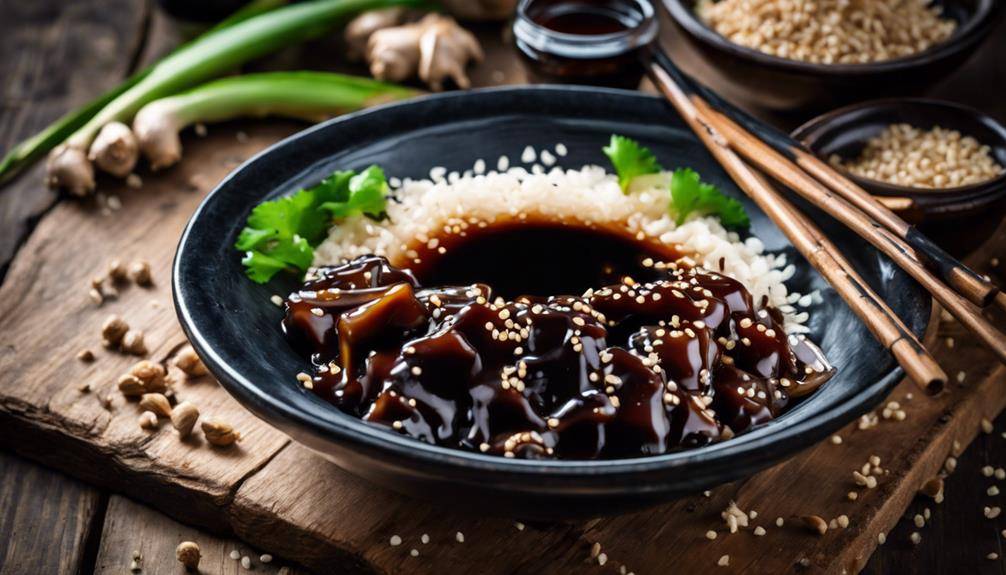
What’s The Secret To Homemade Teriyaki Sauce: The secret to homemade teriyaki sauce is all about balancing key flavors. Start with a base of soy sauce for umami, then add sake or mirin to introduce sweetness. Brown sugar or honey enhances this sweetness, while garlic and ginger add depth. It's crucial to taste and adjust—aim for a mix of sweet, salty, and umami that suits your preference. Simmer the ingredients for a thicker texture, and don't forget to experiment with citrus or vinegar for a hint of acidity. Ready to elevate your dishes? Keep exploring to reveal even more flavor possibilities!
Key Ingredients for Teriyaki Sauce
Click Here and Turn Every Masterpiece into a Showstopper!
When you whip up homemade teriyaki sauce, the key ingredients play a significant role in achieving that perfect balance of sweet and savory. Originating from Japan, teriyaki sauce has a rich history that dates back to the Edo period, when it was primarily used to glaze grilled meats. To create your own version, you'll need a few essential components.
First, soy sauce is your base. It delivers that umami flavor and saltiness, which is essential for any teriyaki recipe. Next up is sake or mirin, both of which add depth and sweetness. Mirin, a sweet rice wine, is often preferred for its distinct flavor profile.
You'll also want to include sugar. Brown sugar is a popular choice, but you can experiment with honey or even maple syrup for unique twists. This sweetness balances the saltiness of the soy sauce. Ginger and garlic are key players too, adding aromatic notes that enhance the overall flavor.
Regional variations of teriyaki sauce exist, influenced by local ingredients and preferences. For instance, some recipes may incorporate fruit juices or different types of vinegar to give the sauce a personal touch. When you understand these key ingredients and their roles, you're well on your way to mastering your own homemade teriyaki sauce. By adapting it to your taste, you can create a sauce that's truly yours while honoring its rich teriyaki sauce history.
The Perfect Balance of Flavors
When you make teriyaki sauce, achieving the perfect balance of flavors is essential. You'll want to harmonize sweetness with saltiness while ensuring the right amount of acidity cuts through the richness. Understanding these key components will elevate your homemade sauce to new heights.
Key Flavor Components
Typically, the key flavor components of homemade teriyaki sauce revolve around a harmonious blend of sweet, savory, and umami elements. You'll want to start with a base of soy sauce, which provides that essential umami kick. To achieve the perfect teriyaki flavor profiles, balance this with a sweetener like brown sugar or honey. These ingredients work together to create a sauce that not only enhances your dishes but also brings depth to the overall flavor.
As you craft your sauce, consider the texture variations you want to achieve. If you prefer a thicker sauce, adding cornstarch mixed with water can help achieve that glossy finish. This thicker consistency also clings beautifully to grilled meats and vegetables, enhancing each bite.
Don't forget about the impact of aromatics! Ingredients like garlic and ginger can elevate your teriyaki sauce, adding complexity to the flavor profile. Experimenting with these components will help you create a sauce that's uniquely yours, perfectly complementing a variety of dishes. So, take your time to mix and match these elements until you find that ideal blend.
Sweetness Vs. Saltiness
How do you strike the perfect balance between sweetness and saltiness in teriyaki sauce? It all comes down to understanding your sweetness sources and saltiness types. Common sweetness sources include sugar, honey, and mirin, while soy sauce or tamari often provides the saltiness. To achieve flavor balancing, you'll want to experiment with ingredient ratios that suit your palate.
Start by mixing the sweetness and saltiness in small batches. This allows for precise taste testing and adjustments as needed. Remember, regional variations can influence your flavor profiles; for instance, some might prefer a sweeter sauce while others lean towards saltier notes.
Utilizing culinary techniques, like simmering the sauce to meld flavors, can also impact the final taste. As you adjust your ingredients, keep track of the ratios used. This way, you can replicate a winning combination or refine it further. By engaging in this process, you'll discover the ideal balance that makes your homemade teriyaki sauce truly shine, harmonizing sweetness and saltiness to perfection.
Acidic Notes Importance
Balancing sweetness and saltiness is just one part of crafting a well-rounded teriyaki sauce; introducing acidic notes can elevate the flavor profile even further. Acidity balance is essential because it cuts through the richness of the sauce, making each bite more vibrant and interesting. Without that tangy kick, your sauce might taste flat or overly sweet.
To achieve this, consider incorporating ingredients like rice vinegar, lime juice, or even a splash of citrus. These not only provide the necessary acidity but also contribute to flavor enhancement, making your homemade teriyaki sauce more dynamic. The key is to add these acidic components gradually. Start with a small amount, taste, and adjust until you find the perfect balance.
A good teriyaki sauce should dance on your palate, with each flavor playing its part harmoniously. Too much acidity might overpower the sweetness and saltiness, while too little can leave your sauce tasting one-dimensional. By thoughtfully integrating acidic notes, you'll create a sauce that's not only well-balanced but also memorable. So, don't skip this step; it's what transforms your teriyaki sauce from good to spectacular!
Making Your Sauce From Scratch
Making your teriyaki sauce from scratch is easier than you might think. You'll need a few essential ingredients and a simple step-by-step preparation process to get started. Plus, there are plenty of flavor variations you can explore to customize your sauce just the way you like it.
Essential Ingredients Required
To create a delicious homemade teriyaki sauce, you'll need a few essential ingredients that blend together to form that signature sweet and savory flavor. Start with soy sauce as your base; it gives the sauce its umami kick. Next, add sake or mirin for a hint of sweetness and complexity. If you prefer a non-alcoholic option, you can use rice vinegar instead.
For sweetness, traditional recipes call for brown sugar, but you can explore alternative sweeteners like honey, agave syrup, or even maple syrup for different homemade variations. The choice of sweetener will impact the flavor profile, so feel free to experiment.
Don't forget about garlic and ginger—these aromatics are key to achieving that rich taste. Fresh or powdered versions work, but fresh ingredients elevate your sauce. Finally, consider adding cornstarch mixed with water to thicken the sauce to your desired consistency.
With these essential ingredients in hand, you're on your way to mastering your own teriyaki sauce!
Step-by-Step Preparation
How can you whip up a flavorful teriyaki sauce in just a few simple steps? Start by gathering your essential ingredients: soy sauce, mirin, sugar, and a touch of ginger and garlic. Teriyaki sauce has a rich history that dates back to the Edo period in Japan, evolving through various regional variations.
To make your sauce, combine ½ cup of soy sauce, ¼ cup of mirin, and ¼ cup of sugar in a saucepan. Stir the mixture over medium heat until the sugar dissolves. This initial step is vital; it lays the foundation for that sweet and savory flavor you're aiming for.
Next, add about a tablespoon of grated ginger and minced garlic to the mix. This adds depth and aroma to your sauce. Increase the heat and let it simmer for about 5-10 minutes until it thickens slightly. If you prefer a thicker consistency, you can whisk in a cornstarch slurry at this stage.
Once done, let it cool before storing it in an airtight container. Now you've got a homemade teriyaki sauce ready to elevate any dish! Enjoy diving into this flavorful culinary tradition.
Flavor Variations to Explore
Exploring flavor variations in your homemade teriyaki sauce can elevate it to new heights. By experimenting with different teriyaki flavor combinations, you'll discover unique twists that can enhance your dishes. For a spicy kick, consider adding sriracha or gochujang to your sauce. If you prefer a sweeter profile, try incorporating honey or brown sugar, which balances the saltiness of soy sauce beautifully.
You can also play with regional variations. For instance, if you want a Hawaiian flair, include pineapple juice or chunks for a fruity essence. On the other hand, adding miso paste can give your sauce a rich, umami depth reminiscent of Japanese cuisine.
Don't forget about herbs and spices! Fresh ginger, garlic, or sesame oil can add an aromatic quality that makes your teriyaki sauce stand out. You can even experiment with citrus juices like lime or yuzu for a revitalizing twist.
Common Mistakes to Avoid
When making homemade teriyaki sauce, there are several common mistakes that can ruin the flavor and texture. One major pitfall is overcooking the sauce. When you cook it too long, you risk losing the delicate balance of flavors and achieving a burnt taste. Always monitor the sauce closely and remove it from heat as soon as it thickens to your desired consistency.
Another mistake is using ingredient substitutions without considering how they affect the overall taste. Stick to traditional items like soy sauce, mirin, and sugar for the best results. Measuring accuracy is also vital; a slight deviation can throw off the flavor balance. Use measuring cups and spoons for precise amounts.
Don't forget about ingredient freshness. Fresh ingredients, like garlic and ginger, elevate your sauce. Using stale ingredients can lead to a dull flavor profile. Additionally, common misconceptions suggest that teriyaki sauce must be thick. While some prefer a thicker sauce, aim for a consistency that complements your dish without overwhelming it.
Taste testing is essential throughout the cooking process. Adjust flavors as needed, and don't be afraid to tweak the sweetness or saltiness. Finally, be mindful of your storage methods. If you make a larger batch, store it in an airtight container in the fridge, but be aware that flavors can intensify over time. By avoiding these common mistakes, you'll create a homemade teriyaki sauce that's bursting with flavor and perfect for your meals.
Enhancing With Additional Ingredients
To take your homemade teriyaki sauce to the next level, consider adding fresh herbs and spices for a burst of flavor. You can also experiment with different sweetness levels and umami-boosting ingredients to create a unique twist. Let's explore how these enhancements can transform your sauce into something truly special.
Fresh Herbs and Spices
Fresh herbs and spices can transform your homemade teriyaki sauce into a flavor-packed delight. By carefully considering your herb selection, you can elevate the taste profile of your sauce. Fresh ginger and garlic are classic choices that add depth and warmth. If you're feeling adventurous, try incorporating fresh cilantro or basil for a unique twist that complements the sauce's sweetness.
When it comes to spice combinations, think about what you enjoy. A pinch of red pepper flakes can introduce a subtle heat, while black pepper adds a nice kick. Don't hesitate to experiment with ground spices like five-spice powder or coriander for an interesting flavor layer.
Sweetness Variations Explored
Exploring sweetness variations in your homemade teriyaki sauce can take the flavor to a whole new level. By adjusting the sweetness profiles, you can create a sauce that perfectly complements your dishes. Traditional teriyaki sauce usually relies on brown sugar, but don't hesitate to experiment with sugar substitutes like honey, maple syrup, or agave nectar. Each option adds a unique flavor twist while altering the sweetness.
If you're looking for a healthier alternative, you might try using coconut sugar or stevia, which can maintain the sweetness without adding excess calories. These substitutes can enhance the sauce's complexity, giving you a blend of sweetness that suits your palate.
Don't forget that the balance of sweetness is essential. Adjusting the amount of your chosen sweetener can transform the overall taste. A little goes a long way, so start with a small amount and taste as you go. By carefully selecting and varying your ingredients, you'll not only enhance the sweetness but also create a teriyaki sauce that's uniquely yours, perfect for glazing meats or drizzling over veggies. Enjoy the creative process and make it your own!
Umami Boosting Ingredients
Umami is the secret ingredient that can elevate your homemade teriyaki sauce to new heights, making it richer and more complex. To achieve that savory depth, you can incorporate various umami sources and flavor enhancers. Soy sauce is a classic base, but consider adding a splash of Worcestershire sauce or fish sauce for an extra punch. These ingredients are packed with umami and can transform the profile of your sauce.
Mushroom powder is another fantastic option, providing a subtle earthiness while enhancing that savory flavor. Dried shiitake mushrooms are particularly potent; just grind them into a fine powder and mix it in. Don't forget about miso paste—it's a fantastic umami source that adds creaminess and depth.
Storage Tips for Freshness
To keep your homemade teriyaki sauce tasting its best, proper storage is essential. Start by pouring your sauce into a clean, airtight container. Glass jars or plastic containers with tight-fitting lids work well. Make sure to label the container with the date you made it, so you can keep track of its freshness.
For short-term storage, use refrigeration methods. Homemade teriyaki sauce can last up to two weeks in the fridge. Just remember to store it in the coldest part of the refrigerator to maintain its flavor and quality. When you're ready to use it, give the container a good shake to mix everything up, as some ingredients may settle over time.
If you want to keep your teriyaki sauce for a longer period, consider freezing options. Pour the sauce into ice cube trays or small freezer-safe containers. When frozen, transfer the cubes or portions to a resealable plastic bag, removing as much air as possible before sealing. This way, you can easily thaw only what you need for future meals.
When you're ready to use frozen teriyaki sauce, simply transfer the desired amount to the refrigerator the night before or warm it gently on the stove. Enjoy the convenience of having your homemade sauce on hand, ready to elevate your dishes anytime you crave that delicious umami flavor!
Click Here and Turn Every Masterpiece into a Showstopper!
Teriyaki Sauce Variations
There are countless ways to customize your teriyaki sauce, allowing you to tailor it to your taste preferences or specific dishes. One great starting point is to adjust the sweetness. The traditional teriyaki sauce history shows that it usually combines soy sauce, sake, mirin, and sugar. If you prefer a bolder flavor, consider reducing the sugar or swapping it for honey or agave syrup. You can even experiment with different sweeteners based on your dietary needs!
Another variation you might enjoy is adding spice. While teriyaki sauce origins trace back to Japan, you can give it a twist by incorporating ingredients like sriracha, ginger, or even chili flakes. These additions create a delightful heat that balances the sweetness and enhances your dish.
If you're looking for a unique flavor profile, try adding fruits like pineapple or mango. Blending in fruit juices or purees will not only enhance the flavor but also add a vibrant color to your sauce. For a more savory version, consider including garlic or sesame oil, which can provide depth and richness.
Lastly, don't shy away from experimenting with herbs. Fresh cilantro, basil, or green onions can elevate your teriyaki sauce, making it more aromatic and fresh. These variations allow you to create a sauce that's uniquely yours, whether you're grilling, stir-frying, or marinating. So go ahead—get creative and make your perfect teriyaki sauce!
Pairing Suggestions for Dishes
When it comes to pairing dishes with homemade teriyaki sauce, the options are virtually limitless. You can elevate a variety of meals by incorporating this flavorful sauce, making it a versatile ingredient in your kitchen. Start with protein pairings; chicken, beef, pork, and tofu all work beautifully with teriyaki. Grilled or stir-fried chicken thighs glazed in this sauce create a juicy, savory delight, while beef skewers become irresistible with that touch of sweetness. For a vegetarian option, marinate tofu in teriyaki before grilling or pan-searing for a deliciously satisfying meal.
Don't forget about vegetable complements! Teriyaki sauce can enhance your favorite veggies, adding flavor and vibrancy. Broccoli, bell peppers, and snap peas are fantastic choices. Stir-fry these vegetables with a splash of teriyaki sauce, and they'll become a colorful side dish bursting with flavor. You could also toss in some green onions or sesame seeds for added texture and taste.
For a complete meal, consider serving teriyaki-glazed proteins over a bed of steamed rice or quinoa, and add a generous portion of your sautéed vegetables on the side. Whether you're preparing a quick weeknight dinner or impressing guests, combining your homemade teriyaki sauce with the right protein and vegetable pairings will create a dish that's not only satisfying but also packed with flavor. Enjoy experimenting with different combinations to find your perfect match!
Using Teriyaki Sauce in Recipes
Teriyaki sauce transforms everyday recipes into mouthwatering dishes brimming with flavor. Whether you're grilling, stir-frying, or baking, this versatile sauce enhances your meals with its rich, sweet, and savory profile. One of the best teriyaki marinade uses is as a simple marinade for proteins like chicken, beef, or tofu. Just let your ingredients soak in the sauce for at least 30 minutes before cooking, and you'll be rewarded with tender, flavorful bites.
You can also use teriyaki sauce as a glaze for roasted vegetables. Brush it on your favorite veggies before popping them in the oven, and you'll create a delightful caramelized finish that elevates your side dish. If you're making a stir-fry, toss your choice of meat or veggies in teriyaki sauce during the last few minutes of cooking to guarantee they're coated in that delicious flavor.
If you find yourself without teriyaki sauce, don't worry! There are several teriyaki sauce substitutes you can use. A blend of soy sauce, honey, and a splash of rice vinegar can mimic the classic flavor profile quite well. Alternatively, a mix of soy sauce and brown sugar can work in a pinch.
Incorporating teriyaki sauce into your cooking routine opens up a world of culinary possibilities. It's a simple way to add an exciting twist to your meals, making even the most basic dishes unforgettable. So grab that bottle and start experimenting!
Healthier Alternatives to Consider
If you're looking to enjoy the deliciousness of teriyaki sauce while keeping your meals healthier, several alternatives are worth considering. First, opt for low sodium options to reduce your salt intake without sacrificing flavor. You can make your own homemade substitutes using organic soy sauce or tamari, which is a great gluten-free alternative if you need it.
When it comes to sweetness, consider using natural sweeteners like honey, maple syrup, or agave nectar instead of refined sugars. These sugar alternatives not only add flavor but can also enhance the nutritional profile of your teriyaki sauce. If you're following a clean eating approach, focus on incorporating organic ingredients to guarantee you're avoiding any artificial additives.
For those following a paleo diet, try using coconut aminos as a base. This option is not only gluten-free but also lower in sodium and sugar. You can also play with different flavors by adding ginger, garlic, or sesame oil for depth and richness.
Lastly, don't hesitate to experiment with various combinations to find the perfect balance that suits your taste. By using these healthier options, you can create a teriyaki sauce that aligns with your dietary preferences while still being incredibly delicious. Whether you're whipping up a stir-fry or marinating your favorite proteins, these healthier alternatives will help you enjoy teriyaki sauce guilt-free.
Click Here and Turn Every Masterpiece into a Showstopper!
Frequently Asked Questions: What’s The Secret To Homemade Teriyaki Sauce
Can I Use Soy Sauce Substitutes in Teriyaki Sauce?
Yes, you can use soy sauce alternatives in teriyaki sauce. Experiment with flavor variations like coconut aminos or tamari for a gluten-free option. Adjust sweetness and seasoning to guarantee your sauce remains delicious and balanced.
How Long Does Homemade Teriyaki Sauce Last in the Fridge?
Homemade teriyaki sauce lasts about one week in the fridge. For ideal shelf life, store it in an airtight container. Keep an eye on color and smell to verify it's still good before using.
Is Teriyaki Sauce Gluten-Free?
Teriyaki sauce isn't always gluten-free. Check labels for gluten-free alternatives. Some teriyaki sauce brands offer gluten-free options, so you can enjoy your favorite dish without worrying about gluten in the ingredients.
Can I Make Teriyaki Sauce Without Sugar?
Yes, you can make teriyaki sauce without sugar! Use sugar alternatives like stevia or coconut sugar for a healthier option. These substitutes offer great taste while providing health benefits, helping you enjoy flavorful dishes guilt-free.
What Is the History of Teriyaki Sauce?
You'll find teriyaki sauce deeply rooted in Japanese cuisine, showcasing unique flavor profiles. Its cultural significance varies across regions, with local ingredients influencing the many regional variations that make it a beloved staple in Japanese dishes.

Conclusion
Now that you know the secrets to homemade teriyaki sauce, you can easily whip up a delicious batch that suits your taste. Remember to balance those key flavors and avoid common pitfalls. Feel free to experiment with variations and additional ingredients to make it your own. Whether you're drizzling it over grilled veggies or marinating your favorite protein, this versatile sauce is sure to elevate your dishes. Enjoy creating your perfect teriyaki experience!