Great Sous-Vide Recipes For Beginners
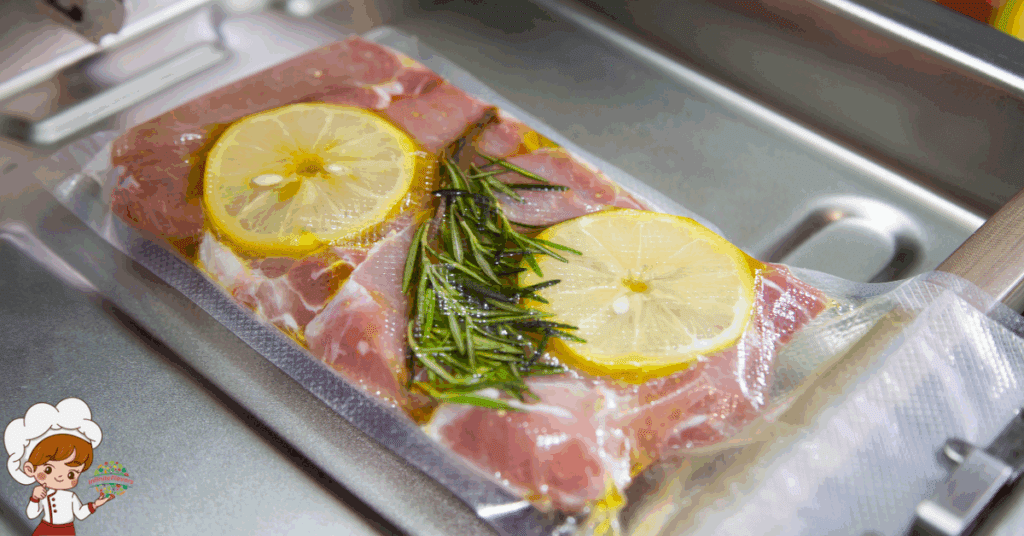
Great Sous-Vide Recipes For Beginners; Sous-vide cooking is perfect for beginners, allowing you to achieve restaurant-quality dishes with ease. You’ll only need a few essential tools: an immersion circulator, vacuum-seal bags, and a large container. Start with simple recipes like poached eggs, flavorful chicken with herbs, or tender steak cooked to your desired doneness. Make sure you follow temperature guidelines for safety and flavor. This method locks in moisture and enhances taste, giving you consistent results. If you’re ready to explore more techniques and varied recipes, there’s so much more to discover and create in the world of sous-vide cooking!
We’ve Got Everything You Need to Make Your Masterpiece.
What Is Sous-Vide?
Sous-vide, a French term meaning “under vacuum,” is a cooking technique that involves sealing food in a bag and immersing it in a water bath at a precise temperature. This method, which gained popularity in the culinary world in the 1970s, has roots that trace back to the early 18th century, when French chefs began experimenting with vacuum-sealing techniques to enhance flavor and tenderness. Understanding sous vide history helps you appreciate how chefs have refined this method over time, making it accessible to home cooks like you.
The science behind sous-vide is fascinating. By cooking food at low temperatures for extended periods, you can achieve consistent results that traditional cooking methods often fail to deliver. The temperature control allows you to cook proteins to your desired doneness without the risk of overcooking. For example, if you want a perfectly medium-rare steak, you can set the water bath to 130°F (54°C) and let it cook for several hours. This precision is what makes sous-vide stand out in the culinary landscape.
Moreover, the vacuum sealing process prevents moisture loss, ensuring that your food retains its natural flavors and nutrients. As you explore sous vide, you’ll find that it’s not just about cooking—it’s about enhancing your culinary skills, understanding the science behind the method, and creating restaurant-quality dishes right at home. Embracing this technique opens up a world of culinary possibilities.
Essential Sous-Vide Equipment
When it comes to sous-vide cooking, having the right equipment makes all the difference. To get started, you’ll need a sous-vide immersion circulator. This handy device heats water to a precise temperature, guaranteeing your food cooks evenly. Look for a model that’s reliable and easy to operate, as it’ll be the backbone of your sous-vide adventures.
Next up is a container for the water bath. A large pot or a specialized sous-vide container works well. Confirm it’s deep enough to hold water and the food without risk of overflow. Some people prefer a container with a lid to maintain temperature and reduce evaporation during long cooking sessions.
You’ll also need vacuum sealing bags or freezer-safe resealable bags. Vacuum sealing helps guarantee sous vide safety by preventing bacteria growth that can happen in low-oxygen environments. If you’re using resealable bags, be sure to remove as much air as possible before sealing. A vacuum sealer makes this process easier and more effective, giving you confidence in your food’s safety.
Lastly, consider investing in a food thermometer. While sous-vide cooking is precise, having an additional thermometer on hand can help you double-check temperatures before serving.
With these essential pieces of equipment, you’re well on your way to mastering sous-vide. Get ready to enjoy perfectly cooked meals every time!
Advantages of Sous-Vide Cooking
When it comes to sous-vide cooking, you’ll appreciate the precise temperature control that guarantees your food is cooked just right every time. This method also enhances the flavor profile, allowing seasonings to penetrate deeply, resulting in a richer taste. Plus, with consistent cooking results, you can confidently serve perfect meals without the guesswork.
We’ve Got Everything You Need to Make Your Masterpiece.
Precise Temperature Control
One of the standout benefits of sous-vide cooking is its precise temperature control, which allows you to achieve perfect doneness every time. Unlike traditional cooking methods, where temperature variations can lead to overcooked or undercooked meals, sous-vide takes the guesswork out of the equation. You set your water bath to the exact temperature you desire, guaranteeing that your food cooks evenly and consistently throughout.
This method not only enhances the quality of your meals but also improves cooking safety. By cooking food at lower temperatures for extended periods, you can eliminate harmful bacteria while retaining moisture and tenderness. It’s a game-changer for dishes like chicken, steak, or vegetables that can easily become dry or tough if not cooked correctly.
With sous-vide, you can confidently serve perfectly cooked meals without worrying about any mishaps in the cooking process. The precision allows for experimentation with different textures and finishes, giving you a culinary edge. So, whether you’re preparing a special dinner or a casual meal, precise temperature control guarantees you’ll impress your guests every time. Enjoy the reliability and satisfaction that sous-vide cooking brings!
Enhanced Flavor Profile
Sous-vide cooking enhances the flavor profile of your dishes like no other method can. By vacuum-sealing your ingredients with sous vide marinades, you create an environment that allows flavors to meld and infuse more deeply than traditional cooking methods. The low, slow cooking process guarantees that the marinade penetrates the food thoroughly, giving you a richer taste experience.
When you cook sous-vide, the sealed bag prevents moisture loss, which means your proteins and vegetables retain their natural juices. This results in a vibrant, intense flavor that other techniques often can’t match. Since the cooking temperature is regulated, you avoid overcooking and drying out your ingredients, allowing the flavors to remain balanced and intact.
Moreover, the sous-vide method allows for creative experimentation. You can mix various herbs, spices, and aromatic ingredients into your sous vide marinades, opening a world of flavor infusion possibilities. Whether you’re aiming for a bold, spicy kick or a subtle, herbaceous note, sous-vide cooking lets you customize your dishes to suit your palate perfectly. Enjoy the enhanced flavors and elevate your culinary creations!
Consistent Cooking Results
The beauty of sous-vide cooking lies in its ability to deliver consistent results every time. When you cook food in a temperature-controlled water bath, you eliminate the guesswork that often leads to overcooked or undercooked meals. Each cut of meat or vegetable reaches the exact doneness you desire, allowing you to serve perfectly cooked dishes that impress your guests.
Moreover, sous-vide cooking enhances flavor infusion. Since food is sealed in a vacuum bag, it allows seasonings and marinades to penetrate deeply, resulting in a rich and flavorful experience. You won’t just taste the ingredients; you’ll savor their essence.
Another critical aspect is sous vide safety. Cooking food at low temperatures for extended periods might sound risky, but sous-vide techniques guarantee that your food remains safe to eat. The precise temperature control prevents harmful bacteria from developing while still allowing you to achieve that tender, juicy texture.
Getting Started With Sous-Vide
Getting started with sous-vide is easier than you might think. You’ll need some essential equipment, learn a few simple techniques, and understand the right temperature and timing for your meals. With the right foundation, you’ll be ready to create delicious, perfectly-cooked dishes in no time.
Essential Equipment Needed
While diving into sous-vide cooking, having the right equipment is necessary for success. First, you’ll need a sous-vide immersion circulator. This device controls the water temperature, guaranteeing your food cooks evenly and safely. Look for one with a reliable temperature range and good reviews on sous vide safety to assure ideal results.
Next, invest in vacuum-seal bags or containers. Vacuum-sealing is important for removing air from your food, which prevents spoilage and enhances flavor. If you prefer, you can use freezer-safe zip-top bags, but make sure to use the water displacement method to eliminate excess air.
You’ll also need a suitable container for the water bath. A large pot or a dedicated sous-vide container will work. Make certain it’s deep enough to submerge your food completely.
Lastly, consider a food thermometer for double-checking temperatures, especially when dealing with sous vide storage. Proper storage of your sous-vide dishes is essential for maintaining food safety, so make sure you refrigerate or freeze leftovers promptly. With this equipment in hand, you’re ready to start your sous-vide journey!
Simple Techniques Explained
Before you plunge into the sous-vide world, it’s essential to grasp some simple techniques that will set you up for success. First, always prioritize sous vide safety. Verify that your vacuum-sealed bags are airtight to prevent water from entering and affecting your food. This helps maintain a controlled cooking environment, which is key for food safety.
Next, think about flavor infusion. Sous-vide cooking allows you to infuse ingredients like herbs, spices, and marinades directly into your food. Before sealing your vacuum bags, add your chosen flavorings. The low, slow cooking process will allow these flavors to penetrate deeply, resulting in a more delicious meal.
Don’t forget to preheat your water bath. Starting with the right temperature will guarantee even cooking throughout. Use a thermometer to confirm the water is at the desired temperature before adding your food.
Lastly, remember to check the cooking time. While sous-vide is forgiving, cooking for too long can alter the texture of certain meats. By keeping these techniques in mind, you’ll not only enhance your cooking skills but also enjoy a more flavorful and safe sous-vide experience.
We’ve Got Everything You Need to Make Your Masterpiece.
Temperature and Timing Guide
Understanding the right temperatures and cooking times for sous-vide is essential to achieving perfectly cooked meals. Each ingredient has its ideal temperature range, which guarantees not only flavor but also sous vide safety. For instance, when cooking chicken, aim for 140°F (60°C) for 1 to 4 hours. This will yield tender, juicy results. For beef steak, try 129°F (54°C) for a medium-rare texture, cooking it for 1 to 4 hours as well.
When you’re planning your sous vide meal prep, remember that cooking times can be flexible. Longer cooking times often enhance tenderness without compromising safety. However, it’s vital to keep food at the correct temperature to prevent bacterial growth. For most vegetables, cooking at 183°F (84°C) for 30 to 90 minutes will give you perfect results.
Always consult specific guides for various meats and vegetables, as these are just starting points. Familiarizing yourself with these guidelines will help you navigate sous-vide cooking confidently. By mastering temperatures and timing, you’ll not only guarantee delicious outcomes but also enjoy the process of creating gourmet meals at home.
Preparing Ingredients for Sous-Vide
Preparing ingredients for sous-vide often involves a few key steps to guarantee you get the best results. First, start with fresh, high-quality ingredients. Whether it’s meat, vegetables, or seafood, the quality of your ingredients directly impacts the final dish. Make certain to wash and trim your ingredients as needed. For meats, you might want to season them with salt, pepper, or your favorite herbs and spices to enhance the flavor during cooking.
Next comes the essential step of ingredient preparation. Cut your ingredients into uniform sizes; this guarantees even cooking throughout the sous-vide process. For example, if you’re cooking vegetables, chop them into similar-sized pieces. This way, they’ll all cook at the same rate, preventing some from becoming mushy while others remain undercooked.
After you’ve prepared your ingredients, it’s time for vacuum sealing. This step is critical for sous-vide cooking, as it removes air from the bags, allowing for proper heat transfer during the cooking process. Place your prepared ingredients in a vacuum-sealable bag, making sure you leave enough space for sealing. If you’re using a regular zip-top bag, you can submerge it in water, allowing the pressure to push the air out, then seal it tightly.
Sous-Vide Cooking Times and Temperatures
Mastering sous-vide cooking times and temperatures is essential for achieving perfectly cooked dishes. The beauty of sous-vide lies in its precision, allowing you to cook food evenly and retain moisture. To get started, you’ll need to familiarize yourself with the recommended cooking times and temperatures for various ingredients.
For proteins like chicken, aim for a temperature of 140°F (60°C) for about 1.5 to 4 hours. This guarantees tender, juicy results while maintaining sous vide safety. If you’re cooking steak, you can choose your doneness: 129°F (54°C) for medium-rare, cooked for 1 to 4 hours. Just remember, cooking times can vary based on the thickness of the cut.
When it comes to vegetables, lower temperatures often yield better textures. For example, carrots cook beautifully at 183°F (84°C) for 1 to 2 hours. This process not only enhances flavors but also keeps nutrients intact—vital for any sous vide meal prep.
Another key factor is the food’s thickness. Thicker cuts may require longer cooking times to guarantee they reach the desired temperature throughout. Always refer to reliable sous-vide guides or charts for precise cooking times.
Lastly, always consider sous vide safety. Keep your food in the water bath at the correct temperature for the recommended duration to prevent any risk of foodborne illness. With these guidelines in hand, you’re well on your way to crafting delicious sous-vide meals with confidence!
Simple Sous-Vide Egg Recipes
When it comes to sous-vide, eggs are a game-changer. You can achieve perfectly cooked poached eggs or whip up fluffy scrambled eggs with ease. Let’s explore these simple yet delicious recipes that will elevate your breakfast game.
Perfectly Cooked Poached Eggs
Cooking poached eggs has never been easier or more precise than with sous-vide. This method allows you to achieve that perfect, creamy yolk and tender whites every time, making it a game changer for breakfast lovers. To get started, set your sous-vide cooker to 167°F (75°C).
Place your eggs, still in their shells, directly into the water bath and let them cook for about 13 minutes. This time guarantees that the whites are fully set while the yolks remain delightfully runny. If you prefer different egg variations, you can adjust the cooking time slightly. For firmer yolks, try cooking them for up to 16 minutes.
Once they’re done, carefully remove the eggs from the water bath. Gently crack the shells and slide the perfectly poached eggs onto your plate. You can use various poaching techniques to elevate your dish—like serving them on toasted bread, adding them to salads, or pairing them with hollandaise sauce for eggs Benedict. With sous-vide, you’ll never have to worry about overcooking your eggs again! Enjoy your perfectly poached creations!
We’ve Got Everything You Need to Make Your Masterpiece.
Fluffy Sous-Vide Scrambled Eggs
There’s something truly delightful about fluffy scrambled eggs, and sous-vide takes this breakfast staple to a whole new level. With sous-vide cooking techniques, you can achieve creamy, perfectly textured eggs that are hard to beat. To get started, crack four eggs into a bowl, whisk them together with a pinch of salt, and add a splash of cream or milk for extra richness.
Pour the mixture into a vacuum-sealed bag or a mason jar, and seal it tightly. Next, preheat your sous-vide water bath to 167°F (75°C). Submerge the sealed bag or jar in the water, and let it cook for about 30 minutes.
Once the time’s up, carefully remove the bag or jar from the water bath. Give the eggs a gentle shake to mix them up, and then pour them into a hot non-stick skillet. Stir constantly over low heat until they’re fluffy and cooked to your liking.
Feel free to experiment with egg variations by adding cheese, herbs, or cooked vegetables before sealing. You’ll find that sous-vide scrambled eggs make for an indulgent yet simple breakfast experience!
Flavorful Sous-Vide Chicken Dishes
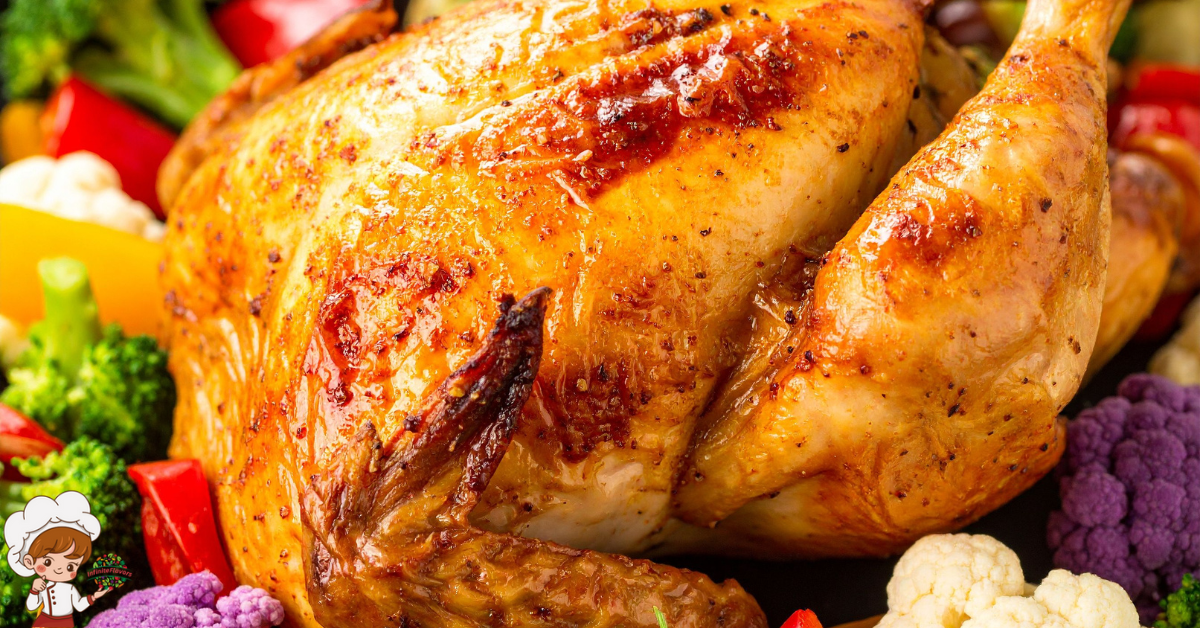
Sous-vide chicken dishes elevate your cooking game with juicy, tender results that are hard to achieve through traditional methods. By cooking chicken in a temperature-controlled water bath, you can infuse it with incredible flavors, making every bite a delight. One of the best ways to enhance your sous-vide chicken is through herb marinades. Before sealing your chicken in a bag, marinate it in a mixture of your favorite herbs—think rosemary, thyme, and parsley. This not only adds depth but also complements the natural flavors of the chicken.
For an extra burst of freshness, don’t forget to include citrus zest in your marinade. Whether it’s lemon, lime, or orange, the zest brings a vibrant zing that brightens the dish. Combine the zest with olive oil, garlic, and your chosen herbs for a marinade that’ll take your chicken to the next level.
Once you’ve prepared your chicken and let it soak in the flavors, set your sous-vide machine to 145°F (63°C) for an ideal texture. Cook it for at least one hour, though you can leave it for up to four hours without compromising juiciness. After cooking, finish your chicken with a quick sear in a hot pan for a beautiful, golden crust.
With these tips, you’ll create flavorful sous-vide chicken dishes that impress your family and friends. Immerse yourself in the world of sous-vide cooking and enjoy the succulent results!
Tender Sous-Vide Steak Techniques
Achieving a perfectly tender steak is a game-changer for any home cook, and sous-vide makes it easier than ever. With precise temperature control, you can cook your steak to the exact level of doneness you desire, ensuring a juicy, melt-in-your-mouth experience every time.
Start by selecting the right cut of steak. Ribeye, filet mignon, and sirloin are all excellent choices for sous-vide cooking. Before sealing it in a bag, consider using sous vide marinades to infuse flavors. A simple marinade of olive oil, garlic, and fresh herbs can elevate your steak to new heights.
Once you’ve marinated your steak, it’s time to season it. Use sous vide seasoning generously, as the vacuum-sealing process can mute flavors a bit. Salt and pepper are classic, but you can experiment with spices like smoked paprika or even a pinch of cayenne for a kick.
Set your sous-vide cooker to the desired temperature—typically around 129°F for medium-rare. Place the seasoned steak in the water bath for at least one hour, but you can leave it for up to four hours without overcooking.
Once the time’s up, remove the steak from the bag and pat it dry. To achieve that irresistible sear, heat a skillet with a bit of oil on high heat. Sear the steak for about a minute on each side. This quick step adds texture and enhances the flavor, resulting in a tender, flavorful steak that’s sure to impress.
Delicious Sous-Vide Vegetables
Cooking vegetables using sous-vide brings out their natural flavors and preserves their nutrients, making it a fantastic technique for anyone looking to elevate their veggie game. By cooking at controlled temperatures, you’ll achieve perfectly tender and flavorful results every time.
Start with sous vide potatoes. Simply peel and cut them into even-sized pieces, then season with salt, pepper, and a splash of olive oil. Seal them in a bag and cook at 194°F (90°C) for about an hour. The result? Luxuriously creamy potatoes that are bursting with flavor. You can also experiment by adding herbs like rosemary or garlic for an extra layer of taste.
Next, consider creating vibrant vegetable blends. Combine your favorite veggies like carrots, bell peppers, and zucchini. Cut them into uniform pieces and toss them with a little olive oil and seasonings. Seal the mix in a sous-vide bag and cook at 183°F (84°C) for around 45 minutes. The vegetables will retain their colors and flavors, resulting in a visually appealing and delicious dish.
You can also mix and match various vegetables to create seasonal blends or pair them with your main course. Sous-vide veggies make excellent side dishes, adding not only nutrition but also a pop of color to your plate. Whether you’re serving them alongside your sous vide steak or as part of a vegetarian feast, these methods will certainly impress your taste buds and guests alike. Enjoy the art of sous-vide cooking and watch your vegetable dishes reach new heights!
We’ve Got Everything You Need to Make Your Masterpiece.
Easy Sous-Vide Fish Recipes
There’s something magical about preparing fish sous-vide that guarantees perfectly cooked, tender fillets every time. Using this method, you can achieve restaurant-quality results right in your kitchen. Let’s explore a couple of easy sous-vide fish recipes to get you started.
First up is sous vide salmon. Season your salmon fillets with salt, pepper, and a splash of lemon juice. Place the fillets in a vacuum-sealed bag, ensuring there’s minimal air. Set your sous-vide machine to 125°F (52°C) and cook for about 45 minutes. This will give you a silky, melt-in-your-mouth texture. Finish it with a quick sear on high heat for a crispy skin if you like.
Next, try making herb-infused fish. You can use white fish like cod or halibut for this recipe. In a vacuum-seal bag, combine your fish with fresh herbs like dill, parsley, or thyme, along with olive oil, salt, and pepper. Set your sous-vide machine to 130°F (54°C) and cook for about 30-45 minutes. The herbs will infuse the fish with incredible flavor, making it a delicious, light dish perfect for any occasion.
With these easy sous-vide fish recipes, you’ll impress your friends and family while enjoying the benefits of perfectly cooked, flavorful seafood. So grab your sous-vide machine and get cooking!
Creative Sous-Vide Desserts
Sous-vide isn’t just for savory dishes; it can also elevate your dessert game to new heights. Imagine achieving the perfect texture in your sweets with minimal effort. One standout dessert to try is sous vide panna cotta. This creamy Italian classic becomes even silkier when cooked sous-vide. Simply mix your cream, sugar, and gelatin, then pour the mixture into bags or jars. Set your sous-vide machine to around 180°F (82°C) and let it work its magic for about an hour. The result? A velvety panna cotta that melts in your mouth.
If you’re a chocolate lover, you can’t miss out on chocolate sous vide desserts. You can create rich, decadent chocolate mousse with this technique. Start by melting high-quality chocolate and mixing it with eggs and sugar. Pour this luscious mixture into jars and cook them in your sous-vide bath at 185°F (85°C) for 30 minutes. Once cooled, you’ll have a mousse that’s unbelievably smooth and intensely flavored.
Don’t shy away from experimenting with flavors and ingredients. Infusing your panna cotta with vanilla beans or citrus zest can take it to the next level. Similarly, you can add a hint of espresso or spices to your chocolate sous vide for an unexpected twist. The sous-vide method allows you to explore new textures and tastes, transforming your dessert repertoire into something extraordinary. So, grab your sous-vide machine, and get ready to impress with creative desserts that are sure to delight.
Tips for Perfect Sous-Vide Results
Achieving perfect sous-vide results hinges on a few key techniques. First, pay close attention to sous vide safety. Always guarantee your food is vacuum-sealed properly to prevent water from entering the bag. This not only prevents contamination but also guarantees even cooking. Keep your sous-vide setup at the right temperature; this is vital for both flavor and food safety.
When it comes to flavor, sous vide marinades can elevate your dishes greatly. Since sous vide cooking locks in moisture, it’s important to marinate your proteins before sealing them. Use robust flavors in your marinades, and don’t be afraid to experiment with herbs, spices, and acid. The longer you marinate, the more pronounced the flavors will be. However, be cautious with acidic ingredients—too much can break down proteins and make them mushy.
Next, timing is everything. Each ingredient has its own ideal cooking time, so make sure to follow guidelines for the best results. For meat, a longer cook time at a lower temperature will yield tender, juicy results, while vegetables will need less time.
Lastly, remember to finish with a sear. After cooking sous vide, a quick sear in a hot pan will give your food that beautiful crust and enhance its flavor profile. By prioritizing sous vide safety and using well-crafted marinades, you’ll set yourself up for sous-vide success every time. Enjoy the process and savor the delicious results!
We’ve Got Everything You Need to Make Your Masterpiece.
Common Sous-Vide Mistakes to Avoid
When diving into sous-vide cooking, it’s easy to trip up on common mistakes that can hinder your results. One prevalent error is disregarding sous vide safety. Always remember to keep food at safe temperatures to prevent bacterial growth. For example, if you’re cooking poultry, guarantee it’s heated to at least 165°F for the recommended time.
Another mistake is falling for sous vide myths, such as the belief that sous-vide cooking is always a foolproof method. While it can yield fantastic results, improper temperature settings or cooking times can lead to subpar meals. Always double-check your recipes to guarantee you’re on the right track.
Many beginners also underestimate the importance of seasoning before vacuum sealing. If you skip this step, your food might taste bland, as flavors don’t intensify in sous-vide bags as they do with traditional cooking methods.
We’ve Got Everything You Need to Make Your Masterpiece.
Frequently Asked Questions: Great Sous-Vide Recipes For Beginners
Can I Use Regular Plastic Bags for Sous-Vide Cooking?
You shouldn’t use regular plastic bags for sous-vide cooking. Instead, opt for sous vide bags designed for food safety. They can withstand heat and guarantee your food cooks evenly without leaching harmful chemicals.
How Do I Clean My Sous-Vide Equipment?
To clean your sous-vide equipment, follow these maintenance tips: unplug it, wipe the exterior, and use warm, soapy water for the immersion circulator. Rinse thoroughly, ensuring all cleaning process essentials are addressed for longevity.
Is Sous-Vide Safe for Long Cooking Times?
Yes, sous vide is safe for long cooking times. The precise temperature control guarantees food remains at a safe level, effectively reducing bacteria risks. Just make sure you follow sous vide safety guidelines for ideal results.
What Types of Seasonings Work Best for Sous-Vide?
When seasoning your sous-vide dishes, you’ll find that herb blends and spice combinations work wonders. Experiment with garlic, rosemary, or smoked paprika to elevate flavors while ensuring your proteins remain tender and juicy.
Can I Sous-Vide Frozen Foods Without Thawing?
Yes, you can sous-vide frozen food without thawing. Just adjust your cooking time to account for the extra chill. Using sous vide techniques guarantees even cooking, making it easy to achieve delicious results.

Conclusion
Sous-vide cooking opens up a world of delicious possibilities, making it easier than ever to achieve perfectly cooked meals at home. By following the tips and recipes outlined here, you’ll quickly gain confidence in this method. Don’t be afraid to experiment and adjust flavors to your liking. With practice, you’ll master sous-vide and impress your family and friends with your culinary skills. So, grab your equipment and start cooking—you’re on your way to sous-vide success!
If you enjoyed exploring this topic and want to dive even deeper, be sure to check out some of our other articles here on Infinite Flavors. From rich culinary histories to creative twists on classic recipes, there’s always something new to discover. Whether you’re curious about the origins of a dish, looking for fresh inspiration in the kitchen, or simply love learning about food culture, our collection of posts is the perfect next step on your flavor journey.
The Best Sous-Vide Cooking Techniques
Why Is Gratinating A Popular Method