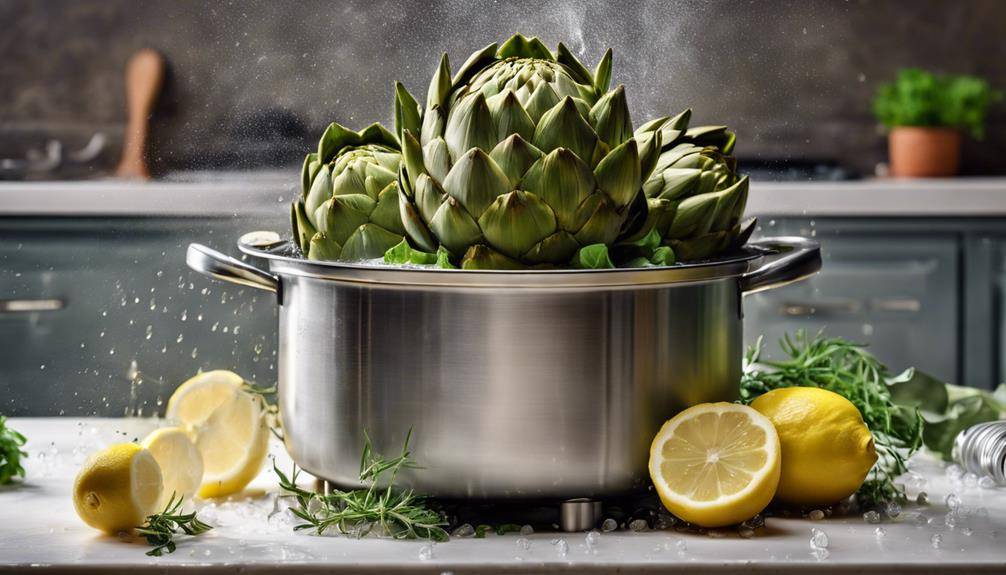
Steaming Techniques For Homemade Dumplings
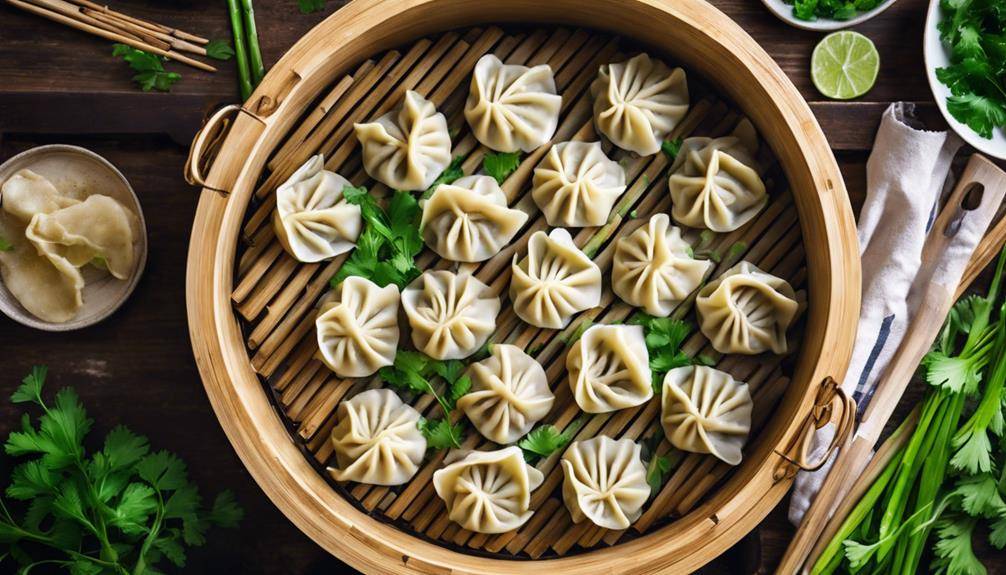
Steaming Techniques For Homemade Dumplings: For perfect homemade dumplings, pick a steamer that suits your needs—bamboo adds flavor, while stainless steel guarantees even heat. Prepare your dumplings with fresh ingredients and a well-made dough. When steaming, always keep the lid tight to maintain steam; cooking usually takes 10-20 minutes based on size. If you prefer a quicker method, try microwaving them for 2-6 minutes. Troubleshoot sticking issues by lining baskets with parchment or using oil. Each step adds to the final flavor, guaranteeing delicious results. There's plenty more you can discover to enhance your dumpling-making experience.
Click Here and Turn Every Masterpiece into a Showstopper!
Choosing the Right Steamer
When you're ready to steam dumplings, choosing the right steamer can make all the difference in your cooking experience. You'll find various steamer materials, including bamboo, stainless steel, and silicone, each offering unique benefits. Bamboo steamers are traditional and add a lovely flavor, while stainless steel provides durability and easy maintenance. Silicone options are flexible and often dishwasher-safe, making cleanup a breeze.
Next, consider steamer sizes and shapes. If you're cooking for a crowd, a larger, multi-tiered steamer might be ideal. For smaller portions, a compact steamer can save space and still do the job. Round steamers are classic, but square ones can fit better in your kitchen setup.
Don't forget about steamer accessories! Parchment paper or cabbage leaves can prevent dumplings from sticking, ensuring a smooth cooking process. You might also want a lid that fits snugly to trap steam effectively.
Maintaining your steamer is vital for long-lasting use. Regularly clean it according to the material guidelines to avoid buildup and preserve its quality.
Lastly, if you don't have a traditional steamer, consider steamer alternatives like using a heatproof plate on top of a pot of simmering water or even a microwave-safe container with a lid. These methods can work wonders in a pinch. With the right steamer, you're on your way to perfectly cooked dumplings every time!
Preparing Your Dumplings
When you're preparing your dumplings, the first step is choosing the right ingredients. Fresh, high-quality components will make a noticeable difference in flavor and texture. Don't forget to pay attention to your dough preparation, as it's the foundation for your delicious dumplings.
Choosing Your Ingredients
Selecting the right ingredients is essential for making delicious dumplings. Start with fresh ingredients, as they greatly enhance the flavor profiles of your dumplings. When choosing your proteins, consider options like ground pork, chicken, or tofu. Each brings its unique taste and texture, so pick one that suits your palate.
Next, think about your vegetables. Fresh scallions, cabbage, and mushrooms add not only flavor but also crunch and nutrition. You can experiment with different combinations to discover what works best for you. Don't forget to season your filling! Soy sauce, ginger, garlic, and sesame oil are great additions that elevate the taste.
Herbs like cilantro or basil can also add an unexpected twist. If you prefer a spicy kick, consider incorporating chili oil or fresh chilies. Remember, balancing the flavors is key, so try to include a mix of savory, spicy, and aromatic ingredients.
Lastly, keep in mind any dietary restrictions for yourself or your guests. With a little creativity and attention to detail, you'll be well on your way to crafting flavorful dumplings that everyone will love. Enjoy the process, and have fun experimenting!
Dough Preparation Tips
To achieve the perfect dumpling, mastering the dough preparation is essential. Start by focusing on dough hydration; the right water-to-flour ratio guarantees ideal texture. Once mixed, allow your dough a resting period of at least 30 minutes. This step enhances gluten development, promoting dough elasticity.
When kneading, use effective techniques to guarantee the dough becomes smooth and pliable. Aim for a soft texture without being sticky. After kneading, consider flavoring dough by incorporating spices or herbs or using additives like eggs for richness.
As you roll out your dough, pay attention to the rolling thickness. Aim for consistency to avoid uneven cooking. For shaping your dumplings, explore various folding methods and shaping styles to find what suits your taste. Whether you prefer pleats or pinches, practice makes perfect.
Bamboo Steamer Basics
Have you ever wondered why bamboo steamers are a favorite in Asian cooking? These versatile tools are crafted from natural bamboo materials, making them not only lightweight but also efficient for steaming. They come in various steamer sizes, allowing you to choose the right one for your needs—whether you're steaming a single batch of dumplings or preparing a larger meal.
When using a bamboo steamer, you'll find that stacking dumplings is a breeze. The multiple layers let you maximize the space while guaranteeing even heat retention and moisture control. This is vital for achieving perfectly cooked dumplings, as the steam circulates evenly, infusing flavors beautifully into your food.
For ideal steaming times, keep an eye on your dumplings; they typically take about 15-20 minutes, depending on size and filling. Traditional uses of bamboo steamers go beyond dumplings; you can also steam vegetables, fish, and buns.
Caring for your bamboo steamer is important for longevity. After each use, clean it with mild soap and water, and avoid soaking it to preserve the bamboo's integrity. Regular bamboo care guarantees that the steamer remains in prime shape, ready for your next culinary adventure.
Using a Metal Steamer
Metal steamers are a popular choice for many home cooks, thanks to their durability and efficiency. When you use a metal steamer, you can expect even heat distribution, guaranteeing your dumplings cook thoroughly. To get started, fill a pot with water, making certain it doesn't touch the bottom of the steamer. Bring the water to a gentle boil before placing your dumplings in the steamer basket.
For peak results, arrange your dumplings in a single layer, leaving space between them to allow steam to circulate. Next, cover the steamer with a tight-fitting lid to prevent steam from escaping. As your dumplings steam, keep an eye on the water level. If it starts to run low, carefully add more boiling water to avoid temperature fluctuations.
Metal steamer maintenance is vital for longevity. After each use, wash your steamer with warm soapy water and dry it thoroughly to prevent rust or corrosion. Avoid using abrasive cleaners that can scratch the surface. Store your steamer in a dry place to keep it in top condition.
When it comes to steaming safety tips, always handle the metal steamer with care. The steam can be incredibly hot, so use oven mitts when lifting the lid or the steamer itself. Verify your cooking area is well-ventilated to avoid steam buildup. By following these guidelines, you'll enjoy perfectly steamed dumplings every time you use your metal steamer.
Electric Steamer Advantages
When you use an electric steamer, you'll notice how quickly your dumplings cook compared to other methods. It distributes heat evenly, ensuring that every dumpling is perfectly steamed. Plus, you can easily adapt it for various recipes, making it a versatile tool in your kitchen.
Quick Cooking Time
An electric steamer's quick cooking time makes it a favorite for busy home chefs. With the ability to achieve ideal temperatures rapidly, you can have perfectly steamed dumplings in a fraction of the time compared to traditional methods. Quick steaming not only saves you time but also helps maintain the dumplings' flavor and texture, ensuring each bite is as delightful as the last.
When you place your dumplings in an electric steamer, you'll notice how efficiently it heats up. The water in the reservoir turns to steam almost instantly, enveloping your dumplings in a moist environment that cooks them evenly. This efficiency means you can prepare a meal for yourself or your family without having to watch the clock constantly.
Additionally, the quick cooking time of an electric steamer means you can multitask in the kitchen. While your dumplings steam, you can work on side dishes or even set the table. This convenience lets you enjoy delicious, homemade dumplings without the stress of lengthy cooking times. So, if you're looking to streamline your meal prep, an electric steamer's quick cooking capabilities are unbeatable.
Even Heat Distribution
One of the standout features of electric steamers is their ability to distribute heat evenly throughout the cooking chamber. This even heat distribution is essential when you're preparing dumplings, as it guarantees consistent cooking and helps maintain the desired dumpling texture.
With electric steamers, you'll benefit from efficient steam circulation that envelops each dumpling uniformly. Unlike stovetop steaming methods, where hot spots can lead to uneven cooking, electric steamers eliminate that worry. You won't have to rotate or adjust the dumplings halfway through cooking. Instead, you can set it and forget it, knowing that each dumpling will receive the same amount of heat.
The result? Perfectly steamed dumplings that are tender and fluffy, without any tough or overcooked parts. When you use an electric steamer, you're not just saving time; you're also enhancing the overall quality of your dish. So, if you want to serve dumplings that impress with their ideal texture, investing in an electric steamer is a smart choice. Enjoy the ease and reliability it brings to your home cooking!
Versatile for Recipes
Electric steamers aren't just great for dumplings—they're incredibly versatile for a wide range of recipes. You can easily experiment with various dumpling variations, from classic pork to veggie-packed options, all while maintaining the perfect texture. The even cooking guarantees that each dumpling is tender without becoming soggy.
But dumplings are just the beginning. You can use your electric steamer to prepare a variety of dishes from different regional styles. For instance, try steaming fish with ginger and scallions for a Chinese-inspired meal or cook up some Italian gnocchi in a light broth. The possibilities are endless!
You can also steam vegetables, rice, and even desserts. Imagine fluffy cakes or sweet puddings crafted in your electric steamer, taking advantage of the moist heat. Not only does this method preserve flavors and nutrients, but it also saves you time in the kitchen.
Steaming in a Pot
Steaming dumplings in a pot is a straightforward and effective method that anyone can master. This traditional technique has been passed down through generations, ensuring that you achieve that perfect balance of tenderness and flavor. To get started, you'll need a pot with a lid and a steaming rack or basket. If you don't have a steamer, a heat-proof plate placed on top of a trivet can work just as well.
Fill the pot with water, making sure it doesn't touch the steaming basket. Bring the water to a gentle boil before placing your dumplings in the steamer, making sure to leave enough space between them to allow steam to circulate. Cover the pot with the lid to trap the steam inside. The time it takes to steam your dumplings will depend on their size and filling, but generally, it ranges from 10 to 20 minutes.
You might notice regional variations in steaming techniques. For instance, in some cultures, they add spices or herbs to the water for an extra layer of flavor. Others might use bamboo steamers for a more authentic experience. Whichever method you choose, keep an eye on the water level to prevent it from boiling dry.
Once your dumplings are done, they should be glossy and tender. Serve them hot with your favorite dipping sauce, and enjoy the fruits of your labor!
Microwave Steaming Techniques
Microwave cooking can be a game-changer for steaming dumplings quickly and efficiently. With just a few simple steps, you can have perfectly steamed dumplings ready in no time. First, you'll need to prepare your dumplings, whether they're fresh or frozen. If they're frozen, there's no need to thaw them; you can steam them straight from the freezer.
Next, arrange your dumplings in a microwave-safe dish. Make sure they're not overcrowded, as this can affect even cooking. Add a few tablespoons of water to the bottom of the dish, then cover it with a microwave-safe lid or plastic wrap. This will create the steam needed for cooking.
Now, it's time to set your microwave settings. Generally, you'll want to use a medium-high setting for best results. Depending on the size and type of dumplings, steam timing can vary. For fresh dumplings, two to three minutes should suffice, while frozen ones may require four to six minutes. Always check for doneness; the dumplings should be hot and fluffy inside.
Once the cooking time is up, let them sit for a minute before removing the cover to avoid steam burns. If you're unsure, it's better to start with shorter steam timing and check your dumplings. That way, you can adjust as needed without overcooking. Enjoy your quick and delicious dumplings, made effortlessly in the microwave!
Click Here and Turn Every Masterpiece into a Showstopper!
Creative Hacks for Steaming
If you're looking to elevate your dumpling game, using a bamboo steamer can really enhance the flavor and texture of your dish. But what if you don't have one? Let's explore some creative DIY steaming alternatives that can help you steam dumplings to perfection.
Bamboo Steamer Benefits
Bamboo steamers often deliver exceptional results when it comes to cooking dumplings and other delicate foods. Their design allows steam to circulate effectively, ensuring even cooking and preserving the texture of your dumplings. You'll find that using a bamboo steamer not only enhances the flavors but also offers numerous health benefits. Since steaming requires no oil, it helps you maintain a low-fat diet while retaining nutrients that boiling may wash away.
The traditional usage of bamboo steamers in Asian cuisine highlights their versatility. You can use them for a variety of foods, from vegetables to fish, making them a great addition to your kitchen. Plus, they're eco-friendly—constructed from natural materials, they reduce your reliance on plastic.
Another advantage is that bamboo steamers come in various sizes, allowing you to stack multiple tiers for larger meals. This means you can prepare an entire meal at once, saving time and energy. Just remember to line the steamer with parchment paper or cabbage leaves to prevent sticking. By incorporating a bamboo steamer into your cooking routine, you elevate your dumpling game while embracing a healthier, more sustainable method.
DIY Steaming Alternatives
When you don't have a bamboo steamer on hand, there are plenty of creative hacks to steam your dumplings using everyday kitchen items. One of the simplest steaming substitutes is a metal colander. Just place it over a pot filled with simmering water, guaranteeing it doesn't touch the water. Line the colander with parchment paper to prevent sticking.
If you've got a large pot and a smaller bowl, you can create a makeshift steamer. Fill the pot with water, invert the bowl, and set it inside. Place your dumplings on top of the bowl, cover the pot, and let the steam work its magic.
Another option is to use a microwave-safe plate. Add a bit of water to a microwave-safe dish, place your dumplings on a plate, and cover them with a damp paper towel. Microwave for a few minutes, and you'll have perfectly steamed dumplings.
Lastly, if you have an electric rice cooker, it can double as a steamer. Just add water, place your dumplings in the steaming tray, and let it do the work. These creative containers and methods guarantee you can enjoy delicious dumplings, no matter your kitchen setup!
The Importance of Water Levels
Water levels play an essential role in steaming dumplings effectively. When you're preparing to steam your dumplings, you need to pay close attention to the amount of water in your steaming setup. Too little water can lead to an insufficient steam environment, while too much can create a boiling situation that drowns your dumplings.
The ideal water temperature is vital for proper steam control. If the water is boiling too vigorously, it can cause the dumplings to bounce around, potentially breaking apart or sticking to the steaming surface. Conversely, if the water's not hot enough, you won't generate enough steam to cook the dumplings thoroughly. You want to maintain a gentle simmer that allows for consistent steam without the risk of water splashing onto your dumplings.
To achieve the perfect water level, fill your steaming pot or basket to about one inch with water. This usually provides enough steam while ensuring that the boiling water doesn't touch the dumplings. Monitoring the water level during steaming is also essential; if it decreases too much, the steam won't be effective. You can add more hot water if needed, but do it carefully to avoid interrupting the cooking process.
Timing for Perfect Dumplings
Getting the timing right is essential for perfect dumplings. If you steam them for too long, they'll become mushy and lose their delightful texture. Conversely, undercooking can lead to a doughy consistency that's far from appetizing. Knowing the appropriate cooking times for your dumplings makes all the difference.
Typically, the steaming methods you choose will impact the timing. For instance, if you're using a bamboo steamer, place it over a pot of simmering water. Dumplings usually take about 10 to 15 minutes to cook through, depending on their size and thickness. Make sure to keep the lid tightly closed to retain steam, as this is vital for even cooking.
If you opt for a metal steamer, the cooking time is quite similar, but you might want to check them a minute or two earlier. The last thing you want is to overcook those carefully prepared dumplings. If you're cooking frozen dumplings, adjust your cooking times to about 15 to 20 minutes. Again, check for doneness by cutting one open and inspecting the filling.
Remember to set a timer and keep an eye on the clock. While you may be tempted to multitask, it's best to focus on the dumplings while they steam. Once you've mastered the timing, you'll enjoy perfectly cooked dumplings every time. Happy steaming!
Enhancing Flavor With Ingredients
Dumplings are a canvas for flavor, and enhancing their taste with the right ingredients can elevate your dish to new heights. Start by incorporating umami boosters like mushrooms or fermented ingredients to deepen the flavor profile. Spice blends can bring warmth and complexity—experiment with combinations like five-spice or chili powder to suit your taste.
Herb infusions are another fantastic way to elevate your dumplings. Fresh herbs like cilantro or green onions can provide bright notes, while dried herbs can offer a more intense flavor. Don't forget about flavor layering; balance your fillings with sauces or marinades that complement the dumpling's taste. Soy sauce, sesame oil, or even a tangy vinegar can work wonders.
Consider ingredient swaps to customize your dumplings. For instance, try using ground turkey instead of pork or swap out traditional cabbage with seasonal vegetables like squash or kale. These choices not only enhance flavor but also add texture contrasts that make each bite interesting.
Regional variations can inspire new takes on classic dumplings. Look to cuisines like Japanese gyoza or Italian ravioli for unique filling ideas. Finally, different cooking techniques can also affect flavor—try pan-frying before steaming for a crispy exterior, or use a bamboo steamer for a more delicate finish. With these tips, you'll create dumplings that are bursting with flavor and sure to impress.
Troubleshooting Common Issues
Even with the best ingredients and flavor enhancements, you might encounter some common issues while making dumplings. One frequent problem is the filling consistency. If your filling is too watery, it can make your dumplings soggy and prone to falling apart. To fix this, consider adding a binding agent like cornstarch or breadcrumbs. This will help absorb excess moisture and give your filling a more cohesive texture.
Another issue you may face is the steam temperature. If the temperature is too low, your dumplings might end up undercooked and doughy. Conversely, if the steam temperature is too high, the outer layer can cook too quickly while the filling remains raw. To maintain the right steam temperature, keep an eye on your steamer and adjust the heat as necessary. A consistent, gentle steam will guarantee your dumplings are perfectly cooked throughout.
Also, be mindful of overcrowding your steamer. If you pack them in too tightly, the steam won't circulate properly, leading to uneven cooking. Make sure to leave enough space around each dumpling for ideal steam flow.
Lastly, if you notice your dumplings sticking to the steamer basket, try lining it with parchment paper or lightly oiling the surface before placing the dumplings in. This will prevent them from sticking and make for an easier release once they're done steaming. With these tips, you'll be well-equipped to troubleshoot and perfect your dumpling-making skills!
Storing and Reheating Dumplings
After you've enjoyed your freshly steamed dumplings, it's important to know how to properly store and reheat them for later enjoyment. To keep your dumplings fresh, you can either refrigerate or freeze them, depending on when you plan to eat them. If you're storing them for a short period, place your leftover dumplings in an airtight container in the fridge. They'll stay good for about three to four days.
If you want to save them for a longer time, freezing dumplings is a great option. Start by arranging the uncooked dumplings on a baking sheet lined with parchment paper, making sure they don't touch each other. Freeze them until solid, then transfer the dumplings to a freezer-safe bag or container. This method prevents them from sticking together. They can be stored in the freezer for up to three months.
When it comes to reheating methods, you have a few options. If you've frozen raw dumplings, you can cook them straight from the freezer—just add a few extra minutes to your steaming time. For refrigerated dumplings, steam them for about five to seven minutes until heated through. Another option is to pan-fry them: heat a bit of oil in a skillet, add the dumplings, and cook until the bottoms are golden brown, then add a splash of water and cover to steam. Enjoy your dumplings just as you did fresh!
Click Here and Turn Every Masterpiece into a Showstopper!
Frequently Asked Questions: Steaming Techniques For Homemade Dumplings
Can I Freeze Dumplings Before Steaming Them?
Yes, you can freeze dumplings before steaming them. For ideal dumpling storage, arrange them in a single layer on a baking sheet, freeze until firm, then transfer to a bag. Follow these freezing tips for best results.
What Types of Dumpling Wrappers Can I Use?
You can use various dumpling wrappers depending on your preference. Wheat wrappers are classic, while rice wrappers offer a lighter option. Veggie wrappers add a twist, and gluten-free wrappers cater to dietary needs without sacrificing flavor.
How Do I Know When Dumplings Are Fully Cooked?
To know when dumplings are fully cooked, check their texture. They should be firm yet slightly springy. Generally, a cooking time of 8-10 minutes is ideal, but adjust based on size and filling.
Can I Steam Dumplings Without a Steamer?
Yes, you can steam dumplings without a steamer! Use a pot with a heatproof plate or a colander. Just make certain the water doesn't touch the dumpling fillings, and you'll achieve delicious results.
What Dipping Sauces Pair Well With Dumplings?
When choosing dipping sauces for dumplings, explore various flavor profiles. Soy sauce and vinegar create a classic taste, while regional variations like chili oil or sesame sauce add unique twists. Experiment until you find your favorite combination!

Conclusion
Now that you've explored the steaming techniques for homemade dumplings, you're ready to impress your friends and family with your culinary skills. Remember to choose the right steamer, prepare your dumplings carefully, and keep an eye on the timing for that perfect texture. Don't forget to experiment with flavors and troubleshoot any issues that arise. With these tips, you'll always have delicious dumplings on hand, whether you're serving them fresh or reheating leftovers. Enjoy!