Stir-Frying Seafood: Shrimps And Scallops
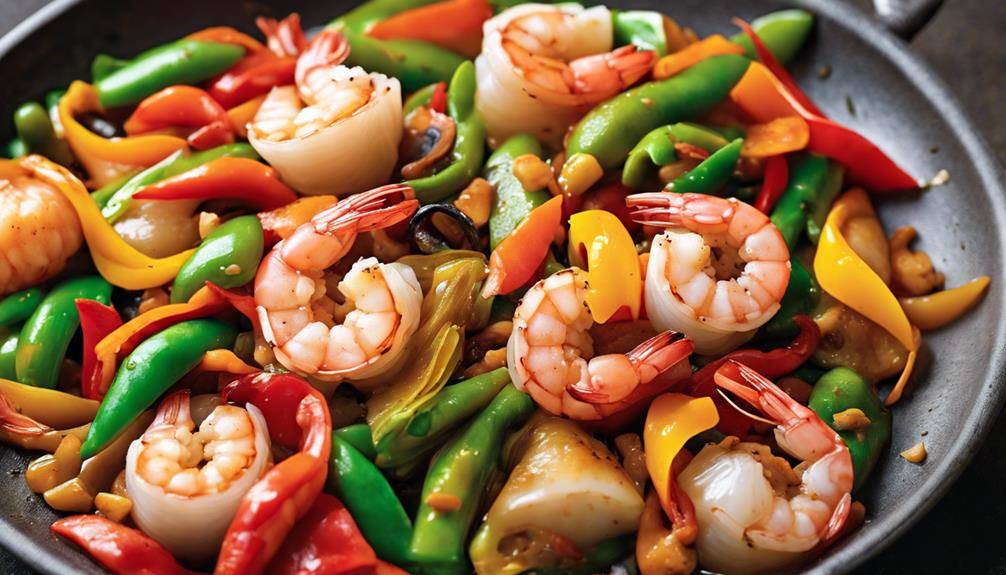
Stir-Frying Seafood: Shrimps And Scallops: Stir-frying shrimp and scallops is a fast and healthy way to enjoy these seafood delights. Start by choosing fresh, firm shrimp and plump scallops. Rinse them well and pat dry. Heat your wok on high and use minimal oil to keep the calorie count low. Cook shrimp for 2-3 minutes and scallops for 2-4 minutes, ensuring they're golden and cooked through. Add colorful veggies for added nutrition and flavor. Don't forget to use marinades to enhance taste! Mastering these steps leads to a delicious dish that's easy to whip up, and you'll uncover even more tips along the way!
Click Here and Turn Every Masterpiece into a Showstopper!
Benefits of Stir-Frying Seafood
Stir-frying seafood brings a world of flavor and health benefits to your plate. This cooking method not only preserves the natural taste of shrimp and scallops but also enhances their nutritional benefits. When you stir-fry, you use high heat for a short period, which helps retain essential nutrients like omega-3 fatty acids, vitamins, and minerals. By quickly cooking your seafood, you can enjoy a dish that's not only delicious but also packed with health-promoting properties.
One of the main cooking advantages of stir-frying is its speed. You can whip up a flavorful meal in just minutes. This is especially convenient for busy weeknights when you're short on time but still want to prepare something wholesome. Additionally, stir-frying allows you to incorporate a variety of colorful vegetables, boosting the overall nutritional value of your meal. The quick cooking time locks in flavors, ensuring that each bite remains tender and juicy.
Another benefit is the versatility of stir-frying. You can easily experiment with different sauces and seasonings, allowing you to tailor the dish to your taste preferences. Plus, using a minimal amount of oil compared to other cooking methods means you can enjoy your seafood without added calories. Overall, stir-frying seafood is a quick, nutritious, and flavorful way to elevate your dining experience, making it a fantastic choice for anyone looking to eat healthily without sacrificing taste.
Selecting Fresh Shrimp and Scallops
When selecting fresh shrimp and scallops, you should pay close attention to their appearance and color. Look for vibrant hues and a firm texture, as these indicate freshness. Additionally, consider sourcing options that prioritize sustainability to guarantee you're making an environmentally conscious choice.
Appearance and Color
Selecting fresh shrimp and scallops can be a visual delight, but it requires a keen eye. When you're at the market, look for shrimp that have a translucent appearance and a firm, slightly glossy texture. Avoid any that appear dull or have a slimy coating, as these are signs of aging. Fresh shrimp should also have a light, even color—whether it's pink, gray, or white—without any dark spots.
For scallops, their color can range from creamy white to a soft beige. You want to choose scallops that are plump and moist, not dry or shriveled. A good scallop has a slight sheen, indicating freshness. Be cautious of any browning around the edges, which can indicate they're past their prime.
Both shrimp and scallops should display a pleasing visual appeal, enhancing the dish's overall look. When you stir-fry, the vibrant colors and varying textures create a beautiful presentation. The texture contrast between tender scallops and the snap of shrimp can elevate your dish, making it not just tasty but also visually enticing. So, pay attention to those details for a successful seafood stir-fry!
Sourcing and Sustainability
Understanding where your seafood comes from is just as important as knowing how to choose the freshest shrimp and scallops. When you're shopping, look for labels indicating sustainable sourcing. This guarantees you're supporting fisheries that prioritize the health of marine ecosystems.
Opt for shrimp and scallops caught through ethical fishing practices. This means they're harvested in ways that minimize bycatch and avoid damaging the seafloor. You can often find this information on packaging or by asking your fishmonger.
Fresh shrimp should have a mild, briny smell, while scallops should smell like the ocean—never fishy. When choosing, check for firm texture and a vibrant appearance. If you're buying frozen, guarantee the packaging is intact and free from ice crystals, which can indicate thawing and refreezing.
Lastly, consider the source's certifications. Look for organizations like the Marine Stewardship Council (MSC) or the Aquaculture Stewardship Council (ASC), which assure sustainable practices. By making conscious choices, you'll not only enjoy delicious seafood but also contribute to the preservation of our oceans for future generations.
Essential Tools for Stir-Frying
To achieve the best results in stir-frying seafood, having the right tools on hand makes all the difference. A high-quality wok is essential, and you'll find various wok types, each suited for different cooking methods. Carbon steel woks are popular due to their excellent heat conductivity and lightweight nature. If you prefer a non-stick option, consider a coated wok, but keep in mind that it may not withstand high heat as well as carbon steel.
When choosing a wok, look for one with a wide, flat bottom, as it provides better contact with your heat source and allows for even cooking. A well-seasoned wok will also enhance flavor and prevent sticking.
In addition to the wok, select the right utensil materials. Wooden or bamboo spatulas are excellent choices, as they won't scratch your wok's surface. Avoid metal utensils, which can damage the coating and alter the flavor of your seafood. A pair of long-handled tongs can also be handy for flipping and tossing ingredients quickly.
Don't forget about a lid! A well-fitting lid helps to trap heat and steam, which can be beneficial for certain dishes. Finally, consider investing in a splatter guard if you're concerned about mess while cooking. By gathering these essential tools, you'll set yourself up for success and create delicious stir-fried seafood that's sure to impress.
Preparing Your Ingredients
Before you start stir-frying, prepping your ingredients is vital for a smooth cooking process. Begin with your seafood—shrimp and scallops are great choices. Be certain to thaw them if they're frozen. Rinse them under cold water and pat them dry with paper towels. This step is fundamental, as excess moisture can lead to steaming instead of stir-frying.
Next, focus on your ingredient preparation. Chop up your vegetables into uniform pieces to guarantee they cook evenly. Bell peppers, snap peas, and green onions not only add color but also complement the seafood's flavor wonderfully. You can also prepare aromatics like garlic and ginger, mincing them finely for maximum potency.
Once you've got everything prepped, consider seafood marination. This process enhances flavor and adds depth to your dish. A simple marinade of soy sauce, sesame oil, and a touch of lime juice works wonders. Toss your shrimp and scallops gently in the marinade and let them sit for about 15–20 minutes. This not only infuses flavor but also helps in tenderizing the seafood.
Key Stir-Frying Techniques
When stir-frying seafood, the freshness of your ingredients is essential for achieving the best flavor and texture. You'll want to master heat control to guarantee your seafood cooks evenly without becoming rubbery. Plus, incorporating flavor-enhancing techniques can elevate your dish to new heights.
Preparing Fresh Ingredients
Preparing fresh ingredients is essential for a successful seafood stir-fry. When you choose shrimp and scallops, look for vibrant colors and firm textures. Fresh shrimp should have a slightly salty smell, while scallops should smell like the ocean—clean and briny. Remember, ingredient freshness is key to enhancing the flavors of your dish.
Before you start cooking, verify that your seafood is safe to eat. Rinse the shrimp and scallops under cold water to remove any residual grit or debris. For shrimp, peel and devein them, removing the shells and dark veins to guarantee a clean bite. When prepping scallops, trim away any tough muscle tissue around the edges for a more pleasant texture.
Don't forget about the vegetables you'll pair with your seafood. Fresh bell peppers, snap peas, and broccoli not only add color but also essential nutrients. Wash and chop them into uniform pieces to guarantee even cooking. By focusing on ingredient freshness and seafood safety, you'll create a delicious stir-fry that's packed with flavor and nutrition. Enjoy the process, and you'll be well on your way to mastering this quick and satisfying dish!
Heat Control Importance
Mastering heat control is vital for a successful stir-fry. When you're cooking seafood like shrimp and scallops, adjusting your heat settings can make all the difference. Start with a high temperature to guarantee your oil is hot enough before adding your ingredients. This initial heat sears the seafood quickly, locking in moisture and enhancing flavor.
Once you've added the shrimp and scallops, it's imperative to maintain proper temperature control. If the heat is too low, your seafood can steam instead of stir-fry, resulting in a rubbery texture. Conversely, if it's too high, you risk burning the delicate proteins. A good rule of thumb is to keep the heat at medium-high and adjust as needed based on how the seafood cooks.
Don't forget to continuously stir the ingredients. This helps distribute the heat evenly and prevents any one piece from overcooking. By mastering your heat settings and monitoring temperature control, you'll achieve that perfect stir-fry texture and flavor, making your seafood dish truly shine. So, keep an eye on the heat, and enjoy the process of creating a delicious stir-fry!
Flavor Enhancing Techniques
In a sizzling wok, the right techniques can elevate your seafood stir-fry from ordinary to extraordinary. To enhance the flavors of shrimps and scallops, start by incorporating umami boosters like soy sauce, fish sauce, or oyster sauce. These ingredients add a savory depth that complements the natural sweetness of the seafood.
Next, don't underestimate the power of spice blends. Whether you opt for a pre-made mix or create your own, spices like ginger, garlic, and chili flakes can transform your dish. Toss in a pinch of five-spice powder or a dash of curry powder for a delightful twist.
Also, consider marinating your seafood before stir-frying. A simple marinade with ingredients like sesame oil, lime juice, and a hint of sugar can really bring out the flavors. When you add your seafood to the hot wok, make sure to keep it moving; this guarantees even cooking and prevents sticking.
Flavorful Marinades and Sauces
A vibrant marinade can elevate your seafood stir-fry from ordinary to extraordinary. When you're working with shrimp and scallops, the right blend of flavors makes all the difference. Start by experimenting with spicy marinades that pack a punch. Combine soy sauce, minced garlic, ginger, and a splash of sesame oil to create a base that's both savory and zesty. You can kick it up a notch by adding red pepper flakes or sriracha for that extra heat. Let your seafood marinate for about 15-30 minutes to absorb all those flavors.
Citrus sauces are another fantastic option to take into account. Think about mixing fresh lime or lemon juice with honey, garlic, and a touch of olive oil. This combination brings a revitalizing tang that complements the natural sweetness of shrimp and scallops. You can also add zest from those citrus fruits to enhance the aroma and flavor even further.
Once your seafood is marinated, the real magic happens in the stir-fry. As you cook, the marinades will caramelize slightly, creating a beautiful glaze over your ingredients. Don't forget to reserve some of your marinade to drizzle on top before serving for an extra burst of flavor. With these flavorful marinades and sauces, your seafood stir-fry will not only taste amazing but also impress your guests. So, get ready to indulge in a delicious meal that's easy to prepare and packed with flavor!
Click Here and Turn Every Masterpiece into a Showstopper!
Perfect Vegetable Combinations
Choosing the right vegetables can make your seafood stir-fry truly shine. When you pick vegetables, think about how their textures and colors will complement your shrimp and scallops. For example, crisp bell peppers add a nice crunch, while tender baby spinach provides a contrasting softness. Combining these vegetable textures creates a dynamic dish that's pleasing to both the eye and the palate.
Color contrasts are just as important; they can elevate your stir-fry from ordinary to extraordinary. Bright green snap peas or broccoli florets not only add vibrancy but also pair beautifully with the pink hue of shrimp and the delicate white of scallops. You might also consider adding carrots, which bring a sweet crunch and a pop of orange.
Don't forget about aromatics! Sliced onions and minced garlic can introduce depth to your dish, enhancing the overall flavor. You can also mix in some mushrooms, which will provide an earthy note and a chewy texture that balances the lighter seafood.
For a well-rounded stir-fry, aim to include a variety of vegetables, ensuring a blend of different colors and textures. This approach will not only make your dish visually appealing but also maximize the flavor. Remember, the goal is to create a harmonious mix that complements the seafood while offering delightful surprises in every bite. So grab your favorite veggies, and let's get cooking!
Cooking Times for Seafood
Perfectly cooked seafood can make or break your stir-fry, so understanding cooking times is vital. When you're working with shrimp and scallops, timing is important to achieve the right seafood textures that elevate your dish.
For shrimp, you'll want to stir-fry them for about 2-3 minutes. They should turn pink and opaque when they're done. Overcooking can lead to rubbery shrimp, so keep an eye on them. If you're using larger shrimp, you might need an extra minute, but always check for that telltale color change.
Scallops require a bit more attention. Cook them for around 2-4 minutes, depending on their size. You're looking for a golden crust on one side before flipping them over and finishing the cooking. Scallops should be firm yet slightly translucent in the center. Just like shrimp, don't let them go too long, or they'll become tough and chewy.
To help you with timing guidelines, consider having your seafood prepped and ready to go before you start cooking. This way, you can focus on the stir-frying process without worrying about overcooking. If you're adding vegetables, make sure they're cut into similar sizes and ready to toss in with the seafood at the right moment for even cooking.
Serving Suggestions and Pairings
When it comes to serving your stir-fried seafood, the right side dishes can elevate the meal. Consider pairing it with light, revitalizing options like steamed vegetables or fragrant jasmine rice. Don't forget to think about wine pairings and garnishes to enhance the flavors even further!
Ideal Side Dishes
Pairing the right side dishes with your stir-fried seafood can elevate your meal to new heights. For a light and invigorating option, consider serving a crisp cucumber salad. Its coolness perfectly complements the richness of shrimps and scallops. If you're in the mood for something heartier, rice noodles tossed in soy sauce and sesame oil can soak up the flavors of your stir-fry beautifully.
Grilled asparagus adds a lovely crunch and earthy taste that balances the dish, while sesame broccoli brings a nutty twist. Roasted carrots, drizzled with honey and olive oil, provide a sweet contrast to the savory seafood. If you're looking for something classic, garlic bread is always a hit, perfect for soaking up any leftover sauce.
For a nutritious side, a quinoa salad with fresh veggies makes a delightful pairing, adding both texture and flavor. And if you want to indulge, crispy potato wedges will satisfy those comfort food cravings. With these side dishes, your stir-fried seafood will shine, making your meal a memorable culinary experience.
Wine Pairing Tips
Choosing the right wine can enhance your stir-fried seafood experience considerably. When you're pairing wine with shrimps and scallops, consider the flavor profiles of the seafood varieties. White wine, especially crisp options like Sauvignon Blanc or Pinot Grigio, complements the delicate flavors beautifully. If you prefer red wine, opt for a light-bodied choice, such as Pinot Noir, which can work surprisingly well when served slightly chilled.
Sparkling wine is another great option; its acidity balance cuts through the richness of the dish, adding a revitalizing touch. When selecting regional wines, think of those that come from coastal areas, as they often highlight seafood flavors.
Follow temperature guidelines: serve white and sparkling wines chilled at 45-50°F, while light reds can be enjoyed slightly cooler at 55-60°F. Glassware recommendations also matter; use tulip-shaped glasses for whites and flutes for sparkling wine to enhance the aromas.
Garnishing Ideas
Elevating your stir-fried seafood can be as simple as adding the right garnishes. Start by scattering colorful herbs like cilantro, basil, or chives over your dish just before serving. These vibrant greens not only add a pop of color but also enhance the flavors of your shrimp and scallops.
Next, consider a sprinkle of citrus zest—lemon, lime, or orange—to brighten up your meal. The zesty aroma will complement the seafood beautifully and provide an appealing contrast to the savory elements of your stir-fry.
For an extra touch, you might drizzle a little sesame oil or a squeeze of fresh citrus juice right before serving. These simple additions can elevate the dish from good to unforgettable.
Pair your stir-fried seafood with a side of jasmine rice or a fresh green salad to balance the richness. Don't forget to serve your dish with a small bowl of soy sauce or a dipping sauce on the side for an added flavor boost. With these garnishing ideas, your stir-fried seafood will become a feast for the senses that your guests will love.
Troubleshooting Common Issues
When stir-frying seafood, you might encounter a few common issues that can affect the final dish. One of the most frequent problems is overcooked seafood. It's essential to cook shrimp and scallops quickly over high heat to retain their tenderness. If you notice your seafood turning rubbery or dry, it's likely been cooked too long. To avoid this, keep an eye on the cooking time and remove the seafood from the pan as soon as it turns opaque and firm.
Another issue you may face is achieving the right sauce consistency. If your sauce is too thin, it won't cling to the seafood properly, leaving your dish lacking in flavor. To correct this, you can add a cornstarch slurry or let the sauce simmer longer to thicken it up. Conversely, if your sauce is too thick, add a splash of broth or water to loosen it up.
Additionally, make sure you're adding your ingredients in the right order. Start with aromatics like garlic and ginger, then add vegetables, followed by the seafood. This method helps in balancing flavors and achieving the perfect texture.
Lastly, remember to season properly. A pinch of salt or a splash of soy sauce can drastically enhance the dish. By keeping these common issues in mind, you can create a delicious and visually appealing stir-fried seafood dish that's sure to impress.
Delicious Stir-Fry Recipes
Stir-frying seafood opens up a world of flavorful possibilities, and you can create a variety of delicious dishes in no time. For a quick shrimp meal, combine fresh shrimp with colorful veggies like bell peppers and snap peas. Use a simple seafood marinade of soy sauce, garlic, and ginger to enhance those seafood flavor profiles. If you're in the mood for a scallop stir fry, try searing scallops until golden brown, then toss them with broccoli and a splash of sesame oil for a delightful crunch.
Experiment with different stir fry variations by incorporating unique spice combinations. Add a pinch of chili flakes for heat or a sprinkle of five-spice powder for an aromatic twist. Don't shy away from healthy seafood meals; substitute traditional noodles with zucchini noodles to lighten up your dish.
When it comes to cooking techniques, remember that high heat is key in stir-frying. This method locks in moisture while achieving that perfect sear. If you're prepping meals for the week, consider batch cooking your seafood. Just marinate and freeze shrimp or scallops in advance, so they're ready to go when you are.
Click Here and Turn Every Masterpiece into a Showstopper!
Frequently Asked Questions: Stir-Frying Seafood: Shrimps And Scallops
Can I Freeze Leftover Stir-Fried Shrimp and Scallops?
You can freeze leftover stir-fried shrimp and scallops using proper freezing techniques. Just make certain they're cooled, sealed in airtight containers, and labeled. This way, you'll maintain seafood quality during storage for future meals.
What Wine Pairs Best With Seafood Stir-Fry?
When choosing a wine for seafood stir-fry, opt for crisp whites like Sauvignon Blanc or Chardonnay. Their wine characteristics enhance flavors while regional pairings, like Italian Vermentino, complement seafood beautifully. You'll enjoy a delightful dining experience!
Are There Vegetarian Alternatives to Shrimp and Scallops?
You can try using mushrooms or jackfruit as vegetarian substitutes. They mimic seafood textures remarkably well, providing a satisfying bite while absorbing flavors in your dishes. Enjoy experimenting with these plant-based options!
How Can I Make My Stir-Fry Spicier?
To kick up your stir-fry's spice level, add fresh chilies or chili paste. Experiment with different heat sources like Sriracha or hot sauce. Taste as you go, adjusting until you find your perfect balance.
Is It Safe to Reheat Stir-Fried Seafood?
Yes, it's safe to reheat stir-fried seafood if you follow proper food safety guidelines. Use effective reheating techniques like microwaving or stovetop heating, ensuring the seafood reaches at least 165°F to eliminate bacteria.

Conclusion
Stir-frying shrimp and scallops is not just quick and easy; it's a delicious way to enjoy fresh seafood. By selecting quality ingredients and using the right techniques, you can create mouthwatering dishes that impress. Remember to keep an eye on cooking times and experiment with flavors to find your perfect combination. So, grab your wok and get cooking—your taste buds will thank you for a delightful seafood stir-fry experience! Enjoy every bite!