Heat Control In Stir-Frying Technique
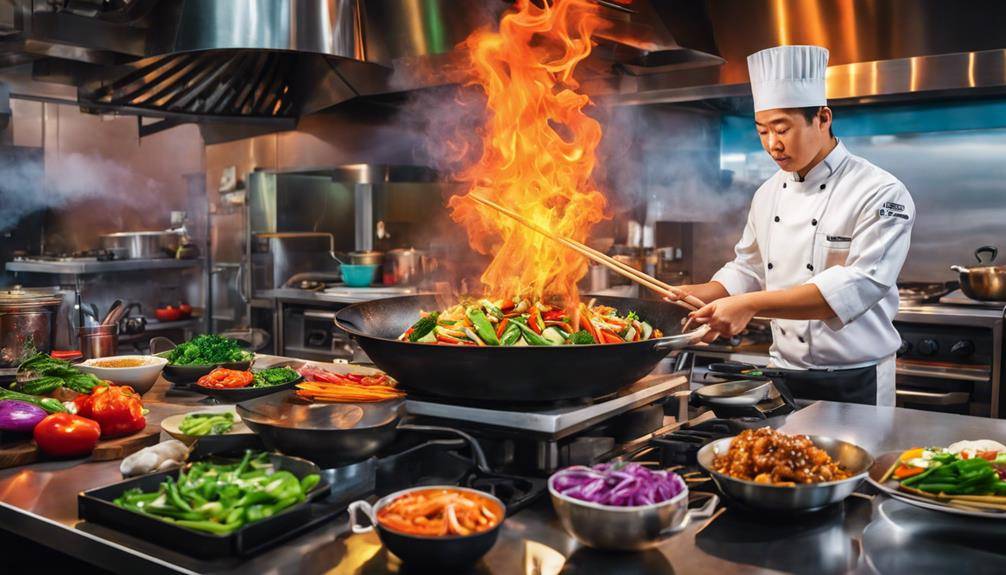
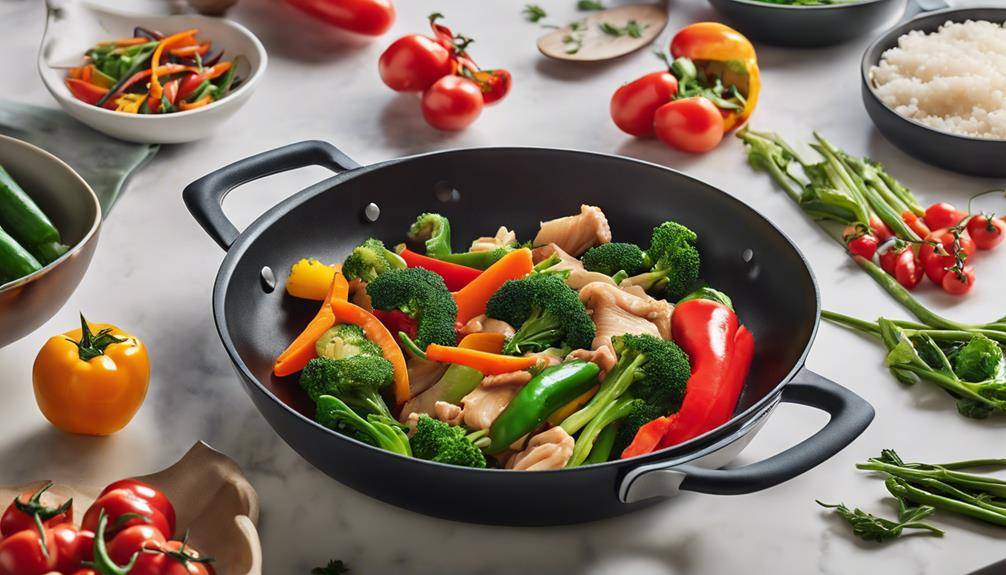
Heat Control In Stir-Frying Technique: Mastering heat control in stir-frying is essential for perfect results. You'll want to use high heat to quickly sear ingredients, locking in moisture while enhancing flavors. Each type of stove offers different heat dynamics—gas provides quick adjustments, while electric may struggle with retention. Preheating your wok properly and using oils with high smoke points can prevent sticking and guarantee even cooking. Adjust your heat based on the ingredients; harder vegetables can handle the heat, while softer ones should be added later. Keep practicing these techniques, and you'll discover even more ways to elevate your stir-fry dishes.
Click Here and Turn Every Masterpiece into a Showstopper!
Importance of Heat Control
When it comes to stir-frying, mastering heat control is vital for achieving perfectly cooked dishes. The right temperature makes all the difference in the world, as it directly impacts the texture, color, and flavor of your ingredients. When you crank up the heat, you create a quick sear that locks in moisture and enhances the natural flavors of your vegetables and proteins. This is where flavor enhancement becomes important. A high flame allows ingredients to caramelize, releasing their sugars and developing a rich, savory taste that elevates your dish.
But heat control isn't just about going full blast; it's about knowing when to adjust it based on ingredient compatibility. Not all ingredients cook at the same rate. For instance, delicate vegetables like bell peppers or snap peas require a shorter cooking time, while heartier options like carrots need more time to become tender. By understanding how different ingredients react to heat, you can guarantee that everything cooks evenly without burning or becoming mushy.
To achieve that perfect stir-fry, think of heat control as your guiding hand. Start with high heat to get things sizzling, then adjust as necessary to maintain a consistent cooking temperature. This will help you showcase the unique qualities of each ingredient while making sure they all come together harmoniously. So, remember, it's not just about turning up the heat; it's about mastering it for the best stir-frying results.
Types of Heat Sources
While various heat sources can impact your stir-frying technique, understanding their differences helps you choose the right one for your kitchen. Electric stoves offer convenience and energy efficiency, but they often struggle with heat retention and distribution. If you prefer precise temperature control, induction cooktops might be your best bet. They provide rapid heat conductivity and excellent flame control, guaranteeing your ingredients cook evenly.
Gas ranges are beloved by many chefs for their ability to produce high heat and quick adjustments. However, you'll need to pay attention to your cookware; stainless steel and cast iron woks work well, while ceramic woks may not handle intense flames as effectively. Wok rings can also help stabilize your wok on these ranges.
For those who want flexibility, portable burners are a great option. They can be used anywhere, but their heat distribution can vary, so choose wisely. Charcoal stoves add a unique flavor to your stir-fry, but they require more safety precautions and patience for heat management. Finally, infrared cookers provide intense heat and quick cooking times, but you'll need to verify your wok is compatible for best results.
In each case, consider the cooktop materials and how they interact with your chosen wok. Whether you opt for traditional cast iron, lightweight stainless steel, or ceramic, understanding your heat source will enhance your stir-frying experience.
Understanding Your Stove
To master stir-frying, you need to understand your stove's capabilities. Different heat sources produce varying levels of intensity, so you'll want to adjust the flame to suit your cooking needs. By learning how to control the heat, you can achieve that perfect sear every time.
Types of Heat Sources
Understanding the types of heat sources available for your stove is essential for mastering the stir-frying technique. Different stoves offer various heat characteristics that influence your cooking methods. Gas burners, for instance, provide direct heat and excellent flame control, allowing you to adjust the heat intensity quickly. This is vital for achieving the high temperatures needed in stir-frying.
On the other hand, electric stoves typically use indirect heat, which can lead to slower heat distribution and less control over temperature changes. However, they often excel in energy efficiency and heat retention, making them suitable for those who prefer a more consistent cooking experience.
Infrared heat is another option, offering rapid heating and even heat distribution, which can be beneficial for stir-frying. It heats cookware directly, reducing waiting time. Regardless of the stove type, understanding how each heat source affects your stir-frying process will help you adapt your technique effectively. Remember, the key to great stir-frying lies in knowing how to harness the unique properties of your stove's heat source for the best results.
Adjusting Flame Intensity
Mastering flame intensity is essential for achieving the perfect stir-fry. Your stove's flame modulation allows you to control the heat effectively, ensuring your ingredients cook evenly and maintain their vibrant colors and textures. Start with a high flame to quickly sear your proteins and vegetables, creating that desirable wok hei flavor.
Once you achieve that initial sizzle, you might need to adjust the flame. Reducing the heat slightly helps with heat retention, allowing the food to cook through without burning. It's a balancing act; if the flame is too low, your stir-fry can turn soggy instead of crispy.
Keep an eye on your ingredients and adjust the flame as needed. If you notice things cooking too fast, dial it back to avoid charred bits. Conversely, if you're not seeing that beautiful browning, crank it up for a short burst.
The Role of Wok Material
The material of your wok plays an essential role in achieving ideal heat control during stir-frying. Different wok materials, such as carbon steel, cast iron, and non-stick coatings, each offer unique advantages that affect your cooking performance. For instance, carbon steel woks are known for their excellent thermal conductivity, allowing heat to distribute evenly across the surface. This feature enhances your ability to create those signature high-heat, quick-cooking meals.
Heat retention is another critical factor; a heavier cast iron wok retains heat longer, which can be advantageous for certain dishes. However, this weight difference may make it less convenient for everyday use, especially during high-paced cooking sessions. When considering durability, carbon steel and cast iron woks generally outlast non-stick options, provided you follow proper maintenance practices like seasoning and avoiding metal utensils.
In addition to durability, the choice of wok material can greatly affect flavor enhancement. For example, well-seasoned carbon steel can impart a depth of flavor that complements stir-fried dishes beautifully. On the other hand, non-stick surfaces may limit flavor development due to their coating.
Ultimately, selecting the right wok material involves balancing heat retention, thermal conductivity, and maintenance practices with your personal cooking style. By understanding these factors, you can elevate your stir-frying techniques and achieve delicious results every time.
Temperature Zones in Stir-Frying
In stir-frying, understanding temperature zones is key to achieving the perfect dish. High heat brings out vibrant colors and quick cooking, while low heat allows for gentle simmering and flavor melding. By mastering these zones, you can elevate your stir-frying game considerably.
High Heat Benefits
When you crank up the heat in stir-frying, you release a world of flavor and texture that can elevate your dishes. High heat is crucial for achieving that perfect sear on your ingredients, locking in moisture while allowing the natural sugars to caramelize. This process leads to significant flavor enhancement, giving your stir-fry a depth that lower temperatures just can't achieve.
As you stir-fry at high temperatures, you'll notice a dramatic texture improvement in your vegetables and proteins. The quick cooking time at elevated heat maintains that desirable crunch in veggies, preventing them from becoming mushy. This contrast between tender and crisp creates a delightful eating experience. Additionally, the high heat promotes a Maillard reaction, which adds a unique savory note, enhancing the overall complexity of the dish.
Don't forget to keep your ingredients moving in the pan! Stirring consistently guarantees even cooking and prevents burning. Embracing high heat in your stir-frying technique not only amplifies flavors but also transforms the textures of your food, making every bite a joy to savor. So go ahead, heat things up, and enjoy the benefits of high-heat stir-frying!
Low Heat Applications
While high heat is fantastic for searing and enhancing flavors, low heat has its own important role in stir-frying. When you're working with delicate ingredients or want to develop a rich, layered flavor, utilizing low heat techniques can be a game changer. One of the key low heat benefits is that it allows for even cooking, guaranteeing that your vegetables retain their vibrant colors and crisp textures without becoming mushy.
You might use low heat to gently sauté aromatics like garlic and ginger, letting their flavors infuse into the oil before adding other ingredients. This method guarantees that the aromatics don't burn, which can ruin your dish. Additionally, when you're working with proteins, low heat can help in slowly cooking tougher cuts, making them more tender and flavorful.
Another effective low heat technique is simmering sauces or broths. By allowing them to cook slowly, you encourage a deeper flavor profile to develop. So, don't underestimate the power of low heat in your stir-frying adventures. It's all about finding the right balance to elevate your dishes to the next level.
Searing Vs. Simmering
Searing and simmering are two fundamental techniques that can transform your stir-frying experience. When you sear ingredients, you're using high heat to achieve that delightful caramelization, which enhances the overall flavor. This method allows you to create a rich, savory crust on proteins and vegetables, showcasing the best of sauté techniques. The intense heat seals in juices, providing a burst of flavor that's hard to beat.
On the flip side, simmering involves cooking at a lower temperature, resulting in a gentle heat that allows for flavor infusion. This technique is ideal when you want to meld various ingredients together, creating a harmonious blend of tastes. By simmering, you give the spices and herbs time to permeate your dish, enriching it with complex flavors.
Choosing between searing and simmering depends on what you're aiming for in your stir-fry. If you're after that bold, charred flavor, searing is your go-to method. However, if you want to develop layers of taste and a more cohesive dish, simmering is the way to go.
Ultimately, mastering both techniques will elevate your culinary skills and enhance your stir-frying repertoire. You can mix and match these approaches to create dishes that are not only visually appealing but also bursting with flavor. So, experiment with searing and simmering to find the perfect balance for your next stir-fry masterpiece!
Managing Cooking Times
Your stir-fry's success hinges on managing cooking times effectively. Proper cooking time management guarantees that each ingredient reaches its best texture and flavor without overcooking. To achieve this, you need to take into account the different cooking times for each component in your stir-fry.
Start by preparing your ingredients. Chop vegetables and proteins into uniform sizes to promote even cooking. Softer vegetables, like bell peppers or mushrooms, will cook faster than denser items like carrots or broccoli. When you're ready to cook, layer your ingredients based on their required cooking times.
Begin with proteins, as they typically take longer to cook. Once they're nearly done, add the denser vegetables next. After a minute or two, toss in the quicker-cooking items. This method allows everything to finish cooking simultaneously, guaranteeing a harmonious blend of flavors and textures.
Keep an eye on the clock, but also rely on your senses. Look for visual cues, such as color changes and tenderness, to gauge doneness. If you're unsure, taste a piece to check if it meets your preference.
Click Here and Turn Every Masterpiece into a Showstopper!
Adjusting Heat for Ingredients
When stir-frying, you need to adjust the heat based on the ingredients you're using. For instance, vegetables often require a higher temperature to maintain their crunch, while proteins might need a gentler touch to cook evenly. Don't forget to take into account the timing for sauces, as they can change the overall heat and flavor profile of your dish.
Temperature for Vegetables
To achieve perfectly cooked vegetables in stir-frying, adjusting the heat is essential, as different ingredients require varying temperatures to release their flavors and maintain their textures. Start with high heat to quickly sear your vegetables, which helps to lock in their natural juices. For firmer vegetables like carrots and bell peppers, you'll want to keep the heat high to guarantee they stay crisp while achieving that vibrant color retention. This quick cooking method prevents them from becoming mushy.
As you stir-fry, consider the cooking times of each vegetable. Softer vegetables, like zucchini or spinach, can be added later in the process when you lower the heat slightly. This way, you make certain they cook through without losing their shape or becoming overly soft.
Always keep an eye on the color; bright, vibrant hues indicate freshness and proper cooking. If you notice any vegetables starting to brown too quickly, it's a sign to reduce the heat. Mastering temperature control for vegetables not only elevates the dish but also highlights their natural flavors and textures, making your stir-fry a delightful experience.
Adjusting for Proteins
In stir-frying, achieving the perfect texture and flavor for proteins requires careful heat adjustments. Different protein types—like chicken, beef, or tofu—respond uniquely to heat, so it's essential to adjust your cooking times accordingly. Start by using effective cutting methods; thin slices cook faster and allow for better flavor development. For marinating techniques, consider using salty or acidic ingredients to enhance moisture management and flavor infusion.
When combining proteins, think about protein pairings that complement each other, like shrimp and vegetables or chicken with cashews. Use appropriate seasoning approaches to elevate the dish, ensuring spices and herbs balance with the protein's natural flavor.
As proteins cook, watch for texture variation. You want to achieve a crispy exterior while keeping the inside tender. If you're using tougher cuts, you might need longer resting periods after cooking to help tenderize the meat. Don't forget to adjust the heat based on the protein; higher heat is great for quick-cooking options, while lower heat might be necessary for thicker cuts. By mastering these adjustments, you'll create delicious stir-fries every time.
Timing for Sauces
Timing for sauces in stir-frying is essential for achieving a harmonious balance of flavors. You'll want to add your sauce at just the right moment to guarantee it melds perfectly with your ingredients. Start by stir-frying your proteins and vegetables at high heat to develop their flavors. Once they're nearly cooked, it's time to introduce the sauce.
Adjust the heat to medium-low when pouring in your sauce. This allows for better sauce consistency, preventing it from reducing too quickly or burning. Stir the mixture thoroughly, making sure every ingredient is coated evenly. If your sauce is too thick, you can add a splash of water or broth to achieve the desired texture.
Keep an eye on the timing; letting the sauce simmer for too long can lead to an overpowering flavor balance. Aim for just a couple of minutes to let the ingredients absorb the sauce without losing their integrity. By mastering the timing for your sauces, you'll enhance the overall dish, creating a delicious stir-fry that shines with flavor and texture. Remember, it's all about striking that perfect balance!
Using Oil Wisely
Using oil wisely is essential for achieving the perfect stir-fry. The right oil selection can enhance flavors and withstand the high heat of stir-frying. For this technique, you should opt for oils with a high smoke point, like canola, grapeseed, or peanut oil. These oils not only tolerate the elevated temperatures but also maintain their integrity, allowing you to achieve that signature sear on your ingredients.
Before you start cooking, pay attention to oil temperature. When the oil's hot enough, it creates a non-stick surface, ensuring your vegetables and proteins cook evenly without absorbing excess oil. You can test the oil's readiness by adding a small piece of food; if it sizzles immediately, you're good to go. If it smokes, you've gone too far, and it's best to start over with a fresh batch of oil.
It's also vital to avoid using too much oil. A common mistake is drowning your ingredients, which can lead to a greasy stir-fry. Instead, use just enough oil to coat the bottom of your pan and allow for even cooking. You might find that as you stir-fry, you can even add a splash of water or broth to help steam your veggies without upping the oil content.
Preheating Techniques
Preheating your pan is essential for achieving that perfect stir-fry. When you use effective preheating methods, you make certain your ingredients cook evenly and quickly, locking in flavors and textures. Start by selecting the right pan; a wok or a heavy skillet works best. Place it on your burner over medium-high heat. Allow it to heat up for a few minutes. You're aiming for ideal temperatures around 400°F to 450°F, which is hot enough to sear your ingredients without burning them.
To check if your pan is preheated correctly, sprinkle a few drops of water into the pan. If they dance and evaporate almost immediately, you're good to go. If the water just sits there, give it more time. Once you reach the desired temperature, add your cooking oil. It should shimmer and glide across the surface, indicating that the pan is ready for your ingredients.
Another popular method is the oil test. Pour a small amount of oil into the pan and watch it heat up. If the oil begins to ripple, it's a sign that you've hit the right temperature. Remember that preheating time may vary depending on your stove and the material of your pan, so keep an eye on it.
Signs of Proper Heat
Recognizing the signs of proper heat is essential for a successful stir-fry. When you heat your wok or pan, you want to reach that ideal temperature where the oil is shimmering but not smoking. The smoke point of your oil is a vital indicator; if you see smoke, it means your oil is too hot and could negatively affect your dish's flavor development. Instead, look for a glistening surface to know you're in the right zone.
Another key sign of proper heat is the sound. When you add your ingredients, they should sizzle immediately. This sound indicates that the food is searing, which locks in moisture and enhances flavor. If it merely hisses or doesn't make much noise, your heat might be too low, resulting in steaming rather than stir-frying.
Watch for the color of your ingredients as well. Vegetables should brighten up quickly, maintaining their vibrant colors while developing a slight char. This contrast adds layers to your dish and showcases that you're achieving proper heat.
Additionally, when you stir-fry, keep an eye on the cooking speed. If your ingredients are cooking evenly and quickly, you're likely at the right temperature. However, if they're taking too long or burning in spots, it's time to adjust.
Common Mistakes to Avoid
When it comes to stir-frying, many home cooks make the mistake of overcrowding the pan. You might think that adding more ingredients will enhance the flavor, but it actually leads to steaming rather than frying. When the pan is full, the temperature drops, preventing that sought-after sear. Instead, aim to cook in batches if you have a lot of ingredients. This way, you'll allow each piece to get that beautiful caramelization.
Another common mistake is using cold oil. If you're in a hurry and skip heating your oil properly, you'll miss out on that crispy texture and rich flavor. Cold oil causes your ingredients to stick to the pan, making it difficult to achieve the desired results. Always heat your oil until it shimmers before adding any food. This guarantees even cooking and helps seal in the flavors.
Also, don't forget about your prep work. Chopping your vegetables and proteins into uniform sizes not only helps with cooking time but also guarantees that everything cooks evenly. If you throw in unevenly-sized ingredients, some will be overcooked while others are underdone.
Tips for Perfecting Technique
To achieve perfect stir-frying, focus on maintaining high heat throughout the cooking process. This will guarantee your ingredients cook quickly and evenly, preventing them from becoming soggy. Start by preheating your wok or skillet until it's smoking hot. Add a small amount of oil, and let it heat up before tossing in your ingredients.
Use a variety of ingredient combinations to keep your stir-fries exciting. Combine proteins like chicken, beef, or tofu with colorful vegetables such as bell peppers, broccoli, and snap peas. The contrast in textures and flavors will elevate your dish. Don't overcrowd the pan; this will lower the temperature and lead to steaming rather than stir-frying. Work in batches if necessary.
Another tip is to cut your ingredients into uniform sizes. This helps them cook evenly and guarantees each bite is delicious. When adding your ingredients, start with the ones that take longer to cook, like carrots, and follow up with quicker-cooking items like leafy greens.
Incorporate various stir fry variations by experimenting with sauces. Soy sauce, oyster sauce, or even a homemade stir fry sauce can add depth to your dish. Remember to add your sauce towards the end of cooking to prevent burning.
Lastly, keep your spatula moving! Stir-frying is all about constant motion. This technique not only promotes even cooking but also infuses flavors throughout your dish. Enjoy perfecting your stir-frying skills!
Click Here and Turn Every Masterpiece into a Showstopper!
Frequently Asked Questions: Heat Control In Stir-Frying Technique
What Types of Foods Are Best for Stir-Frying?
For stir-frying, you're best off with crisp stir fry vegetables, like bell peppers and broccoli, versatile protein options such as chicken or tofu, flavorful sauce choices, and high-temperature cooking oils for that perfect sizzle.
Can I Stir-Fry Without a Wok?
Yes, you can definitely stir-fry without a wok! Try using a large skillet or a sauté pan instead. These stir fry alternatives work well, ensuring even cooking and great flavor for your ingredients.
How Do I Clean My Wok After Stir-Frying?
To clean your wok, use warm water and a soft sponge. Avoid harsh detergents. For wok maintenance, regularly season it with oil to prevent rust. These cleaning techniques will keep your wok in great shape.
Are There Any Vegetarian Stir-Fry Recipes?
Absolutely, you can create delicious vegetarian stir-fries! Experiment with vegetable combinations like bell peppers and broccoli, and try sauce variations such as soy sauce, teriyaki, or sesame for added flavor. Enjoy your cooking adventure!
How Can I Make Stir-Frying Healthier?
To make stir-frying healthier, you can use healthy oils like olive or avocado oil, and practice portion control. Load up on veggies, lean proteins, and whole grains to boost nutrition while keeping flavors vibrant.

Conclusion
Mastering heat control in stir-frying is essential for achieving that perfect balance of flavor and texture. By understanding your stove, choosing the right wok material, and utilizing temperature zones, you can elevate your cooking. Always preheat your wok and watch for signs of proper heat to avoid common pitfalls. With practice and attention to detail, you'll perfect your stir-frying technique and impress everyone at the table. So, get cooking and enjoy the delicious results!