The Best Pan For Frying Eggs
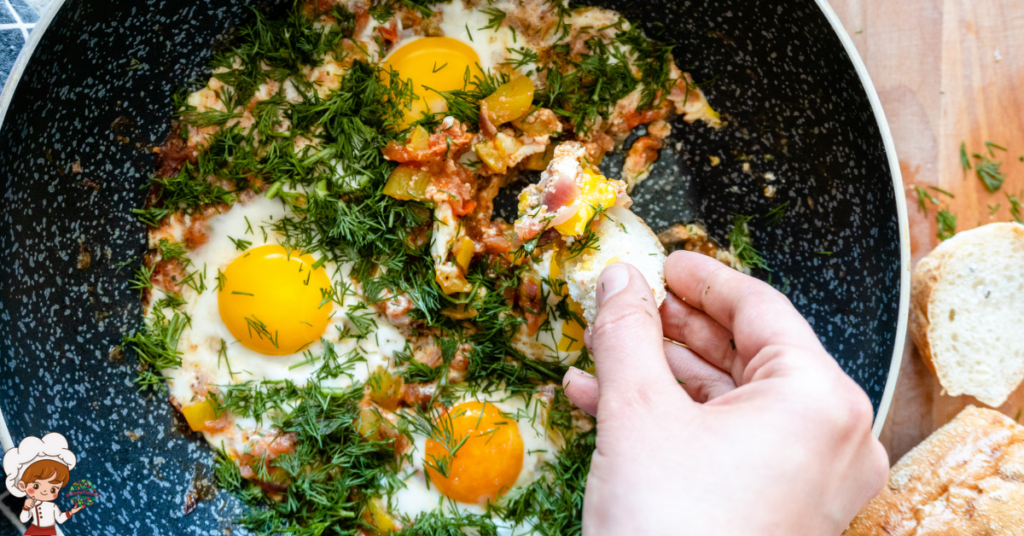
The Best Pan For Frying Eggs; To fry eggs perfectly, you’ll want a non-stick pan for easy release and cleanup. Non-stick pans require less oil, making your eggs healthier too. If you prefer something a bit sturdier, consider cast iron for its excellent heat retention and natural non-stick qualities. Stainless steel is great for evenly cooked eggs, while ceramic-coated pans are a healthier option free from harmful chemicals. Popular brands like T-fal and Lodge offer reliable choices. Pay attention to size based on how many eggs you plan to cook. Stick around to discover the best techniques for frying eggs using your chosen pan.
Click Here and Turn Every Masterpiece into a Showstopper!
Importance of the Right Pan
Have you ever wondered why the right pan makes all the difference when frying eggs? The truth is, pan selection can make or break your egg frying experience. Choosing the right pan not only impacts how your eggs cook but also how easily they release from the surface. A good frying pan helps achieve that perfect balance between crisp edges and a tender yolk.
When you’re egg frying, consider the material of the pan. Some materials heat evenly, while others may create hot spots that lead to uneven cooking. For instance, cast iron pans retain heat well and provide a nice sear, but they require a bit more finesse. On the other hand, stainless steel pans can offer a great sear but might require a bit more oil to prevent sticking.
You’ll also want to think about the size of the pan. A smaller pan is ideal for one or two eggs, allowing for better control over the cooking process. If you’re cooking for a crowd, a larger pan can accommodate multiple eggs at once, but you’ll need to manage the heat to prevent overcooking.
Ultimately, the right pan can elevate your egg frying game. It can help you achieve that perfect sunny-side-up egg or a beautifully flipped over-easy. So, next time you’re ready to cook, pay attention to your pan selection—it really does matter!
Non-Stick Frying Pans
When it comes to frying eggs, non-stick frying pans are often the go-to choice for many cooks. Their smooth surfaces allow the eggs to slide right out, making cleanup a breeze. If you’ve ever struggled with egg sticking to your pan, you’ll appreciate how non-stick options can elevate your cooking experience.
When using a non-stick frying pan, you’ll want to master some frying egg techniques to get the best results. Start by preheating your pan over medium to low heat; this helps the non-stick coating perform efficiently. You can add a small amount of butter or oil, but you’ll find that many non-stick alternatives allow for cooking with less fat, giving you healthier eggs without sacrificing flavor.
Cracking your eggs directly into the pan is a skill you’ll hone over time. To prevent any mess, consider using a small bowl to catch the eggs first. This way, you can easily transfer them to the pan without any shell mishaps. As the eggs cook, you can gently wiggle the pan to guarantee even cooking, and using a spatula can help you flip or slide them out effortlessly.
Keep in mind, though, that not all non-stick pans are created equal. Look for high-quality options with durable coatings. With the right non-stick frying pan and proper frying egg techniques, you’ll be serving up perfectly cooked eggs in no time!
Cast Iron Cookware
Cast iron cookware stands out as a versatile choice for frying eggs, offering excellent heat retention and even cooking. When you use a well-seasoned cast iron skillet, you’ll find that it can deliver perfectly cooked eggs with a beautiful golden crust. The key to achieving that perfect fry lies in maintaining your cast iron seasoning, which creates a natural non-stick surface over time.
You might worry about sticking, but with proper seasoning, your eggs will slide right off the skillet. Regularly cooking with fats like butter or oil not only enhances flavor but also helps maintain that essential seasoning layer. Plus, a cast iron skillet isn’t just limited to eggs. Its versatility means you can use it for a variety of dishes, from pancakes to sautéed vegetables, making it a staple in your kitchen.
Another advantage of cast iron is its ability to retain heat. Once the skillet is heated, it stays hot, which is ideal for frying eggs evenly without cold spots. This even cooking can help prevent those frustrating burnt edges while ensuring the yolks remain runny, just the way you like them.
Stainless Steel Options
When it comes to frying eggs, stainless steel pans offer excellent heat distribution efficiency, ensuring your eggs cook evenly. While they don’t come with a non-stick coating, you can still achieve great results with the right technique. Plus, their durability means you won’t have to replace them often, making maintenance straightforward.
Click Here and Turn Every Masterpiece into a Showstopper!
Heat Distribution Efficiency
In the domain of frying eggs, the heat distribution efficiency of stainless steel pans can make all the difference. When you’re frying eggs, you want even cooking to avoid those frustrating hot and cold spots that can ruin a perfectly good breakfast. Stainless steel pans excel in this area due to their ability to conduct heat uniformly across the surface.
One of the key advantages of stainless steel is its heat retention. Once it’s heated, a stainless steel pan holds that temperature well, allowing you to achieve the right sizzle without having to crank up the heat. This consistent temperature guarantees that your eggs cook thoroughly without sticking or burning, giving you that golden, fluffy texture you crave.
Moreover, the sturdy construction of stainless steel pans means they can handle high heat without warping, making them a reliable choice for all your frying needs. By investing in a quality stainless steel pan, you’ll enjoy the benefits of quick heat-up times and lasting performance. So, when you’re ready to whip up those eggs, a stainless steel pan will help you deliver a delicious breakfast with ease.
Non-Stick Coating Benefits
For those who love the durability of stainless steel but also want the convenience of easy food release, non-stick coatings offer an excellent solution. These coatings can enhance your cooking experience by ensuring that your eggs slide right out of the pan without sticking. This not only saves you time during cleanup but also preserves the integrity of your food, allowing you to showcase your cooking techniques effectively.
One of the main health benefits of using a non-stick coated stainless steel pan is that you can often use less oil or butter when frying eggs. This reduction means you can enjoy your favorite breakfast dish while keeping it lighter and healthier. Plus, non-stick surfaces tend to distribute heat evenly, which helps prevent overcooking or burning your eggs.
When you combine the resilience of stainless steel with a non-stick finish, you create a versatile cooking tool that caters to various techniques. Whether you’re scrambling, frying, or poaching, you’ll find that these pans not only simplify cooking but also encourage you to experiment with new dishes, all while keeping health in mind.
Durability and Maintenance Tips
Choosing a stainless steel pan with a non-stick coating doesn’t just enhance your cooking experience; it also sets you up for long-lasting durability. When you invest in a high-quality stainless steel frying pan, you’re making a long-term investment that pays off in both performance and longevity.
To keep your pan in top shape, always use utensils that won’t scratch the surface. Silicone or wooden tools are your best friends here. After cooking, let your pan cool down before washing it. This helps prevent warping. For cleaning, avoid abrasive scrubbers; instead, use a soft sponge and mild detergent. If food sticks, soak the pan in warm, soapy water for a bit before cleaning.
In a frying pan comparison, stainless steel options often outperform other materials regarding heat retention and even cooking. Additionally, they’re resistant to rust and staining, making them easier to maintain over time. By following these maintenance tips, you can guarantee your stainless steel frying pan remains a reliable kitchen companion, ready for countless delicious egg dishes and beyond.
Ceramic Coated Pans
When you’re looking for a great pan to fry eggs, ceramic coated pans offer excellent non-stick properties that make flipping a breeze. Their heat distribution efficiency guarantees your eggs cook evenly without sticking to the surface. You’ll appreciate how easy cleanup can be with these versatile pans in your kitchen.
Non-Stick Properties
If you’re looking to elevate your egg-frying experience, ceramic-coated pans offer impressive non-stick properties that make cooking and cleanup a breeze. These pans provide a smooth cooking surface that greatly reduces the chances of egg sticking, ensuring your fried eggs slide out effortlessly every time. You won’t have to worry about frustrating moments when you flip or slide your eggs onto a plate.
Ceramic coatings are free from PFOA and PTFE, making them a healthier choice compared to traditional non-stick options. They not only enhance your cooking experience but also add a touch of style to your kitchen. The non-stick properties of these pans allow for minimal oil usage, which is perfect if you’re aiming for a healthier meal.
When you use a ceramic-coated pan, you’ll find that cooking eggs becomes less about battling with your cookware and more about enjoying the process. The easy release of your eggs means more time savoring your meal and less time scrubbing dishes afterward. So, if you’re tired of your eggs sticking to the pan, a ceramic-coated option might just be your new best friend in the kitchen.
Heat Distribution Efficiency
Maximizing your cooking efficiency, ceramic-coated pans excel in heat distribution, guaranteeing your eggs cook evenly without hot spots. This even distribution is vital to achieving that perfect sunny-side-up egg or a flawlessly scrambled dish. Unlike traditional materials, ceramic coatings promote consistent heat retention, allowing the cooking surface to maintain the ideal temperature throughout your cooking process.
When you heat your ceramic-coated pan, the heat spreads evenly across the entire cooking surface. This means that every part of your egg gets the same exposure to heat, which is essential for cooking eggs to your desired doneness. You won’t have to worry about one side cooking faster than the other, which can often lead to uneven textures and flavors.
Furthermore, ceramic-coated pans are designed to withstand high temperatures, making them versatile for various cooking techniques. Whether you’re frying, sautéing, or even baking, the efficient heat distribution and retention can elevate your culinary efforts. So next time you crack an egg, consider reaching for a ceramic-coated pan to guarantee a perfectly cooked meal every time. You’ll enjoy the results and the ease of cleaning up afterward!
Copper Frying Pans
Copper frying pans are a fantastic choice for frying eggs due to their excellent heat conductivity. This means that they heat up quickly and distribute heat evenly, guaranteeing your eggs cook perfectly every time. Plus, the copper aesthetics bring a touch of elegance to your kitchen, making them not just functional but also visually appealing.
When it comes to copper longevity, these pans can last a lifetime with proper care. You’ll find that copper seasoning can enhance the surface, improving non-stick properties and flavor. These pans offer incredible copper versatility, allowing you to use them for various cooking techniques beyond just frying eggs.
However, copper maintenance is essential. To keep your pans looking their best, you’ll need to clean them regularly and occasionally polish them to maintain that beautiful shine. Don’t worry, though—most copper frying pans are still affordable compared to other high-end cookware, especially considering their durability and performance.
Safety is another important factor. When cooking with copper, make sure you choose pans lined with stainless steel or another safe material to prevent copper from leaching into your food. This guarantees you can enjoy the benefits of copper while keeping your cooking safe.
Click Here and Turn Every Masterpiece into a Showstopper!
Size Considerations
When choosing the best pan for frying eggs, size plays an essential role in achieving the perfect result. The size of your pan should match the number of eggs you plan to fry and the techniques you use. If you’re frying one or two eggs, a small 8-inch or 10-inch skillet is ideal. It allows for better heat distribution and helps you maintain control over your cooking. A pan that’s too large can lead to uneven cooking and might make it harder to manage your eggs.
On the other hand, if you like to fry multiple eggs at once, consider a larger skillet, around 12 inches or more. This size gives you ample space to spread out the eggs, preventing them from overcrowding and sticking together. It also allows for more efficient heat retention, which is especially important when using certain frying techniques, like the classic sunny-side-up or over-easy.
Keep in mind that egg size matters too. Large eggs are the standard in most recipes, but if you’re working with smaller or larger varieties, adjust your pan size accordingly. Smaller eggs may require a smaller pan to guarantee they cook evenly, while larger eggs might benefit from more room in a bigger skillet.
Ultimately, choosing the right pan size enhances your frying experience, allowing you to master your favorite techniques while achieving beautifully cooked eggs every time.
Weight and Handle Design
While selecting the best pan for frying eggs, the weight and handle design are vital for comfort and control during cooking. You want a pan that feels good in your hand, especially when you’re flipping or sliding those eggs out. A lightweight pan made from quality materials can help you manage your cooking tasks with ease. If the pan is too heavy, it can lead to fatigue, making the cooking process less enjoyable.
Look for pans that feature ergonomic designs. These designs guarantee that the handle fits comfortably in your grip, reducing strain on your wrist and forearm. An ideal handle should also stay cool to the touch, allowing you to maneuver the pan safely without needing oven mitts. When you’re frying eggs, precision is key, and a well-designed handle gives you the control you need to achieve that perfect flip or slide.
Materials matter too. Lightweight options like aluminum or certain non-stick composites can make a significant difference. They not only reduce the overall weight of the pan but also heat up quickly, which is vital for frying eggs efficiently. You don’t want to be wrestling with a cumbersome pan or struggling to keep your eggs from sticking.
Heat Distribution Factors
Even the best pan can falter if it doesn’t distribute heat evenly. When you’re frying eggs, the last thing you want is uneven cooking or hot spots that lead to burnt edges. Heat transfer plays an essential role in achieving that perfect sunny-side-up or over-easy egg. The material of your pan greatly influences how well it conducts and distributes heat.
For instance, materials like copper and aluminum provide excellent heat transfer, allowing your pan to heat up quickly and evenly. This fosters frying efficiency, letting you achieve that golden-brown color without having to flip your eggs too often. On the other hand, some materials, like cast iron, can take longer to heat up but maintain that heat well once it’s reached.
You should also consider the thickness of the pan. A thicker base usually means better heat retention and distribution. If the bottom is too thin, you risk hot spots that can lead to unevenly cooked eggs.
When choosing your frying pan, think about what you’re willing to invest regarding material and design. A well-designed pan will not only help with heat transfer but also enhance your overall frying experience. So, before you make a purchase, check reviews and consider how well the pan handles heat distribution. After all, consistent frying efficiency can make all the difference in your breakfast routine.
Maintenance and Care
To keep your frying pan in top condition, regular maintenance and care are vital. You’ll want to adopt effective cleaning techniques to guarantee your pan remains non-stick and free from residue. After frying eggs or any other food, let the pan cool down slightly, then rinse it with warm water. Avoid using harsh detergents or scouring pads that can scratch the surface. A soft sponge and a bit of mild dish soap will do the trick. If food gets stuck, soak the pan for a few minutes before gently scrubbing.
For pans made of cast iron or carbon steel, seasoning methods are essential. After cleaning, dry your pan thoroughly to prevent rust. Apply a thin layer of oil—flaxseed, canola, or vegetable oil works well—and heat it on low for about 10-15 minutes. This process builds up a non-stick layer that not only enhances cooking performance but also protects your pan from damage.
Make it a habit to re-season your pan regularly, especially if you notice food starting to stick. Always store your frying pan in a dry place and avoid stacking it with other cookware unless you’re using a protective layer like a cloth. By following these simple steps, you’ll guarantee your frying pan stays in excellent shape, ready to whip up your next perfect egg dish. Remember, a little care goes a long way in prolonging the life and performance of your favorite frying pan.
Price Range Overview
When you’re looking for the best pan for frying eggs, the price can vary quite a bit. You can find budget-friendly options that get the job done without breaking the bank, or you might want to invest in a premium choice for better durability and performance. Let’s explore what each price range offers to help you make the right decision.
Budget-Friendly Options
Finding the right pan for frying eggs doesn’t have to break the bank. You can easily find budget-friendly options that deliver great results without compromising on quality. Many affordable materials, like non-stick coatings and aluminum, offer excellent heat distribution, guaranteeing your eggs cook evenly every time.
When searching for a budget-friendly frying pan, look for versatile designs that suit your cooking style. A smaller, lightweight skillet is perfect for single servings, while a larger option can handle multiple eggs, making breakfast for the whole family a breeze. Just make sure the handle is comfortable and heat-resistant, so you can maneuver it safely on the stovetop.
Don’t overlook brands that prioritize quality in their budget lines. Some manufacturers offer reliable products made from durable materials that can withstand daily use. You can often find pans in the $20-$40 range that provide the performance you need without stretching your wallet. By choosing wisely, you’ll enjoy perfectly fried eggs, all while keeping your kitchen budget intact.
Premium Choices Available
For those willing to invest a bit more, premium frying pans elevate your egg-cooking experience greatly. These high-quality tools often come from renowned premium brands known for their craftsmanship and durability. You’ll find that the price range for these pans typically starts around $50 and can go up to several hundred dollars, depending on materials and features.
When selecting a premium frying pan, consider the frying techniques you prefer. For instance, if you enjoy the precision of nonstick surfaces, brands like Calphalon and All-Clad offer exceptional options that make flipping and sliding eggs a breeze. On the other hand, if you’re drawn to the heat retention of cast iron, Le Creuset and Staub have stunning pieces that not only cook beautifully but also look great in your kitchen.
Investing in a premium frying pan means you’ll enjoy superior performance and longevity, making it a worthwhile addition to your cookware collection. You’ll find that the right pan can greatly improve your fried eggs, allowing you to achieve that perfect sunny-side-up or over-easy finish every time.
Popular Brands to Consider
In recent years, several brands have emerged as favorites among home cooks looking to perfect their egg frying skills. When you explore brand comparisons, you’ll discover that each offers unique features tailored to your cooking style.
One standout brand is T-fal, known for its non-stick technology that makes flipping and removing eggs a breeze. Many users appreciate its lightweight design, which makes it easy to maneuver on the stovetop. If you prefer a heavier option, consider All-Clad. This brand is often praised for its durability and even heat distribution, ensuring your eggs cook perfectly every time.
Another popular choice is Cuisinart, which combines affordability with quality. Their skillets often feature a non-stick surface, making cleanup quick and easy, aligning well with many user preferences. For those who lean towards a more traditional style, cast iron skillets from Lodge are unbeatable. They may require seasoning, but once you get the hang of it, you’ll enjoy perfectly fried eggs with exceptional flavor.
Finally, if you’re looking for eco-friendly options, GreenPan offers ceramic non-stick alternatives that are free from harmful chemicals. This brand has gained traction among health-conscious cooks.
Ultimately, your choice will depend on your specific needs and preferences. Take the time to explore these popular brands, and you’re bound to find the perfect pan to elevate your egg frying game.
User Reviews and Ratings
Many home cooks rave about their experiences with different frying pans for eggs, often sharing valuable insights in user reviews. When you explore these reviews, you’ll find a wealth of information that can assist you in making the right choice. Users frequently highlight key factors such as non-stick performance, heat distribution, and ease of cleaning. You might notice that some pans receive high praise for their ability to create perfectly cooked sunny-side-up eggs, while others are noted for their durability and long-lasting non-stick surfaces.
Rating comparisons between various brands can also shed light on which pans stand out in the crowded market. For instance, a pan with a 4.8-star rating might be favored for its lightweight design and quick heat-up time, while another with a 4.2-star rating might excel in sturdiness but fall short on non-stick capabilities. By examining these comparisons, you can identify trends in user experiences that resonate with your cooking style.
Many users stress the importance of choosing a pan that fits your specific needs, whether you’re an occasional egg eater or a daily breakfast enthusiast. Some reviews detail how certain pans handle different cooking techniques, which can be invaluable if you want to expand your culinary skills. Ultimately, taking the time to read through user reviews and ratings will help you find the best frying pan for your eggs, ensuring delicious results every time.
Click Here and Turn Every Masterpiece into a Showstopper!
Cooking Techniques for Eggs
Mastering various cooking techniques for eggs can elevate your breakfast game to new heights. Whether you’re a fan of fluffy scrambled eggs or perfectly poached ones, knowing the right methods can make all the difference.
For scrambled eggs, start with fresh eggs and beat them well in a bowl. You can add a splash of milk or cream for extra creaminess. Heat your pan over medium-low heat and melt a bit of butter. Pour in the eggs and gently stir with a spatula, pushing the curds from the edges toward the center. This technique helps create soft, creamy scrambled eggs. Remember not to overcook them; you want them to be just set and slightly runny.
If you’re interested in poaching methods, it’s all about timing and temperature. Fill a pot with water and bring it to a gentle simmer. Add a splash of vinegar to help the eggs hold their shape. Crack an egg into a small cup and gently slip it into the water. Cook for about three to four minutes, until the white is set but the yolk remains runny. Use a slotted spoon to carefully remove the egg, and let it drain on a paper towel.
Final Recommendations
When choosing the best pan for frying eggs, you’ll want to take into account the material and size that works best for you. Non-stick options like Teflon or cast iron can make a big difference in your cooking experience. Plus, the right size guarantees your eggs cook evenly without any mess.
Top Material Choices
Choosing the right material for your frying pan can make all the difference in how perfectly your eggs turn out. When it comes to egg frying techniques, the material of your pan plays an essential role in heat distribution and non-stick properties.
Stainless steel pans are durable and great for achieving a nice sear on your eggs, but they may require a bit more oil to prevent sticking. Cast iron skillets excel in heat retention and can create a beautiful crust, but they need proper seasoning to guarantee eggs slide out easily. If you prefer convenience, non-stick pans are fantastic for beginner cooks, as they require less oil and are easy to clean.
When considering pan selection tips, think about your cooking style. If you love experimenting with various egg frying techniques, a versatile option like a ceramic-coated pan could be ideal, as it combines the benefits of non-stick with a more eco-friendly approach. Ultimately, your choice of material should align with your preferences and how you like to cook, assuring that every egg you fry turns out just right.
Ideal Size Considerations
Finding the ideal size for your frying pan can greatly impact the outcome of your eggs. When you’re choosing a pan, consider the size of the eggs you typically use. For standard large eggs, a 10 to 12-inch pan works well, allowing enough space for multiple eggs without overcrowding. If you prefer smaller eggs, like medium or small sizes, a slightly smaller pan may suffice.
Think about your frying techniques, too. If you enjoy making sunny-side-up eggs or over-easy styles, a larger pan provides ample room to maneuver your spatula. However, if you’re mostly cooking one or two eggs at a time, a smaller skillet can help maintain heat and cook the eggs evenly.
Also, keep in mind that the pan’s size should match your stovetop. A pan that’s too large for your burner may lead to uneven heating, affecting how your eggs cook. Ultimately, finding the right balance between egg size, pan size, and your cooking style will enhance your frying experience, ensuring perfectly cooked eggs every time.
Click Here and Turn Every Masterpiece into a Showstopper!
Frequently Asked Questions: The Best Pan For Frying Eggs
Can I Use Metal Utensils on Non-Stick Pans?
You shouldn’t use metal utensils on non-stick pans, as they can cause metal utensil damage. Instead, opt for silicone or wooden tools to guarantee proper non-stick maintenance and prolong the life of your cookware.
How Do I Prevent Eggs From Sticking to the Pan?
To prevent eggs from sticking, use proper egg frying techniques by preheating your non-stick pan and adding enough oil. Also, consider pan selection tips, like choosing high-quality non-stick cookware for ideal results.
Is It Safe to Use High Heat for Frying Eggs?
Using high heat for frying eggs isn’t always safe. You should focus on heat control and employ proper egg frying techniques to avoid burning them, ensuring a delicious and perfectly cooked meal every time.
What Is the Best Oil for Frying Eggs?
When frying eggs, choose oils with high smoke points, like canola or avocado oil. These options enhance your egg frying techniques, ensuring a perfect cook without burning, allowing you to enjoy delicious, fluffy eggs every time.
How Often Should I Replace My Frying Pan?
You should replace your frying pan when you notice signs of wear, like scratches or warping. Regularly assess your frying pan’s longevity to guarantee it performs well and cooks your meals evenly. Don’t wait too long!

Conclusion
Choosing the right pan for frying eggs can make all the difference in your cooking experience. Whether you prefer non-stick, cast iron, or stainless steel, each option has its perks. Consider your cooking style and preferences, and don’t forget to check out popular brands and user reviews. With the right pan and some useful techniques, you’ll be frying up perfect eggs in no time. Happy cooking!