The Best Middle Eastern Soups And Stews For Winter
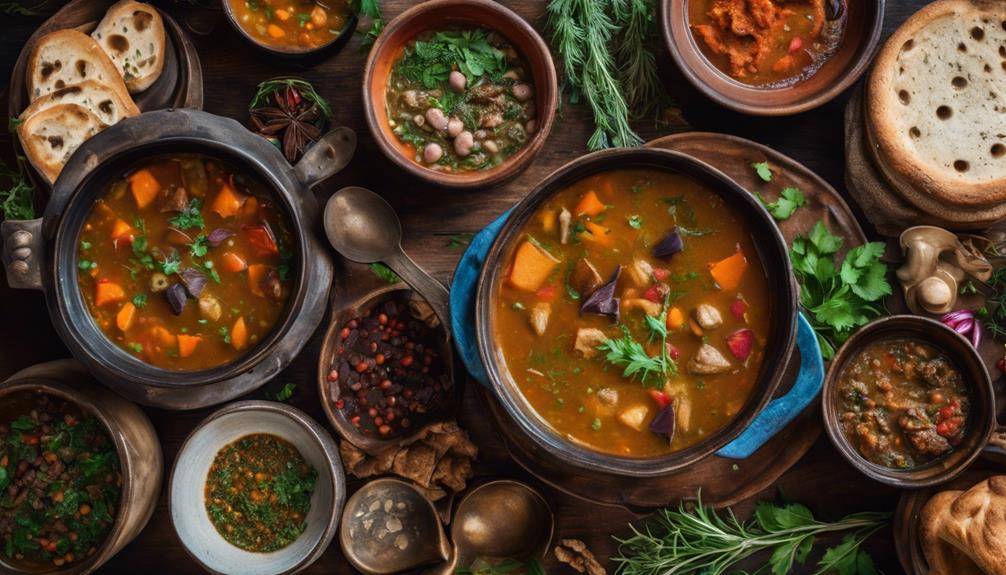
Middle Eastern Soups And Stews For Winter; If you’re looking for warming dishes this winter, Middle Eastern soups and stews make perfect comfort foods. Try a hearty lentil soup packed with spices, or savor a classic chicken and rice soup that brings families together. Spiced pumpkin soup offers rich flavors, while harira provides a nutrient-rich experience steeped in culture. Don’t miss out on chickpea stew and saffron-infused fish stew for added warmth and flavor. Each dish is a blend of wholesome ingredients and aromatic spices that will surely nourish you on those chilly nights. Keep exploring to uncover even more delicious options!
Traditional Lentil Soup
When the cool weather sets in, a bowl of traditional lentil soup can be the perfect comfort food. This hearty dish not only warms you up but also nourishes you, making it an ideal choice for chilly days. Lentils come in various lentil varieties, each offering a unique flavor and texture. For instance, green and brown lentils hold their shape well, while red lentils cook down to a creamy consistency. Choosing the right lentil variety can elevate your soup experience.
You can whip up lentil soup using different cooking methods, depending on how much time you have. If you’re in a hurry, a pressure cooker can get the job done quickly, infusing flavors in a fraction of the time. For a more traditional approach, simmering the lentils on the stovetop allows the flavors to meld beautifully over time. If you prefer a slow-cooked version, using a slow cooker can yield rich results, making the lentils tender and the spices aromatic.
Don’t forget, the magic really happens when you add vegetables, herbs, and spices. Onions, carrots, and garlic are classic additions, while cumin and coriander can bring warmth and depth. You can customize your soup by adding leafy greens or even a splash of lemon juice for a bright finish. So, gather your ingredients, choose your lentil variety, and get ready to enjoy a bowl of comforting traditional lentil soup that you can call your own.
Hearty Chickpea Stew
If you’re looking for a filling and nutritious dish to complement your traditional lentil soup, hearty chickpea stew is an excellent choice. Packed with protein and fiber, chickpeas offer impressive chickpea nutrition that keeps you satisfied and energized throughout the day. This stew is not only delicious but also incredibly versatile, allowing you to customize it to your taste with various ingredients and spices.
You can start with a base of sautéed onions and garlic, then add diced tomatoes, carrots, and celery for a colorful mix. Toss in your chickpeas, and let them simmer in vegetable or chicken broth. For a comforting touch, consider adding in spices like cumin, coriander, or paprika, which enhance the flavors beautifully. If you crave a little heat, a pinch of cayenne or red pepper flakes will do the trick.
The best part about hearty chickpea stew is its numerous stew variations. You can easily incorporate seasonal vegetables like zucchini or spinach, or even switch to a coconut milk base for a creamy twist. If you prefer a meatier option, shredded chicken or lamb can elevate the dish further.
Serve your stew with a side of warm, crusty bread or over a bed of fluffy rice to soak up all those delightful flavors. This hearty dish is sure to warm you up on cold winter nights while providing the nutrition your body craves. Enjoy experimenting with your own version of chickpea stew!
Spiced Pumpkin Soup
When you think of spiced pumpkin soup, imagine a warm blend of rich flavors that can truly elevate your meal. You’ll discover how the right spice combinations not only enhance taste but also pack a nutritional punch. Let’s explore the delicious ingredients that make this soup both satisfying and healthy.
Flavorful Spice Combinations
There’s something undeniably comforting about a bowl of spiced pumpkin soup, especially when it’s infused with the right blend of flavors. By focusing on spice blending, you can elevate this dish to new heights. Start with warm spices like cinnamon and nutmeg, which draw from rich spice origins and create a cozy atmosphere. Next, incorporate aromatic herbs like thyme or sage to add depth and complexity.
As you build your soup, think about flavor layers. Each ingredient pairing—like creamy coconut milk with pumpkin—offers a unique taste profile that harmonizes beautifully. Achieving a seasoning balance is key; you want the spices to enhance the pumpkin, not overwhelm it.
Explore various culinary traditions for inspiration. For example, Middle Eastern influences might introduce cumin or coriander, giving your soup an exciting twist. As you experiment with different combinations, pay attention to how the spices interact. You’ll discover that a few well-chosen ingredients can make your spiced pumpkin soup a standout dish, perfect for warming up on a chilly winter’s day. So, gather your spices and let your creativity flow!
Nutritional Benefits Explored
Many people might not realize just how nutritious spiced pumpkin soup can be. This delightful dish boasts a high nutritional value, thanks to its star ingredient—pumpkin. Rich in vitamins A and C, pumpkin supports your immune system and promotes healthy skin. It’s also packed with antioxidants that help fight free radicals in your body.
When you enjoy a bowl of spiced pumpkin soup, you’re not just savoring a comforting meal; you’re also reaping numerous health benefits. The fiber found in pumpkin aids digestion and keeps you feeling full, which can be particularly beneficial during the winter months when hearty meals are a must. Plus, the spices used, like ginger and cinnamon, can boost your metabolism and have anti-inflammatory properties.
Furthermore, this soup is low in calories, making it an excellent choice for those looking to maintain a healthy weight. By incorporating ingredients like garlic and onions, you enhance the soup’s flavor while adding even more nutritional benefits. So, next time you warm up with a bowl of spiced pumpkin soup, you can feel good knowing you’re nourishing your body with every delicious spoonful.
Classic Harira
Savoring a bowl of Classic Harira offers a delightful blend of flavors and textures that epitomize Moroccan cuisine. This traditional soup, often enjoyed during Ramadan, holds deep cultural significance as it breaks the fast and brings families together. Rich in nutrients, Harira typically combines tomatoes, lentils, chickpeas, and a variety of spices that create a comforting and hearty dish.
You’ll find various harira variations that reflect regional preferences across Morocco. Some might add meat, such as lamb or beef, while others stick to a vegetarian version. Regardless of the ingredients, the aromatic spices—like cumin, coriander, and cinnamon—make each bowl unique yet familiar. If you’ve never made Harira before, you’ll be pleased to know it’s straightforward to prepare.
Start by sautéing onions and garlic, then add your tomatoes, lentils, and chickpeas. As the soup simmers, the flavors meld beautifully, creating a warm, inviting aroma that fills your home. You can garnish your Harira with fresh cilantro and a squeeze of lemon juice to brighten the dish.
Whether you’re enjoying it at iftar or on a chilly winter evening, Classic Harira is more than just a meal; it’s a celebration of Moroccan culture and heritage. By making it at home, you’re not just savoring a delicious soup; you’re also embracing a cherished tradition that connects you to Morocco’s rich culinary history.
Chicken and Rice Soup
When you think of comfort food, Chicken and Rice Soup often comes to mind, especially in Middle Eastern households where it’s a staple. This warm, hearty soup is more than just a dish; it’s a beloved family recipe passed down through generations. The combination of tender chicken, fragrant spices, and fluffy rice creates a soothing meal that warms both the body and the soul.
To make your own Chicken and Rice Soup, start by sautéing onions, garlic, and carrots in a large pot. This aromatic base fills your kitchen with a welcoming scent, instantly creating a cozy atmosphere. Next, add your chicken—either whole pieces or shredded—and cover it with broth. A mix of spices like cumin, turmeric, and a pinch of cinnamon brings depth to the flavor, making every spoonful a delight.
Once the chicken is cooked, remove it and shred the meat before returning it to the pot. Stir in your favorite type of rice, letting it simmer until perfectly cooked. You might also want to add fresh herbs like parsley or cilantro for a burst of color and freshness.
Serve your Chicken and Rice Soup with a squeeze of lemon for an extra zing. It’s not just food; it’s a hug in a bowl, perfect for cold winter nights. So, gather around the table with your loved ones, share stories, and enjoy this comforting dish that embodies warmth and togetherness.
Persian Ash Reshteh
Persian Ash Reshteh is a hearty and aromatic noodle soup that brings warmth to any gathering. This beloved Persian dish features a rich blend of herbs, legumes, and flat noodles, making it a comforting staple during colder months. You’ll find that the vibrant flavors come from a mix of parsley, cilantro, and green onions, which create those signature Persian flavor profiles everyone loves.
When making Ash Reshteh, you can experiment with various Ash Reshteh variations to suit your taste. For instance, some people add spinach or kale for extra nutrition, while others might include different types of beans for added texture. You might also choose to top your soup with a drizzle of kashk (fermented whey) or fried onions, enhancing the depth of flavor even more.
As you prepare this dish, remember that the secret to a great Ash Reshteh lies in the slow simmering of the ingredients, allowing all those wonderful flavors to meld together. You’ll appreciate how the noodles soak up the savory broth, making each bite satisfying.
Whether you’re serving this soup at a family gathering or enjoying it solo, Persian Ash Reshteh is sure to warm your heart and fill your belly. So, gather your ingredients and prepare to delight in a flavorful experience that reflects the rich culinary tradition of Persia. Enjoy every spoonful as you explore the comforting world of Persian cuisine!
Moroccan Tagine Variations
Exploring the diverse world of Middle Eastern cuisine, you’ll find that Moroccan tagine variations offer a fascinating array of flavors and ingredients. Each tagine tells a story, reflecting regional variations that showcase local produce and cooking traditions. With the use of Moroccan spices like cumin, coriander, and saffron, you can create a rich flavor profile that perfectly complements the seasonal ingredients you choose.
When preparing a tagine, mastering specific tagine techniques is essential. Cooking low and slow allows the ingredients to meld beautifully, producing tender meats or perfectly cooked vegetables. You might experiment with different proteins, from succulent lamb to fresh seafood, depending on your preferences and what’s available.
As you immerse yourself in the world of tagines, consider the presentation styles. A traditional tagine pot not only enhances the meal’s visual appeal but also plays a role in the cooking process. Modern adaptations allow for more creativity, enabling you to incorporate non-traditional ingredients or cooking methods while still honoring the essence of the dish.
Whether you opt for a classic chicken tagine with olives and preserved lemons or a vegetarian variation featuring chickpeas and seasonal vegetables, each dish promises warmth and comfort during winter. By embracing these Moroccan tagine variations, you’ll not only enjoy delicious meals but also connect with a vibrant culinary heritage that spans generations.
Vegetable Bureka Soup
When you think of Vegetable Bureka Soup, imagine a rich blend of vibrant ingredients that come together to create a comforting dish. You’ll discover how different cooking techniques enhance those flavors, making each bowl a delight. Let’s explore what makes this soup a staple in Middle Eastern cuisine.
Flavorful Ingredients Overview
Creating a delicious Vegetable Bureka Soup starts with selecting vibrant, fresh ingredients that bring layers of flavor to the dish. Begin with seasonal vegetables, like carrots, zucchini, and spinach, which add essential nutrients and texture contrasts. The spice origins of cumin and coriander elevate the soup, while traditional herbs like parsley and cilantro provide a fresh finish.
When considering ingredient pairings, think about how roasted garlic and onion form an aromatic base that enhances the overall flavor profile. You might also explore regional variations by incorporating local spices or vegetables unique to your area.
Cooking methods, such as sautéing or simmering, also influence the depth of flavor in your soup. If you’re looking for ingredient substitutions, consider using sweet potatoes instead of regular potatoes for a touch of sweetness.
Cooking Techniques Explained
To achieve a rich and flavorful Vegetable Bureka Soup, mastering the right cooking techniques is essential. Start by using effective sautéing techniques to cook your onions and garlic until they’re golden brown. This builds a base for your soup and enhances the overall flavor. Once you add your vegetables, employ simmering methods to allow the flavors to meld together. Keep the heat low to maintain temperature control—this prevents the soup from boiling over while ensuring a tender texture.
Next, consider blending practices for a creamy consistency if desired. You can use an immersion blender or a traditional blender, depending on your preferred texture. When seasoning, remember to layer flavors by adding herbs and spices at different stages of cooking.
For thickening agents, cornstarch or flour can help achieve a heartier soup without losing the freshness of the ingredients. Don’t forget garnishing ideas such as fresh herbs, a drizzle of olive oil, or a sprinkle of lemon zest to elevate the presentation. By applying these techniques, you’ll create a comforting Vegetable Bureka Soup that warms the soul.
Lebanese Kibbeh Bil Sanieh
Lebanese Kibbeh Bil Sanieh is a hearty dish that brings the rich flavors of the Middle East right to your table. This baked version of kibbeh showcases the versatility of this beloved dish, which has numerous kibbeh variations across the region. Traditionally made with finely ground beef or lamb mixed with bulgur wheat, spices, and herbs, Kibbeh Bil Sanieh is layered and baked to perfection, creating a delicious crust that holds in all the savory juices.
The history of kibbeh dates back centuries, making it one of the oldest dishes in Middle Eastern cuisine. It’s believed to have originated from the Levant region, with different cultures adding their unique twists to the recipe. As you delve into a slice of Kibbeh Bil Sanieh, you’re not just enjoying a meal; you’re partaking in a culinary tradition that connects generations.
Preparing this dish allows you to play with flavors and textures. You can add nuts for a crunchy contrast or incorporate spices like allspice and cinnamon to enhance the dish’s depth. The beauty of Kibbeh Bil Sanieh lies in its adaptability; whether you prefer it with a hearty meat base or a vegetarian alternative like pumpkin or spinach, there’s a version for everyone.
As you serve this dish, you’ll not only warm your guests’ bellies but also their hearts, making it a perfect choice for winter gatherings. Enjoy every bite and celebrate the rich heritage behind this iconic dish!
Saffron Infused Fish Stew
When you think of Saffron Infused Fish Stew, it’s all about the vibrant flavors and fresh ingredients that come together beautifully. You’ll want to explore the essential components that make this dish unique, like the saffron and various types of fish. Plus, understanding the cooking techniques will help you achieve that perfect blend of taste and texture.
Key Ingredients Overview
Saffron-infused fish stew often stands out as a vibrant and aromatic dish, thanks to its key ingredients that create a harmonious blend of flavors. The foundation lies in fresh fish, which adds a delicate texture and subtle taste. Saffron, the star spice, has origins in the Mediterranean and Middle East, lending its distinct color and flavor. It is crucial to use high-quality saffron to fully appreciate its unique qualities.
Alongside saffron, you’ll often find tomatoes, garlic, and onions that create a rich base. Feel free to experiment with various types of fish, such as cod or snapper, depending on what’s available or your preferences. If you’re looking for ingredient substitutions, consider adding seafood like shrimp or mussels to enhance the stew’s complexity.
Herbs like cilantro and parsley provide freshness, while spices such as cumin and coriander deepen the flavor profile. Don’t shy away from adjusting the seasoning to suit your taste. With these ingredients, you’ll create a comforting dish that not only warms you up in winter but also brings a taste of the Middle East to your table.
Cooking Techniques Explained
To create a delicious saffron-infused fish stew, start by mastering a few essential cooking techniques that enhance the dish’s flavors. First, use effective sautéing techniques to cook your aromatics like onions and garlic until they’re soft and fragrant. This forms the base of your stew, allowing you to layer flavors effectively.
Next, incorporate simmering secrets—bring the broth to a gentle boil and then reduce it to a simmer. This allows the saffron to infuse its unique flavor into the dish while keeping the fish tender. When it’s time to add the fish, keep an eye on cooking times to avoid overcooking.
For a thicker consistency, consider using thickening agents like cornstarch or a roux, depending on your preferred texture. If you need ingredient substitutions, feel free to swap in seasonal vegetables that complement the dish.
Don’t overlook seasoning strategies; add salt and pepper gradually, tasting as you go. Finally, garnishing tips like fresh herbs or a drizzle of olive oil can elevate your stew just before serving. Serve it warm, ideally with crusty bread for a complete meal!
Frequently Asked Questions: Middle Eastern Soups And Stews For Winter
What Are the Health Benefits of Middle Eastern Soups and Stews?
Middle Eastern soups and stews offer significant health benefits; they’re packed with nutritional value, providing essential vitamins and minerals. You’ll enjoy immune support from their ingredients, helping you stay healthy during colder months.
Can These Dishes Be Made Vegetarian or Vegan?
Absolutely, you can make these dishes vegetarian or vegan! Just use vegetarian substitutions like lentils or chickpeas, and for vegan adaptations, swap out meat for hearty vegetables and plant-based broths to enhance flavor. Enjoy!
How Do I Store Leftovers From These Soups and Stews?
To store leftovers, allow them to cool, then transfer to airtight containers. For reheating, use the microwave or stovetop, adding a splash of water to maintain moisture. Proper leftover storage guarantees delicious meals later!
What Side Dishes Pair Well With Middle Eastern Soups?
You can enhance your meal by adding fresh bread pairings like pita or crusty loaves. For a revitalizing contrast, consider simple salad options like tabbouleh or fattoush, which perfectly complement the flavors in your soup.
How Do Spices in These Recipes Affect Flavor Profiles?
Spice combinations in your recipes greatly enhance flavor profiles. You’ll notice how blending spices creates depth, elevating simple dishes into vibrant experiences. Experimenting with these combinations lets you discover unique flavors that truly excite your palate.

Conclusion
As winter settles in, these Middle Eastern soups and stews will warm your heart and home. Each dish brings unique flavors and comforting ingredients, inviting you to explore new culinary delights. Whether you choose a traditional lentil soup or a spiced pumpkin creation, you’ll find nourishment and satisfaction in every bowl. So gather your ingredients, embrace the season, and let these recipes bring a taste of the Middle East to your winter table. Enjoy!