Greek Cuisine Festive Dishes
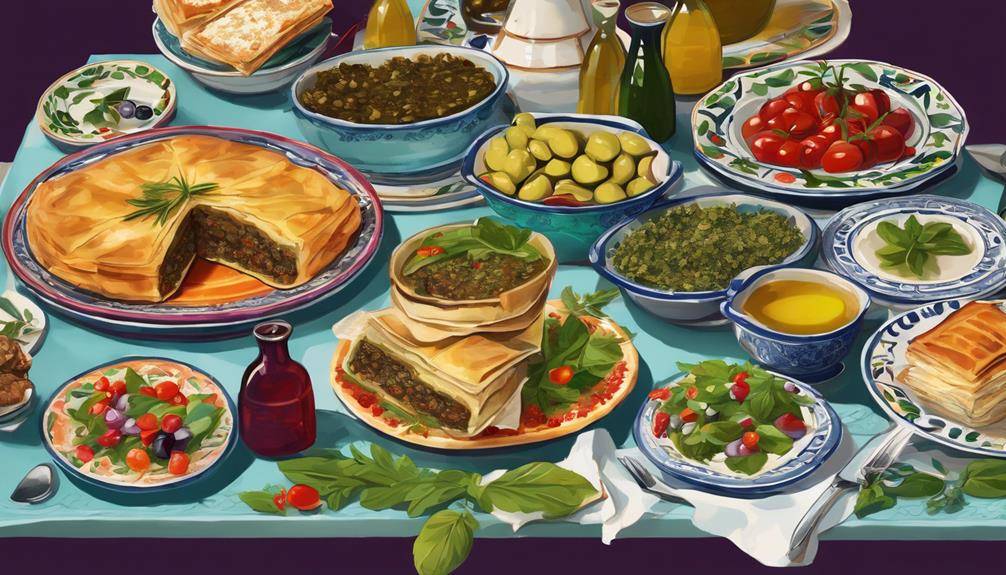
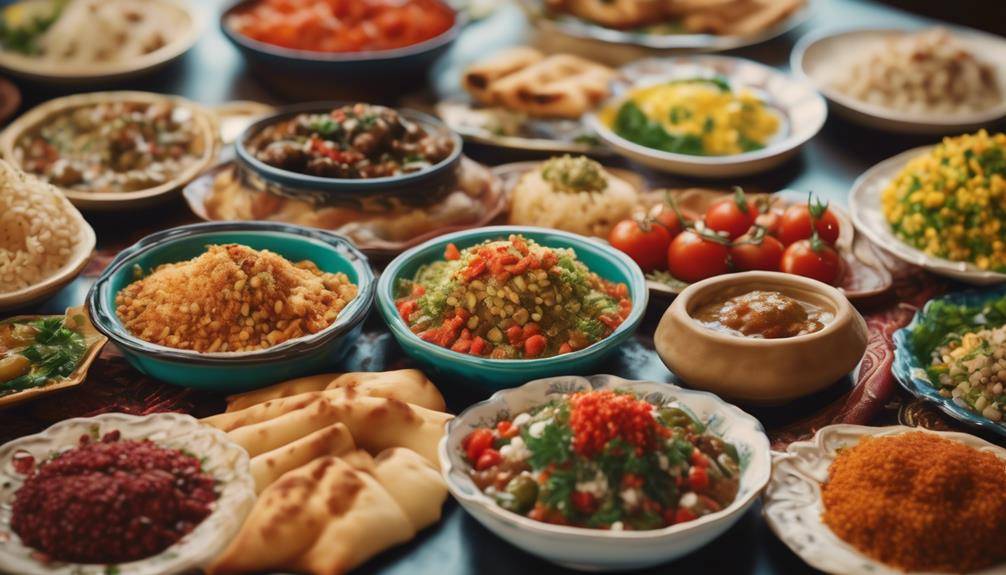
Greek Cuisine Festive Dishes: When it comes to Greek cuisine, festive dishes are all about flavor and tradition. You'll find iconic appetizers like spanakopita and dolmades, perfect for sharing. Roasted lamb marinated with garlic and herbs often takes center stage, accompanied by sides like Greek salad and roasted potatoes. Don't forget the sweet treats, like baklava and revani, which add a delightful finish. Each dish not only enhances the meal but also brings people together. Explore the unique cooking techniques and complementing wines that elevate these celebrations even further. You'll discover so much more about this vibrant culinary heritage!
Click Here and Turn Every Masterpiece into a Showstopper!
Traditional Greek Celebrations
Traditional Greek celebrations are vibrant events filled with rich customs and delicious food that bring people together. When you experience these festivities, you'll find that Greek holiday traditions play a significant role in fostering a sense of community. Each event, whether it's Christmas, Easter, or a local saint's feast day, showcases the deep-rooted customs that have been passed down through generations.
During these celebrations, you'll often notice the emphasis on festive family gatherings. Families come together to honor their heritage, sharing stories and laughter. The atmosphere is electric with joy as everyone participates in various activities, from singing traditional songs to dancing in lively circles. You might even find yourself joining in the fun, embracing the spirit of camaraderie that defines these occasions.
In addition to the joyous interactions, the decorations and rituals are truly enchanting. Homes are adorned with symbolic items, such as wreaths during the Christmas season or decorated eggs during Easter. These elements reflect the rich history and beliefs that underpin Greek culture. Participating in these customs allows you to connect with the past while celebrating the present.
As you join in the festivities, you'll experience firsthand how these Greek holiday traditions strengthen familial bonds and create lasting memories. Each celebration offers a chance to savor the warmth of community, reminding you of the importance of togetherness in a world that often feels disconnected.
Iconic Festive Dishes
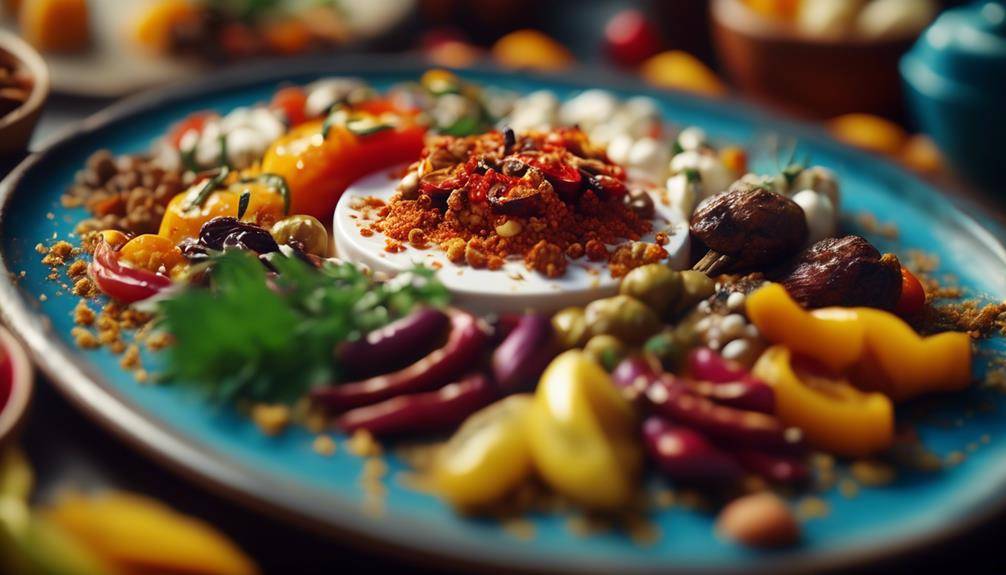
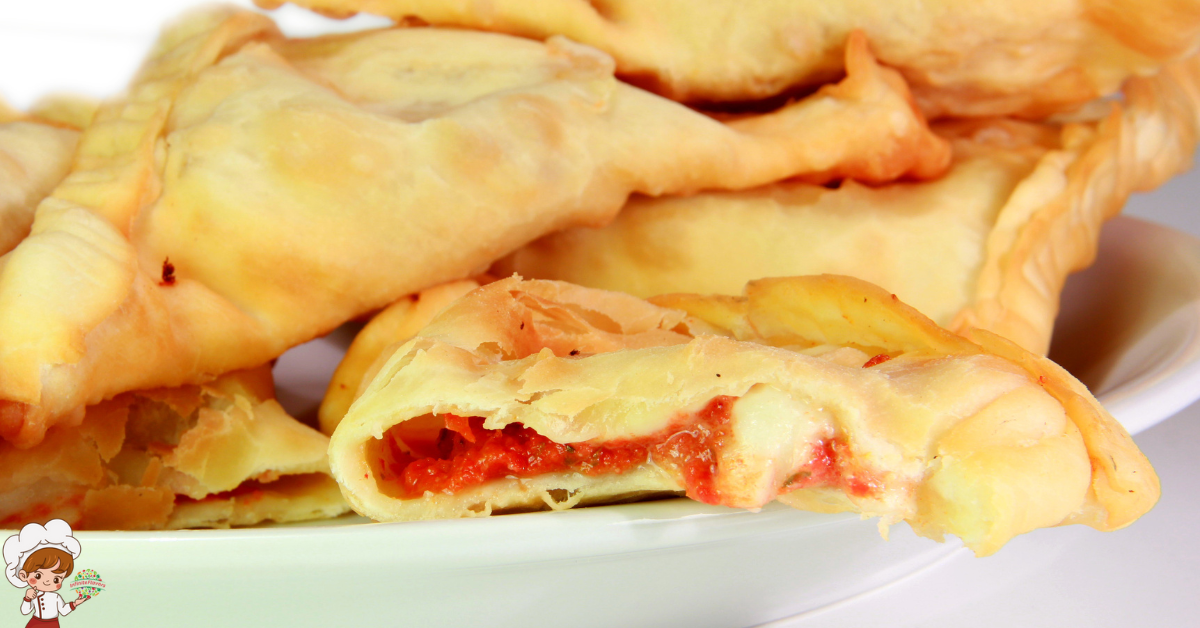
During festive occasions in Greece, you'll encounter an array of iconic dishes that not only tantalize the taste buds but also reflect the country's rich culinary heritage. One of the highlights is the variety of festive appetizers that grace the tables. You can't go wrong with spanakopita, flaky pastry filled with spinach and feta, or dolmades, vine leaves stuffed with a savory mixture of rice and herbs. These starters set the tone for a delightful feast.
As you savor these appetizers, the holiday beverages play an equally important role. You might be offered a glass of ouzo, the anise-flavored aperitif that's a staple during celebrations. Alternatively, try a sweet red wine or even a revitalizing retsina, a unique wine infused with pine resin, giving it a distinct flavor that pairs beautifully with Greek dishes.
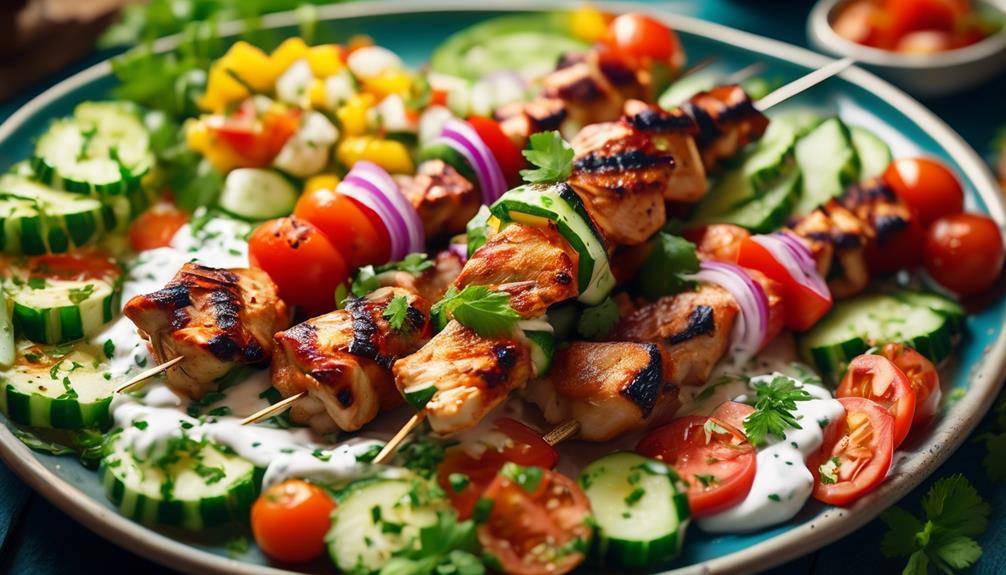
For main courses, roasted lamb is a classic choice, often marinated with garlic, lemon, and herbs, creating a mouthwatering centerpiece. Accompany it with a side of roasted potatoes or a fresh Greek salad, and you've got a meal fit for any celebration.
Moussaka Variations
When you think of moussaka, you might picture the classic dish layered with eggplant and meat, but there's so much more to explore. From regional twists that highlight local ingredients to delicious vegetarian and vegan options, moussaka can take on many forms. Let's uncover the traditional components and the exciting variations that make this dish a festive favorite.
Traditional Moussaka Ingredients
At the heart of Greek cuisine lies the beloved moussaka, a dish that showcases a delightful combination of flavors and textures. To truly appreciate its rich moussaka history, you need to understand the traditional ingredients that create its iconic layers.
Typically, you'll find eggplant as a primary component, sliced and roasted to perfection. A hearty meat sauce, often made with ground lamb or beef, brings depth to the dish. You'll also use tomatoes, onions, and garlic to enhance the flavor profile. Another essential ingredient is the béchamel sauce, a creamy mixture of butter, flour, and milk, which crowns the moussaka and gives it that luscious finish.
In terms of moussaka origins, it's believed that this dish traces back to the Middle East, but it has been embraced and adapted by Greek culture over the centuries. Some variations may include potatoes or zucchini, but the traditional recipe remains a cherished staple. As you prepare your moussaka, remember that each layer contributes to the overall experience, making it a true celebration of Greek culinary artistry.
Regional Variations Explained
While moussaka is often celebrated for its traditional preparation, regional variations across Greece offer unique twists that reflect local ingredients and culinary customs. In Northern Greece, for instance, you might find moussaka layered with hearty meats like beef or lamb, enriched with spices that echo the region's rich history of trade. In contrast, the islands often favor a lighter approach, using seafood or even zucchini as a base, showcasing the bounty of the Mediterranean.
As you explore different regions, you'll notice how festive customs influence moussaka recipes. In Crete, locals might add a touch of local cheese to their dish, making it creamier and more indulgent for celebrations. Meanwhile, in the Peloponnese, you might encounter moussaka baked with a crispy potato topping, a nod to the agricultural practices of the area.
These regional influences not only diversify the flavors but also embody the spirit of communal gatherings. Each variation tells a story, inviting you to experience the culinary heritage of Greece in a delicious and memorable way. So, whether you're enjoying a traditional or a regional twist, moussaka truly embodies the festive spirit of Greek cuisine.
Vegetarian and Vegan Options
Exploring vegetarian and vegan options for moussaka opens up a world of creativity and flavor, allowing you to enjoy this classic dish without meat. You can easily replace the traditional minced meat with a variety of plant-based substitutions. Consider using lentils, which provide a hearty texture and absorb Mediterranean flavors beautifully.
Another option is to incorporate mushrooms, which add depth and umami, making your moussaka rich and satisfying. You might even try a mix of diced eggplant and zucchini, layered with a zesty tomato sauce for that authentic taste.
For the creamy béchamel topping, swap out dairy for a blend of cashews or silken tofu, combined with nutritional yeast for a cheesy flavor. Almond milk or any unsweetened plant milk can create the perfect consistency.
Don't forget to season generously with herbs like oregano and thyme to capture the essence of Greek cuisine. With these simple adjustments, you'll create a delicious vegetarian or vegan moussaka that both you and your guests will love, proving that you don't need meat to enjoy this festive dish.
Roasted Lamb Recipes
When you're ready to roast lamb, mastering the perfect marinade is key to enhancing its rich flavor. You'll want to explore traditional cooking methods that bring out the best in this festive dish. Pair your lamb with flavorful side dishes to create a memorable meal everyone will enjoy.
Perfect Marinade Techniques
A flavorful marinade can transform your roasted lamb into a culinary masterpiece. To create the perfect marinade, consider balancing acidity, sweetness, and spices. Use ingredients like olive oil, lemon juice, garlic, and fresh herbs to infuse rich marinade flavors. The acidity not only enhances the taste but also plays a vital role in meat tenderizing.
When you prepare your marinade, combine your ingredients in a bowl or a resealable plastic bag. Make certain the lamb is well-coated, allowing it to soak up the flavors. For best results, let it marinate for at least a few hours, but overnight is ideal. This extended time allows the marinade to penetrate deeper, making the meat more flavorful and tender.
Don't forget to turn or massage the lamb occasionally to guarantee even distribution. Once it's ready, you can roast the lamb to achieve that perfect blend of juicy and crispy. The right marinade can elevate your dish, bringing out the natural flavors of the lamb while making sure it's tender and succulent. Enjoy the process, and your guests will be impressed with the mouthwatering results!
Traditional Cooking Methods
One of the most cherished traditional cooking methods for roasting lamb involves using a spit over an open flame. This method not only brings out the natural flavors of the meat but also creates a delightful smoky aroma that enhances your dining experience. To achieve the perfect roast, you'll want to guarantee the lamb is evenly cooked by rotating it regularly.
Incorporating smoking techniques can elevate your lamb dish even further. You can use wood chips, like oak or hickory, to infuse additional flavors. Soak the wood chips in water for about 30 minutes before adding them to the fire, allowing the smoke to envelop the lamb as it cooks.
Grilling methods can also play an essential role in roasting lamb. If you don't have a spit, a grill can be an excellent alternative. Direct heat provides a lovely sear, while indirect heat guarantees the meat remains juicy and tender. Whichever method you choose, remember that patience is key. The slow cooking process allows the flavors to meld beautifully, resulting in a mouthwatering lamb dish that's perfect for any festive occasion.
Flavorful Side Dishes
Flavorful side dishes often complement roasted lamb perfectly, enhancing the overall dining experience. When you're planning a feast, think about how Mediterranean flavors can elevate your meal. Consider serving a vibrant Greek salad with crisp cucumbers, juicy tomatoes, red onions, and a generous sprinkle of feta cheese. This invigorating addition balances the richness of the lamb beautifully.
Another excellent option is roasted vegetables. Toss seasonal veggies like eggplant, zucchini, and bell peppers in olive oil, garlic, and herbs, then roast them until they're tender and slightly caramelized. This dish not only adds color to your table but also brings out those delightful Mediterranean flavors that everyone loves.
Don't forget the classic tzatziki sauce! A creamy blend of yogurt, cucumber, and dill can serve as a revitalizing dip that complements the lamb's savory notes.
For festive gatherings, you might also want to include some fragrant rice pilaf, studded with nuts and dried fruits, which adds a touch of elegance. With these side dishes, you'll create a memorable meal that captures the essence of Greek cuisine and keeps your guests coming back for more.
Click Here and Turn Every Masterpiece into a Showstopper!
Sweet Treats and Desserts
Indulging in Greek sweet treats and desserts is a delightful way to experience the country's rich culinary heritage. You'll find that Greek desserts are often layered with flavor and history, making them an essential part of festive celebrations. One of the most famous treats is baklava, which comes in several mouthwatering variations. Whether you prefer the classic walnut version or the unique pistachio spin, each bite offers a perfect balance of flaky pastry, sweet syrup, and aromatic spices.
Don't overlook loukoum, a chewy confection that's as diverse as it is delicious. With a range of flavors like rose, mastic, and citrus, each piece of loukoum melts in your mouth, delivering a burst of sweetness that complements any meal. These delightful treats are often dusted with powdered sugar or cornstarch, making them visually appealing as well.
As you explore Greek desserts, you'll also encounter kataifi, a pastry made with shredded phyllo dough, filled with nuts and drenched in syrup. Another favorite is revani, a syrup-soaked semolina cake that's light and fluffy, perfect for pairing with a cup of coffee.
These sweet treats are not just desserts; they're a celebration of Greek culture and hospitality. So, whether you're enjoying a festive gathering or a quiet evening at home, treat yourself to these delectable offerings and savor every bite. You'll quickly understand why Greek desserts hold a special place in the hearts of many.
Seasonal Ingredients
When diving into Greek cuisine, you'll quickly discover how seasonal ingredients play an essential role in creating authentic and vibrant dishes. Greece's diverse climate allows for a rich variety of fresh produce, herbs, and seafood that change with the seasons. By embracing these local ingredients, you not only enhance the flavors of your meals but also support local farmers and markets.
In spring, you'll find fresh greens like wild asparagus and dandelions, perfect for salads or traditional dishes like horta. Summer brings an abundance of tomatoes, eggplants, and peppers, which are the stars of many Greek dishes, such as ratatouille and moussaka. As you explore local markets during this time, you'll be tempted by the sight and scent of ripe fruits like peaches and figs, which can elevate your desserts or be enjoyed on their own.
As autumn rolls in, you'll notice the arrival of hearty root vegetables like pumpkins and sweet potatoes. These ingredients are ideal for creating warming stews and soups, perfect for the cooler weather. Winter, on the other hand, introduces citrus fruits, particularly oranges and lemons, which brighten up dishes and add zest to your cooking.
Celebrating seasonal festivals is another great way to appreciate these ingredients. Events often showcase local produce and traditional recipes, allowing you to connect deeply with Greek culture. By focusing on seasonal ingredients, you'll not only enjoy authentic flavors but also experience Greece in a truly meaningful way.
Cooking Techniques and Tips
To create authentic Greek dishes, mastering a few essential cooking techniques can make all the difference. One of the most effective methods to understand is slow cooking. This technique allows flavors to develop and meld beautifully, making it perfect for classic dishes like moussaka or beef stifado. By cooking your ingredients low and slow, you'll achieve tender, succulent results that truly reflect the heart of Greek cuisine.
Another technique to explore is sous vide. This method involves vacuum-sealing your ingredients and cooking them in a water bath at a precise temperature. It's a game-changer for achieving perfectly cooked meats, ensuring they remain juicy and full of flavor. For instance, try sous vide lamb shoulder for a festive feast; it'll be incredibly tender and infused with herbs like rosemary or oregano.
Don't forget the importance of marinating. Greek dishes often benefit from marinating proteins in olive oil, lemon juice, and garlic. This not only enhances flavor but also tenderizes the meat. Additionally, using fresh herbs can elevate your dishes considerably. Always chop herbs just before use to keep their vibrant flavors intact.
Pairing Food With Greek Wine
Pairing food with Greek wine enhances your dining experience, bringing out the flavors of both the dish and the beverage. Greek wine, with its rich history and diverse wine regions, offers a perfect complement to various festive dishes. Start by considering the main ingredients in your meal. For example, if you're serving grilled lamb, you can't go wrong with a bold Agiorgitiko from the Nemea region. This wine's fruity notes and tannins balance beautifully with the savory flavors of the meat.
If your feast features seafood, a crisp Assyrtiko from Santorini is ideal. Its mineral quality and acidity complement dishes like grilled octopus or shrimp saganaki, enhancing your overall flavor experience. When it comes to vegetarian options, consider pairing a invigorating Moschofilero with dishes centered around fresh vegetables, herbs, and feta cheese. This aromatic wine brings out the freshness and vibrancy of the ingredients.
Don't forget about dessert! A sweet Vinsanto from Santorini or a muscat wine from Samos can elevate your baklava or yogurt with honey, creating a delightful end to your meal. The key to successful food pairings lies in balancing flavors—match the intensity of the wine with the richness of the food. By exploring these combinations, you'll not only enjoy the unique characteristics of Greek wines but also elevate your festive dining experience to new heights. So, raise a glass and savor the delightful harmony between your favorite dishes and Greek wine!
Click Here and Turn Every Masterpiece into a Showstopper!
Frequently Asked Questions: Greek Cuisine Festive Dishes
What Are Some Common Vegetarian Options in Greek Festive Dishes?
When exploring vegetarian options, you'll find delightful vegetarian meze like stuffed grape leaves and tzatziki. Festive pies, such as spanakopita, also offer satisfying choices, ensuring your meal is both delicious and meat-free. Enjoy!
How Can I Adapt Greek Recipes for Gluten-Free Diets?
You can adapt recipes for gluten-free diets by using gluten-free substitutions like almond flour or chickpea flour. Experiment with alternative flours to maintain texture and flavor, ensuring your dishes remain delicious and satisfying for everyone.
Are There Specific Regional Variations in Festive Dishes Across Greece?
Yes, there are specific regional specialties in festive dishes across Greece. Each area has its own festive traditions, reflecting local ingredients and customs. Exploring these variations can enhance your understanding and appreciation of Greek culture and cuisine.
What Are the Typical Cooking Times for Greek Festive Meals?
When planning your festive meals, cooking times vary based on techniques and preparations. Roasting a whole lamb might take hours, while quicker methods like grilling can be ready in under an hour. Timing's essential for perfect results!
How Do Greek Families Incorporate Modern Influences Into Traditional Festive Dishes?
You'll find that many families blend modern ingredients with traditional recipes, creating a delightful cultural fusion. By experimenting with flavors and techniques, they keep festive dishes fresh while honoring their culinary heritage.

Conclusion
In Greek cuisine, festive dishes bring people together and celebrate rich traditions. From savory moussaka and succulent roasted lamb to delightful sweets, there's so much to enjoy. Embrace seasonal ingredients and master cooking techniques to elevate your meals. Don't forget to pair your dishes with a fine Greek wine for a truly authentic experience. Whether you're hosting a gathering or simply indulging, these festive flavors will make every occasion memorable. So, immerse yourself and savor the magic of Greek food!