Middle Eastern Holiday Recipes
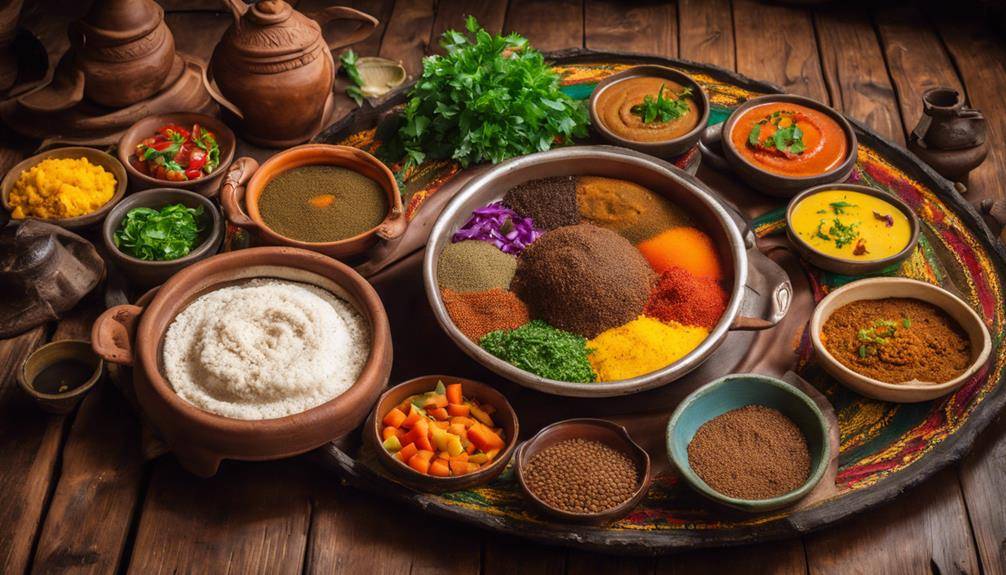
Middle Eastern Holiday Recipes: If you're looking to spice up your holiday gatherings, try Middle Eastern recipes that burst with flavor. Start with a mezze platter featuring hummus and baba ghanoush, then move on to hearty lamb kebabs or spiced chicken tagine, which pairs beautifully with fluffy rice pilaf. Don't forget savory sides like tabbouleh and sweet treats like baklava for dessert. Refresh your meal with mint lemonade or pomegranate juice. These dishes not only celebrate the season but also foster connection among family and friends. There's so much more to explore, so get ready to elevate your culinary experience!
Click Here and Turn Every Masterpiece into a Showstopper!
Traditional Appetizers
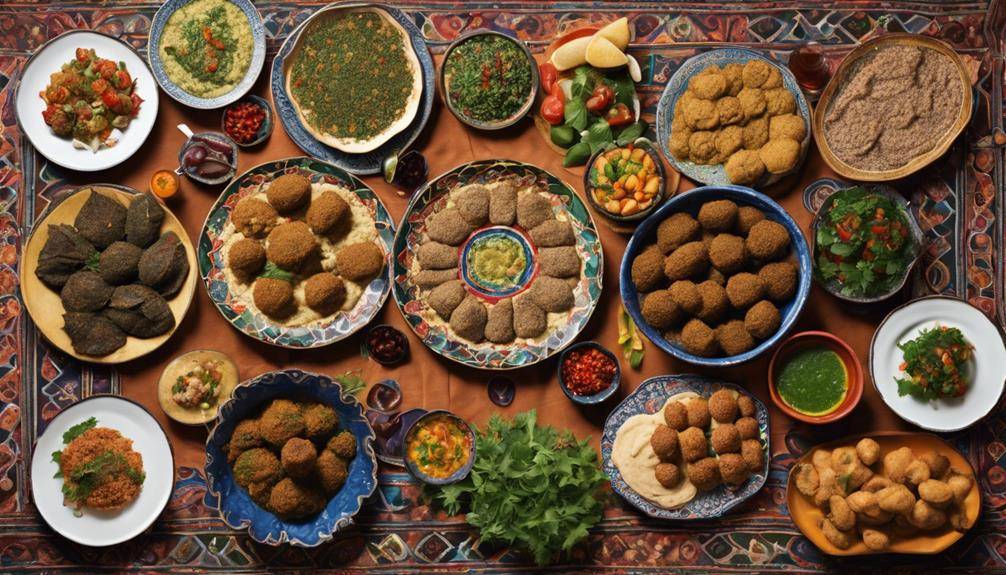
When it comes to Middle Eastern cuisine, traditional appetizers are a delightful way to kick off any meal. One of the best ways to enjoy these starters is through a mezze platter, which showcases a variety of small dishes that cater to every taste. Picture a colorful spread filled with hummus, baba ghanoush, and tabbouleh, all ready to be savored.
To make your mezze platter truly irresistible, don't forget to include an array of dipping sauces. These sauces not only enhance the flavors of your appetizers but also add a vibrant touch to your presentation. A drizzle of tahini or a sprinkle of zesty sumac can elevate simple dishes into something extraordinary. As you gather with friends and family, encourage everyone to engage with the platter, mixing and matching flavors to create their own unique combinations.
In addition to the classics, consider adding stuffed grape leaves, spiced chickpeas, or crispy falafel to your spread. Each bite will transport you to the heart of the Middle East, reminding you of the rich culinary heritage behind these dishes.
As you prepare your mezze platter, remember that the beauty of these appetizers lies in their variety. Feel free to customize your selection based on seasonal ingredients or personal preferences. You'll not only impress your guests with the diverse flavors but also set the stage for an unforgettable holiday feast. Enjoy the communal experience of sharing food, laughter, and stories as you indulge in these traditional delights.
Hearty Main Dishes
When it comes to hearty main dishes, you can't go wrong with traditional lamb kebabs and spiced chicken tagine. These flavorful meals not only satisfy your hunger but also bring a taste of Middle Eastern culture to your table. Let's explore how you can prepare these delicious dishes for your next gathering.
Traditional Lamb Kebabs
Savoring the rich flavors of traditional lamb kebabs brings a taste of the Middle East right to your table. To create these delicious skewers, start with fresh, high-quality lamb, ideally from the leg or shoulder. The key to juicy kebabs lies in your kebab marinades. A simple mix of yogurt, garlic, lemon juice, and aromatic spices like cumin and coriander works wonders. Marinate the lamb for at least a few hours, or overnight for even more depth of flavor.
When it's time to grill, you'll want to focus on your grilling techniques. Preheat your grill to medium-high heat and thread the marinated lamb onto skewers. Make sure to leave some space between pieces for even cooking. Grill the kebabs for about 10-15 minutes, turning occasionally until they achieve a beautiful char and an internal temperature of 145°F for medium-rare.
Serve your kebabs with warm pita bread, fresh salad, or a tangy dipping sauce, and you're all set for a delightful meal that captures the essence of Middle Eastern cuisine. Enjoy every bite of this hearty dish!
Spiced Chicken Tagine
In a traditional tagine pot or a heavy skillet, you can create a mouthwatering spiced chicken tagine that embodies the vibrant flavors of North Africa. This dish combines tender chicken with a medley of spices like cumin, coriander, and cinnamon, resulting in rich flavor profiles that tantalize your taste buds.
To start, you'll sauté onions and garlic until fragrant, then add your chicken pieces, browning them to lock in juices. Next, you'll introduce a blend of spices, a touch of honey, and a mix of vegetables like carrots and bell peppers. If you're feeling adventurous, toss in some dried apricots or olives for an extra layer of taste.
Simmering the tagine allows the flavors to meld beautifully, a hallmark of North African cooking traditions. Serve it over fluffy couscous or with warm bread, letting the sauce soak through. This hearty dish not only fills the belly but also warms the heart, making it perfect for holiday gatherings. Immerse yourself in this culinary experience, and savor each bite as you celebrate the rich heritage and flavors of the Middle East.
Flavorful Rice Variations
When it comes to Middle Eastern meals, rice isn't just a side dish; it's a canvas for creativity. You can transform your dining experience with spiced pilafs, herbed rice medleys, and nutty combinations that burst with flavor. Let's explore these delicious variations that will elevate your holiday feast.
Spiced Pilaf Delights
As you explore the world of Middle Eastern cuisine, you'll discover that spiced pilaf offers a delightful canvas for a variety of flavors and textures. This versatile dish has numerous pilaf variations that reflect the rich cooking traditions of the region. You can easily elevate your pilaf by incorporating spices such as cumin, cardamom, and cinnamon, which infuse the rice with warmth and depth.
Start with a base of long-grain rice, sautéed onions, and garlic to create a fragrant foundation. Next, consider adding nuts like almonds or pine nuts for crunch and raisins or currants for a touch of sweetness. Each ingredient enhances the overall experience, making your pilaf a memorable side dish or main course.
Don't forget to experiment with the addition of fresh herbs like parsley or cilantro, which will brighten up the dish. Whether you're serving it alongside grilled meats or roasted vegetables, spiced pilaf will certainly impress your guests. Embrace these cooking traditions and let your creativity shine as you whip up your own delicious variations of this Middle Eastern staple. Enjoy the journey!
Herbed Rice Medleys
Creating herbed rice medleys opens up a world of vibrant flavors and aromas that can elevate any meal. By experimenting with various rice varieties, you can find the perfect base for your culinary creations. Consider basmati for its fragrant qualities or jasmine for a subtle sweetness. Incorporating aromatic herbs like parsley, dill, or cilantro not only enhances flavor profiles but also adds nutritional benefits, making your dish more wholesome.
When preparing your herbed rice, choose cooking methods like steaming or sautéing to bring out the herbs' essential oils. Pair your rice with grilled meats, roasted vegetables, or even as a stuffing for bell peppers to create delightful rice pairings. These medleys are especially fitting for festive occasions, where they can serve as a colorful side dish or a centerpiece.
For serving suggestions, consider garnishing with toasted nuts or a drizzle of olive oil to add richness. Don't forget to play with preparation tips, such as infusing the cooking water with spices or sautéing the herbs first to reveal deeper flavors. With these ideas, your herbed rice medleys will surely impress your guests and celebrate the cultural significance of Middle Eastern cuisine.
Nutty Rice Combinations
Nutty rice combinations bring a delightful crunch and depth of flavor to your meals, transforming simple dishes into gourmet experiences. You can easily elevate your rice by incorporating various nuts, which not only enhance the texture but also introduce fascinating nutty flavor profiles.
Consider using toasted almonds or pine nuts to add richness to your basmati or jasmine rice. Simply sauté the nuts in a bit of olive oil before mixing them into your cooked rice. This technique works beautifully with different rice cooking methods; whether you're steaming, boiling, or using a rice cooker, you can adapt your approach to infuse those nutty flavors throughout.
For a Middle Eastern twist, try mixing in pistachios and dried fruits like apricots or raisins. This combination creates a fragrant and visually appealing dish. You can also experiment with quinoa, a nutty grain that pairs excellently with spices like cumin and coriander.
Don't forget to drizzle a bit of tahini or sprinkle sesame seeds on top for an added layer of flavor. With these nutty rice combinations, you'll turn any meal into a memorable feast that celebrates the rich culinary heritage of the Middle East.
Savory Side Dishes
Savory side dishes are the heart of any Middle Eastern holiday feast, adding depth and flavor to the table. You can't go wrong with classic options like tabbouleh, a revitalizing parsley salad that brightens any meal. Combining finely chopped parsley, tomatoes, mint, and bulgur, it's dressed with lemon juice and olive oil, bringing a burst of freshness to your spread.
Another fantastic side is baba ganoush. This smoky eggplant dip pairs perfectly with warm pita bread. Just roast the eggplants until they're tender, then blend them with tahini, garlic, olive oil, and lemon juice. You'll find it's a crowd-pleaser that complements many main dishes.
Don't forget about pickled vegetables, either. These tangy bites, often served alongside meals, add a delightful crunch and acidity that balances out rich flavors. You can pickle a variety of vegetables, from carrots to radishes, and they'll provide a colorful contrast on your holiday table.
Roasted nuts are another essential component, bringing a satisfying crunch and a touch of saltiness. You might choose spiced almonds or pistachios, which can be served on their own or incorporated into dishes like rice or salads for added texture.
These savory side dishes not only enhance your meal but also create a warm, inviting atmosphere. By incorporating a mix of fresh, pickled, and roasted elements, you'll craft a memorable feast that celebrates the rich culinary traditions of the Middle East. Enjoy the flavors and the company!
Sweet Desserts
When it comes to Middle Eastern holidays, sweet desserts are a must-have, bringing joy and indulgence to the celebration. You can't go wrong with traditional baklava variations that layer flaky pastry with nuts and syrup, offering an irresistible crunch and sweetness. For a touch of natural sweetness, date desserts are a favorite, as they highlight the rich flavor of dates, often stuffed with nuts or rolled in coconut.
Halva recipes are another delightful option, made from ground sesame seeds and sweetened with honey or sugar. You'll love the unique texture and nutty flavor. If you're after something luxurious, saffron sweets will elevate your dessert table, infusing your treats with a delicate floral aroma.
Don't forget the rose water treats, which add a fragrant twist to many desserts. From rose-infused rice pudding to sweet cakes, these treats remind you of the beauty of Middle Eastern flavors. For nut lovers, pistachio delights are a must, whether they're in cookies or as a topping for other desserts. Fig confections also make an appearance, combining figs with nuts and spices for a chewy, rich experience.
Refreshing Beverages
To complement the sweet desserts of Middle Eastern holidays, invigorating beverages are essential for a well-rounded celebration. You'll find a variety of drinks that not only quench your thirst but also enhance the festive atmosphere.
Start with mint lemonade, a revitalizing blend of fresh mint leaves, lemon juice, and sugar. It's perfect for cooling down on warm days. Pomegranate juice is another crowd-pleaser, boasting a rich, tangy flavor that pairs beautifully with sweet treats. If you're feeling adventurous, try a tamarind drink, which offers a unique sweet and sour taste that's sure to surprise your guests.
For an aromatic twist, consider adding rose water to your beverages. A splash of rose water can elevate your hibiscus tea, creating a floral delight that's both invigorating and visually stunning. Date smoothies are a delicious option as well; blend dates with almond milk for a creamy, nutritious treat that packs a punch.
If you prefer something light and revitalizing, cucumber mint drinks are a fantastic choice. They're crisp and hydrating, making them ideal for balancing the rich flavors of holiday meals. For coffee lovers, spiced coffee flavored with cardamom and cinnamon provides a warm, comforting finish to the meal. Finally, don't overlook citrus spritzers, which combine sparkling water with fresh citrus juices for a bubbly, zesty refreshment.
These beverages not only satisfy your thirst but also add a vibrant touch to your Middle Eastern holiday festivities. Enjoy!
Click Here and Turn Every Masterpiece into a Showstopper!
Spices and Seasonings
The vibrant flavors of Middle Eastern holiday dishes come alive through an array of spices and seasonings that elevate each meal. You'll find that these ingredients not only enhance taste but also carry rich histories and diverse spice origins. Take cumin, for example; it's often found in savory dishes, imparting a warm, earthy flavor that's both comforting and grounding.
Then there's sumac, with its tangy, lemony profile, which brightens salads and grilled meats. You can't forget about za'atar, a delightful blend that typically includes thyme, sesame seeds, and sumac, offering an aromatic experience that's hard to resist. When you sprinkle it on bread or mix it into yogurt, you truly elevate your dish.
Cardamom is another essential, known for its sweet and spicy flavor. It's frequently used in both savory and sweet dishes, making it incredibly versatile. Don't overlook saffron, the luxurious spice that brings a golden hue and unique taste to rice dishes and desserts. Its origins trace back to ancient Persia, emphasizing the region's rich culinary traditions.
Each spice you choose contributes to a complex flavor profile, showcasing the art of balance that characterizes Middle Eastern cuisine. By experimenting with these spices, you'll discover how they can transform your holiday meals into unforgettable feasts, celebrating culture and tradition. So, go ahead and explore! Your taste buds will thank you.
Cooking Techniques
When you're preparing Middle Eastern holiday dishes, mastering traditional cooking methods is key for authentic flavors. You'll also want to focus on spice blending techniques that elevate your meals to new heights. Let's explore how these approaches can transform your cooking experience.
Traditional Cooking Methods
While many modern techniques have emerged, traditional cooking methods in the Middle East remain essential to preserving the region's rich culinary heritage. You'll find that slow cooking traditions are at the heart of many beloved dishes. For instance, stews and tagines are often simmered for hours, allowing flavors to meld beautifully. This technique not only enhances taste but also brings out the natural sweetness of ingredients.
Another important aspect is communal dining. Sharing meals fosters connection and builds community, and traditional cooking methods support this practice. Large pots of rice, grilled meats, and fresh breads are prepared and served family-style, encouraging everyone to gather around the table and enjoy the feast together.
You might also notice that cooking methods vary by region, influenced by local ingredients and cultural customs. Whether it's grilling over open flames or baking in clay ovens, these methods reflect a deep respect for food and tradition. Embracing these techniques at your holiday gatherings can elevate your meals and create a warm, inviting atmosphere that honors the essence of Middle Eastern hospitality. So, get ready to plunge into these traditional practices and savor the flavors they bring to your table!
Spice Blending Techniques
Mastering spice blending techniques is essential to revealing the vibrant flavors of Middle Eastern cuisine. Understanding spice origins helps you appreciate the unique profiles each spice brings to your dishes. For instance, cumin and coriander are staples, each adding warmth and depth.
When you start blending, focus on blending ratios. A common approach is to use a base spice, like cumin, and then add complementary spices in smaller amounts. For example, if you're creating a blend for a savory dish, you might use two parts cumin, one part coriander, and a touch of cinnamon for sweetness.
Experimenting is key. Don't be afraid to adjust ratios based on your personal taste or the dish you're preparing. Toasting whole spices before grinding them can heighten flavors; just a minute or two in a dry skillet can make a difference.
Vegetarian Options
Middle Eastern cuisine offers a delightful array of vegetarian options that are both flavorful and satisfying. You'll find vibrant vegetable preparations that highlight the region's rich agricultural heritage. Dishes like stuffed grape leaves, or dolmas, are often filled with a mix of rice, tomatoes, and fragrant herbs, creating a perfect balance of taste and texture.
You can also explore dishes like mujaddara, a comforting blend of lentils and rice topped with caramelized onions. This dish showcases the beauty of simple ingredients coming together to create something extraordinary. When it comes to salads, tabbouleh is a must-try. Packed with parsley, mint, and bulgur wheat, this salad bursts with freshness and is a fantastic side for any meal.
Herb combinations play an essential role in Middle Eastern vegetarian cooking. Fresh cilantro, dill, and mint are often used to elevate dishes, adding layers of flavor that can transform your meals. Don't forget about roasted vegetables, either; drizzling them with olive oil and sprinkling za'atar or sumac can take them to the next level.
For a hearty dish, consider making a vegetable tagine. Combining seasonal vegetables with spices like cumin and coriander creates a comforting meal that's perfect for sharing. With these vegetarian options, you'll not only satisfy your taste buds, but you'll also embrace the essence of Middle Eastern culinary traditions. So grab your ingredients and get cooking!
Celebratory Bread Recipes
Bread holds a special place in Middle Eastern celebrations, serving as a symbol of togetherness and hospitality. When you gather with family and friends, offering fresh bread not only enhances the meal but also invites warmth into the gathering. You can explore various flatbread varieties that bring unique flavors and textures to your table.
Start with pita, a classic choice. It's soft and perfect for dipping into creamy hummus or savory baba ganoush. To make it even more festive, consider adding toppings. Sprinkle za'atar, a blend of herbs and spices, over your dough before baking for an aromatic twist.
Another popular option is lavash, which you can roll up with a mix of grilled vegetables or spiced meats. For a touch of sweetness, try topping it with a drizzle of honey and crushed nuts. This combination brings a delightful contrast that everyone will love.
Don't forget about manakish, a Lebanese flatbread that's often enjoyed for breakfast or as a snack. Top it with cheese, olives, or even spiced ground meat for a mouthwatering treat. Each bite reflects the joy of celebration, making your gatherings even more memorable.
Tips for Festive Presentation
How can you elevate your holiday gatherings with stunning food presentation? It's all about the details. Start by choosing festive tableware that complements your Middle Eastern dishes. Opt for vibrant colors or intricate patterns that reflect the rich culture and flavors of the region. A beautifully set table sets the tone and shows your guests that you've put thought into their experience.
Next, think about your food arrangement. Instead of simply placing dishes on the table, create a visual feast. Layer platters and utilize different heights to add dimension. For example, you might stack your celebratory breads on a raised stand and surround them with bowls of dips. This not only looks appealing but also invites guests to explore the offerings.
Don't forget the power of colorful garnishes! Fresh herbs like parsley or mint add a pop of green, while pomegranate seeds can bring a burst of red. A sprinkle of spices, like sumac or za'atar, can also enhance both the look and flavor of your dishes.
Click Here and Turn Every Masterpiece into a Showstopper!
Frequently Asked Questions: Middle Eastern Holiday Recipes
What Are Common Dietary Restrictions for Middle Eastern Holiday Recipes?
When considering dietary restrictions, you'll often find a need for vegan options and gluten substitutes. Many people avoid animal products or gluten, so adapting recipes guarantees everyone can enjoy the celebration without worries.
How Can I Adjust Recipes for Larger Gatherings?
To adjust recipes for larger gatherings, you can scale recipes by multiplying ingredient amounts. Don't hesitate to make ingredient substitutions if necessary, ensuring you maintain the dish's balance and flavor while accommodating everyone's needs.
What Are Traditional Decorations for Middle Eastern Holiday Celebrations?
For traditional decorations, you'll want to focus on holiday symbolism and vibrant, festive colors. Use lanterns, intricate textiles, and beautiful table settings to create an inviting atmosphere that captures the spirit of celebration.
Can I Prepare These Dishes in Advance?
Absolutely, you can prepare many dishes in advance! For make-ahead meals, store them in airtight containers. Follow storage tips to keep them fresh, and just reheat when you're ready to serve. Enjoy hassle-free cooking!
What Are Popular Middle Eastern Holiday Customs and Traditions?
During holidays, you'll enjoy vibrant family gatherings filled with delicious food and laughter. Wearing festive attire adds to the joy, symbolizing unity and celebration within the community, making these traditions truly special.

Conclusion
Now that you've explored these Middle Eastern holiday recipes, you're all set to bring vibrant flavors to your festive table. Embrace the rich traditions and share these dishes with family and friends. Remember, cooking is about joy and connection, so don't hesitate to add your personal touch. Whether it's a hearty main or a sweet dessert, your efforts will surely create cherished memories. Enjoy the process, and happy cooking!