Traditional Korean Holiday Dishes
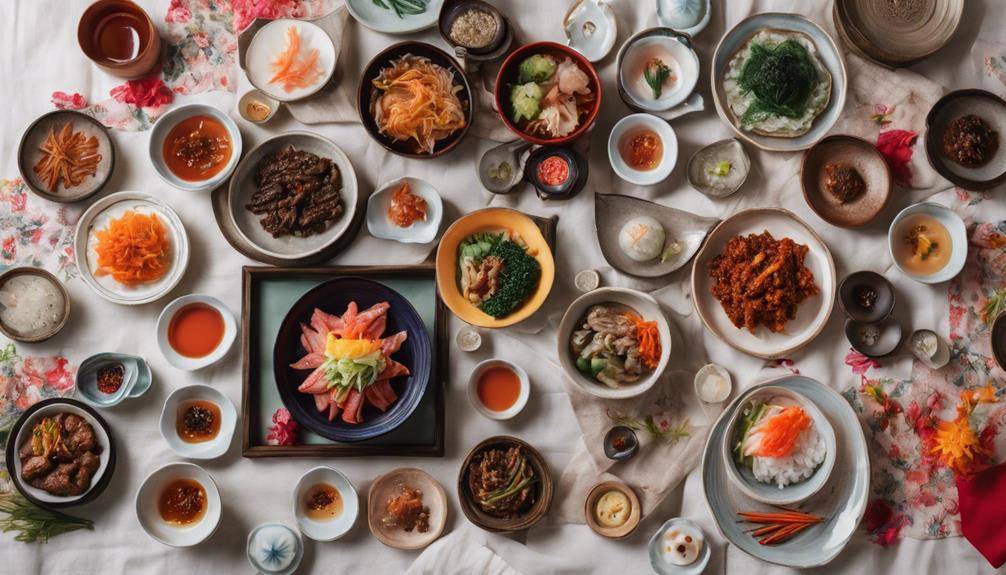
Traditional Korean Holiday Dishes: When you think of traditional Korean holiday dishes, several vibrant options come to mind. Tteok, or rice cakes, symbolize growth and prosperity, especially those shaped like half-moons during Chuseok. You'll also find galbijjim, tender braised short ribs, offering warmth and celebration. Japchae, made with sweet potato glass noodles, packs flavorful vegetables and marinated beef. Kimchi brings a crunchy, fermented kick, while jeon adds savory pancakes to your table. Don't forget seollangtang, a rich ox bone soup, perfect for gatherings. Each dish weaves a rich tapestry of tradition and flavor that you'll want to explore further.
Click Here and Turn Every Masterpiece into a Showstopper!
Significance of Holiday Dishes
Holiday dishes in Korean culture hold deep significance, serving as a bridge between generations and a way to honor traditions. When you gather with family, the table is filled with vibrant dishes that not only delight your senses but also embody cultural significance. Each recipe carries stories passed down, reflecting the values and beliefs of your ancestors.
These festive traditions aren't just about the food; they're about the memories created while preparing and sharing these meals. You may find that the act of cooking together strengthens family bonds, as you learn the recipes that have been cherished for years. The flavors and aromas evoke nostalgia, reminding you of celebrations from your childhood, and inviting you to create new memories with loved ones.
For instance, during the Lunar New Year, you might enjoy dishes like tteokguk (rice cake soup), which symbolizes growth and prosperity. It's more than just a meal; it's a ritual that brings together family, emphasizing the importance of unity and respect.
As you savor these dishes, you're not only enjoying a feast but also participating in a cultural legacy. Each bite connects you to your heritage, reminding you of the values that shape your identity. Embracing these festive traditions allows you to honor the past while nurturing the present, ensuring that the significance of holiday dishes lives on for future generations.
Tteok: Traditional Rice Cakes
Tteok, or traditional rice cakes, come in various types, each with its unique flavor and texture. You'll find these delightful treats featured prominently in celebrations, symbolizing good fortune and prosperity. Let's explore the different kinds of tteok and their significance in festive traditions.
Types of Tteok
When you think of traditional Korean holiday dishes, rice cakes often come to mind as a delightful centerpiece. Tteok varieties come in many shapes, colors, and flavors, each offering a unique experience. For instance, you might enjoy Songpyeon, which are half-moon shaped rice cakes filled with sweetened sesame seeds or red bean paste. They're particularly popular during the Chuseok harvest festival.
Another type is Baekseolgi, known for its light, fluffy texture. This steamed rice cake is often used for celebrations like birthdays. On the other hand, Injeolmi is a chewy rice cake coated in powdered soybeans, providing a nutty flavor that contrasts beautifully with its texture.
You'll also find Jeolpyeon, which is characterized by its sticky, soft texture and is often served with various fillings or toppings. Each of these tteok varieties showcases different tteok textures, from chewy and soft to fluffy and sticky. Exploring these rice cakes not only satisfies your palate but also connects you to the rich traditions of Korean culture. So, next time you celebrate, consider incorporating these delightful tteok into your holiday feast!
Tteok in Celebrations
Celebrations in Korea come alive with the presence of tteok, as these traditional rice cakes play an essential role in various festivities. Tteok symbolism is deeply rooted in Korean culture, representing good fortune, happiness, and the hope for a fruitful year ahead. You'll find tteok at weddings, birthdays, and major holidays, where they serve not just as food but as a means of blessing and sharing joy.
You'll encounter many tteok variations, each with unique ingredients and meanings. For instance, baekseolgi (steamed white rice cake) is often used for birthday celebrations, symbolizing purity and new beginnings. In contrast, songpyeon, filled with sweetened sesame or mung bean paste, is a must-have during Chuseok, the harvest festival, representing gratitude and abundance.
As you partake in these celebrations, remember that tteok is more than a delicious treat; it's a symbol of connection and community. Whether you're enjoying it at a family gathering or a festive event, tteok brings people together, making every occasion a bit more special. So, embrace the rich traditions and flavors that tteok offers during your celebrations!
Galbijjim: Braised Short Ribs
Galbijjim, often enjoyed during festive occasions, is a beloved dish featuring tender, braised short ribs that melt in your mouth. This dish showcases an incredible blend of flavor profiles, combining sweet, savory, and umami elements that make it irresistible. Traditionally, you'll see galbijjim served during holidays and family gatherings, as it's a symbol of warmth and celebration.
To prepare galbijjim, the cooking methods are essential. You'll start by marinating the short ribs in a mix of soy sauce, sugar, sesame oil, garlic, and ginger. This marinade not only infuses the meat with rich flavors but also helps tenderize it. After marinating, you'll need to braise the short ribs in a pot, often with vegetables like carrots and radishes, which add depth to the dish. The slow cooking process allows the meat to absorb all the aromatic goodness, ensuring that every bite is packed with flavor.
As you savor the galbijjim, you'll notice the balance of sweetness from the sugar and the salty depth from the soy sauce, harmonizing perfectly with the tender meat. This dish is often served with a side of steamed rice, allowing you to enjoy the flavorful sauce. Each forkful of galbijjim not only satisfies your hunger but also connects you to Korean traditions and family gatherings, making it a cherished part of the holiday experience.
Japchae: Stir-Fried Glass Noodles
Japchae, or stir-fried glass noodles, is a colorful dish that showcases a unique blend of ingredients. You'll find a variety of vegetables and proteins that enhance its flavor and texture. Let's explore the key ingredients and cooking techniques that make this dish a holiday favorite.
Key Ingredients Overview
Exploring the key ingredients of Japchae reveals a delightful combination of flavors and textures that make this dish a standout during traditional Korean holidays. At the heart of Japchae are sweet potato glass noodles, known for their chewy consistency. These noodles soak up the rich flavors of the dish, creating a satisfying base.
You'll also find an array of colorful vegetables, such as spinach, carrots, and shiitake mushrooms. Each vegetable contributes unique key flavors, enhancing the overall taste and appeal. The sweetness of the carrots balances the earthy tones of the mushrooms, while the spinach adds a fresh touch.
Essential spices elevate Japchae, with soy sauce providing a savory depth. You can't forget about sesame oil, which adds a nutty richness and aromatic quality. A sprinkle of sesame seeds on top not only adds crunch but also visual appeal.
To finish off the dish, you may include protein sources like beef or tofu, enriching the flavor profile even further. Together, these ingredients create a harmonious blend that captures the essence of Korean festive cuisine. Enjoy each bite, knowing it's a dish steeped in tradition and flavor!
Cooking Techniques Explained
To prepare Japchae, mastering the cooking techniques is key to achieving its signature flavor and texture. Start with the glass noodles, soaking them in warm water until they're pliable. This step is essential, as it guarantees they cook evenly. When you stir-fry the noodles, use high heat to create that perfect chewy texture.
Next, focus on the vegetables. Utilizing braising techniques helps enhance their flavors. You can briefly braise mushrooms, spinach, and carrots separately before adding them to the dish. This method allows the veggies to retain their color and nutrients while absorbing the rich flavors of the soy sauce and sesame oil.
Don't forget about the beef, if you're using it! Marinating it with a touch of soy sauce and sesame oil prior to cooking can elevate the dish. If you want an umami-rich depth, consider incorporating some fermentation methods, like adding a splash of gochujang or doenjang to the mix.
Kimchi: Fermented Vegetable Side Dish
Have you ever wondered what makes kimchi a staple in Korean cuisine? This fermented vegetable side dish isn't just a delicious addition to meals; it's packed with flavor and nutrients. Kimchi comes in numerous kimchi variations, including the classic napa cabbage kimchi, radish kimchi, and even cucumber kimchi. Each type offers a unique taste profile, allowing you to choose one that suits your palate.
The fermentation process gives kimchi its distinct tangy flavor while creating beneficial bacteria known as probiotics. These probiotics are essential for gut health, helping to maintain a balanced digestive system. You'll find that adding kimchi to your diet can provide a range of health benefits, from improved digestion to enhanced immune function. Plus, it's low in calories, making it a great choice for those watching their weight.
Every family has its own kimchi recipe, often passed down through generations, which adds a personal touch to this beloved dish. You can experiment with different spices and ingredients to create your perfect version. Whether you enjoy it straight from the jar, as a topping for rice, or mixed into stews, kimchi is versatile and delicious.
Banchan: Variety of Side Dishes
When you think about Korean meals, banchan is essential. These delightful side dishes not only showcase common varieties but also highlight seasonal ingredients that bring freshness to your table. If you're feeling adventurous, preparing banchan at home can enhance your dining experience even more.
Common Banchan Varieties
Often served alongside main dishes, banchan are an essential part of Korean dining, showcasing a delightful variety of flavors and textures. These small side dishes can transform your meal into a vibrant culinary experience. You'll find that banchan preparation often involves fresh vegetables, fermented ingredients, or proteins, making them both nutritious and delicious.
Some common varieties include kimchi, which is fermented napa cabbage with chili pepper, garlic, and ginger; seasoned spinach (sigeumchi namul), sautéed with sesame oil; and pickled radish (danmuji), which offers a sweet and tangy crunch. Each banchan has its unique preparation method, highlighting the versatility of ingredients used in Korean cuisine.
Banchan presentation is equally important. They're typically served in small, colorful dishes that create an inviting atmosphere on the dining table. You might notice how they're arranged to encourage sharing and sampling, making your dining experience more social.
As you explore these side dishes, pay attention to the balance of flavors and textures that they bring. Each bite complements the main course, ensuring that your Korean holiday feast is both satisfying and memorable.
Seasonal Ingredients Used
Korean banchan showcase a delightful array of seasonal ingredients that enhance their flavors and nutritional value. As you explore these dishes, you'll notice how seasonal flavors play an essential role in their preparation. For instance, in the spring, you might find fresh greens like perilla leaves and wild garlic, which add a vibrant taste and a burst of color. Summer brings ingredients like cucumbers and zucchini, perfect for invigorating side dishes that complement heavier main courses.
Ingredient sourcing is fundamental to the authenticity of banchan. Chefs often prefer local markets to select the freshest produce, ensuring that each side dish reflects the season's bounty. In autumn, you can savor root vegetables, mushrooms, and chestnuts, while winter might see hearty ingredients like radishes and cabbages being transformed into delicious kimchi.
Preparing Banchan at Home
Preparing banchan at home can be a rewarding experience that brings the flavors of Korea right to your table. To start your banchan preparation, gather fresh ingredients like vegetables, tofu, and seafood. Simple dishes like kimchi, seasoned spinach, or spicy radish can elevate any meal. Use traditional techniques such as pickling and fermenting to achieve authentic flavors.
Once you've crafted your banchan, think about banchan storage. It's crucial to store your dishes properly to maintain their taste and freshness. Use airtight containers to keep your banchan in the refrigerator. Most banchan can last up to a week, but remember that some, like kimchi, may develop deeper flavors over time.
Don't hesitate to experiment with different variations and spices to make the dishes your own. Preparing banchan at home not only enhances your meals but also allows you to connect with Korean culinary traditions. So roll up your sleeves and enjoy the process—it's a delightful journey into the heart of Korean cuisine!
Click Here and Turn Every Masterpiece into a Showstopper!
Samgyeopsal: Grilled Pork Belly
Samgyeopsal, a beloved dish in Korea, features thick slices of pork belly grilled right at the table. This interactive dining experience not only brings friends and family together but also showcases various grilling techniques that enhance the meat's natural flavors. As you grill the pork belly, you'll notice how the fat renders down, creating a crispy exterior while keeping the inside juicy and tender.
To achieve the perfect samgyeopsal, it is crucial to pay attention to the heat. Using a charcoal grill can impart a smoky flavor, but electric grills are also popular for their convenience. You can experiment with different grilling techniques, like searing the meat quickly over high heat or cooking it slowly to render more fat. Each method results in unique texture and flavor profiles, allowing you to discover your favorite way to enjoy this dish.
Once the pork belly is grilled to your liking, it's time to wrap it in fresh lettuce leaves, along with garlic, green peppers, and a dollop of ssamjang (a savory dipping sauce). The combination of the rich pork and the fresh, spicy elements creates a delightful contrast that elevates the overall experience.
Don't forget to pair your samgyeopsal with a cold drink, whether it's soju or beer, to complement the rich flavors. This hearty dish is not just about the taste but also about sharing moments with loved ones, making it a true celebration of Korean culture.
Jeon: Savory Pancakes
After enjoying samgyeopsal, you might want to explore another popular dish: jeon, savory pancakes that add a delightful variety to any meal. Jeon comes in numerous forms, each boasting unique flavors and ingredients, making it a versatile choice for any occasion. You can find jeon variations that include vegetables, seafood, or even meat, allowing you to tailor your dish to your personal taste.
To prepare these delicious pancakes, you'll typically start by mixing a batter made from flour, egg, and water, which acts as the base. Then, you can add your desired ingredients. For instance, you might choose to include shredded zucchini, green onions, or sliced shrimp. The cooking methods can vary, but pan-frying is the most common technique, giving the pancakes a crispy exterior while keeping the inside tender.
When it comes to serving, jeon is often cut into bite-sized pieces, making it perfect for sharing. It's commonly enjoyed with a dipping sauce made from soy sauce, vinegar, and sesame oil, which complements the flavors beautifully. Whether you're having it as a side dish or as a main course, jeon is sure to impress.
Songpyeon: Half-Moon Rice Cakes
Delight in the sweet taste of songpyeon, traditional half-moon rice cakes that are a staple during the Chuseok holiday. These delightful treats are made from glutinous rice flour and filled with various ingredients, typically sweetened sesame seeds, red beans, or chestnuts. The preparation of songpyeon is not just about the flavors; it's a cherished family activity that brings everyone together. As you gather with loved ones, you'll appreciate the festive flavors that each bite offers.
Songpyeon holds significant cultural importance in Korean tradition. It's not just food; it symbolizes abundance and gratitude. When you mold the rice cakes into their iconic half-moon shape, you're also shaping wishes for prosperity and health in the coming year. Families often make a wish while creating these treats, making the experience even more meaningful.
During Chuseok, you can't miss the sight of these beautiful rice cakes, often adorned with natural colors from ingredients like mugwort or powdered soybean. The vibrant colors add to the festive atmosphere, inviting everyone to indulge in this seasonal delight.
As you savor the chewy texture and sweet fillings, remember that each songpyeon carries a story of tradition and togetherness. Whether you're enjoying them with family or sharing them with friends, these half-moon rice cakes encapsulate the spirit of Chuseok, celebrating not just the harvest but also the bonds that tie us together.
Seollangtang: Ox Bone Soup
Seollangtang, a hearty ox bone soup, warms the soul and is a beloved dish during the winter months in Korea. This traditional soup is made by simmering beef bones for an extended period, allowing the nutrients and flavors to meld together. When you take a sip, you'll experience a rich, creamy broth that's both comforting and satisfying.
The cultural significance of Seollangtang runs deep. It's often served during special occasions, especially during the Lunar New Year, symbolizing prosperity and health for the upcoming year. Families gather around the table, sharing warm bowls of soup, which fosters a sense of togetherness and tradition. It's not just food; it's a way to celebrate heritage and create memories.
Beyond its cultural roots, Seollangtang offers numerous health benefits. The slow-cooked bones release collagen and minerals, which can promote joint health and improve skin elasticity. The hearty broth is also rich in protein, making it an excellent choice for those recovering from illness or needing a nutrient boost. Plus, the warmth of the soup helps combat the chill of winter, making it a go-to comfort food.
As you enjoy a bowl of Seollangtang, you're not only indulging in a delicious meal but also participating in a cherished tradition that nourishes both body and spirit. So, next time you're looking for something to warm you up, consider this iconic dish that's packed with flavor and history.
Traditional Beverage Pairings
When enjoying traditional Korean holiday dishes like Seollangtang, pairing them with the right beverage can elevate the dining experience. You'll want to contemplate traditional drinks that complement the dish's rich, savory notes. A popular choice is *soju*, a clear Korean spirit with a smooth finish. Its clean taste balances the hearty flavors of the soup, enhancing your meal.
If you're looking for something non-alcoholic, *sikhye*, a sweet rice drink, is an excellent option. Its subtle sweetness and slight effervescence provide a revitalizing contrast to the savory elements of your dish. This drink not only cleanses your palate but also adds a festive touch to your holiday table.
For a warm beverage, contemplate *omija-cha*, made from dried five-flavor berries. This herbal tea boasts a unique flavor profile that can harmonize beautifully with the festive flavors of Korean holiday dishes. The combination of sweet, sour, bitter, and salty notes in the tea mirrors the complexity of traditional meals, making it a delightful pairing.
As you explore various options, remember that the right beverage can transform your dining experience. Whether you choose the smoothness of soju, the sweetness of sikhye, or the intriguing flavors of omija-cha, each drink offers a unique way to celebrate the rich culinary heritage of Korea. Enjoy your meal, and let these traditional drinks enhance your appreciation for the festive flavors on your plate!
Click Here and Turn Every Masterpiece into a Showstopper!
Frequently Asked Questions: Traditional Korean Holiday Dishes
What Are the Most Popular Holidays for Traditional Korean Dishes?
When you think about popular holidays, Chuseok celebrations and Lunar New Year come to mind. These occasions are known for their rich traditions and delicious foods that bring families together in joyful gatherings.
How Are Traditional Dishes Prepared Differently in Various Regions of Korea?
In Korea, you'll notice regional variations in traditional dishes, as different areas use unique ingredient differences based on local availability. This diversity adds rich flavors and textures, making each region's cuisine distinct and exciting to explore.
Are There Vegetarian Options for Traditional Holiday Dishes?
Yes, there are vegetarian options for traditional holiday dishes. You can explore vegetarian adaptations by using ingredient substitutions, like replacing meat with tofu or mushrooms, ensuring you still enjoy delicious flavors while keeping it plant-based.
How Can I Incorporate Korean Holiday Dishes Into Modern Meals?
You can incorporate Korean holiday dishes into modern meals by experimenting with fusion recipes. Try creating modern adaptations, like kimchi tacos or bulgogi bowls, blending traditional flavors with contemporary ingredients for a fresh culinary experience.
What Utensils Are Traditionally Used When Serving Holiday Dishes?
When serving holiday dishes, you'll typically use beautiful, colorful plates and bowls. Incorporating proper serving etiquette enhances dish presentation, showcasing the meal's aesthetic appeal while ensuring guests enjoy a memorable dining experience.

Conclusion
To sum up, traditional Korean holiday dishes not only celebrate cultural heritage but also bring families together. From the chewy delight of tteok to the savory flavors of galbijjim and the rejuvenating taste of kimchi, each dish has its own story. Don't forget the comforting warmth of seollangtang and the sweet treat of songpyeon to round out your feast. So, whether you're cooking for a holiday or just want to enjoy these flavors, plunge into and savor each bite!