Moroccan Holiday Traditions And Cuisine
Moroccan Holiday Traditions And Cuisine: Moroccan holiday traditions and cuisine are a feast for the senses. During vibrant celebrations like Eid Al-Fitr and weddings, families gather in colorful attire, sharing joyous moments and delicious meals. Signature dishes like tagine, couscous, and harira reflect the rich flavors of Moroccan cooking, enhanced by fragrant spices. Hospitality is key; guests feel like family, with communal feasts reinforcing bonds. Festive sweets, crafted with care, showcase the importance of family connections. Each region adds its unique twist, creating a diverse culinary landscape. There's so much more to discover about these traditions and delectable dishes, just waiting for you to explore.
Click Here and Turn Every Masterpiece into a Showstopper!
Overview of Moroccan Holidays
Morocco's vibrant tapestry of holidays reflects its rich culture and traditions. You'll find that these celebrations aren't just about having fun; they have deep cultural significance and historical roots. Each holiday offers a glimpse into the lives of the Moroccan people, showcasing their values and beliefs.
As you participate in these festivities, you'll notice the colorful festive attire worn by locals, which often symbolizes the specific holiday being celebrated. The streets fill with laughter and joy as communal prayers unite families and communities, reminding everyone of their shared faith and heritage. Traditional music plays a pivotal role, with songs that echo stories of resilience and joy, creating a backdrop for the celebrations.
Local crafts also shine during these holidays, as artisans display their skills in creating beautiful decorations and gifts. You can witness how seasonal decorations transform homes and public spaces, adding to the festive atmosphere. As you explore, you might hear intergenerational stories passed down through families, connecting the past with the present in a meaningful way.
These holidays aren't just events; they're experiences that allow you to connect with the essence of Moroccan culture. By immersing yourself in these traditions, you'll gain a deeper understanding of the values that shape the Moroccan identity, making your journey all the more enriching. Embrace the warmth of the celebrations, and you'll surely create unforgettable memories.
Key Islamic Festivals
When you think about Moroccan holiday traditions, key Islamic festivals like Eid Al-Fitr and Eid Al-Adha stand out. These celebrations bring families together, filled with unique customs and delicious food. You'll also discover how the Islamic New Year adds to the rich tapestry of Moroccan culture.
Eid Al-Fitr Celebrations
Have you ever experienced the joy of Eid Al-Fitr celebrations? This vibrant holiday marks the end of Ramadan and is filled with rich traditions. You start the day with Eid prayers at your local mosque, where the atmosphere buzzes with excitement. Everyone dresses in festive attire, showcasing their best outfits, often adorned with intricate embroidery.
After prayers, the real fun begins. Families gather for communal feasts, sharing delicious dishes that reflect the diverse Moroccan cuisine. It's a time for charity giving, where you might donate to those in need, reinforcing the sense of community.
As you savor special desserts like baklava and maamoul, the air fills with the sounds of traditional music and cultural performances, creating a festive ambiance. You'll notice mosques decorated with lights and colorful banners, enhancing the celebratory spirit.
Family gatherings are at the heart of Eid, where laughter and stories are shared. Everyone comes together to enjoy each other's company, making memories that last a lifetime. Eid Al-Fitr truly embodies the essence of togetherness, gratitude, and joy. So, immerse yourself in the festivities and embrace the warmth of this beautiful celebration!
Eid Al-Adha Customs
Following the joyous celebrations of Eid Al-Fitr, Eid Al-Adha brings its own unique customs and significance to Moroccan life. This festival revolves around sacrifice rituals, commemorating the willingness of Ibrahim to sacrifice his son. In preparation, you'll witness families engaging in livestock selection, choosing sheep or goats that symbolize their devotion.
On the morning of Eid, you'll partake in communal prayers at the mosque, where the atmosphere buzzes with excitement and spiritual reflections. After prayers, families gather to perform the sacrifice, sharing the meat with relatives, friends, and those in need, showcasing charity practices that highlight the festival's cultural significance.
Festive meals filled with traditional dishes follow the rituals, where everyone enjoys the bounty together. You'll likely dress in traditional attire, adding to the celebratory spirit as you join neighborhood celebrations, where joy and laughter fill the air. It's a time for family gatherings, strengthening bonds and creating lasting memories. As you partake in these customs, you'll experience the heartwarming essence of Eid Al-Adha, a true representation of faith, community, and generosity in Moroccan culture.
Islamic New Year Traditions
As the Islamic New Year approaches, families in Morocco embrace the occasion with a blend of reflection and celebration. This time of year prompts deep Islamic reflections, where you might find yourself contemplating the past year's experiences and setting intentions for the year ahead. It's a moment to reconnect with your faith and values.
During the New Year rituals, families gather to share meals, often featuring traditional dishes that symbolize prosperity and good fortune. You'll likely enjoy meals that include sweet pastries, reflecting the hope for a sweet year to come.
People also visit friends and relatives, exchanging warm wishes and gifts. This practice strengthens community bonds and creates a sense of togetherness. You might participate in prayers at the mosque, seeking blessings for the new year.
As the sun sets, you could light candles or lanterns, illuminating your home and symbolizing the light of knowledge and faith guiding your way. The Islamic New Year serves as a reminder to cherish family, embrace your culture, and look forward to new beginnings with hope and gratitude.
Traditional Moroccan Celebrations
When you think of traditional Moroccan celebrations, Eid Al-Fitr and weddings come to mind. Each event is filled with unique customs and vibrant festivities that showcase the rich culture of Morocco. Let's explore how these celebrations bring families and communities together in joyous harmony.
Eid Al-Fitr Celebrations
Eid Al-Fitr celebrations in Morocco are a vibrant expression of joy and gratitude that mark the end of Ramadan. You'll notice the streets adorned with colorful Eid decorations, creating a festive atmosphere. The day begins with communal prayers at mosques, where you join others in festive prayers, embracing the spiritual significance of the occasion.
Charity giving is a cornerstone of Eid, as you're encouraged to share your blessings with those in need. This act of generosity fosters a sense of community and togetherness. After the prayers, families gather for lavish community feasts, where traditional Moroccan dishes are served, showcasing the rich culinary heritage of the country.
Dressing in traditional attire enhances the celebrations. You might wear a beautifully crafted kaftan or djellaba, embodying the cultural significance of the occasion. Family reunions are at the heart of Eid, as loved ones come together to celebrate, share stories, and strengthen bonds.
As you partake in these time-honored customs, you'll appreciate the historical roots of Eid Al-Fitr, reflecting Morocco's deep cultural tapestry and the importance of unity, gratitude, and joy during this special time.
Moroccan Wedding Traditions
In Morocco, weddings are a dazzling celebration steeped in rich traditions and cultural significance. As you participate in a Moroccan wedding, you'll witness vibrant henna ceremonies, where intricate designs are painted on the bride's hands and feet. This ritual symbolizes beauty and protection, and it's a special moment for family involvement.
The bridal procession is a grand affair, showcasing the bride in stunning wedding attire, often adorned with jewels and colorful fabrics. Accompanied by traditional music, the atmosphere is filled with joy and enthusiasm. Guests keenly await the moment when the bride arrives, marking the beginning of the wedding rituals.
Gift exchanges between families signify their union, emphasizing the importance of relationships. As the festivities unfold, you'll be treated to sumptuous wedding feasts, featuring an array of delicious Moroccan dishes that reflect the country's rich culinary heritage.
Throughout the celebration, marital blessings are offered, reinforcing the couple's commitment to one another. These rituals not only honor the couple but also bring families together, creating cherished memories that will last a lifetime. Embrace the beauty of Moroccan wedding traditions, and you'll understand their profound cultural significance.
Unique Regional Customs
Morocco boasts a rich tapestry of holiday traditions, and unique regional customs play an essential role in this vibrant culture. Each region has its own distinctive practices, influenced by local folklore and the diverse tapestry of its people. When you visit different areas, you'll notice how these customs reflect the region's history and identity.
In the mountainous regions, for instance, you'll often see traditional regional attire that showcases intricate craftsmanship. Locals might wear beautifully embroidered garments, symbolizing their heritage during festivals. The colors and patterns often tell stories from local folklore, connecting the community to their ancestry and traditions.
In coastal cities, you might experience lively beach celebrations that mix Moroccan traditions with influences from the Mediterranean. Here, music and dance play a significant role, with traditional songs echoing tales of sea voyages and local legends. As you engage with the locals, you'll hear stories passed down through generations, enriching your understanding of their customs.
In the Sahara, you'll find unique rituals tied to the desert environment. Festivals celebrating the desert's beauty often include camel races and poetry recitations, where the art of storytelling remains alive. You'll appreciate how these customs not only entertain but also serve as a way to bond with the community.
As you explore Morocco, embracing these regional customs will deepen your appreciation for the country's rich cultural heritage and vibrant traditions.
Signature Moroccan Dishes
Exploring Morocco's regional customs naturally leads to an appreciation of its signature dishes, which reflect the country's rich culinary heritage. You'll find that tagine varieties are a cornerstone of Moroccan cuisine, showcasing a mix of meats, vegetables, and aromatic spices all slow-cooked in a unique earthenware pot. Each region brings its own twist, making every bite a new experience.
Couscous preparation is another essential aspect of Moroccan meals. You can enjoy fluffy couscous served with vegetables and meats, often flavored with seasonal ingredients that highlight the produce of the region. Don't forget to savor harira soup, a hearty dish usually enjoyed during Ramadan, packed with lentils, chickpeas, and rich spices.
For a touch of sweetness, you might explore pastilla recipes, where flaky pastry encases a savory filling of pigeon or chicken, all dusted with powdered sugar and cinnamon. Traditional breads, like khobz, are a staple at every meal, perfect for scooping up stews or soups.
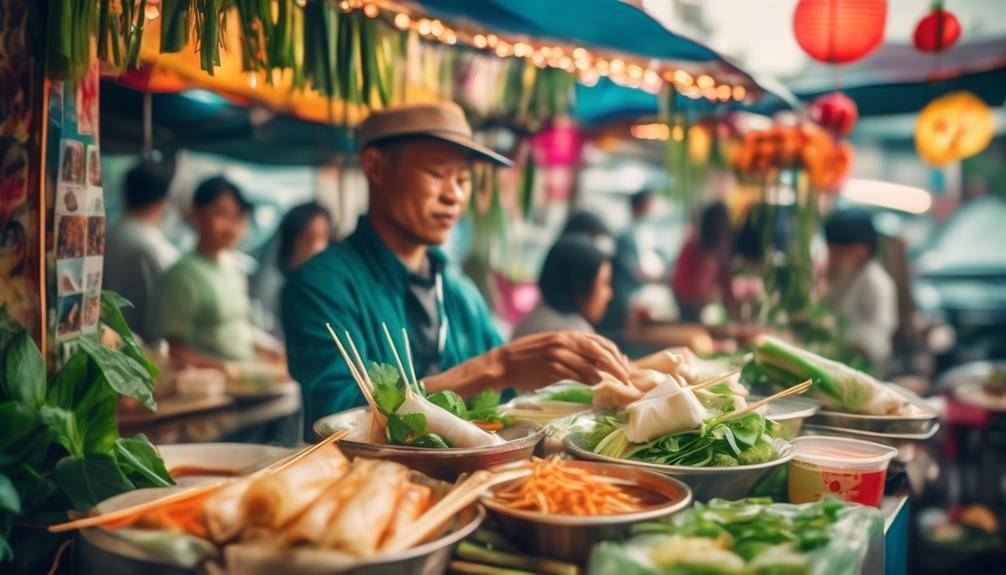
Street food also plays a significant role in Moroccan culinary culture. You'll find vendors selling everything from spicy merguez sausages to crispy zaalouk, a delightful eggplant salad. The use of diverse spice blends, like ras el hanout, elevates these dishes, showcasing Morocco's vibrant flavors.
In festive feasts, cooking techniques such as grilling and steaming take center stage, allowing seasonal ingredients to shine. Each dish tells a story, inviting you to explore the depth of Moroccan gastronomy.
Click Here and Turn Every Masterpiece into a Showstopper!
Festive Sweets and Treats
During festive occasions, Moroccan sweets and treats truly shine, offering a delightful blend of flavors and textures that celebrate the country's rich heritage. You'll find a stunning array of sweets varieties, from delicate baklava to nutty ghriba, each prepared with great care and love. These festive pastries are often the centerpiece of gatherings, showcasing intricate dessert presentations that elevate any special occasion.
Traditional desserts like kaab el ghazal, with their fragrant almond paste, and sellou, a sweet blend of flour, nuts, and spices, embody the cultural significance of Moroccan celebrations. You can't help but be enchanted by the use of seasonal ingredients, which not only enhance flavors but also reflect the rhythm of nature throughout the year.
Homemade treats play an essential role in these festivities, as families often come together to prepare them, sharing recipes passed down through generations. The act of baking and assembling these sweets becomes a cherished tradition, bringing everyone closer.
When you indulge in these delightful offerings, you're not just tasting something sweet; you're experiencing a rich tapestry of culture and history. Each bite tells a story, reminding you of the joy and warmth that Moroccan holidays bring. So, next time you celebrate, be sure to include these festive sweets and treats, allowing yourself to savor the flavors that embody the spirit of Moroccan traditions.
Importance of Family Gatherings
Family gatherings hold a special place in Moroccan holiday celebrations, serving as the heart of these joyous occasions. You'll find that these gatherings are more than just a time to share meals; they're essential for family bonding and reinforcing traditions. During holidays like Eid or Amazigh New Year, it's common for extended families to come together, bridging distances and reconnecting with one another.
As you participate in these celebrations, you'll notice how each family member plays a role in the holiday rituals. From preparing traditional dishes to sharing stories of the past, these activities foster a sense of unity and belonging. You might find yourself helping to cook a family recipe that's been passed down through generations, or perhaps you'll engage in lively conversations that spark laughter and nostalgia.
The importance of family gatherings goes beyond the food and festivities. They create lasting memories and strengthen the ties that bind you to your loved ones. Each holiday offers a unique opportunity to cherish your heritage and reinforce family values. You'll find that these moments are a reminder of who you are and where you come from.
In a fast-paced world, these gatherings allow you to slow down and appreciate the relationships that matter most. So, as you celebrate, savor every moment spent with family. After all, it's these connections that truly enrich your holiday experience and make it unforgettable.
Role of Hospitality in Celebrations
Hospitality is a cornerstone of Moroccan holiday celebrations, reflecting the warmth and generosity ingrained in the culture. When you step into a Moroccan home during a holiday, you're not just a visitor; you're treated like family. This spirit of hospitality showcases the cultural significance of welcoming rituals, where hosts go above and beyond to guarantee you feel at home.
You'll notice that guest etiquette is paramount. It's customary to greet everyone warmly and to offer your thanks for the meal and the company. Sharing blessings is integral, as families come together for communal feasting. Dishes are prepared with love and care, often served in large platters for everyone to enjoy. This communal aspect fosters a sense of unity and belonging, reinforcing the idea that food is meant to be shared.
As you partake in these gatherings, you might receive traditional gifts, symbolizing appreciation and goodwill. These gestures enhance the festive atmosphere and remind you of the strong bonds that holidays help to cultivate. Whether it's sweets, handmade crafts, or local delicacies, each gift carries a story and a piece of Moroccan culture.
In essence, the role of hospitality during Moroccan celebrations goes beyond mere politeness; it's a heartfelt expression of community and love. So, when you find yourself among friends and family during these joyous times, embrace the warmth and generosity surrounding you, and you'll truly understand the essence of Moroccan hospitality.
Influence of Spices in Cuisine
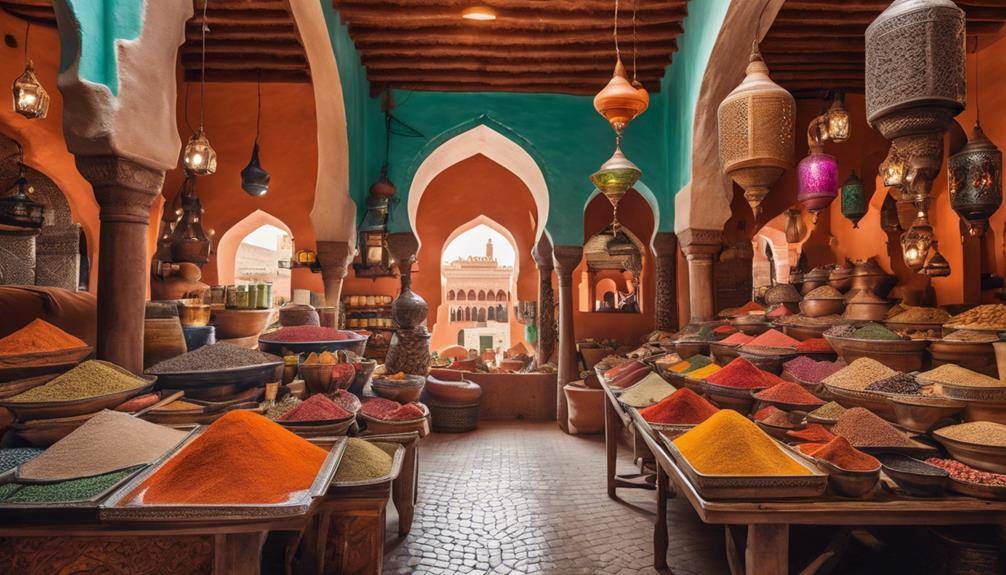
Spices are the soul of Moroccan cuisine, transforming simple ingredients into vibrant dishes that tantalize the senses. As you explore the spice origins, you'll discover a rich tapestry woven from ancient trade routes and cultural exchanges. Each spice carries unique flavor profiles that contribute to the depth and complexity of Moroccan dishes. From the warm notes of cumin to the fragrant allure of cinnamon, these spices reflect the country's culinary traditions.
You'll find that spice blends, like ras el hanout, are crucial in creating signature flavors. This blend often varies by region, showcasing the regional variations that define Moroccan cooking. Depending on the season, certain spices take center stage; for instance, saffron might be more prevalent in winter dishes, while fresh herbs shine in summer salads.
When it comes to cooking techniques, spices play an essential role. You might sauté garlic and ginger to form a base, or slow-cook tagines to develop deep flavors. Beyond enhancing taste, spices also offer health benefits, from anti-inflammatory properties to digestive aids.
Incorporating seasonal spices into your meals not only honors tradition but also elevates the dining experience. As you savor each bite, you'll appreciate how Moroccan cuisine celebrates the art of flavor, bringing together diverse influences and rich history on every plate.
Click Here and Turn Every Masterpiece into a Showstopper!
Frequently Asked Questions: Moroccan Holiday Traditions And Cuisine
What Are Some Common Drinks Served During Moroccan Holiday Celebrations?
During celebrations, you'll enjoy traditional beverages like mint tea, known for its invigorating taste. Festive teas are often served, providing warmth and a sense of community, making every gathering feel special and memorable.
How Do Moroccan Holidays Differ Between Urban and Rural Areas?
When exploring how holidays differ, you'll notice urban celebrations often feature modern festivities, while rural customs emphasize tradition and community. Each setting offers unique experiences, showcasing vibrant contrasts in how people celebrate together.
Are There Any Specific Dress Codes for Moroccan Holiday Festivities?
During Moroccan holiday festivities, you'll often wear traditional garments like kaftans or djellabas. Don't forget to add festive accessories such as vibrant jewelry or decorative scarves to complete your look and embrace the celebration's spirit!
What Role Does Music Play in Moroccan Holiday Celebrations?
Music's integral to celebrations, enhancing the atmosphere. You'll hear traditional instruments and witness lively folk dances, creating a vibrant experience. It brings people together, allowing you to connect with the culture and share joyful moments.
How Are Holidays Observed by Moroccan Communities Abroad?
When you observe holidays in Moroccan communities abroad, you'll find vibrant community gatherings that celebrate shared traditions. These events focus on cultural preservation, bringing people together to honor their heritage and strengthen connections with one another.

Conclusion
To sum up, exploring Moroccan holiday traditions and cuisine reveals a vibrant tapestry of culture and community. You'll find that each celebration, whether it's an Islamic festival or a regional custom, is rich with unique flavors and shared moments. The importance of family gatherings and hospitality shines through, making every meal a feast for the senses. So, whether you're savoring signature dishes or indulging in festive sweets, you'll experience the warmth and joy that define Moroccan life.