Amazing Vegan Diet Strategies for Anemia
Amazing Vegan Diet Strategies for Anemia; Did you know that anemia affects approximately 25% of the global population? If you’re following a vegan diet, it’s important to ensure you’re getting enough iron to prevent and manage this condition. But fear not, because in this discussion, we will explore effective strategies to help you meet your iron needs and maintain optimal health. From incorporating iron-rich plant-based foods to enhancing absorption with vitamin C, we’ve got you covered. So, if you’re ready to discover how to thrive on a vegan diet while managing anemia, let’s dive in.
Understanding Anemia and Its Causes
Understanding anemia and its causes is crucial for adopting effective strategies to manage this condition on a vegan diet. Anemia is a condition characterized by a decrease in the number of red blood cells or a decrease in the amount of hemoglobin in the blood. This can lead to symptoms such as fatigue, weakness, shortness of breath, and pale skin. It is important to be aware of these symptoms in order to identify and address anemia promptly.
When it comes to treating anemia, there are various options available. The most common treatment for anemia is iron supplementation. Iron is essential for the production of hemoglobin, the protein responsible for carrying oxygen in the blood. Vegans can obtain iron through plant-based sources such as legumes, whole grains, nuts, and seeds. However, it is important to note that iron from plant-based sources is not as readily absorbed as iron from animal-based sources. To enhance iron absorption, it is recommended to consume iron-rich foods along with a source of vitamin C, as this vitamin can enhance iron absorption.
In addition to iron supplementation, it may also be necessary to address other nutrient deficiencies that can contribute to anemia. Vitamin B12, which is primarily found in animal-based foods, is crucial for the production of red blood cells. Vegans can obtain vitamin B12 through fortified foods or supplements. Folate and vitamin B6 are also important for red blood cell production and can be found in plant-based sources such as leafy greens, legumes, and fortified cereals.
Understanding the symptoms of anemia and the available treatment options is essential for effectively managing this condition on a vegan diet. By ensuring an adequate intake of iron, vitamin B12, folate, and vitamin B6, vegans can maintain healthy red blood cell production and prevent anemia.
Importance of Iron in a Vegan Diet
Iron plays a vital role in maintaining optimal health on a vegan diet. As a vegan, it is important to be aware of the importance of iron and the risk of iron deficiency. Iron deficiency is one of the most common nutrient deficiencies worldwide, and it can lead to anemia, fatigue, and impaired cognitive function. This is especially important for vegans, as plant-based sources of iron are not as readily absorbed by the body as animal-based sources.
To ensure that you are meeting your iron needs on a vegan diet, it is essential to consume a variety of iron-rich plant foods. Some good sources of iron for vegans include legumes (such as lentils and chickpeas), tofu, tempeh, quinoa, fortified cereals, nuts, and seeds. Pairing these foods with a source of vitamin C, such as citrus fruits or bell peppers, can enhance iron absorption.
In some cases, it may be necessary to consider vegan iron supplements. These supplements can help meet your iron needs, especially if you have a higher risk of iron deficiency or have been diagnosed with anemia. Vegan iron supplements are available in different forms, such as iron bisglycinate or iron ferrous gluconate, and it is important to choose a supplement that is specifically labeled as vegan.
Plant-Based Iron-Rich Foods
Including a variety of plant-based foods in your diet can help ensure an adequate intake of iron, a vital nutrient for overall health and well-being. As a vegan, it’s important to be aware of iron-rich foods to meet your daily requirements. Here are some plant-based iron-rich foods that you can incorporate into your diet:
- Leafy greens such as spinach, kale, and Swiss chard are excellent sources of iron. These greens can be added to salads, stir-fries, or smoothies for a boost of iron.
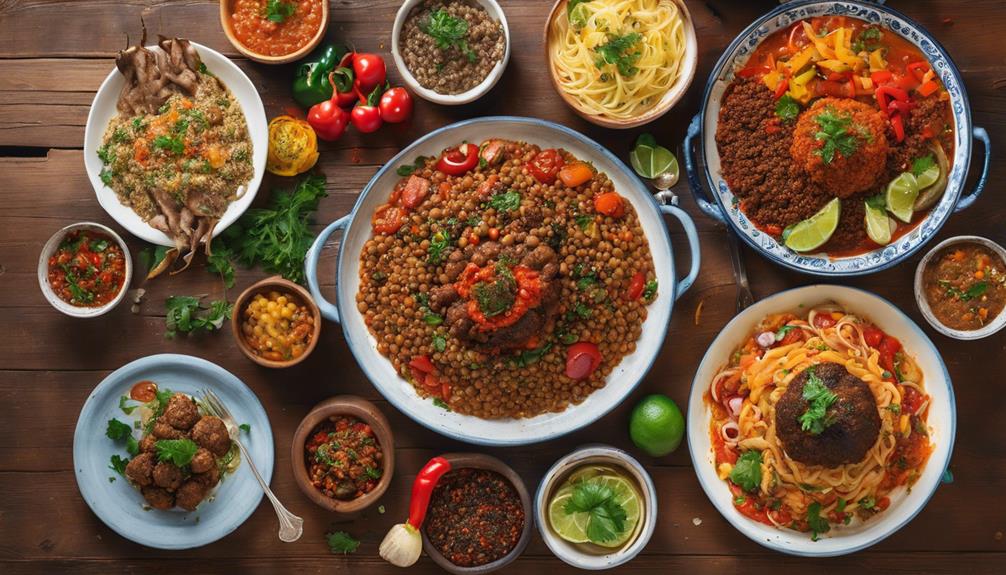
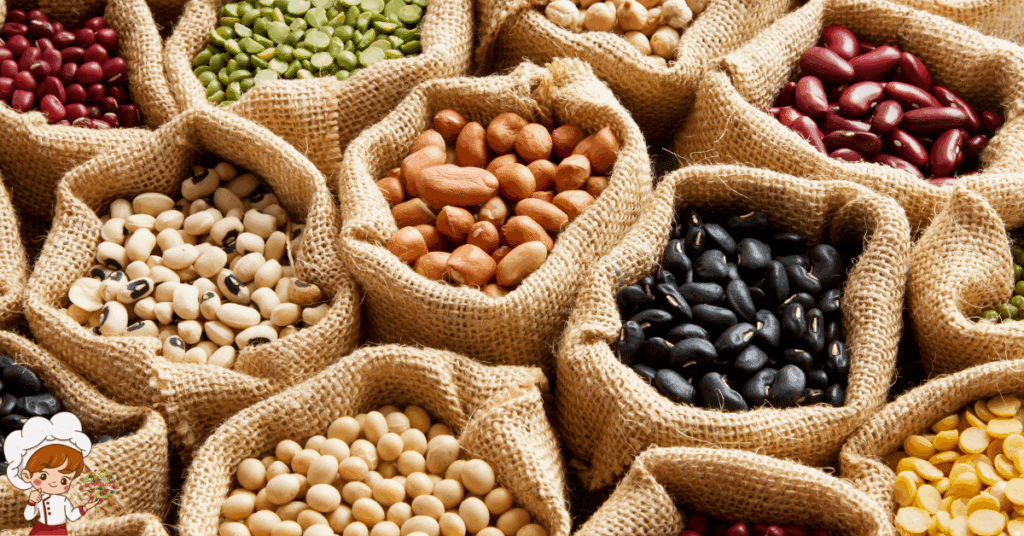
- Legumes like lentils, chickpeas, and black beans are not only high in fiber and protein but also rich in iron. Try adding them to soups, stews, or making veggie burgers for a delicious iron-rich meal.
- Vegan iron supplements can also be an option to ensure you’re meeting your iron needs. Speak to a healthcare professional or registered dietitian for guidance on choosing the right supplement for you.
- Another way to incorporate iron into your diet is through iron-rich smoothie recipes. Blend fruits like bananas, strawberries, and oranges with spinach or kale for a refreshing and iron-packed smoothie.
- Nuts and seeds, such as pumpkin seeds, sesame seeds, and cashews, are not only a great source of iron but also provide healthy fats and protein. Sprinkle them on salads, stir them into oatmeal, or enjoy them as a snack for a nutrient-rich boost.
- Whole grains like quinoa, amaranth, and oats are not only nutritious but also contain iron. These grains can be used as a base for salads, side dishes, or porridge to add iron to your meals.
Enhancing Iron Absorption With Vitamin C
To enhance iron absorption in your vegan diet, incorporating vitamin C-rich foods like citrus fruits is essential. Vitamin C helps convert plant-based iron into a form that is easily absorbed by your body. Additionally, using cooking techniques that promote iron absorption, such as soaking and fermenting, can further enhance the bioavailability of iron in your meals
Citrus Fruits and Iron
Boost your iron absorption by incorporating vitamin C-rich citrus fruits into your vegan diet. Citrus fruits such as oranges, lemons, and grapefruits are not only refreshing and delicious, but they also provide numerous benefits when it comes to enhancing iron absorption. Here are some reasons why you should consider adding citrus fruits to your iron-rich recipes:
- Citrus fruits are high in vitamin C, which helps your body absorb non-heme iron, the type of iron found in plant-based foods.
- Vitamin C from citrus fruits can increase the bioavailability of iron, making it easier for your body to absorb and utilize.
- Including citrus fruits in your meals can help prevent iron deficiency anemia, a condition that can cause fatigue, weakness, and impaired cognitive function.
Cooking Techniques for Iron Absorption
By incorporating cooking techniques that enhance iron absorption with vitamin C, you can further optimize the benefits of citrus fruits in preventing iron deficiency anemia. Cooking techniques play a crucial role in maximizing the absorption of iron from plant-based sources. One effective technique is to combine iron-rich foods with those high in vitamin C, such as citrus fruits. Vitamin C enhances the absorption of non-heme iron, which is the type of iron found in plant-based foods. You can increase the iron absorption by squeezing lemon or lime juice over your cooked vegetables or using citrus-based dressings in your salads.
Another technique is to cook vegetables for a shorter period of time, as excessive cooking can lead to a loss of nutrients, including iron. Steaming or stir-frying vegetables are good options to retain their nutritional value. These cooking techniques can help you optimize iron absorption and prevent anemia on a vegan diet.
Incorporating Legumes and Pulses Into Meals
Incorporating legumes and pulses into your meals can be a simple and effective way to increase your iron intake on a vegan diet. Legumes, such as beans, lentils, and chickpeas, are rich in iron and provide numerous health benefits. Here are some reasons why incorporating legumes into your meals is beneficial:
- Legume recipes:
- Legumes can be used in a variety of delicious recipes, such as lentil soups, bean salads, and chickpea curries. These recipes not only add flavor and texture to your meals but also provide a substantial amount of iron.
- Experimenting with different legume recipes can help you discover new flavors and enhance your culinary skills. You can try making black bean burgers, red lentil pasta, or even roasted chickpeas as a crunchy snack.
- Benefits of incorporating legumes:
- Legumes are not only a great source of iron but also contain other essential nutrients like protein, fiber, and folate. These nutrients are vital for overall health and wellbeing.
- Consuming legumes regularly can help improve digestion, regulate blood sugar levels, and promote heart health. The high fiber content in legumes aids in maintaining a healthy weight and reducing the risk of chronic diseases.
Incorporating legumes and pulses into your meals is an easy and delicious way to boost your iron intake on a vegan diet. By trying out different legume recipes and enjoying the numerous benefits they offer, you can ensure that you’re meeting your nutritional needs while enjoying flavorful and satisfying meals. So go ahead and explore the world of legumes, and discover the many ways they can nourish your body and tantalize your taste buds.
Adding Dark Leafy Greens to Your Plate
Including dark leafy greens in your meals can provide a rich source of iron and other essential nutrients on a vegan diet. Dark leafy greens, such as spinach, are particularly valuable as iron sources. Spinach is a versatile vegetable that can be easily incorporated into everyday meals.
Spinach is a nutrient-dense leafy green that contains high levels of iron. Iron plays a crucial role in the production of red blood cells, which transport oxygen throughout the body. Incorporating spinach into your meals can help prevent iron deficiency anemia, a common concern for vegans.
There are several ways you can add spinach to your plate. One simple method is to include it in salads. You can toss fresh spinach leaves with other vegetables, such as tomatoes, cucumbers, and bell peppers, to create a nutritious and satisfying salad. You can also use spinach as a base for green smoothies or add it to soups and stir-fries for an extra boost of nutrients.
To maximize the absorption of iron from spinach, it is important to pair it with foods rich in vitamin C. Vitamin C enhances the absorption of non-heme iron, which is the type of iron found in plant-based foods. You can squeeze lemon juice over your spinach salad or add citrus fruits, such as oranges or grapefruits, to your smoothies.
Incorporating spinach into your everyday meals can help ensure that you are getting an adequate amount of iron on a vegan diet. Remember to pair it with vitamin C-rich foods to enhance iron absorption. By making dark leafy greens like spinach a regular part of your meals, you can support optimal iron levels and promote overall health.
Exploring Alternative Sources of Iron
Now it’s time to explore alternative sources of iron to further meet your dietary needs. Incorporating iron-rich plant foods into your meals can be a valuable strategy. Additionally, enhancing iron absorption can maximize the effectiveness of these alternative sources.
Iron-Rich Plant Foods
To increase the iron content in your vegan diet, consider incorporating a variety of plant-based foods that are rich in this essential mineral. Iron deficiency is a common concern for vegans, but with proper planning, it can be easily avoided. Here are some iron-rich plant foods that you can include in your meals:
- Leafy greens: Spinach, kale, and Swiss chard are excellent sources of iron.
- Legumes: Beans, lentils, and chickpeas are not only rich in iron but also high in protein.
- Nuts and seeds: Cashews, almonds, and pumpkin seeds are iron-packed snacks.
- Whole grains: Quinoa, brown rice, and oatmeal provide a good amount of iron.
- Iron-fortified foods: Look for cereals, bread, and plant-based milk that are fortified with iron.
Enhancing Iron Absorption
To optimize iron absorption in your vegan diet, consider exploring alternative sources of this essential mineral. Increasing iron bioavailability can be achieved by consuming certain dietary factors that enhance iron absorption. One important factor is consuming vitamin C-rich foods alongside plant-based iron sources. Vitamin C helps convert plant-based iron into a more absorbable form, increasing its bioavailability. Good sources of vitamin C include citrus fruits, strawberries, bell peppers, and tomatoes.
Another strategy is to include foods that are naturally high in iron absorption enhancers, such as fermented foods like tempeh and miso, which contain probiotics that promote iron absorption. Additionally, soaking and sprouting grains and legumes can reduce phytates, compounds that inhibit iron absorption. By incorporating these dietary factors, you can optimize iron absorption and meet your nutritional needs on a vegan diet.
Essential Nutrients for Red Blood Cell Production
Including a variety of nutrient-dense plant-based foods in your diet is essential for maintaining optimal red blood cell production. While a vegan diet can provide an abundance of essential nutrients, it is important to ensure you are getting the right ones to support the production of red blood cells. Here are some key nutrients that play a crucial role in red blood cell production on a vegan diet:
- Iron: Iron is an essential mineral for red blood cell production, as it helps in the synthesis of hemoglobin. Plant-based sources of iron include legumes, tofu, spinach, quinoa, and fortified cereals. Pairing these iron-rich foods with sources of vitamin C, such as citrus fruits or bell peppers, can enhance iron absorption.
- Vitamin B12: Vitamin B12 is necessary for the production of red blood cells and is mostly found in animal-derived foods. However, fortified plant-based milks, breakfast cereals, and nutritional yeast can be good sources of vitamin B12 for vegans. Consider taking a vitamin B12 supplement to ensure adequate intake.
Not getting enough of these essential nutrients can lead to decreased red blood cell production and potentially contribute to anemia. It is important to regularly monitor your nutrient intake and consult with a registered dietitian or healthcare professional to ensure you are meeting your individual needs.
Avoiding Iron Inhibitors in Your Diet
To maximize your iron absorption on a vegan diet, it’s important to avoid iron inhibitors in your meals. Certain substances, such as tannins found in tea and coffee, can hinder the absorption of iron from plant-based sources. Additionally, phytates in whole grains and legumes can also reduce iron absorption. By being mindful of these inhibitors and making strategic food choices, you can optimize your iron intake and combat anemia effectively.
Iron-Rich Food Choices
Incorporate iron-rich foods into your vegan diet to boost your iron levels and avoid iron inhibitors. Here are some options to consider:
- Iron-rich smoothies: Blend together fruits like strawberries, oranges, and kiwi with iron-rich greens like spinach or kale. You can also add a tablespoon of chia seeds or hemp seeds for an extra iron boost.
- Vegan iron supplements: If you’re struggling to get enough iron from food alone, consider taking vegan iron supplements. Look for supplements that contain iron in the form of ferrous sulfate or ferrous gluconate, as these are more easily absorbed by the body.
Enhancing Iron Absorption
Boosting your iron levels on a vegan diet involves more than just choosing iron-rich foods; it also requires avoiding certain substances that can inhibit iron absorption in your body. To enhance dietary iron absorption and increase iron levels, you should be mindful of iron inhibitors in your diet. One common inhibitor is phytic acid, which is found in grains, legumes, and nuts. However, soaking, fermenting, or sprouting these foods can reduce the phytic acid content and improve iron absorption.
Another inhibitor is tannins, present in tea and coffee. Consuming these beverages away from meals or adding lemon juice can help counteract their effects on iron absorption. Calcium, found in dairy products and fortified plant-based alternatives, can also inhibit iron absorption when consumed together. Therefore, it’s important to separate iron-rich foods and calcium-rich foods in your meals. By avoiding these iron inhibitors and adopting strategies to enhance iron absorption, you can effectively increase your iron levels on a vegan diet.
Monitoring and Managing Anemia Symptoms
Regular monitoring and effective management are key components in addressing the symptoms of anemia on a vegan diet. As a vegan, it is important to be proactive in managing your health to ensure you are getting the necessary nutrients and preventing deficiencies. Here are some strategies to help you monitor and manage anemia symptoms:
- Regular Blood Tests: Schedule regular blood tests to monitor your hemoglobin levels and check for any signs of anemia. This will help you identify any deficiencies early on and take appropriate actions.
- Managing Fatigue: Fatigue is a common symptom of anemia. To manage fatigue, ensure you are getting enough iron-rich foods in your diet, such as leafy greens, legumes, and fortified plant-based products. You can also consider incorporating vitamin C-rich foods to enhance iron absorption.
- Dietary Supplements: In some cases, dietary supplements may be necessary to meet your iron needs. Consult with a healthcare professional or a registered dietitian to determine if you need any supplements and the appropriate dosage. Taking supplements under professional guidance can help prevent excessive intake and potential side effects.
- Seeking Professional Guidance: If you are experiencing persistent symptoms or are unsure about managing anemia on a vegan diet, it is always a good idea to seek guidance from a healthcare professional or a registered dietitian. They can provide personalized advice based on your specific needs and help you develop a well-rounded vegan diet plan.
Frequently Asked Questions: Amazing Vegan Diet Strategies for Anemia
Can Anemia Be Completely Cured With a Vegan Diet?
Yes, anemia can be effectively treated with a vegan diet. Studies show that plant-based diets can provide the necessary nutrients, such as iron and vitamin B12, to improve iron levels and alleviate symptoms of anemia.
Are There Any Vegan Supplements Available for Iron Deficiency Anemia?
Yes, there are vegan iron supplements available to help with iron deficiency anemia. These supplements can be a natural remedy for anemia and are a convenient way to increase your iron levels.
Can Vegan Children Develop Anemia?
Vegan children can develop anemia if their diet lacks sufficient iron. Nutritional considerations for a vegan diet include incorporating iron-rich foods like legumes, tofu, and leafy greens to prevent anemia in children.
Can Anemia Be Caused by a Lack of Other Nutrients in a Vegan Diet?
Anemia can be caused by other nutrient deficiencies in a vegan diet. It’s important to ensure you’re getting enough iron, vitamin B12, and folate from plant-based sources or supplements to prevent anemia and other vegan diet risks.
Is It Possible to Get Too Much Iron From a Vegan Diet?
It is possible to get too much iron from a vegan diet. While iron supplements can help vegans meet their iron needs, excessive intake can lead to iron toxicity. Cooking methods can also affect iron absorption in a vegan diet.

Conclusion
In conclusion, adopting a vegan diet does not mean sacrificing iron intake or risking anemia. By incorporating a variety of plant-based iron-rich foods and pairing them with vitamin C-rich foods, individuals can enhance iron absorption. Additionally, legumes and pulses can provide a significant source of iron, while exploring alternative sources can further support red blood cell production. By avoiding iron inhibitors and monitoring symptoms, individuals can successfully manage anemia while following a vegan lifestyle.