Nutritional Genomics in Food Technology
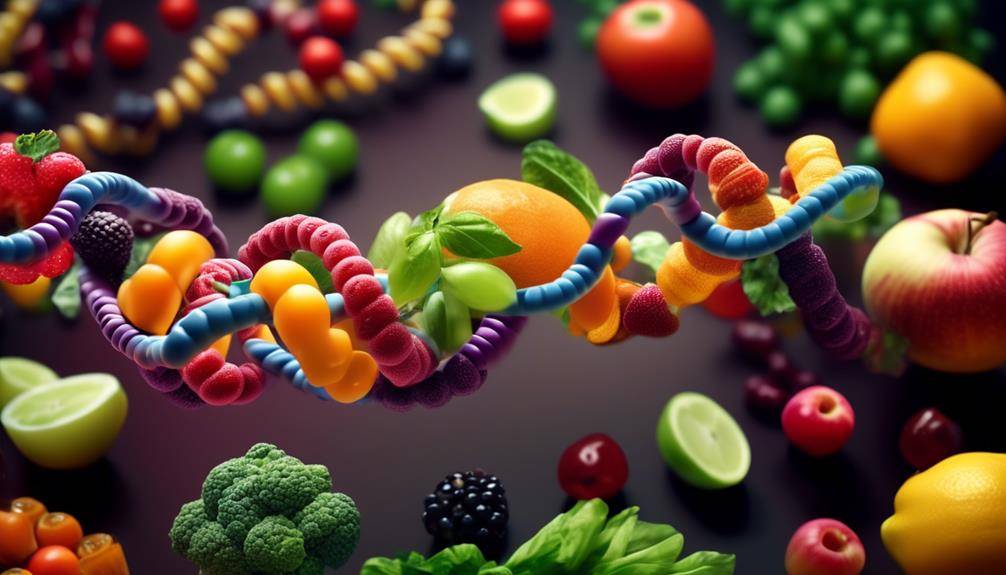
Nutritional Genomics in Food Technology; Imagine food as a complex puzzle, with each piece representing a unique genetic code. Just like assembling a puzzle, the science of nutritional genomics aims to decipher the connection between our genes and the food we consume. It’s a fascinating field that holds the potential to revolutionize the way we approach food technology.
From personalized nutrition to genetically modified foods, the applications of nutritional genomics are vast and far-reaching. In this discussion, we will explore the impact of genetic makeup on our dietary response, the role of nutritional genomics in disease prevention, and the future prospects and challenges that lie ahead. Get ready to uncover the secrets hidden within your DNA and discover how it can shape the food you eat.
Understanding Nutritional Genomics
To understand Nutritional Genomics, you must delve into the intricate relationship between genes and nutrition. This field of study, also known as nutrigenomics, explores how our genes influence our response to different nutrients and how our diet can affect gene expression. Through a combination of genetic testing and nutrigenomics research, scientists are uncovering the ways in which our unique genetic makeup interacts with the foods we consume.
Genetic testing plays a crucial role in understanding Nutritional Genomics. By analyzing an individual’s DNA, researchers can identify specific genetic variations that may affect their nutrient metabolism and overall health. This information can then be used to tailor personalized dietary recommendations that optimize health outcomes.
Nutrigenomics research further enhances our understanding of how genes and nutrition interact. Scientists study the effects of different nutrients on gene expression and the subsequent impact on various biological processes. For example, studies have shown that certain nutrients can influence the expression of genes involved in inflammation, oxidative stress, and metabolism. This knowledge can help identify dietary interventions that can mitigate the risk of developing chronic diseases, such as obesity, diabetes, and cardiovascular diseases.
Impact of Genetic Makeup on Dietary Response
Your genetic makeup plays a significant role in how your body responds to different dietary factors. Genetic variations can influence how your body metabolizes certain nutrients, leading to variations in nutrient absorption, utilization, and metabolism. This understanding has paved the way for personalized nutrition approaches that take into account an individual’s genetic profile to optimize dietary recommendations for improved health outcomes.
Genetic Variations and Diet
Genetic variations play a critical role in determining how our bodies respond to different dietary choices. Through genetic testing and nutrigenomics research, scientists have discovered that our genetic makeup can influence the way we metabolize and absorb certain nutrients. Here are four ways in which genetic variations impact our dietary response:
- Macronutrient metabolism: Some individuals may have genetic variations that affect their ability to digest and process certain macronutrients, such as carbohydrates or fats.
- Micronutrient absorption: Genetic variations can also impact the absorption of essential vitamins and minerals, like vitamin D or iron.
- Food sensitivities: Certain genetic variations can make individuals more susceptible to food intolerances or allergies, causing adverse reactions to specific foods.
- Taste preferences: Genetic differences can influence our taste preferences, making certain individuals more inclined to enjoy or dislike certain flavors.
Understanding how our genetic variations interact with our diet can help personalize nutrition recommendations and improve overall health outcomes.
Personalized Nutrition Approaches
Our understanding of how genetic variations impact our dietary response has paved the way for personalized nutrition approaches that take into account an individual’s unique genetic makeup. Thanks to advancements in nutrigenomics research, we now have the ability to tailor diet plans based on an individual’s genetic profile.
Personalized diet plans consider genetic variations that influence nutrient metabolism, sensitivity to certain foods, and predisposition to certain health conditions. By analyzing an individual’s genetic markers, we can identify their specific nutritional needs and create a diet plan that optimizes their health and well-being. This approach acknowledges that each person’s genetic makeup is different, and therefore, their dietary response will also vary. Through personalized nutrition approaches, we can harness the power of genetics to improve the effectiveness and precision of dietary interventions.
Applications of Nutritional Genomics in Food Industry
The application of nutritional genomics in the food industry has shown promising results in improving food quality and developing personalized nutrition plans based on individual genetic profiles. With the advancements in genomic testing and nutrigenomics research, the food industry is now able to harness the power of genetics to create innovative solutions that cater to individual needs and preferences. Here are four key applications of nutritional genomics in the food industry:
- Customized Diets: Nutritional genomics allows for the development of personalized nutrition plans that take into account an individual’s unique genetic makeup. By analyzing specific genetic variations, food companies can recommend dietary modifications tailored to optimize health outcomes. This personalized approach ensures that consumers receive the right balance of nutrients based on their genetic predispositions.
- Enhanced Food Quality: Nutritional genomics enables food companies to improve the quality of their products by understanding how different genetic variations influence nutrient absorption and metabolism. This knowledge can be used to develop food formulations that enhance nutrient bioavailability, leading to better nutritional outcomes for consumers.
- Disease Prevention: By analyzing genetic data, the food industry can identify individuals who are at a higher risk of developing certain diseases. This information can guide the development of functional foods that target specific genetic markers, reducing the risk of disease onset and improving overall health.
- Product Innovation: Nutritional genomics provides valuable insights into the relationship between genetic variations and food preferences. Food companies can leverage this information to create innovative products that cater to specific taste preferences and dietary needs, resulting in a more diverse and inclusive range of food options.
Personalized Nutrition: Tailoring Diets to Genetic Profiles
To optimize your nutrition and achieve your health goals, genetic diet customization is a promising approach. By tailoring diets to individuals’ genetic profiles, personalized nutrition plans can be developed. This individualized approach takes into account genetic variations that influence how our bodies process and utilize nutrients, allowing for more targeted and effective dietary recommendations.
Genetic Diet Customization
Genetic diet customization, also known as personalized nutrition, allows individuals to tailor their diets to their unique genetic profiles for optimal health and well-being. Through genetic testing, scientists can analyze an individual’s DNA to identify specific genetic variations that may impact how their body processes and responds to certain nutrients. Based on these genetic markers, personalized diets can be created to address the specific nutritional needs of each individual. Here are four reasons why genetic diet customization is gaining popularity:
- Enhanced nutrient absorption: By understanding an individual’s genetic makeup, personalized diets can be designed to optimize nutrient absorption, ensuring that the body receives the necessary vitamins and minerals it needs.
- Weight management: Genetic diet customization can provide insights into an individual’s genetic predisposition for weight gain or obesity. This information can be used to tailor a diet that supports healthy weight management.
- Improved athletic performance: Genetic profiling can identify genetic variations that may impact athletic performance, such as muscle recovery and endurance. Personalized diets can be designed to support optimal performance and recovery.
- Disease prevention: Genetic testing can identify genetic variations associated with an increased risk of certain diseases. By following a personalized diet that addresses these genetic predispositions, individuals can reduce their risk and promote long-term health.
Genetic diet customization holds immense promise in revolutionizing the field of nutrition, allowing individuals to optimize their diets based on their genetic profiles for improved health outcomes.
Individualized Nutrition Plans
Individualized nutrition plans are a cutting-edge approach that tailors diets to individuals’ genetic profiles, optimizing their health and well-being. These plans are based on genetic testing for diets, which provides valuable information about an individual’s unique genetic makeup and how it influences their response to certain nutrients. By analyzing an individual’s genetic data, specific dietary recommendations can be made to address their specific nutritional needs and goals.
Individualized meal plans take into account factors such as metabolism, nutrient absorption, and food sensitivities, among others. This personalized approach allows for the creation of diets that are tailored to the individual’s genetic predispositions, maximizing the benefits they can derive from their food choices.
Genetic testing for diets plays a crucial role in the development of individualized nutrition plans. By identifying genetic variations that may impact nutrient metabolism or utilization, this testing helps healthcare professionals and nutritionists create targeted dietary recommendations for each individual. This personalized approach has the potential to revolutionize the field of nutrition by optimizing health outcomes and improving overall well-being.
Genetically Modified Foods and Nutritional Genomics
Genetically modified foods have been a topic of significant interest in the field of nutritional genomics due to their potential impact on human health and well-being. With the advancement of genetic engineering, scientists have been able to modify the genetic makeup of crops to enhance their nutritional content and improve their resistance to pests and diseases. While genetically modified crops offer numerous benefits, they also raise ethical implications that need to be carefully considered. Here are four key points to consider regarding genetically modified foods and nutritional genomics:
- Increased Nutritional Value: Genetic modification can increase the nutritional value of crops by enhancing their vitamin and mineral content. For example, scientists have developed genetically modified rice that produces beta-carotene, a precursor to vitamin A, which can help combat vitamin A deficiency in developing countries.
- Reduced Environmental Impact: Genetically modified crops can be engineered to require fewer pesticides and herbicides, reducing the environmental impact of agriculture. This can lead to decreased chemical runoff and improved soil and water quality.
- Improved Crop Yield: By modifying the genetic traits of crops, scientists can develop varieties that have improved yield potential. This can help address global food security concerns by increasing crop productivity and ensuring a stable food supply.
- Ethical Considerations: The genetic modification of crops raises ethical questions related to the long-term impact on biodiversity, farmer autonomy, and consumer choice. Some argue that genetically modified foods may have unforeseen consequences and could potentially harm ecosystems or human health.
The Role of Nutritional Genomics in Disease Prevention
Nutritional genomics plays a crucial role in the prevention of various diseases through its understanding of the intricate relationship between diet, gene expression, and health outcomes. The role of nutrition in disease prevention has long been recognized, and advances in technology have allowed for personalized nutrition approaches that take into account an individual’s unique genetic makeup.
Research has shown that certain dietary patterns can have a significant impact on the development and progression of chronic diseases such as cardiovascular disease, diabetes, and cancer. For example, a diet rich in fruits, vegetables, whole grains, and lean proteins has been associated with a reduced risk of developing these diseases. On the other hand, a diet high in processed foods, saturated fats, and added sugars has been linked to an increased risk.
By understanding the genetic variations that influence how individuals metabolize and respond to different nutrients, nutritional genomics can help identify personalized dietary recommendations for disease prevention. This approach takes into account an individual’s genetic predisposition to certain diseases and tailors their diet accordingly. For example, individuals with a genetic variant that affects their ability to process certain fats may benefit from a diet low in saturated fats to reduce their risk of heart disease.
Furthermore, nutritional genomics can also help identify potential gene-nutrient interactions that may increase an individual’s susceptibility to certain diseases. For instance, research has shown that individuals with a specific genetic variant may have a higher risk of developing type 2 diabetes when consuming a diet high in refined carbohydrates. By understanding these interactions, personalized nutrition approaches can be developed to mitigate the risks associated with specific gene variants.
Future Prospects and Challenges in Nutritional Genomics
The future of nutritional genomics holds promise for advancements in disease prevention and personalized dietary recommendations. As this field continues to evolve, it also faces several challenges and ethical implications that need to be addressed. Here are some key future challenges and ethical considerations in nutritional genomics:
- Data privacy and security: With the increasing use of genetic testing and personalized nutrition, there is a need to protect individuals’ genetic information. Ensuring data privacy and security will be crucial to maintain trust and prevent misuse of sensitive genetic data.
- Access to genetic testing: Genetic testing can provide valuable insights into an individual’s nutritional needs. However, there are concerns about the accessibility and affordability of these tests. Ensuring equitable access to genetic testing will be important to prevent health disparities.
- Ethical considerations in genetic interventions: The ability to modify genes through techniques like gene editing raises ethical questions. The use of genetic interventions for nutritional purposes should be carefully evaluated to ensure ethical standards are maintained and potential risks are minimized.
- Education and awareness: Nutritional genomics is a complex field that requires a deep understanding of genetics and nutrition. Educating healthcare professionals, researchers, and the general public about the potential benefits and limitations of nutritional genomics will be essential to ensure informed decision-making.
Addressing these challenges and ethical implications will be crucial for the future of nutritional genomics. By doing so, we can harness the full potential of this field to improve disease prevention strategies and provide personalized dietary recommendations based on an individual’s genetic makeup.
Frequently Asked Questions: Nutritional Genomics in Food Technology
What Are the Ethical Concerns Associated With the Use of Nutritional Genomics in the Food Industry?
You should be aware of the ethical concerns associated with the use of nutritional genomics in the food industry. These concerns focus on issues such as privacy, genetic discrimination, and the potential for manipulation of the food supply.
How Does Nutritional Genomics Impact the Development of Food Products for Individuals With Specific Dietary Needs, Such as Those With Allergies or Intolerances?
Nutritional genomics, specifically personalized diets and nutrigenomic testing, have a significant impact on the development of food products for individuals with specific dietary needs. This technology allows for tailored nutrition plans based on genetic information, helping those with allergies or intolerances.
Are There Any Potential Risks or Side Effects Associated With Personalized Nutrition Based on Genetic Profiles?
Potential risks and side effects may arise from personalized nutrition based on genetic profiles. It is crucial to consider factors like accuracy of genetic testing, interpretation of results, and the potential for unintended consequences.
How Does Nutritional Genomics Affect the Marketing and Labeling of Food Products?
When it comes to marketing strategies and consumer behavior, nutritional genomics can have a significant impact on the labeling and promotion of food products. It allows companies to tailor their messaging and target specific genetic profiles to better meet individual needs.
What Are the Current Regulations and Guidelines Regarding the Use of Nutritional Genomics in the Food Industry?
Currently, you should be aware of the current regulations and industry guidelines regarding the use of nutritional genomics in the food industry. Make sure to stay informed and compliant with these guidelines to ensure ethical and safe practices.

Conclusion
In conclusion, nutritional genomics has emerged as a powerful tool in food technology, allowing us to understand the impact of our genetic makeup on dietary response. By tailoring diets to individual genetic profiles, personalized nutrition has the potential to revolutionize the way we approach food. Additionally, the use of genetically modified foods in conjunction with nutritional genomics holds promise for addressing nutritional deficiencies and improving health outcomes. As we continue to explore the role of nutritional genomics in disease prevention, it is clear that this field offers exciting prospects for the future, although challenges remain to be overcome.
If you enjoyed exploring this topic and want to dive even deeper, be sure to check out some of our other articles here on Infinite Flavors. From rich culinary histories to creative twists on classic recipes, there’s always something new to discover. Whether you’re curious about the origins of a dish, looking for fresh inspiration in the kitchen, or simply love learning about food culture, our collection of posts is the perfect next step on your flavor journey.
Great Nutritional Genomics For Healthy Eating
Great Personalized Nutrition And Genomic Medicine
Emerging Trends In Nutritional Genomics