The Best Guide To Preparing A Flavorful Seafood Stew
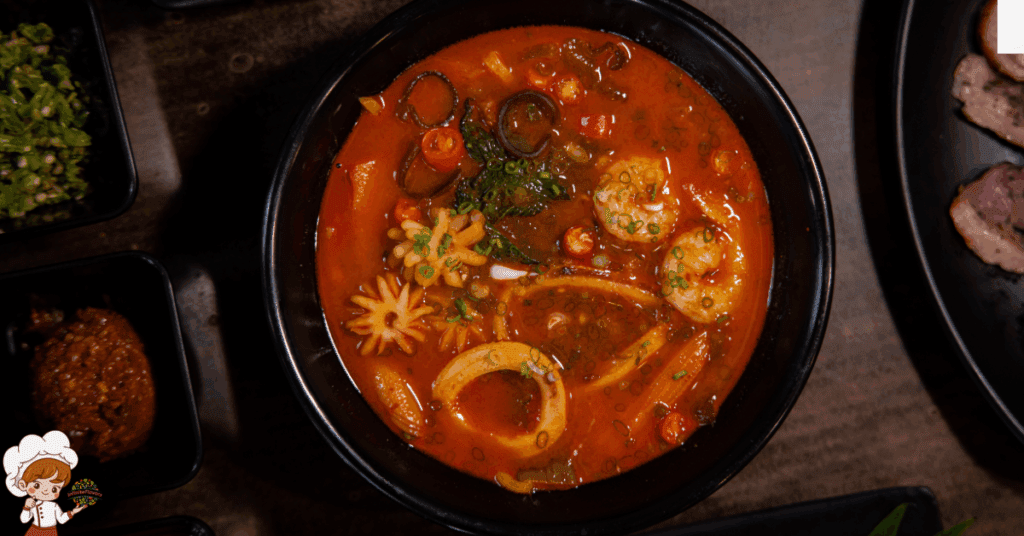
Guide To Preparing A Flavorful Seafood Stew; Are you tired of the same old seafood stew that lacks flavor and excitement? Well, look no further because this guide will change the way you approach making a seafood stew. Imagine a rich and aromatic broth, filled with tender seafood and a tantalizing blend of herbs and spices that will leave your taste buds begging for more. In this guide, we will walk you through the steps to creating a flavorful seafood stew that will impress even the most discerning palate. So, get ready to elevate your culinary skills and take your seafood stew to a whole new level of deliciousness.
Choosing the Freshest Seafood
To ensure the best flavors and textures in your seafood stew, it is crucial to select the freshest seafood available. When it comes to choosing seafood, the age-old debate of fresh versus frozen often arises. While both options have their merits, fresh seafood is generally considered superior in terms of taste and texture.
Fresh seafood, as the name suggests, is caught and delivered to markets without undergoing any freezing process. This means that it retains its natural flavors and textures, making it perfect for a delectable seafood stew. The freshness of the seafood can be determined by checking for clear, bright eyes in fish, firm and shiny flesh, and a pleasant oceanic smell. If you have access to a local fish market, you can guarantee the freshness of the seafood by purchasing it on the day of your stew preparation.
On the other hand, frozen seafood can be a convenient and cost-effective option. Freezing seafood immediately after it is caught helps to preserve its freshness. However, the freezing process can affect the texture of the seafood, making it slightly less firm. If you choose to use frozen seafood in your stew, be sure to thaw it properly and handle it with care to prevent any loss of flavor or moisture.
When it comes to sustainability, it’s important to choose seafood options that are responsibly sourced. Look for seafood that is labeled as sustainable or eco-friendly, indicating that it has been caught or farmed in a way that minimizes harm to the environment and ensures the long-term viability of the species. Sustainable options for your seafood stew include wild-caught salmon, Alaskan halibut, and farmed mussels.
Preparing the Flavorful Broth
To create a flavorful broth for your seafood stew, you need to carefully select the right spices. Choose a combination of aromatic spices like bay leaves, thyme, and paprika to infuse the broth with rich flavor. Next, allow the broth to simmer slowly on low heat, giving the ingredients time to meld together and develop depth. Finally, don’t forget to add umami-rich ingredients like fish sauce or anchovies to enhance the savory taste of the broth.
Spices for Rich Flavor
For a seafood stew with a rich and flavorful broth, infuse it with an array of carefully selected spices. Spice pairing is crucial in enhancing the flavors of the seafood and creating a harmonious balance in the stew. Begin with the classic combination of bay leaves, thyme, and parsley, which add depth and earthiness to the broth. Then, add a touch of heat with some crushed red pepper flakes or cayenne pepper, depending on your preference.
To enhance the natural sweetness of the seafood, sprinkle in a bit of paprika and a pinch of saffron threads for a subtle yet complex flavor profile. Finally, don’t forget to season with salt and freshly ground black pepper to bring all the flavors together. With these well-chosen spices, your seafood stew will be bursting with a rich and satisfying taste.
Slow Simmering for Depth
Slow simmering is a crucial step in preparing a flavorful broth for your seafood stew, as it allows the ingredients to meld together and develop a depth of flavor that will elevate the taste of the dish. To achieve the perfect simmer, follow these slow cooking techniques:
- Start by bringing the broth to a gentle boil, then reduce the heat to low and maintain a slow, steady simmer. This will help to release the flavors of the ingredients without overcooking them.
- Cover the pot partially to allow some evaporation, which will concentrate the flavors and thicken the broth.
- Incorporate wine into the broth to enhance the flavors. Choose a dry white wine, such as Sauvignon Blanc or Chardonnay, and add it during the simmering process. The wine will complement the seafood and add a delightful complexity to the broth.
Adding Umami Ingredients
Enhance the flavor of your seafood stew by incorporating umami-rich ingredients into the broth. Umami, often referred to as the fifth taste, adds a savory depth and complexity to dishes. To achieve umami flavor profiles in your stew, consider using ingredients such as dried mushrooms, soy sauce, anchovies, or miso paste.
Dried mushrooms, like porcini or shiitake, are packed with umami and can be rehydrated and added to the broth for a rich, earthy flavor. Soy sauce or tamari adds a salty umami kick, while anchovies bring a briny, fishy umami taste. Miso paste, made from fermented soybeans, lends a deep, umami-rich flavor to the broth. Experiment with these umami enhancing techniques to elevate the taste of your seafood stew to new heights.
Selecting the Perfect Herbs and Spices
To achieve the perfect balance of flavors in your seafood stew, carefully select a combination of herbs and spices that will elevate the dish to new heights. The right combination of herbs and spices can enhance the natural flavors of the seafood, adding depth and complexity to the stew. Here are some tips to help you select the perfect herbs and spices for your seafood stew:
- Bay leaves: Add a subtle earthiness to the stew, enhancing the overall aroma and flavor. They are commonly used in seafood dishes and pair well with most types of seafood.
- Thyme: This herb adds a delicate, herbal flavor to the stew and complements the richness of the seafood. It pairs particularly well with fish and shellfish.
- Paprika: This spice adds a touch of smokiness and a vibrant red color to the stew. It can add depth and richness to the dish, enhancing the overall flavor profile.
When selecting herbs and spices for your seafood stew, it’s important to consider the flavors you want to highlight and the type of seafood you are using. Experimenting with different combinations can help you find the perfect balance for your taste preferences. If you don’t have a specific herb or spice on hand, don’t worry! There are often substitutes that can be used. For example, if you don’t have thyme, you can try using oregano or rosemary instead. Similarly, if you don’t have paprika, you can use cayenne pepper or chili powder for a bit of heat and color.
Sautéing the Aromatics
Now that you have selected the perfect herbs and spices for your seafood stew, it’s time to move on to the next step: sautéing the aromatics. This crucial step will unlock a world of flavors and aromas, enhancing the overall taste of your stew. Sautéing is a cooking technique that involves quickly cooking ingredients in a small amount of hot oil or fat over high heat. It allows the aromatics to release their flavors and infuse the stew with their essence.
To begin sautéing the aromatics, start by heating a generous amount of oil in a large pot or Dutch oven over medium-high heat. You can choose from a variety of oils such as olive oil, vegetable oil, or even butter, depending on your preference. Once the oil is hot, add the aromatics, which typically include onions, garlic, and sometimes celery or carrots. These ingredients provide a solid foundation of flavor for your seafood stew.
As the aromatics sizzle in the hot oil, stir them frequently to prevent burning and ensure even cooking. The onions should become translucent and slightly golden brown, while the garlic releases its irresistible aroma. This process should take around 5-7 minutes, but be sure to adjust the heat if needed to avoid scorching the ingredients.
Now that your aromatics are perfectly sautéed, it’s time to add them to your seafood stew. The flavors and aromas from the sautéed aromatics will meld together with the rest of the ingredients, creating a harmonious and flavorful dish. Remember, you can always experiment with different variations of aromatics to suit your taste preferences. So go ahead and unleash your creativity in the kitchen, and get ready to enjoy a delicious and aromatic seafood stew.
Adding the Seafood to the Stew
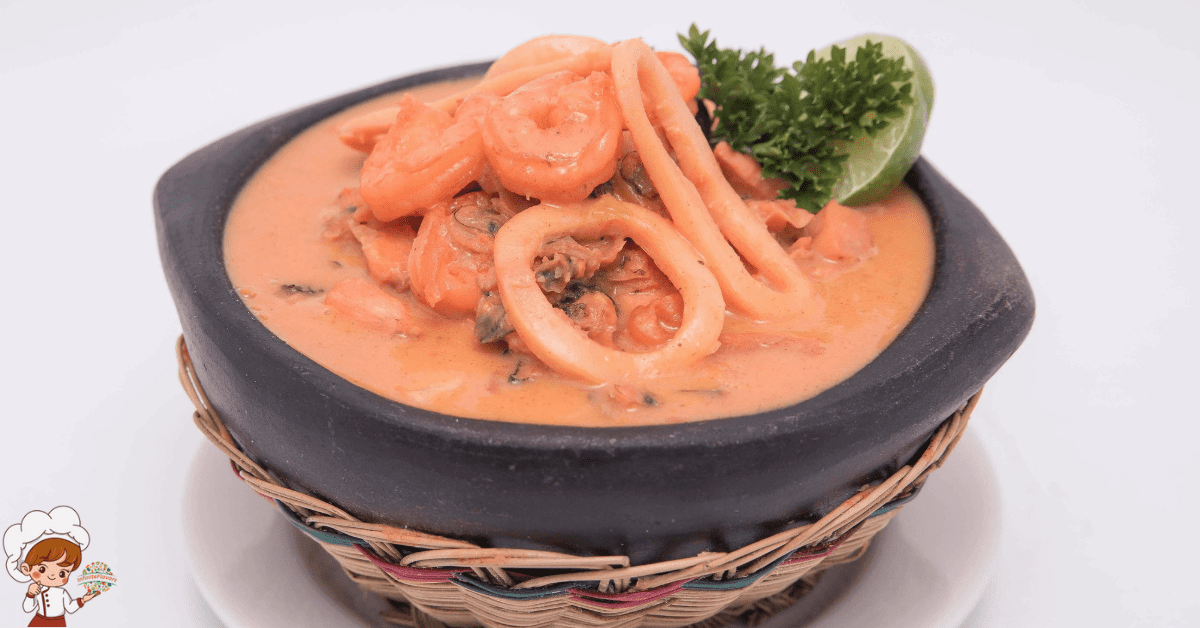
Now that you have sautéed the aromatics to perfection, it’s time to add the star of the show – the seafood. The key to a delicious seafood stew lies in the selection of seafood. Opt for fresh, firm fish such as cod or halibut, along with succulent shellfish like mussels or shrimp. When it comes to cooking time, remember that seafood cooks quickly, so be careful not to overcook it, as it can become rubbery and lose its delicate flavor.
Selection of Seafood
When adding the seafood to the stew, carefully select the freshest and highest quality varieties available to enhance the flavors and ensure a delectable dining experience. The choice of seafood can greatly impact the overall taste and texture of the stew. Here are some tips for selecting the best seafood:
- Opt for fish that is firm, such as cod or halibut, as they hold up well during cooking and add a meaty richness to the stew.
- Consider adding shellfish like mussels or clams, as they release their briny juices into the stew, infusing it with a delightful sea-saltiness.
- Don’t forget about shrimp or scallops, which offer a delicate sweetness and tender bite to the stew.
Cooking Time for Seafood
To ensure perfectly cooked seafood in your stew, it is essential to carefully consider the cooking time for each type of seafood you are adding. Different seafood varieties require different cooking techniques to achieve optimal results. For delicate fish like sole or flounder, it is best to add them towards the end of the cooking process to prevent them from becoming overcooked and falling apart.
Heartier fish, such as salmon or cod, can be added earlier as they can withstand longer cooking times without losing their texture. Shellfish, like shrimp and mussels, cook quickly and should be added just a few minutes before serving to avoid any rubbery texture. When it comes to seasoning options, a combination of herbs like thyme, parsley, and bay leaves, along with a squeeze of lemon juice, can enhance the flavors of the seafood without overpowering them.
Simmering and Infusing the Flavors
For an exquisite seafood stew bursting with flavors, allow the ingredients to simmer together, infusing the broth with their rich and harmonious essence. Simmering is a gentle cooking technique that slowly brings out the flavors of each ingredient, allowing them to meld together and create a symphony of taste. To enhance the flavors even further, consider incorporating these simmering techniques:
- Low and Slow: Simmering your seafood stew over low heat for an extended period of time allows the flavors to deepen and intensify. This slow cooking method helps to tenderize the seafood, resulting in a melt-in-your-mouth texture.
- Layered Seasoning: As you simmer the stew, add layers of seasoning to build complexity. Start with a base of aromatic vegetables like onions, garlic, and celery. Then, add herbs and spices such as thyme, bay leaves, and paprika. Finally, season with salt and pepper to taste. Each layer of seasoning will infuse the broth with its own unique flavor, creating a well-rounded and delicious stew.
- Wine or Broth Infusion: For an extra boost of flavor, consider adding a splash of white wine or seafood broth to the simmering stew. The liquid will help to infuse the seafood and other ingredients with its delicate flavors, adding depth and complexity to the overall dish.
Serving and Enjoying Your Seafood Stew
To truly savor the delightful flavors of your seafood stew, follow these steps for serving and enjoying every mouthwatering spoonful. The presentation of your stew is just as important as its taste, so let’s start with some tips for garnishing and plating. Sprinkle some freshly chopped parsley or dill on top of the stew to add a touch of freshness and color. You can also drizzle a bit of extra virgin olive oil over the stew for an extra layer of flavor. For a more elegant presentation, serve the stew in individual bowls or plates, ensuring that each serving has a generous amount of seafood and broth.
Now, let’s talk about pairing wines and breads with your seafood stew. A light and crisp white wine, such as a Sauvignon Blanc or a Chardonnay, pairs perfectly with the delicate flavors of the seafood. The acidity of the wine cuts through the richness of the stew, enhancing the overall dining experience. If you prefer red wine, opt for a light-bodied Pinot Noir or a Beaujolais. These wines have enough fruitiness to complement the seafood without overpowering it.
When it comes to bread, a crusty baguette or a warm, homemade sourdough bread is the ideal accompaniment to your seafood stew. The chewiness and texture of the bread provide a delightful contrast to the tender seafood and hearty broth. Tear off a piece of bread, dip it into the stew, and let the flavors meld together in your mouth.
Frequently Asked Questions: Guide To Preparing A Flavorful Seafood Stew
How Long Should I Simmer the Stew to Achieve the Best Flavor?
To achieve the best flavor in your seafood stew, try shortening the simmer time. By doing this, you can prevent the seafood from becoming overcooked and maintain its delicate flavors. Here are some tips for enhancing the flavor even more.
Can I Substitute Any of the Seafood Ingredients in the Recipe?
Yes, you can substitute any of the seafood ingredients in the recipe with alternative ingredients. This allows you to customize the stew to your taste and dietary preferences. Experiment with different seafood substitutes for a unique flavor profile.
Are There Any Dietary Restrictions to Consider When Making This Seafood Stew?
When making this seafood stew, it’s important to consider dietary restrictions. If you or your guests have allergies or dietary preferences, be sure to substitute ingredients accordingly.
Can I Make This Stew in Advance and Reheat It Later?
Yes, you can make this stew in advance and reheat it later. To properly reheat, simply transfer the stew to a pot and heat over low heat, stirring occasionally, until heated through.
What Side Dishes or Accompaniments Would Pair Well With This Seafood Stew?
For side dish options with your seafood stew, consider serving crusty bread to soak up the flavorful broth, a fresh green salad for a refreshing contrast, or roasted vegetables for added texture. As for wine pairings, a crisp and citrusy Sauvignon Blanc or a buttery Chardonnay would complement the flavors perfectly.

Conclusion
So there you have it, a guide to preparing a flavorful seafood stew. By following these steps, you can ensure that your stew is bursting with fresh seafood flavors. From choosing the freshest seafood to adding the perfect herbs and spices, every step is important in creating a delicious dish. So gather your ingredients, get cooking, and enjoy the satisfying and flavorful experience of a homemade seafood stew.
If you enjoyed exploring this topic and want to dive even deeper, be sure to check out some of our other articles here on Infinite Flavors. From rich culinary histories to creative twists on classic recipes, there’s always something new to discover. Whether you’re curious about the origins of a dish, looking for fresh inspiration in the kitchen, or simply love learning about food culture, our collection of posts is the perfect next step on your flavor journey.
11 Great Pro Tips For Perfect Seafood Jambalaya
6 Best Steps To A Flavorful Seafood Boil
4 Best Techniques For Preparing And De-Shelling King Crabs