15 Essential Tips For Great Slow Cooking Beans
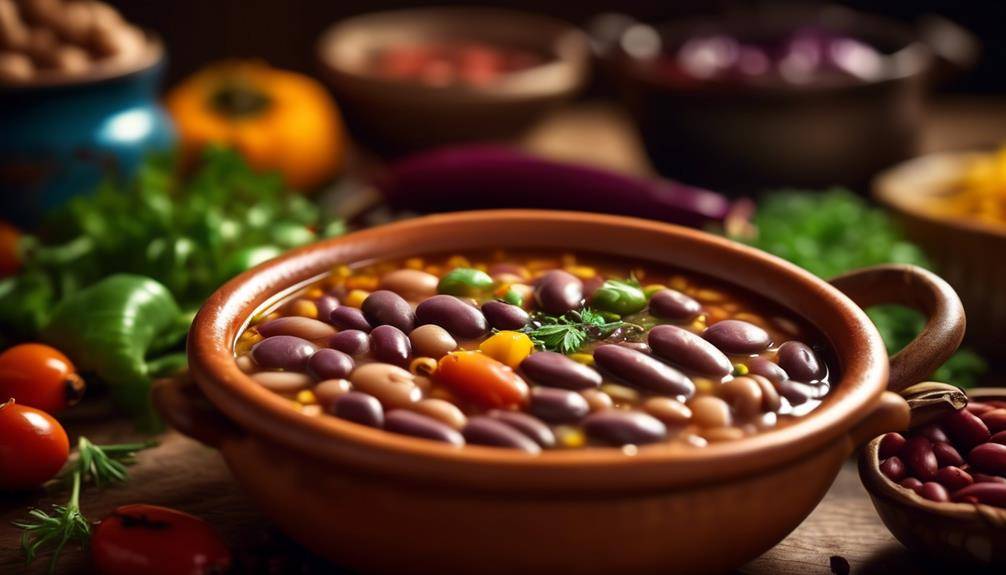
Essential Tips For Great Slow Cooking Beans; Imagine you’re sitting down to enjoy a delicious bowl of homemade chili. As you take your first spoonful, you’re hit with a wave of disappointment – the beans are still hard and undercooked. We’ve all been there, but fear not! In this guide, we’ll share 15 essential tips that will ensure your slow-cooked beans turn out perfectly tender and flavorful every time. From choosing the right beans to experimenting with different recipes, we’ve got you covered. So, get ready to elevate your bean game and say goodbye to those dreaded crunchy bites.
Click Here and Turn Every Masterpiece into a Showstopper!
Choose the Right Beans
Are you unsure which type of beans to choose for your slow cooking? Let us guide you through the process of selecting the perfect beans to ensure a delicious and satisfying meal. When it comes to slow cooking, choosing the right beans is crucial for achieving the best results. Different bean varieties have different cooking times and textures, so it’s important to select beans that will hold up well during the long cooking process.
One of the most popular beans for slow cooking is the kidney bean. Known for its robust flavor and firm texture, kidney beans are perfect for hearty stews and chili. Their cooking time is relatively long, usually requiring around 4 to 6 hours on low heat. Another great option is the black bean, which is commonly used in Latin American cuisine. Black beans have a creamy texture and a slightly sweet taste. They cook relatively quickly, usually within 2 to 3 hours on low heat.
If you prefer a creamier texture, consider using white beans such as cannellini or Great Northern beans. These beans are popular in Mediterranean and Italian dishes. They have a mild flavor and a creamy, buttery texture. Cooking time for white beans is typically 3 to 4 hours on low heat.
For a slightly nutty flavor and a delicate texture, try using pinto beans or navy beans. Pinto beans are commonly used in Mexican cuisine, while navy beans are a staple in American baked bean dishes. Both beans require around 3 to 4 hours of cooking on low heat.
Sort and Rinse the Beans
Before you start cooking your beans, it’s important to sort and rinse them. Sorting involves going through the beans to remove any debris or small stones that may be mixed in. This step ensures that you’re only cooking with clean and safe beans. After sorting, give the beans a thorough rinse under cold water to remove any dirt or dust. This simple task sets the stage for a successful and delicious slow-cooked bean dish.
Soaking for Optimal Tenderness
To ensure optimal tenderness when slow cooking beans, start by sorting and rinsing them thoroughly. Sorting involves removing any damaged or discolored beans, as well as any debris or stones that may have made their way into the bag. Rinse the beans under cold running water to remove any dirt or dust. Soaking the beans before cooking is essential to achieve the desired tenderness.
The optimal soaking time for beans is typically overnight, or at least 8 hours. However, if you’re short on time, you can use alternative soaking methods such as quick soaking. To quick soak, place the beans in a pot, cover with water, bring to a boil, and let them simmer for a few minutes. Then, remove from heat, cover, and let them soak for an hour. Remember, proper sorting, rinsing, and soaking will ensure your beans cook evenly and become tender and delicious.
Flavorful Seasoning Options
Now that you have sorted and rinsed your beans to ensure optimal tenderness, let’s move on to the flavorful seasoning options for your slow-cooked beans. Adding the right spices and flavors can take your beans from ordinary to extraordinary. One option is to use smoky spice blends, which can lend a delicious and complex flavor to your beans. These blends often include ingredients like paprika, cumin, and chili powder, which add a smoky, earthy taste.
Another way to enhance the flavor of your beans is by using citrus-infused flavors. You can achieve this by adding a squeeze of lemon or lime juice, or even by adding some zest to your dish. The citrusy notes will brighten up the flavors and add a refreshing touch. So, get creative with your seasoning choices and enjoy a truly flavorful slow-cooked bean dish.
Soak the Beans Overnight
For best results, it is highly recommended to soak the beans overnight before cooking them in a slow cooker. Soaking the beans helps to soften them, reduce cooking time, and make them easier to digest. This crucial step also helps to remove some of the indigestible sugars that can cause gas and bloating. So, if you want perfectly cooked beans with a creamy texture and enhanced flavor, don’t skip the soaking process.
There are a few alternative soaking methods you can try if you don’t have time for the overnight soak. One option is the quick soak method. Simply rinse the beans, place them in a pot, and cover them with water. Bring the water to a boil, then turn off the heat and let the beans sit for about an hour. After that, drain and rinse the beans before adding them to the slow cooker.
Another alternative is the hot soak method. Start by rinsing the beans and placing them in a pot. Cover the beans with hot water and bring it to a boil. Let the beans boil for 2-3 minutes, then remove them from the heat and let them soak for about an hour. Drain and rinse the beans before adding them to the slow cooker.
Regardless of the soaking method you choose, remember to discard the soaking water and use fresh water when cooking the beans in the slow cooker. This helps to remove any remaining indigestible sugars and ensures that your beans turn out perfectly cooked and delicious.
Use the Right Ratio of Beans to Liquid
For perfectly cooked beans in your slow cooker, it is essential to use the right ratio of beans to liquid. This ensures that the beans are tender and flavorful, without being too mushy or dry. The general rule of thumb is to use about 4 cups of liquid for every cup of dried beans. However, this ratio can vary depending on the type of beans you’re using and your personal preference.
One important thing to note is that the liquid you use can greatly enhance the flavor of the beans. Instead of using plain water, consider using flavorful liquid options such as broth, stock, or even a combination of water and wine. These liquids will infuse the beans with additional taste and make them even more delicious.
If you’re short on time and don’t want to soak the beans overnight, using the right amount of liquid becomes even more crucial. Without soaking, the beans will absorb more liquid during the slow cooking process. To prevent them from becoming too dry, it’s important to use enough liquid to keep them moist and tender.
When adding the liquid to the slow cooker, make sure it covers the beans by about an inch or so. This will ensure that the beans cook evenly and absorb the flavors from the liquid. If you find that the beans are not fully cooked and the liquid has evaporated, you can always add more liquid and continue cooking until they reach the desired consistency.
Add Flavor With Aromatics and Seasonings
Now, let’s talk about how to add flavor to your slow-cooked beans with aromatics and seasonings. One way to enhance the taste is by using herb and spice combinations, such as rosemary and thyme or cumin and paprika. Another technique is infusing your beans with garlic, which adds a rich and savory note. Additionally, don’t forget to experiment with different onion varieties like red, white, or shallots, as they can bring unique flavors to your dish.
Click Here and Turn Every Masterpiece into a Showstopper!
Herb and Spice Combinations
Enhance the flavors of your slow-cooked beans by experimenting with herb and spice combinations, infusing your dish with aromatic and savory seasonings. Here are four herb and spice combinations that will elevate the flavor profiles of your beans:
- Classic Italian: Combine rosemary, thyme, and oregano for a Mediterranean twist. These herbs add a fragrant and earthy taste to your beans.
- Smoky Southwest: Mix cumin, paprika, and chipotle powder to create a smoky and slightly spicy flavor. This combination pairs well with black beans or pinto beans.
- Warm and Spicy: Use a blend of cinnamon, cayenne pepper, and cloves to add warmth and a kick to your beans. This combination works wonders with kidney beans or black-eyed peas.
- Fresh and Tangy: Add a burst of freshness with a mix of cilantro, lime zest, and garlic. This combination complements white beans or chickpeas beautifully.
Infusing With Garlic
To infuse your slow-cooked beans with a burst of flavor, incorporate the aromatic and savory essence of garlic into your dish. Not only does garlic add depth and complexity to your beans, but it also offers numerous health benefits. Garlic is known for its antimicrobial properties, which can help boost your immune system and fight off infections.
It is also rich in antioxidants, which can protect your cells from damage caused by free radicals. To infuse your beans with the garlic flavor, you can add whole cloves of garlic to the cooking liquid or mince it and sauté it in oil before adding it to the beans. If you’re not a fan of garlic, there are alternative seasoning options you can try, such as onion powder, cumin, or smoked paprika, to add a unique twist to your slow-cooked beans.
Using Onion Varieties
One way to add depth and enhance the flavor of your slow-cooked beans is by using different varieties of onions to incorporate aromatic and savory elements into your dish. Here are some ways you can experiment with onion varieties to elevate your bean recipes:
- Yellow onions: These are the most common onions and are perfect for slow cooking as they become sweet and mellow when cooked for a long time. They add a rich flavor to your beans.
- Red onions: With their vibrant color and slightly milder taste, red onions can bring a touch of sweetness and a beautiful visual appeal to your dish.
- White onions: These onions have a sharper flavor compared to yellow onions and are great for adding a tangy kick to your slow-cooked beans.
- Shallots: Shallots have a delicate, subtle flavor that adds a sophisticated taste to your beans. They are particularly delicious when caramelized.
Cook on Low Heat for Optimal Results
For optimal results when slow cooking beans, it is recommended to use low heat throughout the cooking process. Slow cooking beans on low heat, whether using a slow cooker or stovetop method, has numerous benefits that can enhance the flavor, texture, and overall quality of the beans.
When it comes to slow cooking beans, using low heat is essential because it allows for a gradual cooking process. Unlike cooking at higher temperatures, low heat ensures that the beans cook evenly and thoroughly, resulting in tender and creamy beans. This slow and gentle cooking method also helps the beans retain their shape, preventing them from turning mushy or falling apart.
Whether you choose to use a slow cooker or stove for slow cooking beans, both methods can yield delicious results. Slow cookers are convenient because they allow you to set the desired cooking time and temperature, making it easier to plan your meals. They also provide a consistent and steady heat, which is ideal for slow cooking beans. On the other hand, stovetop cooking gives you more control over the cooking process, allowing you to adjust the heat as needed.
One of the key benefits of slow cooking beans is that it allows the flavors to develop and meld together. The low heat helps the beans absorb the flavors of the other ingredients in the dish, resulting in a rich and flavorful bean dish. Slow cooking also helps break down the complex carbohydrates in the beans, making them easier to digest and reducing the chances of digestive discomfort.
Click Here and Turn Every Masterpiece into a Showstopper!
Avoid Adding Acidic Ingredients Too Early
Adding acidic ingredients too early can negatively affect the texture and cooking time of the beans. Acidic ingredients, such as tomatoes, vinegar, or citrus juice, can hinder the softening process and result in tough, undercooked beans. To ensure a delicious and perfectly cooked batch of slow-cooked beans, follow these tips:
- Timing is everything: Wait until the beans are fully cooked before adding any acidic ingredients. This will allow the beans to soften properly and absorb the flavors without any interference.
- Add at the right moment: Once the beans are tender and fully cooked, it’s time to introduce the acidic ingredients. This will infuse the dish with a burst of tangy flavor without compromising the texture.
- Consider cooking techniques: If you want to incorporate acidic ingredients from the beginning, opt for cooking techniques that can handle the acidity. Pressure cooking, for example, can help beans cook faster while still retaining their texture and flavor.
- Experiment with flavor combinations: Instead of adding acidic ingredients too early, try experimenting with other flavor combinations during the slow cooking process. Herbs, spices, and aromatics like garlic and onions can greatly enhance the taste of your beans without affecting their texture.
Don’t Overcook the Beans
To ensure perfectly cooked beans, it is crucial not to overcook them. Overcooking can lead to mushy and disintegrated beans, which can ruin the texture and taste of your dish. To prevent overcooking and achieve the perfect texture, there are a few tips you should keep in mind.
Firstly, it’s important to soak your beans before cooking them. Soaking helps to soften the beans, reducing the cooking time and preventing overcooking. Simply place the beans in a bowl, cover them with water, and let them soak overnight. If you’re short on time, you can also use the quick soak method by bringing the beans to a boil, then letting them sit for an hour.
Secondly, when cooking the beans, make sure to check them regularly. Start testing for doneness after the initial cooking time suggested in your recipe. The cooking time can vary depending on the type and size of the beans, so it’s essential to keep an eye on them. The beans should be tender but still hold their shape when fully cooked. If they are starting to break apart, they are likely overcooked.
Lastly, be mindful of the cooking temperature. Slow cooking beans over low heat is the best way to achieve a perfect texture. Avoid boiling the beans vigorously, as this can cause them to cook unevenly and result in overcooked or undercooked beans.
Test for Doneness Before Servin
Make sure to check the beans for doneness before serving to ensure they are cooked to perfection. Testing for doneness is an important step in slow cooking beans, as it ensures that they are tender and ready to be enjoyed. Here’s a simple guide to help you test the doneness of your beans:
- Texture: Take a few beans out of the slow cooker and gently press them between your fingers. If they are soft and easily mashable, they are likely done. However, if they feel firm or have a slight bite to them, they may need more cooking time.
- Taste: Take a bean from the slow cooker and allow it to cool slightly. Taste it to check if it is fully cooked and tender. If it still has a raw or crunchy texture, it needs more time to cook. If it is soft and creamy, it is ready to be served.
- Appearance: Look at the beans in the slow cooker. They should be plump and have a uniform color. If some beans are still firm or have a different color, they may need more cooking time.
- Time: Follow the recommended cooking time in your recipe. If the beans have been cooking for the recommended duration and they still seem undercooked, continue cooking them until they reach the desired doneness.
Use a Slow Cooker Liner for Easy Cleanup
After ensuring that your beans are cooked to perfection, you can make cleanup a breeze by using a slow cooker liner. Slow cooker liners are a wonderful kitchen accessory that offer numerous benefits. These liners are made from heat-resistant material and are designed to fit inside your slow cooker. They create a barrier between the food and the cooker, preventing any spills or drips from sticking to the pot.
One of the key benefits of using a slow cooker liner is the easy cleanup it provides. Once your meal is finished cooking, all you have to do is carefully lift out the liner and discard it. This eliminates the need for scrubbing or soaking the pot, saving you time and effort. The liner also helps to maintain the integrity of your slow cooker, as it prevents any stubborn stains or odors from lingering.
In addition to the convenience it offers, using a slow cooker liner can also help to preserve the flavors of your dishes. The liner traps in the moisture and steam, allowing the flavors to infuse into the food. This results in tender, flavorful meals that are truly delicious.
If you don’t have a slow cooker liner on hand, there are a few alternatives you can consider. One option is to use parchment paper, which can be cut to fit the size of your slow cooker. Another alternative is to use aluminum foil, which can be shaped to line the pot. While these alternatives may not provide the same level of convenience as a slow cooker liner, they can still help to make cleanup easier.
Stir Occasionally to Prevent Sticking
Don’t forget to stir your beans occasionally while they’re cooking to prevent them from sticking to the bottom of the slow cooker. Stirring not only helps in preventing burning, but it also ensures even cooking throughout the beans. Here are four reasons why stirring is essential when slow cooking beans:
- Preventing Burning: Stirring the beans prevents them from sticking to the bottom of the pot, which can lead to burning. When beans stick to the bottom, they can become charred and impart a bitter taste to the dish. By stirring occasionally, you ensure that the beans are evenly cooked and avoid any burnt bits.
- Even Distribution of Flavors: Stirring helps in distributing the flavors of the seasonings and ingredients evenly. It allows the flavors to meld together, creating a rich and delicious taste throughout the dish. Without stirring, some parts of the beans may end up bland while others are bursting with flavor.
- Uniform Texture: By stirring the beans, you ensure that they cook evenly and have a uniform texture. This is particularly important when using different kinds of beans with varying cooking times. Stirring helps to break up any clumps and ensures that all the beans are cooked to perfection.
- Enhanced Creaminess: For creamy bean dishes like refried beans or bean soups, stirring is crucial to achieve the desired texture. Stirring breaks down some of the beans, creating a thicker, creamier consistency. It also helps to incorporate any added ingredients, like cream or cheese, resulting in a velvety smooth finish.
Don’t Remove the Lid Too Often
When cooking beans, it’s important to resist the temptation to remove the lid too often. Keeping the lid on helps retain heat and moisture, creating the ideal environment for slow cooking. By constantly removing the lid, you disrupt this balance and extend the cooking time. So, exercise patience and trust the process for optimal results.
Click Here and Turn Every Masterpiece into a Showstopper!
Lid Retention Importance
To ensure optimal results when slow cooking beans, it is important to retain the lid on the pot as much as possible throughout the cooking process. This may seem like a small detail, but it can make a big difference in the final outcome of your dish. Here are some lid retention benefits and techniques to help you understand why this step is crucial:
- Retaining moisture: Keeping the lid on helps trap the steam inside the pot, ensuring that your beans stay moist and tender throughout the cooking process.
- Enhanced flavor: By keeping the lid on, you allow the flavors to develop and intensify as the beans slowly cook. This results in a richer and more delicious dish.
- Consistent temperature: Removing the lid too often can cause fluctuations in temperature, leading to uneven cooking. By keeping the lid on, you maintain a steady and even heat, ensuring that your beans cook evenly.
- Time efficiency: Slow cooking is all about letting the flavors meld together over time. By keeping the lid on, you can shorten the cooking time and still achieve the same delicious results.
Heat and Moisture Preservation
Retaining the lid on the pot throughout the slow cooking process is essential for preserving heat and moisture, resulting in perfectly cooked and flavorful beans. When you remove the lid, you let out valuable heat and moisture, which can lead to uneven cooking and dry beans. Heat and moisture control is crucial in slow cooking techniques to ensure the beans are tender and packed with flavor.
By keeping the lid on, you create a sealed environment that traps the heat and moisture inside the pot. This allows the beans to cook slowly and evenly, allowing the flavors to develop and the beans to become soft and creamy. So, resist the temptation to peek or stir too often, and let the magic of slow cooking work its wonders.
Patience for Optimal Results
To achieve optimal results when slow cooking beans, it is important to exercise patience and resist the temptation to remove the lid too often. By maintaining a consistent cooking environment, you allow the flavors to develop and intensify, resulting in a delicious and satisfying dish. Here are some tips to help you practice patience and enhance the flavor development of your slow-cooked beans:
- Limit lid removal: Every time you remove the lid, you release heat and moisture, which can disrupt the cooking process and extend the cooking time. Avoid the urge to peek and trust that the beans are simmering away.
- Set a timer: Instead of constantly checking on the beans, set a timer to remind you when it’s time to stir or check for doneness. This way, you can resist the temptation to remove the lid unnecessarily.
- Monitor the heat: Keep the heat low and steady throughout the cooking process. This gentle heat allows the beans to slowly soften and absorb the flavors from the seasonings and other ingredients.
- Plan ahead: Slow cooking beans requires time, so plan your meal accordingly. Start early in the day or consider using a slow cooker for convenience. The longer cooking time allows the flavors to meld together and develop a deep, rich taste.
Adjust Cooking Time for Different Types of Beans
You can easily adjust the cooking time for different types of beans to ensure they are perfectly tender and delicious. While slow cooking is the preferred method for beans, it’s important to note that not all beans require the same amount of time to cook. Some beans, like lentils and split peas, cook relatively quickly and can become mushy if overcooked. On the other hand, larger beans like chickpeas and kidney beans require longer cooking times to become tender.
To adjust the cooking time for different types of beans, you can follow a few simple steps. First, determine the type of bean you are cooking and refer to a reliable cooking chart or recipe to find the recommended cooking time. These resources will provide you with a general guideline, but keep in mind that the cooking time may vary depending on factors such as the age and quality of the beans.
If you’re short on time and don’t want to wait for hours, you can also use alternative cooking methods. For example, using a pressure cooker can significantly reduce the cooking time for beans. Pressure cookers use steam and high pressure to cook food quickly and efficiently. By using this method, you can enjoy a delicious pot of beans in a fraction of the time.
Store Leftovers Properly
Properly storing leftovers is crucial to maintain their freshness and prevent food waste. When it comes to storing your slow-cooked bean leftovers, follow these four tips for proper storage and reheating:
- Cool it down quickly: After cooking, allow the beans to cool down to room temperature before transferring them to an airtight container. This helps prevent bacterial growth and ensures that your leftovers stay fresh for longer.
- Choose the right container: Opt for airtight containers or freezer bags to store your bean leftovers. Make sure the containers are clean and dry before transferring the beans to prevent any contamination. Label the containers with the date to easily track their freshness.
- Refrigerate or freeze promptly: If you plan to consume the leftovers within a few days, refrigerate them. Beans can stay fresh in the refrigerator for up to four days. If you want to store them for a longer period, freeze them. Beans can be frozen for up to three months without compromising their flavor or texture.
- Reheat with care: When reheating your slow-cooked bean leftovers, it’s important to do so safely. Thaw frozen beans in the refrigerator overnight before reheating. You can reheat beans on the stovetop, in the microwave, or in the oven. Make sure to heat them thoroughly to an internal temperature of 165°F (74°C) to kill any bacteria that may have grown during storage.
Experiment With Different Bean Recipes
Experimenting with different bean recipes can be a fun and delicious way to add variety to your meals. By trying out new cooking techniques and exploring alternative bean sources, you can discover exciting flavors and textures that will enhance your culinary experience.
When it comes to cooking beans, there are numerous methods to experiment with. Slow cooking is just one of them, but you can also try pressure cooking, baking, or even grilling. Each technique lends its unique touch to the beans, resulting in different flavors and textures. For example, pressure cooking can yield tender beans in a fraction of the time, while grilling can add a smoky flavor to your dish. Don’t be afraid to step out of your comfort zone and try something new.
In addition to exploring different cooking techniques, consider experimenting with alternative bean sources. While classic options like black beans, kidney beans, and chickpeas are popular, there is a wide variety of beans available for you to try. From heirloom beans to exotic varieties, such as adzuki beans or cranberry beans, the possibilities are endless. These alternative bean sources can bring unique flavors and colors to your dishes, making your meals even more exciting.
To get started with experimenting, search for recipes online or in cookbooks that feature different cooking techniques and alternative bean sources. Don’t be afraid to make adjustments and add your personal touch to the recipes. With a little creativity, you can create delicious bean dishes that will impress your family and friends.
Click Here and Turn Every Masterpiece into a Showstopper!
Frequently Asked Questions: Essential Tips For Great Slow Cooking Beans
Can I Use Canned Beans Instead of Dried Beans for Slow Cooking?
Yes, you can use canned beans instead of dried beans for slow cooking. However, there are benefits to using dried beans such as better texture and flavor. Soaking dried beans overnight can also help reduce cooking time.
How Long Should I Soak the Beans if I Don’t Have Overnight?
If you don’t have overnight, you can quick soak the beans. Cover them with water and bring to a boil for a few minutes, then let them sit for an hour. It’s an alternative method that saves time.
Can I Use the Same Cooking Time for All Types of Beans?
Different types of beans have different cooking times, so it’s important to adjust accordingly. If you’re using quick cooking beans, they may not require soaking at all. Remember to always follow the recommended cooking times for each specific bean variety.
What Are Some Examples of Acidic Ingredients to Avoid Adding Too Early?
You want to be careful about adding acidic ingredients too early when slow cooking beans. They can prevent the beans from softening properly. Instead, try using alternatives like tomatoes or vinegar towards the end of the cooking process. Don’t forget to soak your beans beforehand for best results.
How Long Can I Store the Leftover Slow-Cooked Beans in the Refrigerator?
You can store leftover slow-cooked beans in the refrigerator for up to 4-5 days. When reheating, do so on low heat to prevent them from drying out. For longer storage, freeze them in airtight containers.

Conclusion
Incorporating these essential tips into your slow cooking routine will ensure perfectly cooked, flavorful beans every time. By choosing the right beans, sorting and rinsing them properly, soaking them overnight, and using the correct ratio of beans to liquid, you’ll achieve fantastic results. Adding aromatics and seasonings, avoiding excessive lid removal, and adjusting cooking time for different beans will further enhance the flavor. Lastly, remember to store leftovers properly and don’t be afraid to experiment with different bean recipes to discover new delicious dishes. Happy slow cooking!