What Easy Techniques That Are Essential For Slow Cooking Rice
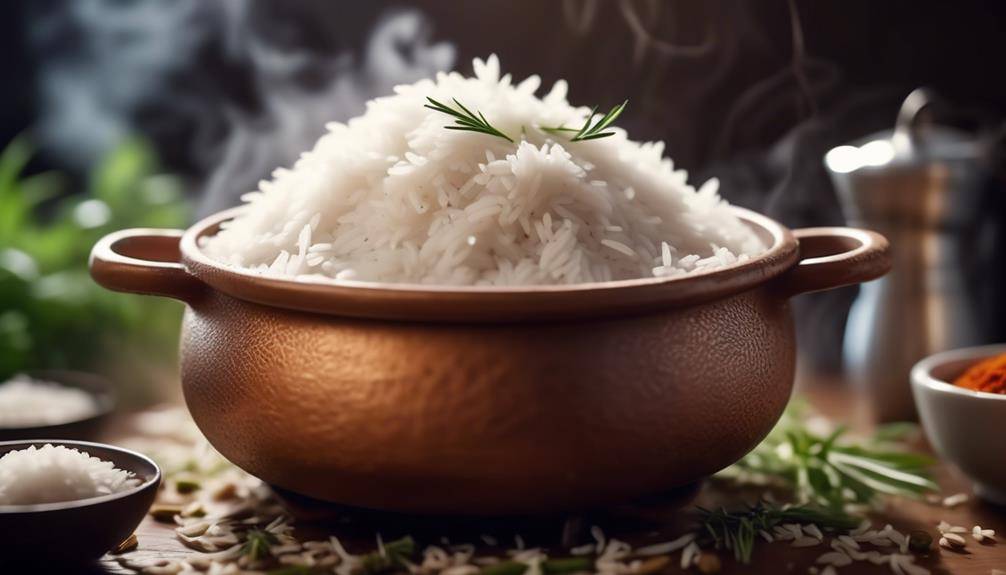
That Are Essential For Slow Cooking Rice; Are you tired of ending up with mushy or undercooked rice when you attempt slow cooking? There’s no need to fret any longer. Slow cooking rice can be a delicate task that requires the right techniques to achieve that perfect fluffy texture. In this discussion, we will explore the essential techniques that will transform your rice into a culinary masterpiece. So, whether you’re a beginner or an experienced cook, keep reading to discover the secrets behind slow cooking rice to perfection.
Click Here and Turn Every Masterpiece into a Showstopper!
Choose the Right Rice Variety
To ensure the best results when slow cooking rice, it is crucial to select the appropriate rice variety. Choosing the right rice variety can greatly impact the overall taste, texture, and appearance of the final dish. When it comes to slow cooking rice, there are a few key factors to consider.
First and foremost, it is important to choose a rice variety that is known for its ability to absorb flavors well. Long-grain rice varieties such as Basmati or Jasmine are excellent options for slow cooking as they have a tendency to absorb the flavors of the dish, resulting in a more flavorful end product.
Another factor to consider when choosing a rice variety for slow cooking is the desired texture of the rice. For a softer, stickier texture, short-grain rice varieties such as Arborio or sushi rice are ideal. These varieties have a higher starch content, which gives them a creamy and sticky texture when cooked slowly.
Soaking the rice before slow cooking can also yield significant benefits. Soaking the rice helps to remove excess starch and allows the grains to absorb water more evenly. This can result in a more uniform and fluffy texture when the rice is cooked. To soak the rice, simply rinse it under cold water until the water runs clear, then let it sit in a bowl of water for about 30 minutes before cooking.
Measure the Rice and Water Properly
Start by accurately measuring the rice and water to ensure perfect results when slow cooking rice. Proper measurement is crucial when it comes to rice cooking techniques. If you use too much water, the rice will turn out mushy and overcooked. On the other hand, if you use too little water, the rice will be dry and undercooked. To achieve the ideal texture and consistency, follow these guidelines for measuring rice and water.
First, determine the amount of rice you need. A common rule of thumb is to allocate 1/2 cup of uncooked rice per person. This measurement can be adjusted based on individual preferences and appetites. For example, if you are cooking for four people, you would need 2 cups of uncooked rice.
Next, measure the water. The general rule is to use a ratio of 1:2, meaning for every cup of rice, use 2 cups of water. This ratio provides the right amount of moisture for perfectly cooked rice. However, some rice varieties may require slightly different ratios, so it’s important to refer to the specific cooking instructions for the type of rice you are using.
When measuring the water, use a liquid measuring cup for accuracy. Fill the cup to the appropriate level, ensuring the water reaches the exact measurement required.
Accurately measuring the rice and water is a fundamental step in cooking rice properly. By following these guidelines, you can ensure that your slow-cooked rice turns out fluffy, tender, and delicious, every time.
Soak the Rice Before Cooking
Now that you have measured the rice and water properly, it is time to enhance the cooking process by soaking the rice before cooking. Soaking the rice before cooking is an essential step that helps to achieve perfectly cooked, fluffy rice. The process of soaking allows the rice grains to absorb water gradually, resulting in even cooking and improved texture.
To soak the rice, start by rinsing it thoroughly under cold running water to remove any excess starch. This step helps to prevent the rice from becoming sticky during cooking. After rinsing, transfer the rice to a large bowl and cover it with enough water. The soaking time can vary depending on the type of rice you are using. For white rice, a soaking time of 30 minutes is usually sufficient. However, for brown rice or other long-grain varieties, a longer soaking time of 1 to 2 hours may be necessary.
It is important to note that the water temperature during soaking should be room temperature or slightly cooler. Using cold water can help to prevent the rice from becoming mushy. Avoid using hot water as it can cause the rice to cook unevenly.
During the soaking process, the rice absorbs water, which helps to soften the outer layer of the grains. This allows the rice to cook more evenly and results in a fluffy, separate texture. Soaking also helps to reduce cooking time, making it an efficient technique for slow cooking rice.
Adjust the Cooking Time and Temperature
Adjust the cooking time and temperature according to the specific type of rice you are using to achieve optimal results. This is a crucial step in slow cooking rice and requires some knowledge of the different rice varieties and their cooking requirements. By adjusting the cooking time and temperature, you can ensure that the rice is cooked perfectly, with the right texture and flavor.
When it comes to adjusting the cooking time, the general rule of thumb is to increase the cooking time for brown rice and decrease it for white rice. Brown rice is a whole grain that contains a higher amount of bran and germ, which makes it harder and requires a longer cooking time. On the other hand, white rice has had the bran and germ removed, which makes it cook faster.
To adjust the cooking temperature, you need to consider the desired texture of the rice. If you prefer softer rice, you can lower the cooking temperature slightly to prevent it from becoming too mushy. Conversely, if you like firmer rice, you can increase the cooking temperature to ensure it retains a bit of bite.
It’s also important to note that different slow cookers may have variations in temperature and cooking time. Therefore, it’s a good idea to experiment with your specific slow cooker to determine the optimal cooking time and temperature for your desired results.
Click Here and Turn Every Masterpiece into a Showstopper!
Use the Right Cooking Method
To achieve fluffy rice, steaming is the right cooking method. The steam cooks the rice evenly, resulting in light and separate grains. For tender grains, simmering is the way to go. This method allows the rice to absorb the liquid slowly, resulting in a softer texture. Lastly, absorption is the perfect cooking method for flavorful results. The rice absorbs all the flavors from the liquid, creating a delicious and aromatic dish.
Steaming for Fluffy Rice
For achieving fluffy rice, ensure that you use the appropriate cooking method, which involves steaming the rice. Steaming allows the rice grains to cook evenly and absorb the right amount of moisture, resulting in light and fluffy rice. To achieve the best results, follow these steaming techniques:
- Rinse the rice: Before steaming, rinse the rice under cold water to remove excess starch. This helps prevent the rice from becoming sticky.
- Use the right amount of water: The ratio of water to rice is crucial for steaming. Generally, use 1 ½ cups of water for every cup of rice. Adjust the amount of water based on the type of rice you are using.
- Proper steaming time: Once the rice and water are in the pot, cover it tightly with a lid and steam over low heat for about 15-20 minutes. Avoid lifting the lid during the steaming process to ensure even cooking.
Simmering for Tender Grains
To ensure tender grains in your rice, it is crucial to use the correct cooking method, which involves simmering the rice. Simmering is a gentle cooking technique that allows the grains to cook slowly and evenly, resulting in a fluffy and tender texture. There are a few simmering techniques you can employ to achieve the best results. First, rinse the rice thoroughly to remove excess starch, which can make the grains sticky. Then, add the rinsed rice to a pot with the appropriate amount of water and bring it to a boil.
Once boiling, reduce the heat to low and cover the pot with a tight-fitting lid. Allow the rice to simmer gently for the recommended cooking time. Avoid lifting the lid during cooking, as this can disrupt the simmering process and affect the final texture of the rice. By following these rice cooking tips and using the simmering method, you can ensure perfectly tender grains every time.
Absorption for Flavorful Results
After achieving tender grains through simmering, it is essential to utilize the right cooking method, which is absorption, to ensure flavorful results. Absorption cooking involves adding a specific amount of liquid to the rice and allowing it to soak up all the moisture during the cooking process. This method allows for maximum flavor infusion as the rice absorbs the liquid and all the accompanying spices and seasonings. To achieve the best results, follow these steps:
- Measure the liquid accurately: Use the recommended ratio of liquid to rice for optimal absorption. This ensures that the rice absorbs just the right amount of moisture for perfect texture and flavor.
- Adjust the cooking time: Depending on the type of rice and desired texture, the cooking time may need to be adjusted. Longer cooking times allow for more flavor infusion, while shorter cooking times result in lighter, milder flavors.
- Avoid peeking: Once you’ve added the liquid, resist the temptation to lift the lid and check on the rice. This can disrupt the absorption process and result in unevenly cooked rice.
Add Flavorful Ingredients and Seasonings
Enhance the taste of your slow-cooked rice by incorporating a variety of flavorful ingredients and seasonings. Creative ingredient combinations and layering flavors in slow-cooked rice are essential techniques that will take your rice dishes to the next level.
When it comes to creative ingredient combinations, the possibilities are endless. You can add diced vegetables like carrots, bell peppers, and peas for a burst of color and flavor. For a touch of sweetness, consider adding dried fruits such as raisins or cranberries. To add a hint of heat, try adding chili flakes or diced jalapenos. Don’t be afraid to experiment and create your own unique combinations to suit your taste preferences.
Layering flavors is another technique that can greatly enhance the taste of your slow-cooked rice. Start by sautéing aromatic ingredients like onions, garlic, and ginger in oil or butter before adding the rice. This will infuse the rice with a rich and savory base flavor. You can also add spices like cumin, turmeric, or paprika to add depth and complexity to the dish. Be sure to season with salt and pepper to enhance the overall taste.
Incorporating fresh herbs like cilantro, parsley, or basil can add a burst of freshness to your rice. Simply chop them up and sprinkle them on top of the cooked rice before serving. Additionally, a squeeze of lemon or lime juice can brighten up the flavors and add a tangy twist.
Stir the Rice Occasionally
To ensure even heat distribution during slow cooking, it is essential to stir the rice occasionally. This simple action helps prevent any hot spots or uneven cooking. Additionally, stirring the rice allows for proper water absorption, ensuring a perfectly cooked and fluffy end result. So, remember to be patient and give your rice the attention it needs for a delicious outcome.
Click Here and Turn Every Masterpiece into a Showstopper!
Even Heat Distribution
For optimal results in achieving even heat distribution while slow cooking rice, it is recommended to occasionally stir the rice during the cooking process. This simple technique ensures that the rice is cooked evenly, allowing for a consistent texture and taste in every grain. Here are three reasons why stirring the rice is essential for achieving even heat distribution:
- Prevents clumping: Stirring the rice prevents the grains from sticking together, ensuring that each grain is exposed to the heat evenly. This prevents clumping and allows for uniform cooking throughout.
- Promotes moisture distribution: By stirring the rice, you help distribute the moisture evenly, preventing dry patches and ensuring a moist and fluffy end result.
- Prevents burning: Stirring the rice periodically helps prevent it from sticking to the bottom of the pot and burning. This ensures that the rice is cooked slowly and steadily, without any burnt or undercooked portions.
Proper Water Ratio
To achieve optimal results in slow cooking rice, it is important to maintain a proper water ratio and occasionally stir the rice. The water ratio is crucial for achieving perfectly cooked rice with the right texture and consistency. One common mistake in rice cooking is using too much water, resulting in a mushy and overcooked texture. On the other hand, using too little water can lead to undercooked and dry rice.
To avoid these pitfalls, follow this rice cooking hack: for every cup of rice, use 1.5 cups of water. This ratio ensures that the rice is fully cooked and absorbs the water evenly. Additionally, stirring the rice occasionally during the cooking process helps to distribute the heat evenly and prevent any clumping or sticking. By maintaining the proper water ratio and stirring the rice occasionally, you can ensure perfectly cooked rice every time.
Patience Is Key
Occasionally stirring the rice while it cooks is crucial for achieving evenly cooked grains with a perfect texture and consistency. By stirring the rice, you ensure that all the grains are exposed to the heat evenly, preventing any clumping or sticking. Here are three reasons why stirring the rice occasionally is essential in slow cooking techniques:
- Even Heat Distribution: Stirring the rice prevents hot spots and ensures that each grain is cooked uniformly. This results in a fluffy and tender final product.
- Prevents Sticking: Stirring the rice breaks up any clumps that may form and prevents the grains from sticking to the bottom of the pot. This helps to avoid burnt or unevenly cooked rice.
- Enhances Texture: Stirring the rice gently helps to release excess starch, resulting in a light and fluffy texture. It also helps to distribute any seasonings or flavors evenly throughout the dish.
Avoid Lifting the Lid Too Often
Minimize the frequency of lifting the lid while slow cooking rice to ensure optimal results. Avoiding rice sticking is crucial in achieving perfectly cooked rice. When you lift the lid, you disrupt the cooking process, causing the steam to escape and the temperature inside the pot to drop. This can result in uneven cooking and sticky rice. To prevent this, resist the temptation to constantly check on the rice and trust the slow cooking method.
When the lid is lifted, the steam that has built up inside the pot escapes, leading to a loss of moisture. Moisture is essential for the rice to absorb and cook evenly. By keeping the lid closed, you create a controlled environment where the steam is trapped, allowing the rice to cook in its natural moisture. This helps to prevent the rice from sticking together and ensures that each grain is cooked perfectly.
Additionally, lifting the lid too often can cause the temperature inside the pot to fluctuate. This inconsistency in temperature can lead to uneven cooking, resulting in some grains being undercooked while others are overcooked. By keeping the lid closed, you maintain a stable temperature throughout the cooking process, allowing the rice to cook evenly and ensuring that each grain is tender and fluffy.
Click Here and Turn Every Masterpiece into a Showstopper!
Let the Rice Rest Before Serving
To achieve the best results when cooking rice, it is crucial to let it rest before serving. The resting time allows the rice to evenly distribute moisture and for the starches to set, resulting in a fluffy texture. This important step ensures that each grain is tender and separate, enhancing the overall enjoyment of the dish.
Resting Time for Rice
Allowing rice to rest before serving is a crucial step in achieving optimal texture and flavor. Resting benefits include allowing the rice grains to absorb any excess moisture and evenly distribute it throughout, resulting in a fluffy and tender texture. Additionally, resting time allows the rice to cool slightly, making it easier to handle and preventing it from becoming mushy when mixed with other ingredients. Here are some resting time guidelines to ensure the best results:
- Short-grain rice: Rest for 5-10 minutes. This type of rice benefits from a shorter resting time as it tends to be stickier and more prone to clumping together.
- Long-grain rice: Rest for 10-15 minutes. Longer grains require a slightly longer resting time to allow for complete moisture absorption and fluffiness.
- Basmati rice: Rest for 15-20 minutes. Basmati rice, known for its distinct aroma and delicate texture, benefits from a longer resting time to fully develop its flavors and achieve a light and fluffy consistency.
Remember to cover the rice with a lid or a clean kitchen towel during the resting period to trap the steam and prevent it from drying out.
Importance of Resting
Why is it essential to let the rice rest before serving? Resting the rice allows it to fully absorb the moisture, resulting in a more evenly cooked and flavorful dish. When the rice is cooked, the water molecules are still active and moving. Resting allows the rice to settle and stabilize, creating a more cohesive texture.
Additionally, resting benefits the rice by allowing the steam to redistribute throughout the grains, making them fluffy and light. To achieve optimal resting benefits, transfer the cooked rice to a wide, shallow dish, spreading it out evenly. Cover the dish with a clean kitchen towel or aluminum foil, and let it rest for about 5 to 10 minutes. During this time, the grains will continue to absorb the steam and moisture, resulting in perfectly cooked rice.
Resting for Fluffy Texture
Resting the rice before serving is crucial for achieving a fluffy texture. When rice is cooked, it continues to absorb moisture, and the starches need time to fully gelatinize. By allowing the rice to rest, you give it the opportunity to evenly distribute the moisture and starches, resulting in a light and fluffy texture. Here are three resting benefits and techniques to achieve the best results:
- Enhanced Texture: Resting allows the rice grains to separate and fluff up, giving them a soft and airy texture.
- Improved Flavor: Resting allows the flavors to meld together, creating a more cohesive and delicious dish.
- Even Heat Distribution: Resting helps in evenly distributing the heat throughout the rice, ensuring that each grain is thoroughly cooked.
To achieve the best resting results, transfer the cooked rice to a covered container and let it sit for about 5-10 minutes before serving. Avoid removing the lid during this time to prevent the escape of steam and heat. Resting the rice before serving may seem like an additional step, but it is essential for achieving that perfect fluffy texture.
Troubleshooting Tips for Perfect Rice
To ensure perfectly cooked rice every time, follow these troubleshooting tips. Common mistakes can lead to rice that is undercooked, overcooked, sticky, or mushy. By understanding these issues and implementing the appropriate solutions, you can achieve the perfect rice texture and consistency.
One common mistake is using the wrong rice-to-water ratio. Using too much water can result in mushy rice, while using too little water can lead to undercooked rice. The ideal ratio for long-grain rice is 1:1.5, which means for every cup of rice, you should add 1.5 cups of water. Adjust the ratio slightly based on the type of rice you are using.
Another mistake is not rinsing the rice before cooking. Rinsing removes excess starch, which can cause the rice to become sticky. Rinse the rice under cold water until the water runs clear. This step is especially important for short-grain rice, which tends to be stickier.
Cooking rice on too high heat can cause it to burn or cook unevenly. It is important to bring the water to a boil and then reduce the heat to low before covering the pot. This allows the rice to cook gently and evenly.
Not giving the rice enough time to rest after cooking is another common mistake. Allowing the rice to rest for 10-15 minutes after cooking allows the moisture to redistribute, resulting in fluffier rice.
Click Here and Turn Every Masterpiece into a Showstopper!
Frequently Asked Questions: That Are Essential For Slow Cooking Rice
What Are Some Common Mistakes People Make When Slow Cooking Rice?
Common mistakes when slow cooking rice include using the wrong ratio of rice to water, not rinsing the rice before cooking, and lifting the lid before the rice is fully cooked. Here are some tips for perfect rice.
Can I Use Any Type of Rice for Slow Cooking?
You can use any type of rice for slow cooking, but certain varieties work better. Long-grain rice, like basmati or jasmine, is ideal because it stays fluffy. Alternatives like quinoa or barley can also be used for slow cooking.
How Long Should I Soak the Rice Before Cooking?
To prepare rice for slow cooking, soaking is important. Soak the rice for at least 30 minutes to remove excess starch and improve texture. This technique ensures evenly cooked, fluffy rice.
What Is the Best Cooking Method for Slow Cooking Rice?
To slow cook rice, you should consider using a rice cooker. It offers numerous benefits like consistent heat distribution and automatic timer settings. Additionally, experimenting with different rice varieties can add variety and flavor to your slow-cooked rice dishes.
How Do I Know if the Rice Is Cooked Properly?
To determine the doneness of rice, look for signs of properly cooked rice. Check if the grains are tender but still slightly firm to the bite. Avoid overcooking by tasting a few grains.

Conclusion
In conclusion, mastering the essential techniques for slow cooking rice will ensure a perfect outcome every time. By choosing the right rice variety, measuring the rice and water properly, soaking the rice before cooking, adjusting the cooking time and temperature, using the right cooking method, stirring occasionally, avoiding frequent lid lifting, and allowing the rice to rest before serving, you can troubleshoot and achieve flawless rice that is cooked to perfection.