Great Famous Lebanese Street Food
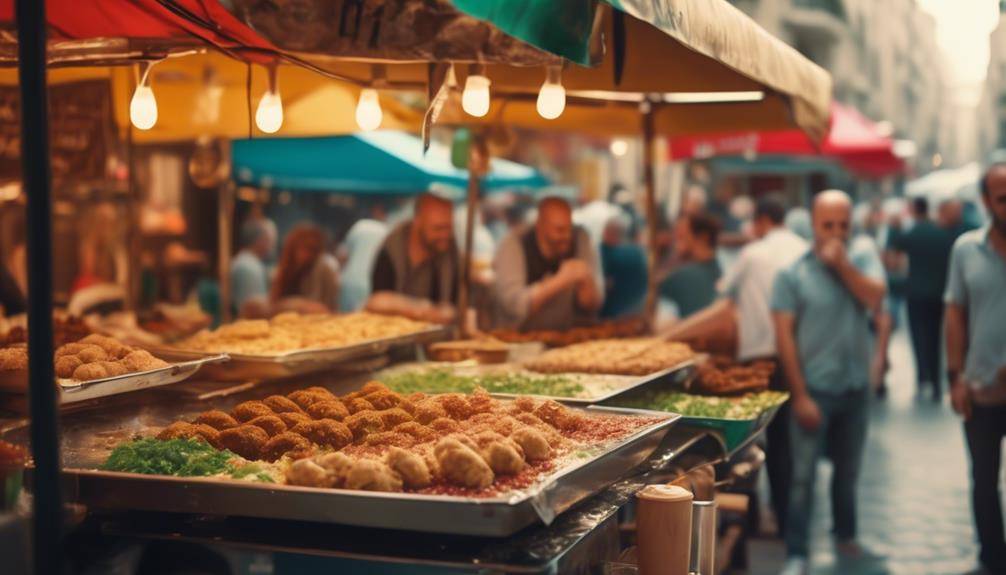
Great Famous Lebanese Street Food; Have you ever wondered what makes Lebanese street food so irresistible? From sizzling grills to the aroma of warm spices drifting through bustling markets, Lebanese cuisine is a celebration of flavor, culture, and tradition. Whether it’s crispy falafel, juicy shawarma, or freshly baked manakish, every dish tells a story rooted in centuries of culinary heritage. This guide explores Lebanon’s most iconic street foods — the dishes locals love, tourists crave, and food lovers around the world can’t get enough of. Get ready to dive into bold flavors, vibrant ingredients, and the authentic tastes that define Lebanese street food.
By the end of this post, readers will understand:
- What makes Lebanese street food globally beloved
- The origins and preparation of iconic dishes like falafel, shawarma, manakish, and kibbeh
- How regional variations influence Lebanese flavors
- The cultural significance behind dishes like sfiha, kafta, and makanek
- Why Lebanese street food is known for freshness, bold spices, and balanced ingredients
- How traditional serving methods enhance the street‑food experience
Falafel
Falafel is a popular Middle Eastern dish made from ground chickpeas or fava beans, mixed with herbs and spices, and then deep-fried to perfection. The traditional preparation of falafel involves soaking the chickpeas overnight, which helps in softening them for grinding. The key ingredients in falafel include chickpeas or fava beans, onions, garlic, fresh herbs such as parsley and cilantro, and a blend of aromatic spices like cumin, coriander, and paprika.
To prepare falafel, the soaked chickpeas or fava beans are drained and combined with the rest of the ingredients in a food processor. The mixture is pulsed until a coarse texture is achieved. It is important not to over-process the mixture, as it can result in a dense and heavy falafel. Once the mixture is ready, it is shaped into small balls or patties and then deep-fried until golden brown and crispy on the outside.
The crispy falafel is traditionally served in a warm pita bread, along with a variety of accompaniments such as tahini sauce, hummus, pickled vegetables, and fresh salad greens. The combination of the crunchy falafel, creamy tahini sauce, and the freshness of the vegetables creates a delightful burst of flavors and textures.
The traditional preparation of falafel ensures that the chickpeas or fava beans are cooked thoroughly while retaining their natural flavors and textures. The herbs and spices add a depth of flavor, making each bite of falafel a delicious experience. Whether enjoyed as a quick snack or as part of a larger meal, falafel remains a beloved Middle Eastern dish that has gained popularity worldwide.
Shawarma
Shawarma, a savory and flavorful Middle Eastern dish, is a popular street food enjoyed by many around the world. This mouthwatering dish is made by marinating strips of meat, typically lamb, chicken, or beef, in a blend of herbs, spices, and oils. The marinated meat is then stacked onto a vertical rotisserie and slowly roasted, allowing the flavors to infuse and the meat to become tender and juicy.
One of the reasons for shawarma’s global popularity is its versatility and the endless variations it offers. While the traditional shawarma is made with meat, there are also vegetarian options available, where the meat is replaced with falafel or grilled vegetables. The meat can be seasoned with different spice blends, such as cumin, paprika, and garlic, giving it a unique taste in different regions.
Shawarma is typically served wrapped in a warm pita bread or flatbread, along with a variety of accompaniments. These can include fresh vegetables like tomatoes, cucumbers, and lettuce, as well as tangy and creamy sauces like tahini or garlic sauce. The combination of tender meat, flavorful spices, and the refreshing crunch of the vegetables creates a delightful eating experience.
With its delicious taste and satisfying texture, it’s no wonder that shawarma has gained immense popularity not only in the Middle East but also globally. From food trucks to restaurants, you can find shawarma being enjoyed by people of all backgrounds. So, whether you’re craving a classic meat-filled shawarma or a vegetarian version, you can be sure to find a variation that suits your taste buds.
Manakish
Manakish, a delectable Lebanese flatbread topped with an array of savory ingredients, is a beloved street food that tantalizes the taste buds with its unique flavors and textures. This traditional dish is a staple in Lebanese cuisine and has gained popularity worldwide for its deliciousness and versatility.
When it comes to manakish, there are endless variations and toppings to choose from, allowing you to customize your culinary experience. Here are some popular options to consider:
- Za’atar: This aromatic blend of dried thyme, sesame seeds, sumac, and salt is the classic topping for manakish. It adds a tangy and earthy flavor to the bread, making it a favorite among locals and tourists alike.
- Cheese: Cheese lovers rejoice! Manakish can be topped with a variety of cheeses, such as akkawi, halloumi, or a combination of mozzarella and feta. The cheese melts beautifully on the hot bread, creating a gooey and satisfying treat.
- Meat: For those craving something more substantial, manakish can be topped with succulent pieces of lamb, beef, or chicken. The meat is seasoned with aromatic spices and grilled to perfection, adding a savory and hearty element to the dish.
- Vegetables: Fresh and vibrant vegetables like tomatoes, cucumbers, and olives can be added to manakish to create a refreshing and healthy option. This is a great choice for vegetarians or those looking for a lighter meal.
- Muhammara: This delicious spread made from roasted red peppers, walnuts, breadcrumbs, and spices is a popular topping for manakish. It adds a smoky and slightly spicy flavor, elevating the taste of the bread to new heights.
No matter which variation or topping you choose, manakish is a crowd-pleaser that will leave you craving for more. Its combination of crispy bread, flavorful toppings, and Middle Eastern spices make it a truly delightful street food experience.
Kibbeh
Kibbeh, a traditional Lebanese dish, showcases the rich flavors and textures of Middle Eastern cuisine in a delectable and savory manner. Considered the national dish of Lebanon, kibbeh is a versatile and popular dish that comes in various forms and regional specialties.
The main ingredient in kibbeh is ground meat, typically lamb or beef, which is mixed with bulgur wheat, onions, and a blend of spices. This mixture is then shaped into different forms, such as balls, patties, or cigars, before being fried or baked to perfection. The result is a dish that is crispy on the outside and tender on the inside, with a burst of flavors that will leave you craving for more.
One of the most popular variations of kibbeh is the raw version, known as kibbeh nayeh. In this dish, the meat is finely minced and mixed with bulgur, onions, and spices. It is then served raw, often with a drizzle of olive oil and a sprinkle of herbs, accompanied by fresh pita bread. The raw kibbeh is a delicacy that requires the freshest ingredients and skilled preparation.
Other regional specialties include baked kibbeh, where the mixture is baked in a tray and cut into diamond-shaped pieces, and kibbeh labaniyeh, where the kibbeh balls are cooked in a tangy yogurt sauce. Each region has its own twist on this beloved dish, adding unique ingredients and flavors to create their own signature kibbeh recipes.
Whether you prefer it raw, baked, or cooked in a flavorful sauce, kibbeh is a must-try dish when exploring Lebanese street food. Its rich history, versatility, and mouthwatering flavors make it a favorite among locals and tourists alike. So, don’t miss out on the opportunity to indulge in this iconic Lebanese delicacy.
Sfiha
Originating from Lebanon, Sfiha is a delectable street food dish that showcases the unique flavors and culinary traditions of the Middle East. Sfiha, also known as Lahm bi Ajeen, is a type of open-faced meat pie that is popular not only in Lebanon but also in other countries in the region. Here are some key points to understand about Sfiha:
- Regional Variations: Sfiha has regional variations across the Middle East, each with its own distinct characteristics. In Lebanon, Sfiha is traditionally made with ground lamb or beef mixed with onions, tomatoes, and a blend of spices such as cumin and cinnamon. However, in other countries like Syria and Palestine, Sfiha can be made with different types of meat or even vegetarian fillings.
- Historical Origins: Sfiha has a rich history that dates back centuries. It is believed to have originated from the Levant region, which includes modern-day Lebanon, Syria, Palestine, and Jordan. The dish has been influenced by various cultures and civilizations that have inhabited the region over the years, including the Phoenicians, Romans, Byzantines, and Arabs. Sfiha has evolved and adapted to the local tastes and ingredients, becoming a beloved street food staple.
- Flavor Profile: Sfiha is known for its bold and aromatic flavors. The combination of spices, herbs, and meat creates a savory and mouthwatering experience. The dough is thin and crispy, providing a perfect contrast to the juicy and flavorful meat filling. Served hot and fresh, Sfiha is often enjoyed as a quick snack or a light meal.
- Popularity: Sfiha is widely popular in Lebanon and is commonly found in street food stalls, bakeries, and restaurants across the country. It is a favorite among locals and tourists alike, who crave the authentic taste of Lebanese cuisine.
- Cultural Significance: Sfiha is not just a delicious street food dish; it is also a symbol of Lebanese culinary heritage. It represents the country’s rich history and cultural diversity, reflecting the influences of different civilizations that have shaped Lebanon over the centuries.
Tabbouleh
Tabbouleh is a traditional Lebanese salad made with a combination of fresh ingredients such as parsley, tomatoes, onions, mint, and bulgur wheat. The salad is typically dressed with lemon juice, olive oil, and salt, which enhances its vibrant flavors. Tabbouleh is often served as a side dish or as a main course, and it is known for its refreshing taste and health benefits, as it is low in calories and packed with vitamins and minerals.
Ingredients and Preparation
To create the vibrant and refreshing flavors of Tabbouleh, a traditional Lebanese street food dish, begin by gathering the essential ingredients. These include:
- Fresh parsley: A key ingredient in Tabbouleh, parsley adds a bright and herbaceous flavor to the dish.
- Tomatoes: Ripe, juicy tomatoes provide a sweet and tangy element to balance the other flavors.
- Bulgar wheat: This grain gives Tabbouleh its distinctive texture and nutty taste.
- Mint leaves: Fresh mint adds a refreshing and cooling element to the dish.
- Olive oil and lemon juice: These two ingredients work together to create a zesty and tangy dressing that ties all the flavors together.
In Lebanese street food, Tabbouleh is prepared using traditional cooking techniques that emphasize freshness and simplicity. The ingredients are finely chopped and mixed together, allowing their flavors to meld. While the basic recipe remains consistent, there may be regional variations in flavors, with some areas adding more lemon juice or using different herbs. Tabbouleh is a versatile dish that can be enjoyed as a side or as a main course, providing a delicious taste of Lebanese street food.
Traditional Serving Methods
One popular way to serve Tabbouleh, a traditional Lebanese street food dish, is to accompany it with freshly baked pita bread. This traditional serving method holds cultural significance in Lebanon, as it reflects the importance of communal dining and sharing food. The vibrant green Tabbouleh is typically served on a plate alongside a stack of warm, fluffy pita bread.
The bread acts as a vessel for scooping up the flavorful mixture of parsley, bulgur wheat, tomatoes, onions, and lemon juice. As you tear off a piece of pita bread and dip it into the Tabbouleh, you experience the harmonious combination of textures and flavors. This traditional serving method not only enhances the enjoyment of the dish but also reinforces the social aspect of Lebanese street food, bringing people together over a shared meal.
Health Benefits of Tabbouleh
As you explore the health benefits of Tabbouleh, you’ll discover the nutritious qualities that make this Lebanese street food dish a popular and wholesome choice. Tabbouleh is packed with essential vitamins, minerals, and dietary fiber, making it a nutritious addition to any diet. Here are some of the health benefits it offers:
- Nutritional value: Tabbouleh is made with fresh ingredients such as parsley, tomatoes, and cucumbers. These ingredients are rich in vitamins A, C, and K, as well as minerals like iron and potassium.
- Antioxidant properties: Parsley, a key ingredient in Tabbouleh, is known for its high antioxidant content. Antioxidants help protect your cells from damage caused by harmful free radicals.
- Heart-healthy: Tabbouleh contains ingredients like olive oil and lemon juice, which are known for their heart-healthy properties. These ingredients can help lower cholesterol levels and reduce the risk of heart disease.
- Weight management: Tabbouleh is low in calories and high in fiber, which can help you feel full and satisfied, making it a great option for weight management.
- Digestive health: The high fiber content in Tabbouleh promotes healthy digestion and can help prevent constipation.
With its impressive nutritional profile and numerous health benefits, Tabbouleh is a delicious and nutritious choice that you can enjoy guilt-free.
Kafta
Kafta, a popular Lebanese street food, tantalizes taste buds with its succulent blend of ground meat, aromatic herbs, and bold spices. This delectable dish is made by mixing ground lamb or beef with a variety of ingredients, such as onions, garlic, parsley, and a medley of spices like cumin and paprika. The meat mixture is then shaped into elongated patties or molded onto skewers before being grilled to perfection.
Grilling is the preferred cooking method for kafta, as it imparts a smoky flavor and adds a delightful charred element to the dish. Traditional Lebanese grilling techniques involve using open flame grills, such as charcoal or wood-fired grills, to achieve the desired taste and texture. The high heat ensures that the kafta is cooked evenly, with a juicy and tender interior and a slightly crispy exterior.
While the basic recipe for kafta remains consistent, there are various regional variations that showcase the diverse culinary influences of Lebanon. In the northern regions of Lebanon, kafta is often made with a combination of lamb and beef, resulting in a rich and robust flavor. In the southern regions, a popular variation includes adding tahini to the meat mixture, which adds a creamy and nutty element to the kafta.
The versatility of kafta extends beyond its variations in ingredients. It can be enjoyed in a variety of ways, from being served on a bed of rice or wrapped in a warm pita bread with fresh vegetables and tahini sauce. Whether you savor it as a street food snack or as a main dish at a Lebanese feast, kafta is sure to leave you craving for more of its irresistible flavors.
Fatayer
Fatayer, a savory Lebanese pastry, tantalizes taste buds with its delightful blend of flavors and textures. This traditional street food is a must-try for anyone visiting Lebanon or craving a taste of authentic Middle Eastern cuisine. Fatayer is made by filling a thin dough with various ingredients, folding it into a triangle or boat shape, and then baking it until golden and crispy.
Here are some key aspects of fatayer that you should know:
- Versatile Fillings: The filling is what gives fatayer its distinct taste. While spinach and cheese are the most common fillings, there are numerous variations to explore. From ground meat, such as lamb or beef, to combinations of vegetables and herbs, the possibilities are endless.
- Irresistible Dough: The dough used for fatayer is typically made from a mixture of flour, yeast, water, and olive oil. It is soft, yet sturdy enough to hold the filling without falling apart. The dough is often flavored with a sprinkle of nigella seeds, adding an aromatic touch.
- Baking Perfection: Fatayer is traditionally baked in a hot oven, allowing the dough to rise and become golden brown. The baking process creates a crispy exterior while keeping the filling moist and flavorful.
- Serving Suggestions: Fatayer can be enjoyed as a snack or as part of a meal. It is commonly served with a side of creamy yogurt or a zesty tahini sauce. Pair it with a fresh salad or enjoy it on its own; the choice is yours.
- A Homemade Delight: While fatayer is widely available in Lebanese bakeries and street stalls, many families have their own cherished fatayer recipe. The joy of making fatayer at home lies in customizing the filling to suit your preferences and experimenting with different flavors.
Whether you’re a fan of the classic spinach and cheese combination or eager to try a unique variation, fatayer is a delicious treat that truly captures the essence of Lebanese street food.
Makanek, a popular Lebanese street food, is a dish that encompasses a multitude of flavors and textures. Made from a combination of ground lamb, beef, and spices, the makanek offers a unique taste that is both savory and tangy. The dish holds cultural significance as it is often served during festive occasions and gatherings, showcasing the rich culinary traditions of Lebanon.
Ingredients and Recipe
To create the delicious Lebanese street food known as Makanek, you will need a combination of carefully selected ingredients and a simple yet flavorful recipe. Makanek is made using the following ingredients and recipe:
- Ground lamb or beef: This is the main protein component of Makanek, giving it a rich and savory taste.
- Garlic: The pungent flavor of garlic adds a delicious kick to the dish.
- Lebanese spices: A blend of spices including cinnamon, allspice, and nutmeg are used to season the meat.
- Pine nuts: These are toasted and sprinkled on top of the Makanek, adding a crunchy texture.
- Pomegranate molasses: This tangy and sweet ingredient is drizzled over the cooked Makanek, enhancing its flavor.
Traditionally, Makanek is served hot off the grill or pan-fried and accompanied by fresh pita bread, pickles, and a side of hummus. The combination of these ingredients and the simple yet flavorful recipe make Makanek a popular and satisfying Lebanese street food option.
Cultural Significance
The cultural significance of Makanek can be seen in its integral role in Lebanese street food culture and its ability to bring people together through its delicious flavors and traditional preparation methods. Makanek is not just a popular street food item; it represents the cultural influences and historical background of Lebanon. This dish is a testament to the rich culinary heritage of the country, reflecting the diverse flavors and techniques that have shaped Lebanese cuisine over the centuries.
Makanek is traditionally made with a blend of ground lamb, beef, or veal, mixed with spices such as cinnamon, nutmeg, and allspice. The sausages are then grilled or pan-fried to perfection, resulting in a juicy and flavorful treat. This dish is often served with fresh pita bread, pickles, and a side of tangy tahini sauce. The cultural significance of Makanek lies not only in its taste but also in its ability to bring people together, fostering a sense of community and shared culinary traditions.
Serving and Presentation
Serving as a tantalizing feast for the eyes, the presentation of Makanek showcases the vibrant colors and enticing aromas of this beloved Lebanese street food. When it comes to serving techniques, Makanek stands out with its unique approach. Here are some cultural influences that contribute to its distinctive presentation:
- Artful Arrangement: Makanek is often arranged in an eye-catching pattern on a platter or skewers, making it visually appealing.
- Garnish Galore: Fresh herbs such as parsley, mint, and cilantro are used as garnishes to add a pop of green and enhance the overall presentation.
- Colorful Accents: Slices of tomatoes, pickles, and olives are strategically placed alongside the Makanek to provide a burst of color and contrast.
- Serving Vessels: Traditional clay or copper serving dishes are sometimes used to add an authentic touch and evoke a sense of nostalgia.
- Accompaniments: Makanek is often served with freshly baked bread, yogurt, and tangy sauces like tahini or garlic sauce, adding another layer of flavor and visual interest.
Through these serving techniques and cultural influences, Makanek entices both the taste buds and the eyes, making it an irresistible street food experience.
Foul Meddamas
Foul Meddamas, a popular Lebanese street food, tantalizes the taste buds with its rich flavors and hearty texture. This traditional dish, made from fava beans, is enjoyed throughout Lebanon and has variations and regional influences that add to its diverse appeal.
One of the reasons Foul Meddamas is so beloved is its versatility. It can be prepared with a variety of ingredients, such as garlic, lemon juice, olive oil, and spices like cumin and chili. Different regions in Lebanon have their own unique twists on the dish, incorporating local flavors and ingredients. For example, in the coastal regions, Foul Meddamas might be served with fresh seafood, while in the mountainous areas, it could be accompanied by pickled vegetables or herbs.
Aside from its delicious taste, Foul Meddamas is also highly nutritious and offers several health benefits. Fava beans, the main ingredient, are an excellent source of protein, fiber, and essential minerals. They are low in fat and calories, making Foul Meddamas a satisfying and wholesome option for those seeking a balanced meal. Additionally, the dish contains garlic, which is known for its immune-boosting properties, and olive oil, which is rich in healthy monounsaturated fats.
Whether you enjoy it as a main course or as a side dish, Foul Meddamas is a delightful street food that embodies the flavors and traditions of Lebanese cuisine. Its variations and regional influences, along with its nutritional value and health benefits, make it a must-try for anyone seeking an authentic culinary experience. So, next time you find yourself in Lebanon, don’t miss the opportunity to savor this flavorful and nourishing dish.
Frequently Asked Questions: Great Famous Lebanese Street Food
What Are the Main Ingredients Used in Making Falafel?
The main ingredients used in making falafel are chickpeas, onions, garlic, parsley, and spices. The mixture is then formed into balls or patties and deep-fried until crispy. This cooking technique gives falafel its signature texture and flavor.
How Is Shawarma Traditionally Served?
Shawarma, a popular street food, is traditionally served in a warm pita bread with a variety of fillings such as marinated meat, salad, and sauces. It offers a delicious, satisfying meal and can be enjoyed on the go.
What Is the History Behind the Creation of Manakish?
Manakish has a rich history and origin. It is a traditional Lebanese dish that dates back centuries. The dough is topped with various ingredients like za’atar or cheese and then baked to perfection.
Are There Any Regional Variations in the Preparation of Kibbeh?
There are indeed regional variations in the preparation of kibbeh. Different areas may use different ingredients or cooking techniques, resulting in unique flavors and textures. It’s fascinating to explore the diverse ways this popular Lebanese dish is made.
Can You Provide a Recipe for Making Authentic Tabbouleh at Home?
To make authentic tabbouleh at home, you’ll need fresh parsley, mint, tomatoes, onions, bulgur wheat, lemon juice, and olive oil. Combine the ingredients, adjust to taste, and serve chilled. Enjoy your homemade tabbouleh!

Conclusion
Lebanese street food offers a vibrant and flavorful journey through one of the world’s richest culinary traditions. From crispy falafel and aromatic shawarma to savory pastries, refreshing salads, and hearty meat dishes, every bite reflects Lebanon’s deep cultural heritage and love for fresh, bold ingredients. Whether you’re exploring the streets of Beirut or recreating these dishes at home, Lebanese street food delivers unforgettable taste and timeless tradition. For food lovers, travelers, and home cooks alike, these iconic dishes are a delicious invitation into the heart of Lebanese cuisine.