Korean Fried Chicken And Other Popular Snacks
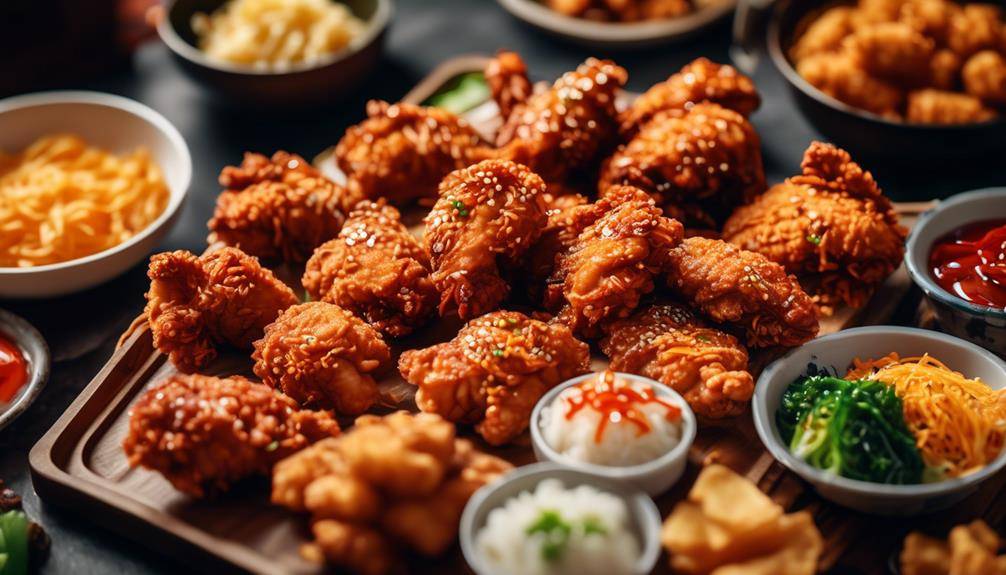
Korean Fried Chicken And Other Popular Snacks; Did you know that Korean fried chicken has become a global sensation, with over 10,000 fried chicken restaurants across South Korea alone? It’s not just the crispy exterior and juicy meat that make it so popular, but also the variety of flavors and sauces that accompany it. But Korean cuisine doesn’t stop at fried chicken; there are plenty of other mouthwatering snacks waiting to be explored. From spicy rice cake snacks to savory kimchi pancakes, there is something for everyone. So, grab a seat and get ready to embark on a culinary journey through the world of Korean snacks that will leave your taste buds craving for more.
Korean Fried Chicken: A Crispy Delight
Korean Fried Chicken, a beloved dish known for its irresistibly crispy texture and flavorful seasoning, is a culinary delight that will leave you craving for more. Whether you’re a fan of spicy or sweet flavors, this dish has something for everyone. With the rise in popularity of Korean cuisine, it’s no surprise that Korean Fried Chicken has become a global sensation. It has even sparked a trend of creating the best Korean fried chicken recipes at home.
One of the reasons Korean Fried Chicken stands out is its unique cooking technique. Unlike traditional fried chicken, it is double-fried, resulting in an extra crispy exterior that remains crunchy even when coated in sauce. The secret lies in the batter, which is made with a combination of flour and potato starch, giving it that signature crunch. The chicken is then fried twice to achieve the perfect texture.
Another reason for its popularity is the wide variety of flavors available. From the classic soy garlic to the fiery hot and spicy, there is a flavor to suit every palate. Some popular Korean fried chicken chains, such as Bonchon and Kyochon, have perfected their recipes and gained a loyal following worldwide. These chains offer a range of flavors and accompaniments, ensuring a memorable dining experience.
If you’re feeling adventurous, you can try making Korean Fried Chicken at home. There are countless recipes available online, each with its own twist on the classic dish. From marinating the chicken in buttermilk to adding unexpected ingredients like honey or ginger, the possibilities are endless. Whichever recipe you choose, one thing is for certain – the end result will be a plate of deliciously crispy, flavorful chicken that will have you coming back for more.
Tteokbokki: Spicy Rice Cake Snack
If you’re a fan of spicy food, then you’re in for a treat with tteokbokki. This popular Korean snack consists of chewy rice cakes smothered in a fiery red sauce made from gochujang, a fermented chili paste. The tteokbokki variations are endless, with some adding fish cakes, ramen noodles, or even cheese to the mix. Don’t forget to pair your tteokbokki with delicious side dishes like fried dumplings or crispy seaweed rolls for the ultimate snacking experience.
Spicy Rice Cake Recipe
To create a mouthwatering and satisfying snack, delve into the world of Tteokbokki, a spicy rice cake recipe that will leave your taste buds tingling with delight. Tteokbokki is a beloved Korean street food made from chewy rice cakes cooked in a spicy sauce.
While the traditional tteokbokki recipe consists of rice cakes, gochujang (Korean red chili paste), soy sauce, and sugar, there are also various spicy rice cake variations available. Some variations include adding fish cakes, vegetables, or even cheese to enhance the flavor and texture. The key to achieving the perfect tteokbokki is finding the right balance between spicy, sweet, and savory flavors. The result is a dish that is both fiery and satisfying, making it a popular choice among food lovers worldwide.
Tteokbokki Variations
With a plethora of tantalizing options to choose from, the variations of Tteokbokki offer a delightful twist on the classic spicy rice cake snack. From street stalls to trendy restaurants, you can find these mouthwatering variations all over Korea. One popular variation is the seafood tteokbokki, which adds a burst of flavor with ingredients like shrimp, squid, and mussels.
For those who prefer a milder taste, there is the creamy cheese tteokbokki, where melted cheese is added to the dish, creating a rich and gooey texture. If you are feeling adventurous, try the fire tteokbokki, which takes the spice to a whole new level with the addition of extra chili peppers and hot sauce. Whether you like it spicy or mild, there is a tteokbokki variation for everyone to enjoy.
Best Tteokbokki Side Dishes
After experiencing the tantalizing variations of Tteokbokki, it’s time to explore the delectable world of the best side dishes to complement this spicy rice cake snack. When it comes to enjoying Tteokbokki to the fullest, it’s all about finding the perfect balance of flavors and textures. One popular choice is Korean fried dumplings, also known as Mandu. These crispy and savory pockets of goodness provide a delightful contrast to the soft and chewy Tteokbokki. Another tasty option is Kimbap, a type of Korean sushi roll filled with a variety of ingredients such as vegetables, meat, and eggs.
The combination of the slightly tangy and refreshing flavors of Kimbap with the spiciness of Tteokbokki is simply divine. For a more traditional side dish, you can’t go wrong with Korean fish cakes, also known as Eomuk. These fish cakes are often served on skewers and are available in various flavors like cheese, squid, and lobster. Their mild taste and chewy texture perfectly complement the bold flavors of Tteokbokki.
Some popular Tteokbokki restaurants also offer side dishes like fried chicken, sweet potato fries, and odeng soup. These options add even more variety and depth to your Tteokbokki experience. So next time you indulge in this spicy rice cake snack, don’t forget to pair it with the best side dishes to elevate your taste buds to new heights.
Kimchi Pancakes: A Savory Treat
Kimchi pancakes, a beloved Korean dish, tantalize the taste buds with their savory flavors and crispy texture. These delectable pancakes are made by combining kimchi, a traditional fermented cabbage dish, with a batter made from flour, water, and eggs. The mixture is then pan-fried until golden brown, resulting in a mouthwatering treat that is enjoyed by people of all ages.
Here are some popular variations of kimchi pancakes:
- Seafood Kimchi Pancake: This version of kimchi pancake incorporates fresh seafood such as shrimp, squid, or clams into the batter. The seafood adds a delightful brininess that complements the tangy and spicy flavors of the kimchi.
- Vegetable Kimchi Pancake: For those who prefer a vegetarian option, vegetable kimchi pancakes are a great choice. These pancakes are filled with a medley of vegetables such as carrots, green onions, and zucchini, which provides a refreshing crunch to contrast with the soft texture of the pancake.
When it comes to enjoying kimchi pancakes, there are several side dishes that pair perfectly with this savory treat. Here are some of the best kimchi pancake side dishes:
- Dipping Sauce: A simple combination of soy sauce, vinegar, and sesame oil makes for a tangy and savory dipping sauce that enhances the flavors of the kimchi pancake.
- Pickled Radish: The crispiness and slight sweetness of pickled radish provide a refreshing contrast to the rich and spicy flavors of the pancake.
Japchae: Stir-Fried Glass Noodles
What makes Japchae, a classic Korean dish, so irresistible? Japchae is a mouth-watering stir-fried glass noodle dish that has gained immense popularity not only in Korea but also across the globe. The dish is known for its delicate balance of flavors and textures, making it a favorite among both locals and foreigners.
To make the perfect Japchae, you will need a few key ingredients. The main component is the transparent glass noodles, made from sweet potato starch. These noodles have a chewy and gelatinous texture, which adds a unique element to the dish. Other essential ingredients include thinly sliced beef, various colorful vegetables like carrots, spinach, and mushrooms, and a savory soy-based sauce.
The cooking process for Japchae involves stir-frying each ingredient separately before combining them all together. This method ensures that each component retains its individual taste and texture. The noodles are cooked until they are translucent and then tossed with the cooked vegetables and beef. The final touch is the addition of the flavorful soy sauce, which brings all the ingredients together and gives Japchae its signature taste.
While the traditional Japchae recipe is delightful on its own, there are also numerous variations of this dish. Some popular variations include adding seafood like shrimp or squid, using different types of noodles like rice noodles or green bean noodles, or even substituting the meat with tofu for a vegetarian twist. These variations allow for endless possibilities and make Japchae a versatile dish that can cater to different tastes and preferences.
Mandu: Korean Dumplings for Every Craving
If you’re a fan of dumplings, then you’re in for a treat with Mandu. Explore the different types of Mandu available, from steamed to pan-fried, each offering a unique texture and taste. With a variety of delicious fillings to choose from, such as pork, beef, or vegetables, Mandu is sure to satisfy any craving.
Mandu Varieties: Explore Different Types of Mandu
Explore the wide array of delectable Mandu varieties, satisfying every craving for Korean dumplings. These dumplings come in different shapes and are filled with a variety of ingredients, making them a versatile and delicious snack. Here are two sub-lists that will give you a taste of the diverse Mandu options:
- Traditional Mandu:
- Gogi Mandu: These are classic dumplings filled with minced meat, usually beef or pork, along with vegetables and spices. They are then steamed or fried to perfection.
- Yachae Mandu: Vegetarian-friendly Mandu, filled with a mixture of vegetables such as tofu, mushrooms, carrots, and cabbage. They are a healthier option without compromising on taste.
- Fusion Mandu:
- Kimchi Mandu: A popular variation that combines the tangy and spicy flavors of kimchi with the savory filling. It adds a unique twist to the traditional Mandu.
- Seafood Mandu: These dumplings are filled with a medley of seafood, such as shrimp, squid, and fish, giving them a delightful oceanic taste.
Pair your Mandu with popular dipping sauces like soy sauce, sesame oil, or spicy gochujang for an extra burst of flavor. Whether you prefer the traditional or fusion varieties, Mandu is a must-try Korean snack that will leave you craving for more.
Filling Options: Discover Various Delicious Fillings
After exploring the diverse Mandu varieties, it’s time to delve into the mouthwatering world of fillings that make these Korean dumplings irresistible. When it comes to filling options, the possibilities are endless. From traditional to modern, the creativity in Mandu fillings is boundless. One popular filling option is the classic combination of ground pork, cabbage, and onions.
The savory flavors of the pork blend perfectly with the crunch of the cabbage, creating a harmonious balance. For those looking for a vegetarian option, a filling with tofu, mushrooms, and carrots is a delicious choice. The earthy taste of the mushrooms pairs well with the creamy texture of the tofu, while the sweetness of the carrots adds a refreshing element. Whether you prefer traditional or creative combinations, Mandu fillings are sure to satisfy your cravings.
Cooking Techniques: Learn Traditional Cooking Methods
To master the art of cooking Mandu, it is essential to learn the traditional cooking methods that have been passed down through generations in Korean cuisine. These techniques not only ensure that the dumplings are cooked to perfection but also hold cultural significance in Korean food culture. Here are two traditional cooking techniques used for Mandu:
- Steaming: Steaming is a popular method that is often used to cook Mandu. The dumplings are placed in a steamer basket over boiling water and cooked until the filling is tender and the wrappers are translucent. This gentle cooking method allows the flavors to meld together, resulting in deliciously moist and juicy dumplings.
- Pan-frying: Pan-frying is another traditional cooking technique for Mandu. The dumplings are first pan-fried in a small amount of oil until the bottoms turn golden brown and crispy. Then, a mixture of water and oil is added to the pan, and the dumplings are covered and cooked until the wrappers become slightly crispy on top and the filling is thoroughly cooked.
Hotteok: Sweet and Gooey Pancake
Hotteok, a beloved Korean street food, is a delectable sweet and gooey pancake that is sure to satisfy your cravings. This traditional Korean dessert is a popular snack that can be found on street corners and in food stalls all over Korea. The hotteok batter is made from a mixture of flour, yeast, sugar, salt, and water. It is then filled with a sweet filling made of brown sugar, cinnamon, and crushed peanuts. The filled pancake is cooked on a hot griddle until it becomes golden and crispy on the outside, while the filling inside melts into a gooey, caramel-like consistency.
The first bite into a hotteok is a delightful explosion of flavors and textures. The outer layer of the pancake is slightly chewy with a hint of crispiness, giving way to the warm and gooey filling inside. The sweetness from the brown sugar is perfectly balanced with the warmth of the cinnamon, creating a comforting and satisfying treat. The crushed peanuts add a subtle nutty flavor and a bit of crunch to each bite.
Hotteok is not only delicious, but it also holds a special place in Korean culture. It is often enjoyed during the winter months as a warm and comforting snack. The aroma of hotteok being cooked on the griddle fills the air, drawing people in with its irresistible scent. Families and friends gather around street vendors to enjoy this sweet pancake together, creating cherished memories and a sense of community.
Whether you are a fan of sweet treats or simply looking for a unique and delicious snack, hotteok is a must-try. Its combination of sweet, gooey, and crispy textures will leave you craving more. So, next time you find yourself in Korea, be sure to indulge in this delightful street food and experience the joy it brings.
Twigim: Korean Street Food at Its Best
Get ready to tantalize your taste buds with Twigim, the ultimate Korean street food experience. These crispy and flavorful snacks are a must-try for any food lover. With a variety of fillings to choose from, Twigim offers a unique and delightful culinary adventure.
Crispy and Flavorful
With its irresistible combination of crispiness and bold flavors, Twigim stands out as one of the finest examples of Korean street food. The crispy fried goodness of Twigim is simply unparalleled, with its perfectly golden exterior that shatters with each bite, revealing a tender and succulent interior. But what truly sets Twigim apart is its unique flavor combinations.
It offers a wide range of options, from the classic vegetable fritters to the more adventurous seafood and meat varieties. Each bite bursts with a symphony of flavors, as the crispy batter gives way to the savory fillings, enhanced by the carefully crafted seasonings and sauces. Whether you prefer the tanginess of kimchi or the heat of gochujang, Twigim has something to satisfy every palate. Indulging in this delightful Korean snack is an experience that will leave you craving for more.
Variety of Fillings
The wide variety of fillings available in Twigim makes it a standout among Korean street food options. With various flavors and unique combinations, Twigim offers a delightful culinary experience. From the classic potato and vegetable fillings to the more adventurous choices like kimchi and seafood, there is something to suit every palate. The fillings are carefully selected and prepared to ensure a harmonious blend of textures and tastes.
Whether you prefer savory or sweet, there is a filling for you. The crispy exterior of the Twigim perfectly complements the flavorful fillings, creating a satisfying and addictive snack. Each bite is a burst of flavors, a delightful journey through the diverse world of Korean street food. Twigim truly showcases the creativity and innovation of Korean cuisine.
Gimbap: The Korean Version of Sushi
Gimbap, a popular Korean snack, offers a delectable twist on sushi with its unique blend of flavors and fillings. Similar to sushi, gimbap consists of rice and various ingredients rolled in seaweed. However, gimbap has its own distinct characteristics that set it apart from traditional sushi.
Here are some key aspects to consider when exploring gimbap:
- Gimbap Variations: Gimbap comes in a wide range of variations, allowing you to choose according to your preferences. Traditional gimbap usually includes ingredients like pickled radish, carrots, spinach, and eggs. However, you can also find gimbap with different fillings such as bulgogi (marinated beef), kimchi, and even cheese. These variations add an exciting twist to the classic gimbap, making it more versatile and appealing to different tastes.
- Gimbap vs Sushi: A Comparison: While gimbap and sushi share some similarities, there are notable differences between the two. Sushi typically features raw fish as its main ingredient, while gimbap focuses more on a variety of cooked ingredients. Additionally, gimbap is often larger and has a more substantial filling compared to sushi. The flavors in gimbap are also more pronounced due to the use of seasonings like sesame oil and soy sauce. These differences make gimbap a unique and distinct snack that offers a delightful alternative to sushi.
Bungeoppang: A Fish-Shaped Pastry
A popular Korean snack that resembles a fish-shaped pastry is Bungeoppang. This traditional Korean snack offers a delightful combination of a crispy outer shell and a sweet filling. Bungeoppang is a beloved street food in Korea and is commonly sold during the winter months.
The name “Bungeoppang” translates to “carp bread” in English. The pastry is made using a special mold that gives it its distinct fish shape. The batter is poured into the mold and then filled with a sweet red bean paste or other fillings such as custard or chocolate. The filled mold is then closed, and the pastry is cooked until it turns golden brown.
The crispy outer shell of Bungeoppang is achieved by using a batter that is slightly sweet and has a hint of vanilla flavor. The batter is cooked at high heat, resulting in a crunchy texture that contrasts perfectly with the soft and sweet filling. The red bean paste filling is the most traditional and popular choice, as it adds a rich and earthy flavor to the overall taste of the pastry.
Bungeoppang is not only delicious but also visually appealing. The fish shape adds a playful touch to the snack, making it even more enjoyable to eat. It is common to see people walking around with Bungeoppang in hand, savoring the warm and sweet treat during the chilly Korean winters.
Next time you find yourself in Korea, be sure to try Bungeoppang. This fish-shaped pastry is a must-try traditional Korean snack that will surely satisfy your sweet tooth and leave you craving for more.
Rabokki: The Fusion of Ramen and Tteokbokki
After indulging in the delightful fish-shaped pastry of Bungeoppang, it’s time to explore the unique fusion of flavors in Rabokki, the combination of Ramen and Tteokbokki. Rabokki has become increasingly popular in recent years, thanks to its harmonious blend of spicy and savory elements. Here are some key things you should know about this delicious Korean snack:
- Rabokki Variations:
- Classic Rabokki: This version features chewy rice cakes (tteok) and instant ramen noodles cooked in a fiery red sauce made from gochujang (Korean chili paste) and other ingredients like soy sauce, sugar, and garlic. It’s typically garnished with sesame seeds and green onions.
- Cheese Rabokki: This variation takes the classic rabokki and adds a generous amount of melted mozzarella cheese on top. The gooey cheese adds a creamy and indulgent element to the dish, balancing out the spiciness.
- Popular Ramen Snacks:
- Ramyeon Hot Dogs: A creative twist on the classic hot dog, this snack features a hot dog wrapped in ramen noodles and deep-fried until crispy. It’s a delicious combination of textures and flavors, with the noodles providing a crunchy exterior and the juicy hot dog inside.
- Ramen Burgers: Instead of using traditional buns, this unconventional burger swaps them out for ramen noodle patties. The ramen noodles are cooked, seasoned, and shaped into buns, then pan-fried until crispy. The result is a unique and tasty burger experience.
Rabokki and these popular ramen snacks showcase the versatility and creativity of Korean cuisine. Whether you prefer the classic spiciness of rabokki or the inventive combinations of ramen snacks, these dishes are sure to satisfy your cravings and introduce you to a whole new world of flavors. Don’t miss the chance to try them when exploring Korean cuisine!
Sundae: Korean Blood Sausage With a Twist
With its unique twist on traditional blood sausage, Sundae is a must-try Korean delicacy that offers a flavorful and unexpected culinary experience. Sundae comes in various variations, each with its own distinct taste and ingredients. This traditional dish is made by stuffing a mixture of boiled sweet rice, barley, and pig’s blood into a natural casing, usually the pig’s intestines. The mixture is then seasoned with a blend of spices including garlic, ginger, and pepper, which gives Sundae its characteristic spicy and savory flavor.
One of the most popular variations of Sundae is the Sundae Gukbap, which is served in a hot soup made from beef bones and beef brisket. The combination of the rich soup and the soft and chewy texture of Sundae creates a harmonious balance of flavors. Another popular variation is the Sundae Bokkeum, where the Sundae is stir-fried with vegetables and soy sauce. This dish is known for its bold and intense flavors, with the vegetables adding a refreshing crunch to the dish.
What sets Sundae apart from other sausages is its unique ingredients. The use of pig’s blood may sound unusual to some, but it adds a rich and distinct flavor to the dish. The combination of sweet rice and barley gives Sundae its chewy texture, while the spices enhance the overall taste. The natural casing made from pig’s intestines adds a slight smoky flavor and a pleasing snap when bitten into.
Dakgangjeong: Sticky and Spicy Chicken Bites
Get ready to tantalize your taste buds with the irresistible flavors of dakgangjeong, a popular Korean snack. The flavorful chicken coating is crispy and perfectly seasoned, while the sweet and spicy sauce adds a delightful kick to each bite. Whether you’re a fan of sticky and spicy dishes or simply looking to try something new, dakgangjeong is sure to satisfy your cravings.
Flavorful Chicken Coating
Indulge in the tantalizing flavors of Dakgangjeong, as the sticky and spicy chicken bites leave your taste buds craving for more. The secret behind the irresistible taste lies in the flavorful chicken coating that gives this Korean snack its signature crunch.
The crispy coating is achieved by double-frying the chicken, resulting in a golden brown exterior that is both satisfyingly crunchy and delightfully light. But it’s not just the texture that makes Dakgangjeong so addictive; it’s the unique flavors that come from the sauce that coats the chicken. The sauce is a harmonious blend of sweet, spicy, and savory, creating a perfect balance of flavors that will keep you reaching for another bite. With each mouthful, you’ll experience a burst of deliciousness that is impossible to resist.
Irresistible Sweet and Spicy Sauce
As you continue exploring the delectable world of Dakgangjeong, prepare to be amazed by the irresistible sweet and spicy sauce that elevates these sticky and spicy chicken bites to a whole new level of flavor. The sauce is the star of the show, adding a perfect balance of sweetness and spiciness to each bite.
There are various irresistible sauce recipes for Dakgangjeong, but the most popular one is made with a combination of soy sauce, honey, gochujang (Korean chili paste), garlic, and ginger. This combination creates a harmonious blend of flavors that tantalizes your taste buds. The sweet and spicy sauce has become one of the most popular Korean condiments, loved by locals and foreigners alike. Its addictive taste is the perfect complement to the crispy chicken coating, making Dakgangjeong a truly irresistible snack.
Jeyuk Bokkeum: Stir-Fried Spicy Pork
To experience the bold and fiery flavors of Korean cuisine, look no further than Jeyuk Bokkeum, a tantalizing dish of stir-fried spicy pork. This popular Korean snack is known for its mouthwatering combination of tender pork, spicy marinade, and vibrant vegetables. Jeyuk Bokkeum is a true delight for those who crave a burst of heat and flavor in every bite.
When preparing Jeyuk Bokkeum, the key lies in the pork marinade. The marinade is typically made with a combination of Korean chili paste, soy sauce, garlic, ginger, and sugar. This mixture not only infuses the pork with a rich and spicy flavor but also helps to tenderize the meat. The longer the pork marinates, the more flavorful and tender it becomes.
As for the cooking techniques, Jeyuk Bokkeum is traditionally stir-fried in a hot wok or skillet. This high-heat method allows the pork to cook quickly while retaining its juiciness. The pork is first seared to develop a caramelized crust, then stir-fried with the marinade and a variety of vegetables such as onions, bell peppers, and scallions. The result is a vibrant and visually appealing dish that is bursting with flavor.
To serve Jeyuk Bokkeum, it is often accompanied by a bowl of steamed rice and a side of kimchi. The combination of the spicy pork, fluffy rice, and tangy kimchi creates a perfect balance of flavors and textures. Whether enjoyed as a snack or a main dish, Jeyuk Bokkeum is sure to satisfy your cravings for spicy and savory Korean cuisine.
Odeng: Warm and Comforting Fish Cake Soup
Odeng, a comforting and warm soup made with fish cakes, is a beloved dish in Korean cuisine. This traditional Korean soup is a popular street food and can also be found in restaurants and homes across the country. Odeng is made by simmering fish cakes in a flavorful broth, resulting in a rich and satisfying soup that is perfect for cold winter days or whenever you’re craving something warm and comforting.
There are various variations of odeng soup, each with its own unique twist. Some recipes call for adding vegetables like radish or green onions to enhance the flavor and add freshness to the dish. Others may include additional ingredients such as tofu or noodles to make it more filling. Regardless of the variation, the key component of odeng soup remains the fish cakes, which are made from a mixture of fish paste, flour, and seasoning.
In addition to odeng soup, fish cakes are also enjoyed on their own as a popular snack in Korea. These fish cake snacks come in various shapes and sizes and are typically steamed, grilled, or fried. Some popular variations include eomuk bokkeum, which is stir-fried fish cake, and eomuk guk, a fish cake soup similar to odeng but without the broth.
Whether you’re enjoying a piping hot bowl of odeng soup or snacking on fish cakes, these dishes are sure to provide a comforting and satisfying experience. So, the next time you’re in the mood for a warm and flavorful dish, give odeng a try and discover the deliciousness of Korean fish cake cuisine.
Beondegi: Silkworm Pupae, a Unique Snack Experience
After savoring the comforting and satisfying experience of Odeng soup or indulging in the delicious fish cake snacks, you may be ready to embark on a unique snack adventure with Beondegi: Silkworm Pupae. This intriguing Korean snack is not for the faint of heart, but it offers a truly unforgettable experience.
Beondegi, also known as silkworm pupae, is a popular street food in Korea. While it may sound unusual to some, it has a long history and cultural significance in Korean cuisine. Here are some key points to know about Beondegi:
- Nutritional Value:
- High Protein: Silkworm pupae are packed with protein, making them a nutritious snack option.
- Source of Minerals: Beondegi contains essential minerals such as calcium, iron, and magnesium, which contribute to overall health and well-being.
- Cultural Significance:
- Traditional Snack: Beondegi has been enjoyed in Korea for centuries and is considered a traditional snack.
- Street Food Culture: It is commonly sold by street vendors throughout Korea, adding to the vibrant food culture of the country.
While the idea of eating silkworm pupae may seem unusual, Beondegi offers a unique culinary adventure. The pupae are usually boiled or steamed, giving them a soft and slightly chewy texture. They are then seasoned with soy sauce or other flavorings, resulting in a savory and slightly nutty taste.
Whether you’re a food enthusiast looking to try something new or an adventurous traveler seeking an authentic Korean experience, Beondegi is a snack that shouldn’t be missed. Its nutritional value and cultural significance make it a fascinating addition to the world of Korean snacks. So, why not give Beondegi a try and expand your culinary horizons?
Frequently Asked Questions: Korean Fried Chicken And Other Popular Snacks
What Are the Main Ingredients Used in Tteokbokki?
The main ingredients in tteokbokki are rice cakes, gochujang (red chili paste), and fish cakes. This popular Korean dish has various variations, such as adding cheese or ramen noodles for extra flavor.
How Are Kimchi Pancakes Different From Regular Pancakes?
Kimchi pancakes are different from regular pancakes in terms of their preparation and traditional way of eating. The batter includes kimchi, which adds a tangy and spicy flavor. They are typically enjoyed as a savory side dish or snack in Korean cuisine.
Can Japchae Be Made With Different Types of Noodles?
Yes, japchae can be made with different types of noodles. The dish traditionally uses sweet potato noodles, but you can also use glass noodles or even regular pasta. It’s a versatile dish with endless possibilities!
What Are the Common Fillings Used in Mandu?
Common fillings used in mandu include pork, beef, and vegetables such as cabbage, carrots, and onions. However, there are also different variations of mandu fillings, including seafood and kimchi. Vegetarian options for mandu fillings often consist of tofu, mushrooms, and various vegetables.
How Is Gimbap Different From Traditional Sushi Rolls?
Gimbap and sushi rolls, the battle of the rolls. Gimbap, a Korean dish, differs from traditional sushi rolls in its ingredients and preparation. Let’s explore the unique flavors and textures of this delicious Korean snack.

Conclusion
In conclusion, Korean cuisine offers a variety of popular snacks that are both delicious and unique. From the crispy delight of Korean fried chicken to the spicy kick of tteokbokki, there is something for everyone to enjoy. Kimchi pancakes, japchae, mandu, dakgangjeong, jeyuk bokkeum, odeng, and even beondegi provide a range of flavors and textures that will satisfy any craving. Whether you’re looking for a savory treat or a comforting soup, Korean snacks are sure to leave you wanting more.