Amazing Moroccan Dining Etiquette And Customs
Amazing Moroccan Dining Etiquette And Customs; Are you ready to embark on a culinary journey to Morocco, where dining etiquette and customs are an integral part of the cultural experience? From the moment you step foot into a Moroccan home or restaurant, you will find yourself immersed in a world of traditions that shape the way meals are shared and enjoyed. But what exactly are these customs, and how can you navigate them with grace and respect?
Let’s explore the fascinating intricacies of Moroccan dining etiquette together, as we uncover the secrets behind greeting rituals, seating arrangements, traditional dishes, tea ceremonies, and more. Get ready to discover a whole new dimension of dining etiquette that will enrich your understanding of Moroccan culture and enhance your dining experiences. Stay tuned for an enlightening exploration of Moroccan dining customs that will leave you craving for more.
Click Here and Turn Every Masterpiece into a Showstopper!
Greeting and Introduction
When dining in Morocco, it is essential to understand the proper etiquette for greeting and introducing yourself to others. Moroccan greeting customs are an integral part of their culture, and knowing the right way to greet someone can help you create a positive impression. In Moroccan society, greetings are often expressed through physical contact, such as handshakes, hugs, or kisses on the cheek. However, it is important to note that the level of physical contact may vary depending on the relationship and the region you are in. For example, in more conservative areas, a handshake may be more appropriate than a hug or a kiss.
Introducing yourself in Morocco follows a similar pattern of respect and politeness. When meeting someone for the first time, it is customary to greet them with a warm smile and a handshake. It is also polite to exchange pleasantries and inquire about the person’s well-being or family. Moroccans appreciate a genuine interest in getting to know them and their culture.
Comparatively, Moroccan greeting customs may differ from Western cultures, where handshakes are the norm. Understanding and respecting these differences can go a long way in building relationships and showing cultural sensitivity. By taking the time to learn and practice proper greeting and introduction etiquette, you will not only make a positive impression but also create a more meaningful and authentic dining experience in Morocco.
Seating Arrangements and Table Manners
Seating arrangements and table manners in Moroccan dining culture play a significant role in creating a harmonious and enjoyable dining experience. Moroccan seating etiquette is rooted in the concept of hierarchy and respect. When entering a Moroccan home or restaurant, it is common for the host to assign seats based on age, gender, and social status. The most honored guest is often seated at the head of the table, known as the “place d’honneur,” while the host usually sits opposite them.
Table etiquette in Morocco is characterized by a sense of togetherness and sharing. It is customary to eat with your right hand, as the left hand is considered unclean. Before the meal begins, it is polite to wait for the host to start eating or to say “bismillah” (in the name of Allah) before you begin. In Moroccan dining culture, it is also considered impolite to reach across the table or to take more than your fair share of food. Instead, dishes are passed around in a clockwise direction, allowing everyone to have an equal opportunity to serve themselves.
Furthermore, conversation during a Moroccan meal is often lively and engaging. It is customary to engage in small talk and compliments about the food. Sharing stories and anecdotes is also encouraged, as it helps foster a sense of camaraderie. However, it is important to be mindful of your volume and avoid talking with your mouth full.
In comparison to Western dining culture, Moroccan seating arrangements and table manners emphasize respect, hierarchy, and communal dining. By following these customs, you can ensure a pleasant and memorable dining experience in Morocco.
Eating With Your Right Hand
When it comes to eating with your right hand in Moroccan dining etiquette, hand hygiene and cleanliness are of utmost importance. Before you begin your meal, make sure your hands are thoroughly washed and dried. This practice not only ensures good hygiene but also reflects the cultural significance and tradition of eating with your right hand in Morocco.
Hand Hygiene and Cleanliness
To ensure proper etiquette during Moroccan dining, it is essential to maintain hand hygiene and cleanliness by using your right hand to eat. Moroccans consider the left hand unclean, as it is traditionally used for personal hygiene purposes. Therefore, using the right hand is a sign of respect and cleanliness. Proper handwashing before and after the meal is crucial to ensure cleanliness.
Moroccans often wash their hands with soap and water before sitting down to eat. Additionally, utensil usage is not common in Moroccan dining. Instead, most Moroccans prefer to eat with their hands, using bread as a utensil to scoop up food. This cultural practice not only adds to the sensory experience of the meal but also fosters a sense of togetherness and connection with the food.
Cultural Significance and Tradition
Cultural significance and tradition are deeply intertwined in Moroccan dining, particularly when it comes to the practice of eating with your right hand. This custom reflects the cultural practices and social dynamics of the Moroccan people. In Moroccan culture, the right hand is considered pure and clean, while the left hand is associated with impurity. Eating with the right hand symbolizes respect, as it is believed to be the hand closest to God.
It also signifies unity and togetherness, as everyone at the dining table eats from communal dishes using their right hand. This practice fosters a sense of community and reinforces the bonds between family and friends. Moreover, eating with your right hand allows for a more intimate and tactile experience with the food, enhancing the pleasure of the meal. Overall, the tradition of eating with the right hand in Moroccan dining is a reflection of cultural values and social dynamics.
Click Here and Turn Every Masterpiece into a Showstopper!
Traditional Moroccan Dishes and Serving Customs
Now let’s dive into the traditional Moroccan dishes and serving customs. Moroccan cuisine is known for its vibrant flavors and beautiful presentation. When it comes to dish arrangement, Moroccans pay great attention to the visual appeal by arranging the different components in an aesthetically pleasing manner. Additionally, serving Moroccan tea is a significant part of the dining experience, as it is often used to welcome guests and show hospitality.
Dish Presentation and Arrangement
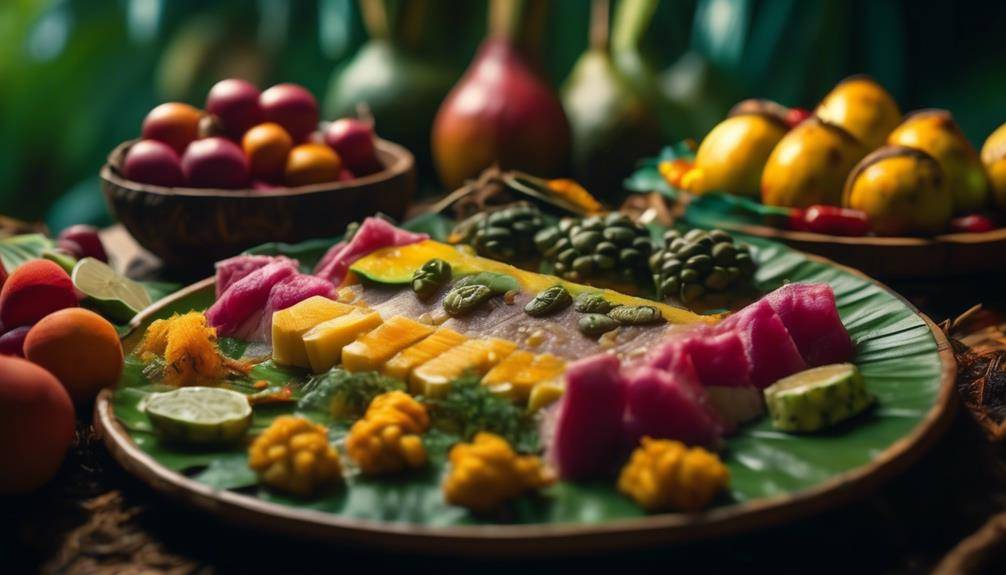
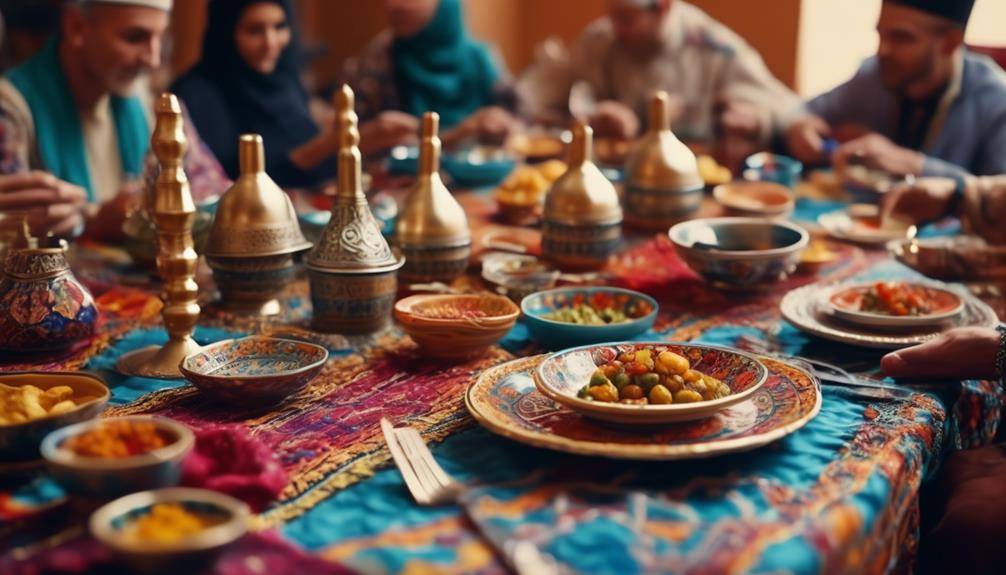
With careful attention to detail, traditional Moroccan dishes are presented and arranged in a visually stunning manner, reflecting the rich cultural heritage and culinary artistry of the country. Moroccan cuisine is known for its vibrant colors, intricate patterns, and artistic flair, which is evident in the way dishes are presented on the table.
- Dish Presentation:
- The main dish is usually placed in the center of the table, acting as the focal point of the meal.
- Smaller side dishes and condiments are strategically arranged around the main dish, creating a visually pleasing display.
- Table Decoration:
- Traditional Moroccan table settings often include colorful tablecloths and vibrant ceramic plates, adding a pop of color to the overall presentation.
- Elaborate silverware and glassware, intricately designed with traditional motifs, are carefully placed to enhance the visual appeal of the dining experience.
The presentation and arrangement of Moroccan dishes not only stimulate the senses but also showcase the pride and creativity of the Moroccan people.
Serving Moroccan Tea
As the culinary journey through Moroccan dining etiquette continues, let’s now explore the art of serving Moroccan tea, a cherished tradition that embodies the rich cultural heritage and customs of the country. Moroccan tea, also known as “Maghrebi mint tea,” is not just a beverage, but a symbol of hospitality and friendship.
The brewing process is meticulous and requires skill. The tea leaves are steeped in boiling water along with fresh mint leaves and an abundance of sugar. This creates a distinct and refreshing flavor profile that is both sweet and minty. Moroccan tea comes in various flavors, including green tea, black tea, and herbal infusions like jasmine or rose. Each flavor has its own unique characteristics that complement the Moroccan tea experience. So, sit back, relax, and indulge in the delightful aroma and flavors of Moroccan tea, a true embodiment of Moroccan culture.
Tea Ceremonies and Hospitality
During Moroccan tea ceremonies, guests are warmly welcomed into the home of the host, where they are greeted with genuine hospitality and served traditional Moroccan mint tea. The tea preparation and drinking process is an integral part of Moroccan culture, and it reflects the country’s rich traditions and customs.
Tea preparation in Morocco is a meticulous and time-honored practice. The host meticulously selects the finest loose leaf green tea, typically Chinese Gunpowder tea, and infuses it with fresh sprigs of mint and a generous amount of sugar. The tea is then steeped in a traditional silver teapot known as a “berrad,” which is placed over a charcoal fire to ensure the perfect infusion. This process allows the tea to develop a robust flavor and a delightful aroma.
Once the tea is ready, it is poured into small, ornate glasses known as “kessyehs.” Moroccan tea drinking is a social affair, often accompanied by lively conversations and laughter. The tea is poured from a height to create a frothy foam on top, which is considered a sign of quality. The host serves the tea with great care, ensuring that each guest receives a glass filled to the brim.
Moroccan hospitality shines through during tea ceremonies. Guests are treated like royalty, and the host goes above and beyond to create a warm and welcoming atmosphere. The ceremony is not just about the tea; it is about building connections and fostering relationships. It is customary for guests to accept multiple servings of tea, as a sign of appreciation for the host’s generosity and hospitality.
Etiquette for Paying the Bill and Expressing Gratitude
When it comes to Moroccan dining etiquette, showing proper etiquette for paying the bill and expressing gratitude is an essential aspect of the cultural experience. In Morocco, it is customary for the person who invites others to dinner to pay the bill. However, in modern times, bill splitting has become more common, especially among friends or colleagues. If you are dining in a group and wish to split the bill, it is polite to discuss this with the other diners before the meal ends, to avoid any awkwardness.
Tipping etiquette in Morocco is also an important part of expressing gratitude. It is customary to leave a tip for the service provided, as it is seen as a gesture of appreciation. In most restaurants, a service charge is not included in the bill, so it is customary to leave a tip of around 10% of the total bill. However, if the service was exceptional, you may choose to leave a higher tip.
When paying the bill, it is common to wait for the host or the person who invited you to make the first move. They may insist on paying the bill in its entirety, as it is considered a sign of hospitality and generosity. However, if you are the one who invited others, it is important to be prepared to pay the bill and not expect others to split it.
Click Here and Turn Every Masterpiece into a Showstopper!
Frequently Asked Questions: Amazing Moroccan Dining Etiquette And Customs
Are There Any Specific Rules or Customs Around Tipping in Moroccan Restaurants?
When dining in Moroccan restaurants, it is important to be aware of tipping customs and cultural expectations. It is customary to leave a tip, usually around 10%, as a sign of appreciation for the service provided.
Is It Considered Polite to Compliment the Host on the Food During a Moroccan Dining Experience?
It is considered polite to compliment the host on the food during a Moroccan dining experience. This gesture shows cultural significance and appreciation for their traditional dishes, enhancing the overall dining experience.
What Are Some Common Phrases or Greetings That Are Useful to Know When Dining in Morocco?
When dining in Morocco, it is helpful to know some useful phrases and traditional greetings. These can enhance your dining experience and show respect for the local customs and traditions.
Are There Any Specific Etiquette Rules Around Sharing Food or Passing Dishes at a Moroccan Meal?
When dining in Morocco, specific etiquette rules apply to sharing food and passing dishes. It is customary to share communal dishes, using your right hand to pass them clockwise. This fosters a sense of unity and connection among diners.
Are There Any Particular Gestures or Body Language That Should Be Avoided During a Moroccan Dining Experience?
When dining in Morocco, there are certain gestures and body language that you should avoid. These include pointing with your index finger, showing the soles of your feet, and crossing your legs.

Conclusion
In conclusion, understanding Moroccan dining etiquette and customs is essential for a culturally immersive experience. From the warm greetings and seating arrangements to the unique tradition of eating with your right hand, every aspect of the meal reflects the rich heritage and hospitality of Morocco. The serving customs, tea ceremonies, and gestures of gratitude further highlight the importance of sharing and community in Moroccan culture. By embracing these customs, you can truly appreciate the depth and beauty of Moroccan cuisine and traditions.