The Best Food Industry Innovations In Nutrition
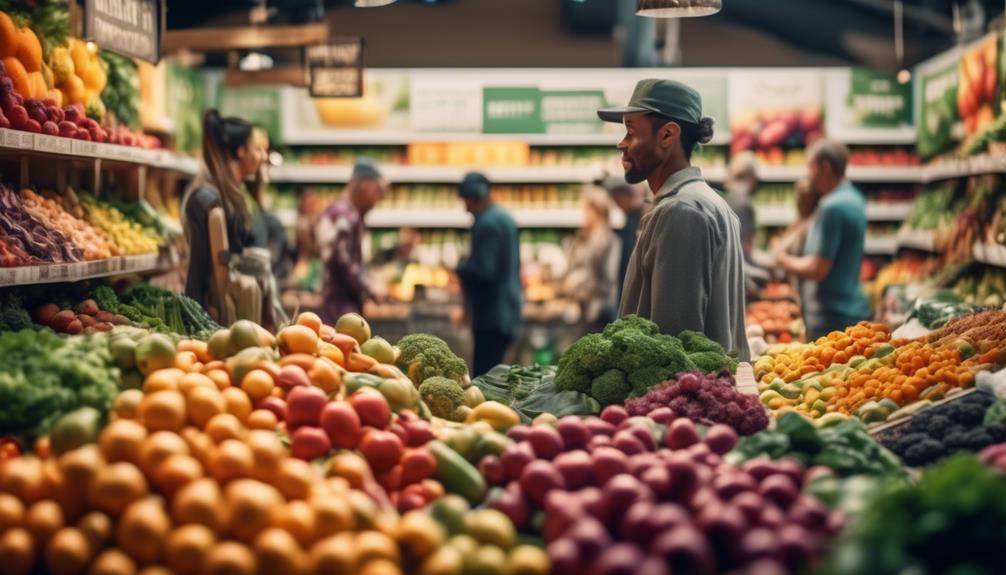
Best Food Industry Innovations In Nutrition; They say, “You are what you eat.” And in a world where health and wellness are becoming increasingly important, the food industry has responded with a multitude of innovations in nutrition. From plant-based protein alternatives to nutrient-dense snacks, there are exciting developments happening that can revolutionize the way we nourish our bodies. But that’s not all – there are also advancements in food packaging, farming practices, and even kitchen appliances that are shaping the future of nutrition. So, what are these innovations, and how can they benefit you? Let’s explore the world of food industry innovations in nutrition and discover the possibilities that lie ahead.
Click Here and Turn Every Masterpiece into a Showstopper!
Plant-Based Protein Alternatives
Plant-based protein alternatives offer a nutritious and sustainable option for individuals seeking to incorporate more plant-based foods into their diet. With the rise in popularity of plant-based diets, there has been a surge in the availability of plant-based meat alternatives and vegan protein sources.
Plant-based meat alternatives, such as Beyond Meat and Impossible Foods, are gaining traction in the food industry. These products are made from a combination of plant-based ingredients, such as soy, wheat, and pea protein, which are processed to mimic the taste and texture of traditional meat. They offer a viable alternative for those who want to reduce their meat consumption without sacrificing the taste and satisfaction of a meat-based meal.
Many vegan protein sources are also available for individuals looking to increase their plant-based protein intake. Legumes, such as beans, lentils, and chickpeas, are excellent sources of protein and can be easily incorporated into meals. They are not only rich in protein, but also high in fiber, vitamins, and minerals. Other vegan protein sources include tofu, tempeh, and seitan, which are all derived from soybeans or wheat.
In addition to being nutritious, plant-based protein alternatives also offer environmental benefits. The production of plant-based meats requires fewer resources, such as land and water, compared to traditional meat production. It also generates fewer greenhouse gas emissions, making it a more sustainable choice.
Functional Foods and Beverages
As you explore the latest innovations in the food industry, a noteworthy area to consider is the realm of functional foods and beverages. These products are designed to provide additional health benefits beyond basic nutrition. Here are three key trends in functional foods and beverages:
- Functional beverages: Functional beverages are becoming increasingly popular as consumers seek convenient and healthy options. These beverages are infused with ingredients like vitamins, minerals, antioxidants, and probiotics to support specific health needs. For example, you may find beverages that promote energy, boost immune system, aid digestion, or support mental focus. Functional beverages offer a convenient way to incorporate beneficial ingredients into your daily routine.
- Plant-based snacks: Plant-based snacks are gaining traction as people look for healthier alternatives to traditional snack options. These snacks are made from plant-based ingredients like nuts, seeds, fruits, and vegetables, and are often fortified with additional nutrients. Plant-based snacks provide a satisfying crunch and can be packed with vitamins, minerals, fiber, and protein. They offer a guilt-free option for snacking on the go, while still providing essential nutrients.
- Enhanced functionality: In addition to the inclusion of specific ingredients, functional foods and beverages are now being developed with enhanced functionality. For example, there are products that focus on improving gut health, boosting metabolism, supporting brain function, or reducing inflammation. These enhanced functional products are formulated with specific combinations of ingredients to target specific health concerns.
Nutrient-Dense Snacks
When it comes to snack options, it’s important to choose ones that are not only tasty but also provide nutritional value. Nutrient-dense snacks can help support your overall wellness by supplying essential vitamins, minerals, and other beneficial nutrients. By opting for healthier snack choices, you can satisfy your cravings while also nourishing your body.
Healthier Snack Options
Looking for healthier snack options that are packed with nutrients? Look no further than these innovative choices that will satisfy your cravings while nourishing your body.
- Plant-based Protein Bars: These bars provide a convenient and delicious way to fuel your body with plant-based protein. Made from ingredients like nuts, seeds, and pea protein, they offer a satisfying snack option that supports muscle repair and growth.
- Kale Chips: Swap out traditional potato chips for these crispy kale chips. They are low in calories and high in vitamins A, C, and K, providing a nutrient-dense alternative. With various flavors available, they can satisfy your savory cravings without the guilt.
- Fruit and Nut Energy Bites: These bite-sized snacks are packed with a combination of dried fruits and nuts. They are a great source of fiber, healthy fats, and antioxidants. Perfect for on-the-go snacking, they can help you maintain your energy levels and keep you feeling satisfied between meals.
Nutritional Value Importance
To make the most of your snacking choices, prioritize nutrient-dense options that provide essential vitamins and minerals for optimal health and well-being. Nutrient-dense snacks are foods that are rich in nutrients while being relatively low in calories. They offer a high concentration of vitamins, minerals, and other beneficial compounds, making them an excellent choice for meeting your nutritional needs.
Nutritional education plays a crucial role in helping consumers understand the importance of choosing snacks with high nutritional value. Through increased awareness and understanding, individuals can make informed decisions about their food choices and prioritize nutrient-dense options. Additionally, food labeling standards play a vital role in providing consumers with accurate and transparent information about the nutritional content of snacks. By following these guidelines and considering the nutritional value of your snacks, you can make healthier choices to support your overall well-being.
Click Here and Turn Every Masterpiece into a Showstopper!
Snack Choices for Wellness
Choose nutrient-dense snacks to support your well-being and provide essential vitamins and minerals. Snacks can be an important part of a balanced diet, and by making mindful choices, you can optimize your nutrition and promote overall wellness. Here are three ways to customize your snacks and incorporate mindful eating practices:
- Opt for whole foods: Instead of reaching for processed snacks that are high in added sugars and unhealthy fats, choose nutrient-dense options like fruits, vegetables, nuts, and seeds. These foods are rich in vitamins, minerals, and fiber, which can help nourish your body and keep you feeling satisfied.
- Balance macronutrients: Snacks that contain a combination of carbohydrates, protein, and healthy fats can provide sustained energy and prevent blood sugar spikes. For example, pair apple slices with almond butter or enjoy Greek yogurt topped with berries and granola.
- Portion control: Snacking mindfully involves being aware of your hunger and fullness cues. Instead of mindlessly munching on snacks, take the time to savor each bite and stop eating when you feel satisfied. This can help prevent overeating and promote a healthy relationship with food.
Innovative Food Packaging Solutions
Innovative food packaging solutions have revolutionized the way we store and transport our food, ensuring freshness and safety for consumers. Sustainable packaging solutions and innovative food preservation techniques have emerged as key strategies to address the environmental impact of food packaging and enhance the shelf life of products.
One of the most significant advancements in food packaging is the development of sustainable packaging solutions. With growing concerns about plastic waste and its impact on the environment, companies are increasingly adopting eco-friendly alternatives. For instance, biodegradable packaging made from plant-based materials, such as cornstarch or sugarcane, is becoming more popular. These materials are renewable, compostable, and have a reduced carbon footprint compared to traditional plastics.
In addition to sustainable packaging, innovative food preservation techniques have also gained traction. These techniques aim to extend the shelf life of food products, reducing food waste and improving food safety. Modified atmosphere packaging is one such technique, where the oxygen content inside the package is altered to slow down the growth of spoilage-causing microorganisms. This helps to maintain the freshness and quality of food for a longer period.
Furthermore, active packaging systems have emerged as a promising solution. These systems actively interact with the food product to enhance its preservation. For example, antimicrobial packaging incorporates substances that inhibit the growth of bacteria and fungi, thus extending the shelf life of perishable items.
Sustainable Farming Practices
When it comes to sustainable farming practices, there are two key points to consider: soil health and biodiversity, and reduced chemical inputs. Maintaining soil health is crucial for long-term sustainability, as healthy soil promotes better crop growth and nutrient absorption. Additionally, promoting biodiversity on farms helps to create a balanced ecosystem that supports natural pest control and reduces the need for chemical inputs. By implementing these practices, the food industry can contribute to a more sustainable and environmentally-friendly future.
Soil Health and Biodiversity
Implementing sustainable farming practices that prioritize soil health and biodiversity is crucial for the future of the food industry. By focusing on soil conservation and adopting agroecology principles, farmers can ensure the long-term productivity and sustainability of their land. Here are three key strategies for promoting soil health and biodiversity:
- Cover cropping: Planting cover crops, such as legumes or grasses, during periods of fallow or between cash crops helps to protect the soil from erosion, improve soil structure, and enhance nutrient cycling.
- Crop rotation: Rotating crops in a planned sequence helps to break pest and disease cycles, reduce the need for chemical inputs, and promote biodiversity by providing varied habitats for beneficial insects and organisms.
- Integrated pest management (IPM): By integrating various pest control strategies, such as biological controls, crop rotation, and cultural practices, farmers can minimize the use of synthetic pesticides while maintaining healthy soil and diverse ecosystems.
Reduced Chemical Inputs
Reduced chemical inputs are a key component of sustainable farming practices, ensuring the environmental and human health of the food industry. Organic farming is one approach that focuses on minimizing chemical inputs in food production. By using natural pesticides derived from plants, insects, or minerals, organic farmers can effectively control pests and diseases without relying on synthetic chemicals. These natural pesticides are less harmful to the environment and have lower risks of contaminating food.
Additionally, reducing chemical inputs in agriculture helps to preserve soil health and biodiversity, as it minimizes the negative impacts on beneficial organisms and ecosystems. By adopting such practices, the food industry can contribute to a more sustainable and healthier future for both the environment and human consumers.
Personalized Nutrition Technologies
Personalized nutrition technologies have revolutionized the food industry by tailoring dietary recommendations to individuals based on their unique genetic makeup and lifestyle factors. These advancements in nutrition science have opened up new possibilities for optimizing health and wellness on an individual level. Here are three ways personalized nutrition technologies are transforming the way we approach our diets and fitness routines:
- Personalized Meal Plans: With the help of genetic testing and advanced algorithms, personalized nutrition technologies can analyze an individual’s genetic makeup to determine their specific nutritional needs. This information is then used to create personalized meal plans that take into account factors such as nutrient requirements, food sensitivities, and metabolism. By tailoring meal plans to each individual, personalized nutrition technologies can optimize nutrient intake and support overall health and well-being.
- Personalized Fitness Programs: In addition to personalized meal plans, these technologies also offer personalized fitness programs. By considering an individual’s genetic predispositions, fitness goals, and lifestyle factors, these programs can provide customized exercise routines that are more effective and efficient. Whether it’s optimizing cardiovascular health, building muscle strength, or improving flexibility, personalized fitness programs can help individuals achieve their fitness goals in a way that is tailored to their unique needs.
- Continuous Monitoring and Feedback: Personalized nutrition technologies often come with monitoring devices, such as wearable fitness trackers or smart scales, that provide real-time data on various health parameters. This continuous monitoring allows individuals to track their progress, make adjustments to their diet or fitness routine as needed, and receive personalized feedback to stay on track towards their goals.
Gut-Health Enhancing Products
Gut-health enhancing products have gained significant popularity in recent years due to their potential to improve digestive health and overall well-being. The gut microbiome, which refers to the trillions of microbes residing in our digestive system, plays a crucial role in maintaining a healthy gut. Research has shown that an imbalance in the gut microbiome can lead to various health issues, including digestive disorders, obesity, and even mental health disorders.
Probiotic strains, which are live bacteria that provide health benefits when consumed, are a key component of gut-health enhancing products. These products often contain specific strains of probiotics that have been scientifically proven to support a healthy gut microbiome. Lactobacillus and Bifidobacterium are two common probiotic strains that have been extensively studied for their beneficial effects on gut health.
Consuming gut-health enhancing products can help restore and maintain a healthy balance of bacteria in the gut microbiome. They can help improve digestion, enhance nutrient absorption, and strengthen the immune system. Additionally, certain probiotic strains have been shown to alleviate symptoms of digestive disorders such as irritable bowel syndrome (IBS) and inflammatory bowel disease (IBD).
It is important to note that the effectiveness of gut-health enhancing products can vary depending on factors such as the specific strains of probiotics used, the dosage, and individual differences in gut microbiome composition. Therefore, it is recommended to consult with a healthcare professional before starting any new gut-health regimen.
Click Here and Turn Every Masterpiece into a Showstopper!
Clean Label Movement
The growing demand for healthier and more transparent food options has led to the emergence of the clean label movement in the food industry. Consumers are increasingly concerned about the ingredients used in their food and are seeking products with minimal additives, preservatives, and artificial ingredients. As a result, food manufacturers are responding by adopting clean label practices and providing more information about the sourcing and production of their products.
Here are three key aspects of the clean label movement:
- Transparency: One of the main goals of the clean label movement is to provide consumers with clear and understandable information about the ingredients used in food products. This includes avoiding confusing or misleading labeling practices and providing accurate and comprehensive information about the sourcing and production methods.
- Ingredient Simplification: Clean label products often emphasize a simplified ingredient list, focusing on familiar and natural ingredients. This means avoiding artificial additives, artificial flavors, and artificial sweeteners. Instead, manufacturers are using more natural alternatives or removing unnecessary ingredients altogether.
- Personalized Nutrition Technologies: The clean label movement is also driving the development of personalized nutrition technologies. These technologies aim to provide consumers with tailored nutrition recommendations based on their individual needs and preferences. This includes using data from wearable devices, genetic testing, and personalized health assessments to create personalized food and supplement recommendations.
Enhanced Food Safety Measures
Food manufacturers have implemented enhanced food safety measures to ensure the quality and safety of their products. With an increasing number of foodborne illnesses and concerns about the origins of our food, it has become crucial for companies to prioritize food traceability and implement measures to prevent contamination.
One of the key aspects of enhanced food safety measures is the implementation of advanced tracking systems that enable better food traceability. By using technologies like blockchain, companies can track the entire journey of a product, from the farm to the store shelves. This allows for quick identification of any potential issues or contaminants, reducing the risk of foodborne illnesses.
Furthermore, food manufacturers are investing in improved sanitation practices and equipment. Regular cleaning and disinfection of production facilities help to prevent the growth and spread of harmful bacteria. Additionally, companies have implemented strict protocols for monitoring and testing their products at various stages of the production process. This ensures that any potential contaminants are detected early on and appropriate action can be taken.
In recent years, there has been an increased focus on training and educating employees about food safety practices. By providing comprehensive training programs, companies can ensure that their staff is knowledgeable about proper handling, storage, and preparation of food products. This helps to minimize the risk of cross-contamination and other safety hazards.
Smart Kitchen Appliances
Smart kitchen appliances have revolutionized the way we cook and prepare our meals. With the advent of smart kitchen technology, connected appliances have become increasingly popular and have transformed our kitchens into efficient and intelligent spaces. These appliances offer a range of features that enhance convenience, efficiency, and safety in the kitchen.
- Remote Control: One of the key benefits of smart kitchen appliances is the ability to control them remotely. With a simple tap on your smartphone, you can preheat your oven, start your coffee maker, or adjust the settings on your slow cooker, even when you’re not at home. This feature allows you to save time and ensures that your appliances are ready to use when you need them.
- Recipe Assistance: Many smart appliances come with built-in recipe assistance. Through connected apps or touchscreens, these appliances provide step-by-step instructions, timers, and even ingredient substitutions. This feature is particularly helpful for novice cooks or those looking to try new recipes, as it eliminates the need to constantly refer to cookbooks or online sources.
- Energy Efficiency: Smart kitchen appliances are designed with energy efficiency in mind. They often come with sensors that can detect when a pot is boiling or when a dish is cooked, automatically adjusting the heat to conserve energy. Additionally, some appliances can provide real-time energy usage data, allowing you to monitor and optimize your energy consumption in the kitchen.
Novel Ingredients and Superfoods
With smart kitchen appliances optimizing efficiency, it’s time to explore the world of novel ingredients and superfoods that can elevate your culinary creations. In today’s food industry, novel ingredient trends are gaining momentum, offering exciting options for both professional chefs and home cooks. These innovative ingredients are sourced sustainably, ensuring minimal environmental impact.
One novel ingredient trend that has gained popularity in recent years is the use of alternative flours. Traditional wheat flour has been replaced by flours made from ancient grains like quinoa, amaranth, and teff. These gluten-free options not only provide unique flavors and textures but also offer nutritional benefits such as higher protein content and essential minerals.
Superfoods, another key aspect of the novel ingredient movement, are nutrient-dense foods that provide numerous health benefits. Ingredients like acai berries, chia seeds, and matcha powder are packed with antioxidants, vitamins, and minerals, making them a valuable addition to any dish. Incorporating these superfoods into your recipes can enhance both their nutritional profile and visual appeal.
Sustainable sourcing methods play a crucial role in the novel ingredient movement. As consumers become more conscious of their environmental impact, food companies are actively seeking out suppliers that prioritize sustainable practices. From responsibly harvested seafood to ethically sourced spices, these ingredients not only enhance the flavor of your dishes but also contribute to a healthier planet.
Click Here and Turn Every Masterpiece into a Showstopper!
Nutraceuticals and Dietary Supplements
Nutraceuticals and dietary supplements offer a range of health-enhancing benefits for individuals seeking to optimize their nutrition. These products have gained popularity in recent years due to their potential to address specific health concerns and improve overall well-being. Here are three key points to consider regarding nutraceuticals and dietary supplements:
- Nutraceutical research: The field of nutraceuticals is rapidly evolving, with ongoing research exploring the potential health benefits of various compounds found in natural food sources. Scientists are studying the effects of these compounds on specific health conditions, such as cardiovascular disease, cognitive function, and immune support. Research in this area aims to provide evidence-based information on the efficacy and safety of nutraceutical products, empowering individuals to make informed decisions about their supplementation choices.
- Dietary supplement regulations: It is essential to be aware of the regulations surrounding dietary supplements. In many countries, including the United States, dietary supplements are regulated as a category of food rather than drugs. This means that manufacturers are responsible for ensuring the safety and labeling accuracy of their products, while the government plays a role in overseeing compliance. However, it is crucial to note that regulations may vary between countries, so it is advisable to consult reputable sources or healthcare professionals when selecting and using dietary supplements.
- Supplementing a balanced diet: While nutraceuticals and dietary supplements can provide valuable nutritional support, they should not replace a balanced diet. It is important to prioritize consuming a variety of whole foods that offer a wide range of nutrients. Supplements should be seen as a complement to a healthy diet rather than a substitute. Consulting with a healthcare professional or registered dietitian can help determine which supplements, if any, might be beneficial for your specific needs.
Frequently Asked Questions: Best Food Industry Innovations In Nutrition
How Do These Plant-Based Protein Alternatives Compare to Traditional Animal-Based Protein Sources in Terms of Nutritional Value?
Plant-based protein alternatives, such as tofu and tempeh, offer a comparable nutritional value to traditional animal-based protein sources like meat and dairy. They are rich in essential amino acids, fiber, and vitamins, making them a healthy choice for your diet.
Are There Any Functional Foods and Beverages That Specifically Target Certain Health Conditions or Concerns?
Functional food trends are on the rise, offering personalized nutrition solutions for specific health concerns. These innovative foods and beverages target various conditions, such as heart health, digestive issues, and immune support. Stay informed and make choices that support your well-being.
Can Nutrient-Dense Snacks Be a Suitable Replacement for Traditional Meals in Terms of Providing Essential Nutrients?
Nutrient-dense snacks can be a suitable replacement for traditional meals, providing essential nutrients. Plant-based protein alternatives offer high nutritional value. Functional foods target specific health concerns. Innovative packaging solutions ensure food quality. Sustainable farming practices support nutritious and eco-friendly options.
What Are Some Innovative Food Packaging Solutions That Help to Reduce Food Waste and Environmental Impact?
Innovative food packaging solutions can help reduce food waste and environmental impact. By using sustainable materials and technologies like biodegradable packaging and intelligent labels, the food industry can make a positive difference.
How Do Sustainable Farming Practices Contribute to the Overall Quality and Safety of the Food We Consume?
Sustainable farming practices improve the overall quality and safety of the food you consume. By using organic fertilizers and avoiding harmful chemicals, the nutritional value of the food is enhanced, including plant-based protein alternatives.

Conclusion
In conclusion, the food industry has witnessed significant innovations in nutrition. Plant-based protein alternatives, functional foods and beverages, nutrient-dense snacks, and innovative food packaging solutions have paved the way for healthier eating choices. Additionally, sustainable farming practices, enhanced food safety measures, and the use of smart kitchen appliances have further improved the quality and safety of our food. The introduction of novel ingredients, superfoods, nutraceuticals, and dietary supplements has also provided consumers with a wide range of options to meet their nutritional needs.