
Easy Wearable Tech For Personalized Nutrition
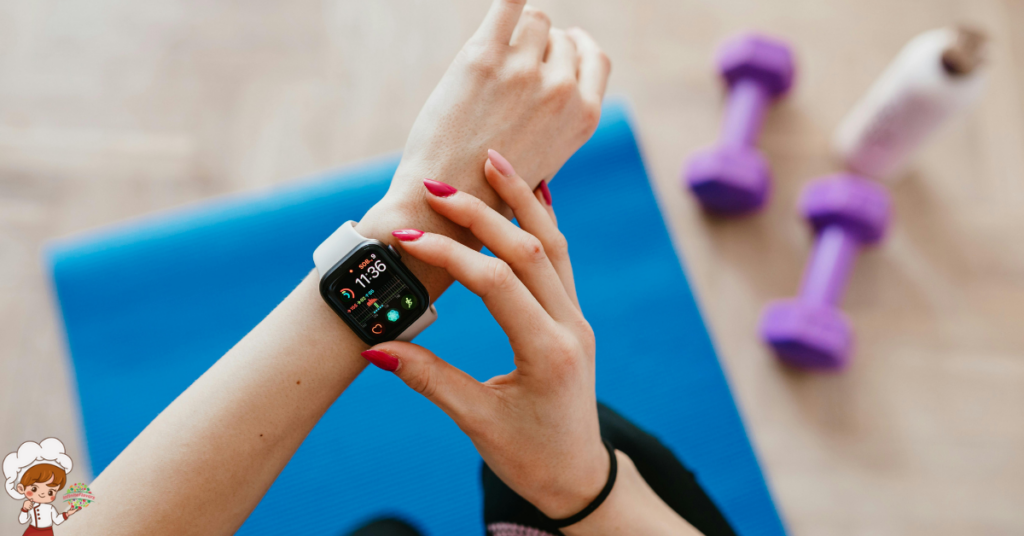
Easy Wearable Tech For Personalized Nutrition; Have you ever wished for a personal nutritionist who could guide you through your dietary choices, ensuring that you reach your health and fitness goals? Well, with the advent of wearable technology, that dream is becoming a reality. Imagine having a device right on your wrist that not only tracks your daily activities but also monitors your nutritional intake and provides personalized recommendations. The possibilities are endless, and the potential benefits are immense. But how does wearable tech actually work in the realm of personalized nutrition? Let’s explore this exciting field and uncover the future of a healthier you.
🌱 Learning healthy eats made simple, fun, and flavorful!
The Role of Wearable Tech in Nutrition
Wearable tech plays a vital role in nutrition by providing individuals with real-time data and personalized insights into their dietary habits and overall health. One of the key benefits of wearable tech is its impact on weight loss. By tracking your physical activity and monitoring your calorie intake, these devices can help you achieve your weight loss goals more effectively.
Wearable tech, such as fitness trackers and smartwatches, can help you keep track of the calories you consume and burn throughout the day. With the help of built-in sensors, these devices can accurately measure your heart rate, steps taken, distance covered, and even the number of calories burned during exercise. This data can be seamlessly synced with your smartphone or computer, allowing you to monitor your progress and make informed decisions about your dietary choices.
Furthermore, wearable tech can provide valuable insights into your dietary choices. Many devices offer meal tracking features, allowing you to log your food intake and analyze the nutritional content of your meals. Some devices can even provide personalized recommendations based on your dietary preferences and goals. For example, if you’re trying to reduce your sugar intake, your wearable tech can alert you when you exceed your daily sugar limit or suggest healthier alternatives.
Tracking and Analyzing Eating Habits
When it comes to tracking and analyzing your eating habits, wearable tech can provide you with the tools to do so accurately. These devices, such as fitness trackers and smartwatches, can monitor your food intake and provide valuable insights into your nutrition. By accurately tracking your eating habits, you can identify patterns and make informed decisions to modify your behavior and improve your overall health.
Food Tracking Accuracy
To accurately track and analyze your eating habits, wearable tech can provide you with valuable insights into your food intake. However, there are certain challenges when it comes to food tracking accuracy that need to be addressed. One of the main challenges is accurately identifying and categorizing the food you consume. This can be tricky, as different foods may have similar appearances or nutritional profiles.
Additionally, portion sizes can vary greatly, making it difficult to accurately estimate the amount of food consumed. To improve accuracy, wearable tech is constantly evolving and incorporating advanced technologies such as image recognition and artificial intelligence. These advancements can help in automatically identifying and categorizing foods, as well as estimating portion sizes more accurately. By addressing these challenges and improving accuracy, wearable tech can provide you with more reliable data to make informed decisions about your nutrition and health.
Behavior Modification Potential
Improving the accuracy of food tracking through wearable tech not only provides valuable insights into your eating habits, but also has the potential to facilitate behavior modification by tracking and analyzing your food intake. Here’s how wearable tech can help you with behavior change and personalized coaching:
- Real-time feedback: Wearable devices can track your food intake and provide immediate feedback on your eating habits. This feedback can help you become more aware of your choices and make healthier decisions.
- Personalized coaching: By analyzing your food intake data, wearable tech can provide personalized coaching and recommendations based on your specific goals and needs. Whether you want to lose weight, improve your nutrition, or manage a health condition, wearable tech can offer tailored advice and strategies.
- Habit formation: Wearable devices can help you establish and maintain healthy eating habits through reminders, goal setting, and progress tracking. By consistently tracking your food intake, you can build awareness and accountability, leading to long-term behavior change.
Personalized Nutrition Plans With Wearable Tech
Wearable tech has revolutionized personalized nutrition plans, allowing individuals to track and optimize their dietary choices like never before. With the integration of wearable tech devices, such as fitness trackers and smartwatches, individuals can now receive real-time data and insights about their nutrition and make informed decisions to improve their overall health and well-being.
One of the areas where wearable tech has shown significant impact is in weight loss. By monitoring metrics such as calorie intake, physical activity, and sleep patterns, individuals can gain a better understanding of their habits and make necessary adjustments to achieve their weight loss goals. Wearable tech devices provide a constant reminder and motivation to stay on track, helping individuals develop healthier eating habits and improve their overall lifestyle.
Athletes, too, have benefited from the use of wearable tech in their nutrition plans. These devices can track vital metrics such as heart rate, oxygen levels, and even hydration levels, providing valuable insights into an athlete’s performance. By analyzing this data, athletes can fine-tune their nutrition plans, ensuring they are fueling their bodies optimally for peak performance. Whether it’s tracking macronutrient intake or monitoring hydration levels during a workout, wearable tech has become an essential tool for athletes looking to gain a competitive edge.
In addition to tracking and optimizing nutrition, wearable tech also offers the convenience of personalized meal planning. By analyzing data from wearable devices, nutrition apps can provide personalized meal suggestions based on an individual’s goals and preferences. These apps can take into account factors such as dietary restrictions, food allergies, and even individual taste preferences, making it easier than ever to create a personalized nutrition plan that fits your needs.
🌱 Learning healthy eats made simple, fun, and flavorful!
Monitoring Nutritional Intake in Real-Time
Monitoring your nutritional intake in real-time is crucial for making informed decisions about your diet and optimizing your overall health and well-being. With the advancements in wearable technology, such as smartwatches and fitness trackers, it has become easier than ever to track your food consumption throughout the day. Here are three reasons why real-time food tracking and wearable nutrition monitoring can be beneficial for you:
- Accurate and Immediate Feedback: By monitoring your nutritional intake in real-time, you can receive immediate feedback on your food choices and their impact on your health. Wearable devices can track the macronutrients (carbohydrates, proteins, and fats) and micronutrients (vitamins and minerals) in the foods you consume, providing you with accurate information about your nutrient intake. This feedback can help you make adjustments to your diet and ensure you are meeting your nutritional goals.
- Increased Awareness: Real-time food tracking allows you to become more aware of what you are consuming throughout the day. By seeing a visual representation of your food choices, you can better understand your eating habits and identify areas for improvement. This awareness can help you make healthier choices and avoid mindless snacking or overeating.
- Personalized Recommendations: Wearable devices that track your nutritional intake can provide personalized recommendations based on your goals and dietary needs. Whether you are looking to lose weight, manage a specific health condition, or simply maintain a balanced diet, these devices can offer suggestions and tips to help you achieve your desired outcomes.
Achieving Fitness Goals Through Personalized Nutrition
To achieve your fitness goals, personalized nutrition plays a crucial role in optimizing your performance and overall well-being. When it comes to achieving fitness goals, it’s not just about the hours you spend at the gym or the intensity of your workouts. Your nutrition plays a key role in supporting your body’s needs and helping you reach your desired fitness outcomes.
One of the ways personalized nutrition can help you achieve your fitness goals is by focusing on behavior change. Nutrition coaching can provide you with the tools and guidance to make sustainable changes to your eating habits. By understanding your unique needs and preferences, a nutrition coach can help you identify areas for improvement and develop strategies to overcome challenges. Whether it’s increasing your intake of nutrient-dense foods or finding healthy alternatives to your favorite indulgences, personalized nutrition can help you make lasting changes that support your fitness goals.
In addition to behavior change, personalized nutrition can also optimize your performance. By tailoring your nutrient intake to your specific needs, you can fuel your workouts, enhance your recovery, and improve your overall athletic performance. Whether you’re looking to build muscle, increase endurance, or lose weight, a personalized nutrition plan can provide you with the optimal balance of macronutrients and micronutrients to support your goals.
🌱 Learning healthy eats made simple, fun, and flavorful!
The Future of Wearable Tech in Nutrition
As technology continues to advance, there is a promising future for incorporating wearable tech into the realm of nutrition to enhance personalized health and wellness journeys. Wearable tech innovations have the potential to revolutionize the way we approach our dietary choices, providing us with real-time data and insights that can help us make more informed decisions about what we eat. Here are three ways wearable tech could impact our dietary choices:
- Monitoring Nutrient Intake: Wearable devices such as smartwatches or fitness trackers can track the calories and macronutrients we consume throughout the day. By syncing these devices with nutrition apps, we can get a comprehensive overview of our nutrient intake, helping us identify any nutritional imbalances or areas where we can make improvements. This real-time feedback can empower us to make healthier choices and optimize our diet for better overall health.
- Real-Time Feedback: Wearable tech can provide real-time feedback on our dietary choices, giving us instant alerts or reminders when we deviate from our nutritional goals. For example, a smart ring could vibrate when we exceed our daily sugar intake, prompting us to make a healthier alternative. By receiving immediate feedback, we can stay on track with our nutrition goals and make better choices throughout the day.
- Personalized Recommendations: Wearable tech can also provide personalized recommendations based on our individual health goals and preferences. By analyzing our data, these devices can offer tailored suggestions for meal planning, recipe ideas, and even grocery shopping. This personalized approach takes into account our unique needs and can help us make more sustainable and enjoyable changes to our diet.
Frequently Asked Questions: Easy Wearable Tech For Personalized Nutrition
How Much Does Wearable Tech for Personalized Nutrition Cost?
Wearable tech prices for personalized nutrition can vary depending on the brand, features, and functionality. Cost comparisons can help you find the best option that fits your budget and meets your nutritional tracking needs.
Are There Any Potential Risks or Side Effects of Using Wearable Tech for Personalized Nutrition?
There could be potential risks and side effects associated with using wearable tech for personalized nutrition. It is important to carefully consider any potential health concerns and consult with a healthcare professional before using such devices.
Can Wearable Tech for Personalized Nutrition Be Used by Individuals With Specific Dietary Restrictions or Allergies?
Wearable tech for personalized nutrition can be used by individuals with specific dietary restrictions or allergies. It has benefits like tracking nutrient intake, but there are also limitations such as inaccurate data and reliance on user input.
How Accurate Is the Data Collected by Wearable Tech for Personalized Nutrition?
The accuracy of wearable tech data depends on various factors such as device quality and user compliance. While it can provide valuable insights, it has limitations and should be supplemented with professional guidance for optimal personalized nutrition.
Are There Any Privacy Concerns Associated With Using Wearable Tech for Personalized Nutrition?
Privacy concerns arise when using wearable tech for personalized nutrition due to the collection and storage of personal data. Data security becomes crucial to protect against potential breaches. It’s important to research and choose reputable brands that prioritize user privacy.

Conclusion
In conclusion, wearable tech has revolutionized the way we approach nutrition. By tracking and analyzing eating habits, personalized nutrition plans can be created to meet individual needs. Real-time monitoring of nutritional intake allows for adjustments to be made on the go. Furthermore, achieving fitness goals is made easier through personalized nutrition. The future holds even more potential for wearable tech in nutrition, promising further advancements and improvements in our overall health and well-being.