AI In Personalized Nutrition Technology
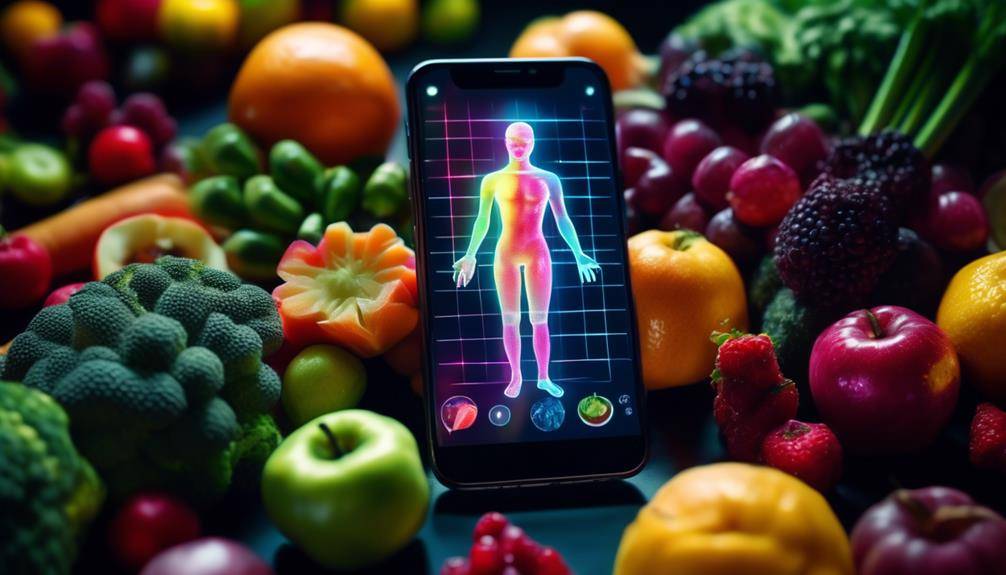
AI In Personalized Nutrition Technology; Imagine a world where your daily meals are perfectly tailored to your individual nutritional needs, taking into account your unique metabolism, health goals, and dietary preferences. With the advancements in AI technology, this is no longer a distant dream but a reality that is within reach.
AI-powered personalized nutrition technology has the potential to revolutionize the way we approach our diets, offering a more precise and effective way to improve our health and well-being. But how exactly does AI play a role in this field? And what are the implications and considerations that come along with it? Let’s explore the fascinating world of AI in personalized nutrition technology and discover how it is reshaping the way we nourish ourselves.
The Role of AI in Personalized Nutrition
AI plays a crucial role in personalized nutrition, revolutionizing the way individuals receive tailored dietary recommendations. One of the key applications of AI in personalized nutrition is harnessing its power for personalized meal delivery. With the help of AI algorithms, food delivery services can provide customized meal plans that meet the specific dietary needs and preferences of individuals. By analyzing factors such as age, gender, body composition, and health conditions, AI can generate personalized meal plans that optimize nutrition while taking into account individual preferences and restrictions.
AI is also making significant strides in the field of sports nutrition. Athletes require specialized diets to support their training and enhance performance. AI can analyze vast amounts of data, including physiological markers, training schedules, and performance metrics, to create personalized nutrition plans for athletes. By considering factors such as energy expenditure, macronutrient requirements, and nutrient timing, AI can optimize an athlete’s diet to maximize their performance and recovery.
Furthermore, AI can assist in monitoring and adjusting personalized nutrition plans over time. By continuously analyzing data from wearable devices, such as fitness trackers or smartwatches, AI algorithms can provide real-time feedback and recommendations to individuals. This allows for dynamic adjustments to the nutrition plan, ensuring that it remains tailored to the individual’s changing needs and goals.
Harnessing Big Data for Personalized Nutrition
To further advance personalized nutrition, the utilization of big data has become a pivotal tool in optimizing dietary recommendations. By harnessing the power of big data optimization and integrating it with AI-powered meal delivery systems, personalized nutrition can be taken to a whole new level. Here are four key ways in which big data is being harnessed for personalized nutrition:
- Data collection: Big data allows for the collection of vast amounts of information from various sources, including wearable devices, mobile apps, and electronic health records. This data can include information about an individual’s diet, lifestyle, genetics, and health conditions.
- Data analysis: With the help of AI algorithms, big data can be analyzed to identify patterns and trends that can inform personalized nutrition recommendations. This analysis can include factors such as nutrient intake, metabolic rate, and dietary preferences, among others.
- Personalized recommendations: By leveraging the insights gained from big data analysis, AI-powered personalized nutrition platforms can generate tailored meal plans and dietary recommendations based on an individual’s specific needs and goals. These recommendations can take into account factors such as age, gender, activity level, and health conditions.
- Continuous monitoring and feedback: Big data enables real-time monitoring of an individual’s dietary habits and health metrics. This allows for personalized feedback and adjustments to be made to the meal plan, ensuring that it remains effective and relevant over time.
Understanding Individual Dietary Needs
Understanding your individual dietary needs is essential for developing personalized nutrition recommendations and meal plans. With the advancement of technology, there are now various tools available to help you gain a better understanding of your unique dietary requirements.
Nutrition tracking apps have become increasingly popular and can be a valuable resource in understanding your individual dietary needs. These apps allow you to log your food intake and track your macronutrient and micronutrient consumption. By analyzing this data, these apps can provide insights into your nutritional intake and help you identify any deficiencies or excesses in your diet. This information can then be used to make informed decisions about your food choices and make adjustments to optimize your nutrition.
In addition to nutrition tracking apps, personalized meal delivery services have also emerged as a convenient way to meet your individual dietary needs. These services take into account your specific dietary preferences, restrictions, and goals to create customized meal plans that are tailored to your unique needs. By having meals prepared and delivered to your doorstep, you can ensure that you are consuming a well-balanced diet that meets your nutritional requirements.
Understanding your individual dietary needs is crucial for maintaining optimal health and well-being. By utilizing nutrition tracking apps and personalized meal delivery services, you can gain valuable insights into your nutritional intake and make informed choices to support your individual dietary needs. These tools can help you achieve your health and wellness goals by providing personalized recommendations and meal plans that are designed specifically for you.
AI-Powered Meal Planning and Recipes
Now let’s explore the exciting possibilities of AI-Powered Meal Planning and Recipes. With recipe personalization algorithms, AI can analyze your dietary needs, preferences, and restrictions to create customized meal plans that suit your individual requirements. By generating meal plans based on your specific goals and nutritional needs, AI technology helps you make informed choices and discover new recipes that align with your preferences and health goals.
Recipe Personalization Algorithms
Recipe personalization algorithms, powered by AI, revolutionize meal planning and recipe recommendations, tailoring them to meet individual dietary preferences and nutritional needs. These algorithms analyze vast amounts of data, including personal health information, dietary restrictions, and food preferences, to create personalized meal plans and recipes. Here are four ways recipe personalization algorithms enhance the culinary experience:
- Recipe customization: AI algorithms can adapt recipes to accommodate dietary restrictions, allergies, and preferences, ensuring that individuals can enjoy meals without compromising their health or taste.
- Nutritional optimization: By considering individual nutritional needs, these algorithms can suggest recipes that meet specific dietary goals, such as weight loss, muscle gain, or managing chronic conditions.
- Ingredient substitution: Recipe personalization algorithms offer alternatives for ingredients, allowing individuals to make healthier choices or accommodate ingredient availability.
- Variety and diversity: These algorithms promote variety by suggesting new recipes and introducing users to different cuisines, enhancing the culinary experience and preventing monotony in meal planning.
With recipe personalization algorithms, individuals can enjoy delicious and nutritious meals that align with their unique preferences and requirements.
Ai-Generated Meal Plans
Building on the advancements in recipe personalization algorithms, AI-generated meal plans take personalized nutrition technology to the next level by providing tailored meal planning and recipe recommendations based on individual dietary preferences and nutritional needs. With the help of AI, individuals can now receive comprehensive and customized meal plans that consider their specific requirements. AI-generated meal plans not only provide a variety of healthy recipes but also offer convenience by generating AI-generated grocery lists.
These lists ensure that individuals have all the necessary ingredients for their recommended meals, making grocery shopping easier and more efficient. Additionally, some AI-based meal delivery services leverage this technology to deliver pre-prepared meals that align with users’ dietary preferences and nutritional needs. This innovative approach to meal planning and delivery has the potential to revolutionize the way individuals approach their nutrition and achieve their health goals.
Customizing Nutrient Intake With AI
Customizing your nutrient intake with AI allows for personalized dietary guidelines and nutrient recommendations tailored specifically to your individual needs. By analyzing your health data, lifestyle factors, and dietary preferences, AI algorithms can provide you with targeted recommendations on the ideal amounts of macronutrients (carbohydrates, proteins, and fats) and micronutrients (vitamins and minerals) to consume. This technology takes into account your unique physiological requirements and goals, helping you optimize your nutrient intake for improved health and wellness.
Ai-Driven Nutrient Recommendations
When it comes to tailoring your nutrient intake to meet your individual needs, AI-driven technology offers personalized recommendations based on your specific health goals and dietary preferences. Here are four ways AI is revolutionizing nutrient recommendations:
- AI analyzes your health data: By collecting and analyzing data from various sources like wearable devices and health apps, AI can assess your current health status and identify nutrient deficiencies or excesses.
- Customized meal planning: AI can generate personalized meal plans based on your dietary preferences, allergies, and health goals. It takes into account nutrient requirements and ensures you get the right balance of macronutrients and micronutrients.
- AI-driven meal delivery: With AI-powered algorithms, meal delivery services can create customized meal options that meet your specific nutrient needs. This ensures you receive nutritious meals tailored to your individual requirements.
- AI-powered fitness recommendations: AI can integrate with fitness trackers and provide personalized recommendations for physical activity, helping you optimize your nutrient intake based on your exercise routine.
Personalized Dietary Guidelines
AI-powered technology is revolutionizing personalized dietary guidelines by customizing nutrient intake based on individual health goals and dietary preferences. Personalized meal delivery services are utilizing AI to create tailored meal plans that consider factors such as allergies, intolerances, and specific dietary requirements. With the help of AI, individuals can receive meals that not only meet their nutritional needs but also align with their taste preferences.
Moreover, AI is making its way into the field of sports nutrition, where it can analyze an athlete’s performance data and provide personalized dietary guidelines to optimize performance and recovery. By leveraging AI, personalized dietary guidelines can take into account an individual’s unique physiology, lifestyle, and goals, leading to more effective and sustainable nutrition plans.
AI-Enabled Food Tracking and Monitoring
With the advancements in AI technology, personalized nutrition platforms now have the capability to track and monitor your food intake with precision and accuracy. This feature has revolutionized the way individuals manage their diets and achieve their health goals. Here are four ways AI-enabled food tracking and monitoring is transforming the field of personalized nutrition:
- Real-time food logging: AI-powered apps and devices allow you to easily log your meals and snacks in real-time, providing you with instant feedback on your nutritional intake. These platforms use image recognition technology and natural language processing to analyze food images and text descriptions, accurately identifying the ingredients and nutritional composition of your meals.
- Smart recommendations: AI algorithms analyze your food intake data to provide personalized recommendations for healthier alternatives or portion sizes. By understanding your dietary preferences, goals, and nutritional needs, these platforms can suggest suitable food options to help you make informed choices and maintain a balanced diet.
- Monitoring nutritional deficiencies: AI-enabled food tracking systems can identify potential nutritional deficiencies by analyzing your dietary patterns and comparing them to recommended nutrient intake levels. By flagging any deficiencies, these platforms can offer personalized advice or suggest appropriate supplements to ensure you meet your nutritional requirements.
- Integration with other health data: AI-powered food tracking platforms can integrate with other health monitoring devices and apps, such as fitness trackers or health wearables. This integration allows for a more comprehensive analysis of your overall health and wellness, providing insights into how your diet impacts your physical activity, sleep patterns, and overall well-being.
Predictive Analytics for Health and Nutrition
Now let’s explore the next area of AI in personalized nutrition technology: predictive analytics for health and nutrition. Predictive analytics refers to the use of data and algorithms to forecast future outcomes. In the context of health and nutrition, predictive analytics can provide valuable insights and recommendations for weight loss and food allergy management.
When it comes to weight loss, predictive analytics can analyze various factors such as age, gender, body composition, and dietary habits to predict an individual’s response to different diet and exercise interventions. By leveraging AI algorithms, personalized nutrition platforms can generate tailored recommendations for optimal weight loss strategies. These recommendations can include personalized meal plans, exercise routines, and behavior modification techniques, all based on an individual’s unique profile and goals. By continuously analyzing data and adjusting recommendations, predictive analytics can help individuals achieve their weight loss goals more effectively.
AI also plays a crucial role in food allergy management. Predictive analytics can analyze an individual’s medical history, genetic information, and food consumption patterns to identify potential allergens and predict the likelihood of allergic reactions. By alerting individuals to potential allergens in their diet or environment, AI-powered platforms can help them make informed decisions and avoid allergens that could trigger adverse reactions. Additionally, predictive analytics can provide personalized recommendations for alternative food choices and recipes that cater to specific allergies or dietary restrictions.
AI in Nutrigenomics and Genetic Testing
Nutrigenomics and genetic testing are areas where AI is revolutionizing personalized nutrition technology. With the help of AI, nutrigenomics applications can analyze an individual’s genetic makeup to provide tailored dietary recommendations and optimize their health.
Here are four ways AI is transforming nutrigenomics and genetic testing:
- Enhanced analysis: AI algorithms can analyze vast amounts of genetic data quickly and accurately. This enables researchers to identify specific genetic variations that affect an individual’s response to nutrients, helping to personalize dietary recommendations.
- Precision medicine: AI can help identify genetic variations that increase the risk of certain health conditions. By incorporating this information into personalized nutrition plans, individuals can proactively modify their diets to mitigate these risks.
- Predictive modeling: AI algorithms can predict an individual’s response to different nutrients based on their genetic profile. This allows for the development of personalized dietary plans that optimize health outcomes and prevent nutrition-related diseases.
- : The integration of AI in genetic testing raises important ethical implications. Privacy concerns, data security, and the responsible use of genetic information are critical factors that need to be addressed to protect individuals’ rights and ensure the ethical practice of personalized nutrition.
Virtual Nutrition Assistants and Chatbots
Virtual nutrition assistants and chatbots are revolutionizing the way individuals receive personalized dietary guidance and support. With the advancement of artificial intelligence (AI) technology, these virtual assistants are becoming increasingly sophisticated in providing real-time, tailored nutrition advice and recommendations.
One of the key benefits of virtual nutrition coaching is its accessibility. Through chatbot platforms or mobile applications, individuals can easily access personalized nutrition guidance anytime, anywhere. This allows for convenient and continuous support, which can be especially helpful for those with busy lifestyles or limited access to traditional nutrition counseling.
AI-powered chatbots are able to analyze an individual’s dietary preferences, health goals, and medical history to generate personalized meal plans. These plans take into consideration specific nutritional needs, such as calorie intake, macronutrient distribution, and dietary restrictions. By leveraging machine learning algorithms, these virtual assistants can also learn from user feedback and adjust recommendations accordingly, ensuring a more accurate and tailored experience over time.
Furthermore, virtual nutrition assistants can be integrated with AI-powered meal delivery services. This combination allows individuals to receive customized meal plans, along with the convenience of having meals delivered directly to their doorstep. AI algorithms can optimize meal options based on nutritional requirements, taste preferences, and dietary restrictions, providing individuals with a seamless and enjoyable experience.
AI for Behavior Change and Habit Formation
AI technology is being utilized to facilitate behavior change and foster habit formation in individuals seeking to improve their health and well-being. Here are four ways in which AI is helping people make lasting changes and develop healthy habits:
- Personalized recommendations: AI systems can analyze vast amounts of data, including individual preferences, dietary needs, and lifestyle factors, to provide personalized recommendations for behavior change. By tailoring advice to each person’s specific circumstances, AI helps individuals make informed choices and adopt healthier habits.
- Real-time feedback and monitoring: AI-powered tools can track and monitor individuals’ behaviors in real-time, providing instant feedback and guidance. For example, wearable devices can collect data on physical activity levels, sleep patterns, and nutrition intake, and AI algorithms can analyze this data to provide personalized feedback and suggestions for improvement.
- Gamification and incentives: AI technology can gamify behavior change by turning healthy habits into engaging and rewarding experiences. For instance, apps can use AI algorithms to create challenges, offer virtual rewards, and provide social support to motivate individuals to stick to their goals and cultivate healthy habits.
- Intelligent coaching and support: AI-powered chatbots and virtual assistants can provide personalized coaching and support to individuals seeking behavior change. These virtual companions can offer reminders, answer questions, and provide motivation, helping individuals stay on track and overcome obstacles in their journey towards developing healthier habits.
Enhancing Nutritional Education With AI
With the success of AI in promoting behavior change and habit formation, it is now being applied to enhance nutritional education and empower individuals to make informed choices about their diet and overall health. Nutritional AI advancements have the potential to revolutionize the way we learn about nutrition and improve our eating habits.
One way AI is transforming nutritional education is through personalized meal planning. AI algorithms can analyze an individual’s dietary needs, preferences, and health goals to provide tailored meal plans that meet their specific requirements. This technology takes into account factors such as age, weight, activity level, and dietary restrictions to create customized meal suggestions that optimize nutrient intake and promote overall well-being.
AI-powered nutrition education platforms also offer interactive and engaging tools to enhance learning. These platforms utilize machine learning algorithms to provide real-time feedback, track progress, and offer personalized recommendations. Through interactive quizzes, virtual coaching, and educational content, individuals can gain a deeper understanding of nutrition principles and learn how to make healthier choices.
Furthermore, AI can enable individuals to access reliable and evidence-based information about nutrition. With the abundance of conflicting dietary advice available online, it can be challenging to distinguish fact from fiction. AI-powered nutrition education platforms can filter through vast amounts of data, ensuring that the information provided is trustworthy and backed by scientific research.
AI-Driven Personalized Supplements
Now, let’s explore the exciting field of AI-driven personalized supplements. With advancements in technology, personalized nutrient recommendations based on individual needs and goals have become possible. AI algorithms analyze various factors such as genetics, lifestyle, and health data to provide tailored nutrient suggestions. In addition, AI-powered supplement formulation allows for the creation of personalized supplements that meet specific nutritional requirements. This innovative approach in personalized nutrition technology has the potential to revolutionize the way individuals optimize their health and well-being.
Customized Nutrient Recommendations
Personalized nutrition technology utilizes AI-driven algorithms to provide individuals with customized recommendations for nutrient intake. Through advanced data analysis and machine learning, AI can determine the specific dietary needs of each person based on factors such as age, sex, weight, activity level, and health conditions. Here are four key aspects of AI-driven personalized nutrient recommendations:
- Personalized Meal Plans: AI technology can generate customized meal plans tailored to an individual’s nutritional requirements. These plans take into account factors like dietary preferences, allergies, and calorie intake goals.
- Targeted Nutrient Optimization: AI algorithms can analyze nutrient deficiencies and excesses in an individual’s diet, and provide recommendations to optimize their nutrient intake. This helps individuals meet their specific health goals and prevent nutrient-related health issues.
- Real-Time Monitoring: AI-enabled nutrition coaching can track an individual’s dietary intake in real-time, providing instant feedback and suggestions for improvement. This helps individuals stay on track towards their nutritional goals and make informed choices.
- Continuous Learning: AI algorithms continuously learn from user feedback and data, allowing for ongoing refinement and improvement of personalized nutrient recommendations. This ensures that the recommendations become more accurate and effective over time.
Ai-Powered Supplement Formulation
Building upon the personalized nutrient recommendations, AI technology also plays a crucial role in the formulation of personalized supplements. By analyzing an individual’s unique health profile, AI-powered systems can generate personalized supplement plans that address specific nutrient deficiencies or health goals. These systems use algorithms and machine learning to process vast amounts of data, including genetic information, lifestyle factors, and dietary preferences. With this information, AI can recommend the most suitable combination of supplements, dosage, and timing for each individual.
This personalized approach ensures that individuals receive the nutrients they need in the most effective and efficient way. AI-powered supplement recommendations take into account factors such as age, sex, medical history, and current health conditions, enabling the formulation of supplements that are tailored to individual needs. This technology has the potential to revolutionize the supplement industry by providing targeted and evidence-based solutions for optimal health and wellness.
AI in Food Manufacturing and Labeling
With the advancement of artificial intelligence, food manufacturing and labeling processes have become more efficient and accurate. AI technology is revolutionizing the food industry by improving food safety and reducing food waste. Here are four ways AI is transforming food manufacturing and labeling:
- AI in Food Safety: AI algorithms can analyze vast amounts of data to detect potential contaminants in food products. By monitoring factors like temperature, humidity, and storage conditions, AI systems can identify potential risks and alert manufacturers to take necessary corrective actions. This proactive approach helps ensure the safety of food products and reduces the risk of foodborne illnesses.
- AI in Quality Control: AI-powered systems can automate quality control processes in food manufacturing. By using computer vision and machine learning algorithms, AI can quickly identify defects or abnormalities in food products, such as packaging errors or product deformities. This enables manufacturers to detect and rectify issues in real-time, improving overall product quality and reducing waste.
- AI in Labeling Compliance: AI can assist in ensuring accurate and compliant food labeling. By analyzing ingredient lists, nutritional information, and allergen warnings, AI algorithms can verify that labels meet regulatory requirements. This helps manufacturers avoid costly labeling errors and ensures that consumers have access to accurate and transparent information about the products they consume.
- AI in Supply Chain Optimization: AI can help optimize the food supply chain by predicting demand, improving inventory management, and reducing food waste. By analyzing historical sales data, market trends, and external factors, AI algorithms can generate accurate demand forecasts, allowing manufacturers to optimize production and reduce the risk of overproduction or shortages.
Future Implications and Ethical Considerations
As you consider the future implications of AI in personalized nutrition technology, two key points to discuss are privacy concerns and potential biases in personalized recommendations. With the collection of personal data to create personalized nutrition plans, there is a need to address privacy concerns and ensure that user information is protected. Additionally, there is a risk of bias in personalized recommendations if the AI algorithms are not properly trained or if they rely on limited data sources. These ethical considerations must be carefully addressed to ensure the responsible and fair use of AI in personalized nutrition technology.
Privacy Concerns in AI Nutrition
Privacy concerns in AI nutrition technology are becoming increasingly significant as advancements in personalized nutrition continue to evolve. It is crucial to address these concerns to ensure the ethical and responsible use of AI in nutrition. Here are four key considerations:
- Data security: With personal health information being collected and analyzed by AI systems, it is essential to prioritize robust data security measures. This includes encryption, secure storage, and strict access controls to protect user data from unauthorized access or breaches.
- User consent: Users must have the ability to provide informed consent regarding the collection and use of their personal health data. Transparent disclosure of data practices, clear consent processes, and the option to opt out are necessary to respect users’ privacy rights.
- Algorithm transparency: As AI algorithms make personalized nutrition recommendations, it is important to ensure transparency in how these recommendations are generated. Users should have access to information on the underlying algorithms and the data used to generate recommendations.
- Anonymization and de-identification: To mitigate privacy risks, AI systems should strive to anonymize and de-identify user data whenever possible. This helps protect individuals’ privacy by removing personally identifiable information from the data used for analysis.
Bias in Personalized Recommendations
Bias in personalized recommendations raises future implications and ethical considerations for AI in nutrition technology. Personalized nutrition technology relies on algorithms to generate recommendations based on individual data such as dietary preferences, health conditions, and genetic information. However, these algorithms can be influenced by various biases, including cultural, socioeconomic, and racial biases. The implications of bias in personalized nutrition technology are significant.
Firstly, biased recommendations can perpetuate health disparities by providing suboptimal guidance to certain individuals or communities. Secondly, biased algorithms can reinforce existing stereotypes and discrimination. The ethical considerations surrounding bias in personalized recommendations involve ensuring fairness, transparency, and accountability in the development and deployment of AI systems. It is crucial for developers and researchers to actively address and mitigate bias to ensure that personalized nutrition technology benefits all individuals equally, regardless of their backgrounds or characteristics.
Frequently Asked Questions: AI In Personalized Nutrition Technology
How Does AI in Personalized Nutrition Technology Affect Food Manufacturing and Labeling?
AI in personalized nutrition technology improves food manufacturing efficiency by using AI-driven ingredient sourcing. This allows for more accurate and personalized labeling, ensuring that consumers have access to the right information about the products they consume.
What Are the Future Implications of AI in Personalized Nutrition Technology?
In the future, AI in personalized nutrition technology will lead to advancements that can improve your health outcomes. With AI’s ability to analyze data and provide tailored recommendations, you can expect more precise and effective approaches to nutrition.
Are There Any Ethical Considerations Associated With AI in Personalized Nutrition Technology?
There are ethical implications and privacy concerns associated with AI in personalized nutrition technology. It is important to consider the potential for data breaches and misuse of sensitive health information.
How Can AI Be Used to Enhance Nutritional Education?
AI can enhance nutritional education by providing personalized guidance for diet planning. It can analyze individual data, such as health conditions and dietary preferences, to suggest optimal food choices and create tailored meal plans.
Can Ai-Driven Personalized Supplements Be Harmful to Individuals’ Health?
AI-driven personalized supplements have the potential to pose risks to your health. It is important to consider the long-term effects and consult with a healthcare professional before incorporating them into your routine.

Conclusion
In conclusion, artificial intelligence (AI) technology is poised to transform personalized nutrition by leveraging big data analytics, identifying individual dietary needs, and enabling highly customized nutrient intake. Through innovations such as AI-powered meal planning, smart nutrition tracking, personalized supplement recommendations, and enhanced digital nutrition education, AI is helping individuals make more informed, health-focused food choices.
As AI in the food and nutrition industry continues to evolve, it offers significant potential to improve overall health outcomes, support precision nutrition, and streamline diet personalization at scale. However, as these technologies expand, it remains essential to address ethical considerations, including data privacy, transparency, and responsible AI use. Ensuring trustworthy and ethical implementation will be critical to maximizing the long-term benefits of AI-driven personalized nutrition.