Great Anti-Inflammatory Diet Strategies For Diabetics
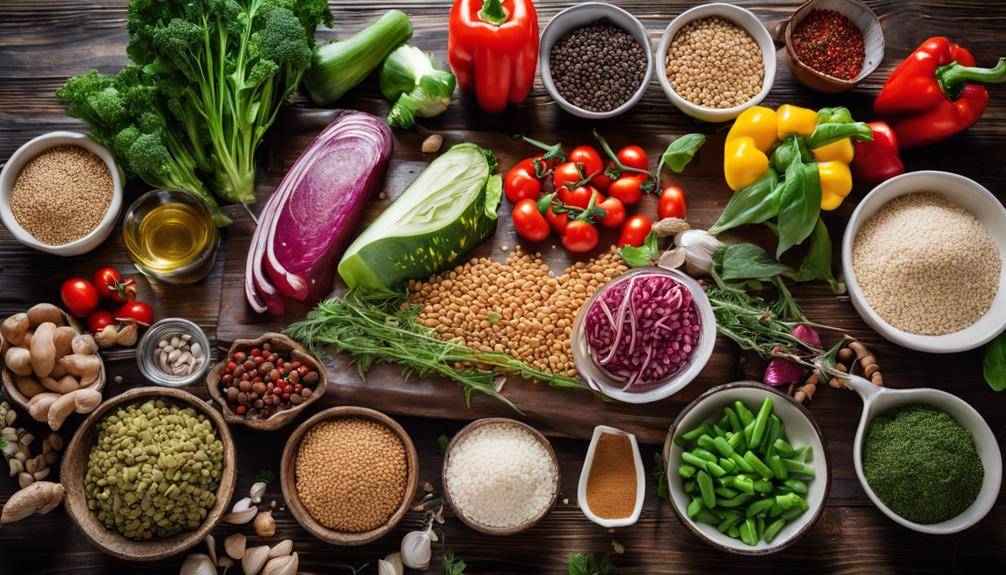
Anti-Inflammatory Diet Strategies For Diabetics; To manage diabetes effectively, you can adopt an anti-inflammatory diet that focuses on whole, nutrient-dense foods. Include plenty of colorful fruits, vegetables, whole grains, and healthy fats like avocados and nuts. It’s essential to limit processed foods, added sugars, and refined grains, as these can spike blood sugar and increase inflammation. Stay hydrated to support your overall health and aim for balanced meals that combine carbs, proteins, and fats. By preparing meals ahead of time and practicing portion control, you’re setting yourself up for success. There’s plenty more you can explore to enhance your dietary choices further.
We’ve Got Everything You Need to Make Your Masterpiece.
Understanding Inflammation and Diabetes
Understanding inflammation is essential for managing diabetes. When you think about diabetes, you might not immediately connect it with inflammation. However, chronic inflammation plays a significant role in how your body processes blood sugar. This persistent state of inflammation can interfere with insulin sensitivity, making it harder for your body to regulate glucose levels effectively.
You may not realize that chronic inflammation often stems from various lifestyle factors, including diet, stress, and lack of physical activity. When your body experiences this ongoing inflammation, it can lead to a cascade of problems, including increased insulin resistance. As a result, your blood sugar levels can spike, putting you at greater risk for complications associated with diabetes.
Recognizing the link between chronic inflammation and blood sugar management is vital. By addressing inflammation, you can improve your body’s ability to respond to insulin, which helps maintain stable blood sugar levels. This means you’ll likely feel better overall and reduce the risk of long-term complications.
Take a moment to evaluate your lifestyle choices. Are you consuming foods that promote inflammation, or are you making choices that help reduce it? By understanding the impact of chronic inflammation on your diabetes, you can make informed decisions to support your health. In turn, this will empower you to manage your blood sugar more effectively and lead a healthier life.
Key Principles of an Anti-Inflammatory Diet
When it comes to managing diabetes, adopting an anti-inflammatory diet can make a significant difference. This approach focuses on reducing inflammation in your body, which is vital for maintaining stable blood sugar levels and overall health. Here are some key principles to keep in mind.
First, prioritize whole, nutrient-dense foods. Incorporating a variety of fruits, vegetables, whole grains, and healthy fats will provide essential nutrients that help combat inflammation. Pay attention to meal timing as well; eating at regular intervals can help stabilize your blood sugar and prevent spikes. Consider planning your meals and snacks to guarantee you’re fueling your body consistently throughout the day.
Next, practice mindful eating. This means being present during meals, savoring each bite, and recognizing your body’s hunger and fullness cues. By doing so, you’ll not only enjoy your food more but also reduce the likelihood of overeating, which can lead to inflammation and imbalanced blood sugar levels.
Additionally, limit processed foods, added sugars, and unhealthy fats. These can trigger inflammation and negatively impact your health. Instead, opt for anti-inflammatory options like fatty fish, nuts, seeds, and spices such as turmeric and ginger, which can support your body’s healing processes.
Lastly, stay hydrated. Drinking enough water is essential for overall health and can help reduce inflammation. By following these principles, you’ll be well on your way to creating a balanced anti-inflammatory diet that supports your diabetes management.
Foods to Include: Nutrient Powerhouses
To support your anti-inflammatory diet, focus on incorporating colorful fruits and vegetables, which are packed with essential nutrients and antioxidants. Healthy fats, like those from avocados and olive oil, also play a vital role in reducing inflammation. By including these nutrient powerhouses in your meals, you can enhance your overall health while managing diabetes.
Colorful Fruits and Vegetables
Colorful fruits and vegetables are essential components of an anti-inflammatory diet for diabetics, bursting with vitamins, minerals, and antioxidants. Including a variety of these nutrient-dense foods in your meals not only adds flavor but also provides significant health benefits. The fruit benefits are impressive; for instance, berries are high in fiber and antioxidants, helping to stabilize blood sugar levels and reduce inflammation. Citrus fruits, like oranges and grapefruits, supply vitamin C, which can boost your immune system.
When it comes to vegetable varieties, think beyond the basics. Leafy greens, such as spinach and kale, are packed with nutrients that fight inflammation. Brightly colored veggies like bell peppers and carrots are rich in beta-carotene, supporting overall health and potentially lowering the risk of chronic diseases.
Aim to fill half your plate with these vibrant foods at each meal. The more colors you include, the broader the range of nutrients you’re getting. By making colorful fruits and vegetables a staple in your diet, you’re taking a proactive step toward better managing diabetes and enhancing your overall well-being.
Healthy Fats Sources
Incorporating healthy fats into your diet can further enhance your anti-inflammatory efforts while managing diabetes. Fats from sources like avocados are packed with nutrients and can help reduce inflammation. The avocado benefits include healthy monounsaturated fats that promote heart health.
Include omega sources such as fatty fish like salmon and mackerel, which are rich in omega-3 fatty acids. These can lower inflammation and support overall well-being. For plant-based options, consider nut varieties and nut butter, which provide protein and healthy fats. Walnuts and almonds are great choices.
Don’t overlook chia seeds and flaxseeds—both offer significant flaxseed benefits due to their omega-3 content and fiber, aiding digestion and heart health. Drizzling olive oil on your meals can also provide anti-inflammatory properties, thanks to its rich oleic acid content.
Coconut oil can be included in moderation, as it contains medium-chain triglycerides that may provide energy. Finally, consider using seed oils like sunflower and pumpkin seed oils, which are rich in antioxidants and can be beneficial for your diet. Embracing these healthy fat sources can make a big difference in your anti-inflammatory journey.
Foods to Avoid: Inflammatory Triggers
To manage inflammation effectively, you’ll want to steer clear of certain foods that can trigger it. Processed sugars and grains, trans fats, and high glycemic foods can spike your blood sugar and worsen inflammation. By avoiding these inflammatory triggers, you can better support your overall health and diabetes management.
We’ve Got Everything You Need to Make Your Masterpiece.
Processed Sugars and Grains
Many diabetics may not realize the significant impact that processed sugars and grains can have on their health. These foods often contain hidden sugars and refined grains that spike your blood sugar levels, leading to inflammation and poor metabolic health. Instead of reaching for those sugary snacks or white bread, consider opting for whole grains, which have a lower glycemic index and provide fiber benefits that help maintain carbohydrate balance.
When you choose whole grains, you’re not just avoiding those inflammatory triggers; you’re also improving meal timing and promoting stable blood sugar levels. Fiber slows the absorption of sugars, which can mitigate spikes after meals. If you’re looking for sweetness, explore sugar alternatives that won’t wreak havoc on your health.
Balancing your carbohydrate intake is essential. By reducing processed sugars and grains, you can enhance your overall well-being, ensuring your body functions effectively. Remember, making these small changes can lead to significant improvements in your diabetes management and inflammatory responses. Prioritize whole foods and be mindful of what you consume to protect your health and feel your best.
Trans Fats and Oils
Processed sugars and grains aren’t the only dietary components that can trigger inflammation for diabetics; trans fats and certain oils can also be key culprits. Trans fats are artificially created through hydrogenation, which increases the shelf life of processed foods but wreaks havoc on your health. Common trans fat sources include margarine, shortening, fried foods, and many baked goods. These unhealthy fats can raise your bad cholesterol (LDL) and lower your good cholesterol (HDL), leading to increased inflammation and a higher risk of complications.
To combat inflammation, it’s crucial to replace trans fats with healthy oils. Opt for oils that are high in omega-3 fatty acids and monounsaturated fats, like olive oil, avocado oil, and flaxseed oil. These healthy oils not only reduce inflammation but also provide essential nutrients that support overall well-being. When cooking, try to avoid deep frying or using processed oils that may contain trans fats. Instead, sauté or roast your foods with heart-healthy oils. By making these simple adjustments, you can notably lower your inflammation levels and better manage your diabetes.
High Glycemic Foods
High glycemic foods can greatly impact your blood sugar levels and contribute to inflammation, making them a critical area to address in your diet. These foods typically have a high glycemic index, causing your blood sugar to spike rapidly after consumption. Common culprits include white bread, sugary cereals, pastries, and certain processed snacks. When you consume these high glycemic options, you not only face a risk of increased inflammation but also the potential for energy crashes later on.
Instead of these inflammatory triggers, opt for high fiber options that have a low glycemic index. Foods like whole grains, legumes, fruits, and vegetables will provide you with sustained energy while keeping your blood sugar stable. The fiber in these foods can help slow digestion and promote satiety, reducing the urge to snack on high glycemic items.
Meal Planning for Diabetics
When it comes to meal planning for diabetics, keeping inflammation in check is essential for overall health. A well-structured meal plan not only helps manage blood sugar levels but also reduces the risk of chronic diseases. Start by dedicating some time to meal prep. Prepare a variety of anti-inflammatory ingredients, such as leafy greens, berries, whole grains, and lean proteins, that can form the foundation of your meals.
When grocery shopping, focus on fresh, whole foods. Avoid processed items that often contain hidden sugars and unhealthy fats. Create a shopping list based on your meal plan, ensuring you include plenty of vegetables, healthy fats like olive oil and avocados, and spices like turmeric and ginger, known for their anti-inflammatory properties.
Aim for balanced meals that combine carbohydrates, protein, and healthy fats. For instance, a quinoa salad with chickpeas, spinach, and a lemon-tahini dressing provides essential nutrients while keeping inflammation at bay. Don’t forget to portion your meals wisely; this helps in managing your blood sugar levels effectively.
Consider prepping snacks in advance too. Having healthy options ready can prevent impulsive choices that may disrupt your diet. By practicing effective meal prep and mindful grocery shopping, you’ll set yourself up for success in maintaining a healthy lifestyle. Remember, consistency is key, and small, intentional changes can lead to significant improvements in your overall well-being.
Healthy Snack Ideas
When you’re looking for a quick energy boost, having healthy snack options on hand can make a big difference. You can whip up easy recipes that not only satisfy your cravings but also support your anti-inflammatory goals. Let’s explore some nutritious snacks that fit perfectly into your diabetic diet.
Nutritious Snack Options
Choosing nutritious snacks can make a significant difference in managing diabetes while also reducing inflammation. To help you stay on track, consider these healthy snack options that are both satisfying and beneficial.
For a quick boost, try pairing fresh vegetables like carrots or bell peppers with hummus. This delicious snack offers fiber and healthy fats, keeping your blood sugar stable. Greek yogurt topped with berries is another great choice; it packs protein and antioxidants while satisfying your sweet tooth.
When it comes to nuts, portion control is essential. A small handful of almonds or walnuts can curb cravings and provide important nutrients without overdoing it. Whole grain crackers with avocado spread make for a tasty, filling option that combines healthy fats and fiber.
You can also create snack pairings with cottage cheese and sliced peaches, offering a balance of protein and natural sweetness. Remember, the key is to focus on whole, unprocessed foods to maximize nutrition while keeping your portions in check. By incorporating these nutritious snacks into your routine, you’ll support both your diabetes management and overall health.
We’ve Got Everything You Need to Make Your Masterpiece.
Easy, Quick Recipes
What quick and healthy snacks can you whip up in no time? You’ll be surprised how easy it is to prepare delicious and nourishing options. First up, try Greek yogurt topped with fresh berries and a sprinkle of nuts. This combo provides protein, fiber, and healthy fats, making it a perfect quick breakfast idea.
If you’re looking for simple lunch options, consider a whole-grain wrap filled with hummus, spinach, and sliced veggies. It’s not only satisfying but also packed with nutrients. Or, grab some carrot sticks and pair them with a homemade avocado dip for a crunchy, creamy treat.
Another snack idea is sliced apple with almond butter. This blend of sweet and savory will keep your energy levels up. You can also whip up a batch of overnight oats with chia seeds and almond milk. Just mix, refrigerate, and enjoy the next day!
Lastly, don’t forget about air-popped popcorn seasoned lightly with your favorite spices. It’s a fun, easy snack that’s low in calories but high in satisfaction. With these quick and healthy recipes, you’ll never run out of tasty ideas!
Incorporating Anti-Inflammatory Spices
Incorporating anti-inflammatory spices into your meals can greatly enhance your overall health while managing diabetes. Spices not only add flavor but also come packed with health benefits. For instance, turmeric benefits you by reducing inflammation and improving insulin sensitivity, making it a fantastic addition to your diet. Ginger effects are equally impressive, as it can help lower blood sugar levels while also easing digestive issues.
Garlic properties are worth noting, too. It’s known to improve heart health and may help regulate blood sugar. You can easily add garlic to stir-fries or roasted vegetables for a flavorful punch. Similarly, cinnamon uses go beyond sweetening your dishes; it can help lower blood sugar levels and improve insulin sensitivity. A sprinkle of cinnamon on your morning oatmeal can be both tasty and beneficial.
Cayenne pepper adds a bit of heat and has been shown to boost metabolism, which can aid in weight management—a vital factor for diabetics. Don’t forget about black pepper, which enhances nutrient absorption and works well in savory dishes. Cardamom advantages include its potential to lower blood sugar and improve digestion, making it a great spice for curries and teas. Finally, oregano benefits your health by providing antioxidants and supporting immune function.
Importance of Hydration
Staying properly hydrated is vital for managing diabetes and overall health. When you drink enough fluids, you help your body function at its best, which can positively impact your blood sugar levels. Hydration benefits include improved circulation, better nutrient absorption, and enhanced kidney function, all of which are essential for diabetics. When you’re well-hydrated, your body can more effectively regulate glucose levels, reducing the risk of spikes and crashes.
You might wonder where to get your hydration sources. Water should be your go-to choice, but other fluids can contribute greatly as well. Herbal teas, coconut water, and low-sodium vegetable juices provide excellent alternatives. Foods with high water content, such as cucumbers, lettuce, and watermelon, can also help you stay hydrated while offering additional nutrients.
Don’t forget that caffeine and alcohol can lead to dehydration, so it’s wise to consume these in moderation. If you’re exercising or in hot weather, you’ll need to increase your fluid intake even more. Aim for consistent hydration throughout the day, rather than waiting until you’re thirsty.
Keeping a reusable water bottle handy can remind you to drink regularly. By prioritizing hydration, you’ll support your body in managing diabetes more effectively and improve your overall health. Make hydration a habit, and you’ll reap the rewards in energy levels, mood, and well-being.
Cooking Methods That Preserve Nutrients
Many people don’t realize how cooking methods can impact the nutrient content of their food, especially for diabetics who need to maximize their nutrient intake. Choosing the right techniques can help preserve vitamins and minerals while enhancing flavors.
Steaming vegetables is one of the best methods to retain nutrients, as it uses minimal water and short cooking times. If you prefer a heartier approach, roasting proteins like chicken or tofu not only locks in flavors but also keeps essential nutrients intact. When it comes to greens, sautéing them quickly in healthy fats such as olive oil can maintain their vibrant colors and nutritional value.
For fish lovers, poaching is a gentle cooking method that helps preserve omega-3 fatty acids, making it a smart choice for your meals. You can also add a twist by grilling fruits, which caramelizes their natural sugars while maintaining their fiber content.
Braising legumes is another excellent method; it offers slow cooking that allows the beans to absorb flavors without losing their nutrient density. Speaking of slow cooking, it’s a great option for soups and stews, where you can combine various ingredients while enhancing their nutritional profiles.
Pressure cooking can be a time-saver without sacrificing nutrients, as it cooks food quickly and requires less water. Finally, don’t forget about fermenting foods like yogurt or kimchi, which can boost your gut health. And when it comes to greens, blanching is a quick way to preserve their nutrients before incorporating them into dishes.
Portion Control and Blood Sugar
Understanding portion control is fundamental for managing blood sugar levels effectively. When you pay attention to how much food you consume, you can help stabilize your blood sugar and prevent spikes. One of the key strategies in portion control is carb counting. By knowing the carbohydrate content of your meals, you can make informed choices and keep your blood sugar in check.
Meal timing also plays a significant role in how your body processes food. Spacing your meals and snacks throughout the day can help regulate your blood sugar levels. Instead of loading up on large meals, try dividing your daily intake into smaller portions. This approach not only makes it easier to manage your carbs but also helps maintain a steady energy level.
When you’re planning your meals, be mindful of the types of foods you’re including. Focus on incorporating anti-inflammatory foods, such as lean proteins, whole grains, and plenty of vegetables. These foods provide essential nutrients without overwhelming your system with too many carbs at once.
You can use smaller plates or bowls to help control your portion sizes. This visual trick can trick your mind into thinking you’re eating more than you actually are. Remember, it’s not just about what you eat, but also how much you eat. By combining portion control with meal timing and carb counting, you’ll be better equipped to manage your blood sugar levels and improve your overall health.
We’ve Got Everything You Need to Make Your Masterpiece.
Lifestyle Tips for Success
To maintain stable blood sugar levels, adopting a holistic lifestyle approach can make a significant difference. First, focus on meal prep. Planning and preparing your meals in advance helps you make healthier choices, reducing the temptation to grab processed snacks or fast food. Create a weekly menu that includes plenty of anti-inflammatory foods, such as leafy greens, berries, nuts, and fatty fish. When you have nutritious meals ready to go, it’s easier to stick to your dietary goals.
Next, prioritize stress management. Chronic stress can lead to elevated blood sugar levels, so finding effective ways to manage stress is vital. Consider incorporating mindfulness practices like meditation, yoga, or deep-breathing exercises into your routine. Even short breaks throughout the day can help clear your mind and reduce anxiety.
Additionally, don’t underestimate the power of regular physical activity. Aim for at least 150 minutes of moderate exercise each week. This can include anything from brisk walking to cycling. Exercise not only helps manage weight but also improves insulin sensitivity, which is essential for blood sugar control.
Lastly, make sure you’re getting enough sleep. Aim for seven to nine hours each night, as poor sleep can negatively affect your blood sugar levels. By combining meal prep, stress management techniques, regular exercise, and adequate sleep, you’ll cultivate a lifestyle that supports your health and helps you maintain stable blood sugar levels.
We’ve Got Everything You Need to Make Your Masterpiece.
Frequently Asked Questions: Anti-Inflammatory Diet Strategies For Diabetics
Can an Anti-Inflammatory Diet Reverse Diabetes Symptoms?
An anti-inflammatory diet can improve dietary patterns and help stabilize blood sugar levels. While it may not reverse diabetes symptoms entirely, it can considerably enhance your overall health and potentially reduce complications related to the condition.
How Long Does It Take to See Results From This Diet?
You’ll typically see results in a few weeks with consistent meal planning and mindful eating. Monitoring your blood sugar regularly helps track improvements, allowing you to adjust your diet for better control and health.
Are There Any Supplements Recommended for Inflammation?
When considering supplements for inflammation, you should explore curcumin benefits and omega-3 sources. Curcumin’s powerful anti-inflammatory properties can help, while omega-3s from fish or flaxseed contribute to overall joint and heart health.
Can Stress Management Help Reduce Inflammation?
Yes, stress management can help reduce inflammation. By practicing mindfulness techniques, you build emotional resilience, which lowers stress levels and inflammation in your body, leading to improved overall health and well-being.
Is an Anti-Inflammatory Diet Suitable for Vegetarians and Vegans?
Yes, an anti-inflammatory diet’s perfect for vegetarians and vegans. You can easily find plant-based options rich in antioxidants and omega-3s, ensuring you maintain a nutrient balance while enjoying delicious, healthful meals.

Conclusion
By embracing an anti-inflammatory diet, you can effectively manage your diabetes while promoting overall health. Focus on incorporating nutrient-dense foods, avoiding inflammatory triggers, and practicing mindful meal planning. Remember to stay hydrated, choose cooking methods that preserve nutrients, and pay attention to portion control. With these strategies, you’re not just managing your diabetes; you’re also enhancing your well-being. Stick with it, and you’ll likely feel the positive impacts on your health and energy levels!
If you enjoyed exploring this topic and want to dive even deeper, be sure to check out some of our other articles here on Infinite Flavors. From rich culinary histories to creative twists on classic recipes, there’s always something new to discover. Whether you’re curious about the origins of a dish, looking for fresh inspiration in the kitchen, or simply love learning about food culture, our collection of posts is the perfect next step on your flavor journey.
Important Vegan Dietary Requirements For Diabetics