The Timeless Appeal of the Cast Iron Tortilla Press
Appeal of the Cast Iron Tortilla Press; In an era defined by convenience and automation, there is something deeply grounding about returning to traditional tools. Among the most cherished in heritage kitchens is the cast iron tortilla press—a simple, sturdy device that carries centuries of culinary history. Whether you’re pressing fresh corn masa for tacos or rolling dough for homemade flatbreads, the cast iron tortilla press has earned a respected place in both rustic and modern kitchens. Its legacy is not only found in its ability to create beautifully round tortillas but in how it connects us to generations past—those who shaped every meal by hand, with care and purpose.
Unlike aluminum or plastic alternatives, cast iron presses are designed to last a lifetime. Their heavy weight and even pressure make them ideal for pressing tortillas that are consistent in thickness and shape. More than just a tool, the cast iron press is a symbol of cultural pride and culinary heritage. It’s found in Mexican kitchens, passed from abuelas to their grandchildren, and now embraced by home cooks and chefs across the globe.
The Origin Story of the Tortilla Press
The origins of the tortilla press, or tortilladora, are intimately linked with the history of the tortilla itself. Corn tortillas, a staple food for the Maya, Aztecs, and other Mesoamerican civilizations, were traditionally flattened by hand or shaped using primitive wooden molds. This changed with the invention of the mechanical tortilla press in the 19th century, which allowed for faster, more uniform preparation without sacrificing quality or texture.
Early tortilla presses were often made of wood, used mostly in rural Mexican homes where corn masa was prepared fresh each day. As the tool evolved, metal became the preferred material for its durability and ability to apply even pressure. Cast iron presses, in particular, became popular for their long-lasting quality and weight—two characteristics that contribute to their continued relevance today.
These presses were never just about efficiency—they were about ritual. Families gathered around the griddle, forming dough balls and pressing them into warm, fragrant tortillas. The sound of the press clapping shut was a daily rhythm in homes where tradition lived in every bite. That spirit still exists today, especially for those who appreciate the return to slow food and hand-prepared meals.
Why Cast Iron Reigns Supreme
Cast iron has earned its reputation in the kitchen for good reason. Its density and weight allow for superior control, which is critical when pressing dough that needs uniformity. While lighter aluminum presses are often cheaper and easier to lift, they lack the firmness and consistency required to achieve the best results. With a cast iron tortilla press, one firm press is usually enough to produce an evenly flat tortilla without tearing the dough.
The design is straightforward but powerful. A heavy top plate and long lever handle provide leverage that’s simple yet efficient. And because cast iron retains heat so well, some users will pre-warm their press slightly before using it—especially when working with cold dough—to keep the tortillas pliable and press them more easily.
Another advantage is the press’s versatility. While traditionally used for corn tortillas, cast iron tortilla presses are also effective for flour tortillas, arepas, gorditas, empanadas, and even dumpling wrappers. The surface can also handle other tasks, like shaping dough for naan, pita, and even small pizza crusts. It’s a one-tool-wonder that earns its spot on your counter.
Craftsmanship and Quality: What Sets It Apart
Not all cast iron presses are created equal. The quality of the iron, the casting process, the weight distribution, and the handle design all play roles in determining the performance of the press. The best cast iron tortilla presses are made from solid pieces of seasoned iron, often with a traditional oil coating such as flaxseed oil. This not only prevents rusting but also improves non-stick performance over time.
Companies like Victoria and others have become well-known for producing reliable cast iron presses that strike a balance between weight and usability. Their designs honor the classic profile—two circular iron plates connected by a hinge and operated by a long arm lever—but with updates like helper tabs and ergonomic handles that make pressing smoother and more comfortable.
Seasoning is another key feature. Pre-seasoned presses come ready to use out of the box, though many users continue to build up their seasoning layer over time with regular oiling. This creates a naturally non-stick surface that improves with each batch of tortillas, making the tool even more efficient and enjoyable to use.
Incorporating the Press into Your Kitchen Routine
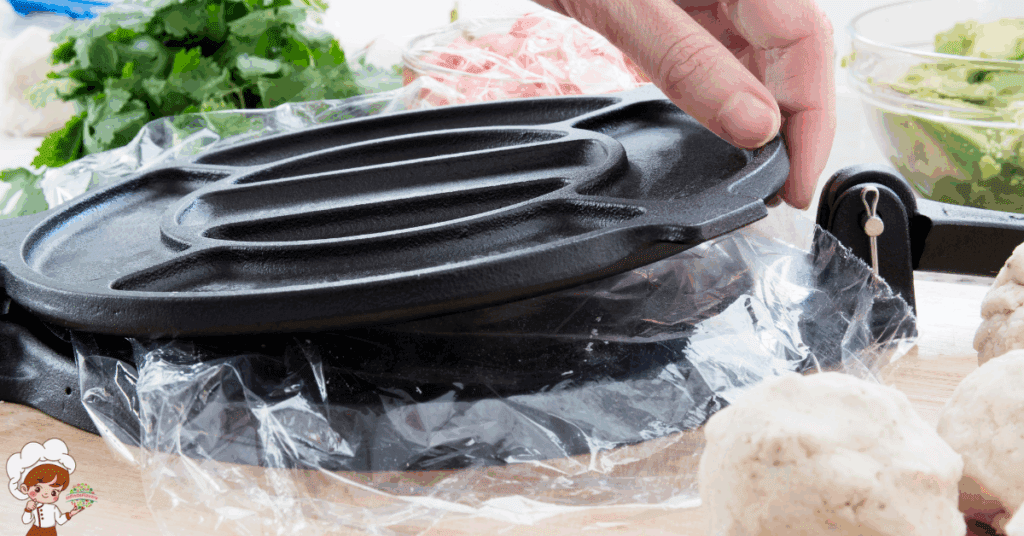
One of the joys of a cast iron tortilla press is how quickly it can turn raw dough into ready-to-cook tortillas. With minimal setup, you can transform a simple ball of masa or dough into a warm, pliable round of deliciousness. For corn tortillas, use a few tablespoons of masa harina mixed with warm water and a touch of salt to create the dough. Then, form a ball, place it between two sheets of parchment or plastic, and press firmly. No rolling pin required, no guesswork needed—just perfect, rustic tortillas in seconds.
While flour tortillas typically require a bit more flexibility due to the gluten content in wheat flour, many users still start with the press and then finish rolling the dough thinner if needed. This approach still saves time and ensures consistency, especially when making large batches.
Cast iron tortilla presses are also excellent tools for family cooking. Kids love helping with the pressing process—it’s tactile, easy, and fun. It becomes more than just dinner prep—it becomes a shared experience that draws everyone into the kitchen. In this way, the tortilla press encourages connection—not just to food, but to one another.
Maintenance and Longevity
Taking care of a cast iron tortilla press is not difficult, but it does require intention. After use, simply wipe down the plates with a clean cloth or paper towel. If dough has stuck to the surface, use a damp rag (not soaking wet) and wipe gently. Avoid soap, as it can strip the seasoning. If necessary, use a small amount of warm water, dry thoroughly, and apply a light coat of cooking oil before storing.
Properly maintained, a cast iron tortilla press can last for generations. Like cast iron skillets, they actually improve with age. The more you use it, the more seasoned and slick the surface becomes. It is not uncommon to find antique cast iron presses still in use today, their patina a reflection of countless meals made with love and care.
Embracing the Homemade Movement
In recent years, there has been a noticeable shift toward homemade cooking, heritage recipes, and food made with fewer ingredients and more intention. Cast iron tortilla presses are at the heart of this movement. With just three ingredients—flour or masa, water, and salt—you can create a fresh, healthy alternative to store-bought tortillas, which often contain preservatives, gums, and additives.
Food bloggers, chefs, and home cooks are rediscovering the magic of fresh tortillas made from scratch. The flavor is richer, the texture more satisfying, and the process deeply rewarding. Whether used in tacos, enchiladas, wraps, or just served warm with butter, homemade tortillas are a revelation—and the cast iron tortilla press is your trusted partner in making them a reality.
A Versatile Tool Beyond Tortillas
Though designed for tortillas, the cast iron press has many culinary applications. Empanada dough, pupusas, tamales, arepas, dumplings, roti, paratha, and even cookie dough can be flattened with it. Its ability to handle a wide variety of doughs with ease makes it a favorite among multicultural cooks. It’s not just a press—it’s a passport to a world of culinary exploration.
Whether you’re crafting a traditional Mexican meal, experimenting with Indian street food, or preparing rustic homemade flatbreads, your cast iron tortilla press is the tool that makes it happen.
Frequently Asked Questions: Appeal of the Cast Iron Tortilla Press
Is a cast iron tortilla press better than aluminum or wood?
Yes. Cast iron presses are heavier and provide even pressure with less effort, which makes them more reliable for uniform tortillas. They also last much longer and improve with use.
Can I use a cast iron tortilla press for flour tortillas?
Absolutely. While flour dough has more elasticity, you can still press it with a cast iron press. Some users roll it out a bit more after pressing for thinner results.
How do I clean a cast iron tortilla press?
Wipe clean with a cloth after use. If needed, use warm water sparingly and dry thoroughly. Do not use soap or soak the press. Apply a thin layer of oil before storing to protect the surface.
Is it hard to press tortillas by hand without a machine?
No, a cast iron tortilla press makes it much easier than hand-flattening. The weight of the plates and leverage of the handle allow for a quick, uniform press with minimal effort.
Do I need to season the press myself?
Most cast iron presses come pre-seasoned, but additional seasoning over time will help create a smoother, more non-stick surface. Regular oiling after cleaning helps maintain the finish.
How big are the tortillas from a cast iron press?
Standard presses are around 6 to 8 inches in diameter. Some models go up to 10 inches, suitable for larger burritos and wraps. Choose based on your cooking needs.
Does it work for gluten-free or paleo doughs?
Yes! Cast iron presses work well for corn masa (naturally gluten-free), cassava flour tortillas, almond flour dough, and other alternative flours used in gluten-free or paleo diets.
Can kids use a cast iron tortilla press?
Yes, with supervision. Many families find tortilla-making a fun and engaging activity for kids. The pressing action is easy to learn and safe when used with care.
What else can I make with a tortilla press?
Try arepas, empanadas, roti, dumplings, mini pizzas, crackers, and even dessert crusts. The press is versatile for any recipe that involves flattening dough.

Rediscovering the Joy of Handmade
The cast iron tortilla press is more than a kitchen gadget—it’s a meaningful link to tradition, family, and real food. In a world saturated with fast options and processed products, the press invites us to slow down, connect with our heritage, and savor the act of creation. Its simplicity belies its power. With just a few ingredients and a sturdy press, anyone can bring the warmth of homemade tortillas into their kitchen.
Whether you’re preserving a family tradition, starting a new one, or simply seeking a better way to enjoy fresh tortillas, the cast iron press delivers. Its durability, ease of use, and unmatched quality make it an essential tool for cooks who value flavor, texture, and time-honored technique.
Invest in a cast iron tortilla press, and you’re not just buying cookware—you’re reviving an art. You’re joining a culinary lineage. And best of all, you’re making food with love, one press at a time.