Amazing Reasons Australian Cuisine Is Infused With European Flavors
Australian Cuisine Is Infused With European flavors due to its diverse historical influences. When British colonists arrived, they brought their culinary traditions, which blended with Indigenous ingredients and cooking practices. Over time, immigration from Europe introduced additional flavors and techniques, enriching this culinary landscape. You see, dishes like meat pies and pasta reflect these cultural exchanges. This fusion honors traditional methods while embracing innovation, showcasing a vibrant food culture. As you explore further, you’ll discover how these influences come together to create a unique Australian identity in cuisine, continuing to evolve with fresh ingredients and sustainable practices.
Historical Context of Australian Cuisine
While Australia’s cuisine may seem uniquely modern, it’s deeply rooted in its diverse history. You’ll find that the culinary landscape is a tapestry woven from Aboriginal ingredients and Colonial recipes. The Indigenous peoples of Australia have long practiced seasonal cooking, utilizing native ingredients like wattleseed and bush tomatoes. These flavors reflect a profound connection to the land, highlighting the importance of food sovereignty in their culture.
As you explore the evolution of Australian cuisine, you’ll notice how cultural exchange shaped its development. When European settlers arrived, they brought their agricultural practices and recipes, merging them with Indigenous flavors to create a distinctive culinary identity. This blending of traditions has led to a rich culinary evolution that celebrates both heritage and innovation.
In contemporary Australia, chefs and home cooks alike are increasingly returning to Aboriginal ingredients, recognizing their historical significance and potential for modern dishes. This return not only honors the past but also supports sustainable practices that align with food sovereignty principles. You’ll see this shift in menus across the country, where dishes highlight local produce and Indigenous flavors, creating a vibrant food scene.
Ultimately, understanding the historical context of Australian cuisine reveals its complexity and depth. It’s a journey through time that showcases how diverse influences have come together to create a unique culinary identity—a celebration of both the land and its people. Embracing this history enriches your appreciation of every meal you enjoy.
British Colonization and Its Impact
Shaped by British colonization, Australian cuisine underwent significant transformations that laid the foundation for its modern identity. When the British first arrived in the late 18th century, they brought with them their culinary traditions, which started to blend with the local ingredients and practices. This fusion marked the beginning of a culinary journey characterized by the colonial legacy that continues to influence Australian food today.
As you explore the evolution of Australian cuisine, you’ll notice that the introduction of British staples—like meat pies, roasts, and tea—was just the start. These foods were adapted to include indigenous ingredients, showcasing a process of cultural assimilation that enriched the culinary landscape. The use of native spices and produce began to weave its way into traditional British recipes, creating unique dishes that reflect both the colonizers’ heritage and the local environment.
British colonization also established a social framework that prioritized certain culinary practices, leading to a hierarchy of food cultures. Traditional British meals were often seen as superior, while indigenous foods were marginalized. However, over time, the conversation around food began to shift, with a growing appreciation for the diverse flavors that Australia had to offer.
In understanding the impact of British colonization, you’ll see how it shaped not just the food itself, but also the cultural identity of Australia. The ongoing dialogue between these culinary influences has created a rich tapestry that defines the essence of Australian cuisine today.
Influence of European Immigration
European immigration has played a pivotal role in further diversifying Australian cuisine, introducing a wealth of flavors and culinary techniques. As new waves of immigrants arrived, they brought along their culinary heritage, enriching the food landscape you experience today. The Italian influence is especially notable, with pizza and pasta quickly becoming staples in Aussie households, reflecting a love for Mediterranean flavors.
French techniques, such as pastry-making, have also found a prominent place in Australia. You can savor delicate éclairs and buttery croissants in many cafés, showcasing the skill and artistry that French cuisine embodies. Meanwhile, British pastries remind you of homey desserts, like pies and tarts, that have been embraced and adapted by Australians over the years.
German traditions have contributed hearty dishes like sausages and schnitzels, which often appear at barbecues and family gatherings. Spanish tapas, with their small plates meant for sharing, promote a sense of community and casual dining that many Australians enjoy. Eastern European dishes, such as pierogi and borscht, add even more depth to the culinary diversity you encounter.
This cultural exchange through immigrant contributions has transformed Australia into a melting pot of flavors. You can appreciate how each group has left its mark, creating a vibrant tapestry of food experiences that celebrate both tradition and innovation. As you explore Australian cuisine, you’ll find that every bite tells a story of the diverse people who have shaped its evolution.
Fusion of Culinary Techniques
The blending of culinary techniques is a hallmark of contemporary Australian cuisine, reflecting the rich tapestry of influences that have come together over the years. This fusion showcases a dynamic interplay between traditional European cooking methods and innovative local practices. You’ll notice how chefs skillfully combine elements from various cuisines, leading to a unique dining experience that’s both familiar and surprising.
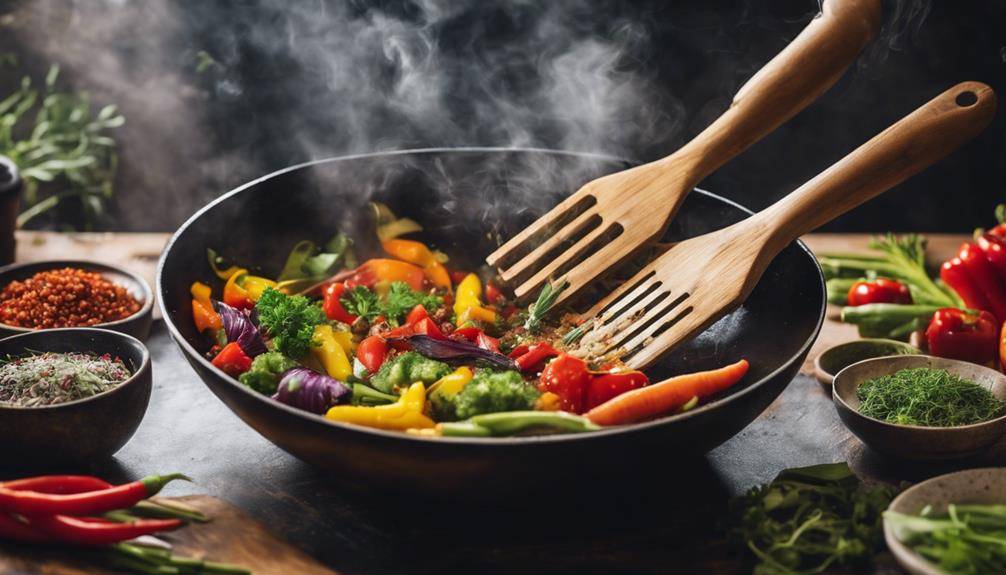
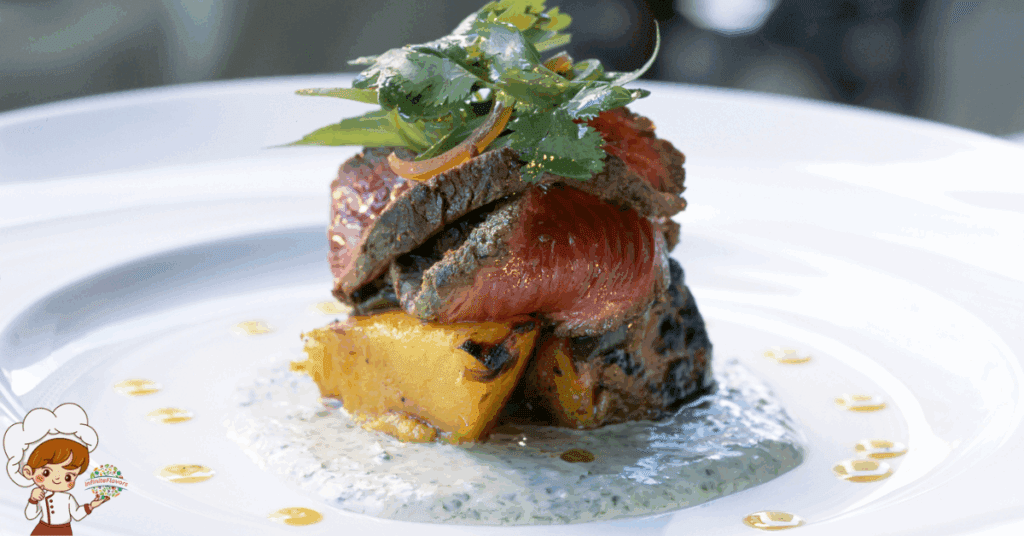
In your culinary journey through Australia, you’ll encounter a remarkable evolution of techniques—where classic French sauces meet Asian stir-frying or Italian pasta-making intertwines with native ingredients. This cross-pollination encourages culinary creativity, allowing chefs to push boundaries and experiment with flavors that tell a story of the land and its people. You might find a dish that features a perfectly seared kangaroo fillet, finished with a zesty lemon myrtle sauce, merging the essence of both Australian produce and European flair.
As you explore, you’ll see that technique evolution has become essential in Australian kitchens. Chefs aren’t just adhering to traditional methods; they’re reinventing them, incorporating local techniques that draw from Indigenous practices. This results in dishes that respect cultural heritage while embracing innovation.
Regional Ingredients and Availability
How do regional ingredients influence Australian cuisine? The answer lies in the country’s abundant native produce and the focus on seasonal availability. When you explore local markets, you’ll find a vibrant array of fruits, vegetables, and meats that reflect the unique landscapes of Australia. This access to fresh, indigenous ingredients allows chefs and home cooks alike to create dishes that celebrate the rich culinary diversity of the region.
Sustainable sourcing has become a priority for many food enthusiasts, encouraging a shift in farming practices that respect the environment while providing high-quality ingredients. By choosing locally produced items, you’re not only supporting your community but also ensuring that your meals are infused with flavors that truly represent the land. Seasonal availability plays a vital role here, as it encourages creativity and adaptability in your cooking.
Food preservation techniques, such as pickling or fermenting, help extend the life of these regional ingredients, allowing you to enjoy the tastes of Australia throughout the year. By incorporating native produce and indigenous ingredients into your meals, you’re embracing a culinary heritage that’s deeply connected to the land.
The Role of Food Trends
Food trends play a pivotal role in shaping Australian cuisine, reflecting a dynamic interplay between innovation and tradition. You’ll notice how food sustainability has become a key focus, pushing chefs and home cooks alike to prioritize local sourcing. This shift not only supports local farmers but also highlights seasonal produce, ensuring freshness and flavor in every dish.
Culinary innovation thrives in this environment, where traditional techniques meld with contemporary ideas. You can see this in the incorporation of indigenous flavors, which add a unique depth to Australian dishes. As you explore various dining experiences, you’ll likely encounter menus that embrace cultural diversity, showcasing everything from Asian fusion to Mediterranean influences.
Health consciousness also drives current food trends, with many opting for lighter, nutrient-dense meals. This trend encourages the use of fresh ingredients and seasonal produce, making meals both delicious and wholesome. You might also notice technology integration, which has revolutionized how food is prepared and served, offering new ways to engage with your meals and connect with chefs.
Food tourism has gained traction as well, inviting you to commence on culinary journeys that celebrate Australia’s rich flavors. As you travel, you’ll discover how these trends not only shape your experience but also reinforce a collective appreciation for the diverse culinary landscape. In this vibrant scene, Australian cuisine continues to evolve, blending its European influences with a distinctly local flair.
Celebrating Traditional Dishes
Celebrating traditional dishes in Australia means embracing a rich tapestry of flavors and techniques that tell the story of its diverse cultural heritage. By incorporating bush tucker, you connect with indigenous flavors that have shaped the culinary landscape for thousands of years. These ingredients, often sourced from the land, highlight the importance of seasonal ingredients in your cooking, ensuring that what you serve is both fresh and meaningful.
As you explore family recipes passed down through generations, you’ll find culinary storytelling woven into each dish. These recipes don’t just fill your stomach; they carry the essence of local traditions and the stories of those who came before you. Whether it’s a hearty meat pie or a delicate pavlova, each bite evokes cherished memories and a sense of belonging.
Food festivals across Australia further celebrate this culinary heritage, showcasing regional specialties and creating a communal atmosphere. You might find yourself savoring dishes that celebrate the unique flavors of each state, from seafood on the coasts to hearty bush tucker in the outback.
Modern Australian Food Culture
Building on the rich heritage of traditional dishes, modern Australian food culture reflects the nation’s evolving identity and multicultural influences. You’ll notice how chefs and home cooks alike are embracing a diverse palette, blending European flavors with fresh, local ingredients. This fusion creates a vibrant culinary scene that showcases the best of both worlds.
Sustainable practices play a vital role in this contemporary landscape. Many restaurants are committed to sourcing ingredients responsibly, focusing on seasonal produce, and minimizing waste. You might find eateries that highlight their efforts to support local farmers and reduce their carbon footprint. By prioritizing sustainability, they not only enhance the quality of their dishes but also contribute positively to the environment.
Moreover, there’s a growing recognition of indigenous ingredients, such as finger limes, wattleseed, and bush tomatoes. These unique flavors are becoming essential components of modern Australian cuisine, adding depth and authenticity to your dining experience. You’ll see them featured in innovative dishes, where traditional practices meet modern techniques.
As you explore modern Australian food culture, you’ll discover that it’s not just about the food on your plate; it’s about the stories behind the ingredients and the people who prepare them. This dynamic blend of influences creates a rich tapestry that celebrates the country’s multicultural identity while honoring its roots. Enjoy the adventure of tasting these diverse flavors, and you’ll understand why Australian cuisine continues to evolve and inspire.
Globalization and Culinary Exchange
Globalization has transformed the culinary landscape, making it easier than ever to experience flavors from around the world. You no longer have to travel far to enjoy diverse dishes, thanks to culinary globalization. This phenomenon has led to the blending of various culinary traditions, allowing Australians to savor everything from Italian pasta to Thai curries right at home.
As a result, cultural exchange has become a cornerstone of Australian cuisine. When you dine in Australia, you might find a fusion of native ingredients with European techniques, creating unique dishes that tell a story of cross-cultural influences. For instance, chefs might incorporate bush tomatoes into a classic Italian risotto, reflecting the integration of local and international elements.
The impact of globalization means that you’re not just eating food; you’re participating in a global dialogue. Each bite connects you to different cultures, showcasing how food can bring people together. You might notice that local markets now offer a variety of international ingredients, encouraging you to experiment and create your own fusion dishes at home.
Moreover, culinary globalization has sparked an interest in sustainable practices by sharing knowledge about food production worldwide. As you explore these flavors, you’ll find that they come with a deeper understanding of the culinary history and traditions behind them. With each meal, you’re part of a larger narrative of culinary exchange that continues to evolve, enriching your dining experience in Australia.
Future of Australian Cuisine
As you look ahead, the future of Australian cuisine promises to be an exciting blend of innovation and tradition. You’ll notice a strong shift towards sustainable practices, where chefs prioritize ethical sourcing and local ingredients. This commitment not only supports the environment but also fosters a deeper connection to the land and its resources.
Plant-based innovations are gaining momentum, reflecting a growing health consciousness among diners. You might find an array of vibrant dishes that highlight vegetables, grains, and legumes, showcasing the best of what Australia has to offer while promoting a balanced diet.
Indigenous influences will play a pivotal role in shaping this culinary landscape. As you explore menus, you’ll likely encounter native ingredients and traditional cooking methods that celebrate Australia’s rich heritage. Chefs are increasingly incorporating these elements, creating a fusion of flavors that tells a story.
Culinary education is evolving too. More institutions are emphasizing the importance of sustainability and indigenous knowledge in their programs, equipping future chefs with the skills needed to adapt to changing consumer preferences.
Technology integration will further enhance dining experiences, from farm-to-table apps that connect diners with local farmers to innovative cooking techniques that elevate flavors.
In this vibrant future, Australian cuisine will continue to grow and adapt, merging the old with the new, ensuring that every meal is not just a dish but a journey through culture, sustainability, and creativity.
Frequently Asked Questions: Australian Cuisine Is Infused With European
What Are Some Unique Australian Dishes That Showcase European Influences?
You’ll find unique Australian dishes like pavlova, which boasts debated origins, and various meat pie adaptations. These dishes reflect a blend of influences, showcasing how European flavors inspire Australia’s diverse culinary landscape. Enjoy exploring them!
How Do Seasonal Ingredients Affect Australian-European Fusion Recipes?
Seasonal ingredients play an essential role in your Australian-European fusion recipes. They enhance flavor combinations and inspire creativity, allowing you to showcase fresh produce while highlighting the best of both culinary traditions throughout the year.
Are There Specific Cooking Methods Borrowed From European Cuisine?
You’ll find that Australian cuisine often employs European techniques like roasting and baking. These culinary adaptations showcase a blend of flavors, enhancing dishes and reflecting the region’s diverse palate while maintaining traditional roots and innovative flair.
What Role Do Indigenous Ingredients Play in Modern Australian Cuisine?
Indigenous ingredients play an essential role in modern Australian cuisine. You’ll find chefs using native herbs and fruits alongside modern techniques, creating unique dishes that celebrate Australia’s rich cultural heritage and diverse flavors.
How Does Australian Cuisine Differ Regionally Within the Country?
You’ll notice regional variations in Australian cuisine that reflect local ingredients and culinary traditions. From hearty dishes in the south to tropical flavors up north, each area showcases unique tastes and cultural influences.

Conclusion
To summarize, Australian cuisine reflects its rich history, blending British influences with diverse European flavors. You can see how immigration and regional ingredients shape this unique culinary landscape. As you explore modern Australian food culture, you’ll discover a fusion of techniques and tastes that continue to evolve. With globalization further enriching its offerings, the future of Australian cuisine looks bright, inviting you to savor the delicious interplay of tradition and innovation in every bite.