Authentic Peruvian Desserts A Sweet Delight From Peru
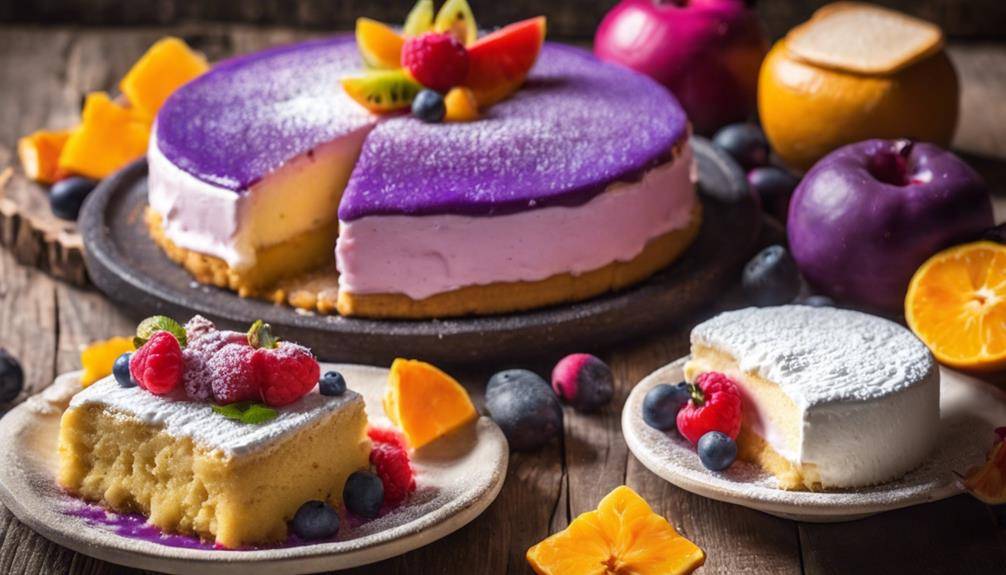
Authentic Peruvian Desserts A Sweet Delight; Authentic Peruvian desserts are a tantalizing blend of flavors and textures that reflect the country’s diverse heritage. You’ll find delights like “suspiro a la limeña,” a creamy treat topped with fluffy meringue, and the richly soaked “tres leches cake.” Don’t miss the indulgent “alfajores de dulce de leche,” soft cookies filled with caramel. For a unique twist, try “picarones,” sweet potato doughnuts drizzled with spiced syrup. With the use of ingredients like lucuma and quinoa, these desserts cater to both traditional and modern tastes. Stick around to uncover even more sweet surprises from Peru’s vibrant dessert scene!
Overview of Peruvian Desserts
Peruvian desserts offer a delightful array of flavors and textures that reflect the country’s rich cultural heritage. You’ll find that these sweets are shaped by regional influences, showcasing the diverse ingredients and traditions from various areas. For instance, in coastal regions, you might encounter desserts like “suspiro a la limeña,” a creamy, sweet treat infused with port wine. Meanwhile, in the Andes, you could taste “pachamanca,” where local fruits and grains create a heartwarming experience.
As you explore, you’ll notice how dessert trends in Peru have evolved, blending traditional recipes with modern twists. Chefs are experimenting with local ingredients, incorporating superfoods like quinoa and lucuma to create innovative desserts that still pay homage to their roots. This fusion not only highlights the versatility of Peruvian cuisine but also caters to the growing interest in healthier dessert options.
When you investigate deeper into the world of Peruvian sweets, you’ll appreciate how each region contributes its unique flair. The diversity is truly enchanting, and it encourages you to try various desserts throughout the country. From the rich chocolate creations of the Amazon to the traditional rice pudding found in Lima, each bite tells a story. So, whether you’re indulging in a classic dulce de leche or savoring a contemporary dessert, you’re experiencing a delicious tapestry of flavors that represents Peru’s vibrant culture.
Key Ingredients in Peruvian Sweets
Sweets from Peru are crafted with a vibrant mix of ingredients that bring unique flavors to each dessert. One of the standout components is the famous Peruvian fruit, lucuma. Its rich, sweet flavor adds a creamy texture to many treats, enhancing the overall taste experience. You’ll also find quinoa and amaranth, which not only provide nutritional benefits but introduce distinctive textures that set these desserts apart.
Another vital ingredient is dulce de leche, a caramel-like sauce that delivers a rich sweetness and can be found in numerous Peruvian confections. This ingredient offers a key flavor profile that complements other elements beautifully. You can’t forget about chocolate, particularly the high-quality Peruvian cacao, which contributes a deep, complex flavor that elevates any dessert.
Coconut is another favorite in Peruvian sweets, often used in dishes like arroz con leche (rice pudding) or as a topping for various pastries. This ingredient provides a unique texture and a tropical twist that reflects the country’s diverse culinary heritage.
Additionally, spices such as cinnamon and cloves play an important role in enhancing the flavor profiles of many sweets, adding warmth and depth. Finally, you’ll encounter nuts like walnuts and pecans in some recipes, bringing crunch and richness to the palate. Each of these key ingredients works together, creating a delightful symphony of unique textures and vibrant flavors that define authentic Peruvian desserts.
Suspiro a La Limeña
One of the most beloved desserts in Peru is Suspiro a La Limeña, a delightful treat that showcases the country’s rich culinary heritage. This creamy, indulgent dessert is known for its unique combination of flavors, blending sweetened condensed milk, egg yolks, and a hint of vanilla. Originating from Lima, this dessert’s limeña origins have made it a staple in Peruvian households and restaurants alike.
As you explore Suspiro a La Limeña, you’ll find it often topped with a light, fluffy meringue, adding a delightful contrast to the creamy base. The meringue is typically made with egg whites and sugar, sometimes flavored with a touch of port wine, which enhances the dessert’s complexity. You might encounter various dessert variations, with some adding spices like cinnamon or a splash of lemon for an extra zing.
When served, Suspiro a La Limeña is usually presented in individual cups or bowls, making it perfect for sharing at gatherings or enjoying all to yourself. Its rich, velvety texture and balanced sweetness make it a favorite among locals and visitors alike.
If you ever find yourself in Peru or at a Peruvian restaurant, don’t miss out on this exquisite dessert. Its charm lies not only in its flavor but also in the stories it tells about Lima’s culinary past, making each spoonful a delightful journey through Peru’s vibrant culture.
Tres Leches Cake
Tres Leches Cake is a beloved staple in Latin American cuisine, renowned for its rich flavor and moist texture. This indulgent dessert is made by soaking a light sponge cake in a mixture of three types of milk—evaporated milk, condensed milk, and heavy cream. The result is a cake that’s incredibly moist and sweet, making it a favorite at celebrations and family gatherings.
When you take a bite of tres leches, you’ll discover a delightful combination of creamy and sweet notes that dance on your palate. It’s often topped with whipped cream and fresh fruit, adding a revitalizing contrast to the cake’s richness. You can also experiment with cake variations, such as adding flavors like coconut or chocolate, giving your tres leches a unique twist.
To make this dessert, you’ll want to start with a simple sponge cake. Once it’s baked and cooled, poke holes all over the top to allow the milk mixture to soak in. The longer you let it rest, the more flavorful and moist it becomes. You can serve it chilled or at room temperature, depending on your preference.
Tres Leches Cake isn’t just a dessert; it’s an experience that brings people together. Whether you’re enjoying it at a birthday party or a holiday gathering, each slice is a reminder of the sweet moments shared with family and friends. So, why not treat yourself to this delightful dessert and savor every bite?
Alfajores De Dulce De Leche
Alfajores de dulce de leche are irresistible cookies that perfectly capture the essence of Peruvian desserts. These delicately crumbly treats consist of two soft, melt-in-your-mouth cookies sandwiched together with a generous layer of rich dulce de leche. When you take a bite, the sweetness envelops you, making it hard to resist reaching for another.
The origins of alfajores can be traced back to a blend of cultural influences, including Spanish and Moorish traditions. Over time, Peruvians have embraced these cookies, adding their unique twist. You’ll find variations across the country, each showcasing local flavors and ingredients. For example, some versions might incorporate chocolate or coconut, while others might be dusted with powdered sugar or rolled in toasted nuts.
As you explore different dessert variations, you’ll notice that alfajores can be made with cornstarch or flour, resulting in a slightly different texture. Regardless of the recipe, the core ingredient—dulce de leche—remains the star of the show. This creamy caramel-like filling brings a luxurious taste that pairs perfectly with coffee or tea, making alfajores a favorite during celebrations and everyday moments alike.
Picarones
Picarones are a delightful Peruvian dessert that you won’t want to miss. These sweet potato and pumpkin doughnuts are deep-fried to golden perfection, creating a crispy exterior while remaining soft and fluffy on the inside. Traditionally served drizzled with a rich, spiced syrup made from chancaca (a type of raw sugar), picarones are a treat that perfectly balances sweetness and warmth.
The history of picarones is quite fascinating. They trace back to the colonial era, when Spanish influences merged with indigenous ingredients. Originally inspired by the European doughnut, picarones took on a unique Peruvian twist by incorporating sweet potatoes, a staple of local cuisine. This blend of cultures resulted in a dessert that embodies the heart of Peru’s culinary heritage.
As you explore picarones, you’ll discover various variations that highlight regional ingredients and flavors. Some might include anise or cinnamon in the dough, while others may serve them with different syrups, like honey or a fruit compote. In some regions, picarones are even paired with ice cream for a modern twist, making them a versatile dessert suitable for any occasion.
When you indulge in picarones, you’re not just enjoying a delicious treat; you’re also experiencing a piece of Peru’s rich cultural tapestry. So, whether you’re at a street vendor or a local restaurant, make sure to savor these delightful doughnuts. You won’t regret it!
Arroz Con Leche
When you think of Arroz Con Leche, imagine the creamy blend of rice, milk, and sugar coming together in a comforting dish. You’ll discover the traditional ingredients that give it that signature flavor, as well as the simple yet satisfying cooking method. Plus, you’ll find that regional variations add unique twists to this beloved classic.
Traditional Ingredients Used
Arroz con leche, a beloved Peruvian dessert, showcases a delightful blend of traditional ingredients that create its creamy texture and rich flavor. At the heart of this dish lies the use of Andean grains, particularly rice, which provides the base for its comforting consistency. The rice is typically cooked slowly, allowing it to absorb the milk and sweetener, resulting in a luscious treat that melts in your mouth.
You’ll also find that cinnamon plays a key role in enhancing the overall taste, adding warmth and depth to the dessert. While sugar is commonly used, many Peruvian cooks prefer using panela, an unrefined cane sugar that infuses the dish with a unique caramel flavor.
To elevate your arroz con leche experience, consider incorporating native fruits such as lucuma or cherimoya. These fruits not only add natural sweetness but also introduce a delightful twist to the classic recipe. The combination of these traditional ingredients makes arroz con leche a cherished dessert that reflects Peru’s rich culinary heritage, inviting you to savor a taste of its vibrant culture.
Preparation and Cooking Method
To prepare arroz con leche, you’ll start by gathering your ingredients: rice, milk, sugar or panela, cinnamon sticks, and a pinch of salt. Rinse the rice under cold water until the water runs clear, which helps remove excess starch. In a medium pot, combine the rice, water, and a pinch of salt, then bring it to a boil. Once boiling, reduce the heat to a simmer and cover the pot, cooking for about 15 minutes until the rice is tender.
Next, stir in the milk, sugar or panela, and cinnamon sticks. Continue to cook on low heat, stirring frequently to prevent sticking. The goal is to achieve a creamy consistency, so keep an eye on it for about 30 minutes. You can adjust the sweetness according to your taste.
Once it’s cooked, remove the cinnamon sticks and let the arroz con leche cool slightly. This delightful dish often finds its place at dessert festivals in Peru, showcasing the country’s rich culinary heritage. By mastering these cooking techniques, you’ll not only enjoy a traditional treat but also impress your friends and family with your newfound skills.
Regional Variations Explored
Peru boasts a delightful array of arroz con leche variations, each reflecting the unique flavors and ingredients of different regions. In the highlands, for instance, you might find a version enriched with local spices like cinnamon and cloves, lending it a warm, aromatic touch. This regional dessert variation often incorporates quinoa, giving it a nutritious twist that honors the Andean heritage.
Traveling to the coastal areas, you’ll discover a sweeter adaptation that includes coconut milk, which adds a tropical flair to the dish. This reflects cultural dessert influences from the coastal communities, where fresh coconuts are abundant. You might also encounter variations that incorporate fruit, like mango or guava, making each bowl a vibrant explosion of flavors.
In the Amazon region, you’ll likely taste a version that uses unique local ingredients, such as camu camu, a fruit known for its tart flavor and high vitamin C content. Each of these regional dessert variations tells a story about the local culture and the ingredients available, making arroz con leche not just a dish, but a celebration of Peru’s diverse culinary landscape.
Turrón De Doña Pepa
Now, let’s explore Turrón de Doña Pepa, a dessert steeped in history and tradition. You’ll discover its unique ingredients and the careful preparation process that makes it a beloved treat. Plus, we’ll look at the cultural celebrations where this sweet delicacy takes center stage.
Historical Significance of Turrón
Turrón de Doña Pepa stands out as a beloved symbol of Peruvian culture, deeply intertwined with the nation’s history and traditions. This delightful dessert has roots that trace back to the colonial period, showcasing the fusion of indigenous and Spanish influences. Understanding its turrón history helps you appreciate how this treat has evolved over time, becoming a staple during celebrations, especially in October for the Lord of Miracles festival.
As you explore the various turrón varieties, you’ll find that each one holds its own unique significance and flavor profile. Doña Pepa’s turrón, with its colorful layers and sweet flavors, reflects the creativity and resourcefulness of Peruvian bakers. It’s said that the original recipe was created by a woman named Doña Pepa, who made this dessert to honor a miraculous event.
The historical significance of turrón extends beyond just its ingredients; it embodies the spirit of community and celebration in Peru. Every bite connects you to the rich tapestry of Peruvian culture, making turrón de Doña Pepa not just a dessert, but a cherished tradition that continues to bring people together today.
Ingredients and Preparation Process
The delightful layers of turrón de Doña Pepa come together through a simple yet enchanting blend of ingredients. To start, you’ll need all-purpose flour, sugar, butter, eggs, and anise seeds. These ingredients create a rich, fragrant dough that forms the base of this traditional dessert.
As you mix the flour and butter, the scent of anise fills the air, linking you to the dessert history of Peru. Once you’ve prepared the dough, roll it into sheets and stack them, alternating with a layer of sweet syrup made from honey, sugar, and water. This syrup not only adds sweetness but also keeps the layers moist, contributing to the dessert’s unique texture.
To finish off, drizzle a colorful icing made of powdered sugar and lemon juice over the top, adding a visual feast that reflects the vibrant regional specialties of Peru. Traditionally enjoyed during festivities, turrón de Doña Pepa showcases how simple ingredients can come together to create a beloved dessert that’s rich in flavor and cultural significance. You’ll find that the preparation connects you to generations who’ve crafted this delightful treat with love and care.
Cultural Celebrations Featuring Turrón
While celebrating Peruvian culture, you’ll often find turrón de Doña Pepa at the center of festive gatherings, especially during the month of October. This delightful dessert plays an essential role in the celebrations of the Señor de los Milagros, a deeply revered religious event in Lima. Families and friends come together, sharing stories and laughter, while indulging in this sweet treat.
Turrón de Doña Pepa is just one of many turrón varieties that showcase the rich culinary heritage of Peru. Its layered structure, made from anise-flavored dough and adorned with colorful frosting and sprinkles, makes it a visual and gastronomic delight. The turrón history dates back to the colonial era, blending indigenous and Spanish influences. This dessert symbolizes community, unity, and the vibrant spirit of Peruvian life.
During the festivities, you’ll see countless stalls selling turrón, with locals keenly purchasing it to share or gift. The act of enjoying turrón de Doña Pepa goes beyond mere taste; it’s about honoring traditions and creating lasting memories. So, when you join these celebrations, make sure to savor a piece of this beloved dessert!
Mazamorra Morada
In the heart of Peruvian culture, Mazamorra Morada stands out as a vibrant dessert that tantalizes the taste buds. Made primarily from purple corn, this dish boasts a rich, sweet flavor complemented by a unique texture. You’ll find it served in various forms, showcasing the many mazamorra variations that exist across Peru. Some people add fruits like pineapple and apples, while others might include spices such as cinnamon and cloves to enhance its aroma.
Mazamorra Morada has a fascinating mazamorra history that dates back to pre-Columbian times. The indigenous people of Peru used purple corn not just for its delicious taste, but also for its nutritional benefits. Over the years, this dessert has evolved, absorbing influences from Spanish colonization, which introduced new ingredients and cooking techniques. Today, it’s often enjoyed during festivals and family gatherings, symbolizing tradition and community.
When you indulge in Mazamorra Morada, you’re not just savoring a dessert; you’re experiencing a piece of Peruvian heritage. It’s commonly served alongside another popular treat, Arroz con Leche, creating a delightful contrast between flavors and textures. Whether you’re enjoying it at a local eatery or making it at home, each bite connects you to the rich cultural tapestry of Peru. So, the next time you crave something sweet, give Mazamorra Morada a try and delight in its vibrant flavors and history!
Queso Helado
Some may say that Queso Helado is one of Peru’s best-kept secrets. This delightful dessert hails from the southern city of Arequipa and combines the creaminess of cheese with the sweetness of coconut and other flavors. You won’t want to miss out on its unique texture and taste. The name “queso helado” literally translates to “frozen cheese,” but don’t let that fool you; it’s more like a frozen treat that brings a revitalizing end to a meal.
The history of Queso Helado dates back to the colonial era, when local artisans began experimenting with various ingredients to create a delicious, icy dessert. Over time, this treat evolved into the beloved dessert you enjoy today. You’ll find that Queso Helado variations often include additions like cinnamon, chocolate, or fruit, allowing you to pick your favorite version.
As you savor this sweet delight, you’ll appreciate the cultural significance behind it. It’s common to see Queso Helado sold from street carts, where vendors expertly scoop it into cups for enthusiastic customers. The creamy base, combined with rich flavors, makes each bite a true taste of Peru. So next time you’re exploring Peruvian desserts, make sure to treat yourself to some Queso Helado. You’ll discover why this dessert holds a special place in the hearts of many Peruvians and why it deserves a spot on your dessert list.
Choclo Con Queso
Choclo Con Queso is a delightful Peruvian treat that combines fresh corn with creamy cheese. You’ll find that its simple ingredients reflect the rich agricultural heritage of Peru and its cultural significance in local gatherings. Let’s explore how this dish is prepared and why it holds a special place in Peruvian cuisine.
Ingredients and Preparation
Peruvian cuisine offers a delightful treat with its Choclo Con Queso, a simple yet satisfying dish made from fresh corn and cheese. To prepare this dish, you’ll need large, tender ears of choclo (Peruvian corn), which have a sweet and unique flavor. You can usually find these at Latin markets or specialty grocery stores. Alongside the corn, grab some fresh cheese, typically a soft, mild variety like queso fresco.
Start by boiling the choclo in salted water until it’s tender, which usually takes about 20 minutes. While that cooks, prepare your cheese by cutting it into thick slices. Once the corn is ready, drain it and serve it hot, topped with the cheese. For a little extra flavor, sprinkle a dash of Peruvian spices, like paprika or cumin, over the dish.
Choclo Con Queso pairs wonderfully with a variety of desserts, such as dulce de leche or alfajores. The sweetness of these desserts complements the savory notes of the corn and cheese, making for an enjoyable culinary experience. Enjoy this authentic taste of Peru!
Cultural Significance Explained
One of the most cherished dishes in Peru, Choclo Con Queso embodies the country’s rich agricultural heritage and culinary traditions. This delightful snack showcases the sweet symbolism of Peruvian heritage, merging indigenous flavors with regional diversity. You’ll find it served at festivals and gatherings, where it plays a crucial role in festive traditions that unite communities through shared culinary experiences.
The dish is a perfect example of cultural fusion, blending the natural sweetness of fresh corn with the savory goodness of cheese. As you savor it, you’re engaging in gastronomic storytelling that reflects Peru’s history and its myriad culinary influences. Choclo Con Queso isn’t just a snack; it’s an essential part of dessert rituals that celebrate the land’s bountiful produce.
Flavor pairings like this encourage you to appreciate the layers of taste and tradition present in every bite. Each serving invites you to explore the essence of Peru, connecting you to the past while savoring its vibrant present. So next time you enjoy Choclo Con Queso, remember that you’re partaking in a dish rich with meaning and cultural significance.
Helado De Lucuma
Often enjoyed as a revitalizing treat, Helado de Lucuma is a unique ice cream that showcases the distinct flavor of the lucuma fruit, native to South America. This creamy dessert stands out not just for its taste but also for the rich cultural heritage it embodies. When you take a bite, you’re experiencing a blend of sweetness and a hint of caramel, making it a delightful indulgence that’s hard to resist.
Lucuma cultivation has been a significant part of Peruvian agriculture for centuries. The fruit thrives in the Andean regions, where the soil and climate create the perfect conditions for growth. Farmers take great care in harvesting lucuma, ensuring that only the ripest fruits are selected. This attention to detail contributes to the high quality of the ice cream you’ll savor.
Beyond its delicious flavor, Helado de Lucuma comes with several health benefits. The lucuma fruit is known for being rich in antioxidants, vitamins, and minerals, making it a healthier alternative to traditional ice creams. It offers a good source of fiber, which aids digestion, and provides essential nutrients that can boost your overall well-being. So, when you’re enjoying a scoop of this delightful treat, you’re also indulging in something that nourishes your body.
Next time you crave something sweet, don’t overlook Helado de Lucuma. It’s not just dessert; it’s a taste of Peru’s rich agricultural heritage and a treat that’s good for you!
Peruvian Fruit Desserts
When you think of Peruvian fruit desserts, exotic tropical fruits like lucuma and cherimoya come to mind. These flavors inspire traditional recipes that you can enjoy in fresh, reimagined ways. Get ready to taste the vibrant essence of Peru through its delightful fruit creations!
Exotic Tropical Fruits
Peru boasts an impressive array of exotic tropical fruits that elevate its dessert scene to new heights. When you explore Peruvian desserts, you’ll encounter a vibrant tapestry of flavors that tantalize your taste buds. Fruits like lucuma, a creamy, sweet fruit, add a unique touch to ice creams and cakes, while the tangy taste of aguaymanto (golden berry) brings a revitalizing zest to fruit salads and pastries.
You’ll also love the intense sweetness of cherimoya, which enhances mousses and sorbets, creating a heavenly experience. These tropical flavors blend seamlessly with other ingredients, resulting in exotic pairings that surprise and delight. Pairing mango with coconut creates a luscious dessert that feels like a slice of paradise.
Don’t forget about the star fruit, whose unique shape and mildly sweet taste make it a visually stunning addition to any dessert platter. Whether you’re indulging in a simple fruit salad or a more elaborate dish, the exotic fruits of Peru will transport you to a tropical oasis, leaving you craving more. So go ahead, immerse yourself in these delicious tropical delights, and experience the sweetness of Peru!
Traditional Recipes Reimagined
Many delightful traditional Peruvian desserts are getting a modern twist, showcasing the country’s unique fruits in innovative ways. You can explore exciting recipes that blend classic flavors with contemporary techniques. For instance, think about a rejuvenating maracuya (passion fruit) mousse, where creamy textures meet zesty notes, creating a dessert that’s light yet satisfying.
Consider also introducing quinoa in your desserts. By adding this superfood to a traditional arroz con leche, you get a nutty flavor and added nutrition. Another great idea is to create a fusion dessert by pairing lucuma ice cream with chocolate brownie bites for a decadent treat that highlights Peru’s beloved flavors.
If you’re feeling adventurous, try making a tropical fruit tart with a base of almond flour and a filling of fresh mango and coconut cream. This modern twist not only adds a healthful element but also brings a burst of sunshine to your table.
Celebrations Featuring Desserts
Celebrating life’s special moments in Peru often involves indulging in an array of delightful desserts. From birthdays to weddings, desserts play an essential role in Peruvian holiday traditions, adding sweetness to every occasion. You might find yourself surrounded by family and friends, sharing a slice of tres leches cake or savoring a piece of alfajores, which are melt-in-your-mouth cookies filled with dulce de leche.
Each dessert carries its own symbolism. For example, during Christmas, you’ll likely encounter panetón, a fruit-studded bread that represents prosperity and good fortune for the coming year. On birthdays, you might enjoy a delicious chocolate cake, symbolizing love and celebration. These treats don’t just satisfy your sweet tooth; they also connect you to the culture and history of Peru.
During significant festivals like Inti Raymi or Día de los Muertos, traditional sweets take center stage. You can taste mazamorra morada, a purple corn pudding that symbolizes the richness of the Andean heritage. Sharing these desserts not only enhances the festive atmosphere but also reinforces the bonds among family and friends.
As you partake in these celebrations, remember that each dessert tells a story. The flavors, textures, and ingredients reflect Peru’s diverse culture and history, making every bite a celebration in itself. So next time you join a Peruvian celebration, immerse yourself in these delightful desserts and appreciate the holiday traditions they represent.
Frequently Asked Questions: Authentic Peruvian Desserts A Sweet Delight
Are Peruvian Desserts Usually Gluten-Free or Dairy-Free?
Peruvian desserts can vary, but many are naturally gluten-free or can use gluten substitutes. If you’re avoiding dairy, you’ll find options that incorporate dairy alternatives, making it easier to enjoy without compromising your dietary needs.
How Do Traditional Peruvian Desserts Differ From Modern Adaptations?
Traditional Peruvian desserts often use age-old techniques, emphasizing natural ingredients and cultural significance. In contrast, modern adaptations might incorporate shortcuts or fusion elements, altering flavors and presentations while sometimes losing the essence of their heritage.
What Beverages Pair Well With Peruvian Desserts?
When enjoying Peruvian desserts, consider pairing them with rich coffee or invigorating tea selections. The bold flavors in coffee enhance sweet treats, while aromatic teas offer a lighter, herbal contrast that balances the indulgence perfectly.
Can I Find Peruvian Desserts Outside of Peru?
Yes, you can find Peruvian desserts outside of Peru, especially in areas with diverse culinary scenes. Look for local bakeries or restaurants that highlight dessert origins, showcasing unique Peruvian ingredients to satisfy your sweet tooth.
What Are Some Popular Regional Variations of Peruvian Desserts?
You’ll discover popular regional specialties in Peruvian desserts, like the coconut variations from the coast or the rich chocolate flavors from the Andes. Each area boasts unique ingredient variations that reflect its culture and traditions.

Conclusion
To sum up, exploring authentic Peruvian desserts is a delightful journey for your taste buds. With unique flavors and textures, each treat showcases the rich culinary heritage of Peru. From the creamy sweetness of Suspiro a La Limeña to the indulgent layers of Tres Leches Cake, there’s something for everyone. So, why not try making these desserts at home or finding a local spot to savor them? You’ll surely enjoy the sweet side of Peru!