
Super Easy Sustainable Meal Prep Grocery List
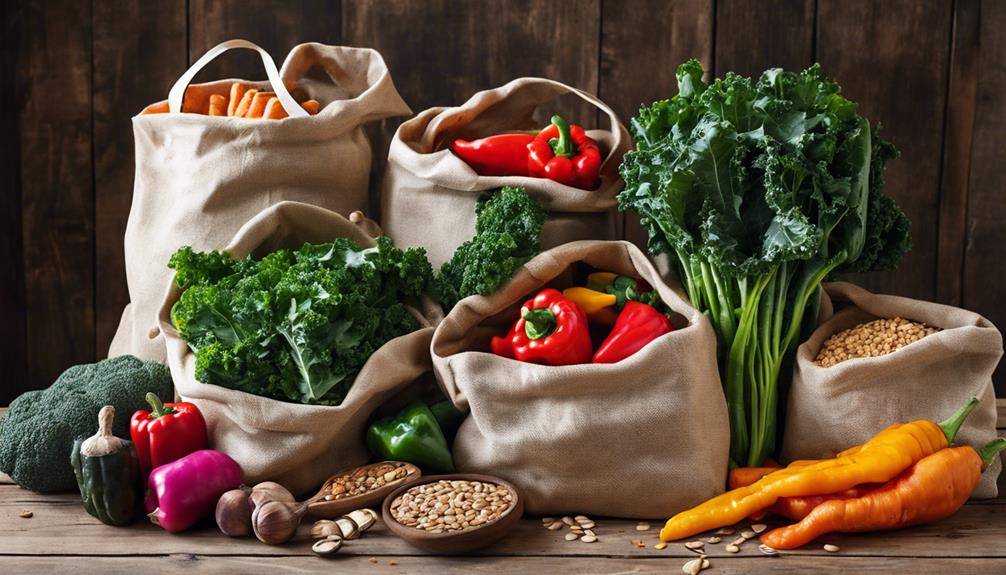
Easy Sustainable Meal Prep Grocery List; Creating a sustainable meal prep grocery list helps you make eco-friendly choices while reducing waste. Start with seasonal produce like vibrant greens in spring and root vegetables in fall. Stock up on bulk essentials like grains, legumes, and frozen fruits to cut down on packaging. Don’t forget plant-based proteins like tofu, nuts, and seeds for nutritious meals. Choose eco-friendly packaging, such as biodegradable containers and glass storage. Local farmers’ markets are perfect for finding fresh, sustainable ingredients. By organizing your shopping, you can guarantee minimal waste and maximum enjoyment in your meals. Discover even more tips along the way!
Understanding Sustainable Meal Prep
Understanding sustainable meal prep means recognizing how your food choices impact the environment. By adopting eco-friendly practices in your kitchen, you can greatly reduce waste and carbon footprints. Start with effective meal planning strategies. Take time each week to outline your meals, focusing on ingredients that are seasonal and locally sourced. This not only supports local farmers but also minimizes transportation emissions.
Next, implement kitchen organization tips that help you make the most of your ingredients. Keep your pantry stocked with staples that have longer shelf lives, like grains and legumes. Arrange your fridge so that older items are in front, ensuring you use them before they spoil. Label containers clearly to avoid confusion and waste.
When you’re meal prepping, aim for bulk cooking. Preparing larger portions can save you time and energy while reducing the need for single-use packaging. Use glass containers for storage, as they’re reusable and better for the environment compared to plastic.
Additionally, consider creating a grocery list based on your meal plan to prevent impulse buys and reduce food waste. By sticking to your list, you’re less likely to purchase items that may go unused and eventually spoil.
Incorporating these meal planning strategies and kitchen organization tips into your routine will not only make your cooking process more efficient but also contribute positively to the environment. You’ll find that sustainable meal prep is not just a trend; it’s a lifestyle choice that can lead to healthier eating habits and a greener planet.
Seasonal Produce Selection
During each season, selecting produce that’s in peak freshness not only enhances your meals but also aligns with sustainable practices. By focusing on seasonal varieties, you’ll enjoy fruits and vegetables that are at their best in flavor and nutritional value. Plus, choosing local harvests minimizes the carbon footprint associated with transportation, making your grocery shopping more eco-friendly.
In spring, think about incorporating vibrant greens like spinach and asparagus. These tender veggies are not only delicious but also packed with nutrients. Summer brings a bounty of colorful fruits such as tomatoes, cucumbers, and berries; these are perfect for invigorating salads and snacks. As you shift to fall, root vegetables like carrots, sweet potatoes, and squash become available, offering hearty options for warming dishes. Winter may seem limited, but you can find seasonal varieties like Brussels sprouts and citrus fruits that brighten up your meals.
To make the most of your seasonal produce, visit local farmers’ markets or join a community-supported agriculture (CSA) program. This guarantees you’re getting the freshest ingredients while supporting local farmers. Don’t forget to plan your meals around what’s in season; this not only helps you save money but also encourages creativity in the kitchen. By choosing seasonal produce, you’re not just benefiting your palate—you’re actively participating in a more sustainable food system. So, embrace the rhythm of the seasons and let nature guide your grocery list!
Bulk Buying Essentials
Buying in bulk can be a game-changer for your meal prep and sustainability efforts. When you choose to buy in larger quantities, you not only reduce the number of trips to the store but also cut down on packaging waste, which is a significant step towards a more sustainable lifestyle. One of the primary bulk purchasing benefits is the cost savings. You’ll often find that buying items in bulk translates to lower prices per unit, making it easier on your wallet.
To make the most of bulk buying, start by identifying staple items you frequently use, like grains, legumes, nuts, and seeds. These foods have a long shelf life and are versatile in various recipes. Additionally, consider bulk purchasing frozen fruits and vegetables. They maintain their nutritional value and can be a lifesaver when fresh produce isn’t available or in season.
Implementing effective savings strategies can also enhance your bulk buying experience. Look for stores that offer bulk bins, where you can fill your own containers, reducing packaging waste. Keep an eye on sales or promotions for bulk items, and don’t be afraid to team up with friends or family to share larger quantities if you’re worried about storage space.
Eco-Friendly Packaging Options
When you’re prepping meals, choosing eco-friendly packaging can make a big difference. Biodegradable containers break down naturally, reducing waste, while reusable bag alternatives help cut down on single-use plastics. Let’s explore how these options can benefit both your cooking routine and the planet.
Biodegradable Containers Benefits
Biodegradable containers offer numerous benefits that make them an excellent choice for eco-conscious consumers. First and foremost, they break down naturally, reducing waste in landfills and minimizing your carbon footprint. Unlike traditional plastic, these containers decompose into harmless substances, contributing to soil health rather than polluting the environment.
Choosing biodegradable options also aligns with a sustainable lifestyle. By switching to these materials, you’re supporting companies that prioritize eco-friendly practices. This not only enhances your meals but also promotes a healthier planet. You’ll find that many biodegradable containers are made from renewable resources, such as cornstarch or sugarcane, making them a great alternative to petroleum-based plastics.
Additionally, biodegradable containers are often designed to be durable and versatile, allowing you to store, freeze, or even microwave your meals without compromising quality. This functionality means you can prepare your meals confidently, knowing you’re making an environmentally responsible choice.
Reusable Bag Alternatives
Exploring reusable bag alternatives can greatly enhance your eco-friendly grocery shopping experience. Instead of the typical plastic bags, consider using fabric totes. They’re not only sturdy and spacious, but they also come in various designs, allowing you to express your style while reducing waste. Plus, many fabric totes are machine washable, making them easy to clean and reuse.
Another fantastic option is beeswax wraps. These versatile wraps can replace plastic wrap for covering food or wrapping snacks, helping to keep your meals fresh without harming the environment. Made from organic cotton infused with beeswax, they’re biodegradable and can be reused for up to a year with proper care.
When you combine fabric totes and beeswax wraps in your shopping routine, you greatly cut down on single-use plastics. Opting for these eco-friendly packaging options not only supports sustainable practices but also encourages a healthier planet. So, next time you head to the grocery store, bring along your fabric totes and beeswax wraps, and enjoy the satisfaction of making a positive impact with every purchase. Your choices matter, and they can lead to a greener future for everyone.
Plant-Based Protein Sources
When it comes to plant-based protein sources, you’ve got some fantastic options to choose from. Legumes and pulses, nuts and seeds, plus tofu and tempeh are all great choices that pack a nutritional punch. Incorporating these into your meal prep can help you maintain a balanced and sustainable diet.
Legumes and Pulses
Legumes and pulses are not just versatile staples in your pantry; they’re also powerful plant-based protein sources that can elevate any meal. Packed with essential nutrients, they offer a wealth of nutritional benefits, including high fiber content, vitamins, and minerals. Incorporating beans, lentils, chickpeas, and peas into your meals can help you meet your daily protein requirements while promoting digestive health.
When it comes to cooking methods, you’ve got plenty of options. You can easily boil lentils for soups, toss chickpeas in salads, or blend black beans into a hearty dip. For a quick and nutritious meal, consider using canned varieties, as they’re ready to eat and require minimal preparation. If you prefer dried legumes, soaking them overnight can greatly reduce cooking time.
Experimenting with spices and herbs can enhance their flavor, making your dishes more enjoyable. You’ll find that legumes and pulses not only add texture and heartiness to your meals but also align with sustainable eating practices. So go ahead, stock up on these nutritious gems and discover the countless ways they can transform your cooking!
Nuts and Seeds
Nuts and seeds are nutrient-dense powerhouses that can considerably boost your plant-based protein intake. Incorporating various nut varieties into your meals not only adds flavor but also provides essential nutrients. Almonds, walnuts, and pistachios are excellent choices, each offering unique health benefits. For instance, walnuts are rich in omega-3 fatty acids, supporting heart health, while almonds provide a good dose of vitamin E, an antioxidant that helps protect your cells.
Seeds also play an essential role in a balanced diet. Chia seeds, flaxseeds, and pumpkin seeds are packed with protein and fiber, making them great additions to smoothies, salads, or oatmeal. The seed benefits extend beyond protein; they’re often high in minerals like magnesium and zinc, which support various bodily functions.
When you’re meal prepping, consider having a mix of both nuts and seeds on hand. You can create trail mixes, sprinkle them on dishes, or even use them in homemade energy bars. By including these protein sources, you’ll enhance your meals while enjoying the rich flavors and textures they bring!
Tofu and Tempeh
Building on the foundations of protein-rich foods like nuts and seeds, tofu and tempeh serve as versatile plant-based protein sources that can elevate your meal prep. Tofu comes in various types, including silken, firm, and extra-firm, each offering unique textures and uses. You can blend silken tofu into smoothies for a creamy texture or grill firm tofu for a satisfying protein addition to salads and stir-fries.
Tempeh, made from fermented soybeans, packs a nutritional punch with its high protein content and probiotics, promoting gut health. The tempeh benefits extend beyond its health perks; its nutty flavor and chewy texture make it a fantastic meat substitute in tacos, sandwiches, or even barbecue dishes.
When you incorporate these plant-based proteins into your grocery list, you’re not just boosting your meals’ nutritional value; you’re also embracing sustainable eating habits. Both tofu and tempeh are often produced with a lower carbon footprint compared to animal proteins, making them smart choices for eco-conscious meal prep. So, stock up on various tofu varieties and a block of tempeh, and get ready to enjoy delicious, nutritious meals!
Whole Grains and Legumes
How can you enhance your meal prep while promoting sustainability? Incorporating whole grains and legumes into your grocery list is a fantastic way to achieve both goals. Whole grains, such as quinoa, brown rice, and farro, offer numerous benefits. They’re packed with essential nutrients, fiber, and protein, which can keep you feeling full and energized throughout the day. By choosing whole grains over refined options, you not only improve your health but also support sustainable agriculture practices.
When it comes to legumes, you’ve got a variety of options to choose from, including lentils, chickpeas, and black beans. These legume varieties are not only affordable but are also a great source of plant-based protein and fiber, making them perfect for meatless meals. They help reduce your carbon footprint since they require fewer resources to produce compared to animal proteins.
As you plan your meals, think about how you can combine these grains and legumes into delicious recipes. For instance, a hearty grain bowl topped with roasted vegetables and a generous scoop of hummus made from chickpeas can be both satisfying and nutritious. You can also prepare soups or stews featuring lentils or beans, which help you create a variety of flavors without excessive waste.
Tips for Local Sourcing
Incorporating whole grains and legumes into your meals not only enhances their nutritional value but also opens up opportunities for local sourcing. By focusing on these ingredients, you can tap into the benefits of community supported agriculture (CSA) and build strong farmers market partnerships.
Start by researching local CSAs in your area. These programs allow you to purchase shares of seasonal produce directly from local farmers. This not only supports your community but also guarantees the ingredients you use are fresh and often organic. When you commit to a CSA, you’ll likely receive a variety of grains, beans, and legumes, which can inspire creativity in your meal prep.
Next, explore local farmers markets. They provide a fantastic opportunity to connect with farmers and learn about their growing practices. When you buy directly from them, you can ask questions about their soil health, crop rotation, and whether they use sustainable farming techniques. Building relationships at these markets can lead to better deals and access to unique grains and legumes that may not be available in grocery stores.
Also, consider collaborating with local food co-ops. They often emphasize local sourcing and can help you find whole grains and legumes from nearby farms. By prioritizing local sourcing, you’re not just enhancing your meals; you’re also contributing to a sustainable food system that supports local economies and reduces your carbon footprint. Embrace these tips, and you’ll find that sourcing locally can be both rewarding and delicious.
Meal Prep Storage Solutions
When it comes to meal prep, effective storage solutions play an essential role in keeping your ingredients fresh and organized. You’ll want to invest in high-quality, airtight containers that can withstand both your cooking techniques and the test of time. Glass containers are a fantastic choice, as they’re durable and microwave-safe, making them perfect for reheating meals. They also help you avoid plastic waste, aligning with sustainable meal prep practices.
To optimize your storage organization, consider using a labeling system. Label your containers with names and dates, so you can quickly identify meals and ascertain they’re consumed while still fresh. This simple technique can streamline your meal prep process and reduce food waste.
Another great storage tip is to use stackable containers. They save space in your fridge or pantry, allowing you to maximize organization. For smaller ingredients like herbs and spices, consider using mason jars for a rustic yet functional approach. You can see what you have at a glance, making it easier to whip up delicious dishes.
Don’t forget about freezer bags for bulk meals or individual portions. They’re perfect for soups, stews, or even smoothie packs. By employing these meal prep techniques, you can ascertain your ingredients stay fresh and your meal prep remains efficient. With thoughtful storage solutions, you’ll not only save time but also embrace a more sustainable lifestyle.
Frequently Asked Questions: Easy Sustainable Meal Prep Grocery List
How Can I Reduce Food Waste During Meal Prep?
To reduce food waste during meal prep, prioritize food preservation methods like freezing or pickling. You can also implement composting techniques for scraps, ensuring you maximize every ingredient and minimize waste effectively.
What Are the Benefits of Meal Prepping Sustainably?
Meal prepping sustainably offers you nutritional balance by ensuring you use fresh, whole ingredients. Plus, it leads to cost savings, reducing food waste and allowing you to budget better while enjoying delicious, healthy meals throughout the week.
Can I Freeze Prepared Meals for Later Use?
Yes, you can freeze prepared meals for later use. For meal storage, make certain you use airtight containers. Label them with dates and follow freezing tips to maintain quality, so your meals taste great when reheated.
How Do I Choose the Right Containers for Meal Prep?
When choosing containers for meal prep, consider container materials like glass or plastic. Opt for size options that suit your meals, ensuring they’re stackable and easy to store, making your prep process more efficient.
What Are Some Meal Prep Ideas for Busy Lifestyles?
For busy lifestyles, you can focus on quick recipes like stir-fries or sheet pan meals. Don’t forget to prep healthy snacks, such as cut veggies or energy bites, to keep you fueled throughout the day.

Conclusion
By focusing on sustainable meal prep, you’re not just eating healthier but also supporting the planet. Remember to choose seasonal produce, buy in bulk, and opt for eco-friendly packaging whenever possible. Incorporating plant-based proteins and whole grains into your meals can further enhance your nutrition while reducing your environmental impact. With these tips, you can enjoy delicious, sustainable meals while making a positive difference in your community and the world. Happy meal prepping!
If you enjoyed exploring this topic and want to dive even deeper, be sure to check out some of our other articles here on Infinite Flavors. From rich culinary histories to creative twists on classic recipes, there’s always something new to discover. Whether you’re curious about the origins of a dish, looking for fresh inspiration in the kitchen, or simply love learning about food culture, our collection of posts is the perfect next step on your flavor journey.
Easy Meal Prep Ideas For Sustainable Weight Loss
Amazing Tips For Sustainable Meal Prep On A Budget
Great Eco-Friendly Meal Prep For Diabetics