Exciting Breakthroughs in Plant-Based Protein Production
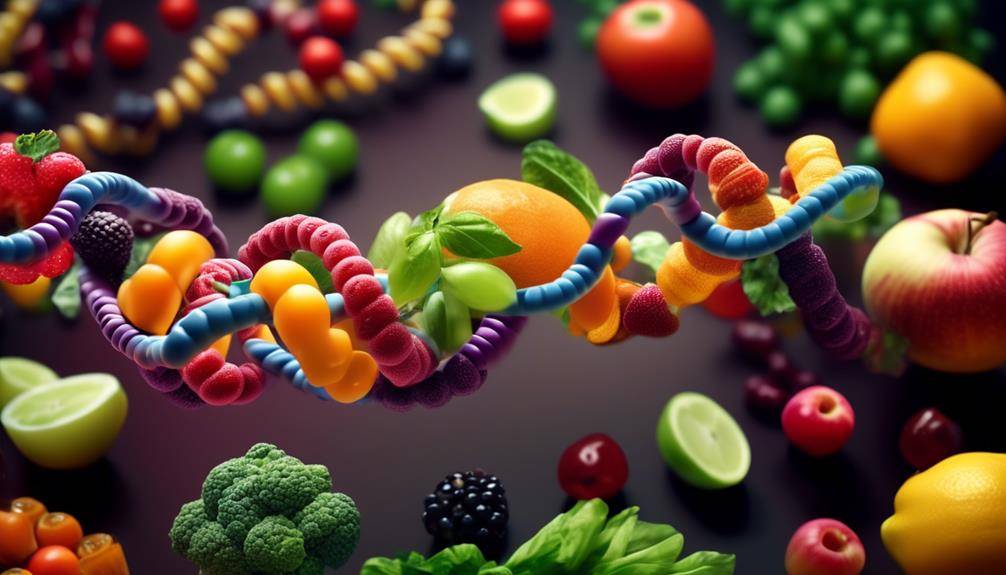
Exciting Breakthroughs in Plant-Based Protein; As you step into the world of plant-based protein production, you find yourself surrounded by a forest of possibilities. Each breakthrough represents a ray of sunlight cutting through the dense canopy of traditional agriculture. From lab-grown proteins to genetic modification, novel extraction techniques to fermentation, the landscape is vibrant with innovation. But what lies beyond these breakthroughs? What new frontiers await us in the realm of alternative protein sources? Join us as we explore the exciting advancements that are reshaping the future of sustainable protein production.
Cultured Meat: Lab-Grown Proteins
Cultured meat, also known as lab-grown meat, involves the production of protein-rich food using tissue engineering techniques in a controlled laboratory environment. This innovative method offers a sustainable solution to traditional animal farming by eliminating the need for animal slaughter and reducing the environmental impact associated with livestock production.
To produce cultured meat, scientists start by obtaining a small sample of animal cells, typically muscle cells, from a living animal. These cells are then placed in a nutrient-rich culture medium that provides the necessary components for cell growth and proliferation. The cells are carefully nurtured in a bioreactor, a controlled environment that mimics the conditions found in the body. Under these optimal conditions, the cells multiply and form muscle tissue, which can be harvested and processed to create meat products.
Tissue engineering plays a crucial role in the production of lab-grown meat. It involves the manipulation of cells and materials to create functional tissues and organs. In the case of cultured meat, tissue engineering techniques are used to stimulate cell growth, control cell differentiation, and organize cells into complex structures, such as muscle fibers. By carefully controlling the conditions in which the cells grow, scientists can ensure the production of high-quality, safe, and nutritious meat.
Lab-grown meat has the potential to revolutionize the food industry by providing a sustainable and ethical source of protein. It reduces the environmental impact associated with traditional livestock farming, such as deforestation and greenhouse gas emissions. Moreover, lab-grown meat can address the growing concerns regarding animal welfare, as it eliminates the need for animal slaughter. As research and development in tissue engineering and cell culture techniques continue to advance, the production of cultured meat is becoming more efficient and cost-effective, paving the way for a future where lab-grown meat is a viable and widely available alternative to traditional meat production methods.
Genetic Modification: Enhancing Plant Protein Content
To enhance plant protein content, scientists have focused on developing protein-rich crop varieties through genetic modification. Gene editing techniques such as CRISPR have been employed to introduce specific genetic changes that increase the production of proteins in plants. This approach allows for the targeted modification of genes associated with protein synthesis, resulting in crops with higher protein content. By harnessing these advancements, researchers aim to create plant-based protein sources with increased nutritional value, addressing the growing demand for sustainable and protein-rich food options.
Protein-Rich Crop Varieties
Protein-rich crop varieties, developed through genetic modification techniques, have shown promising results in enhancing plant protein content. These protein enhanced crops are a result of a process known as protein biofortification. By introducing specific genes into crops, scientists are able to increase the production of proteins within plant tissues. This genetic modification technique allows for the development of crop varieties with higher protein content, which can have significant implications for addressing global protein deficiencies.
Additionally, protein-rich crop varieties have the potential to contribute to sustainable food production, as they can provide a more efficient and environmentally friendly source of protein compared to traditional animal-based protein sources. Continued research and development in this area hold promise for further advancements in plant-based protein production.
Gene Editing Techniques
Have you ever wondered how genetic modification techniques can enhance plant protein content? Gene editing techniques have revolutionized the field of plant biotechnology, allowing scientists to precisely modify the genes responsible for protein synthesis. One such technique is CRISPR-Cas9, which enables targeted modifications in plant genomes. By editing specific genes involved in protein synthesis, scientists can increase the production of desired proteins in plants, ultimately leading to higher protein content.
Another technique, known as RNA interference (RNAi), can be used to silence genes that inhibit protein production, resulting in increased protein levels. These gene editing techniques offer promising opportunities to improve the nutritional value of plant-based protein sources, making them more efficient and sustainable for human consumption. With continued advancements in gene editing technology, the future of plant protein production looks promising.
Increased Nutritional Value
With the advancements in gene editing techniques such as CRISPR-Cas9 and RNA interference, scientists can now enhance the plant protein content through targeted modifications in specific genes involved in protein synthesis. This breakthrough in genetic modification holds great promise for increasing the nutritional value of plant-based protein sources. By increasing the protein content in plants, we can provide individuals with a higher nutrient density in their diets. This can be particularly beneficial for individuals who follow plant-based diets or have specific dietary restrictions.
- Increased protein content in plants allows for a more balanced and complete source of essential amino acids.
- Enhanced plant protein content can help meet the growing demand for sustainable protein sources.
- Genetic modifications targeted at specific genes involved in protein synthesis can improve the efficiency of protein production in plants.
These advancements in genetic modification techniques provide a promising avenue for increasing the nutritional value of plant-based protein sources, ultimately benefiting individuals seeking to optimize their diets and meet their protein requirements.
Novel Extraction Techniques: Maximizing Protein Yield
To optimize protein yield, novel extraction techniques are being developed and implemented in plant-based protein production. These innovative methods aim to maximize protein quality and quantity while minimizing waste. One such technique is known as ultrasonic-assisted extraction (UAE). This process involves the use of high-frequency sound waves to break down plant cell walls, facilitating the release of proteins. UAE has shown promising results in terms of improving protein extraction efficiency, as it reduces the extraction time and increases the yield compared to traditional methods.
Another novel processing method that is being explored is enzyme-assisted extraction (EAE). Enzymes are natural catalysts that can break down complex molecules, such as plant proteins, into smaller and more soluble fragments. By using specific enzymes, researchers can enhance the extraction efficiency and yield of proteins from plant sources. EAE has proven to be effective in improving protein solubility and digestibility, which are crucial factors in maximizing protein quality.
Furthermore, advances in membrane filtration technology have also contributed to maximizing protein yield. Ultrafiltration and microfiltration membranes can selectively separate proteins from other components in the plant extract, allowing for the isolation and concentration of proteins. This method ensures that valuable proteins are retained while unwanted impurities are removed, resulting in a higher protein yield.
Fermentation: a Sustainable Protein Production Method
You may be interested to know that fermentation is a highly efficient and sustainable method for producing plant-based proteins. In this process, microorganisms such as bacteria or yeast are used to convert plant-based substrates into protein-rich biomass. This microbial fermentation process offers numerous benefits, including high protein yields, reduced resource consumption, and minimal environmental impact.
Microbial Fermentation Process
The microbial fermentation process is a highly sustainable and efficient method for producing plant-based proteins. By optimizing fermentation conditions, researchers can enhance microbial fermentation efficiency and yield higher quantities of proteins. Here are three key factors to consider when optimizing fermentation conditions:
- Temperature: Controlling the temperature is crucial for promoting the growth and activity of microorganisms. Each microbial strain has an optimal temperature range for fermentation. Deviating from this range can negatively impact protein production.
- pH Level: Maintaining the appropriate pH level is essential for microbial growth and protein synthesis. Different microorganisms have different pH requirements, so adjusting the pH of the fermentation medium accordingly is vital for maximizing protein yield.
- Nutrient Availability: Providing the right nutrients for microorganisms is crucial for their growth and protein production. This includes carbon sources, nitrogen sources, vitamins, and minerals. Ensuring an optimal nutrient composition will support the efficient conversion of substrates into valuable proteins.
Sustainable Protein Production
Optimizing the fermentation process not only enhances protein yield, but it also contributes to the overall sustainability of plant-based protein production. Fermentation is a sustainable protein production method that utilizes microorganisms to convert alternative protein sources, such as plants, into valuable protein-rich products. This process offers several advantages in terms of sustainable farming methods. Firstly, fermentation reduces land and water requirements compared to traditional livestock farming, making it more environmentally friendly.
Secondly, it helps in reducing greenhouse gas emissions by eliminating the need for animal husbandry. Additionally, fermentation can utilize waste materials as feedstock, reducing waste and promoting circular economy practices. By utilizing fermentation as a sustainable protein production method, we can meet the increasing demand for protein while minimizing environmental impact and ensuring a more sustainable future.
Benefits of Fermentation
Fermentation, as a sustainable protein production method, offers numerous benefits in terms of efficiency, environmental impact, and resource utilization. This process involves the use of probiotics, such as bacteria or yeast, to convert organic matter into proteins. The benefits of fermentation include:
- Increased efficiency: Fermentation allows for the production of protein-rich foods without the need for large amounts of land, water, or other resources. It is a highly efficient process that can produce a significant amount of protein in a short period of time.
- Reduced environmental impact: Compared to traditional protein production methods, fermentation has a lower carbon footprint and generates less waste. It also reduces the reliance on animal farming, which contributes to deforestation, greenhouse gas emissions, and water pollution.
- Enhanced utilization of resources: Fermentation enables the utilization of a wide range of raw materials, including agricultural waste, by converting them into valuable protein sources. This helps to reduce food waste and maximize resource efficiency.
In fermentation, enzymes play a crucial role in breaking down complex organic compounds and converting them into proteins. These enzymes facilitate the fermentation process and ensure the efficient production of high-quality proteins.
Algae and Seaweed: Promising Plant-Based Protein Sources
Algae and seaweed are emerging as highly promising sources of plant-based protein, offering numerous potential benefits for sustainable protein production. Algae cultivation and seaweed farming have gained attention due to their high protein content, fast growth rates, and minimal resource requirements.
Algae, a diverse group of aquatic organisms, have been found to contain up to 70% protein by dry weight. This makes them an attractive option for protein production, as they can potentially provide a significant amount of protein with relatively small cultivation areas. Algae can be cultivated in ponds, tanks, or even open water, reducing the need for arable land and freshwater resources. Additionally, algae can be grown using wastewater or carbon dioxide, thereby contributing to waste management and carbon capture efforts.
Seaweed, on the other hand, is a type of macroalgae that thrives in marine environments. It is a rich source of protein, vitamins, minerals, and fiber. Seaweed farming involves the cultivation of specific species in coastal areas or offshore systems. This method has minimal environmental impact, as seaweed cultivation does not require fertilizers, pesticides, or freshwater. In fact, seaweed farming can have positive ecological effects, such as providing habitats for marine organisms and improving water quality.
Both algae and seaweed can be processed into various protein-rich products, including powders, flakes, and extracts. These products can then be used in a wide range of applications, such as food and beverage production, animal feed, and even biofuels. The versatility of algae and seaweed as protein sources makes them valuable assets in the quest for sustainable protein production.
As research and development in algae cultivation and seaweed farming continue to advance, the potential for these plant-based protein sources to contribute to global protein needs becomes increasingly evident. With their high protein content, fast growth rates, and minimal resource requirements, algae and seaweed offer a promising solution for sustainable protein production.
Cellular Agriculture: Growing Proteins Without Plants
With the advancements in sustainable protein production, a new frontier is emerging in the form of cellular agriculture, which involves growing proteins without the need for traditional plant cultivation. This innovative approach utilizes tissue engineering and synthetic biology to produce proteins directly from cells. Here are three key aspects of cellular agriculture:
- Tissue engineering: Cellular agriculture relies on the principles of tissue engineering to create protein-rich tissues in a controlled environment. By using specialized techniques, scientists can culture and grow cells that produce specific proteins. These cells are carefully selected and optimized to enhance protein production. Tissue engineering offers the potential to produce proteins at a larger scale and with greater efficiency than traditional plant-based methods.
- Synthetic biology: Synthetic biology plays a crucial role in cellular agriculture by enabling the modification of cellular processes to enhance protein production. Scientists can engineer cells to produce proteins more efficiently by introducing genetic modifications or optimizing metabolic pathways. By manipulating the genetic code of cells, synthetic biology allows for the creation of novel proteins with desired characteristics. This opens up possibilities for developing protein variants with improved nutritional profiles or functional properties.
- Sustainability and efficiency: Cellular agriculture offers several advantages over traditional plant cultivation in terms of sustainability and efficiency. By growing proteins directly from cells, it eliminates the need for large land areas, water resources, and agrochemical inputs associated with plant-based protein production. Additionally, cellular agriculture can be conducted in controlled environments, reducing the risk of crop failures due to adverse weather conditions or pests. Furthermore, the precise control over protein production in cellular agriculture allows for the production of high-quality proteins with minimal waste.
Alternative Protein Sources: Exploring New Plant Options
Exploring new plant options is essential for finding alternative protein sources in the field of sustainable protein production. As the demand for plant-based protein continues to rise, researchers and scientists are actively exploring novel plant proteins that can serve as sustainable protein alternatives. These alternative protein sources not only provide a viable solution to the increasing global demand for protein but also offer numerous environmental benefits.
One such plant option that is gaining attention is the humble duckweed. Duckweed, a small floating aquatic plant, has been found to contain high levels of protein, making it a promising candidate for sustainable protein production. It is rich in essential amino acids, vitamins, and minerals, making it a nutritionally dense plant protein source. Additionally, duckweed can be grown in various aquatic environments, including wastewater or ponds, reducing the strain on land and freshwater resources.
Another plant option being explored is the protein-rich legume called chickpea. Chickpeas are not only a staple in many cuisines but also offer a sustainable protein alternative. They are nutrient-dense, providing a good source of protein, fiber, and essential minerals. Chickpeas have the added advantage of being able to fix nitrogen in the soil, reducing the need for synthetic fertilizers and promoting soil health.
Other plant options that are being investigated include algae, hemp, and quinoa. Algae are a diverse group of photosynthetic organisms that can produce high-quality protein. They can be cultivated in various aquatic environments, offering a sustainable protein source that requires minimal land and water resources. Hemp, on the other hand, is a versatile plant that can be used for both its seeds and fibers. It is rich in protein and healthy fats, making it an attractive option for sustainable protein production. Quinoa, a grain-like crop, is also gaining popularity as a plant-based protein source due to its high protein content and amino acid profile.
Protein Engineering: Customizing Plant-Based Proteins
To customize plant-based proteins, researchers employ protein engineering techniques to modify their structures and properties. This field of study, known as plant-based protein engineering, focuses on designing proteins with specific functionalities that can be utilized in various applications, such as food production, pharmaceuticals, and industrial processes.
Here are three key aspects of plant-based protein engineering:
- Custom protein design: Protein engineers use computational tools and molecular modeling techniques to design proteins with desired characteristics. By manipulating the amino acid sequence and structure of a protein, researchers can create novel proteins or modify existing ones to enhance their functionalities. This enables the development of plant-based proteins that have improved taste, texture, nutritional profile, and other properties that make them more appealing to consumers.
- Protein structure optimization: Protein engineering techniques also allow researchers to optimize the structure of plant-based proteins. By studying the three-dimensional structure of a protein, scientists can identify key regions that can be modified to enhance stability, solubility, and other properties. This optimization process can help improve the functionality and performance of plant-based proteins in various applications.
- Protein property modification: In addition to structural modifications, protein engineering techniques can be used to modify the properties of plant-based proteins. For example, researchers can introduce specific chemical modifications, such as glycosylation or phosphorylation, to enhance the stability, bioactivity, or therapeutic potential of a protein. These modifications can also improve the functionality of plant-based proteins in food applications, such as emulsification, foaming, or gelation.
Upscaling Production: Meeting the Growing Demand
Meeting the growing demand for plant-based proteins requires efficient upscaling of production methods to ensure a stable and sustainable supply. Upscaling efficiency is a critical aspect to meet this demand while maintaining high-quality standards. To achieve this, plant-based protein manufacturers must optimize their supply chain management strategies and streamline their production processes.
Upscaling efficiency involves increasing the production capacity while minimizing resource consumption and waste generation. One way to achieve this is by implementing advanced technologies such as automation and robotics. These technologies can improve the speed and accuracy of production processes, resulting in higher productivity and reduced costs. Additionally, they can help in optimizing resource allocation and minimizing human error.
Another key aspect of upscaling efficiency is supply chain management. This involves strategically planning and coordinating the flow of raw materials, production processes, and distribution channels. Effective supply chain management ensures that the right amount of raw materials is available at the right time, minimizing delays and ensuring a continuous production cycle.
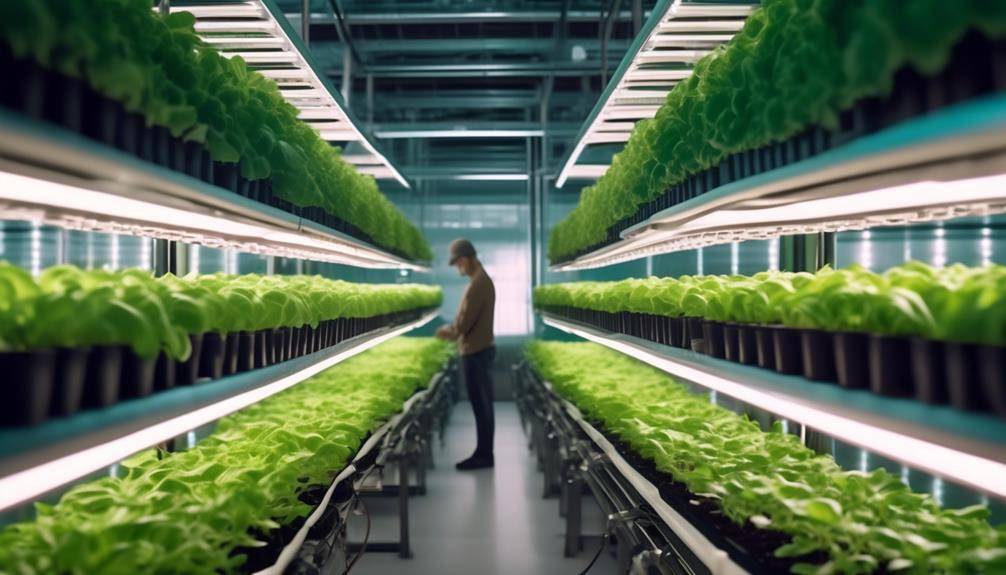
Furthermore, optimizing production methods can also contribute to upscaling efficiency. For example, utilizing bioreactors for large-scale cultivation of plant-based proteins can significantly increase production capacity compared to traditional farming methods. Bioreactors provide controlled environments that allow for higher yields and faster growth rates. Additionally, they require less land and water, making them more sustainable and environmentally friendly.
Frequently Asked Questions: Exciting Breakthroughs in Plant-Based Protein
What Are the Potential Environmental Benefits of Plant-Based Protein Production Breakthroughs?
Plant-based protein production breakthroughs offer potential environmental benefits such as increased environmental sustainability through reduced greenhouse gas emissions and decreased land and water usage. These advancements also improve agricultural efficiency and reduce reliance on livestock farming.
How Do Breakthroughs in Plant-Based Protein Production Impact Food Security and Global Hunger?
Breakthroughs in plant-based protein production improve food security and global hunger by increasing nutrition and improving food accessibility. These advancements have a significant impact on addressing the challenges of providing sufficient and sustainable protein sources for the growing global population.
Are There Any Potential Health Risks Associated With Consuming Plant-Based Proteins Produced Using These New Methods?
There may be potential allergies associated with consuming plant-based proteins produced using new methods. It is important to consider the nutritional value of these proteins and consult with a healthcare professional if you have any concerns.
How Do These Breakthroughs in Plant-Based Protein Production Compare to Traditional Methods in Terms of Cost?
When comparing the cost of breakthroughs in plant-based protein production to traditional methods, it is important to consider market demand. The advancements in this field have the potential to meet the increasing demand for sustainable protein sources at a more affordable price.
What Are the Regulatory Challenges and Considerations Surrounding the Use of These New Plant-Based Protein Production Techniques?
When considering the regulatory challenges and ethical implications surrounding the use of new plant-based protein production techniques, it is important to analyze factors such as safety, labeling requirements, and potential allergenicity.

Conclusion
In conclusion, the field of plant-based protein production has seen significant breakthroughs in various areas. Cultured meat and genetic modification have allowed for the development of proteins with enhanced content. Novel extraction techniques and fermentation methods have maximized protein yield while also promoting sustainability. Algae and seaweed have emerged as promising sources of plant-based proteins. Cellular agriculture offers the potential to grow proteins without the need for plants. Exploring alternative protein sources and protein engineering allow for customization and diversification. Finally, upscaling production is crucial to meet the growing demand for plant-based proteins.