Exciting Ways Of Spicing Up Indian Cuisine
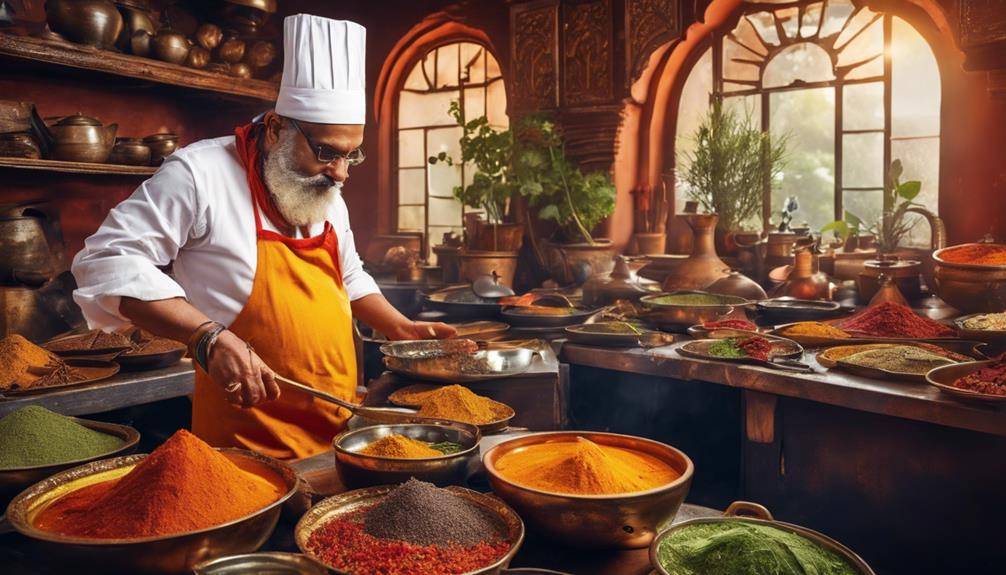
Exciting Ways Of Spicing Up Indian Cuisine; To spice up your Indian cuisine, start by understanding essential spices like cumin, turmeric, and cardamom. Each adds unique flavors and health benefits. Use techniques like tempering, where you sauté spices in hot oil, to enhance their aromas. Experiment with popular dishes like butter chicken or dosas, and create flavorful masalas by blending spices that match your taste. Pair your spices with the right ingredients for a balanced dish. Remember, ingredient quality matters, so seek fresh produce. There’s so much more to explore that can elevate your cooking experience, making your meals truly unforgettable.
Understanding Indian Spices
Indian cuisine is renowned for its vibrant flavors, largely thanks to its diverse spices. When you investigate these spices, you’ll discover their fascinating origins. Many spices, like cumin and coriander, have roots that trace back to ancient trade routes, showcasing how cultures have mingled over centuries. This rich history adds depth not only to the flavors but also to the stories behind your favorite dishes.
Understanding spice origins can enhance your cooking experience. For instance, knowing that turmeric hails from Southeast Asia allows you to appreciate its earthy taste and distinctive color. This spice isn’t just a culinary star; it’s also a powerhouse of health benefits. Turmeric contains curcumin, known for its anti-inflammatory and antioxidant properties, making it a valuable addition to your diet.
As you explore Indian spices, you’ll find that each one brings unique flavors and health advantages. For example, cardamom can aid digestion, while fenugreek may help regulate blood sugar. Incorporating these spices into your meals not only elevates the taste but also nourishes your body.
When you embrace the diversity of Indian spices, you’re not just adding flavor; you’re also enriching your health. So, the next time you cook, remember that each pinch of spice you add is steeped in history and packed with benefits. This understanding will inspire you to experiment and create dishes that are both delicious and nutritious.
Essential Cooking Techniques
Mastering a few essential cooking techniques can elevate your Indian dishes from ordinary to extraordinary. Start by understanding the importance of regional variations in Indian cuisine. Each region has its own unique methods, influenced by local ingredients and traditions. For instance, in South India, you’ll often find dishes prepared using the tempering technique, where spices are sautéed in hot oil to release their flavors before adding them to the main dish.
Next, familiarize yourself with the right cooking utensils. A heavy-bottomed pan or kadhai is ideal for sautéing and frying, while a pressure cooker speeds up cooking times, especially for lentils and beans. Don’t forget about the tawa, a flat griddle used for making roti or paratha, which can also be used to toast spices.
Another essential technique is slow cooking, which allows flavors to meld beautifully. This method is particularly effective for curries, as it lets the spices develop a deeper taste. You’ll also want to master the art of layering flavors, which involves adding spices at different stages of cooking to create a complex taste profile.
Lastly, practice your chopping skills. Uniformly sized pieces guarantee even cooking and enhance the dish’s presentation. By honing these techniques, you’ll find that your confidence in the kitchen grows, and you’ll soon be whipping up authentic Indian dishes that impress family and friends. Happy cooking!
Popular Indian Dishes
What makes certain dishes stand out in Indian cuisine? It’s the bold flavors, diverse ingredients, and rich traditions that come together, creating an unforgettable experience. Each region in India boasts its own culinary gems, showcasing regional variations that reflect local produce and cultural influences. For instance, North India is famous for its creamy butter chicken and fragrant biryanis, while South India delights with its tangy sambar and crispy dosas.
Street food also plays an essential role in popular Indian dishes. You’ve probably heard of pani puri, those delightful crispy shells filled with spiced water, or vada pav, a spicy potato fritter sandwiched in a bun. These dishes not only satisfy hunger but also offer a taste of local life and culture. Whether you’re munching on a plate of chaat in Mumbai or savoring a bowl of rasam in Chennai, street food captures the essence of Indian flavors in a way that’s both accessible and exciting.
Don’t forget about dishes like samosas, which are perfect as appetizers, or biryanis that steal the show at any gathering. Each bite tells a story, blending spices and textures that invite you to explore further. Indian cuisine is a vibrant tapestry of flavors, and by trying these popular dishes, you’ll gain a deeper appreciation for the culinary art that India has to offer. So, grab a fork, immerse yourself, and savor the adventure!
Creating Flavorful Masalas
To create flavorful masalas, you need to master essential spice combinations that bring out the best in your dishes. Understanding various cooking techniques will help you reveal the full potential of these spices. Let’s explore how to blend flavors and enhance your Indian cooking.
Essential Spice Combinations
Creating flavorful masalas is essential for bringing the vibrant tastes of Indian cuisine to life. To start, you’ll want to explore essential spice combinations that reflect the diverse spice origins and regional variations throughout India. Each region showcases unique flavors, so understanding these combinations is key.
For a classic North Indian masala, mix cumin, coriander, and garam masala. This trio adds warmth and depth, perfect for curries and stews. In South Indian cuisine, try a blend of mustard seeds, fenugreek, and curry leaves for a distinctly aromatic flavor.
For a spicy kick, consider the fiery combination of red chili powder and black pepper. This duo can elevate any dish, giving it that signature heat. If you’re in the mood for something sweeter, blend cardamom, cinnamon, and cloves for a fragrant masala excellent in desserts or chai.
Experimenting with these combinations allows you to create your own signature masalas. Don’t be afraid to adjust the ratios based on your taste preferences, as that’s where the magic happens. The right masala can transform ordinary ingredients into an extraordinary meal!
Cooking Techniques Explained
While mastering cooking techniques can seem challenging, understanding how to create flavorful masalas is essential for enhancing your dishes. Start by toasting whole spices like cumin and coriander in a dry pan. This process releases their essential oils, intensifying their flavors. Once toasted, grind them into a fine powder.
For a rich masala, consider using slow simmering. Sauté chopped onions, garlic, and ginger in oil until golden brown, then add your ground spices. Allow the mixture to cook on low heat, letting the flavors meld together. This technique helps develop a deep, robust profile that’s the backbone of many Indian dishes.
If you’re venturing into tandoori cooking, marinate your proteins with yogurt and spices before grilling. The yogurt not only tenderizes the meat but also infuses it with the vibrant flavors of your masala.
Don’t forget to experiment with different spice combinations to find what suits your palate. With practice, you’ll master these techniques and create masalas that elevate your Indian cuisine to new heights. Keep experimenting, and soon you’ll be creating dishes that impress family and friends alike!
Pairing Spices With Ingredients
When it comes to Indian cuisine, the right spice can elevate your dish from ordinary to extraordinary. Understanding spice origins and flavor profiles is essential for mastering the art of pairing spices with ingredients. For example, cumin, with its warm, earthy notes, pairs beautifully with lentils, while the bright, citrusy flavor of coriander complements dishes with tomatoes and seafood.
Different regions in India boast unique culinary traditions that highlight specific spices. In South India, you might find curry leaves and mustard seeds working wonders in coconut-based dishes, whereas North Indian cuisine often showcases garam masala, enhancing the richness of creamy gravies. Recognizing these regional variations will help you create authentic flavors.
Don’t forget about seasonal spices! Incorporating spices like cardamom and nutmeg in winter can warm your dishes, while lighter spices such as mint or fennel are perfect for summer. Additionally, understanding the health benefits of spices can guide your choices—turmeric, known for its anti-inflammatory properties, enhances both flavor and wellness when paired with vegetables.
Proper spice storage is vital to maintaining the potency of your spices. Store them in airtight containers away from light and heat to preserve their vibrant flavors. Experimenting with various spice pairings will allow you to discover new combinations and enhance your culinary skills. So, immerse yourself in the world of spices, and let your ingredients shine!
Tips for Perfecting Recipes
To elevate your Indian cooking, start by focusing on the quality of your ingredients. Fresh, high-quality spices and produce can transform a good dish into an unforgettable one. Once you’ve got that down, mastering spice blends will take your recipes to the next level.
Ingredient Quality Matters
Ingredient quality plays an essential role in elevating your Indian dishes from good to unforgettable. When you’re sourcing your ingredients, look for fresh, high-quality produce, spices, and herbs. Local farmers’ markets often offer vibrant vegetables and fragrant herbs that can transform your recipes. Don’t hesitate to ask about the origin of the ingredients; knowing where they come from can make a considerable difference in flavor.
When it comes to spices, proper storage is key. Store your spices in airtight containers, away from direct sunlight and moisture, to maintain their potency. Whole spices tend to last longer and retain their flavor better than ground ones, so consider grinding them fresh when you need them. This simple step can considerably enhance the aroma and taste of your dishes.
Additionally, don’t overlook the importance of quality oils and fats. Using high-grade ghee or oil can add depth to your cooking, making a noticeable difference in your final dish. Remember, investing time and thought into ingredient sourcing and spice storage will lead you to create Indian cuisine that’s not just good, but truly memorable.
Mastering Spice Blends
Creating the perfect spice blend is like composing a symphony for your taste buds. You want each ingredient to harmonize beautifully, enhancing your dish without overpowering it. Start by experimenting with regional spice variations. For instance, South Indian dishes often feature a blend of mustard seeds, curry leaves, and dried red chilies, while North Indian recipes might call for cumin, coriander, and garam masala.
To master your blends, toast whole spices before grinding them. This releases essential oils, intensifying their flavors. Pay attention to ratios; a good rule of thumb is to use three parts of your base spice, like cumin, to one part of more potent spices, like cloves.
Once you’ve perfected your blend, don’t forget about spice storage tips. Keep your spices in airtight containers, away from light and moisture to preserve their potency. Label each container with the blend name and date, so you know what you have on hand. By following these steps, you’ll elevate your recipes, making them a delightful experience for anyone lucky enough to taste them. Happy blending!
Frequently Asked Questions: Exciting Ways Of Spicing Up Indian Cuisine
How Do I Store Spices for Maximum Freshness?
To store spices for maximum freshness, use airtight containers. Keep them in a cool, dark place, away from heat and moisture. This’ll help preserve their flavors and aromas, ensuring your dishes stay vibrant and delicious.
Can I Substitute Fresh Spices for Dried Ones?
You can substitute fresh spices for dried ones, but keep in mind that fresh versus dried has different flavor profiles. Generally, use three times the amount of fresh to achieve a similar taste intensity.
What Are the Health Benefits of Indian Spices?
Indian spices offer numerous health benefits. Turmeric’s benefits include anti-inflammatory properties, while cumin’s effects aid digestion and boost immunity. Incorporating these spices into your diet can enhance overall well-being and support a healthier lifestyle.
Are There Any Common Spice Allergies to Be Aware Of?
Yes, you should be aware of common allergenic spices like cumin, coriander, and mustard. If you experience spice allergy symptoms such as itching or swelling, it’s best to consult a healthcare professional for guidance.
How Do I Know if My Spices Are Past Their Prime?
To know if your spices are past their prime, check for spice aging by examining color and aroma. If they lack flavor intensity or smell dull, it’s time to replace them for better taste.

Conclusion
By exploring the vibrant world of Indian spices and mastering essential cooking techniques, you’re well on your way to elevating your culinary skills. Experiment with creating your own flavorful masalas and don’t hesitate to pair spices with various ingredients to discover new tastes. Remember, practice makes perfect, so keep refining your recipes to suit your palate. With these tips, you’ll transform your dishes into exciting culinary adventures that will impress family and friends alike!
If you enjoyed exploring this topic and want to dive even deeper, be sure to check out some of our other articles here on Infinite Flavors. From rich culinary histories to creative twists on classic recipes, there’s always something new to discover. Whether you’re curious about the origins of a dish, looking for fresh inspiration in the kitchen, or simply love learning about food culture, our collection of posts is the perfect next step on your flavor journey.
Three Key Spices For Authentic Chinese Cuisine
infiniteflavors.blog/pressure-cooker-recipes-for-your-potluck/
11 Of The Best Pressure Cooker Recipes From Italian Cuisine