Great Fresh Vs Dried Spices A Culinary Exploration
Fresh Vs Dried Spices A Culinary Exploration; Are you tired of bland and monotonous flavors in your meals? Are you looking to elevate your culinary skills to the next level? Well, look no further than the age-old debate of fresh versus dried spices. In this culinary exploration, we will delve into the intriguing world of spices and uncover the secrets behind their flavor profiles, aroma, cooking techniques, shelf life, and nutritional value. Prepare to embark on a tantalizing journey that will leave your taste buds craving for more.
Flavor Profiles: Fresh Vs Dried
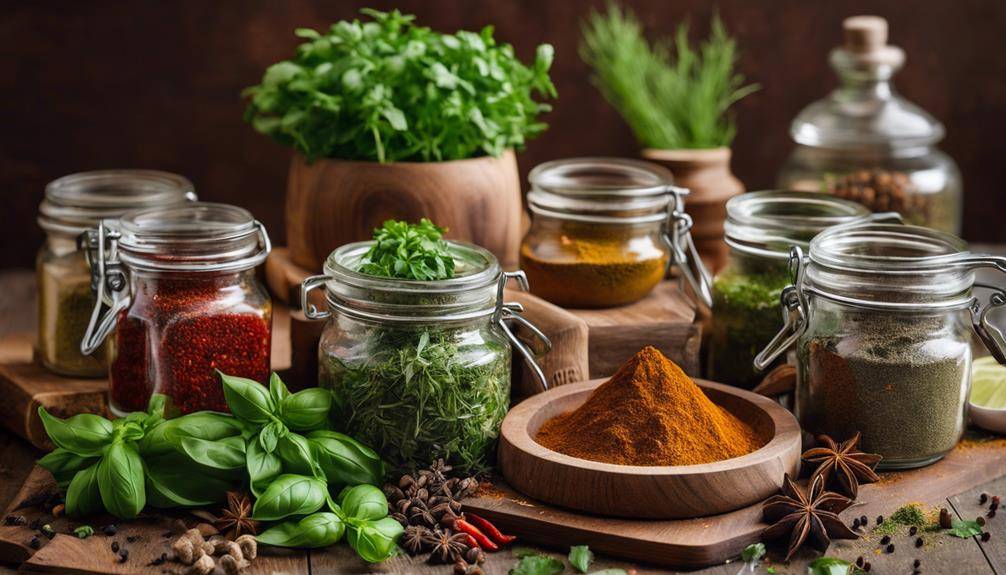
When comparing the flavor profiles of fresh and dried spices, it is important to consider the nuances that each form brings to your culinary creations. Fresh spices, such as basil, thyme, or ginger, offer a vibrant burst of flavor that is unmatched by their dried counterparts. The taste of fresh spices is often described as bright, aromatic, and full-bodied. Their flavors are more pronounced and their aroma is more intense. For example, fresh basil has a distinct peppery and slightly sweet taste, while dried basil tends to be more muted and earthy.
On the other hand, dried spices, like oregano, rosemary, or cinnamon, provide a deeper and more concentrated flavor. Drying spices removes the water content, leading to a more concentrated taste. This process enhances the natural oils and compounds within the spice, resulting in a more robust and complex flavor. Dried oregano, for instance, has a stronger and more pungent taste compared to its fresh counterpart. Similarly, dried rosemary has a more pronounced pine-like flavor, while fresh rosemary is milder and slightly citrusy.
When it comes to taste comparison, the choice between fresh and dried spices ultimately depends on the specific dish and personal preference. Fresh spices are ideal for dishes that require a vibrant and aromatic flavor, such as salads or delicate sauces. On the other hand, dried spices are more suitable for recipes that benefit from a deeper and more concentrated taste, like stews or marinades.
Aroma: Comparing Fresh and Dried Spices
The aroma of fresh and dried spices can vary significantly, each offering its own unique olfactory experience. When comparing the aromas of fresh and dried spices, there are several factors to consider:
- Intensity: Fresh spices tend to have a more intense aroma compared to their dried counterparts. This is because the essential oils responsible for the aroma are at their peak in fresh spices. Drying spices can lead to a loss of some of these oils, resulting in a slightly less potent aroma.
- Complexity: Fresh spices often have a more complex aroma profile, with a range of nuanced notes. Drying spices can sometimes simplify the aroma, as certain volatile compounds may evaporate during the drying process. However, this can also lead to a more concentrated and focused aroma in dried spices.
- Stability: Dried spices generally have a longer shelf life compared to fresh spices. This is because drying removes moisture, which helps to prevent the growth of bacteria and fungi. As a result, dried spices can retain their aroma for a longer period of time, providing a consistent experience even after months of storage.
- Compatibility: The choice between fresh and dried spices can also depend on the specific dish or cuisine. Some recipes may call for the vibrant and aromatic qualities of fresh spices, while others may benefit from the concentrated and stable aroma of dried spices. Experimentation and personal preference play a significant role in determining which type of spice is best suited for a particular dish.
Cooking Techniques: Using Fresh and Dried Spices
To effectively utilize fresh and dried spices in your cooking, understanding the different cooking techniques for each type is essential. The choice between using fresh or dried spices can greatly impact the flavor and aroma of your dishes. When it comes to cooking methods, fresh spices are often more suitable for dishes that require shorter cooking times or are served raw, such as salads or dressings.
The vibrant flavors and aromas of fresh spices can be easily incorporated into these dishes, enhancing their overall taste. On the other hand, dried spices are better suited for dishes that require longer cooking times, such as stews, soups, or slow-cooked meats. The intense and concentrated flavors of dried spices can withstand the lengthy cooking process without losing their potency.
When using fresh spices in cooking, it is important to remember that they are more delicate and can lose their flavor quickly when exposed to heat for long periods. To preserve their freshness, it is best to add them towards the end of the cooking process. Alternatively, you can also use fresh spices as a garnish or in marinades to infuse the dish with their aromatic qualities.
If you find yourself without fresh spices, don’t fret. There are spice substitutions you can make using their dried counterparts. As a general rule, when substituting dried spices for fresh, you should use approximately one-third of the amount specified in the recipe. However, it is important to note that dried spices have a more concentrated flavor, so you may need to adjust accordingly to achieve the desired taste.
Shelf Life: the Longevity of Fresh and Dried Spices
Fresh and dried spices have different shelf lives, with fresh spices typically having a shorter lifespan than their dried counterparts. Understanding the longevity of spices is crucial for maintaining their flavor and effectiveness in cooking. Here, we will explore the shelf life of fresh and dried spices, as well as the impact of storage methods on their quality and the overall cooking experience.
When it comes to shelf life, dried spices have a significant advantage over fresh spices. The drying process removes moisture from the spices, inhibiting the growth of bacteria and mold that can cause spoilage. As a result, dried spices can last much longer than fresh spices. However, it is important to note that even dried spices can lose their potency over time, so it is essential to properly store them.
To ensure the longevity of your spices, consider the following storage methods:
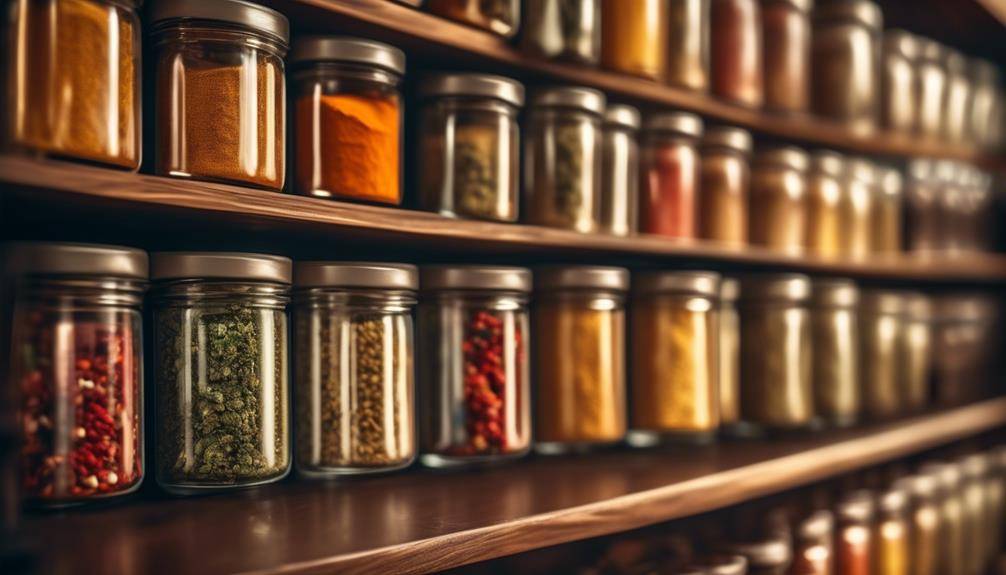
- Airtight containers: Store dried spices in tightly sealed containers to prevent moisture and air from entering. This will help maintain their flavor and aroma for a longer period.
- Cool and dark location: Exposure to heat, light, and humidity can accelerate the deterioration of spices. Therefore, store them in a cool, dark place, such as a pantry or cupboard, away from direct sunlight and sources of heat.
The impact of storage methods on cooking cannot be underestimated. Using fresh spices can enhance the flavors and aromas of your dishes, providing a vibrant and intense taste. On the other hand, using expired or improperly stored spices can result in a lackluster and bland culinary experience. Therefore, it is crucial to regularly check the freshness of your spices and replace them as needed.
Nutritional Value: Exploring the Benefits of Fresh and Dried Spices
Exploring the nutritional benefits of fresh and dried spices reveals their impact on enhancing the flavor and healthfulness of your meals. Both fresh and dried spices are packed with essential nutrients that can contribute to a healthier diet. However, the cooking methods used can affect the nutritional value of these spices.
Fresh spices, such as basil, cilantro, and mint, are known for their vibrant flavors and aromas. They are also rich in vitamins, minerals, and antioxidants. When used in cooking, fresh spices can provide a burst of flavor and add a nutritional boost to your meals. However, the heat from cooking can cause some loss of nutrients in fresh spices. To maximize their nutritional value, it is best to add fresh spices towards the end of the cooking process or use them as garnishes.
On the other hand, dried spices, like turmeric, cinnamon, and paprika, are convenient and have a longer shelf life. Despite the drying process, they still retain a significant amount of their nutritional value. In fact, some studies have found that certain dried spices, such as turmeric, have higher levels of antioxidants compared to their fresh counterparts. Dried spices can also withstand higher cooking temperatures, making them suitable for various cooking methods, including roasting, grilling, and sautéing.
Both fresh and dried spices offer unique health benefits. For instance, turmeric, whether fresh or dried, contains a compound called curcumin, known for its anti-inflammatory properties. Cinnamon, another popular spice, has been linked to improved blood sugar control. Garlic, whether fresh or dried, contains compounds that may help reduce blood pressure and cholesterol levels.
Frequently Asked Questions: Fresh Vs Dried Spices A Culinary Exploration
Are There Any Spices That Should Only Be Used Fresh and Not Dried?
Some spices, like basil and cilantro, have a more vibrant flavor when used fresh rather than dried. However, it ultimately depends on personal preference and the cooking technique being used.
Can Fresh and Dried Spices Be Used Interchangeably in Recipes?
Yes, fresh and dried spices can be used interchangeably in recipes. However, there are benefits to using fresh spices in cooking, as they provide a more intense flavor compared to dried spices.
How Do Fresh and Dried Spices Affect the Texture of a Dish?
When exploring the impact of fresh and dried spices on dish texture, it is important to consider a sensory analysis approach. Comparing flavor profiles through a taste test experiment can provide valuable insights.
Are There Any Specific Cooking Methods That Are Better Suited for Fresh or Dried Spices?
When it comes to cooking techniques, fresh and dried spices have their own strengths. Fresh spices are great for dishes that require a bright and vibrant flavor, while dried spices are perfect for recipes that benefit from a more intense and concentrated taste.
Can the Nutritional Value of Fresh and Dried Spices Vary Significantly?
The nutritional value of fresh and dried spices can vary significantly. Cooking techniques can affect the retention of nutrients in fresh spices, while drying can concentrate some beneficial compounds in dried spices.

Conclusion
In conclusion, the choice between fresh and dried spices ultimately depends on the desired flavor profile and cooking technique. While fresh spices offer a vibrant aroma and intense flavor, dried spices provide convenience and a longer shelf life. Both types have their own unique benefits and can enhance the taste of dishes in different ways. Whether you opt for the freshness of herbs or the convenience of dried spices, incorporating them into your culinary repertoire will undoubtedly elevate your cooking experience.
If you enjoyed exploring this topic and want to dive even deeper, be sure to check out some of our other articles here on Infinite Flavors. From rich culinary histories to creative twists on classic recipes, there’s always something new to discover. Whether you’re curious about the origins of a dish, looking for fresh inspiration in the kitchen, or simply love learning about food culture, our collection of posts is the perfect next step on your flavor journey.
The 5 Best Recipes For Homemade Cooking Spice Blends
Three Key Spices For Authentic Chinese Cuisine
The Best Ways Of Spicing Up Indian Cuisine A How-To Guide