Unveiling The Exciting German Cuisine’s Impact On European Cooking
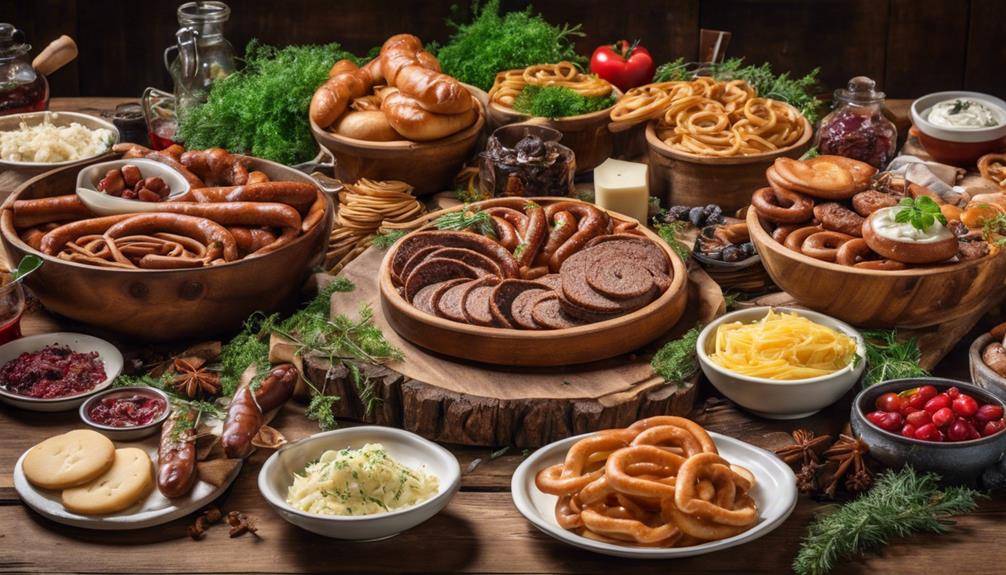
German Cuisine’s Impact On European Cooking; German cuisine has greatly shaped European cooking by introducing essential ingredients and culinary techniques. You’ll notice that hearty meats, rustic breads, and comforting potatoes are staples across various regional dishes. German influence stretches to neighboring countries, inspiring iconic meals like schnitzels in Austria and strudels in Hungary. Local spices and preservation methods have also enriched recipes, creating unique flavors that continue to evolve. Festivals celebrate these culinary traditions, showcasing their cultural importance. If you explore further, you’ll uncover how modern chefs are innovating and blending these rich traditions with contemporary flavors.
Historical Overview of German Cuisine
German cuisine has often played a significant role in shaping European cooking traditions. As you explore its historical overview, you’ll see how cultural exchanges and migration influences have molded the flavors and techniques we associate with German food today.
In the early days, the movement of tribes across Europe brought various culinary practices together. The Romans introduced new ingredients and cooking methods that left an imprint on German cuisine. As you dig deeper, you’ll notice how trade routes facilitated the exchange of spices and herbs, enriching regional dishes.
During the Middle Ages, the Holy Roman Empire served as a melting pot for diverse culinary influences. This period saw German cooks adopting and adapting recipes from neighboring countries, which led to the emergence of unique regional specialties. As people migrated for work or safety, they brought their culinary traditions with them, contributing to the rich tapestry of German cuisine.
Key Ingredients in German Cooking
At the heart of German cooking lies a diverse array of key ingredients that define its unique flavors and textures. You’ll find that meats, particularly pork, are central to many dishes, with sausages like bratwurst and bockwurst showcasing Germany’s rich meat heritage. These proteins not only provide depth but also form the backbone of traditional meals.
When it comes to grains, you’ll often encounter hearty breads, such as rye and sourdough. These grains contribute to Germany’s key flavor profiles, offering a rustic and earthy base that complements the boldness of the meats. Potatoes also play a pivotal role, appearing in various forms like dumplings or salads, adding a comforting element to any meal.
Essential herbs in German cooking include parsley, dill, and chives, each bringing a fresh brightness to dishes. You might also notice the use of caraway seeds, particularly in breads and stews, which impart a distinct, warm flavor that enhances the overall taste experience.
Spices like mustard and paprika are frequently used, adding an extra kick to sauces and marinades. And let’s not forget about pickled vegetables, which provide a tangy contrast to richer dishes, balancing flavors beautifully.
Understanding these key ingredients will help you appreciate the depth of German cuisine and its influence on European cooking as a whole. So, next time you cook or dine German-style, pay close attention to these fundamentals that create a memorable culinary experience.
Traditional German Dishes
Exploring the heart of German cuisine reveals a variety of traditional dishes that highlight the key ingredients we’ve just discussed. One staple is sauerkraut, which showcases long-standing sauerkraut traditions, serving as a tangy side that complements many meals. When it comes to meat, schnitzel variations are popular, with breaded and fried options that are crispy and satisfying.
Potato dumplings, often served with rich gravies, are another beloved dish that adds a comforting element to any feast. If you’re feeling adventurous, try the famous Black Forest cake, a decadent dessert layered with chocolate, cherries, and cream. And let’s not forget pretzel history; these twisted delights are perfect for snacking, with their chewy texture and salty crust.
For a unique take on pasta, plunge into spaetzle recipes. These soft, egg noodles can be flavored with herbs and served alongside savory dishes. Don’t overlook kohl recipes, which often highlight cabbage in various forms, enhancing the meal’s nutritional value.
Sauerbraten styles bring a delightful sour flavor to pot roast, marinated for days to develop a rich taste. Another fast-food favorite, currywurst, traces its origins back to post-war Germany, combining sausage with a tangy curry sauce. Finally, beef roulade is a hearty option, where thinly sliced beef is rolled with mustard, onions, and pickles, then braised to perfection. Each of these dishes reflects the rich tapestry of German culinary traditions.
Influence on Neighboring Countries
Numerous neighboring countries have embraced elements of German cuisine, weaving them into their own culinary traditions. This cultural exchange reflects how food can transcend borders, creating a shared culinary heritage. For instance, in Austria, you’ll find that schnitzels and strudels are staples, showcasing a clear influence from Germany. Similarly, in Switzerland, the fondue culture often incorporates German cheeses and breads, emphasizing the delightful fusion of flavors.
As you explore the cuisines of these countries, you can see how German cooking techniques and ingredients have been adapted to local tastes. In Poland, you’ll discover dishes like pierogi that sometimes feature German-inspired fillings, such as sauerkraut and meats. This blending isn’t just about taste; it’s a form of culinary diplomacy that fosters connections among nations. Food often serves as a conversation starter, allowing people to bond over shared meals and traditions.
Even in France, particularly in regions close to Germany, you’ll notice that dishes such as choucroute garnie reflect a beautiful mix of both cultures, highlighting how seasonal ingredients can unite different culinary practices. As you savor these dishes, remember that they embody more than just flavors; they carry stories of migration, adaptation, and mutual respect.
Ultimately, the influence of German cuisine on its neighbors illustrates the power of food as a medium for cultural exchange, enriching the culinary landscape of Europe.
German Techniques in Culinary Arts
German culinary techniques have considerably shaped the art of cooking across Europe, emphasizing precision and a deep respect for ingredients. One of the standout methods you might encounter is sous vide, which allows for precise temperature control and enhances the natural flavors of your ingredients. Mastering this technique can elevate your cooking to a new level.
Fermentation techniques, deeply rooted in German cuisine, also play a significant role. By incorporating these methods, you not only preserve foods but also develop complex flavors that can transform your dishes. As you refine your knife skills, you’ll find that they’re vital for achieving uniform cuts, ensuring even cooking and a polished presentation.
Speaking of presentation, plating aesthetics is where your creativity can shine. Germans often focus on clean lines and vibrant colors, making the dish visually appealing. Flavor layering is another essential technique. By combining different tastes and textures, you can create a harmonious balance that excites the palate.
When it comes to cooking methods, German cuisine showcases a variety of approaches, from roasting to braising. Each method emphasizes the importance of ingredient sourcing, encouraging you to choose high-quality, seasonal products. This not only enhances your dishes but also supports local economies.
Sausages: A European Staple
When you think of sausages, you can’t help but notice the rich regional variations across Europe. Their historical significance reveals how these tasty links have shaped cultures and traditions over time. Plus, pairing them with beer enhances the experience, making sausages a true staple in European cuisine.
Regional Variations Explained
Sausages have become a beloved staple across Europe, showcasing a rich tapestry of regional variations that reflect local tastes and traditions. Each country brings its own twist, from Germany’s bratwurst to Italy’s salsiccia, emphasizing unique flavor profiles shaped by culinary heritage. You’ll find that local markets often brim with these regional specialties, providing an opportunity to explore seasonal ingredients that enhance their taste.
Traditional practices play an essential role in sausage-making, where families pass down cherished family recipes through generations. These recipes often highlight ingredient sourcing, focusing on locally available meats and spices, which not only bolsters the economy but also guarantees freshness. You might notice that the cooking techniques vary widely, from grilling and smoking to poaching, each method lending a distinct character to the final product.
The cultural significance of sausages can’t be overstated, as they often feature in festivals and gatherings, celebrating community and heritage. By trying different varieties, you engage with the local culture and history, making every bite a delicious journey through Europe’s diverse culinary landscape.
Historical Significance Uncovered
Throughout history, sausages have played a crucial role in shaping the culinary landscape of Europe. You can trace their origins back to ancient civilizations, where preservation methods were essential for survival. As people traveled and settled across the continent, they brought their unique recipes and techniques, leading to significant cultural exchanges. Each region adapted the sausage-making process, incorporating local spices and meats, which enriched the variety you see today.
Sausages became a symbol of culinary heritage, representing the stories and traditions of various communities. In Germany, for instance, the wide array of sausages reflects the country’s diverse regional flavors. Likewise, countries like Italy and France have also developed their distinct sausage varieties, each with its own historical significance.
These savory links to the past not only showcase the ingenuity of early cooks but also foster a sense of identity and belonging. When you savor a sausage, you’re tasting centuries of history, tradition, and cultural integration. By appreciating these culinary creations, you’re honoring the rich tapestry of European cooking that sausages have helped to weave.
Pairing With Beer
The delightful combination of sausages and beer has become a staple in European dining, showcasing a harmonious blend of flavors that enhances both. When you explore various beer styles, you’ll find that each complements different sausages beautifully. For instance, a rich, dark lager pairs well with smoky bratwurst, while a crisp pilsner enhances lighter sausages made with local ingredients.
Understanding brewing traditions and cultural significance is essential. You’ll discover how historical context shaped these culinary practices, leading to diverse food pairings across regions. Regional breweries often craft seasonal brews that elevate your tasting experiences, making beer festivals an excellent opportunity to sample these unique combinations.
Embracing culinary creativity, you can experiment with pairing guidelines to find the perfect match for your favorite sausage. Consider the flavor profiles of both the beer and the sausage; the right integration can transform a simple meal into a gastronomic delight. As gastronomy trends evolve, so too do the ways you can enjoy this classic pairing, ensuring that sausages and beer remain a beloved choice across Europe.
The Role of Beer in Cooking
Infusing dishes with beer not only enhances flavors but also showcases the versatility of this beloved beverage in cooking. By exploring various beer varieties, you can elevate your culinary creations, adding depth and complexity. From lagers to stouts, each type brings unique flavor profiles that can transform a simple recipe into a gastronomic delight.
You can employ diverse cooking techniques, such as braising, marinating, or even baking, to incorporate beer into your dishes. For instance, using a rich porter in a beef stew not only tenderizes the meat but also imbues it with a robust flavor. Regional pairings also play an essential role; pairing local beers with traditional dishes can create a harmonious dining experience that reflects the brewing history of a specific area.
When experimenting with fermentation methods, consider how beer can enhance the taste of sauces, batters, and doughs. Culinary traditions across Europe showcase the long-standing relationship between cooking and brewing, with many recipes passed down through generations. This connection not only highlights gastronomy influences but also emphasizes the significance of regional ingredients.
Embracing beer in cooking allows you to explore a world of flavors while honoring the rich cultural heritage tied to both food and drink. Whether you’re preparing a classic German dish or a modern fusion creation, integrating beer can elevate your meals, making them unforgettable for you and your guests. So, next time you cook, don’t hesitate to reach for a bottle and release its potential in your kitchen.
German Pastries and Their Legacy
When you think of German pastries, iconic treats like strudel and Black Forest cake probably come to mind. Each region boasts its own unique variations, showcasing the diversity within German baking. You’ll see how these delightful pastries have influenced desserts across Europe, shaping sweet traditions far beyond Germany’s borders.
Iconic German Pastry Types
German pastries are a delightful representation of the country’s rich culinary heritage, showcasing a variety of textures and flavors that have influenced European baking. Among these iconic treats, Bienenstich cake stands out with its honey-glazed crust, creamy filling, and nutty flavor. You can’t forget the famous Black Forest cake, a layered chocolate delight adorned with cherries and whipped cream.
Lebkuchen cookies, often enjoyed during the holidays, offer a spiced sweetness that warms the heart. Stollen bread, traditionally baked for Christmas, brings a rich blend of dried fruits and nuts wrapped in a soft, sweet dough. When it comes to Apfelstrudel variations, you’ll find flaky pastry filled with spiced apples that create a comforting dessert experience.
Krapfen flavors, which range from fruity to creamy, provide a delightful surprise in every bite. And let’s not overlook Käsekuchen styles, which present creamy cheesecake that melts in your mouth. Finally, Pudding desserts, whether custard-like or chocolatey, add a smooth finish to any meal. Each of these pastries embodies the essence of German baking, leaving a lasting legacy on the continent’s culinary landscape.
Regional Variations Explored
The diversity of German pastries reflects not only regional tastes but also cultural influences that have shaped their evolution. As you explore the various local specialties, you’ll notice each region boasts its own unique treats. For instance, in Bavaria, you can’t miss the buttery, flaky Breze, while in Berlin, the iconic Berliner Pfannkuchen, a jam-filled doughnut, captures the city’s spirit.
Each pastry tells a story, often influenced by neighboring countries and local ingredients. This culinary diversity is evident in the rich selection of cakes, cookies, and tarts that vary from the Black Forest’s famous Schwarzwälder Kirschtorte to the sweet, nutty Stollen from Dresden.
As you savor these delights, you’ll appreciate how each pastry reflects the history and traditions of its region. Visiting local bakeries, you’ll find that each pastry not only satisfies your taste buds but also connects you to the culture and heritage of the area. By indulging in these regional specialties, you’re participating in a long-standing tradition that continues to evolve while honoring the past.
Influence on European Desserts
Pastries from Germany have woven themselves into the fabric of European desserts, influencing a variety of sweet treats across the continent. German dessert innovations, like the iconic Black Forest cake and strudel, showcase rich flavors and intricate techniques that have inspired local adaptations. You’ll find regional pastry techniques blending seamlessly with traditional sweet pairings, creating delightful combinations that highlight seasonal dessert variations.
Dessert cultural exchanges have played a significant role in spreading these delicious customs. Chocolate influences, evident in German confections, have sparked a wave of creativity in French and Belgian desserts, leading to decadent chocolate tarts and truffles. During festive seasons, German pastries like stollen and lebkuchen find their way into holiday celebrations across Europe, enriching the festive dessert traditions of various cultures.
Additionally, German fruit-based desserts, often featuring apples, cherries, or plums, have inspired delightful variations in countries like Austria and Poland. As you explore European desserts, you’ll see how German pastries not only stand on their own but also elevate the entire dessert landscape, fostering a rich tapestry of flavors, techniques, and traditions that delight sweet lovers everywhere.
Festivals Celebrating German Cuisine
Celebrating German cuisine through vibrant festivals offers a unique glimpse into the country’s rich culinary traditions. You’ll find a variety of events throughout the year that highlight regional dishes, local ingredients, and time-honored cooking techniques. Mark your festivals calendar, because these lively gatherings not only showcase food but also bring communities together in a celebration of culture.
One of the most famous events is Oktoberfest, where you can indulge in delicious sausages, pretzels, and, of course, a wide selection of beers. This festival isn’t just about drinking; it also features culinary competitions that challenge local chefs to create innovative dishes inspired by traditional recipes. You’ll get to taste the best of what German cuisine has to offer while enjoying live music and traditional dance.
Another remarkable event is the Christmas markets, which appear throughout Germany during the holiday season. These markets are a feast for the senses, with stalls brimming with gingerbread, roasted chestnuts, and mulled wine. Participating in these festive atmospheres allows you to experience the warmth of German hospitality firsthand.
As you explore these festivals, you’ll discover not just the flavors of German cuisine but also its deep-rooted cultural significance. Embrace the opportunity to learn about the stories behind each dish while enjoying the lively atmosphere that these culinary celebrations provide. Trust me, you’ll leave with a greater appreciation for the impact German cuisine has on European cooking!
Cross-Cultural Culinary Exchanges
When you explore cross-cultural culinary exchanges, you’ll notice how historical influences shape modern cuisine. You’ll find that regional ingredient adaptations create unique flavors, while fusion dishes highlight the exciting trends emerging from these interactions. Understanding these connections can deepen your appreciation for the diverse landscape of European cooking.
Historical Influences on Cuisine
German cuisine, with its rich tapestry of flavors and techniques, has profoundly influenced European cooking through centuries of cross-cultural exchanges. These exchanges date back to the Holy Roman Empire, where trade routes facilitated the sharing of ingredients and cooking methods. As you explore the culinary heritage of Germany, you’ll uncover how various regions contributed to a diverse palette that transformed neighboring cuisines.
For instance, the introduction of spices and preservation techniques from the East enriched German cooking, while German sausages and breads made their way into the culinary practices of neighboring countries. You can see this impact in dishes like the French saucisse or the Czech trdelník, which carry hints of German influence.
Moreover, the migration of German communities across Europe led to a blending of flavors and traditions. Festivals and communal gatherings became a platform for sharing recipes and culinary practices, further cementing the ties between German cuisine and its European counterparts. By embracing these cultural exchanges, you not only celebrate the unique aspects of German cooking but also appreciate its role in shaping a broader European culinary landscape. The past echoes in every bite, reminding you of the rich history behind your meal.
Regional Ingredient Adaptations
The influence of German cuisine on regional ingredient adaptations highlights how interconnected European culinary practices have become. You’ll notice that many chefs and home cooks are now embracing local sourcing and seasonal ingredients, reflecting a growing appreciation for what’s available in their own backyards. This shift allows for greater collaboration with artisan producers, who often supply traditional markets with unique offerings.
As you explore various European dishes, you’ll see how flavor profiles have evolved through ingredient substitutions. For instance, a German-inspired recipe might incorporate indigenous crops from a particular region, showcasing local culinary heritage while maintaining its essence. This practice not only enhances the dish but also celebrates regional specialties, making each meal a reflection of its locale.
The farm-to-table movement has further strengthened these connections, encouraging chefs to prioritize fresh, locally sourced ingredients. By honoring the traditions of German cuisine and combining them with regional nuances, you’re encouraged to experiment in your kitchen. Ultimately, this cross-cultural culinary exchange results in a vibrant tapestry of flavors, enriching your cooking experience and fostering a deeper appreciation for the diverse ingredients each region has to offer.
Fusion Dishes and Trends
There’s a growing fascination with fusion dishes that blend German culinary traditions with flavors from across Europe and beyond. You’ll find gourmet fusions that creatively combine classic German ingredients with Mediterranean spices or Asian techniques, resulting in exciting cultural blends. Think of a sauerkraut-stuffed gyoza or a schnitzel served with a chimichurri sauce; these dish reinterpretations showcase how culinary innovations can build bridges between diverse cuisines.
As you explore these taste explorations, pay attention to ingredient mashups that highlight seasonal influences. For example, you might encounter a seasonal potato salad that incorporates fresh herbs and citrus, balancing German heartiness with a revitalizing twist. The flavor combinations in these dishes challenge your palate and invite you to appreciate the richness of cross-cultural culinary exchanges.
Whether it’s a pretzel pizza topped with Italian cheeses or a beer-braised bratwurst served in a taco, these fusion trends reflect a vibrant culinary landscape. Embrace the creativity and let your taste buds set out on a delicious journey through these unique culinary innovations. You’ll discover that the spirit of exploration in food leads to unforgettable dining experiences.
Modern German Chefs to Know
Several modern German chefs are redefining culinary traditions and pushing the boundaries of European cooking. You’ll find that their innovative techniques and commitment to culinary diversity create an exciting landscape for food lovers. One chef to know is Tim Raue, whose Berlin restaurant has earned two Michelin stars. He blends Asian flavors with German ingredients, showcasing how cultural influences can elevate traditional dishes.
Another remarkable figure is Anna S. from the acclaimed restaurant Dallmayr in Munich. She focuses on sustainability and locally sourced ingredients while experimenting with modern cooking methods. Her dishes reflect both her heritage and a contemporary twist, making them a true representation of Germany’s culinary evolution.
Then there’s Nils Henkel, known for his artistic flair and emphasis on plant-based cuisine. His work at the renowned restaurant The Grand offers a unique perspective on how German cooking can embrace healthier options without sacrificing flavor. You’ll appreciate how he draws inspiration from nature, making his plates both beautiful and sustainable.
Lastly, don’t miss out on the innovative creations of Alexander Herrmann. His TV appearances and multiple restaurants highlight his passion for combining traditional German flavors with avant-garde techniques. Each dish tells a story, making dining an experience rather than a meal.
German Cuisine in Global Context
When you think about German cuisine, it’s crucial to reflect on its historical influences on cooking across Europe. You’ll notice how regional variations showcase unique flavors, reflecting local ingredients and traditions. Plus, modern fusion trends are blending these classic German elements with global cuisines, creating exciting new dishes.
Historical Influences on Cuisine
German cuisine has played a significant role in shaping the culinary landscape of Europe, influencing everything from flavor profiles to cooking techniques. Throughout history, various cultural exchanges have occurred, allowing German cooking traditions to intermingle with those from neighboring countries. This interaction fostered a culinary evolution that brought about new dishes and methods, enriching the European palate.
You can see this impact in the way German ingredients, like sauerkraut and sausages, have made their way into kitchens across Europe, becoming staples in many local diets. The introduction of spices and preparation techniques from other cultures has also transformed traditional German recipes, showcasing a blend of flavors that reflects this shared history.
Moreover, festivals and markets celebrating German cuisine have spread beyond borders, inviting people to explore these culinary delights. As you taste dishes inspired by German traditions, you’re not just enjoying a meal; you’re partaking in a rich tapestry of influences that have shaped European cooking as a whole. By understanding these historical influences, you can appreciate the depth and diversity of flavors that make up modern European cuisine.
Regional Variations Across Europe
As you explore the culinary landscape of Europe, you’ll notice how German cuisine adapts and transforms in different regions. Each area boasts unique regional dishes that reflect the local ingredients and cooking techniques prevalent there. For instance, in Bavaria, hearty meals often incorporate potatoes and cabbage, showcasing traditional flavors, while the coastal regions favor fresh fish and seafood.
The culinary heritage of Germany greatly influences neighboring countries, shaping their flavor profiles and festive meals. You’ll find that local ingredients play an essential role in these adaptations, as seasonal produce dictates what’s available for traditional celebrations. This connection to the land adds cultural significance to each dish, making every bite a reflection of the region’s history.
As gastronomy trends evolve, many European countries embrace these German influences, infusing their own culinary traditions with new ideas. Whether it’s a rich sauerbraten or a delicate spätzle, these regional variations offer a glimpse into how German cuisine shapes and is shaped by the broader European culinary scene. Exploring these nuances not only enriches your palate but also deepens your appreciation for the diverse culinary tapestry of Europe.
Modern Fusion Trends
While exploring global culinary trends, you’ll find that modern fusion often incorporates elements of German cuisine, blending traditional flavors with influences from various cultures. This approach emphasizes culinary innovation, allowing chefs to experiment with ingredients in exciting ways. You might encounter dishes that combine classic German sausages with Asian spices, showcasing a delicious cultural integration that reflects today’s diverse palate.
Sustainable practices play an essential role in these modern interpretations, as many chefs focus on locally sourced ingredients. By marrying German cooking techniques with global influences, they create meals that honor both tradition and contemporary preferences. You’ll see ingredient experimentation that pushes the boundaries of flavor, transforming familiar German dishes into something fresh and unexpected.
For instance, imagine a traditional sauerkraut dish reimagined with a touch of Mediterranean herbs or a spätzle infused with Southeast Asian spices. These contemporary interpretations not only celebrate the essence of German cuisine but also invite culinary enthusiasts to experience a world of flavors. As you explore these fusion trends, you’ll appreciate how German cuisine continues to evolve and inspire chefs across the globe, enriching the culinary landscape.
The Impact of Regional Flavors
Regional flavors play an essential role in shaping the identity of German cuisine and its influence across Europe. By embracing a variety of regional spice blends, each area adds its unique touch to traditional dishes. For instance, the use of caraway seeds in northern Germany contrasts sharply with the paprika and garlic popular in the south. As you investigate these regional differences, you’ll discover how they create a vibrant tapestry of flavors that has inspired European cooking.
Another key element is seasonal ingredient usage. German cooks often prioritize fresh, local produce, allowing them to craft dishes that reflect the time of year. In spring, you’ll find lighter dishes featuring asparagus and radishes, while winter brings hearty meals centered around root vegetables and cured meats. This commitment to seasonal ingredients not only enhances the flavor but also promotes sustainability—a principle that resonates with many European culinary traditions today.
As you explore deeper into German cuisine, you’ll notice how these diverse flavors and ingredients challenge and inspire chefs across Europe. They learn to incorporate German influences into their own cooking, leading to a rich exchange of ideas and techniques. By appreciating the impact of regional flavors, you’ll gain insight into the broader culinary landscape of Europe, where each dish tells a story rooted in its local heritage. Embracing these elements can inspire you to experiment with your own cooking, creating dishes that celebrate the essence of German culinary traditions.
Community and Food Traditions
German cuisine is deeply intertwined with community and food traditions that reflect the values and histories of local populations. You’ll often find that food plays a central role in community gatherings, serving as a bridge that connects people through shared experiences and memories. Whether it’s a festive holiday or a simple weekend get-together, meals are often at the heart of these occasions.
During Oktoberfest, for instance, you see how food rituals, such as the sharing of traditional dishes like pretzels and sausages, create a sense of belonging and joy. These gatherings foster camaraderie, as families and friends come together to celebrate their heritage while indulging in culinary delights. You might notice that every region in Germany has its unique specialties, but the essence of the meal remains the same: it’s about bringing people together.
In smaller towns, you’ll witness local food festivals where communities showcase their culinary traditions, each dish telling a story. These events not only highlight regional ingredients but also emphasize the importance of preserving food heritage. As you participate, whether by cooking or simply enjoying the flavors, you’re taking part in a ritual that strengthens community ties.
Future of German Culinary Influence
The future of culinary influence from Germany is poised to evolve as it embraces globalization and innovation. As you explore modern German cuisine, you’ll notice a strong emphasis on sustainable ingredients, reflecting a growing awareness of environmental concerns and health. Chefs are increasingly prioritizing local produce and organic products, sourcing their ingredients from nearby farms. This not only enhances the freshness of the dishes but also supports local economies.
You might also see a shift in culinary education, with institutions incorporating these sustainable practices into their curricula. As students learn the importance of sourcing responsibly, they’ll develop a deeper understanding of how their choices impact both the planet and the dining experience. This educational evolution prepares future chefs to innovate while respecting culinary traditions.
Moreover, the fusion of international cuisines is likely to shape German cooking in exciting ways. You’ll find traditional dishes reimagined with influences from Asian, Mediterranean, and Middle Eastern cuisines. This blending creates a vibrant culinary landscape that keeps German cuisine dynamic and relevant.
Social media and food trends will continue to play an essential role in this evolution. As you scroll through platforms like Instagram, you’ll discover new interpretations of classic dishes, inviting you to try them in your own kitchen. The future of German culinary influence is bright, promising a rich tapestry of flavors and techniques that honor the past while looking forward to a sustainable and innovative culinary horizon.
Frequently Asked Questions: German Cuisine’s Impact On European Cooking
What Are Common Misconceptions About German Cuisine?
You might think German cuisine’s just about sausages and pretzels, but it’s so much more. Many overlook its culinary diversity, which includes regional specialties and innovative dishes that challenge those stereotypical dishes you often hear about.
How Has Globalization Affected German Culinary Traditions?
Globalization’s changed how you view culinary identity. You see fusion influences blending traditional German flavors with international cuisines, creating exciting new dishes. This evolution enriches your culinary experience while honoring cherished regional traditions.
Are There Vegetarian Options in Traditional German Cooking?
Yes, you’ll find vegetarian options in traditional German cooking. Look for hearty stews featuring seasonal vegetables and try vegetarian sausages made from ingredients like tofu or lentils, offering a tasty twist on classic dishes.
What Role Does Sustainability Play in Modern German Cuisine?
Sustainability’s essential in modern German cuisine. You’ll find chefs prioritizing sustainable ingredients and adopting eco-friendly practices, ensuring dishes not only taste great but also support environmental health and promote responsible consumption for future generations.
How Do German Food Customs Vary by Region?
German food customs vary widely by region. In Bavaria, you’ll savor hearty specialties like pretzels and sausages, while in Swabia, you’ll enjoy traditions featuring spaetzle and roasted meats, showcasing the diverse culinary landscape across Germany.

Conclusion
In exploring German cuisine, you’ve discovered not just a rich history but also its profound influence on European cooking. The blend of key ingredients, traditional dishes, and unique techniques showcases how German flavors have shaped culinary traditions across borders. As you continue to savor these influences, remember that German cuisine isn’t just about food; it’s about community and shared experiences. With its evolving flavors, the future of German culinary arts is sure to remain vibrant and impactful.