
Great Personalized Nutrition Technology For Athletes
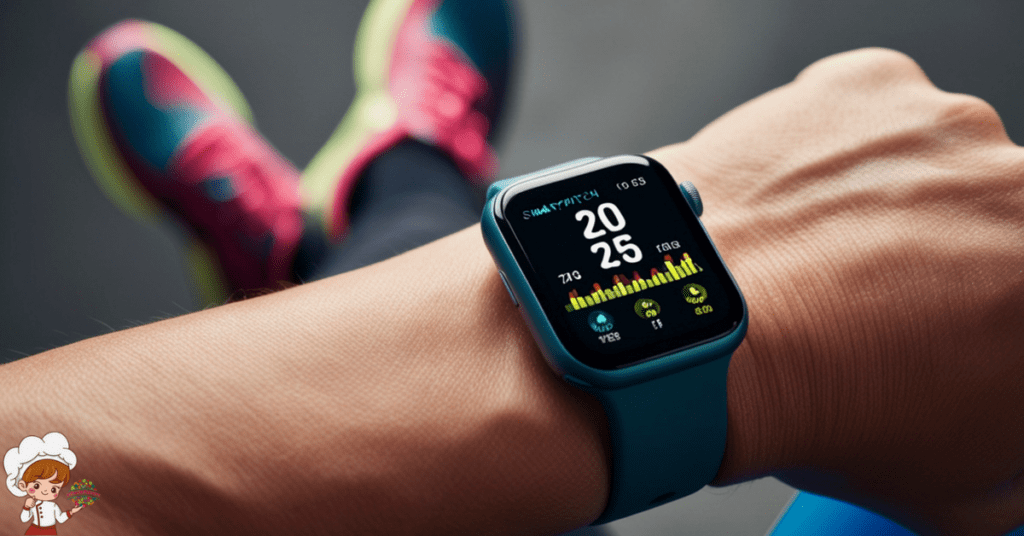
Great Personalized Nutrition Technology; As an athlete, you know that nutrition plays a pivotal role in your performance. Just as a well-oiled machine requires the right fuel to operate at its best, your body requires personalized nutrition to optimize your athletic abilities. But how can you ensure that you’re fueling your body in the most effective way? Enter personalized nutrition technology. This innovative approach combines scientific insights, advanced data analysis, and cutting-edge wearable technology to create tailored nutrition plans that are specifically designed to meet your unique needs. But that’s just the beginning. With the potential to revolutionize the way athletes approach their nutrition, personalized nutrition technology holds the key to unlocking your full potential.
The Evolution of Personalized Nutrition Technology
Over the years, personalized nutrition technology has undergone a remarkable evolution, revolutionizing the way athletes optimize their dietary intake for performance and recovery. Thanks to evolutionary advancements in technology, athletes now have access to tailored nutrition plans that take into account their unique physiological needs and training goals.
One of the key advancements in personalized nutrition technology is the use of genetic testing. By analyzing an athlete’s genetic profile, experts can identify specific genetic variants that influence nutrient metabolism and absorption. This information allows for the customization of dietary recommendations, ensuring that athletes consume the right nutrients in the right amounts for optimal performance and recovery.
Additionally, the integration of wearable devices and mobile apps has further enhanced personalized nutrition technology. These devices can track an athlete’s activity levels, heart rate, and sleep patterns, providing valuable data that can be used to fine-tune their nutrition plan. Athletes can now monitor their energy expenditure and adjust their calorie intake accordingly, ensuring they meet their individual energy needs.
While personalized nutrition technology offers numerous benefits, it also raises ethical implications. The collection and analysis of personal genetic data raise concerns about privacy and the potential for discrimination. There is a need for regulation and guidelines to protect individuals’ data and ensure its responsible use.
Understanding Athletes’ Unique Nutritional Needs
Understanding athletes’ unique nutritional needs is crucial for optimizing their performance and supporting their overall health and well-being. Athletes have higher energy requirements than sedentary individuals due to their increased physical activity levels. They need to consume adequate amounts of macronutrients such as carbohydrates, proteins, and fats to fuel their workouts and promote muscle recovery. However, it is also important to recognize that each athlete is different, and their nutritional needs may vary based on factors such as sport, training intensity, body composition, and genetic makeup.
One key aspect of understanding athletes’ unique nutritional needs is identifying any nutrient deficiencies they may have. Athletes who follow restrictive diets or have specific dietary preferences may be at risk of nutrient deficiencies. For example, vegan athletes may have lower intakes of vitamin B12, iron, and omega-3 fatty acids. By conducting thorough assessments and analyzing blood tests, nutritionists and sports dietitians can identify any deficiencies and develop individualized supplementation plans to address them. This ensures that athletes receive the necessary nutrients to support their training and overall health.
Individualized supplementation plans are essential for athletes, as they can help optimize performance and prevent nutrient deficiencies. Athletes may require additional supplementation to meet their increased nutrient needs, especially for vitamins and minerals that are crucial for energy metabolism, immune function, and muscle recovery. For example, endurance athletes may benefit from iron supplementation to prevent iron deficiency anemia, while strength athletes may consider creatine supplementation to enhance muscle strength and power.
Leveraging Data for Personalized Nutrition Plans
As an athlete, leveraging data for personalized nutrition plans can greatly enhance your performance and overall well-being. By utilizing data-driven nutrition plans, you can receive personalized dietary recommendations that are tailored to your unique needs and goals. These recommendations can be based on factors such as your body composition, training schedule, and performance metrics, allowing you to optimize your nutrition and fuel your body effectively for peak performance.
Data-Driven Nutrition Plans
To create personalized nutrition plans, athletes can leverage data to optimize their nutritional intake and meet their specific performance goals. Data-driven meal prep involves analyzing individual athlete data, such as body composition, metabolism, and training load, to determine the precise macronutrient and calorie requirements. By tracking food intake and monitoring performance metrics, athletes can identify patterns and make informed adjustments to their dietary plans.
Personalized supplementation strategies can also be developed based on data analysis, targeting specific nutrient deficiencies or performance-enhancing needs. For example, athletes can use data to identify if they have low iron levels and then incorporate iron-rich foods or supplements into their nutrition plan. By using data to inform their nutritional choices, athletes can ensure that their diets are tailored to their unique needs, maximizing their performance potential.
Personalized Dietary Recommendations
By leveraging data analysis, athletes can receive personalized dietary recommendations that optimize their nutritional intake and support their individual performance goals. Personalized nutrition apps, such as MyFitnessPal and MyPlate, have emerged as valuable tools for athletes to track their food intake and receive tailored recommendations. These apps allow athletes to input their personal information, such as age, weight, height, and activity level, to generate athlete-specific meal plans.
The apps analyze the data and provide recommendations based on the athlete’s specific needs, taking into account factors such as macronutrient ratios, calorie requirements, and nutrient timing. This data-driven approach ensures that athletes are fueling their bodies with the right nutrients at the right time, enhancing their performance and recovery. With personalized dietary recommendations, athletes can optimize their nutrition intake to achieve their performance goals.
Tracking Macronutrient Intake for Optimal Performance
To optimize your performance as an athlete, tracking your macronutrient intake can provide significant benefits. By monitoring the amount of protein, carbohydrates, and fats you consume, you can ensure that you are meeting your nutritional needs and fueling your body properly for training and competition. This personalized approach allows you to fine-tune your diet based on your specific goals and requirements, ultimately leading to improved performance and recovery.
Macronutrient Tracking Benefits
Tracking your macronutrient intake can have numerous benefits for optimizing your performance as an athlete. By monitoring the amount of proteins, carbohydrates, and fats you consume, you can fine-tune your nutrition to support your specific goals and needs. Here are some key advantages of tracking your macronutrient intake:
- Improved energy levels: By ensuring you are getting enough carbohydrates, you can provide your body with the fuel it needs to perform at its best.
- Enhanced muscle growth and repair: Sufficient protein intake is essential for muscle building and recovery after intense workouts.
- Increased endurance: Balancing your macronutrients can help you maintain stable blood sugar levels, preventing energy crashes during endurance activities.
- Better body composition: Tracking your macronutrients can help you reach and maintain your desired body fat percentage and muscle mass.
- Customized nutrition: By monitoring your macronutrient intake, you can tailor your diet to your specific sport or activity, maximizing your performance.
Performance Optimization Strategies
One effective strategy to optimize your athletic performance is through the careful monitoring and adjustment of your macronutrient intake. Performance tracking and sports nutrition trends have shown that tailoring your macronutrient consumption to your specific needs can greatly enhance your performance. Macronutrients, which include carbohydrates, proteins, and fats, provide the energy and nutrients necessary for optimal athletic performance.
By tracking your macronutrient intake, you can ensure that you are getting the right balance of these nutrients to support your training and recovery. For example, consuming an adequate amount of carbohydrates before a workout can provide the necessary fuel for sustained energy, while consuming enough protein after exercise can promote muscle repair and growth. By adjusting your macronutrient intake based on your performance goals and individual needs, you can maximize your athletic potential and achieve optimal performance.
Monitoring Hydration Levels and Electrolyte Balance
Monitoring hydration levels and electrolyte balance is essential for optimizing athletic performance and preventing dehydration-related issues. Proper fluid intake and electrolyte supplementation are crucial for athletes to maintain their peak performance and avoid the negative effects of dehydration. Here are five key reasons why monitoring hydration and electrolyte balance is vital for athletes:
- Optimal Performance: Adequate hydration and electrolyte balance help athletes perform at their best. When you are properly hydrated, your body can efficiently transport nutrients, remove waste products, and regulate temperature, allowing you to push harder and perform better.
- Preventing Dehydration: Dehydration can lead to a decrease in athletic performance, fatigue, muscle cramps, and even heat-related illnesses. Monitoring your hydration levels helps you identify when you need to replenish fluids to prevent these issues.
- Electrolyte Imbalance: Electrolytes, such as sodium, potassium, and magnesium, play a crucial role in muscle contractions, nerve function, and maintaining fluid balance. Monitoring electrolyte balance ensures that you replenish these essential minerals to prevent imbalances that can negatively impact performance.
- Individual Needs: Every athlete has different fluid and electrolyte requirements based on factors like body size, activity level, and sweat rate. Monitoring allows for personalized adjustments to ensure you meet your specific needs.
- Recovery: Adequate hydration and electrolyte balance are crucial for post-workout recovery. Replenishing fluids and electrolytes helps restore glycogen stores, repair tissues, and optimize muscle recovery, allowing you to bounce back faster for your next training session or competition.
Tailoring Nutritional Strategies for Endurance Athletes
To optimize your performance as an endurance athlete, personalized nutrition strategies are key. Customized meal plans can ensure that you are getting the right balance of macronutrients and micronutrients to fuel your body efficiently. Additionally, determining the optimal fueling strategies for your individual needs can help prevent fatigue and enhance endurance. Finally, personalized nutrient timing can help maximize your energy levels during training and competition. By tailoring your nutritional strategies to your specific needs, you can optimize your performance and reach your full potential as an endurance athlete.
Customized Meal Plans
Customized meal plans are essential for optimizing the nutritional strategies of endurance athletes, ensuring they receive the specific nutrients they need to perform at their best. Meal planning and dietary customization play a crucial role in tailoring the athlete’s nutrition to their unique needs and goals. Here are five key components of customized meal plans for endurance athletes:
- Macronutrient balance: Providing the right balance of carbohydrates, proteins, and fats to fuel performance and aid in recovery.
- Micronutrient density: Including a variety of nutrient-dense foods to meet vitamin and mineral requirements.
- Hydration: Ensuring adequate fluid intake before, during, and after exercise to maintain optimal performance and prevent dehydration.
- Timing: Strategically timing meals and snacks to optimize energy levels and nutrient availability during training and competition.
- Individual preferences: Incorporating foods that the athlete enjoys and finds satisfying, to promote adherence to the meal plan.
Optimal Fueling Strategies
Tailoring nutritional strategies for endurance athletes involves developing optimal fueling strategies that align with your specific performance goals and dietary needs. Fueling efficiency plays a crucial role in enhancing athletic performance. To optimize your fueling strategy, it is important to consider the timing, quantity, and composition of your meals and snacks. Consuming a balanced combination of carbohydrates, proteins, and fats can provide the necessary energy and nutrients for endurance activities.
Carbohydrates are particularly important for fueling high-intensity exercise, while proteins aid in muscle repair and recovery. Additionally, staying hydrated is essential for maintaining performance and preventing fatigue. Monitoring your fluid intake and replenishing electrolytes during prolonged exercise can further enhance fueling efficiency. By tailoring your nutritional strategies to meet your specific needs, you can optimize your performance and achieve your endurance goals.
Personalized Nutrient Timing
Optimizing your fueling strategy for endurance activities involves not only considering the composition of your meals and snacks, but also tailoring the timing of your nutrient intake to maximize performance. Personalized nutrient timing plays a crucial role in meeting the specific energy demands of endurance athletes. Here are five key points to consider when optimizing your fueling strategies:
- Pre-exercise: Consuming a balanced meal or snack containing carbohydrates and protein 2-4 hours before exercise can enhance glycogen stores and provide sustained energy.
- During exercise: Consuming carbohydrates during prolonged exercise can help maintain blood glucose levels and delay fatigue.
- Post-exercise: Consuming a combination of carbohydrates and protein within 30 minutes after exercise can promote glycogen resynthesis and muscle repair.
- Recovery meals: Consuming a well-balanced meal within 2 hours after exercise can further support glycogen replenishment and muscle recovery.
- Timing individual preferences: Experimenting with nutrient timing strategies during training can help identify what works best for you.
Customizing Nutrition for Strength and Power Training
To maximize your strength and power gains, it is essential to personalize your nutrition plan specifically for your training needs. Customizing your nutrition for strength and power training involves two key aspects: customized meal timing and nutritional supplements.
Customized meal timing plays a crucial role in optimizing your performance and recovery. Consuming the right nutrients at the right time can enhance muscle protein synthesis, improve glycogen replenishment, and promote overall muscle recovery. Pre-workout meals should focus on providing adequate carbohydrates for energy and protein for muscle repair. Consuming a meal or snack containing both carbohydrates and protein within two hours before exercise can enhance strength and power during your training session.
Post-workout nutrition is equally important for strength and power athletes. Consuming a protein-rich meal or supplement within 30 minutes to one hour after exercise can stimulate muscle protein synthesis and enhance muscle recovery. Additionally, consuming carbohydrates alongside protein can enhance glycogen replenishment, promoting faster recovery and improved performance in subsequent training sessions.
In addition to customized meal timing, nutritional supplements can also play a role in optimizing your strength and power gains. Supplements such as creatine monohydrate have been extensively studied and shown to enhance strength and power performance. Creatine supplementation can increase muscle creatine stores, leading to greater energy availability during high-intensity exercise, resulting in improved strength and power output.
Personalized Nutrition for Injury Prevention and Recovery
Injury prevention and recovery can be enhanced through personalized nutrition strategies. By fueling your body with the right nutrients, you can support your body’s ability to prevent injuries and recover more efficiently. Here are five key strategies to incorporate into your personalized nutrition plan for injury prevention and recovery:
- Adequate protein intake: Protein is essential for repairing and rebuilding damaged tissues. Aim to consume a sufficient amount of high-quality protein sources such as lean meats, poultry, fish, eggs, dairy, and plant-based proteins like beans and lentils.
- Anti-inflammatory foods: Incorporate foods rich in antioxidants and anti-inflammatory properties, such as fruits, vegetables, whole grains, nuts, and seeds. These foods can help reduce inflammation, which is often associated with injury and hindered recovery.
- Hydration: Staying hydrated is crucial for optimal recovery. Adequate fluid intake helps transport nutrients to the injured area, supports tissue repair, and aids in waste removal. Aim to drink enough water throughout the day and consider incorporating electrolyte-rich beverages during intense training or recovery periods.
- Nutrient timing: Properly timing your meals and snacks can optimize recovery. Consuming a balanced meal or snack that includes protein and carbohydrates within 30 minutes to an hour after training can help replenish glycogen stores and support muscle recovery.
- Individualized supplementation: Depending on your specific needs and deficiencies, personalized supplementation may be beneficial. Consult with a registered dietitian or sports nutritionist to determine if any supplements, such as omega-3 fatty acids, vitamin D, or collagen, may support your injury prevention and recovery goals.
Optimizing Gut Health for Enhanced Performance
Improving gut health is crucial for enhancing athletic performance. The gut microbiome, which consists of trillions of microorganisms residing in the gastrointestinal tract, plays a key role in digestion, nutrient absorption, and immune function. Research suggests that the diversity and composition of the gut microbiome can impact an athlete’s overall health and performance.
Maintaining a healthy gut microbiome can be achieved through various means, one of which is the use of probiotic supplements. Probiotics are live microorganisms that, when consumed in adequate amounts, confer health benefits to the host. They help promote a balanced gut microbiome by increasing the abundance of beneficial bacteria and suppressing harmful ones. Studies have shown that certain strains of probiotics can enhance exercise performance, reduce gastrointestinal symptoms, and support immune function in athletes.
When choosing a probiotic supplement, it is important to consider the specific strains that have been scientifically studied for their benefits in athletes. Lactobacillus acidophilus and Bifidobacterium lactis are two common strains that have shown promise in improving gut health and enhancing athletic performance. Additionally, it is essential to select a supplement that guarantees the viability and stability of the probiotic strains throughout the shelf life of the product.
The Role of Genetic Testing in Personalized Nutrition
Genetic testing plays a pivotal role in tailoring personalized nutrition plans for athletes. By analyzing an individual’s genetic makeup, this testing can provide valuable insights into how their body processes and responds to different nutrients, helping to optimize their diet for improved performance. Here are five key ways in which genetic testing contributes to personalized nutrition for athletes:
- Identifying nutrient deficiencies: Genetic testing can reveal specific genetic variants that may impact an athlete’s ability to absorb or utilize certain nutrients. This information allows nutritionists to customize their diet to address any deficiencies and ensure optimal nutrient intake.
- Determining macronutrient needs: Genetic variations can influence an athlete’s metabolism and their response to different macronutrients, such as carbohydrates, fats, and proteins. Genetic testing helps identify these variations, enabling nutritionists to tailor the athlete’s macronutrient ratios for optimal energy production and recovery.
- Personalizing micronutrient requirements: Genetic testing can uncover genetic variations that affect an athlete’s need for specific vitamins and minerals. By identifying these variations, nutritionists can adjust the athlete’s diet to ensure adequate intake of crucial micronutrients, supporting overall health and performance.
- Optimizing recovery strategies: Genetic testing can provide insights into an athlete’s genetic predispositions for inflammation, oxidative stress, and muscle recovery. This information allows nutritionists to design personalized recovery strategies, including specific nutrients and timing of nutrient intake, to enhance the athlete’s recovery and reduce the risk of injury.
- Enhancing performance through nutrigenomics: Genetic testing can reveal how an athlete’s genes interact with their diet and exercise routine, providing valuable information on how to optimize performance. By understanding an athlete’s unique genetic profile, nutritionists can develop personalized nutrition plans that maximize their genetic potential and support their athletic goals.
While genetic testing offers significant benefits for personalized nutrition, it is important to consider the ethical implications. Privacy concerns, potential psychological impacts, and the need for informed consent are among the factors that should be carefully addressed when using genetic information in nutrition planning. Nonetheless, when employed responsibly, genetic testing can revolutionize personalized nutrition for athletes, helping them achieve their full potential in a safe and effective manner.
Integrating Wearable Technology for Real-Time Feedback
To further enhance personalized nutrition for athletes, integrating wearable technology provides real-time feedback on performance and physiological data. Wearable technology applications have revolutionized the way athletes train and monitor their progress. These devices, such as smartwatches, fitness trackers, and heart rate monitors, allow athletes to track their performance and receive immediate feedback to optimize their training routines.
Real-time performance tracking is a key feature of wearable technology. Athletes can monitor their heart rate, distance covered, speed, and other metrics during training sessions or competitions. This data can be instantly analyzed to provide insights on performance and help athletes make informed decisions about their training intensity, duration, and recovery strategies.
One example of wearable technology application in real-time performance tracking is the use of GPS-enabled devices. These devices can provide accurate information about an athlete’s speed, pace, and distance covered, allowing them to monitor their progress and make adjustments to optimize their performance. This information can be particularly useful for endurance athletes who need to maintain a certain pace or distance during long-distance runs or cycling events.
Furthermore, wearable technology can also track physiological data such as heart rate variability, sleep patterns, and calories burned. This information can provide valuable insights into an athlete’s overall health and recovery status. By monitoring these metrics, athletes can make adjustments to their nutrition and training plans to optimize their performance and prevent overtraining or injury.
The Future of Personalized Nutrition for Athletes
The future of personalized nutrition for athletes holds great promise in optimizing performance and enhancing overall health and well-being. As sports nutrition technology continues to advance, athletes can expect to see significant improvements in their athletic performance through tailored nutrition plans. Here are five key aspects that highlight the impact of personalized nutrition on athletic performance and the future of sports nutrition technology:
- Precision nutrition: Personalized nutrition will move beyond generic recommendations and take into account individual factors such as genetics, metabolism, and specific performance goals. This approach will enable athletes to optimize their nutrient intake and fuel their bodies in the most efficient way possible.
- Nutrigenomics: The integration of nutrigenomics will allow athletes to understand how their genes influence their response to different nutrients. By identifying genetic variations, athletes can fine-tune their nutrition plans to better support their unique genetic makeup, leading to improved performance and recovery.
- Microbiome analysis: The study of the gut microbiome is gaining momentum in sports nutrition. Analyzing an athlete’s gut microbiota can provide valuable insights into their digestion, absorption, and overall health. Personalized nutrition plans can then be tailored to optimize gut health, leading to improved nutrient absorption and enhanced performance.
- Wearable technology integration: Personalized nutrition will increasingly integrate with wearable technology, such as fitness trackers and smartwatches. These devices can monitor an athlete’s physiological markers, such as heart rate, sleep patterns, and calorie expenditure, allowing for real-time feedback and adjustment of nutrition plans.
- Artificial intelligence: AI-powered algorithms will play a crucial role in the future of personalized nutrition for athletes. By analyzing vast amounts of data, AI can generate personalized nutrition recommendations based on individual needs, goals, and preferences. This technology will continuously adapt and optimize nutrition plans to ensure athletes are always fueling their bodies for peak performance.
Frequently Asked Questions: Great Personalized Nutrition Technology
How Does Personalized Nutrition Technology Benefit Athletes in Injury Prevention and Recovery?
Personalized nutrition technology benefits athletes in injury prevention and recovery by optimizing their athletic performance through tailored macronutrient intake based on genetic testing. Wearable technology and personalized nutrition plans specifically cater to the needs of endurance athletes.
What Role Does Genetic Testing Play in Developing Personalized Nutrition Plans for Athletes?
Genetic testing plays a crucial role in developing personalized nutrition plans for athletes. By identifying specific genetic variations, it helps determine individual nutritional needs and potential limitations. This enhances the effectiveness of personalized nutrition plans in optimizing athletic performance and recovery.
How Can Wearable Technology Be Integrated Into Personalized Nutrition Plans to Provide Real-Time Feedback for Athletes?
To integrate wearable technology into personalized nutrition plans, real-time monitoring can provide athletes with valuable feedback. This feedback allows for adjustments to be made based on immediate data, optimizing performance and enhancing overall athletic experience.
What Are the Unique Nutritional Needs of Endurance Athletes and How Can They Be Addressed Through Personalized Nutrition Strategies?
To address the unique nutritional needs of endurance athletes, personalized nutrition strategies can be implemented. These strategies may include incorporating specific nutritional supplements and developing hydration strategies tailored to the demands of their training and competition.
How Does Tracking Macronutrient Intake Contribute to Optimal Athletic Performance and How Can Personalized Nutrition Technology Assist in This Process?
Tracking macronutrient intake is crucial for optimal athletic performance. Personalized nutrition technology can assist by providing real-time feedback, genetic testing, and personalized nutrition plans. This helps address unique nutritional needs, aids in injury prevention and recovery, and enhances endurance athletes’ performance.

Conclusion
In conclusion, personalized nutrition technology has transformed how athletes manage their dietary needs and optimize sports performance. By leveraging data-driven nutrition strategies and tracking macronutrient intake, athletes can fine-tune fueling plans to support endurance, strength, and recovery. Monitoring key factors such as hydration status, electrolyte balance, and gut health further enhances athletic performance and overall resilience.
Advanced tools including genetic testing for athletes and wearable nutrition technology now provide real-time performance feedback, enabling more precise adjustments to training and diet. As innovations in sports nutrition technology continue to evolve, personalized nutrition for athletes is expected to play an increasingly important role in maximizing performance, accelerating recovery, and supporting long-term health and well-being.