8 Great Techniques For Healthy Vegetarian Meal Preparation
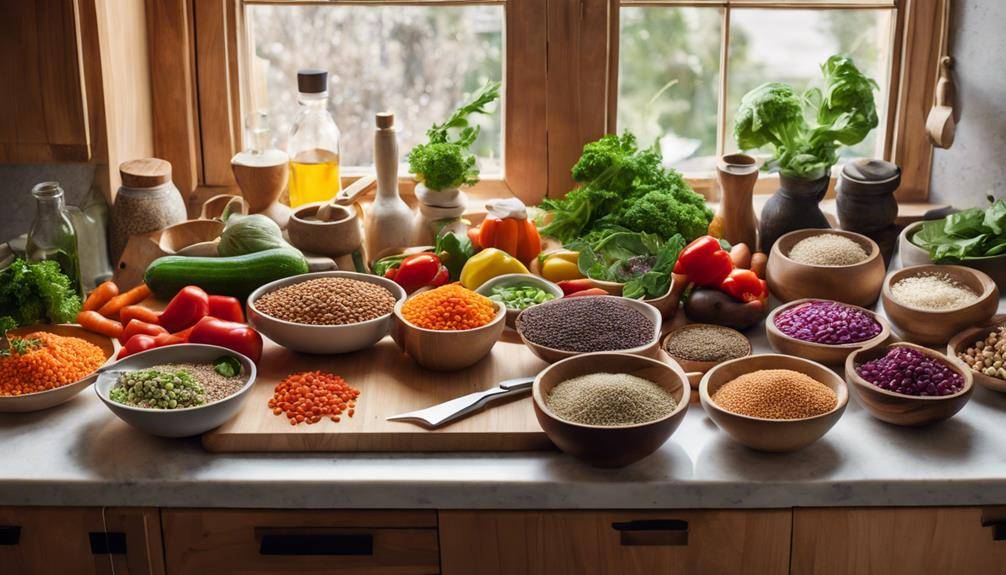
Great Techniques For Healthy Vegetarian Meal; To prepare healthy vegetarian meals, start by planning your meals ahead to guarantee variety. Focus on seasonal ingredients for peak flavor and nutrition. Embrace batch cooking to save time and create diverse options. Enhance your dishes with fresh herbs and spices for bold flavors. Invest in quality kitchen tools to streamline your prep process. Incorporate protein-rich foods like lentils and quinoa to boost nutrition. Experiment with different cooking techniques like roasting and steaming for varied textures. Finally, store your meals wisely to maintain freshness and flavor. There’s so much more to discover about techniques that can make your meals even better!
Plan Your Meals Ahead
Planning your meals ahead is like laying the foundation for a successful week. When you take a little time to strategize, you set yourself up for not just healthier eating but also greater meal variety. Imagine walking into your kitchen each day knowing exactly what you’re going to cook. It’s a game changer.
Start by considering your dietary preferences. Are you focusing on high protein, low carb, or perhaps following a specific vegetarian diet like vegan or lacto-vegetarian? Knowing your preferences will guide your choices and help you create balanced meals that satisfy your needs.
Next, choose recipes that offer a mix of flavors and ingredients. This not only keeps your palate excited but also guarantees you’re getting a wide range of nutrients. Batch cooking can be a lifesaver here—prepare larger quantities of a few different dishes, then mix and match throughout the week.
Don’t forget to include snacks! Healthy options like cut veggies, hummus, or fruit can easily be prepped in advance, making it simple to stay on track.
Focus on Seasonal Ingredients
When you focus on seasonal ingredients, you’re not just eating fresh; you’re also boosting your health and supporting local farmers. Selecting produce that’s in season guarantees you get the best flavor and nutrition, making your meals more vibrant. Plus, exploring seasonal recipes can inspire your cooking and keep your menu exciting all year round.
Benefits of Seasonal Eating
Eating seasonally can really elevate your meals while benefiting your health and the environment. When you choose seasonal ingredients, you tap into their peak nutritional advantages. Fruits and vegetables harvested at their natural ripeness are often richer in vitamins, minerals, and antioxidants, giving your body more of what it needs to thrive. Plus, seasonal eating encourages variety, allowing you to explore new flavors and dishes throughout the year.
Another key benefit is the positive environmental impact of eating with the seasons. Seasonal produce typically requires less transportation, reducing carbon emissions and supporting local farmers. By focusing on ingredients that thrive in your area, you help sustain local economies and promote biodiversity.
Incorporating seasonal foods into your diet can also lead to cost savings, as these ingredients are often more abundant and less expensive when they’re in season. You’ll find that enjoying fresh, local produce enhances your meals, making them not just healthier, but also more vibrant and delicious. So next time you shop for groceries, consider the benefits of seasonal eating—it’s a simple yet powerful way to nourish your body and support the planet.
Selecting Fresh Produce
Selecting fresh produce is essential for creating vibrant vegetarian meals, especially when you focus on seasonal ingredients. When you choose fruits and vegetables that are in season, you maximize flavor, nutrition, and freshness. Head to your local farmers’ market to find a variety of organic options that reflect the best of what each season has to offer. Local farmers often have a deep understanding of their crops and can provide you with insights on how to prepare them.
When selecting produce, look for items that are firm, brightly colored, and free of blemishes. Don’t hesitate to ask farmers about their growing practices; many are proud to share their commitment to organic methods. Seasonal produce not only tastes better but also tends to be more affordable since it’s abundant.
Remember to keep your meals diverse by incorporating a wide range of seasonal ingredients. This way, you’ll not only enjoy the freshest flavors but also support local agriculture and reduce your carbon footprint. So, grab a reusable bag and explore your local market—your taste buds and body will thank you!
Seasonal Recipe Ideas
Embracing the beauty of seasonal ingredients opens up a world of delicious vegetarian recipes. When you use fresh, in-season produce, you not only enhance the flavor of your meals but also support local farmers. Take advantage of local markets during seasonal festivals to discover the freshest fruits and vegetables.
For spring, think vibrant asparagus and peas. A simple sauté with garlic and olive oil can bring out their natural sweetness. In summer, tomatoes are at their peak. Create a revitalizing caprese salad with basil and mozzarella, or whip up a gazpacho for a cool treat.
As the leaves change in fall, hearty squashes like butternut and acorn become available. Roast them with spices for a comforting dish. Winter brings root vegetables like carrots and beets; you can toss them in a warm salad with nuts and a tangy dressing.
Batch Cooking Essentials
When it comes to batch cooking, having the right essentials makes all the difference in creating nutritious vegetarian meals efficiently. Start with high-quality containers that are freezer-safe and microwave-friendly. Glass containers are great for meal prep because they’re durable and won’t absorb odors. Be certain to choose various sizes to accommodate different portions, which aids in effective time management.
Next, invest in a good set of knives and cutting boards. Sharp knives make chopping vegetables quick and easy, while a sturdy cutting board provides a safe workspace. You’ll also want to have a reliable food processor or blender on hand for preparing things like soups, sauces, or smoothies. These tools can save you significant time when you’re prepping multiple meals at once.
Don’t forget about your cooking appliances. A slow cooker or Instant Pot can be a game changer for batch cooking. These appliances allow you to set it and forget it, freeing you up to do other tasks while your meals cook. Additionally, having a diverse range of pots and pans will help you prepare different recipes simultaneously, maximizing your efficiency.
Lastly, keep essential pantry items stocked, such as grains, legumes, and canned goods. This guarantees you’re always ready for your meal prep sessions. By having these batch cooking essentials on hand, you’ll streamline your efforts, manage your time better, and enjoy delicious vegetarian meals all week long.
Utilize Flavorful Herbs and Spices
When you cook vegetarian meals, fresh herbs can transform simple dishes into flavor-packed delights. Think about experimenting with spice combinations to elevate your meals even further. Let’s explore how these ingredients can enhance both taste and nutrition in your cooking!
Fresh Herbs Benefits
Fresh herbs can transform your vegetarian meals, adding vibrant flavors and essential nutrients. When you incorporate fresh herbs like basil, cilantro, or parsley, you not only enhance the taste but also boost the nutritional profile of your dishes. These herbs are packed with vitamins, antioxidants, and minerals, making them a fantastic addition to any meal.
To maximize their benefits, consider herb preservation techniques like freezing or drying, which allows you to enjoy their flavors year-round. When using herbs, think about their culinary applications. Chopped fresh herbs can elevate salads, soups, and sauces, while whole sprigs can infuse oils or broths with delightful aromas.
Experiment with different herbs to find your favorites and complement various cuisines. For instance, dill pairs wonderfully with Mediterranean dishes, while thyme works well in hearty stews. By using fresh herbs, you’ll discover that you can reduce the need for excess salt or fat, making your meals healthier without sacrificing taste. So, next time you prepare a vegetarian dish, don’t forget to reach for those fresh herbs and explore the myriad of flavors they can bring to your table!
Spice Combination Ideas
Elevate your vegetarian dishes by experimenting with spice combinations that incorporate flavorful herbs and spices. You can create unique spice blends that enhance your meals and elevate their flavor profiles. Start with a classic combination like cumin, coriander, and paprika for a warm, earthy base that works well in stews and chili.
For a Mediterranean flair, try mixing oregano, thyme, and rosemary. This blend is perfect for roasted vegetables or pasta dishes. If you’re in the mood for something zesty, combine chili powder, garlic powder, and lime zest to give your tacos or grain bowls a revitalizing kick.
Don’t forget about the power of curry! A blend of turmeric, ginger, and garam masala can transform a simple vegetable stir-fry into an aromatic delight. Experiment with these combinations, adjusting the ratios to suit your taste.
Lastly, keep a few spice blends on hand, like za’atar or herbes de Provence, to add instant flavor without much effort. By playing with these spice combinations, you’ll not only enhance your vegetarian meals but also discover new favorite flavor profiles that excite your palate. Happy cooking!
Invest in Quality Kitchen Tools
Quality kitchen tools are crucial for anyone looking to whip up delicious vegetarian meals with ease and efficiency. Investing in high-quality knives, cutting boards, and cooking utensils can make a world of difference in your meal prep. When your tools are reliable and well-made, you’ll find that chopping vegetables and sautéing ingredients becomes a breeze.
Good kitchen organization plays a key role in maintaining a smooth cooking process. Store your tools where they’re easily accessible, and consider using drawer dividers or magnetic strips to keep everything tidy. This way, you won’t waste time searching for that perfect spatula or peeler when you’re in the middle of cooking.
Tool maintenance is just as important. Keep your knives sharp and your cutting boards clean to guarantee you’re working with the best equipment. Regularly wash your utensils and store them properly to prolong their lifespan. For instance, wooden spoons should be hand-washed and dried immediately to prevent warping.
Don’t forget about investing in quality cookware. A good set of pots and pans can enhance your cooking experience, allowing for even heat distribution and better results. Non-stick options can also make cleanup easier, especially when preparing sticky vegetarian dishes.
Ultimately, when you invest in quality kitchen tools and maintain them properly, you’ll find that preparing healthy vegetarian meals becomes not only more enjoyable but also more efficient. So, take the time to choose and care for your kitchen essentials; it’ll pay off in the long run.
Incorporate Protein-Rich Foods
Incorporating protein-rich foods into your vegetarian meals can greatly enhance their nutritional value and help keep you feeling satisfied. Focusing on diverse protein sources is essential for a well-rounded diet. Start by exploring plant-based proteins like legumes, which come with numerous benefits, including fiber and essential vitamins. Incorporate lentils, chickpeas, and black beans into your dishes for a hearty protein boost.
Don’t forget about nut varieties, which can add crunch and flavor while packing a protein punch. Almonds, walnuts, and pistachios are great choices, whether tossed in a salad or blended into a creamy nut butter. Seed options, such as chia, flax, and hemp seeds, are excellent additions to smoothies or oatmeal, enhancing both texture and nutrition.
Tofu recipes are another fantastic way to incorporate protein into your meals. This versatile ingredient can be sautéed, grilled, or added to stir-fries for a satisfying meal. Similarly, tempeh dishes offer a nuttier flavor and firmer texture, perfect for sandwiches or salads.
Quinoa meals are also a great option, as quinoa is a complete protein containing all nine essential amino acids. Pairing it with other protein sources, like beans or nuts, can further increase your protein intake.
If you find it challenging to meet your protein needs through food alone, consider protein supplements. However, focus primarily on whole food sources to maximize health benefits. By incorporating these protein-rich foods into your diet, you’ll create delicious, satisfying vegetarian meals that fuel your body.
Experiment With Cooking Techniques
Experimenting with a variety of cooking techniques can transform your vegetarian meals from ordinary to extraordinary. By trying out different methods, you’ll reveal new flavors and textures that keep your dishes exciting and satisfying. One effective technique is steaming vegetables. This method preserves nutrients and enhances the natural flavors of the produce. You can steam broccoli, carrots, or spinach to create vibrant side dishes that complement your main course. Just remember to avoid overcooking, as you want your veggies to retain that crispness.
Another technique worth exploring is roasting legumes. When you roast chickpeas or lentils, they develop a crunchy texture and rich flavor that can elevate any salad or grain bowl. Simply season them with your favorite spices and roast until they’re golden brown. You’ll find that roasted legumes add a delightful crunch and protein boost to your meals.
Don’t shy away from sautéing or stir-frying either. Quick cooking methods like these allow you to combine various ingredients and create colorful, nutrient-packed dishes. Toss some tofu, bell peppers, and snap peas in a hot skillet for a quick stir-fry that bursts with flavor.
Store and Reheat Wisely
To make the most of your healthy vegetarian meals, it’s important to store and reheat them properly. Proper storage begins with choosing the right containers. Opt for airtight glass or BPA-free plastic containers to keep your meals fresh and prevent contamination. Make sure to let your food cool to room temperature before sealing it up; this helps avoid moisture buildup, which can lead to spoilage.
When it comes to reheating techniques, aim for methods that preserve the flavor and nutritional value of your dishes. Microwaving is quick, but it can sometimes lead to uneven heating. To combat this, stir your food halfway through the process for even warmth. If you have the time, consider using the oven or stovetop. Reheating in the oven can give you a crispier texture, especially for dishes like roasted vegetables or casseroles. Just be sure to cover them with foil to prevent drying out.
For soups and stews, the stovetop is your best bet. Heat them gently over medium heat, stirring occasionally until they’re warmed through. If you’re reheating grains like rice or quinoa, add a splash of water to restore moisture before microwaving or stovetop reheating.
Lastly, always check for signs of spoilage before eating leftovers. If something smells off or looks questionable, it’s better to err on the side of caution. By following these tips, you’ll enjoy your healthy vegetarian meals at their best!
Frequently Asked Questions: Great Techniques For Healthy Vegetarian Meal
How Can I Make Vegetarian Meals More Appealing to Children?
To make vegetarian meals more appealing to children, you can focus on fun presentation and colorful ingredients. Arrange food in creative shapes and use vibrant veggies to entice their taste buds and spark their interest.
What Are Quick Vegetarian Meal Ideas for Busy Weeknights?
For quick vegetarian meal ideas on busy weeknights, try making quick stir fries with your favorite veggies and tofu, or whip up easy salads using pre-washed greens, canned beans, and a tasty dressing. You’ll save time!
How Can I Ensure My Vegetarian Meals Are Nutritionally Balanced?
To guarantee your vegetarian meals are nutritionally balanced, focus on diverse protein sources throughout the day. Timing your nutrients, like eating protein post-workout, can optimize energy levels and overall health effectively.
Are There Vegetarian Meal Prep Tips for Beginners?
Start with vegetarian cooking basics like planning your meals. Use meal prep strategies such as batch cooking grains and vegetables, and keep snacks handy. It’ll make your change easier and more enjoyable!
What Are Some Common Mistakes to Avoid in Vegetarian Meal Preparation?
When preparing vegetarian meals, avoid common mistakes like ignoring nutritional misconceptions or making poor ingredient substitutions. Stay informed about protein sources and vitamins to guarantee balanced nutrition while enjoying diverse, flavorful dishes that satisfy your cravings.

Conclusion
By incorporating these eight techniques into your vegetarian meal prep, you can enjoy delicious, nutritious meals with ease. Planning ahead, focusing on seasonal ingredients, and experimenting with cooking methods will keep your menu exciting. Don’t forget to invest in quality kitchen tools and make the most of protein-rich foods and flavorful herbs. With smart storage and reheating strategies, you’ll guarantee your meals stay fresh and tasty. Embrace these tips, and elevate your vegetarian cooking experience!
If you enjoyed exploring this topic and want to dive even deeper, be sure to check out some of our other articles here on Infinite Flavors. From rich culinary histories to creative twists on classic recipes, there’s always something new to discover. Whether you’re curious about the origins of a dish, looking for fresh inspiration in the kitchen, or simply love learning about food culture, our collection of posts is the perfect next step on your flavor journey.
Special Diets A Guide To Vegetarian Cooking
Amazing Step-By-Step Guide To Perfect Slow Cooking Techniques
Amazing Guide To Preparing Delicious Vegetarian Pastas