Great Ways Of Meal Prepping For Raw Food Diet
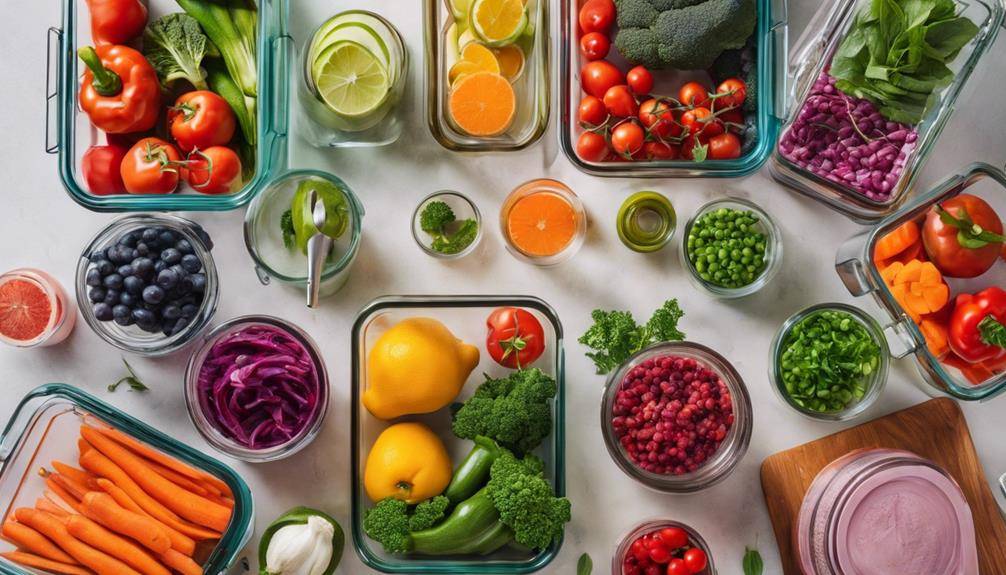
Great Ways Of Meal Prepping For Raw Food Diet; Meal prepping for a raw food diet is vital for maintaining freshness and variety in your meals. Start by choosing quality, organic produce and planning your menu around seasonal ingredients. Use essential tools like blenders and spiralizers to streamline preparation and create vibrant dishes. Batch prepare raw snacks like energy balls to guarantee you always have healthy options on hand. Store your prepped meals in airtight containers for maximum freshness. Don’t forget to experiment with flavors and textures to keep things interesting. There’s plenty more to discover about making your raw food journey enjoyable and fulfilling!
Understanding Raw Food Diet
The raw food diet consists primarily of unprocessed, plant-based foods that haven’t been cooked above 118°F (48°C). This approach is rooted in the raw food philosophy, which emphasizes the significance of eating whole, living foods to maximize their nutritional benefits. By sticking to fresh fruits, vegetables, nuts, seeds, and sprouted grains, you believe you’re preserving crucial enzymes and nutrients that cooking can destroy.
You’re likely to encounter various nutritional myths surrounding the raw food diet. One common misconception is that it lacks sufficient protein. In reality, many raw foodists get ample protein from sources like nuts, seeds, and legumes. Another myth is that raw foods are inherently low in calories, which isn’t true. Depending on your choices, you can easily consume enough calories while staying true to the raw food philosophy.
You might also hear that a raw food diet is impractical or difficult to maintain. While it does require some planning and dedication, many find that the vibrant flavors and textures of raw foods make meal prep an exciting adventure. Embracing this lifestyle means learning new recipes and techniques, like sprouting and dehydrating, which can be incredibly rewarding.
As you explore this diet, it’s crucial to stay informed and challenge any nutritional myths that may arise. By understanding the raw food philosophy and debunking misconceptions, you can make empowered choices that align with your health goals.
Benefits of Meal Prepping
Meal prepping can save you a ton of time during your busy week, making it easier to stick to your raw food diet. It also guarantees you get consistent nutrition by having balanced meals ready to go, so you won’t miss out on essential nutrients. Plus, prepping ahead can greatly reduce food waste, allowing you to make the most of your fresh ingredients.
Time Efficiency
Many people find that meal prepping for a raw food diet saves valuable time during the week. By using time saving techniques, you can streamline your meal prep process and reduce daily stress. Batch preparation is one of the most effective methods; by dedicating a few hours on the weekend to chop, slice, and store your fruits and vegetables, you’ll have ready-to-eat ingredients on hand when hunger strikes.
Consider preparing large quantities of raw snacks like energy balls or nut-based dips in one go. This way, you won’t have to scramble for healthy options during busy weekdays. Additionally, organizing your items in clear containers can help you quickly grab what you need without wasting time searching through your fridge.
Another great time-saving technique is to plan your meals ahead of time. Create a simple menu for the week, which allows you to focus on prepping just the ingredients you’ll use. You’ll find that when everything is prepped and organized, you can whip up meals in no time, leaving you with more time to enjoy your delicious raw food creations. Embrace these techniques, and you’ll notice how efficiently you can manage your week.
Nutritional Consistency
Maintaining nutritional consistency is one of the standout benefits of meal prepping for a raw food diet. By planning your meals in advance, you guarantee that you’re getting a balanced intake of nutrient density throughout the week. When you focus on raw foods, it’s easy to lose track of essential vitamins and minerals if meals aren’t thoughtfully prepared.
Meal prepping helps you avoid this pitfall by allowing you to mix and match ingredients. You can create meal variety by incorporating different fruits, vegetables, nuts, and seeds into your plans. This not only keeps your meals exciting but also boosts your nutritional profile.
With prepped meals, you’re less likely to reach for processed snacks or less nutritious options when hunger strikes. Instead, you’ll have wholesome, nutrient-dense choices readily available. This consistency in your diet leads to better energy levels, improved digestion, and overall enhanced well-being.
Reduced Food Waste
By planning your meals ahead of time, you considerably cut down on food waste associated with a raw food diet. When you know what you’re eating for the week, you can buy only the ingredients you need, reducing the likelihood of items going bad before you use them. This careful shopping means you’ll have fresher produce and less spoilage.
Additionally, meal prepping encourages you to think creatively about your food. You can transform excess ingredients into creative leftovers, turning what might have been waste into delightful meals. For instance, if you have leftover greens, you can whip up a green smoothie or salad.
Don’t forget about composting scraps! Instead of tossing vegetable peels or wilted leaves in the trash, compost them to enrich your garden soil. This practice not only minimizes waste but also contributes to a sustainable lifestyle.
Essential Tools for Meal Prep
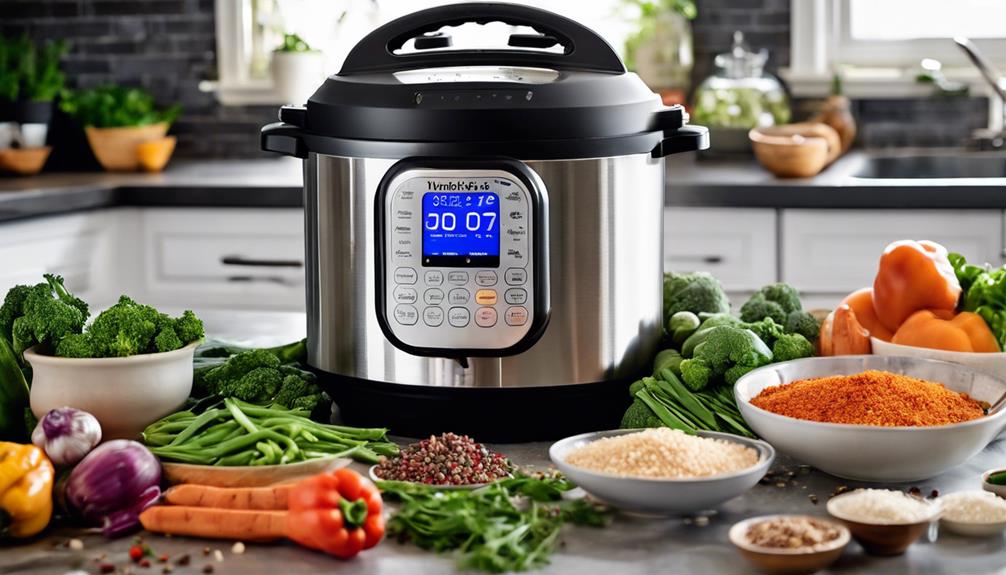
To make meal prepping for a raw food diet easier, you’ll need some essential tools in your kitchen. From must-have gadgets to effective storage solutions, having the right equipment can keep your ingredients fresh and your prep efficient. Let’s explore the key items that will streamline your meal prep process.
Must-Have Kitchen Gadgets
When diving into the world of meal prepping for a raw food diet, having the right kitchen gadgets can make all the difference. A spiralizer is essential for creating veggie noodles, offering spiralizer benefits that add fun and nutrition to your meals. You’ll also want to explore various blender types; a high-powered blender can transform fruits and veggies into smoothies or sauces effortlessly.
A food dehydrator is another must-have for preserving fruits and making raw snacks. Juicer options are vital as well, allowing you to create nutrient-rich juices packed with flavor. Don’t overlook the mandoline slicer; it helps achieve uniform cuts for salads and garnishes, enhancing presentation and texture.
Using food processor tips can streamline your chopping and mixing tasks, making meal prep a breeze. An herb chopper will save you time and effort when you need finely chopped herbs for your dishes. Finally, a kitchen scale is important for portion control and ensuring you’re getting the right amounts of ingredients. With these gadgets in your kitchen, you’ll be well-equipped to tackle your raw food meal prep with ease.
Storage Solutions for Freshness
Keeping your raw ingredients fresh is vital for successful meal prepping, and the right storage solutions can make a significant difference. One effective method is vacuum sealing. This technique removes air from storage bags, which helps prevent spoilage and keeps your fruits and vegetables crisp for longer. You’ll find that vacuum-sealed items not only last longer but also retain their nutrients better.
Another key aspect is humidity control. Fresh produce thrives in specific humidity levels, so using storage containers with adjustable humidity settings can help you maintain the ideal environment. Look for containers that allow you to regulate humidity for items like leafy greens and berries, which can quickly wilt or mold if not stored properly.
Investing in high-quality, airtight containers is also essential. These containers protect your ingredients from exposure to air and moisture, further extending their freshness. Remember to label everything with dates to keep track of how long your items have been stored. By combining vacuum sealing with humidity control and proper containers, you can guarantee your raw food stays fresh and ready for your meal prep needs.
Prep Containers and Utensils
Having the right prep containers and utensils can streamline your raw food meal prep and make the process more efficient. Start by selecting containers made from high-quality materials like glass or BPA-free plastic. These materials not only keep your ingredients fresh but also allow you to see what’s inside at a glance. Choose various sizes to accommodate everything from chopped veggies to dressings.
Next, think about utensil organization. Invest in a versatile set of knives, cutting boards, and peelers specifically for raw foods. A good-quality knife will make slicing fruits and vegetables a breeze, while a sturdy cutting board provides a safe surface for prep work. To keep everything tidy, consider drawer organizers or a designated utensil holder. This way, you’ll always find what you need when you need it.
Choosing the Right Ingredients
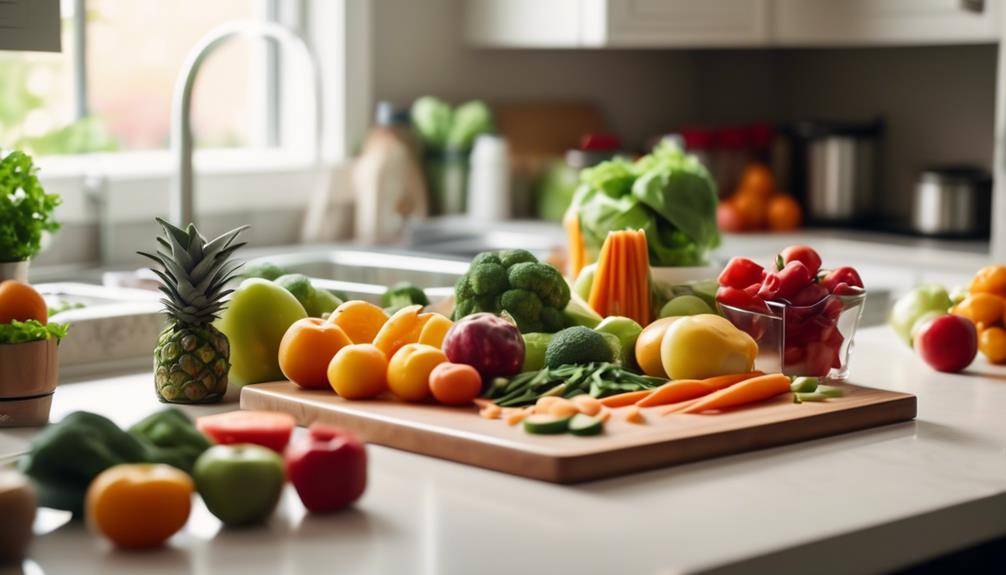
Choosing the right ingredients is essential for a successful raw food diet, as they form the foundation of your meals. When you’re engaging in ingredient sourcing, focus on fresh, organic produce whenever possible. This not only enhances the quality of your meals but also guarantees you’re getting the most nutrients. Local farmers’ markets are excellent places to find seasonal fruits and vegetables, and you can often establish a connection with the growers, assuring the freshness of what you buy.
Don’t forget about variety; incorporating a diverse range of ingredients can elevate your meals. Think about flavor combinations that excite your palate. Pair sweet fruits with tangy greens or add nuts and seeds for crunch. Experiment with herbs and spices to create depth in your dishes, as they can transform a simple salad into a flavorful experience. Avocados, for instance, work perfectly in dressings or as a creamy base for dips, while citrus can brighten up any dish.
Also, consider the textures of your ingredients. Mixing crunchy vegetables with smooth, creamy elements can create a satisfying mouthfeel. Don’t shy away from trying new ingredients, like spirulina or nutritional yeast, to add unique flavors and nutritional benefits. By thoughtfully selecting your ingredients, you’ll not only nourish your body but also enjoy the process of meal prepping. A little creativity goes a long way in making raw meals both delightful and satisfying.
Planning Your Weekly Menu
When planning your weekly menu, focus on incorporating seasonal ingredients to maximize freshness and flavor. It’s also important to guarantee a balanced distribution of nutrients in your meals. By doing this, you’ll create satisfying dishes that support your raw food lifestyle.
Seasonal Ingredient Selection
Selecting seasonal ingredients is essential for planning your weekly raw food menu. When you focus on local produce, you not only support your community but also guarantee peak freshness and flavor in your meals. Seasonal fruits and vegetables are often at their peak ripeness, which means they’re packed with nutrients and taste better than out-of-season options.
To begin, check what’s in season in your area. This might vary depending on your climate, but generally, you can find a bounty of choices. For example, during the summer months, you might enjoy juicy tomatoes, cucumbers, and berries, while fall could bring hearty root vegetables and apples.
Next, consider ingredient availability when creating your menu. Plan your meals around what’s currently thriving in your local market. This approach not only assures quality but also helps you save money, as seasonal items are usually more affordable.
Lastly, embrace variety by rotating different seasonal ingredients each week. This keeps your meals exciting and guarantees you get a diverse range of nutrients. By choosing seasonal ingredients, you’ll elevate your raw food experience and enjoy the best nature has to offer.
Balanced Nutrient Distribution
With a solid foundation of seasonal ingredients, you can now focus on balancing nutrients in your weekly raw food menu. Aim for macronutrient balance by incorporating a mix of healthy fats, proteins, and carbohydrates. For example, combine avocado and nuts for fats, sprouted legumes for protein, and a variety of fruits and vegetables for carbs.
Next, prioritize micronutrient variety by including colorful produce. Think vibrant greens, deep reds, and bright yellows; this enhances meal aesthetics and guarantees you’re getting a range of essential vitamins and minerals. Don’t forget hydration sources like cucumbers and watermelon, which also help with digestion optimization.
To keep your meals interesting, experiment with flavor combinations and texture diversity. Use crunchy veggies, creamy dips, and juicy fruits to create satisfying meals. Remember that enzyme preservation is vital for maximizing nutrient density, so try to prepare your dishes without excessive heat.
Easy Raw Food Recipes
Diving into easy raw food recipes can transform your meal prepping experience and elevate your culinary skills. You don’t need to be a gourmet chef to whip up delicious dishes that are both nutritious and satisfying. Start with vibrant salad combinations that burst with color and flavor. Toss together mixed greens, cherry tomatoes, cucumber, avocado, and a sprinkle of seeds for a crunchy texture. Drizzle with a simple dressing made from olive oil, lemon juice, and herbs for an invigorating taste.
Next, explore creative raw snacks that keep you energized throughout the day. Try making raw energy balls using dates, nuts, and a hint of vanilla. Just blend the ingredients, roll them into bite-sized balls, and you’re good to go. Not only are they easy to prepare, but they also satisfy your sweet cravings without any cooking.
Another fantastic option is raw veggie sticks paired with a creamy cashew dip. Just soak cashews, blend them with garlic, lemon juice, and a dash of nutritional yeast, and you’ve got a delightful dip that pairs perfectly with carrots, bell peppers, or celery.
Storing and Preserving Meals
Properly storing and preserving your raw food meals is essential for maintaining freshness and maximizing flavor. To achieve this, consider using a few effective techniques that will keep your ingredients vibrant and nutrient-rich.
One method you can use is fermentation techniques, which not only enhance flavor but also boost the nutritional profile of your meals. Foods like sauerkraut, kimchi, or fermented nut cheeses can be stored in airtight glass jars. Make sure to leave some space at the top to allow for expansion during fermentation. Store these jars in a cool, dark place to prolong their shelf life while developing rich flavors.
Another option is to incorporate dehydrating methods into your meal prep. Dehydrating fruits, vegetables, and even herbs helps preserve them by removing moisture that can lead to spoilage. Invest in a quality dehydrator, and follow the manufacturer’s instructions for best results. Once dried, store these items in vacuum-sealed bags or airtight containers to prevent moisture from creeping back in.
When it comes to storing your raw food meals, always label your containers with the date and contents. This practice helps you keep track of freshness, ensuring you enjoy your meals at their best. Remember, proper storage not only enhances the taste but also promotes healthy eating habits, making your raw food diet more enjoyable and sustainable. With these techniques in mind, you’ll be well on your way to mastering the art of storing and preserving your raw food meals.
Portion Control and Serving Sizes
After mastering storage techniques, it’s important to contemplate how much you’re serving yourself. Portion control plays an essential role in maintaining a balanced raw food diet. Start by familiarizing yourself with recommended portion sizes for various fruits, vegetables, nuts, and seeds. This knowledge can help you avoid unnecessary calorie counting while still achieving a fulfilling meal experience.
When planning your meals, consider diverse serving suggestions to keep your diet interesting and nutritious. Incorporate a variety of colors and textures to enhance food aesthetics, making your meals visually appealing. This not only stimulates your appetite but also encourages mindful eating, allowing you to savor each bite.
Aim for portion balance by dividing your plate into appropriate sections for each food group. For instance, fill half your plate with vegetables, a quarter with protein-rich nuts or seeds, and the remaining quarter with fruits or whole grains. This method guarantees you’re getting the nutrients your body needs without overindulging.
Don’t forget about snack options! Preparing grab-and-go snacks in manageable portion sizes can help curb hunger between meals without veering off track. Small, pre-portioned bags of nuts or sliced veggies can be perfect for satisfying cravings while keeping you aligned with your raw food goals.
In essence, practicing portion control and being mindful of serving sizes can lead to a healthier and more enjoyable raw food journey. Embrace meal variety, and let your creativity shine through as you explore new recipes and flavors.
Tips for Staying Motivated
Staying motivated on a raw food diet can sometimes feel challenging, but having a few strategies in your toolkit can make a big difference. One effective approach is goal setting. Break down your larger goals into smaller, more manageable ones. Instead of focusing on the entire month, aim for weekly targets. This way, you can celebrate small victories like trying a new recipe or sticking to your plan for a week, which keeps your enthusiasm high.
Another key strategy is to find accountability partners. Share your goals with friends or family members who support your raw food journey. You can check in with each other regularly, share meal prep ideas, and even cook together. Having someone to talk to about your challenges and achievements can really boost your motivation. Plus, it makes the process more enjoyable!
Don’t forget to keep your environment supportive. Fill your kitchen with fresh, colorful fruits and vegetables that excite you. When you see vibrant ingredients, you’ll be more inclined to whip up delicious meals. Additionally, consider documenting your journey. Whether it’s through a journal or social media, tracking your progress can inspire you to stay on course.
Lastly, remind yourself of the reasons you chose a raw food diet. Whether it’s for health benefits, ethical reasons, or simply a love for fresh produce, keeping your “why” in mind will help you stay focused and motivated. Embrace the journey, and remember that every step counts!
Adapting Meal Prep for Travel
Traveling while sticking to a raw food diet can be a breeze with the right meal prep strategies. To guarantee you stay energized and satisfied on your journey, planning ahead is key. Start by packing portable snacks that require minimal preparation. Some great snack ideas include sliced fruits, raw veggies with hummus, and energy balls made from nuts and seeds. These options are not only nutritious but also easy to grab when you’re on the go.
When you’re preparing for a trip, consider investing in a quality cooler bag. This will keep your fresh produce and dips chilled and safe for consumption. It’s also a good idea to portion out your snacks into individual containers or bags, making it easy to grab what you need without overpacking.
If you’re flying, check your airline’s regulations regarding bringing food on board. Most airlines allow raw fruits and veggies, but it’s always best to double-check. For longer journeys, scout out local health food stores or farmers’ markets at your destination. This way, you can replenish your supplies and discover new ingredients to incorporate into your meals.
Lastly, don’t forget to stay hydrated! Carry a reusable water bottle to keep your water intake up while traveling. By following these travel tips, you can enjoy your raw food diet no matter where your adventures take you. With a little preparation, you’ll feel great and maintain your health while exploring new places.
Frequently Asked Questions: Great Ways Of Meal Prepping For Raw Food Diet
Can I Include Cooked Foods in a Raw Food Meal Prep?
You can include cooked food options in your meal prep, but it’s best to focus on raw food alternatives for a true raw diet experience. Balance is key, so choose what fits your goals!
How Do I Handle Food Allergies While Meal Prepping?
When meal prepping, handle food allergies by carefully reading ingredient labels. Look for allergy substitutions to replace any problematic ingredients. Always keep your kitchen organized to prevent cross-contamination and guarantee your meals remain safe and delicious.
What Are Some Quick Snack Ideas for Raw Diets?
For quick snacks, you can mix nutrient-dense foods like nuts and seeds with fresh fruits. Experiment with flavor combinations, such as apple slices with almond butter or cucumber sticks paired with hummus. You’ll love the variety!
How Do I Prevent Spoilage in Raw Meal Prep?
To prevent spoilage in your meal prep, focus on proper food storage techniques and ingredient selection. Use airtight containers, store in cool places, and choose fresh, high-quality ingredients to extend freshness and maintain flavor.
Can I Meal Prep for a Family on a Raw Food Diet?
Yes, you can absolutely meal prep for a family on a raw food diet. Focus on proper raw food storage techniques and effective family meal planning to keep meals fresh and enjoyable for everyone.
If you enjoyed exploring this topic and want to dive even deeper, be sure to check out some of our other articles here on Infinite Flavors. From rich culinary histories to creative twists on classic recipes, there’s always something new to discover. Whether you’re curious about the origins of a dish, looking for fresh inspiration in the kitchen, or simply love learning about food culture, our collection of posts is the perfect next step on your flavor journey.
Easy Raw Food Diet Meal Prep For Beginners
Important Benefits Of Raw Food Diet Meal Prep
Easy Amazing Raw Food Diet Meal Prep Plans

Conclusion
Incorporating meal prepping into your raw food diet can transform your eating habits and make healthy living easier. By understanding the benefits and using the right tools, you’ll streamline your cooking process and guarantee you always have nutritious meals on hand. With a little planning and creativity, you’ll stay motivated and excited about your food choices. So, embrace the journey, enjoy the vibrant flavors of raw ingredients, and make meal prep a fun part of your lifestyle!