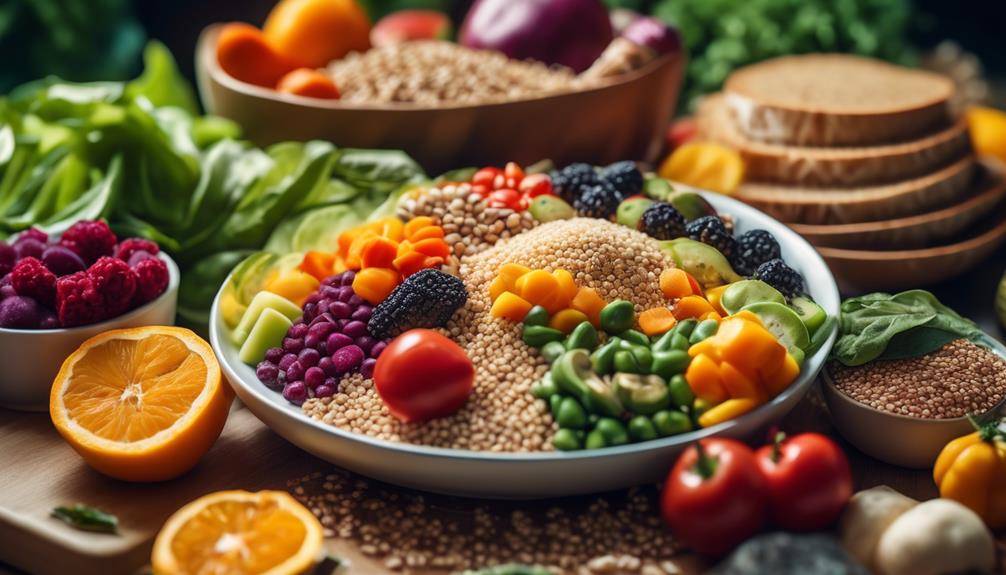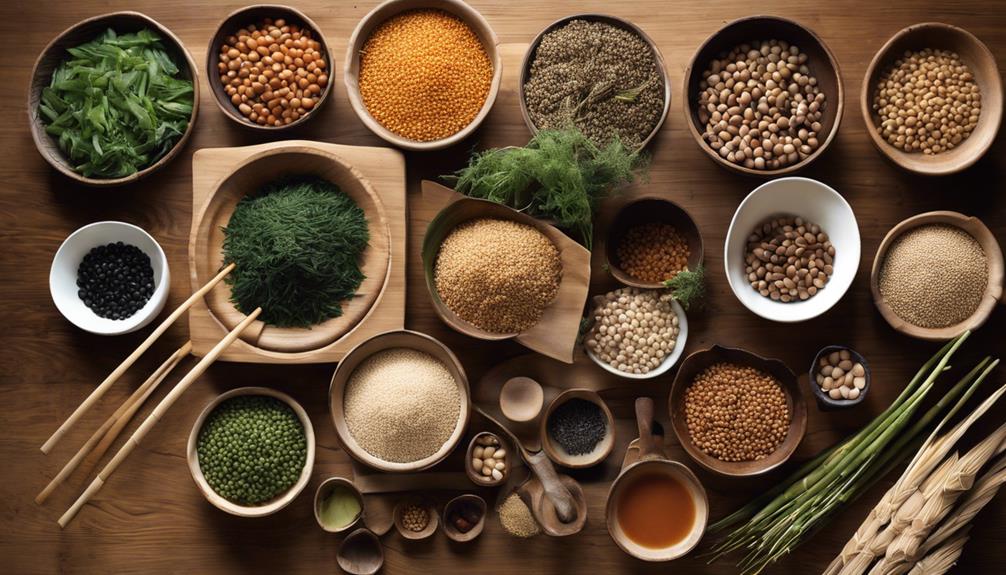
Discovering Key Ingredients For The Best Vegetarian Cooking
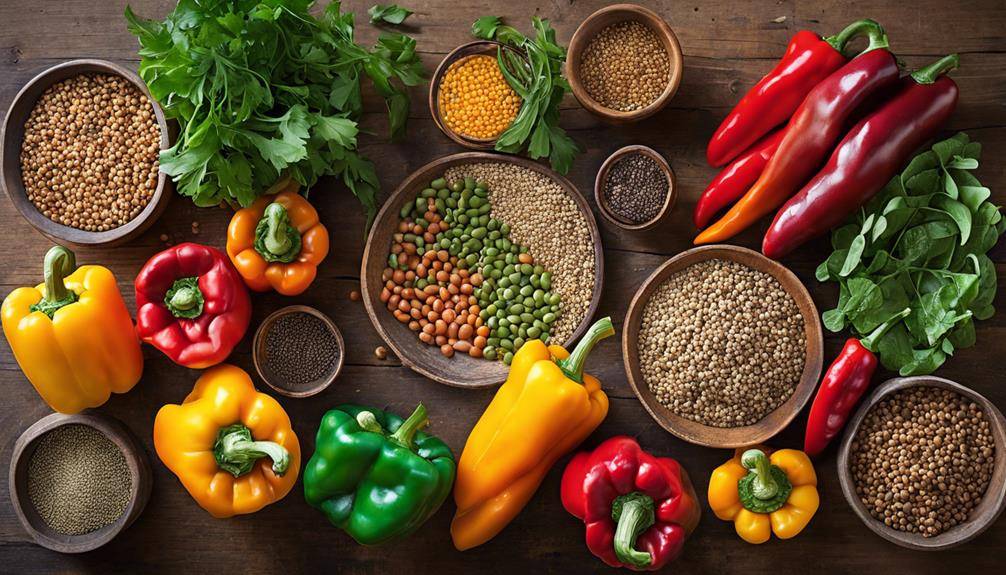
Ingredients For The Best Vegetarian Cooking; To discover key ingredients for vegetarian cooking, focus on a mix of legumes, vibrant vegetables, and whole grains. Legumes like lentils and chickpeas are protein-packed, while seasonal veggies add essential nutrients and color. Incorporate whole grains such as quinoa and brown rice for added fiber and variety. Don’t forget herbs and spices—fresh basil or smoky paprika can transform your dishes. Nuts, seeds, and healthy oils enhance flavors and nutrition. Explore creative condiments and fresh fruits to elevate your meals. Keep experimenting with different combinations, and you’ll find a treasure trove of delicious options waiting for you.
The Power of Legumes
Legumes are a powerhouse ingredient in vegetarian cooking, packed with protein, fiber, and essential nutrients. You’ll find a wide range of legume varieties, from lentils and chickpeas to black beans and kidney beans, each offering unique flavor profiles and health benefits. These protein sources are vital in maintaining a balanced diet, especially when you’re not consuming meat.
When it comes to cooking methods, you’ve got plenty of options. You can boil, steam, or even roast legumes to create delicious meals. Soaking dried beans overnight can cut down on cooking time and enhance their digestibility. Whether you’re whipping up a hearty lentil soup, a spicy chickpea curry, or a rejuvenating bean salad, the versatility of legumes makes them perfect for meal prep.
Incorporating legumes into your meals not only boosts nutritional value but also supports sustainable choices. Growing legumes requires fewer resources than animal protein, making them an eco-friendly option. Plus, they’re staples in many cultural dishes around the world, from Indian dal to Middle Eastern hummus, allowing you to explore global flavors while being mindful of your dietary choices.
Vibrant Vegetables
When it comes to vegetarian cooking, vibrant vegetables stand out as essential ingredients that bring color, flavor, and nutrition to your meals. These ingredients aren’t just eye-catching; they also pack a powerful punch regarding health benefits. Incorporating a variety of colorful combinations, such as bright bell peppers, deep purple eggplants, and rich green spinach, can transform your dishes from ordinary to extraordinary.
You’ll want to focus on seasonal selections to guarantee you’re getting the freshest produce available. Seasonal vegetables not only taste better but also provide the best possible nutrition. For instance, in spring, you might enjoy tender asparagus and sweet peas, while summer offers a bounty of ripe tomatoes and zesty zucchini. Fall brings hearty root vegetables like carrots and squash, and winter is perfect for robust greens and earthy beets.
Mixing and matching different colors enhances the visual appeal of your plates and guarantees you’re getting a range of nutrients. Think about tossing roasted rainbow carrots with a sprinkle of fresh herbs or creating a vibrant salad featuring mixed greens, cherry tomatoes, and shredded carrots.
Don’t shy away from trying new vegetables, either! Experiment with less common varieties like kohlrabi or rainbow chard to keep things exciting. Remember, the more colors you include in your meals, the more nutrients you’re likely to consume. So, make vibrant vegetables a staple in your vegetarian cooking, and watch your dishes come to life!
Whole Grains Essentials
Whole grains are packed with nutrients and offer numerous health benefits that can enhance your vegetarian meals. Understanding some effective cooking techniques and tips will help you make the most of these versatile ingredients. Let’s explore how to incorporate whole grains into your dishes for maximum flavor and nutrition.
Benefits of Whole Grains
Incorporating whole grains into your diet can transform your meals and boost your health. Whole grains are packed with nutrients, offering a rich source of fiber, vitamins, and minerals that can enhance your overall well-being. By choosing whole grain varieties like quinoa, brown rice, barley, and farro, you’re not just adding flavor and texture to your dishes, but also supporting your digestive health and reducing the risk of chronic diseases.
When you opt for whole grains, you’ll find they’re incredibly versatile. You can experiment with different cooking methods to find what works best for you. Whether you’re simmering a hearty grain salad, baking whole grain bread, or using grains as a base for a delicious stir-fry, you’ll discover endless possibilities.
In addition to their health benefits, whole grains can also help keep you feeling fuller for longer, which is great for weight management. Plus, they can easily be incorporated into your favorite vegetarian recipes. So, start exploring various whole grain varieties and enjoy the delicious, nutritious boost they bring to your meals!
Cooking Techniques and Tips
Understanding how to cook with whole grains can elevate your vegetarian meals even further. Start by mastering some essential cooking techniques. For example, sautéing techniques can bring out the nutty flavors of grains like quinoa and farro. Pair them with vibrant, steamed vegetables for a nutritious boost.
When you want to add depth, consider roasting methods for grains mixed with seasonal veggies—this creates a delightful caramelization that enhances flavor. If you’re in a rush, meal prepping can save time; cook a large batch of grains and portion them for quick meals throughout the week.
Don’t underestimate the power of stir fry tips! Combine whole grains with colorful veggies and your favorite sauce for a quick, satisfying dish. Remember to practice knife skills to chop vegetables efficiently and create an appealing dish.
Flavorful Herbs and Spices
When you’re cooking vegetarian dishes, flavorful herbs and spices can transform your meals. You’ll want to explore essential herbs like basil and cilantro, which add freshness, along with spices that bring depth and warmth, such as cumin and paprika. Let’s uncover how these ingredients can elevate your cooking experience.
Essential Herbs to Use
A well-stocked kitchen is incomplete without a selection of essential herbs that can elevate your vegetarian dishes to new heights. Fresh basil, thyme, and cilantro are must-haves, as they bring vibrant flavors and aromas that can transform even the simplest meals. When using these herbs, remember that herb preservation techniques like air-drying or freezing can extend their shelf life, ensuring you always have fresh flavors on hand.
Culinary pairings are key to maximizing the potential of your herbs. For example, fresh basil pairs beautifully with tomatoes in salads or sauces, while thyme complements roasted vegetables and grains. Cilantro can brighten up dishes, especially in salsas or as a garnish for soups.
Experiment with combinations, such as rosemary and garlic for savory dishes or mint and dill for invigorating salads. Mixing and matching these herbs not only enhances taste but also adds depth to your meals. By incorporating essential herbs into your cooking routine, you’ll discover new dimensions of flavor that make vegetarian dishes irresistible. Embrace these fresh ingredients, and watch as your culinary creations flourish!
Spices for Depth and Warmth
To bring depth and warmth to your vegetarian dishes, spices play an essential role in transforming flavors. Start by adding smoky paprika to create a rich, robust base. Pair it with earthy cumin for a grounding effect that enhances the overall taste. For a hint of sweetness, incorporate warming cinnamon, which works beautifully in both savory and sweet dishes.
Aromatic cardamom can elevate your meals with its unique flavor, while zesty coriander adds a fresh brightness. If you’re after some heat, spicy ginger will invigorate your recipes, bringing a kick that balances well with creamy elements. Don’t forget about nutty turmeric, known for its vibrant color and health benefits, which can introduce a subtle earthiness.
Rich cloves provide an intense warmth that’s especially comforting in fall and winter dishes. Fragrant fennel can add a sweet, anise-like flavor that surprises and delights, while savory mustard lends a tangy punch to dressings and marinades. Experiment with these spices to find the perfect blend that resonates with your palate, making your vegetarian meals unforgettable.
Nutrient-Dense Nuts and Seeds
Nuts and seeds pack a powerful nutritional punch, making them essential in vegetarian cooking. They’re rich in healthy fats, protein, fiber, vitamins, and minerals, all of which can enhance your meals and keep you feeling satisfied. Incorporating a variety of nuts and seeds into your diet not only boosts nutritional value but also adds delightful textures and flavors to your dishes.
When you think of nuts, consider the wide array of nut butter varieties available. Almond, cashew, and sunflower seed butter can elevate your smoothies, oatmeal, or even serve as a delectable dip for fruits and veggies. These spreads are not only delicious but also provide essential nutrients, helping you meet your daily intake goals.
Seed sprouting is another fantastic way to incorporate nutrient-dense seeds into your vegetarian cooking. Sprouts like alfalfa, chia, and sunflower seeds can easily be grown at home and add a fresh crunch to salads, sandwiches, and wraps. They’re packed with enzymes, making them easier to digest while amplifying their nutrient content.
Don’t forget to experiment with your favorite nuts and seeds in various recipes! Toss walnuts into your salads, blend hemp seeds into smoothies, or sprinkle pumpkin seeds on roasted vegetables. By embracing these ingredients, you’ll not only enhance the taste of your meals but also maximize their health benefits. So go ahead, get creative, and enjoy the power of nuts and seeds in your vegetarian cuisine!
Tasty Plant-Based Proteins
Incorporating tasty plant-based proteins into your meals can transform your vegetarian cooking experience. Start with tofu varieties; they’re versatile and absorb flavors beautifully. You can stir-fry, grill, or scramble it into a delicious dish. Don’t overlook tempeh benefits either—it’s fermented, packed with protein, and has a nutty flavor that works well in salads and sandwiches.
Seitan recipes offer a chewy texture similar to meat, making it a favorite for plant-based burgers. Pair it with spices and sauces for a satisfying meal. Chickpea dishes, like hummus or curries, are not only filling but also rich in protein. Lentil preparations are also fantastic; consider lentil soups or salads for a hearty, nutritious option.
Quinoa salads add a unique touch to your meals. They’re protein-rich and can be mixed with veggies, beans, or nuts for a complete dish. Edamame snacks are a quick and easy way to boost your protein intake; simply steam them and sprinkle with salt for a delicious treat.
Don’t forget about protein smoothies, which can be packed with plant-based protein powders, fruits, and greens, making for a perfect breakfast or post-workout snack. Finally, consider using nut-based cheeses to elevate your dishes. They’re creamy and flavorful, adding a delightful twist to your meals. With these tasty plant-based proteins, you’re well on your way to creating satisfying and nutritious vegetarian meals.
Dairy Alternatives
When exploring dairy alternatives, you’ll find a world of options that cater to your taste and dietary needs. Plant-based milks, like almond, oat, and soy, offer versatile bases for smoothies, cereals, or coffee. You can choose from a variety of cheese alternatives made from nuts or soy, perfect for adding creaminess to your dishes without the dairy. For a tangy kick, consider yogurt substitutes; coconut or cashew yogurts can enhance your breakfast or serve as a base for delicious sauces.
Cream replacements can elevate your soups and sauces, with options like coconut cream or non-dairy sour cream that mimic the rich texture of traditional dairy. When it comes to baking, butter swaps such as coconut oil or vegan butter work wonders without compromising flavor. Craving something sweet? Ice cream alternatives made from cashews or coconut milk can satisfy your dessert cravings while keeping things dairy-free.
Don’t forget about the power of nutritional yeast, a fantastic ingredient that adds a cheesy flavor to many dishes and is loaded with nutrients. Fermented options like kimchi or sauerkraut can also boost health benefits while bringing complexity to your meals. Plus, with a plethora of texture variations available, you can create everything from creamy sauces to rich desserts. With these dairy alternatives, you’ll find it easy to enjoy delicious, satisfying vegetarian meals without sacrificing taste or nutrition.
Versatile Oils and Fats
Versatility is key in vegetarian cooking, especially when it comes to oils and fats. You’ll find that different oil types not only influence the flavor profiles of your dishes but also affect their health benefits. For example, olive oil is rich in monounsaturated fats and has a robust flavor, making it perfect for dressings and sautéing at medium cooking temperatures. On the other hand, oils like coconut and avocado serve as excellent fat substitutes in baking, providing unique textures and tastes.
Understanding oil extraction methods can also enhance your cooking. Cold-pressed oils retain more nutrients and flavor, while refined oils can withstand higher temperatures, ideal for frying. When exploring regional oils, consider sesame oil for stir-fries or peanut oil for Asian cuisines, as they bring distinct flavors to your meals.
Proper oil storage is vital to maintain freshness. Keep oils in a cool, dark place and use them within their shelf life to avoid rancidity. Don’t forget to experiment with blends; mixing oils can create delightful new flavor profiles that elevate your vegetarian dishes.
Lastly, remember that while fats play a significant role in your diet, moderation is key. Balancing different oil types guarantees you reap health benefits without overdoing it. So, whether you’re drizzling, sautéing, or baking, choose your oils wisely to enhance both flavor and nutrition in your vegetarian cooking journey.
Creative Condiments
Revealing the full potential of your vegetarian dishes often comes down to the creative use of condiments. These simple additions can transform a bland meal into a vibrant culinary experience. By experimenting with sauce variations, you can elevate the flavors of your vegetables, grains, and legumes. Think beyond the usual ketchup or mustard—consider zesty chimichurri, tangy tahini, or spicy sriracha to add depth and excitement.
To achieve the best flavor pairings, consider the core ingredients of your meal. For example, if you’re featuring roasted cauliflower, a drizzle of spicy harissa can bring out its natural sweetness. On the other hand, a creamy avocado dressing pairs beautifully with crisp greens. Mixing and matching different sauces not only enhances taste but also introduces new textures.
Don’t forget about the power of homemade condiments. Crafting your own can be a fun and rewarding experience. For instance, blending fresh herbs with olive oil and lemon juice can create a invigorating pesto that’s perfect for drizzling over grilled vegetables. Alternatively, try a simple yogurt-based sauce with garlic and dill for a invigorating twist.
Incorporating diverse condiments into your cooking isn’t just about adding flavor; it’s about creating a memorable dining experience. So, don’t shy away from getting creative in the condiment department. With the right sauce variations and thoughtful flavor pairings, your vegetarian dishes will shine like never before.
Fresh Fruits
When you choose fresh fruits, think about the season to get the best flavor and nutrition. Seasonal fruits not only taste better, but they also offer a range of health benefits that can boost your meals. Let’s explore how to select the best fruits and the nutritional perks they bring to your vegetarian dishes.
Seasonal Fruit Selection Tips
Choosing seasonal fruits not only enhances the flavor of your dishes but also assures you’re getting the freshest produce available. To make the most of seasonal fruit varieties, pay attention to local farmers’ markets or grocery stores that emphasize what’s in season. This guarantees you’re selecting fruits at their peak ripeness, leading to better taste and nutrition.
When selecting fruits, look for vibrant colors and firm textures. Avoid any with bruises or soft spots, as these can indicate over-ripeness. If you’re unsure about what’s in season, consult a seasonal produce guide specific to your region.
Once you’ve picked the best fruits, consider how you’ll use them. If you can’t eat them all quickly, explore fruit preservation methods like freezing, canning, or drying. These techniques help maintain the fruit’s flavor and texture, allowing you to enjoy seasonal tastes year-round.
Experiment with different fruits in your recipes. Mix berries in smoothies, add citrus to salads, or bake with apples and pears. By focusing on seasonal selections, you’ll elevate your vegetarian cooking and enjoy the vibrant flavors nature has to offer.
Nutritional Benefits of Fruits
Fresh fruits pack a punch when it comes to nutrition, offering a wide range of essential vitamins, minerals, and antioxidants that can boost your health. By incorporating a diverse fruit variety into your diet, you can guarantee that you’re getting a balanced intake of nutrients. For instance, citrus fruits like oranges and grapefruits are high in vitamin C, while bananas provide potassium, which is vital for heart health.
Eating a variety of fruits not only supports your immune system but also aids digestion. Fruits such as apples and pears are rich in dietary fiber, helping to keep your digestive system running smoothly. Antioxidants found in berries can combat oxidative stress, promoting overall well-being.
Moreover, fresh fruits are low in calories and high in water content, making them a fantastic choice for weight management. Swapping out sugary snacks for a piece of fruit can greatly improve your fruit health.
Incorporating seasonal fruits adds freshness and flavor to your meals while maximizing nutrient intake. So, don’t hesitate to explore the colorful world of fruits—your body will thank you for it!
Essential Cooking Techniques
Mastering essential cooking techniques is fundamental for anyone venturing into vegetarian cuisine. These skills not only enhance your cooking but also elevate the flavors and textures of your dishes. First and foremost, developing knife skills is imperative. You’ll want to practice proper chopping, dicing, and mincing to guarantee uniform sizes, which helps with even cooking. A well-honed knife will make prep work faster and safer, allowing you to focus on creating delicious meals.
Next, mastering sautéing techniques is another key aspect of vegetarian cooking. Sautéing allows you to bring out the natural flavors of vegetables, making them more appealing. Start by heating oil in a pan, then add your ingredients. Stir frequently to prevent sticking and guarantee even cooking. This technique works wonders for a variety of vegetables, whether you’re tossing in bell peppers, zucchini, or leafy greens.
Don’t forget about steaming and roasting, two other essential techniques. Steaming preserves nutrients and textures, while roasting caramelizes the natural sugars in vegetables, creating a rich flavor profile. Experiment with different seasonings and herbs to elevate your dishes further.
Frequently Asked Questions: Ingredients For The Best Vegetarian Cooking
How Can I Ensure Balanced Nutrition in Vegetarian Meals?
To guarantee balanced nutrition in your meals, incorporate plant-based proteins like lentils and chickpeas, and pair them with nutrient-rich grains such as quinoa or brown rice. This combination provides essential amino acids and crucial nutrients.
What Kitchen Tools Are Essential for Vegetarian Cooking?
For effective vegetarian cooking, you’ll need essential kitchen tools like sharp knives for cutting techniques, a quality cutting board, pots for various cooking methods, and a blender for smoothies or soups. These tools make meal prep easier and enjoyable.
Are There Vegetarian Substitutes for Common Meat Dishes?
You can enjoy tempeh tacos for a hearty meal or grill cauliflower steaks as a satisfying main dish. These substitutes deliver flavor and texture, making your favorite meat recipes deliciously plant-based and fulfilling.
How Do I Store Leftovers Safely in Vegetarian Cooking?
To store leftovers safely, cool them quickly and transfer to airtight containers. Label with dates, and refrigerate within two hours. For longer storage, freeze portions to maintain food safety and quality. Enjoy your meals later!
What Are Some Quick Vegetarian Meal Prep Ideas?
For quick vegetarian meal prep, whip up some easy grain bowls with quinoa, beans, and veggies. You can also try quick salad ideas using mixed greens, chickpeas, and a zesty dressing. Enjoy your meals!

Conclusion
Incorporating these key ingredients into your vegetarian cooking can transform your meals into vibrant and nourishing dishes. Embrace the power of legumes, colorful veggies, whole grains, and flavorful herbs to create satisfying meals. Don’t forget about nuts, seeds, and versatile oils to enhance textures and flavors. With a splash of creative condiments and fresh fruits, you’ll elevate your culinary skills. So, roll up your sleeves, experiment, and enjoy the delicious journey of vegetarian cooking!
If you enjoyed exploring this topic and want to dive even deeper, be sure to check out some of our other articles here on Infinite Flavors. From rich culinary histories to creative twists on classic recipes, there’s always something new to discover. Whether you’re curious about the origins of a dish, looking for fresh inspiration in the kitchen, or simply love learning about food culture, our collection of posts is the perfect next step on your flavor journey.
Special Diets A Guide To Vegetarian Cooking
Amazing Guide To Preparing Delicious Vegetarian Pastas
Effortless Guide To Amazing Large-Scale Vegetarian Cooking