Discovering The Great Key Ingredients For Vegetarian Cooking
Key Ingredients For Vegetarian Cooking; Are you tired of making the same old vegetarian dishes? Do you want to add more flavor, variety, and nutrition to your meals? Well, look no further! In this discussion, we will explore the key ingredients that can transform your vegetarian cooking from ordinary to extraordinary.
From essential vegetables that can elevate the taste of your dishes to versatile grains that provide a nutritious base, and protein-packed legumes that offer plant-based proteins, we will cover it all. And that’s just the beginning! Stay tuned to discover the secrets of flavor enhancers, dairy alternatives, and superfoods that will take your vegetarian cooking to the next level. Get ready to elevate your culinary skills and make your taste buds dance with joy.
Essential Vegetables for Flavorful Dishes
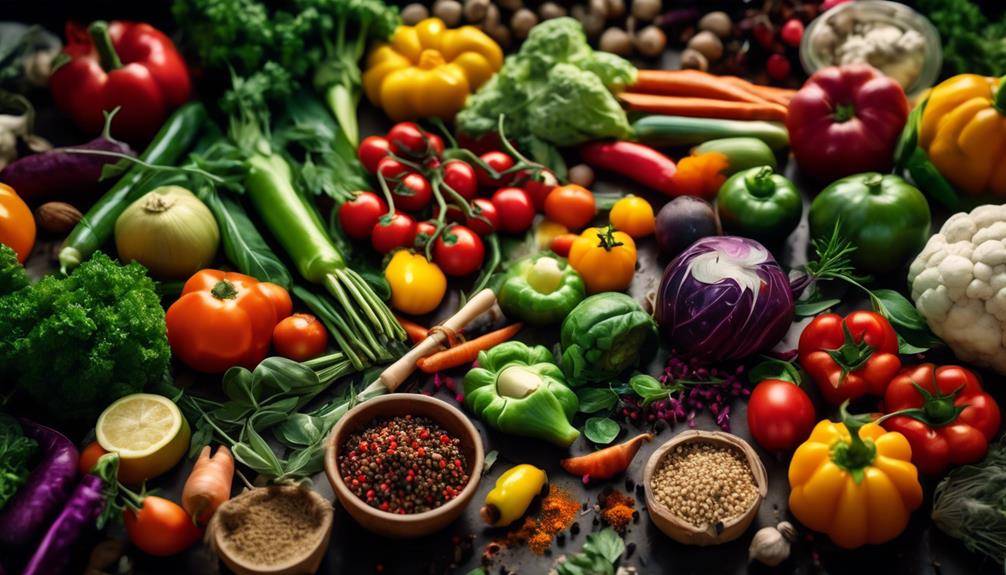
To create mouthwatering vegetarian dishes bursting with flavor, it is essential to incorporate a variety of nutrient-rich vegetables into your cooking repertoire. These essential vegetables are the foundation of flavorful dishes and can elevate any meal to new heights of taste and satisfaction. From vibrant bell peppers to earthy mushrooms, these ingredients can transform ordinary dishes into culinary masterpieces.
One of the most versatile vegetables for creating flavorful dishes is the humble tomato. Whether fresh or canned, tomatoes add a burst of tangy sweetness to any meal. They are a staple in many cuisines and can be used in soups, stews, sauces, and even as a topping for pizzas and salads. Tomatoes are not only delicious but also packed with essential nutrients like vitamin C and lycopene, a powerful antioxidant.
Another essential vegetable for flavor-packed vegetarian dishes is the versatile onion. This aromatic vegetable adds depth and complexity to any recipe. Whether sautéed, caramelized, or used raw in salads, onions bring a unique flavor profile to your meals. They are also high in antioxidants and have anti-inflammatory properties, making them a nutritious addition to your cooking.
Leafy greens such as spinach, kale, and Swiss chard are also essential vegetables for creating flavorful and nutritious meals. These greens are packed with vitamins, minerals, and antioxidants. They can be used in a variety of dishes, from salads and stir-fries to soups and smoothies. Their vibrant colors and robust flavors make them a delightful addition to any plate.
Incorporating these essential vegetables into your cooking will not only enhance the flavor of your dishes but also provide you with a wide range of nutrients. By combining them with versatile grains like quinoa, brown rice, or couscous, you can create well-balanced and satisfying vegetarian meals that will leave you feeling nourished and satisfied. So, get creative in the kitchen and start experimenting with these essential vegetables to create flavorful and nutritious vegetarian dishes.
Versatile Grains for Nutritious Meals
Looking to add some nutritious grains to your vegetarian meals? Look no further than quinoa, a complete protein that provides all the essential amino acids your body needs. For a high-fiber option, try incorporating brown rice into your dishes. And if you’re looking for a gluten-free grain, millet is a great choice. These versatile grains will not only add texture and flavor to your meals, but also provide you with the nutrients your body craves.
Quinoa: a Complete Protein
Quinoa, the versatile grain that packs a powerful protein punch, is a must-have ingredient for nutritious meals. With its complete protein profile, quinoa provides all nine essential amino acids that your body needs to function properly. This makes it an excellent choice for vegetarians and vegans looking to meet their protein needs. Quinoa is also rich in fiber, vitamins, and minerals, making it a nutrient-dense addition to any meal.
Whether you’re using it as a base for salads, a filling for stuffed peppers, or a substitute for rice in stir-fries, quinoa adds both flavor and nutritional value to your dishes. Incorporating quinoa into your diet is easy with a wide range of delicious quinoa recipes available. So, why not start exploring the world of quinoa and enjoy its countless health benefits today?
Brown Rice: High Fiber
If you’re seeking another versatile grain to add to your repertoire of nutritious meals, look no further than brown rice, a high-fiber option that offers a range of health benefits. Brown rice is an excellent choice for those looking to incorporate more high fiber dishes into their diet. With its outer bran layer intact, brown rice is packed with fiber, which aids digestion and helps maintain a healthy weight.
Additionally, the high fiber content of brown rice can help lower cholesterol levels and reduce the risk of heart disease. This versatile grain can be used in a variety of dishes, from stir-fries to salads, and its nutty flavor adds depth to any meal. So, next time you’re planning your menu, consider adding brown rice for its numerous benefits and delicious taste.
Millet: Gluten-Free Option
Millet, a versatile gluten-free grain, is a nutritious option that can elevate your vegetarian cooking to new levels of flavor and health. This ancient grain is packed with essential nutrients like protein, fiber, and antioxidants, making it a fantastic choice for those looking to incorporate more gluten-free grains into their diet.
When it comes to cooking millet, there are several techniques you can use to bring out its unique flavors and textures. One popular method is to toast the grains before cooking, which adds a nutty aroma and enhances the overall taste. Another technique is to cook millet in a pilaf-style, sautéing it with vegetables and spices before simmering it in vegetable broth. This creates a delicious one-pot meal that is both satisfying and nutritious.
Whether you’re using millet as a base for salads, adding it to soups and stews, or using it as a substitute for rice in stir-fries, this gluten-free grain is sure to impress. Its versatility and health benefits make it a must-have ingredient in any vegetarian kitchen. So go ahead, experiment with different cooking techniques and enjoy the flavorful and nutritious world of millet.
Protein-Packed Legumes for Plant-Based Proteins
For a nutritious and delicious plant-based protein option, look no further than protein-packed legumes. Legumes, such as beans, lentils, and chickpeas, are not only versatile but also packed with essential nutrients that can benefit your overall health. Here are some reasons why legumes should be a staple in your vegetarian diet:
- Rich in Protein: Legumes are an excellent source of plant-based protein, making them an ideal choice for vegetarians and vegans. They contain all the essential amino acids necessary for muscle growth and repair. Incorporating legumes into your meals can help you meet your daily protein requirements.
- Fiber Powerhouse: Legumes are high in dietary fiber, which aids in digestion and promotes a feeling of fullness. This can be especially beneficial for weight management and maintaining a healthy gut. Including legumes in your diet can also help regulate blood sugar levels and reduce the risk of cardiovascular diseases.
- Nutrient Dense: Legumes are packed with essential vitamins and minerals, including folate, magnesium, iron, and potassium. These nutrients are crucial for various bodily functions, such as energy production, immune system support, and bone health.
- Versatile and Delicious: Legumes can be used in a variety of dishes, from soups and stews to salads and dips. There are countless legume recipes available that cater to different tastes and preferences. Whether you’re craving a hearty chili or a refreshing chickpea salad, legumes provide endless possibilities for creating satisfying and flavorful meals.
Incorporating legumes into your vegetarian diet can provide you with a wide range of health benefits. From their high protein content to their nutrient density and versatility, legumes are an essential ingredient for plant-based protein sources. So go ahead and explore the world of legume recipes to add more variety and nutrition to your meals.
Flavor Enhancers: Herbs and Spices
Now that you’ve discovered the protein-packed power of legumes, let’s dive into the world of flavor enhancers that can take your vegetarian cooking to the next level: herbs and spices. Herbs and spices are the secret ingredients that can transform a simple dish into a culinary masterpiece. With their creative combinations and health benefits, you can elevate your vegetarian meals to new heights.
Herbs and spices not only add depth and complexity to your dishes, but they also offer a wide range of health benefits. Take garlic, for example. Not only does it provide a pungent and savory flavor, but it also contains a compound called allicin, which has been shown to have antibacterial and antiviral properties. Turmeric, another powerful spice, contains curcumin, a potent antioxidant and anti-inflammatory compound. Incorporating these herbs and spices into your cooking not only enhances the taste but also boosts the nutritional value of your meals.
When it comes to creative combinations, the possibilities are endless. Experiment with different herbs and spices to create unique flavor profiles. For a Mediterranean-inspired dish, try combining oregano, basil, and thyme. This combination adds a fresh and aromatic flavor that pairs well with vegetables, legumes, and grains. If you’re looking for a spicy kick, consider using cayenne pepper, paprika, or chili powder. These spices can add heat and depth to your dishes, making them more exciting and flavorful.
Incorporating herbs and spices into your vegetarian cooking not only enhances the taste but also provides a range of health benefits. Get creative with your combinations and discover the amazing flavors that herbs and spices can bring to your dishes. Your vegetarian meals will never be boring again!
Dairy Alternatives: Adding Creaminess and Depth
Looking to add creaminess and depth to your vegetarian dishes without relying on dairy? Look no further than creamy plant-based substitutes. These alternatives not only provide a rich and velvety texture, but also enhance the flavors of your dishes without compromising on taste. Whether you’re making a creamy pasta sauce or a luscious dessert, these dairy alternatives are the perfect way to elevate your vegetarian cooking to the next level.
Creamy Plant-Based Substitutes
To create creamy and indulgent plant-based dishes, discover the abundance of dairy alternatives that add a luscious texture and depth to your vegetarian cooking. These creamy plant-based substitutes are not only delicious but also packed with essential nutrients. Here are four dairy-free options that will elevate your culinary creations:
- Coconut Milk: Creamy and rich, coconut milk is perfect for creating dairy-free desserts like coconut milk ice cream or puddings. It adds a tropical twist and a velvety texture to your sweet treats.
- Cashew Cream: Made by blending soaked cashews with water, cashew cream is a versatile ingredient that can be used in both sweet and savory dishes. It adds a creamy and nutty flavor to plant-based sauces, soups, and even cheesecakes.
- Silken Tofu: Silken tofu is a fantastic substitute for cream in dishes like creamy pasta sauces or mashed potatoes. It has a smooth texture and a neutral taste, making it perfect for creating creamy textures without overpowering the flavors of other ingredients.
- Nutritional Yeast: Not only is nutritional yeast a great source of nutrients like B vitamins and protein, but it also adds a cheesy flavor to your dishes. Sprinkle it on top of popcorn, use it in sauces or dressings, and enjoy a creamy and cheesy taste without any dairy.
Enhancing Flavors Without Dairy
For a dairy-free option that adds creaminess and depth to your dishes, explore the world of plant-based alternatives that enhance flavors without relying on traditional dairy products. Vegan cheese alternatives and plant-based creamy sauces are excellent options to consider. These alternatives are made from various plant-based ingredients such as nuts, seeds, and vegetables, providing a rich and flavorful addition to your meals.
Vegan cheese alternatives are available in a variety of flavors and textures, allowing you to add a cheesy element to your dishes. From mozzarella and cheddar to feta and cream cheese, there are numerous options to suit your taste preferences. These alternatives are often made from cashews, almonds, or soy, providing a creamy and indulgent experience.
Plant-based creamy sauces are another great way to enhance flavors without dairy. Made from ingredients like cashews, coconut milk, or tahini, these sauces offer a luscious texture and a depth of flavor. Whether you’re making a creamy pasta sauce, a velvety soup, or a flavorful dressing, plant-based creamy sauces can elevate your dishes to the next level.
Superfoods: Boosting Health Benefits in Your Vegetarian Cooking
Enhance the nutritional value of your vegetarian dishes with the power-packed benefits of superfoods. These nutrient-dense ingredients not only add flavor and texture to your meals but also provide a multitude of health benefits. By incorporating superfoods into your everyday vegetarian meals, you can ensure that you and your family are getting the essential nutrients needed for optimal health.
Here are four superfoods that you can incorporate into your vegetarian cooking to boost the health benefits:
- Quinoa: This ancient grain is a complete protein, meaning it contains all nine essential amino acids. It is also high in fiber, iron, and magnesium, making it a great addition to any vegetarian diet. Use quinoa as a base for salads, stir-fries, or even as a substitute for rice.
- Chia Seeds: These tiny seeds are packed with omega-3 fatty acids, fiber, and antioxidants. They can be sprinkled on top of yogurt, added to smoothies, or used as an egg substitute in baking. Incorporating chia seeds into your vegetarian children’s meals can help support their brain development and overall growth.
- Kale: This leafy green is a nutritional powerhouse, loaded with vitamins A, C, and K, as well as calcium and iron. Add kale to your salads, sauté it with garlic as a side dish, or blend it into smoothies for an extra nutrient boost.
- Turmeric: This vibrant spice has powerful anti-inflammatory properties and is rich in antioxidants. Add turmeric to curries, soups, or roasted vegetables to not only enhance the flavor but also reap its health benefits.
Frequently Asked Questions: Key Ingredients For Vegetarian Cooking
Can You Provide a Step-By-Step Guide on How to Cook the Essential Vegetables Mentioned in the Article?
To cook the essential vegetables, start by selecting your desired veggies and gathering all the necessary ingredients and tools. Wash and prepare them, then sauté in oil until softened. Season with salt, pepper, and herbs. Cook to desired tenderness and enjoy!
What Are Some Creative Ways to Incorporate Versatile Grains Into Desserts or Sweet Dishes?
Get ready to step up your dessert game! Incorporating versatile grains into sweet dishes can add unique flavors and textures. Try blending cooked quinoa into chocolate cake batter or adding cooked millet to fruit crumbles for a nutrient-packed twist.
Are There Any Legumes That Should Be Avoided or Used Sparingly Due to Their High Carbohydrate Content?
Avoiding or using sparingly legumes with high carbohydrate content is important for those following a ketogenic vegetarian diet. However, don’t overlook the health benefits of other legumes that can enhance your vegetarian meals.
Can You Suggest Some Ways to Substitute Herbs and Spices for Those With Allergies or Sensitivities?
You can try using fresh herbs instead of dried ones to reduce the risk of allergens. For spices, experiment with alternatives like turmeric or ginger. Get creative and explore new flavors while catering to your dietary needs.
Are There Any Dairy Alternatives That Can Be Used as a Substitute for Cream in Baking Recipes?
You can try using dairy alternatives like coconut milk or almond milk as a substitute for cream in baking recipes. They can add a creamy texture and richness to your dishes without the dairy.

Conclusion
Congratulations! You have now unlocked the secrets to creating delicious and nutritious vegetarian dishes. By incorporating essential vegetables, versatile grains, protein-packed legumes, flavor-enhancing herbs and spices, and dairy alternatives, your meals will burst with flavor and depth. And don’t forget to supercharge your cooking with nutrient-rich superfoods. With these key ingredients in your culinary arsenal, you are well on your way to becoming a vegetarian cooking maestro. So go forth and create mouthwatering, plant-based masterpieces that will nourish your body and delight your taste buds.
If you enjoyed exploring this topic and want to dive even deeper, be sure to check out some of our other articles here on Infinite Flavors. From rich culinary histories to creative twists on classic recipes, there’s always something new to discover. Whether you’re curious about the origins of a dish, looking for fresh inspiration in the kitchen, or simply love learning about food culture, our collection of posts is the perfect next step on your flavor journey.
Why Opt For Exciting Cultural Vegetarian Dish Cooking
The Best Comprehensive Guide To Kid-Friendly Vegetarian Cooking
11 Great Tips For Weight Loss With Vegetarian Cooking