7 Important Key Tips To Vegetarian And Vegan Cooking
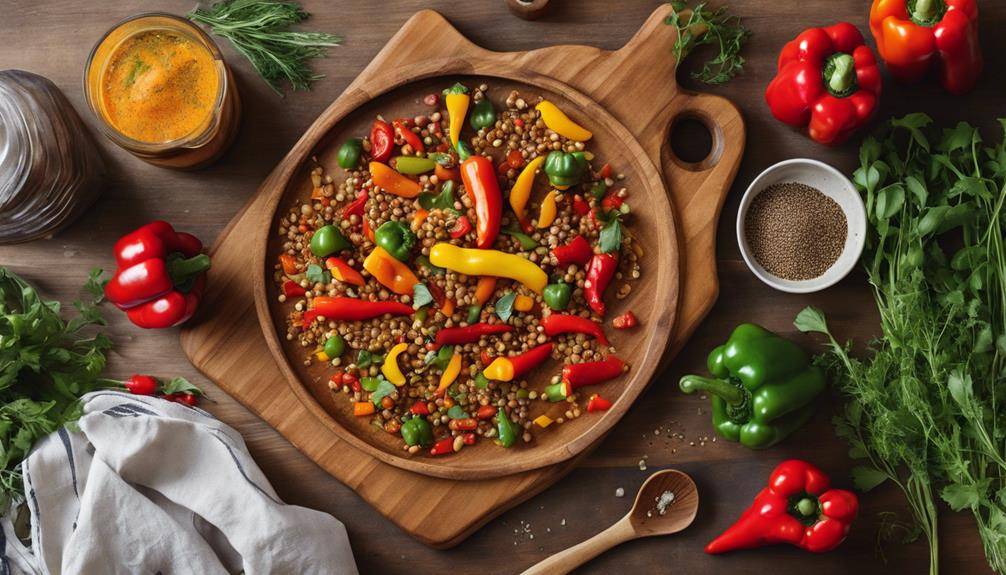
Key Tips To Vegetarian And Vegan Cooking; To elevate your vegetarian and vegan cooking, start by embracing plant-based proteins like lentils, tofu, and beans. Experiment with fresh herbs and spices to enhance flavors and add depth to your dishes. Don’t hesitate to make ingredient substitutions for better nutrition, like using quinoa instead of pasta. Master essential cooking techniques like sautéing and roasting to bring out the best in your ingredients. Focus on seasonal produce for fresh flavors and support local farmers. Plan balanced meals that incorporate a variety of nutrients, and get creative with your presentation. There’s so much more to explore in the vibrant world of plant-based cooking!
Embrace Plant-Based Proteins
Embracing plant-based proteins is a game changer for anyone venturing into vegetarian or vegan cooking. These proteins not only provide essential nutrients but also add texture and flavor to your dishes. Start with lentil varieties; they’re incredibly versatile and can be used in soups, salads, or as the main component in veggie patties. You’ll find red lentils cook quickly and break down, making them perfect for creamy soups, while green and brown lentils hold their shape better, adding a hearty bite to salads or grain bowls.
Next, consider tofu textures. Tofu is a fantastic protein source that can adapt to any dish, depending on how you prepare it. Silken tofu works wonders in smoothies or desserts, creating a creamy consistency without the dairy. On the other hand, firm or extra-firm tofu can be marinated and grilled, giving you a satisfying texture that mimics meat. Don’t forget to press your tofu to remove excess water—this step allows it to soak up marinades and achieve a deliciously crispy exterior when cooked.
Additionally, you can explore beans, chickpeas, and quinoa, which all bring unique flavors and textures to your meals. By incorporating these plant-based proteins, you’ll not only boost your nutrition but also elevate your cooking game. Experiment with different combinations, and soon you’ll discover how easy and enjoyable vegetarian and vegan cooking can be!
Explore Flavorful Herbs and Spices
Using the right herbs and spices can transform your vegetarian and vegan dishes from bland to bursting with flavor. Think about adding essential herbs like basil, cilantro, and thyme to enhance your meals. Don’t forget the spices that elevate your dishes, such as cumin, paprika, and turmeric, to create vibrant and satisfying flavors.
Essential Herbs for Flavor
A handful of essential herbs can transform your vegetarian and vegan dishes from bland to bursting with flavor. Start by incorporating basil, which adds a sweet and slightly peppery note, perfect for Italian dishes. Cilantro brings a fresh, zesty flavor, ideal for salsas and Asian cuisines. Oregano offers a warm, earthy taste that works wonderfully in Mediterranean recipes.
Experimenting with herb combinations can take your meals to the next level. For instance, pairing rosemary with thyme creates a savory blend that’s fantastic for roasted vegetables. You can also mix parsley with dill for a light, invigorating flavor profile that brightens up salads and dips.
Don’t forget about mint; its coolness adds a unique twist to both savory and sweet dishes. When you understand how these herbs enhance your meals, you’ll find it easier to create vibrant, flavorful dishes. Try to use fresh herbs whenever possible, as they pack a more intense flavor than dried ones. Explore these essential herbs, and you’ll soon discover how they can elevate your vegetarian and vegan cooking to new heights!
Spices That Elevate Dishes
Herbs are just the beginning when it comes to boosting the flavor of your vegetarian and vegan dishes; spices play a pivotal role too. To truly elevate your meals, experiment with various spice blends that can transform the simplest ingredients into culinary delights. Each spice has its own unique flavor profile, so understanding their characteristics can help you create well-balanced dishes.
For instance, cumin and coriander together can add warmth and depth, while smoked paprika brings a rich, smoky essence. Don’t forget about spices like turmeric, which not only adds vibrant color but also a subtle earthiness. If you crave heat, chili powder and cayenne pepper can spice things up beautifully.
You can also try premade spice blends, such as garam masala or za’atar, to save time while still achieving complex flavors. These blends often combine multiple spices, making it easy to infuse your dishes with a burst of flavor. By experimenting with different spices and blends, you’ll discover new combinations that elevate your cooking and make your vegetarian and vegan meals truly irresistible. So, get creative and let your taste buds guide you on this flavorful journey!
Experiment With Substitutions
Countless delicious vegetarian and vegan dishes can be crafted by experimenting with substitutions. When you’re creating a meal, think about the ingredients you can swap out to enhance the nutritional value and add texture variety. For instance, if a recipe calls for ground beef, try using lentils or mushrooms. Both options provide a hearty texture and rich flavor, making your dish satisfying without the meat.
Don’t be afraid to play with dairy alternatives, too. Instead of sour cream, use cashew cream or coconut yogurt. These nutritional swaps not only cater to dietary restrictions but also introduce unique flavors to your meals. If you’re baking, consider using applesauce or mashed bananas in place of eggs. These ingredients not only bind your mixture but also add moisture and natural sweetness.
You can also experiment with grains. Quinoa, farro, or brown rice can replace traditional pasta or white rice, giving your dishes a nutritious boost and a pleasant chewiness. For those who love crispy textures, try roasting chickpeas or cauliflower as a topping for your salads or grain bowls.
Don’t overlook the power of sauces and dressings. Swap heavy mayonnaise for avocado or tahini to create creamy, flavorful options without the extra calories. With all these substitutions, you’ll not only create diverse dishes but also discover new flavors and health benefits, enhancing your vegetarian and vegan cooking experience. So go ahead, get creative, and enjoy the process!
Master Cooking Techniques
Experimenting with substitutions can open the door to mastering cooking techniques that elevate your vegetarian and vegan dishes. Start with honing your knife skills; they’re essential in the kitchen. Whether you’re chopping vegetables for a stir-fry or slicing tofu for a sandwich, efficient knife skills can save time and improve presentation. Practice different cuts like julienne, dice, and chiffonade to transform the texture of your ingredients and enhance their flavors.
Next, familiarize yourself with various cooking methods. Sautéing, roasting, steaming, and grilling can all bring out unique flavors in plant-based ingredients. For instance, sautéing your veggies in a bit of olive oil can create a caramelized exterior, enhancing their sweetness. Roasting vegetables at high temperatures can result in a crispy texture, making them a delicious side dish or a hearty addition to salads.
Don’t forget about the power of steaming, which retains nutrients while providing a vibrant color to your dishes. Grilling can also add a smoky depth that complements many flavors in vegetarian and vegan cuisine.
Focus on Seasonal Ingredients
When you focus on seasonal ingredients, you tap into the freshest flavors while supporting local farmers. Seasonal produce not only tastes better but also provides maximum nutritional benefits. Plus, cooking with what’s in season can inspire your creativity in the kitchen.
Benefits of Seasonal Produce
Eating seasonal produce offers numerous benefits that can enhance your vegetarian or vegan cooking experience. First off, the nutritional advantages of fresh, seasonal fruits and vegetables are significant. They’re often harvested at their peak, ensuring maximum health benefits and taste preservation. By incorporating these ingredients into your meals, you can enjoy enhanced flavors and vibrant colors.
Additionally, cooking with seasonal produce encourages culinary creativity. You’ll find a variety of options to explore, inspiring you to try new seasonal recipes that keep your meals exciting. Plus, these ingredients are usually budget-friendly, as they’re more abundant and easier to source.
Choosing seasonal produce also positively impacts the environment. It reduces transportation emissions and supports local farmers, fostering community support. When you buy in-season, you’re not just making a delicious choice; you’re contributing to sustainable practices.
Embracing seasonal ingredients allows you to enhance the flavors in your dishes while offering diverse options throughout the year. So, immerse yourself in the wonderful world of seasonal produce and reap the benefits of improved health, creativity, and sustainability in your cooking!
Cooking With Local Ingredients
Cooking with local ingredients can transform your meals, bringing fresh flavors and heightened nutrition right from your community. By focusing on seasonal produce, you not only support local farmers but also enjoy ingredients at their peak freshness. Visit farmers markets to discover a variety of fruits, vegetables, and herbs grown just down the road. You’ll find unique varieties that might not be available in grocery stores, which can inspire creativity in your cooking.
Consider joining a community garden, where you can grow your own vegetables and herbs. It’s a fantastic way to engage with your neighbors, learn about sustainable practices, and gain access to the freshest ingredients possible. When you cook with local produce, you often notice improved taste and nutrient density, as these ingredients haven’t traveled long distances.
Plan your meals around what’s available each season. This not only helps you stay in tune with nature’s rhythms but also encourages you to try new recipes and flavors. So, grab your reusable bags, head to the farmers market, or dig into your community garden, and embrace the delicious possibilities that local ingredients bring to your vegetarian or vegan meals!
Plan Balanced Meals
Planning balanced meals is essential for maintaining a healthy vegetarian or vegan lifestyle. This means you’re not just filling your plate with veggies; it’s about ensuring you get a variety of nutrients your body needs. Begin by following nutritional guidelines that emphasize a mix of proteins, healthy fats, and carbohydrates.
Start with proteins like beans, lentils, tofu, or tempeh. These are fantastic sources of plant-based protein. Pair them with whole grains such as quinoa, brown rice, or whole grain bread to create a complete protein source. Don’t forget to include plenty of colorful fruits and vegetables, which provide crucial vitamins and minerals.
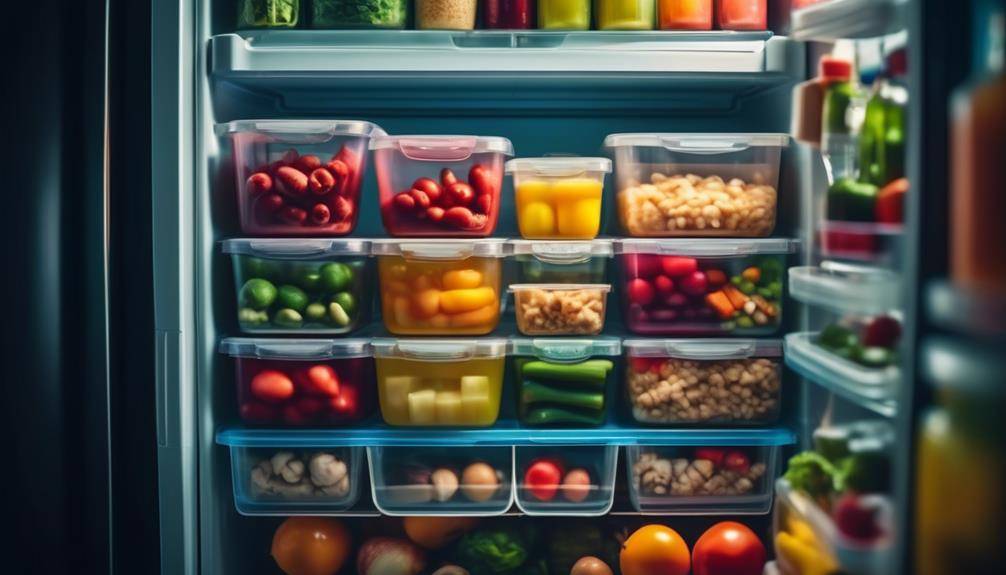
Meal prepping can be a game changer in your journey toward balanced meals. Dedicate a few hours each week to prepare your meals in advance. Chop vegetables, cook grains, and portion out snacks so you’re ready to go when hunger strikes. This not only saves time but also helps you make healthier choices instead of grabbing processed snacks on the fly.
Get Creative With Presentation
When it comes to serving vegetarian and vegan meals, a little creativity in presentation can elevate your dishes from simple to stunning. You don’t have to be a professional chef to make your meals visually appealing. Start by focusing on the colors in your dish. Use vibrant, seasonal vegetables that naturally add a splash of color. Think bright bell peppers, deep greens, and rich purples.
Next, consider your serving dishes. A white plate can make your colorful garnishes pop, while a rustic wooden board can give your meal a homey feel. Experiment with different shapes and sizes of plates or bowls to create visual interest.
Artistic plating is all about balance and arrangement. Instead of just piling everything in the center, try arranging your components in a way that leads the eye around the plate. You might create a small stack of quinoa, topped with roasted veggies, and drizzle a sauce artistically around it.
Don’t forget about those colorful garnishes! Fresh herbs, edible flowers, or a sprinkle of seeds can add not only color but also texture and flavor. A few well-placed sprigs of cilantro or a dusting of paprika can turn a simple dish into a work of art.
Frequently Asked Questions: Key Tips To Vegetarian And Vegan Cooking
What Are the Best Vegetarian Sources of Iron?
To boost your iron intake, focus on plant-based proteins like lentils, chickpeas, and quinoa. Pair them with vitamin C-rich foods to enhance iron absorption, ensuring you get the nutrients you need for a healthy diet.
How Can I Ensure Adequate Vitamin B12 Intake?
To guarantee adequate vitamin B12 intake, consider taking B12 supplements or incorporating nutritional yeast into your meals. These options can help you maintain healthy levels of this essential nutrient while following a vegetarian or vegan diet.
Are There Any Common Allergens in Vegan Cooking?
In vegan cooking, common allergens like soy, nuts, and gluten can affect many. You can use ingredient substitutions, such as coconut yogurt instead of soy or chickpea flour instead of wheat, to accommodate different dietary needs.
How Do I Store Leftovers Safely in a Vegan Diet?
To store leftovers safely, cool them quickly and place them in airtight containers. Label with dates and refrigerate within two hours. This guarantees food safety and helps keep your meals fresh for later enjoyment.
Can I Follow a Vegan Diet While Pregnant or Breastfeeding?
Yes, you can follow a vegan diet while pregnant or breastfeeding. Just guarantee you’re mindful of nutritional considerations, like protein and vitamin B12, and focus on meal planning to meet your growing needs effectively.

Conclusion
Incorporating these tips into your vegetarian or vegan cooking will transform your meals and elevate your culinary skills. Embrace plant-based proteins, explore vibrant herbs and spices, and don’t shy away from experimenting with substitutions. Mastering various cooking techniques and focusing on seasonal ingredients will keep your dishes fresh and exciting. Remember to plan balanced meals and get creative with presentation. With these strategies, you’ll not only nourish your body but also delight your taste buds!
If you enjoyed exploring this topic and want to dive even deeper, be sure to check out some of our other articles here on Infinite Flavors. From rich culinary histories to creative twists on classic recipes, there’s always something new to discover. Whether you’re curious about the origins of a dish, looking for fresh inspiration in the kitchen, or simply love learning about food culture, our collection of posts is the perfect next step on your flavor journey.
Why Opt For Amazing Vegetarian BBQ
Special Diets A Guide To Vegetarian Cooking
Effortless Guide To Amazing Large-Scale Vegetarian Cooking