Great Molecular Gastronomy Trends in Vegetarian Cuisine
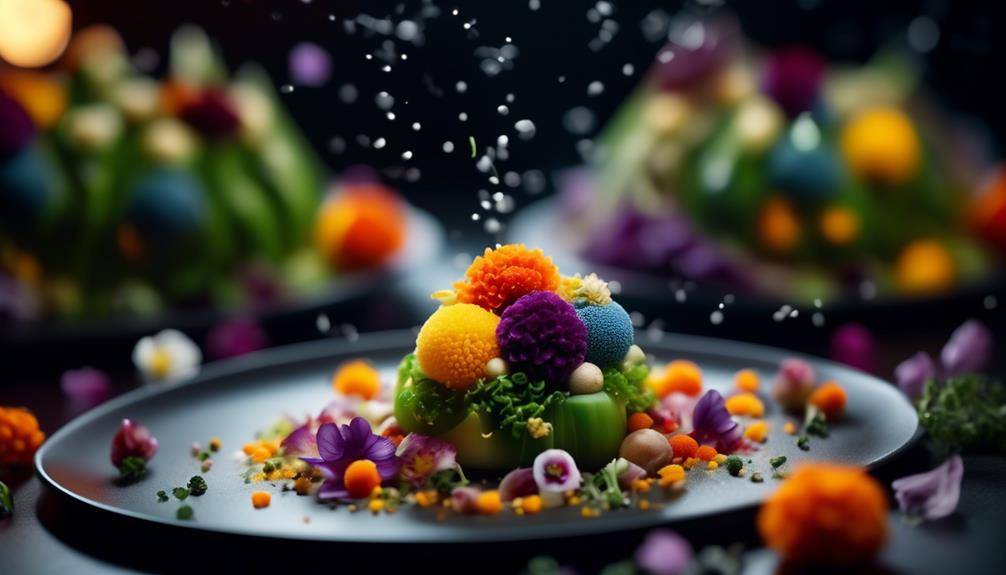
Molecular Gastronomy Trends in Vegetarian; You may be wondering how molecular gastronomy, with its emphasis on complex techniques and scientific principles, can be applied to vegetarian cuisine. However, the intersection of molecular gastronomy and vegetarianism has sparked a fascinating culinary movement that is revolutionizing the way plant-based dishes are prepared and presented. From innovative ingredients to transformative techniques, there is a whole world of possibilities waiting to be explored. So, prepare to embark on a journey that will challenge your preconceptions and tantalize your taste buds, as we uncover the exciting trends in molecular gastronomy within the realm of vegetarian cuisine.
Understanding Molecular Gastronomy
To truly grasp the intricacies of molecular gastronomy, you must delve into the scientific exploration and innovative techniques that revolutionize the understanding of culinary arts. In the realm of vegetarian cuisine, molecular gastronomy offers exciting possibilities for the creation of unique and visually stunning dishes. This subtopic will explore the application of molecular gastronomy techniques in vegetarian cocktails and the principles behind applying molecular gastronomy to vegetarian baking.
When it comes to vegetarian cocktails, molecular gastronomy techniques can elevate the experience by introducing unexpected textures and flavors. For example, foams and gels can be created using ingredients like agar-agar or xanthan gum to add a new dimension to the drink. These techniques allow for the creation of visually appealing layers and textures, enhancing the overall sensory experience.
In vegetarian baking, molecular gastronomy principles can be applied to create innovative and delightful treats. For instance, the use of hydrocolloids like methylcellulose or carrageenan can replace traditional binding agents like eggs, allowing for the creation of vegan-friendly desserts. Additionally, spherification techniques can be used to create vegan caviar, replacing fish eggs with plant-based alternatives like seaweed extracts.
The Science Behind Vegetarian Cooking
Understanding the scientific principles behind vegetarian cooking is crucial for chefs and home cooks alike in order to create innovative and delicious plant-based dishes. By delving into the science behind vegetarian cooking, you can unlock a whole new world of flavors, textures, and techniques. Here are some key scientific concepts to consider:
- The role of enzymes in vegetarian cooking:
Enzymes play a vital role in breaking down complex molecules into simpler ones, facilitating the cooking process and enhancing the flavors of vegetarian dishes. For example, the enzyme papain found in papaya helps tenderize tough plant proteins, while the enzyme bromelain in pineapple aids in the digestion of plant-based proteins, making them more easily absorbed by the body. Understanding how different enzymes work can help you manipulate the texture and taste of vegetarian ingredients.
- The impact of temperature on flavor development:
Temperature plays a significant role in flavor development during vegetarian cooking. Maillard reactions, for instance, occur when amino acids and reducing sugars react at high temperatures, resulting in the formation of new flavor compounds. By adjusting cooking temperatures, you can control the intensity and complexity of flavors in vegetarian dishes. Additionally, certain flavors are more volatile and may be lost or intensified at different temperatures. By understanding these temperature-dependent changes, you can optimize the flavor profile of your vegetarian creations.
Innovative Ingredients in Vegetarian Cuisine
Enrich your vegetarian culinary repertoire with a world of innovative ingredients that push the boundaries of flavor, texture, and creativity. In the realm of vegetarian cuisine, innovative cooking techniques and plant-based flavor profiles have opened up a vast array of possibilities for chefs and home cooks alike. By exploring these innovative ingredients, you can elevate your vegetarian dishes to new heights.
One such ingredient is jackfruit, a tropical fruit native to South Asia. With its fibrous texture and subtle sweetness, jackfruit has gained popularity as a meat substitute in vegetarian recipes. Its versatility allows it to be used in a variety of dishes, from pulled “pork” sandwiches to curries and stir-fries.
Another innovative ingredient is nutritional yeast, a deactivated yeast that adds a savory, cheese-like flavor to dishes. It is often used as a topping for popcorn or as a seasoning in sauces and dressings. Nutritional yeast is a great source of B vitamins and protein, making it a valuable addition to a vegetarian diet.
Seaweed is also making waves in the vegetarian culinary world. It offers a unique umami flavor and a range of textures, from crispy nori sheets to tender kelp. Seaweed can be used in soups, salads, and even desserts, adding depth and complexity to plant-based dishes.
Lastly, aquafaba, the liquid leftover from cooking chickpeas, has become a star ingredient in vegan baking. This viscous liquid can be whipped like egg whites and used to make meringues, mousses, and other desserts. It is a versatile and sustainable alternative to eggs, opening up new possibilities for plant-based desserts.
Techniques for Transforming Plant-based Ingredients
To transform plant-based ingredients into innovative and flavorful dishes, you can utilize various techniques. First, consider using flavor-enhancing plant extracts, such as mushroom or seaweed extracts, to add depth and complexity to your dishes. Next, experiment with texturizing vegetable proteins, such as soy or wheat proteins, to create meat-like textures and mouthfeel. Finally, explore the emulsification of plant fats, like avocado or coconut oil, to create creamy and rich sauces or dressings. These techniques will elevate your plant-based creations to new heights and delight even the most discerning palates.
Flavor-Enhancing Plant Extracts
Using innovative techniques, you can transform plant-based ingredients into flavorful culinary masterpieces with the incorporation of flavor-enhancing plant extracts. These natural flavor enhancers not only elevate the taste of vegetarian dishes but also add complexity and depth to the overall flavor profile. Here are two sub-lists to help you enjoy the benefits of flavor-enhancing plant extracts:
- Extracts from herbs and spices:
- Basil extract: Adds a fresh, aromatic note to dishes like pasta sauces and salads.
- Cumin extract: Enhances the earthy flavor of vegetarian chili or curry.
- Extracts from fruits and vegetables:
- Lemon extract: Infuses a tangy, citrusy taste into dressings, marinades, and desserts.
- Mushroom extract: Provides a rich umami flavor to soups, stews, and stir-fries.
Texturizing Vegetable Proteins
Transforming plant-based ingredients into textured vegetable proteins requires innovative techniques that result in the creation of versatile and protein-rich alternatives to meat products. Texturizing vegetable proteins involves modifying the natural structure of plant-based ingredients to mimic the texture and mouthfeel of meat. One method commonly used is extrusion, where a dough-like mixture of vegetable proteins is subjected to heat and pressure, causing it to expand and form a fibrous structure. This process creates a meat-like texture that is ideal for vegetarian and vegan dishes.
Another technique is the use of hydrocolloids, such as agar or carrageenan, which can be added to plant-based ingredients to improve their texture and binding properties. By experimenting with different combinations of ingredients and processing methods, chefs and food scientists are continuously creating plant-based textures that are indistinguishable from meat, revolutionizing the world of vegetarian cuisine.
Emulsification of Plant Fats
Innovative techniques have been developed for emulsifying plant fats, allowing for the transformation of plant-based ingredients into versatile and flavorful alternatives to traditional animal fats. Emulsification is the process of combining two immiscible substances, such as oil and water, to create a stable and smooth mixture. In vegetarian cooking, emulsification of plant fats offers several benefits:
- Enhanced texture: Emulsifiers help create creamy and velvety textures in plant-based dishes, mimicking the mouthfeel of animal fats.
- Improved flavor delivery: Emulsification allows for better dispersion of flavors, ensuring that every bite is bursting with taste.
- Plant-based emulsifiers: Ingredients like lecithin, derived from soy or sunflower seeds, are commonly used as emulsifiers in vegetarian cooking.
- Healthier options: Emulsifying plant fats can reduce the need for saturated or trans fats, making dishes healthier without compromising taste.
Exploring Flavor Pairings and Textures
Exploring the intricate interplay of flavors and textures is a fundamental aspect of delving into the world of vegetarian cuisine in molecular gastronomy. In order to create innovative and exciting dishes, chefs are constantly conducting flavor pairing experiments and exploring new textures. By understanding how different ingredients interact with each other, they are able to create harmonious flavor combinations that elevate the dining experience.
Flavor pairing experiments involve identifying ingredients that share similar flavor compounds, resulting in a complementary pairing. For example, the earthy and nutty flavors of mushrooms can be enhanced by pairing them with ingredients like truffle oil or Parmesan cheese, which contain similar compounds. This creates a depth of flavor that is both satisfying and intriguing.
In addition to flavor pairings, chefs are also pushing the boundaries of texture in vegetarian cuisine. Through the use of techniques such as spherification and gelification, they are able to transform ingredients into unique textures. For instance, by using agar-agar, a natural gelling agent derived from seaweed, chefs can create delicate and smooth textures that add a surprising element to a dish.
Furthermore, chefs are experimenting with techniques like sous vide cooking to achieve perfect textures in vegetables. By vacuum-sealing vegetables and cooking them at precise temperatures, they can achieve a tender texture while preserving their natural flavors and nutrients.
Molecular Gastronomy in Vegan Desserts
Chefs in the realm of vegetarian cuisine in molecular gastronomy are now applying their innovative techniques to vegan desserts, revolutionizing the world of plant-based sweets. Through the use of vegan molecular gastronomy techniques, these chefs are pushing the boundaries of what is possible in vegan dessert creation. By experimenting with ingredients and utilizing scientific principles, they are able to create unique textures, flavors, and presentations that were once thought to be exclusive to non-vegan desserts.
To help you better appreciate the exciting developments in molecular gastronomy in vegan desserts, here are two sub-lists:
- Vegan Molecular Gastronomy Techniques:
- Spherification: This technique involves transforming liquid ingredients into gel-like spheres using sodium alginate and calcium chloride. Chefs can create vegan caviar or encapsulate flavorful liquids, adding a burst of flavor and texture to their desserts.
- Foams and Emulsions: By utilizing ingredients such as soy lecithin or xanthan gum, chefs can create airy foams and stable emulsions, adding lightness and creaminess to vegan desserts. These techniques allow for the creation of vegan meringues, whipped creams, and mousses.
- Vegan Molecular Gastronomy Experiments:
- Reverse Spherification: In this experiment, chefs invert the traditional spherification process, encapsulating a vegan gel-like mixture within a liquid center. This creates a surprising and delightful burst of flavor when consumed.
- Liquid Nitrogen Ice Cream: By using liquid nitrogen, chefs are able to rapidly freeze vegan ice cream bases, resulting in a smooth and creamy texture. This technique allows for the incorporation of unique flavors and mix-ins, creating an unforgettable vegan ice cream experience.
Through the application of vegan molecular gastronomy techniques and the exploration of creative experiments, chefs are transforming vegan desserts into culinary masterpieces. These innovative approaches are not only expanding the possibilities for vegan sweets but also challenging the boundaries of traditional dessert-making.
Molecular Gastronomy in Plant-based Meat Alternatives
Plant-based meat alternatives are being revolutionized through the application of molecular gastronomy techniques, pushing the boundaries of what is possible in creating realistic and flavorful plant-based meat substitutes. Molecular gastronomy, a scientific approach to cooking, involves the use of various techniques such as spherification, emulsification, and foaming to create innovative and unique culinary experiences. These techniques are now being applied to create plant-based meat alternatives that closely mimic the taste, texture, and appearance of animal-based meats.
One area where molecular gastronomy has made significant advancements is in the production of vegan cheese. Traditional vegan cheeses often lack the desired meltability, stretchiness, and flavor of dairy-based cheeses. However, through the use of molecular gastronomy techniques, chefs and food scientists are able to create plant-based cheeses that closely resemble their dairy counterparts. By manipulating the proteins and fats found in plant-based ingredients, they can create a cheese that melts and stretches just like traditional cheese.
Similarly, molecular gastronomy has also been employed to develop plant-based dairy alternatives. By understanding the chemical properties of plant-based ingredients, scientists can create products that are creamy, smooth, and rich in flavor. Through processes such as emulsification, they can combine different plant-based ingredients to create a texture and taste similar to that of dairy products. This allows individuals following a plant-based diet to enjoy the indulgence of dairy without the need for animal-based ingredients.
The Future of Vegetarian Molecular Gastronomy
As we look ahead to the future of vegetarian molecular gastronomy, it is clear that innovative techniques and evolving flavor combinations will play a pivotal role. With advancements in technology and a growing demand for plant-based options, chefs and scientists are constantly pushing the boundaries of what is possible in vegetarian cuisine. From creating meat alternatives that mimic the texture and taste of animal proteins to experimenting with new ingredients and cooking methods, the future of vegetarian molecular gastronomy holds exciting potential for creating unique and delicious plant-based dishes.
Innovative Vegetarian Techniques
With an ever-growing demand for innovative and exciting vegetarian options, the future of vegetarian molecular gastronomy presents a tantalizing world of scientific experimentation and culinary exploration. As plant-based substitutes continue to gain popularity, chefs are pushing the boundaries of traditional cooking techniques to create unique and flavorful vegetarian dishes.
Creative plating techniques are also being employed to enhance the visual appeal of these dishes, making them even more enticing to diners. In this new era of vegetarian cuisine, chefs are utilizing molecular gastronomy principles to transform familiar ingredients into extraordinary culinary creations. By using innovative techniques such as spherification, emulsification, and foams, they are able to create textures and flavors that were previously unimaginable in vegetarian cooking. The future of vegetarian molecular gastronomy is a realm of endless possibilities, where science and creativity converge to redefine the boundaries of vegetarian cuisine.
- Plant-based Substitutes
- Utilizing ingredients like tempeh, seitan, and jackfruit to create meat-like textures and flavors.
- Exploring the potential of lab-grown meat alternatives for a more sustainable future.
- Creative Plating Techniques
- Incorporating elements of artistry and design to elevate the visual appeal of vegetarian dishes.
- Experimenting with unique plating styles, such as deconstructed presentations and unconventional plate shapes.
Evolving Flavor Combinations
Chefs in the realm of vegetarian molecular gastronomy are constantly pushing the boundaries of culinary possibilities, and now they are turning their focus towards evolving flavor combinations, taking vegetarian cuisine to new heights of innovation and creativity. In this pursuit, they are exploring the concept of evolving flavor profiles by combining various ingredients in creative and unexpected ways. By experimenting with different flavors, textures, and techniques, these chefs are revolutionizing the vegetarian culinary landscape.
They are incorporating unique ingredients such as edible flowers, exotic spices, and rare fruits to create remarkable taste experiences. For example, they might pair the earthy flavors of mushrooms with the bright acidity of citrus fruits or combine the creaminess of avocado with the heat of chili peppers. These creative ingredient combinations not only enhance the taste of vegetarian dishes but also create a sense of adventure and excitement for diners. With evolving flavor combinations, vegetarian molecular gastronomy is opening up a whole new world of culinary possibilities.
Frequently Asked Questions: Molecular Gastronomy Trends in Vegetarian
How Does Molecular Gastronomy Enhance the Taste and Texture of Vegetarian Dishes?
Using molecular gastronomy techniques in vegetarian dishes enhances taste and texture through innovative methods such as spherification, foams, and gels. These techniques create unique flavor combinations, transform textures, and elevate the overall dining experience.
Can Molecular Gastronomy Techniques Be Used to Create Vegetarian Dishes That Resemble Meat?
You can use innovative vegetarian substitutes and explore plant-based textures with molecular gastronomy techniques to create dishes that resemble meat. These techniques allow for the transformation of ingredients in ways that mimic the taste and texture of meat.
Are There Any Specific Challenges in Applying Molecular Gastronomy to Vegetarian Cuisine?
Applying molecular gastronomy techniques to vegetarian cuisine presents unique challenges. These challenges include finding suitable replacements for meat-based ingredients, ensuring the desired texture and flavor, and maintaining nutritional balance. However, innovative techniques can overcome these obstacles.
How Does Molecular Gastronomy Contribute to the Sustainability of Vegetarian Cooking?
Molecular gastronomy enhances sustainability benefits in vegetarian cooking by promoting the use of innovative techniques and ingredients. It encourages culinary creativity through the manipulation of textures, flavors, and presentations, resulting in a more diverse and appealing vegetarian cuisine.
What Are Some of the Emerging Trends and Innovations in Vegetarian Molecular Gastronomy?
You can explore emerging trends and innovations in vegetarian cuisine, particularly in the realm of molecular gastronomy. These advancements are revolutionizing the way vegetarian dishes are prepared and presented, adding a touch of scientific precision and creativity.

Conclusion
In conclusion, the field of vegetarian molecular gastronomy is an exciting and innovative area of study that combines scientific principles with culinary creativity. By understanding the science behind vegetarian cooking and exploring innovative ingredients and techniques, chefs and scientists are able to transform plant-based ingredients into delicious and visually appealing dishes. As this field continues to evolve, we can expect to see even more groundbreaking developments in the world of vegetarian cuisine.
If you enjoyed exploring this topic and want to dive even deeper, be sure to check out some of our other articles here on Infinite Flavors. From rich culinary histories to creative twists on classic recipes, there’s always something new to discover. Whether you’re curious about the origins of a dish, looking for fresh inspiration in the kitchen, or simply love learning about food culture, our collection of posts is the perfect next step on your flavor journey.
Innovative Plant Protein Substitutes In Food
Great Influence Of Molecular Gastronomy On Food Culture
Exciting Molecular Gastronomy Trends In Asia