Great Reasons Why Peruvian Cuisine Is So Culturally Significant
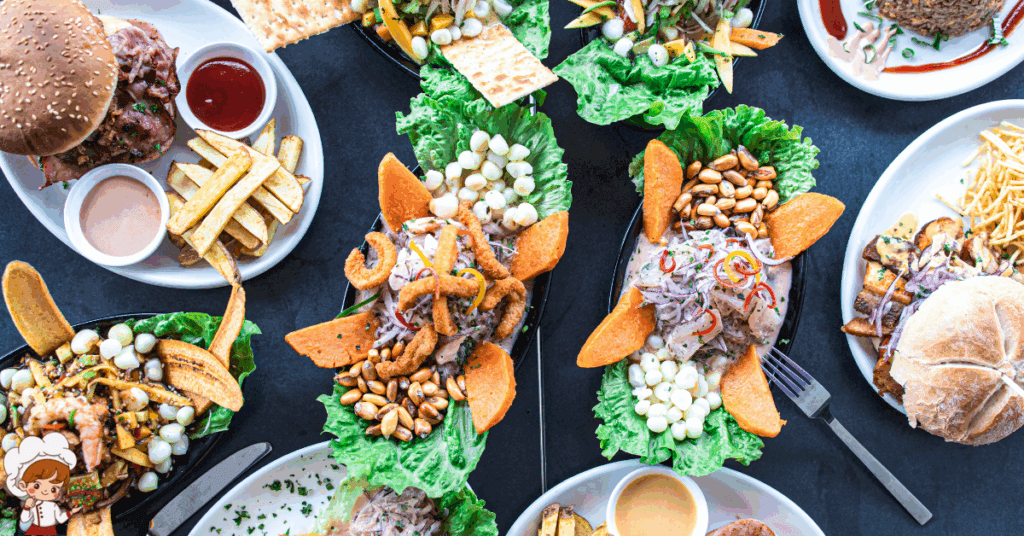
Peruvian Cuisine Is So Culturally Significant because it embodies a blend of ancient traditions and diverse influences. You’ll find ingredients like quinoa and potatoes, rooted in indigenous practices while reflecting the rich biodiversity of the region. Spanish colonization and immigration from various cultures have further enriched this culinary landscape. Dishes like ceviche and lomo saltado emphasize community and celebration, reinforcing social ties. Furthermore, the ongoing fusion of global flavors showcases Peru’s innovative spirit. All these elements come together to create a culinary experience that tells a story, connecting the past to the present. There’s so much more to explore!
Historical Roots of Peruvian Cuisine
Peruvian cuisine has deep historical roots that trace back thousands of years, blending indigenous traditions with influences from various cultures. When you explore this culinary landscape, you’ll uncover the rich tapestry of Andean heritage intertwined with pre-Columbian traditions. The ancient civilizations of the Andes, like the Incas, laid a strong foundation for what you now enjoy on your plate.
These cultures cultivated a variety of crops, including potatoes, quinoa, and maize, which remain staples in modern Peruvian cooking. Each ingredient tells a story, reflecting the connection between the land and its people. You might notice how traditional cooking methods, passed down through generations, emphasize respect for these ingredients, showcasing their natural flavors.
As Spanish colonization began in the 16th century, new ingredients and techniques entered the mix, creating a unique fusion. This blend didn’t overshadow the existing pre-Columbian traditions; instead, it enriched them. You can see this in dishes like causa and ceviche, where indigenous and European influences coexist beautifully.
Indigenous Ingredients and Techniques
While exploring the essence of Peruvian cuisine, you’ll find that indigenous ingredients and techniques play a significant role in shaping its identity. The rich biodiversity of Peru offers a treasure trove of native ingredients, including a variety of Andean grains like quinoa, amaranth, and kiwicha. These grains aren’t just staples; they’re integral to the region’s cultural heritage and nutritional practices. They provide essential nutrients and are often incorporated into traditional cooking methods passed down through generations.
Traditional cooking techniques in Peru showcase the ingenuity of indigenous peoples. For instance, the use of the “pachamanca” method involves cooking food underground with hot stones, a technique that highlights the connection to the land and respect for natural resources. You’ll also notice the importance of seasonal and local ingredients, which not only enhance the flavors but also reflect the agricultural cycles of the region.
Moreover, indigenous communities have mastered the art of preserving foods through methods like drying and fermentation, ensuring that they can enjoy their harvest year-round. This practice not only sustains families but also fosters a sense of community and shared identity.
Incorporating these indigenous ingredients and techniques into daily life offers a glimpse into the rich tapestry of Peruvian culture. By embracing these elements, you’re not just savoring delicious dishes; you’re participating in a culinary tradition that honors the past while looking toward the future.
Influence of Immigration
Throughout history, the influence of immigration has remarkably shaped Peruvian cuisine, introducing a vibrant mix of flavors and cooking styles. You’ll find that the fusion of diverse culinary traditions creates a unique gastronomic landscape. The Chinese influence is particularly evident in dishes like chaufa, a delicious Peruvian fried rice that blends Chinese cooking techniques with local ingredients.
Italian flavors also play a significant role, with pasta and pizza becoming staples in many Peruvian households. You’ll taste how these dishes have been adapted with local ingredients, showcasing the creativity that stems from this culinary exchange.
Japanese techniques, especially in seafood preparation, have transformed how you experience dishes like ceviche. The incorporation of sashimi-style cuts elevates the freshness of the fish, offering a unique twist that highlights Peru’s rich marine resources.
African spices add another layer of complexity to the cuisine, with dishes influenced by the African diaspora enriching stews and soups. You’ll notice the depth of flavor these spices bring, connecting you to the country’s multifaceted history.
Finally, the Spanish heritage anchors Peruvian cuisine, as many traditional recipes trace their roots back to colonial times. Andean traditions remain integral, with local ingredients like potatoes and quinoa forming the backbone of countless dishes.
In essence, each wave of immigration has left an indelible mark on Peruvian cuisine, making it a true reflection of the country’s rich cultural tapestry.
Culinary Fusion and Globalization
How has globalization impacted the culinary landscape of Peru? You’ll notice that it’s transformed Peruvian cuisine into a vibrant tapestry of flavors and techniques. As international influences seep in, chefs are blending traditional ingredients with global trends, creating dishes that reflect a fusion of cultures. This culinary diplomacy showcases Peru’s rich heritage while making it accessible to a wider audience.
You can see this fusion in popular dishes like Nikkei cuisine, which marries Japanese techniques with Peruvian ingredients. Sushi rolls filled with aji amarillo or ceviche garnished with wasabi highlight how culinary borders are blurred. This doesn’t just elevate Peru’s profile on the world stage; it also invites food lovers from around the globe to explore its unique flavors.
Moreover, global trends in health and sustainability have led Peruvian chefs to embrace organic and locally-sourced ingredients. You’ll find an increasing number of restaurants focusing on farm-to-table practices, emphasizing the importance of fresh produce and ethical sourcing. This shift not only honors the traditional farming practices of Peru but also aligns with the global movement toward sustainable eating.
As a result, Peru’s culinary scene has become a dynamic hub of innovation. With each new dish, you witness a celebration of diversity and an acknowledgment of ancient roots. So, whether you’re dining in Lima or sampling Peruvian fare abroad, you’re experiencing a cuisine that’s constantly evolving and redefining itself within a global context.
Cultural Identity and Community
Peruvian cuisine isn’t just a collection of dishes; it’s a reflection of the country’s rich cultural identity and community ties. When you sit down for a meal in Peru, you’re not just enjoying food; you’re participating in a vibrant tapestry of food traditions that have been passed down through generations. Each dish tells a story, connecting you to the indigenous peoples, Spanish colonizers, and immigrant communities that have shaped Peru’s culinary landscape.
Communal meals play an essential role in Peruvian society, where sharing food fosters connection and strengthens bonds. Whether it’s a family gathering or a local fiesta, the act of eating together reflects the importance of community. You’ll notice that traditional dishes like ceviche or lomo saltado are often served in large portions, inviting everyone to dig in and share. This sense of togetherness enhances the dining experience, turning meals into celebrations of heritage and unity.
Moreover, food traditions are often tied to specific cultural events, such as Inti Raymi or the Feast of San Juan. During these festivities, unique dishes take center stage, showcasing regional ingredients and flavors. By engaging in these culinary practices, you’re not just savoring delicious food; you’re actively participating in a cultural legacy that defines your identity.
In essence, Peruvian cuisine is a powerful vehicle for expressing cultural identity. It embodies the spirit of community, ensuring that traditions endure, and that everyone feels connected through the simple yet profound act of sharing a meal.
Frequently Asked Questions: Peruvian Cuisine Is So Culturally Significant
What Are Some Popular Peruvian Dishes to Try?
When you explore Peruvian cuisine, don’t miss ceviche variations, bursting with fresh flavors. Immerse yourself in the country’s incredible potato diversity, featuring countless types, each offering unique tastes that’ll truly elevate your culinary experience. Enjoy!
How Does Climate Affect Peruvian Agriculture and Cuisine?
Climate shapes Peruvian agriculture by influencing Andean biodiversity and agricultural practices. You’ll notice how varied crops thrive in diverse climates, enhancing flavors and textures in dishes, reflecting the region’s rich environmental influences on cuisine.
What Role Does Street Food Play in Peruvian Culture?
Street food’s vibrant presence showcases Peru’s culinary traditions, where you savor diverse flavors from street vendors. It fosters community connections, celebrates heritage, and offers a delicious way for you to experience local culture daily.
Are There Any Famous Peruvian Chefs or Restaurants?
Yes, there are renowned Peruvian chefs like Gastón Acurio, who showcases traditional cooking techniques and culinary traditions. Restaurants like Astrid y Gastón highlight the country’s diverse flavors, elevating Peruvian cuisine on the global stage.
How Is Peruvian Cuisine Represented in International Culinary Competitions?
Peruvian cuisine shines in international culinary competitions, showcasing its culinary innovation and global influence. You’ll see chefs creatively blending traditional ingredients with modern techniques, enchanting judges and audiences alike with vibrant flavors and unique presentations.
Conclusion
Peruvian cuisine’s cultural significance lies in its rich history and diverse influences. You’ve seen how indigenous ingredients and techniques blend with flavors from immigrants, creating a unique culinary tapestry. This fusion not only showcases Peru’s biodiversity but also strengthens community ties and cultural identity. As you explore these vibrant dishes, you connect with a heritage that celebrates resilience and creativity. Embrace this gastronomic journey, and you’ll find that every bite tells a story worth savoring.